
Tabelog 100 #1
Our verdict
Ningyocho Imahan Ueno hirokoji ten puts Tokyo’s sukiyaki and shabu-shabu tradition into a large-format Ueno room, with steak and kaiseki also in the frame. Its 2024 Tabelog 100 Hot Pot selection gives it a clear trust signal in a category where beef quality, table pacing, and drink pairing carry more weight than novelty.

Pearl is the En Primeur Club membership app, where members save venues, book tables and use the concierge.
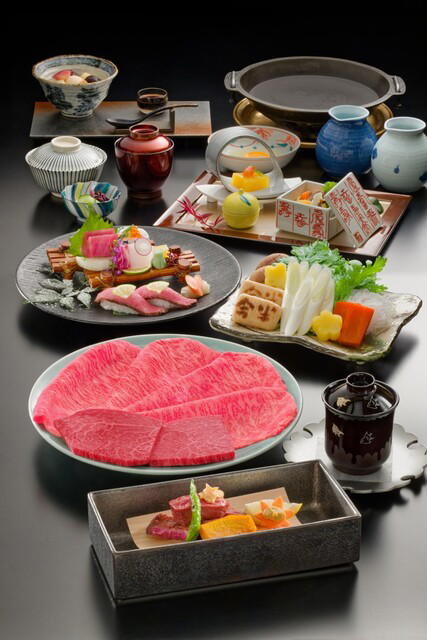
The menu
What to order
- Sukiyaki course with Kuroge Wagyu beef
- Shabu-shabu special course
- Grilled Wagyu steak
- Kaiseki course featuring wagyu
Arriving in Tokyo, the cue is scale rather than secrecy: a polished beef-house formality that the city often uses for family meals, business dinners, and calendar-marking celebrations. In a city where counter dining often gets the critical spotlight, sukiyaki and shabu-shabu occupy a different register. The meal is social by design, built around shared heat, pacing, and a table that can hold conversation as well as technique.
Ningyocho Imahan Ueno hirokoji ten sits inside that tradition with a 2024 Tabelog 100 Hot Pot selection, a meaningful marker in a field where reputation is usually earned through consistency rather than spectacle. The cooking category is direct: sukiyaki, shabu-shabu, and steak. That focus matters. Tokyo’s premium beef rooms often divide into narrow specialism or general-purpose luxury dining; this branch reads as a dependable choice when the table includes both hot-pot purists and guests who want a broader meat-led meal.
Tokyo's beef-house format, with room for a shared table
The assigned angle here is the drinks program, and the safest lesson is restraint. This is not a restaurant to describe through an invented cellar narrative or an unverified beverage hierarchy. The editorial point is practical: hot pot needs pacing, refreshment, and pairings that support the food rather than pulling the meal away from its central grammar.
That balance is important because sukiyaki is not neutral food. Its sweet soy seasoning pushes pairings toward drinks with structure, acidity, or grain-driven dryness; shabu-shabu asks for lighter handling and lets the dipping sauces do more of the work. For a mixed Tokyo table, the useful lens is flexibility around a shared meal. One guest may lean into the pot, another may focus on steak, and the group still needs the evening to feel coherent. The point is not cellar depth for its own sake, but ease around the table.
Compared with other allowed Tokyo choices, the positioning is clear. Torie Ueno hirokoji ten suggests a different rhythm at the table, while Gensen Yoshoku Sakurai and da GIORGIO operate in Western-leaning formats. Kuriya Kurogi and Karinto Yushima Kagetsu answer different daytime and sweets-driven needs. This is where hot pot’s advantage appears: it can carry ceremony without requiring the silence or tight choreography of a counter format.
Why the Tabelog 100 Hot Pot signal matters
Tokyo’s hot-pot category is crowded, but not all recognition is equal. A Tabelog 100 Hot Pot 2024 selection places the restaurant inside a curated national conversation around sukiyaki and shabu-shabu rather than a generic local listing. For travellers, that matters because hot pot is a category where language, ordering conventions, and room style can be harder to judge from the outside than sushi or ramen. Recognition does not replace taste, but it reduces the risk of choosing a beef house on name familiarity alone.
The venue’s listed price band also changes the editorial read: dinner is published at JPY 10,000 - JPY 14,999, with lunch at JPY 5,000 - JPY 5,999. Many premium Tokyo meals are defined by scarcity or tasting-menu formality; here, the format is easier to understand as a recognized hot-pot and beef choice within a clear budget frame. That makes it useful for meals where the priority is a known Japanese format rather than an experimental sequence.
The room also reflects Tokyo’s dining personality. The city can move from formal meals to casual eating within a compact itinerary, and a sukiyaki and shabu-shabu house does not need to perform avant-garde Tokyo. It offers continuity: beef, shared pots, formal service cues, and a category that remains legible even when the table includes diners with different levels of familiarity with Japanese hot pot.
How to read it against a Tokyo itinerary
For visitors building a Tokyo dining week, this is the hot-pot slot rather than the experimental slot. Pair it with counter yakitori, curry, café culture, and seafood elsewhere, then let this meal do what sukiyaki and shabu-shabu do well: anchor a group around one table. Readers comparing across the city can use Our full Tokyo restaurants guide for a broader restaurant edit, then branch into Our full Tokyo bars guide, Our full Tokyo hotels guide, Our full Tokyo wineries guide, and Our full Tokyo experiences guide for the rest of the trip architecture.
Within the Tokyo restaurant map, contrast sharpens the choice. Other Tokyo dining rooms may point toward seafood, skewers, themed café culture, curry, or different styles of meat-led cooking. Ningyocho Imahan Ueno hirokoji ten is the more direct pick when the brief is sukiyaki, shabu-shabu, steak, and a recognized hot-pot signal rather than a looser category search.
Travellers linking Japan with wider dining research can also compare category choices against other dining in Tokyo and beyond in more general terms. The editorial takeaway is simple: choose Ningyocho Imahan Ueno hirokoji ten when the meal needs Japanese beef tradition, recognized hot-pot credentials, and a price band that is clear enough to support planning without turning dinner into a speculative exercise.
Frequently asked questions
What are the opening hours for Ningyocho Imahan Ueno hirokoji ten?
Specific opening hours are not included in the available ground-truth data for Ningyocho Imahan Ueno hirokoji ten, so diners should verify the current schedule directly before visiting.
Where is Ningyocho Imahan Ueno hirokoji ten located?
Tokyo.
What's the price range at Ningyocho Imahan Ueno hirokoji ten?
Pricing at Ningyocho Imahan Ueno hirokoji ten is listed as Dinner: JPY 10,000 - JPY 14,999; Lunch: JPY 5,000 - JPY 5,999.
What has Ningyocho Imahan Ueno hirokoji ten built its reputation on?
The restaurant is recognized in Tabelog 100 Hot Pot 2024 and is categorized for sukiyaki, shabu shabu, and steak. Its Tabelog score is listed as 3.65.
Is Ningyocho Imahan Ueno hirokoji ten allergy-friendly?
A dedicated allergy policy is not included in the available ground-truth data, so diners with allergies should verify specifics directly before booking.
Style and Standing
Comparable venues by price and recognition.
| Venue | Cuisine | Price | Awards | Notes |
|---|---|---|---|---|
| Ningyocho Imahan Ueno hirokoji tenThis venue (the venue you are viewing) | Traditional Wagyu Sukiyaki & Shabu-shabu | $100–150 | Tabelog 100 #1 | Not listed |
| Koran | Seasonal Japanese Kaiseki Counter | $200–300 | Tabelog 100 #79 | Chūō |
| Japanese Restaurant "Ginza Tsuru" Tokyo / Wagyu Shabu-shabu & Sukiyaki | Japanese Wagyu Shabu-Shabu & Sukiyaki | $150–200 | Not listed | Chūō |
| Kojimachi Nihee | Edomae Nigiri Sushi | $300–500 | Not listed | Chiyoda |
| Seryna | Premium Kobe Beef Shabu-Shabu | $100–150 | Not listed | Minato |
| Sushi Murase | Aged Edomae Omakase | $200–300 | Tabelog 100 #18 | Minato |
Recognition history
Dated appearances from independent guides and award organizations, with the underlying list record or original source where available.
Tabelog 100 #1 · No. 1
Tabelog · Tabelog 100 - Hot Pot - 2024
Continue exploring
More in Tokyo
Restaurants in Tokyo
All restaurants in Tokyo →



Bars in Tokyo
All bars in Tokyo →

Details
- Elegant
- Classic
- Cozy
- Sophisticated
- Business Dinner
- Group Dining
- Family
- Celebration
- Date Night
- Private Dining
- Standalone
- Design Destination
- Sake Program
- Local Sourcing
- Set Menu
- A La Carte
- Sake
- Beer
- Wine
- Allergy Accommodating
Current opening hours
- Monday
- 11:30 AM–3 PM, 5–10 PM
- Tuesday
- 11:30 AM–3 PM, 5–10 PM
- Wednesday
- 11:30 AM–3 PM, 5–10 PM
- Thursday
- Closed
- Friday
- 11:30 AM–3 PM, 5–10 PM
- Saturday
- 11 AM–3 PM, 5–10 PM
- Sunday
- 11 AM–3 PM, 5–10 PM
Hours can change for holidays and private events. Hours as of .
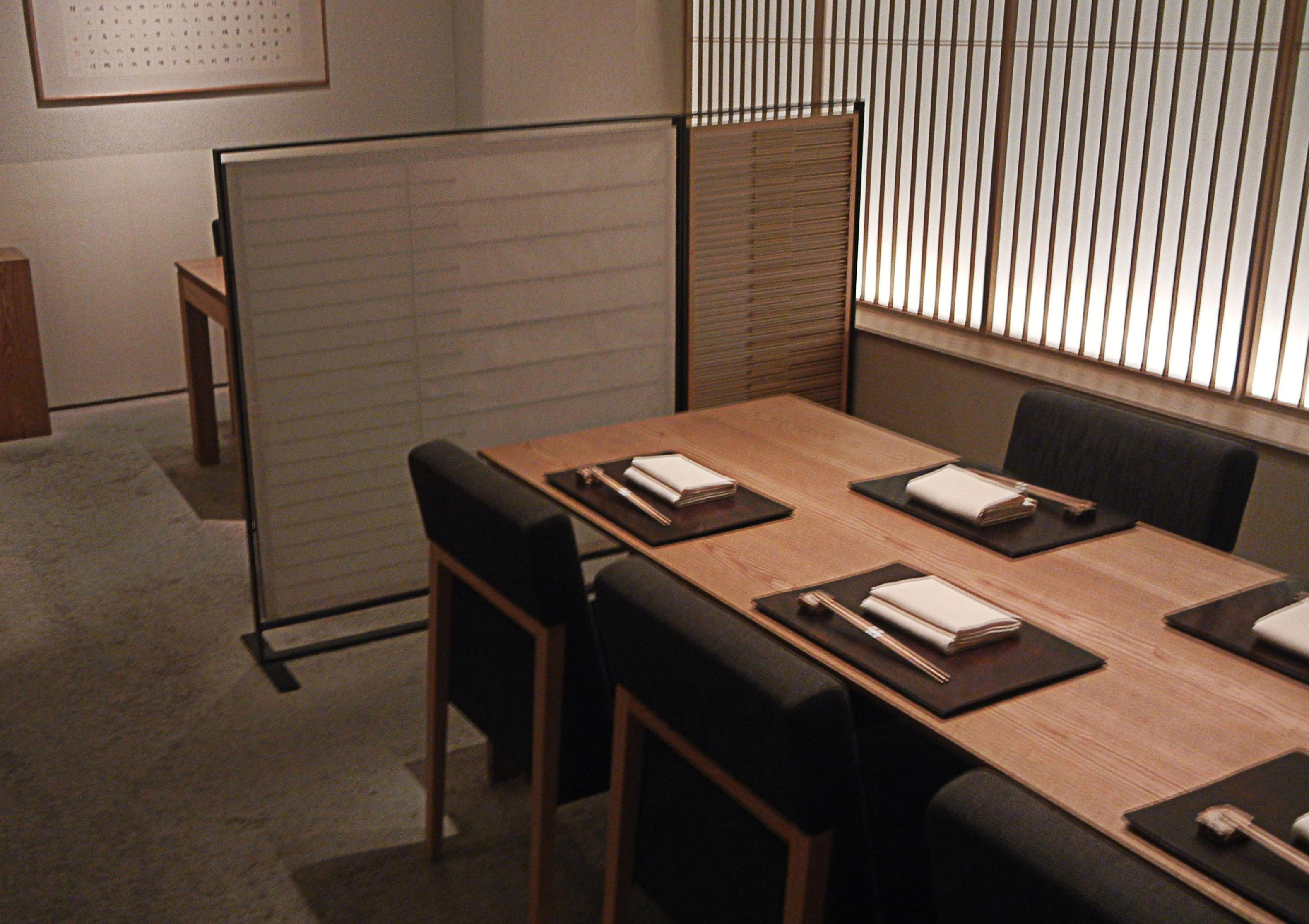
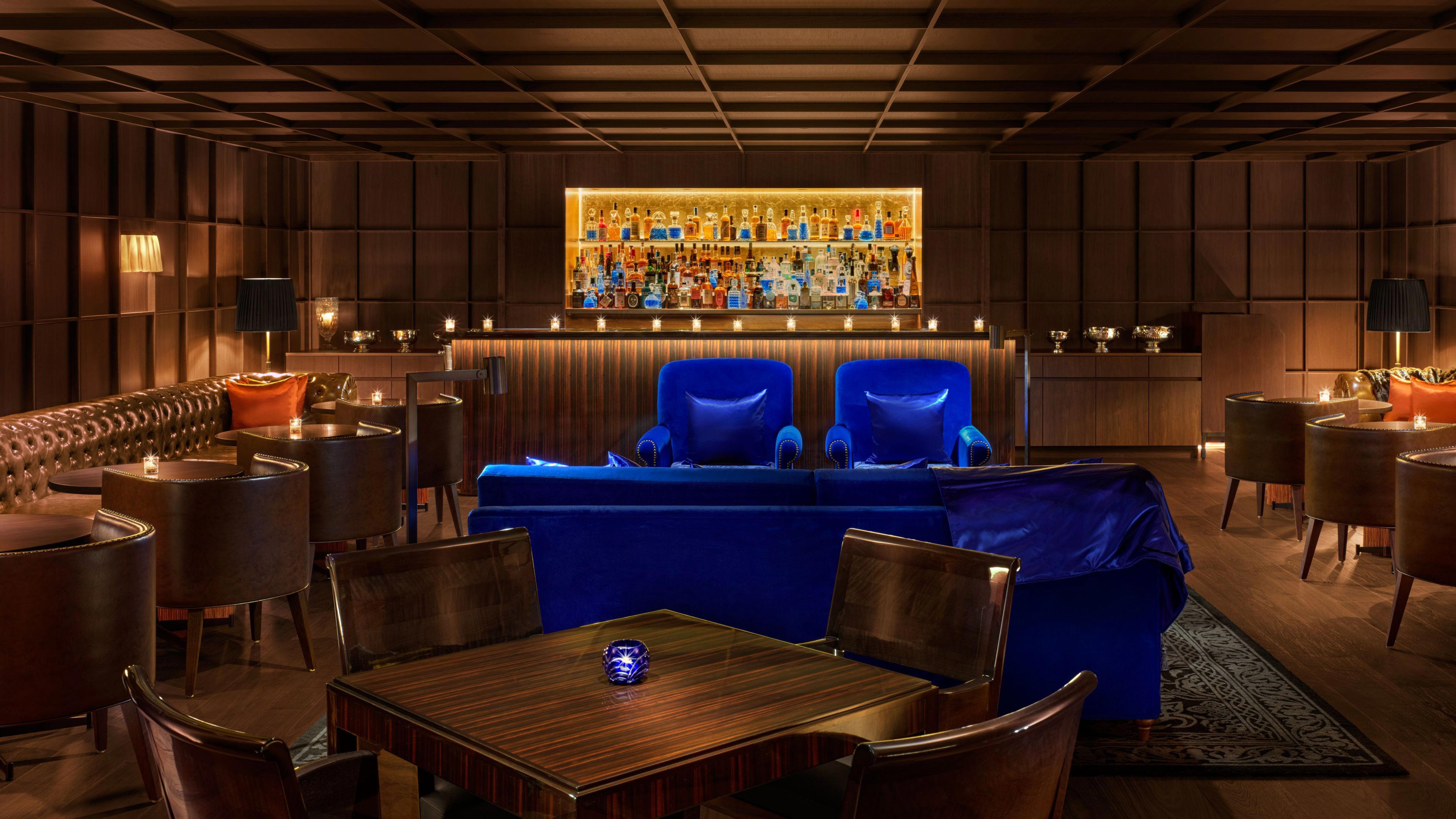
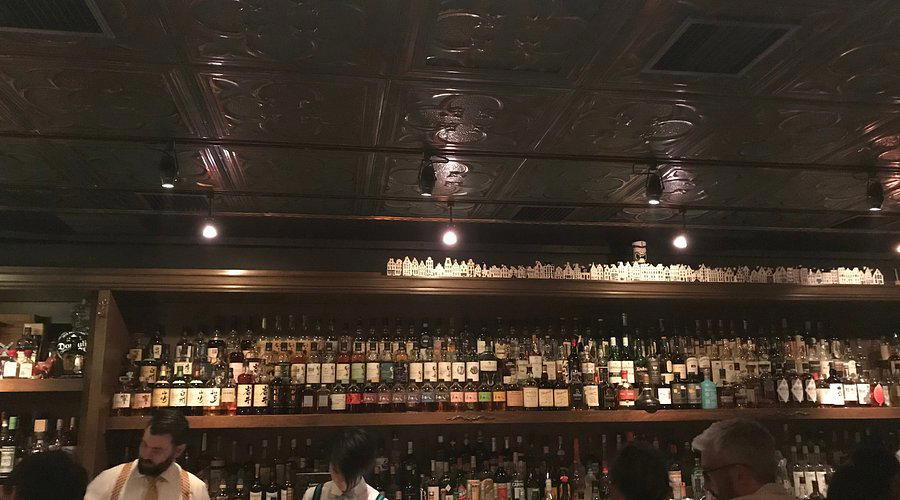
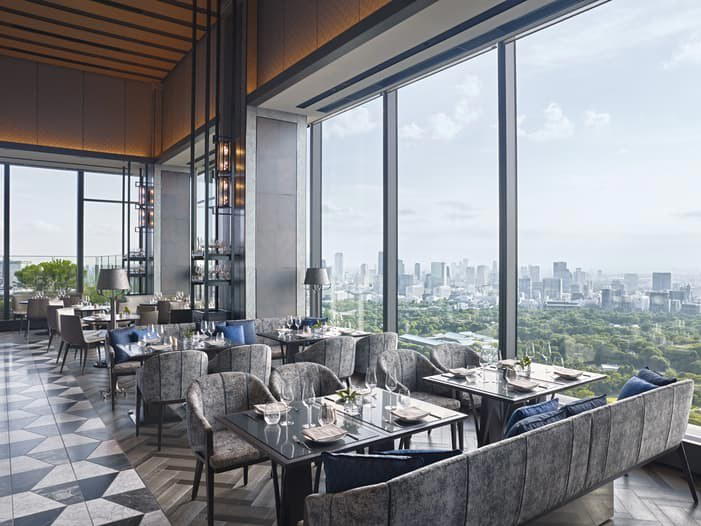
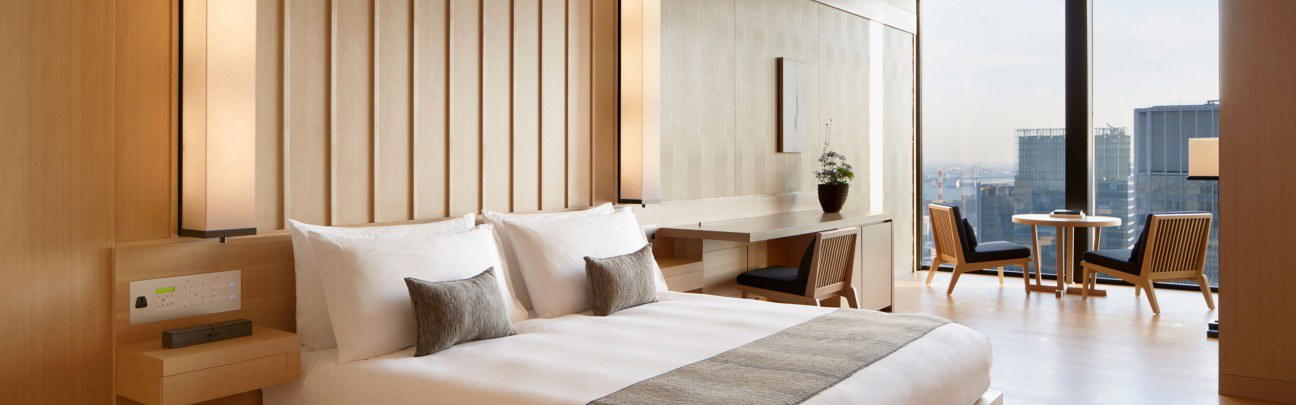
Traditional sukiya-style Japanese interior with warm lighting, tatami and private rooms, creating a calm, formal yet welcoming atmosphere suited to celebrations and business entertaining.