

Michelin Plate · Tabelog Bronze #519
Our verdict
A Gion institution for meat kappo, Yassan has earned consecutive Tabelog Bronze Awards (2025, 2026) and a Michelin Plate for its counter-led approach to simmered and grilled beef dishes. Set on Gionmachi Kitagawa in Higashiyama Ward, it operates Monday through Saturday evenings and draws a loyal local crowd that fills the 22-seat counter most nights. Tatami rooms upstairs accommodate groups of three or more by reservation.

Pearl is the En Primeur Club membership app, where members save venues, book tables and use the concierge.
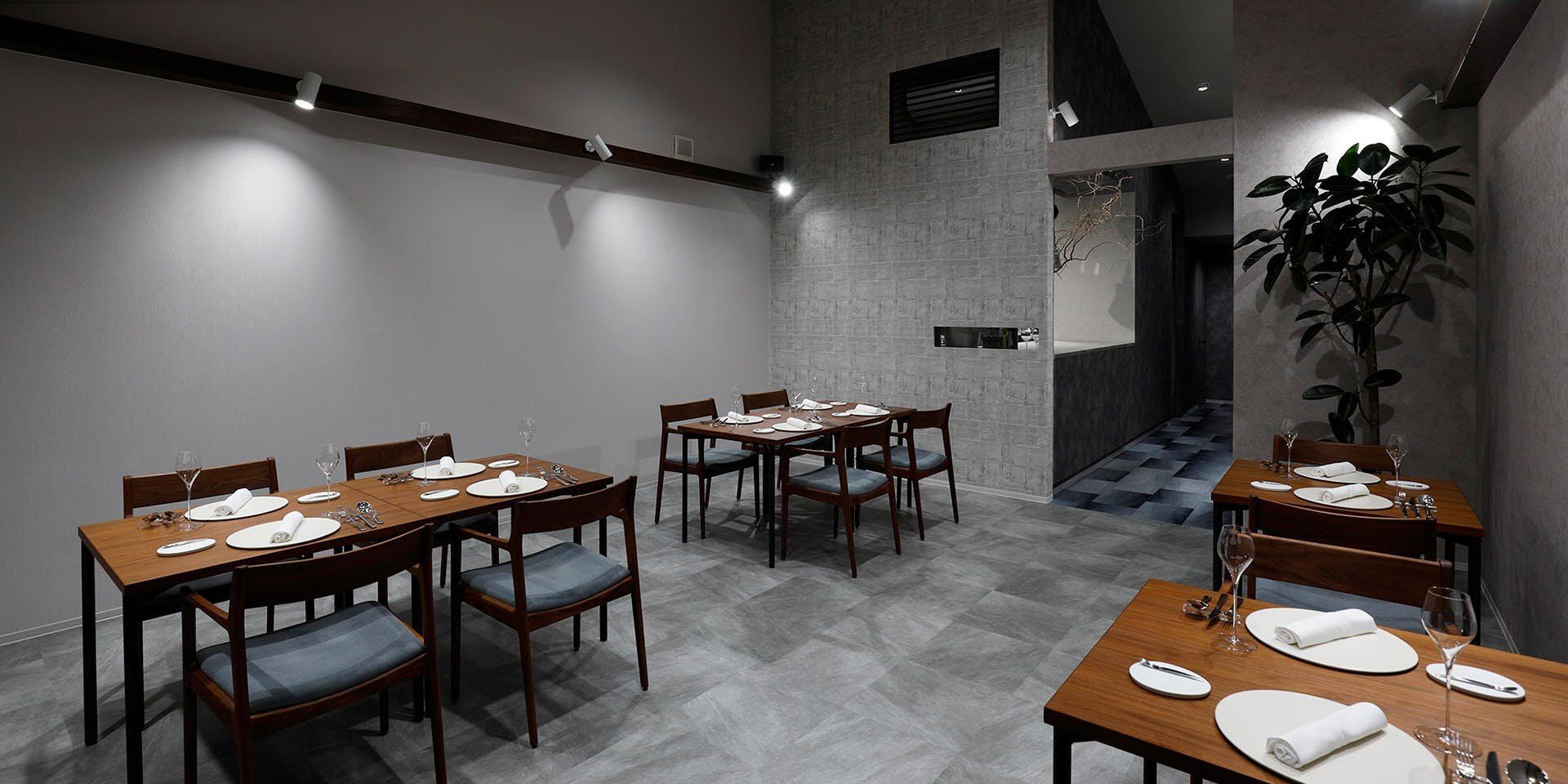
Gion's Meat Counter: A Different Register from Kaiseki
Kyoto's restaurant culture is so thoroughly associated with kaiseki that beef-focused dining occupies an almost counterintuitive position here. The city's premium food scene runs toward restraint, seasonal vegetable preparation, and the elaborate multi-course formats associated with houses like Gion Sasaki, Hyotei, and Kikunoi Honten. Yet Gion has always carried a parallel tradition: the kappo counter that operates outside the kaiseki framework, where the format is looser, the seating is close, and the kitchen is visible. Yassan belongs to this tradition, and it has done so long enough to become a fixed reference point in the neighbourhood.
The address, 347 Gionmachi Kitagawa, roughly two minutes from Gion Ichiriki-tei across the road, places it inside the historic entertainment district of Higashiyama Ward. That location is not incidental. The Gion kappo counter has historically served the after-hours crowd: the regulars who know the area, the business dinners that want proximity to the teahouse district without the formality of a full kaiseki sitting. Yassan draws on both, with Tabelog noting it as recommended particularly for business occasions and friend gatherings.
The Arc of a Meal at the Counter
The logic of a meat kappo meal differs structurally from kaiseki. Where kaiseki builds a strict seasonal narrative through eight or more courses with prescribed form, meat kappo at a counter like Yassan allows the evening to unfold in a more accumulated way: dishes arrive as they are ready, the pace is set partly by the counter staff and partly by what the customer orders, and the protein, in various cuts, treatments, and preparations, acts as the through-line rather than a seasonal ingredient hierarchy.
What makes Yassan's counter specifically legible as a progression is the range of preparation methods. The venue's Tabelog description points to simmered dishes as a defining characteristic alongside grilled preparations, which means the meal can move from slow-cooked, deeply reduced cuts through to pieces with more direct heat and char. That movement, from gentle to assertive, from yielding texture to crust, gives an evening at the counter a genuine arc rather than a series of parallel plates. The drink selection across sake, shochu, and wine gives the diner tools to pace against each stage.
Tobacco smoke is permitted in the dining room, which is worth factoring into expectations. The first floor runs a 22-seat counter; the second floor has tatami seating, accessible by reservation for groups of three or more. Counter seats are available without advance booking for tatami, which gives solo diners and pairs a direct path in, though the venue's reputation means the curtain going up at opening typically signals a full house within the hour.
The German in the Kitchen Language
Staff use German anatomical terms for cuts: tongue becomes Zunge, heart becomes Herz, stomach becomes Magen. The practice originates from an earlier period when the restaurant's regulars included German-speaking physicians, and the vocabulary became embedded in the counter's operational language. It persists today, which means a regular ordering at the counter participates, knowingly or not, in a kind of institutional memory.
The restaurant's name carries similar weight. Yassan is an affectionate contraction of the original owner-chef's name, Yasuo-san. The calabashes hanging from the rafters around the counter are a direct reference to that founding figure, who kept sake in the gourds. These are not decorative gestures, they are the accumulated residue of a specific person, a specific clientele, and specific habits that calcified into identity over time. Few restaurants in Gion carry this kind of embedded personal history without having repositioned themselves as heritage brands.
At a dinner average of JPY 10,000 to JPY 14,999, Yassan sits below the upper bracket of Kyoto's premium dining tier. Properties like Isshisoden Nakamura and the kaiseki houses at ¥¥¥¥ occupy a higher average spend. Yassan's ¥¥¥ positioning makes it one of the more accessible entries into Gion's serious dinner circuit, accessible by relative measure, not by absolute cost, but meaningful in a city where the gap between tiers is wide.
Within the Kyoto beef and meat category specifically, Nikuryori Shibuya represents a direct comparison point. Across Japan, the broader conversation about premium beef counter dining is active in Tokyo, where Oniku Karyu operates in a different register, and the category extends internationally to venues like Caviar & Bull in St Julian's. What separates Yassan from these peers is the specific Gion kappo context: the counter format, the simmered preparation emphasis, and the decades of neighbourhood continuity that no newer beef concept can replicate by design.
The Tabelog score of 4.17 in 2026 (up from 4.12 in 2025, when the Bronze Award was first granted) and the consecutive Bronze Awards for 2025 and 2026 position Yassan in the upper tier of Kyoto restaurants by that measure. The Michelin Plate recognition for both 2024 and 2025 adds a second independent data point. Neither award implies the kind of technical ambition that drives three-star kaiseki houses, but both confirm sustained quality at a counter that has been doing the same thing, in the same place, for long enough that the question of ambition has been replaced by the question of consistency.
Kyoto Beyond the Counter
Yassan sits in one of the most concentrated dining districts in Japan. For those building a longer Kyoto itinerary, the full Kyoto restaurants guide covers the range from kaiseki to contemporary formats. Accommodation options are mapped in the Kyoto hotels guide, and the bars guide covers what comes after dinner in Gion and beyond. For those extending a Japan trip beyond Kyoto, comparable restaurant programmes are active in Tokyo, Osaka, Nara, Fukuoka, Yokohama, and Okinawa. The Kyoto wineries guide and experiences guide round out the city's wider picture for those spending several days in the area.
Know Before You Go
| Address | 347 Gionmachi Kitagawa, Higashiyama Ward, Kyoto, 605-0073, Japan |
|---|---|
| Getting There | Approximately 10 minutes on foot from Gion-Shijo Station (Keihan Line). Cross the road opposite Gion Ichiriki-tei and walk approximately 2 minutes. 379 metres from Gion Shijo. |
| Hours | Monday to Saturday, 18:00 to 22:30. Closed Sunday and public holidays. |
| Price | Dinner: JPY 10,000 to JPY 14,999 per person (based on reviews) |
| Reservations | Reservations available for tatami seating (groups of three or more only). Counter seats on a walk-in basis. |
| Payment | Credit cards accepted. Electronic money and QR code payments not accepted. |
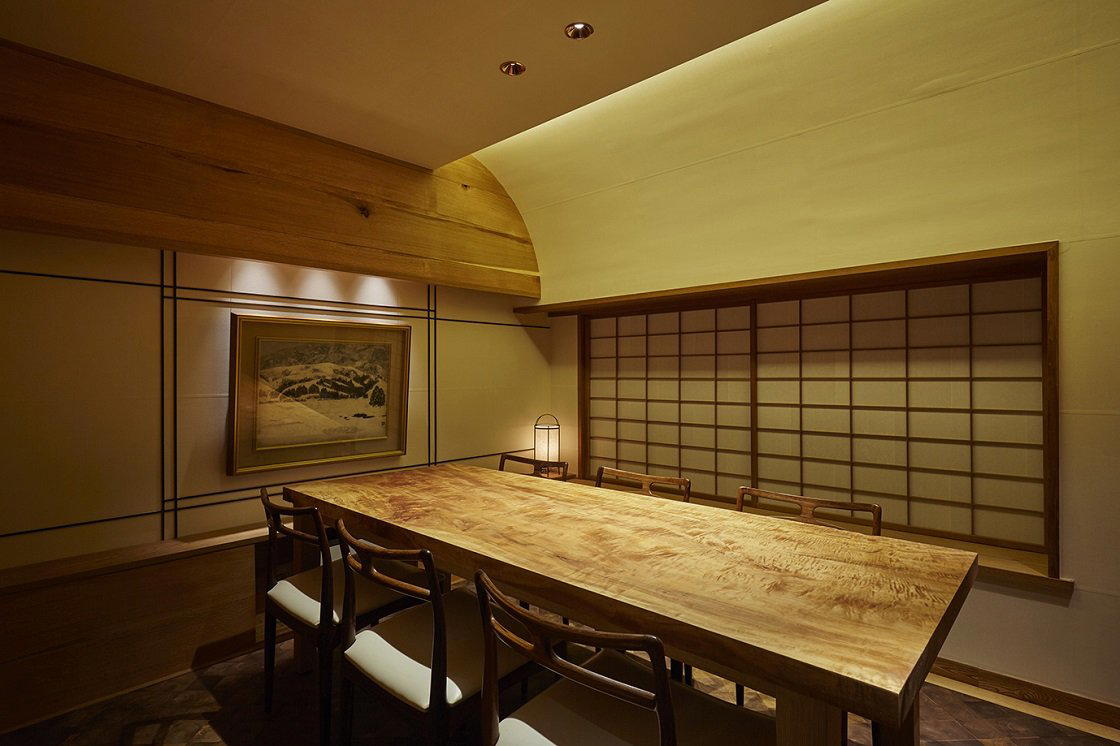
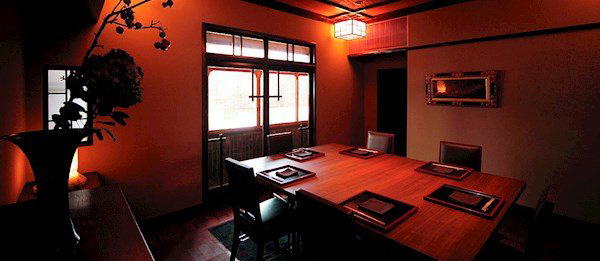
| Seating | 22-seat counter on the ground floor; tatami room on the second floor. Private rooms available. |
| Smoking | Smoking permitted. Verify current policy with the restaurant before visiting. |
| Phone | +81-75-541-9666 |
| Website | gion-yassan.com |
| Awards | Tabelog Bronze Award 2025 and 2026 (score 4.17); Michelin Plate 2024 and 2025 |
Frequently asked questions
What's Yassan's location?
Yassan is located at 347 Gionmachi Kitagawa, Higashiyama Ward, Kyoto, 605-0073, Japan, Kyoto.
What awards or recognition does Yassan have?
Yassan has received recognition including:
What's the signature dish at Yassan?
What the record does confirm is that Yassan specialises in simmered meat preparations across a broad range of cuts, with staff using German anatomical terms, Zunge for tongue, Herz for heart, Magen for stomach, a practice that reflects both the depth of the offal-led repertoire and the restaurant's history with German physician regulars. Dinner averages JPY 10,000 to JPY 14,999 per person.
What does dinner at Yassan typically cost?
Pricing at Yassan is listed as ¥¥¥.
How It Stacks Up
Comparable venues nearby, for context on price, style, and recognition.
| Venue | Cuisine | Price | Awards | Notes |
|---|---|---|---|---|
| YassanThis venue (the venue you are viewing) | Meat Kappo / Beef | Not listed | Michelin Plate · Tabelog Bronze #519 | Not listed |
| Bistro Cerisier | Classic French Bistro | $50–100 | Michelin Bib Gourmand | Sakyō |
| Eitaroya | Traditional Japanese Izakaya | $50–100 | Michelin Bib Gourmand | Nakagyō |
| Kyogoku Kaneyo | Traditional Kyoto Unagi | $50–100 | Michelin Bib Gourmand | Nakagyō |
| Takocho | Traditional Kyoto Oden | $50–100 | Michelin Plate | Higashiyama |
| Komatsu Cucina Italiana | Contemporary Italian with Seasonal Ingredients | $50–100 | Michelin Plate | Kamigyō |
Recognition history
Dated appearances from independent guides and award organizations, with the underlying list record or original source where available.
Michelin Plate
Michelin
Tabelog Bronze #519
Tabelog
Full recognition history (5 entries)
Michelin Plate
Michelin
Tabelog Bronze
Tabelog
Michelin Plate
Michelin
Continue exploring
More in Kyoto
Restaurants in Kyoto
All restaurants in Kyoto →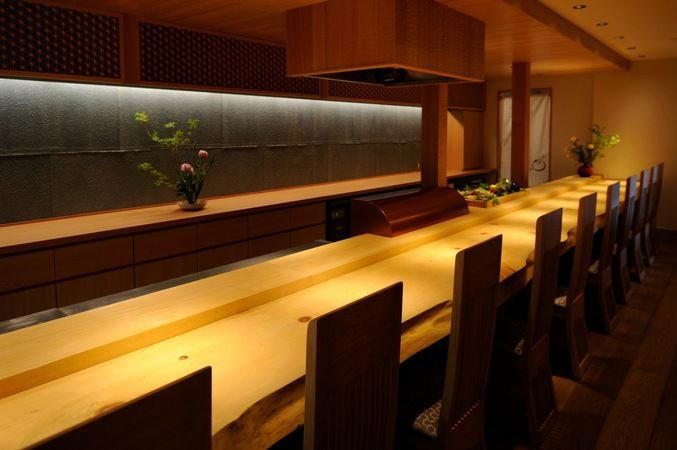
Bars in Kyoto
All bars in Kyoto →
Hotels in Kyoto
All hotels in Kyoto →
Wineries in Kyoto
Browse all →
Details
- Classic
- Quiet
- Intimate
- Business Dinner
- Group Dining
- Special Occasion
- Chefs Counter
- Open Kitchen
- Private Dining
- Standalone
- Sake Program
- Counter Dining
- Sake
Current opening hours
- Monday
- 6–10:30 PM
- Tuesday
- 6–10:30 PM
- Wednesday
- 6–10:30 PM
- Thursday
- 6–10:30 PM
- Friday
- 6–10:30 PM
- Saturday
- 6–10:30 PM
- Sunday
- Closed
Hours can change for holidays and private events. Hours as of .
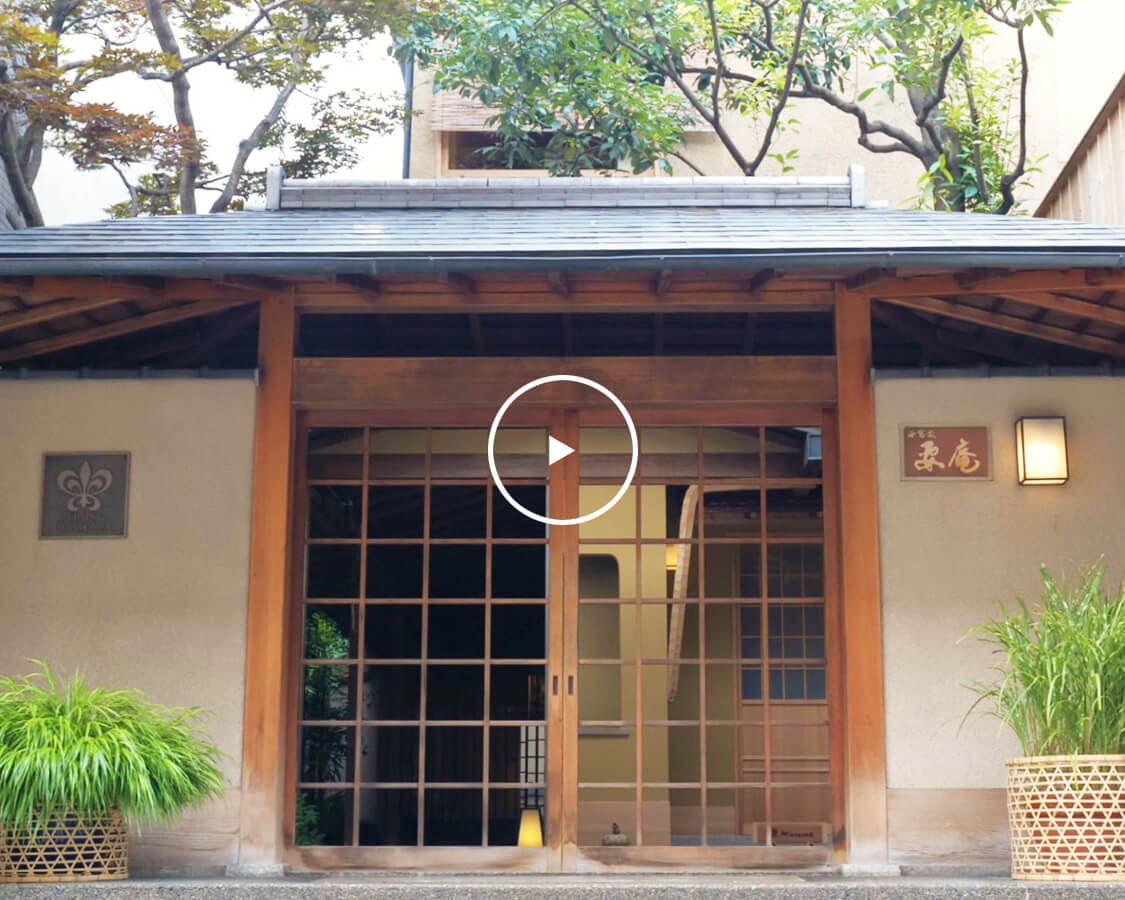
Calm, traditional Japanese atmosphere with wood-grain interiors, counter seating, and private rooms for a relaxed meal.