Nhà Hàng Bé Anh sits at the intersection of Phạm Văn Đồng and Hồ Nghinh in Son Tra, Da Nang's peninsula district, placing it squarely within a neighbourhood defined by casual seafood dining and local Vietnamese cooking. For travellers moving between the beach strip and the Son Tra interior, it occupies a practical and accessible position in a district with a growing dining identity.
Pearl is the En Primeur Club membership app — saves, bookings, and concierge access live there. Same editors, same standards.
- Address
- Ngã tư Phạm Văn Đồng, Hồ Nghinh nối dài tới ngã tư Dương Đình Nghệ, Hồ Nghinh, An Hải, Sơn Trà, Đà Nẵng, Vietnam
- Phone
- +84 905 516 726
 Saves & bookings on Pearl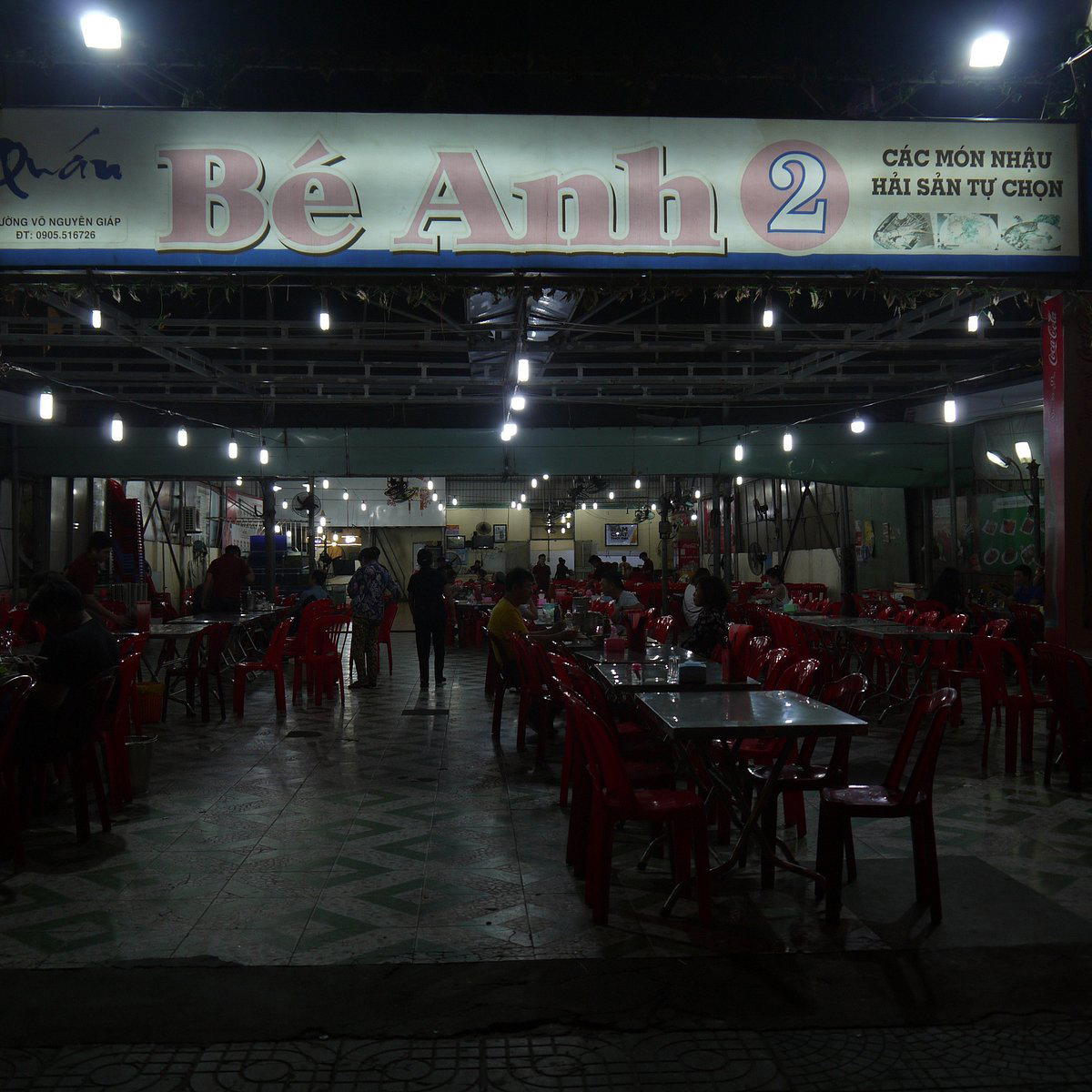
Son Tra's Neighbourhood Dining Circuit and Where Bé Anh Fits
Da Nang's Son Tra peninsula has developed a dual dining character over the past decade. The waterfront end pulls international visitors toward polished seafood restaurants and resort dining rooms, while the inland streets around An Hải and the Hồ Nghinh corridor have retained a denser, more local register: family-run kitchens, informal seafood houses, and neighbourhood restaurants oriented toward Vietnamese diners rather than tourist itineraries. Nhà Hàng Bé Anh occupies this second register, positioned at the junction of Phạm Văn Đồng and the Hồ Nghinh extension toward Dương Đình Nghệ, a crossroads in Sơn Trà, Đà Nẵng.
That placement matters editorially. In a city where the dining conversation tends to centre on resort strip restaurants, venues positioned deeper in residential districts often serve a more direct expression of how Da Nang actually eats. The Son Tra neighbourhood dining scene, anchored around streets like Hồ Nghinh and the broader An Hải ward, runs parallel to but distinct from the polished waterfront tier. Understanding which tier a restaurant belongs to tells you more about the meal you will have than any individual menu description.
Reading the Menu Architecture in Central Vietnamese Dining
Central Vietnamese cuisine has a structural logic that differs meaningfully from the cuisines of Hanoi or Ho Chi Minh City. The north favours restraint and purity of broth; the south leans toward sweetness and abundance. Da Nang and the central coast operate on a different axis: intensity, fermentation, and a preference for dishes that carry heat and umami simultaneously. A restaurant's menu in this region, even when data is limited, can be read through that regional grammar.
At the neighbourhood level in Son Tra, menus tend to be organised around seafood as a primary protein category, with freshwater and land proteins playing supporting roles. The central coast's access to the South China Sea means that what appears on local tables reflects daily catch patterns rather than fixed supplier lists, which gives neighbourhood dining here a seasonal flexibility that more formalised restaurants often trade away for consistency. Dishes like cá hấp (steamed fish), tôm nướng (grilled prawns), and mực chiên (fried squid) are not exotic choices in this context; they are the structural backbone of how Son Tra's local restaurants build their offerings.
The degree to which a restaurant in this district builds depth on top of that seafood core, through house sauces, fermented condiments, or regional preparations like mắm nêm-based dipping formats, is often what separates a kitchen with genuine local identity from one simply assembling standard components. The restaurant's positioning in the An Hải residential area of Son Tra places it within a dining tradition where that kind of granular, technique-driven differentiation is the norm rather than the exception.
The Son Tra comparable set
Son Tra's dining scene at the neighbourhood level includes a range of formats worth mapping against each other. My Hanh Seafood and Be Man Restaurant both occupy the seafood-forward tier of Son Tra dining, while Bau Troi Do and Citron represent slightly different registers in the district's offer. Le Rendez Vous French Restaurant Da Nang signals the European-influenced tier that coexists with local Vietnamese kitchens throughout Son Tra.
Bé Anh, by address and positioning, reads as a local Vietnamese establishment rather than a hybrid or international-facing restaurant. Its junction location on a busy arterial road in An Hải suggests a restaurant built for volume and regulars rather than one calibrated to walk-in tourist traffic. That distinction shapes expectations: the experience is likely to be direct, fast, and priced for the neighbourhood rather than for visitors working from a guidebook.
For wider Vietnam context, the central region's dining identity can be traced across the coastline. Saffron in Hue City and Cargo Club Cafe & Restaurant in Hoi An each represent how the central Vietnamese corridor handles the intersection of local tradition and visitor-facing presentation. At the formalised end of Da Nang's dining offer, La Maison 1888 in Da Nang operates in an entirely different competitive tier, as does Gia in Hanoi for northern Vietnamese fine dining. Further afield, Akuna in Ho Chi Minh City demonstrates how southern Vietnamese kitchens have approached contemporary reframing of traditional ingredients. Across other coastal markets, Phuong Nhung Restaurant in Cat Hai and Duyên Anh Restaurant in Phu Vang show how seafood-centric neighbourhood dining operates in Vietnam's other coastal districts.
Internationally, the structural approach to seafood-led menus that characterises central Vietnamese neighbourhood restaurants shares a functional logic with how focused, ingredient-driven kitchens operate at every price tier, from Le Bernardin in New York City to the produce-forward format of Lazy Bear in San Francisco, even if the registers are entirely different.
Planning Your Visit
Nhà Hàng Bé Anh is located at the intersection of Phạm Văn Đồng and the Hồ Nghinh extension in Son Tra's An Hải ward, Da Nang. The address places it on a main arterial road, making it accessible by motorbike taxi or ride-hailing apps from central Da Nang and the beach strip without requiring a long detour. The restaurant is open daily from 8 AM to 11 PM, and reservations are recommended.
A Credentials Check
Comparable venues nearby, for context on price, style, and recognition.
| Venue | Cuisine | Price | Notes |
|---|---|---|---|
| Nhà Hàng Bé AnhThis venue — the venue you are viewing | Fresh Vietnamese Seafood | $$ | Not listed |
| My Hanh Seafood | Fresh Vietnamese Seafood | $$$ | Son Tra |
| Be Man Restaurant | Fresh Vietnamese Seafood | $$ | Son Tra |
| Le Rendez Vous French Restaurant Da nang | French Bistro with Local Fusion | $$$ | Son Tra |
| Bau Troi Do | Central Vietnamese Seafood | $$ | Son Tra |
| Citron | Authentic Vietnamese Regional Cuisine | $$$ | Son Tra |
At a Glance
- Lively
- Family
- Casual Hangout
- Local Sourcing
Current opening hours
- Monday
- 8 AM–11 PM
- Tuesday
- 8 AM–11 PM
- Wednesday
- 8 AM–11 PM
- Thursday
- 8 AM–11 PM
- Friday
- 8 AM–11 PM
- Saturday
- 8 AM–11 PM
- Sunday
- 8 AM–11 PM
Hours can change for holidays and private events. Last verified .
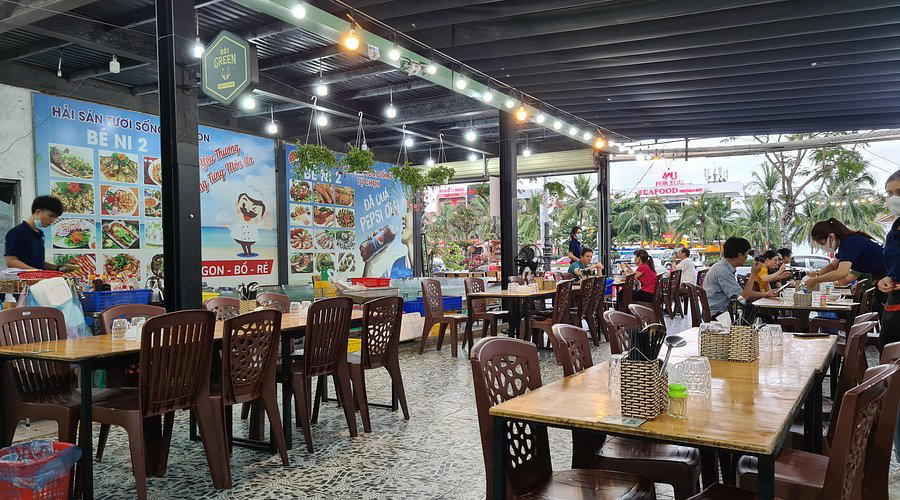
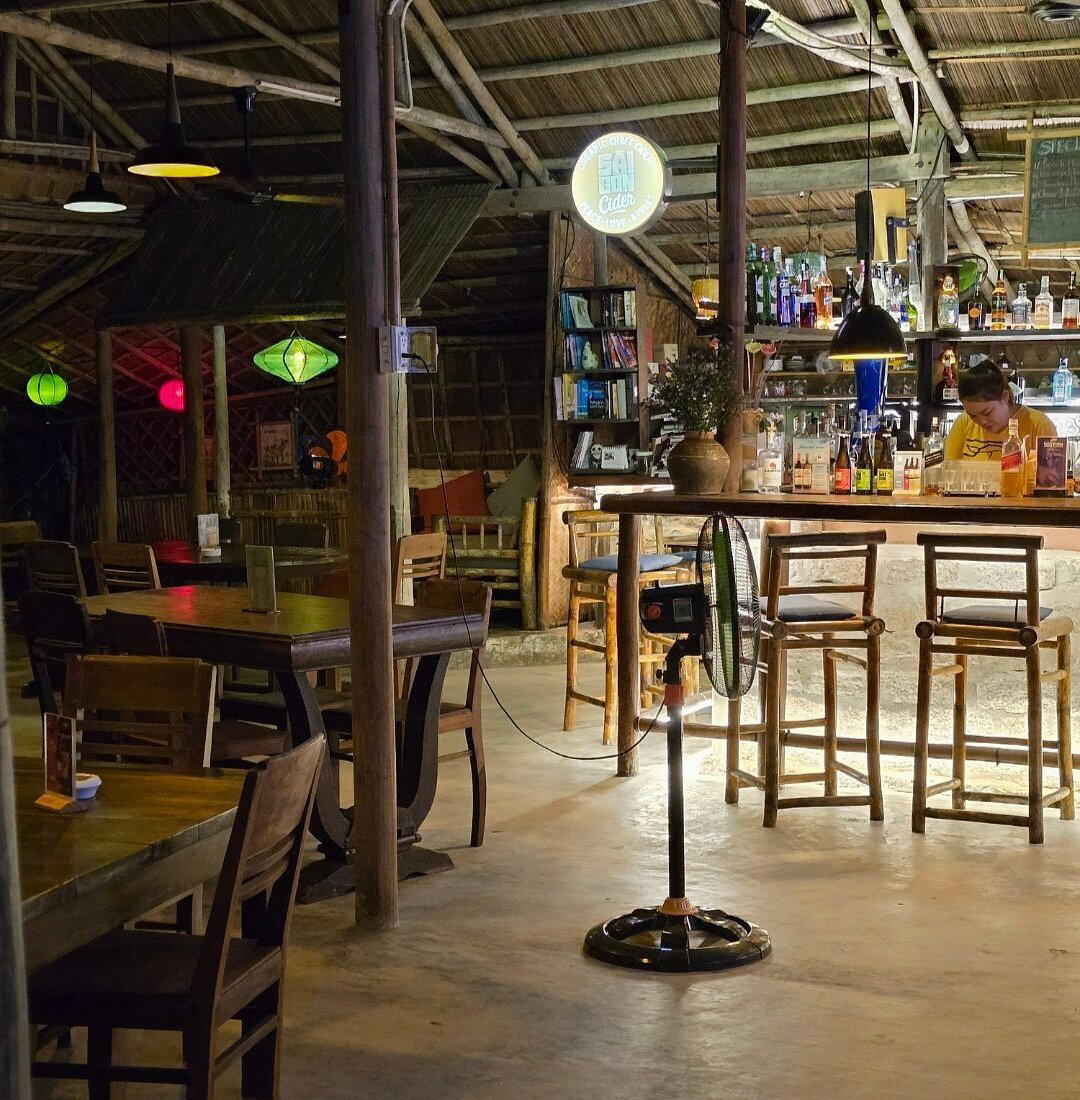
Unpretentious open-air atmosphere with constant sea breezes and simple furnishings.