Google: 4.7 · 6,398 reviews
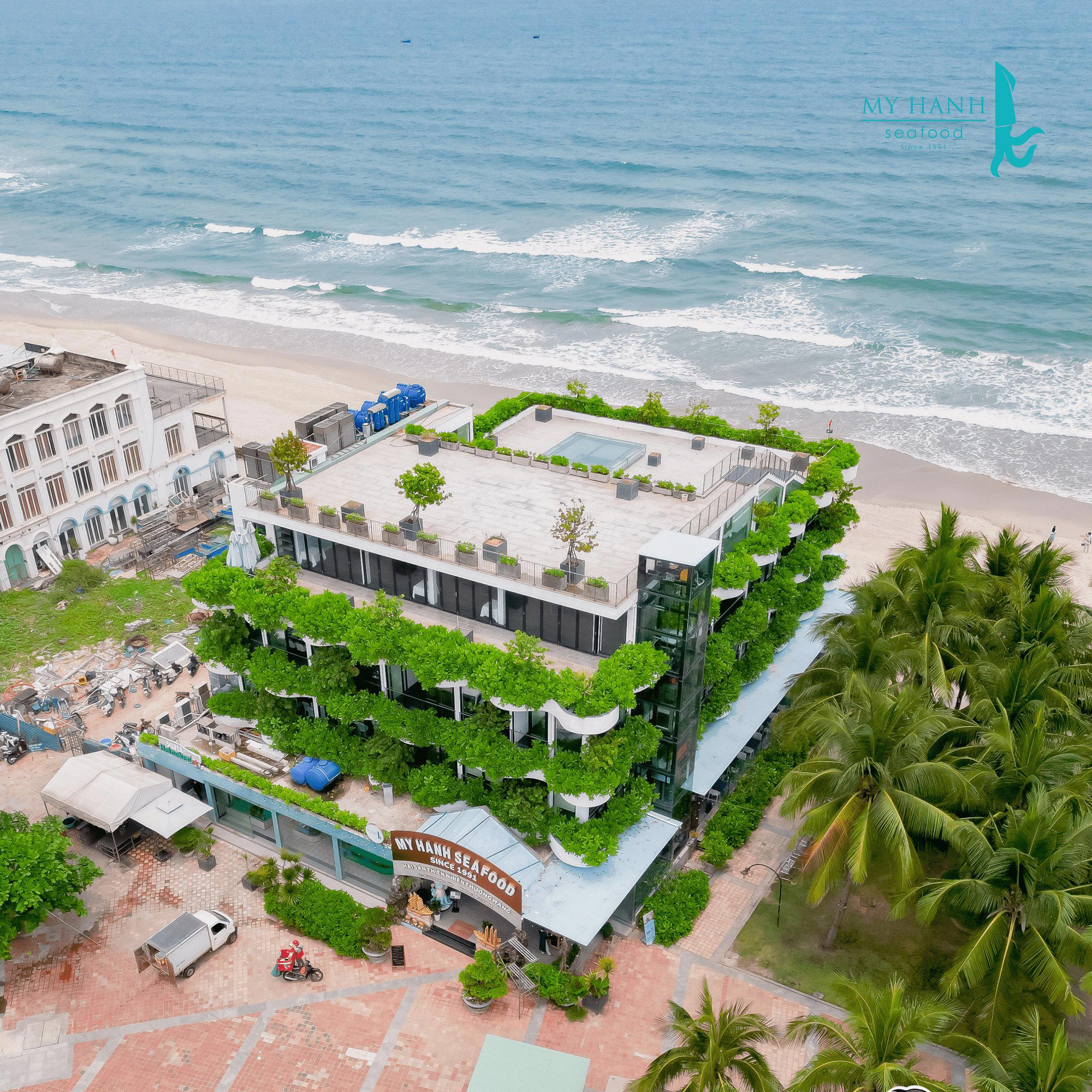
On Da Nang's northeastern coastline, My Hanh Seafood occupies a stretch of Võ Nguyên Giáp where the South China Sea sets the menu rather than any printed card. The restaurant sits within Son Tra's seafood dining corridor, where proximity to working fishing grounds shapes what arrives on the table and when. For visitors weighing the peninsula's options, it represents the direct-catch end of the local dining spectrum.
 Discover on Pearl
Pearl is the En Primeur Club membership app — saves, bookings, and concierge access live there. Same editors, same standards.
The Coastline That Sets the Terms
Võ Nguyên Giáp is not a restaurant street in the conventional sense. The road runs along Da Nang's northeastern seafront, tracing the base of the Son Tra peninsula where the South China Sea comes within metres of the dining room. At My Hanh Seafood, located at numbers 03-05 along this stretch, the physical relationship between sea and table is close enough to be operational rather than decorative. What the boats bring in shapes what the kitchen can offer, and that dependency is the defining characteristic of dining in this part of Son Tra rather than anything unique to a single establishment.
This matters for how you read the experience. Vietnam's central coast has one of the most productive inshore fishing zones in Southeast Asia, and Da Nang's position at the midpoint of that coast means restaurants along Võ Nguyên Giáp have access to a catch profile that changes week to week depending on season, weather, and tidal conditions. The diners who do leading here are the ones who arrive with flexibility rather than a fixed dish in mind.
Son Tra's Seafood Dining Corridor
Son Tra peninsula's dining character splits into two broad registers. The headland's resort-facing restaurants, some attached to large international properties, price against the hotel market and deliver accordingly. The strip along Võ Nguyên Giáp operates differently: these are working seafood houses, often family-run, where the product rather than the room is the draw. My Hanh Seafood sits within that second register, alongside peers like Bau Troi Do, Be Man Restaurant, and Nhà Hàng Bé Anh, all of which compete on catch quality and preparation directness rather than format or design.
The distinction is worth understanding before you book. Along this corridor, the competitive dynamic rewards restaurants that maintain supplier relationships with local fishing families and turn their product quickly. Elaborate kitchen technique is less relevant here than sourcing discipline and timing. A fish grilled an hour after landing will always outperform one that has spent a day in transit, and the restaurants that understand this tend to build their reputations accordingly.
For a broader picture of what the district offers across different dining registers, including places like Citron and Le Rendez Vous French Restaurant Da Nang, the full Son Tra restaurants guide maps the full range.
What the Coastal Format Delivers
Central Vietnamese seafood preparation draws on a culinary tradition that treats proximity to the source as the primary value-add. The techniques in wide use along this coastline, grilling over charcoal, steaming with aromatics, stir-frying with local herbs, are calibrated to show the ingredient rather than transform it. This is a fundamentally different philosophy from, say, the classical French approach to seafood at Le Bernardin in New York City, where the kitchen's craft is the explicit subject of the meal. Along Võ Nguyên Giáp, the subject is the fish itself.
That framing shapes reasonable expectations. Diners arriving from Vietnam's more technically ambitious urban restaurants, places like Gia in Hanoi or Akuna in Ho Chi Minh City, will find a different set of pleasures here. The value is in freshness, directness, and the particular character of seafood caught from these specific waters, not in menu architecture or tasting progression. The experience sits closer to what you'd find at a straight-talking coastal restaurant in central Hue at a place like Saffron, or at seafood-focused spots elsewhere along Vietnam's coast such as Phuong Nhung Restaurant in Cat Hai and Duyên Anh Restaurant in Phu Vang.
Placing My Hanh in the Wider Da Nang Context
Da Nang's restaurant scene has diversified considerably over the past decade. The city now supports fine dining formats, colonial-era dining rooms like La Maison 1888 in Da Nang, a substantial international hotel dining sector, and the kind of casual but quality-focused places that draw food-oriented visitors from Hoi An for the day. A short drive south brings you to Cargo Club Cafe and Restaurant in Hoi An, which represents the tourist-facing heritage dining model. My Hanh occupies a different position entirely: it serves a local coastal dining tradition that exists largely independent of the international tourist infrastructure.
For visitors based along the My Khe or Non Nuoc beach strips, the Võ Nguyên Giáp seafood corridor requires a deliberate trip rather than a casual walk from the hotel. That friction is, in a sense, part of the point. The restaurants here are not oriented toward resort guests by proximity or format, and that independence tends to preserve a different quality standard. A parallel dynamic operates at places like Mi Quang Ba Vi in Thanh Khe and Nhà hàng Madame Lân in Hai Chau, where local dining culture sets the standard rather than visitor expectations.
Planning Your Visit
Son Tra's seafood corridor tends to run busiest at lunch and in the early evening, when catch from the morning boats is at its freshest. Arriving outside peak hours at either end of service is generally the more practical choice for avoiding wait times at the most popular tables along this stretch. Because the available database record for My Hanh Seafood does not include confirmed hours, phone contact, or booking method, it is worth visiting in person or asking your accommodation to make a direct inquiry before planning around a specific sitting time.
The same applies to pricing: without confirmed figures in the record, the most accurate guidance is that the Võ Nguyên Giáp seafood corridor generally operates at a price point well below Da Nang's hotel dining sector, with meals typically settled in Vietnamese dong and menus sometimes communicated verbally or via display of the day's catch rather than a printed card. Visitors who have navigated similar formats at coastal seafood restaurants elsewhere in central Vietnam, or at harbour-side spots like Le Pont Club in Hai Phong, will find the general conventions familiar.
For first-time visitors to the peninsula's dining scene, combining a meal along the Võ Nguyên Giáp strip with an afternoon at Son Tra's northern viewpoints is the logical sequence: the peninsula rewards a slow circuit, and the seafood houses work well as a mid-afternoon or early evening anchor. The experience is direct, produce-led, and grounded in the physical geography of one of Vietnam's most productive fishing coastlines. Those qualities are not incidental to My Hanh's offer; along this stretch of Son Tra, they are the offer.
The Minimal Set
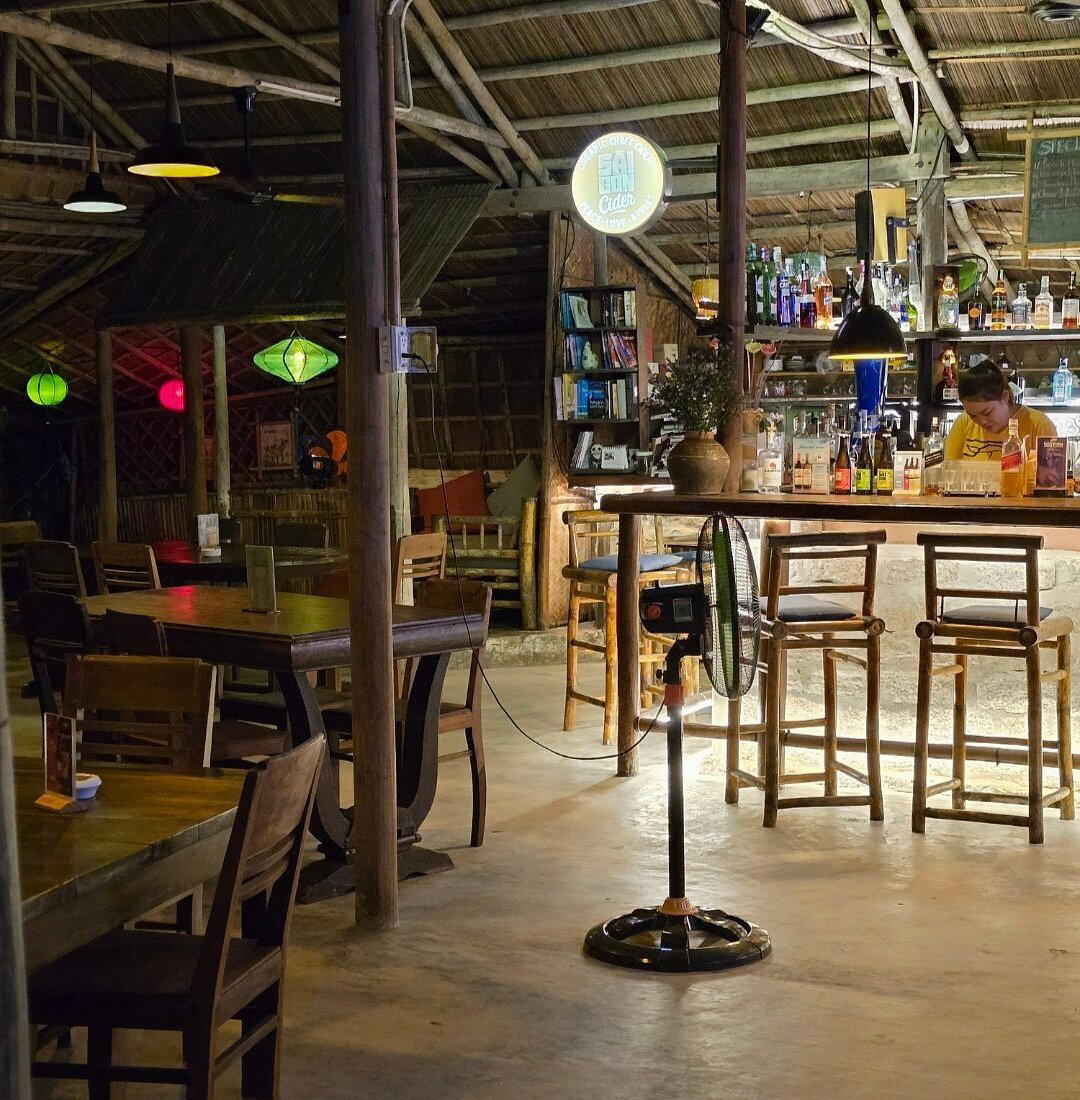
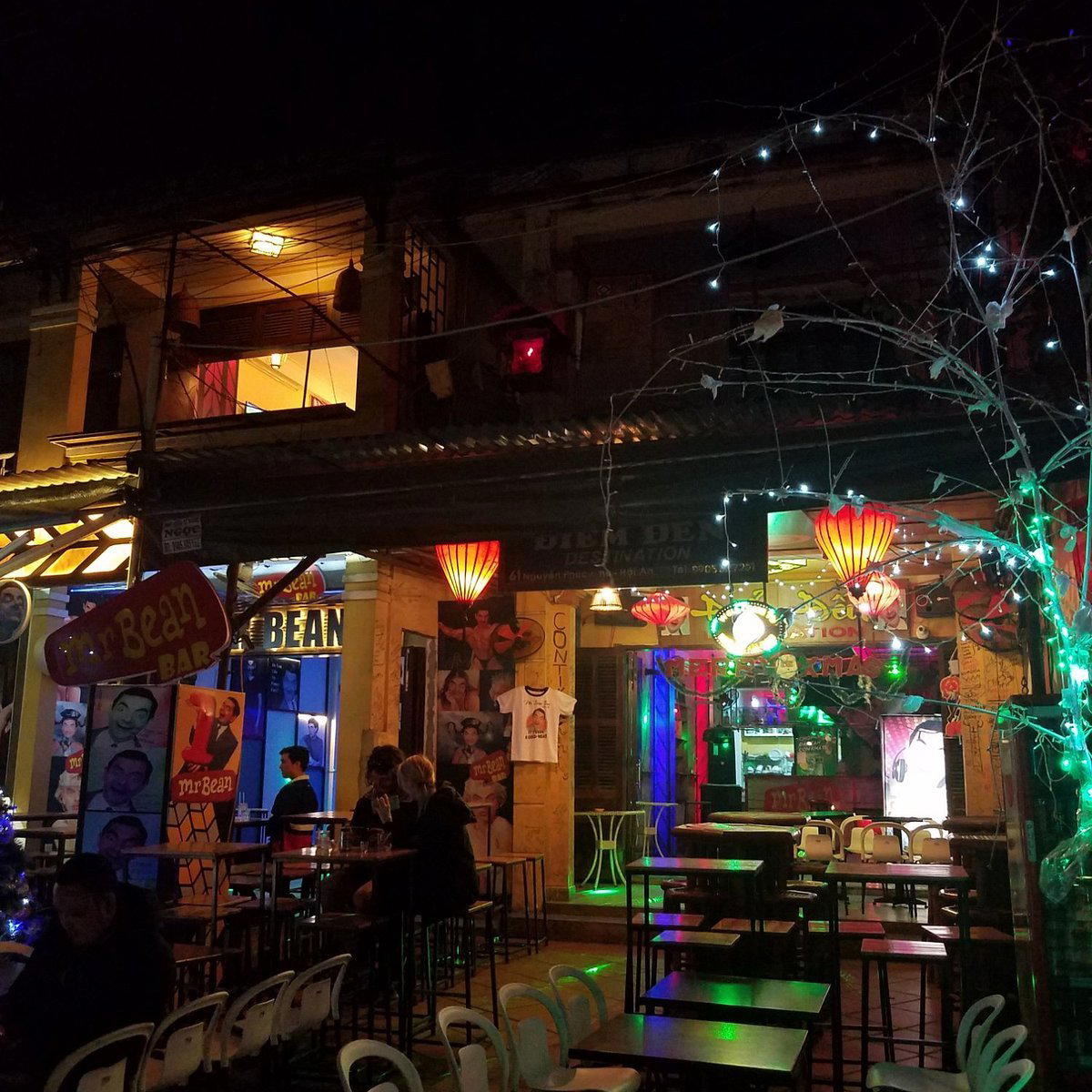
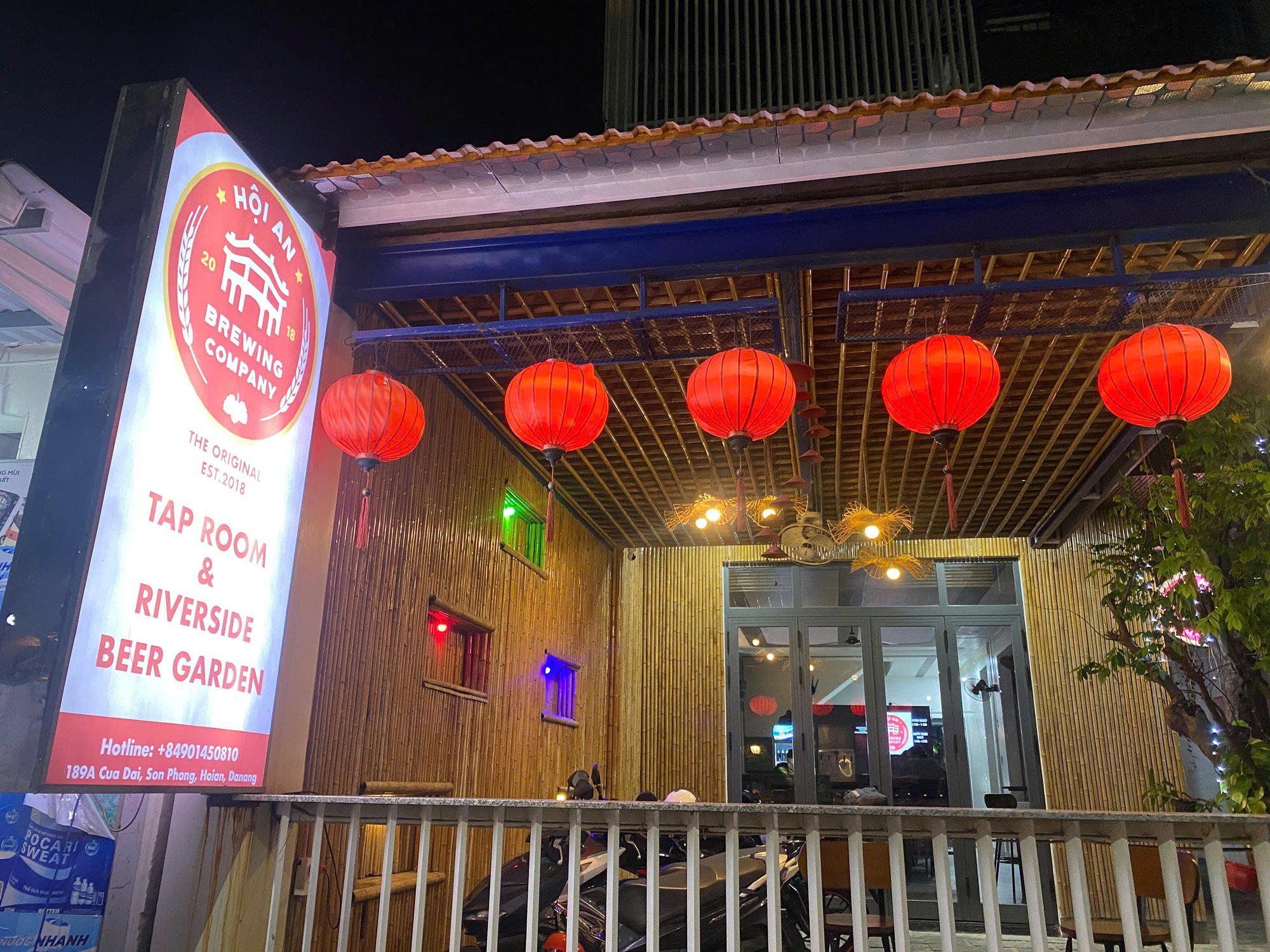
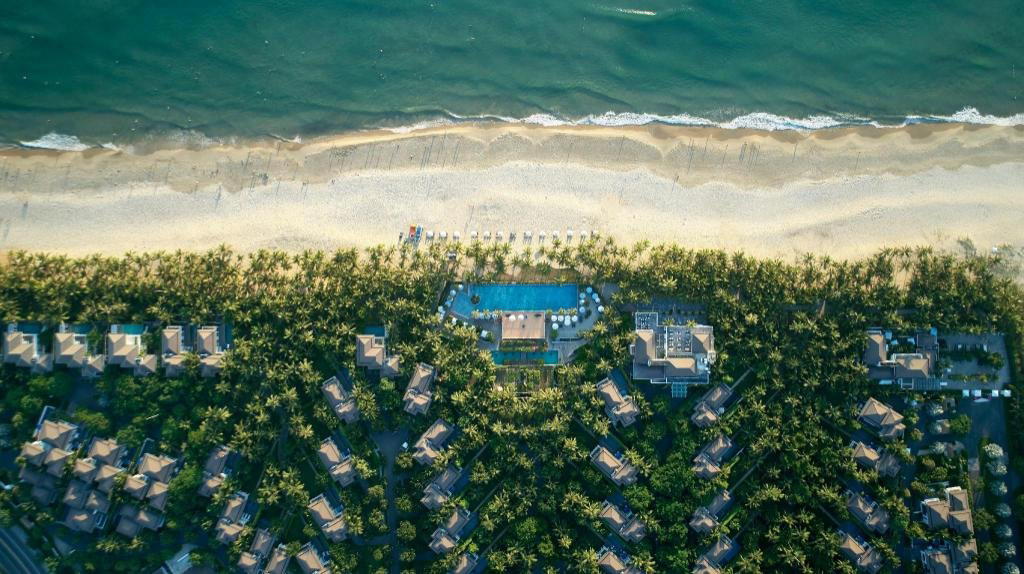
These are the closest comparables we have in our database for quick context.
At a Glance
- Scenic
- Lively
- Group Dining
- Family
- Casual Hangout
- Waterfront
- Terrace
- Open Kitchen
- Local Sourcing
- Sustainable Seafood
- Waterfront
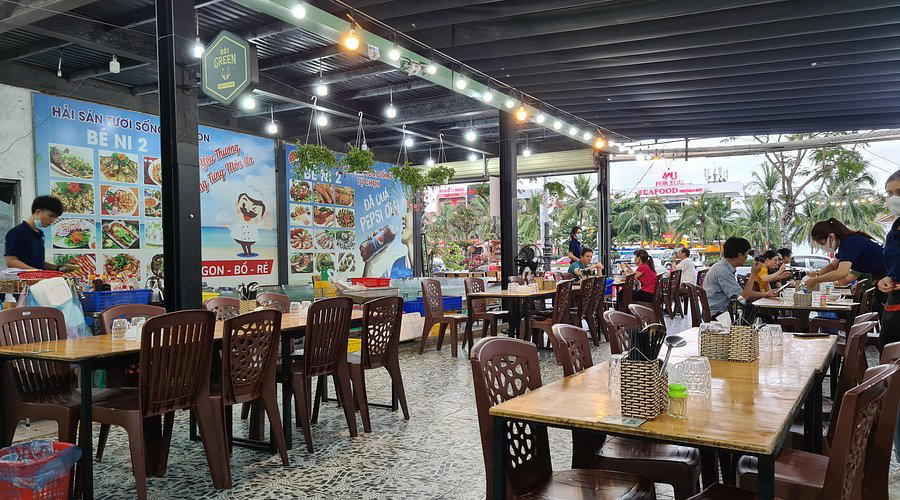
Spacious beachfront terrace offering stunning ocean views with a lively, family-friendly atmosphere.