
Michelin Plate
Our verdict
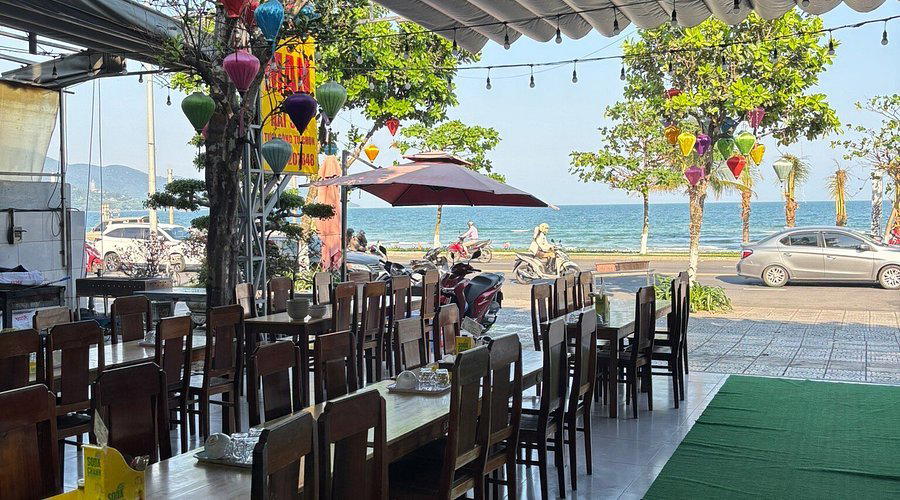
Bé Mặn is Da Nang seafood in its live-tank, beach-road register: direct, busy, and built around choosing the catch before the kitchen cooks it. The Michelin Plate recognition in 2024 and 2025 gives the format outside validation, but the appeal is simpler: crab, lobster, geoduck, snails, and squid treated as ingredients to select, not dishes to decode.

Pearl is the En Primeur Club membership app, where members save venues, book tables and use the concierge.
The menu
What to order
- Steamed squid with ginger and onion
- Lobster
- Crab
- Large prawns
At Bé Mặn in Da Nang, the key signal is the tanks: guests start by choosing live seafood, then specify how they want it cooked. This is a seafood restaurant built around live selection and the direct handoff from tank to kitchen rather than a fixed tasting-menu ritual. Bé Mặn is listed as a ₫₫₫, casual seafood venue, and it is known as a famous Da Nang seafood restaurant.
Live tanks set the rhythm before the kitchen takes over
Bé Mặn fits a live-seafood format clearly. The verified appeal is direct: pick your seafood from the tanks, decide how it should be prepared, and let the kitchen bring out the ingredient. That sequence puts the focus on the product and the cooking request rather than on a chef-led progression.
The restaurant’s recognition centers on that live-seafood exchange. Bé Mặn is described as knowing how to bring out the best in every ingredient, with guests choosing from rows of tanks before specifying the cooking method. That is enough to understand the restaurant’s lane: seafood, visible selection, and a casual format suited to diners who want the ingredient itself to lead the meal.
Within Da Nang, the comparison is less about changing cuisine type than about how travelers want to approach seafood. Bé Ni 2, Moc, and Năm Đảnh are useful seafood references, while My Hanh Seafood is another Da Nang seafood option in the same broad dining conversation. Bé Mặn’s verified price range is ₫₫₫, so the final bill should be understood in relation to what seafood is chosen and how much the table orders.
The appeal is control: choose the ingredient, choose the treatment
Live-tank seafood has an advantage over a purely printed-menu experience because it makes the raw material visible before the decision. At Bé Mặn, that visibility is central to the meal. Guests choose the seafood first, then direct the preparation, which gives the table more control over the shape of the order.
That format can work well when the table wants to share different selections and cooking requests.
The atmosphere should be understood as casual rather than formal. Bé Mặn’s dress code is casual, and the verified description points to a practical, seafood-first restaurant where the tanks are part of the experience. It is not necessary to frame it as fine dining to explain its appeal; the draw is the directness of the selection and the confidence of a well-known Da Nang seafood name.
How to place it in a Da Nang food itinerary
For travelers building a wider Da Nang itinerary, Bé Mặn makes the most sense when the group wants a seafood meal centered on live selection and cooking preference. It is open daily from 9 AM to 12 AM, which gives it wide scheduling flexibility across the day and evening. The verified price range is ₫₫₫, and the dress code is casual, making it practical for a relaxed seafood stop rather than a formal occasion.
Other dining in Da Nang can offer different moods, price points, and levels of formality, but Bé Mặn’s role is specific: a famous seafood restaurant associated with live tanks and cook-to-order seafood. Travelers comparing options should focus on whether they want that hands-on selection process or a more conventional restaurant format.
The editorial case for Bé Mặn is therefore narrow and strong. Go for seafood, the live-tank selection process, daily 9 AM to 12 AM hours, and a casual Da Nang setting. Do not overcomplicate the premise: this is a well-known seafood restaurant where the meal begins with choosing the ingredient and deciding how it should be cooked.
Frequently asked questions
Is Bé Mặn suitable for children?
Bé Mặn has a casual dress code and a live-seafood format in Da Nang.
What is the atmosphere like at Bé Mặn?
Bé Mặn is a casual seafood restaurant in Da Nang known for live seafood tanks, where guests choose seafood and specify how they want it cooked. The emphasis is on selection and a direct seafood-focused meal.
What's Bé Mặn known for in terms of accolades?
Bé Mặn is recognized as a famous Da Nang seafood restaurant. It is known for letting guests choose live seafood from rows of tanks and specify how they want it cooked.
What's the cuisine at Bé Mặn?
Bé Mặn serves seafood cuisine.
What's the price range at Bé Mặn?
Pricing at Bé Mặn is listed as ₫₫₫.
Is Bé Mặn open every day?
Hours at Bé Mặn: Mon: 9 AM–12 AM; Tue: 9 AM–12 AM; Wed: 9 AM–12 AM; Thu: 9 AM–12 AM; Fri: 9 AM–12 AM; Sat: 9 AM–12 AM; Sun: 9 AM–12 AM.
What's the address for Bé Mặn?
Bé Mặn is located in Da Nang.
How It Stacks Up
Comparable venues by cuisine and price in the same metro.
| Venue | Cuisine | Price | Awards | Notes |
|---|---|---|---|---|
| Bé MặnThis venue (the venue you are viewing) | Fresh Live Seafood | $10–20 | Michelin Plate | Not listed |
| Bau Troi Do | Central Vietnamese Seafood | Not listed | Not listed | Not listed |
| Bé Ni 2 | Fresh Local Seafood | $10–20 | Michelin Bib Gourmand | Seafood, ₫₫ |
| My Hanh Seafood | Fresh Vietnamese Seafood | $20–30 | Michelin Plate | Seafood, ₫₫₫ |
| Năm Đảnh | Fresh Local Vietnamese Seafood | $1–10 | Michelin Plate | Seafood, ₫₫ |
| Moc | Fresh Vietnamese Seafood | $10–20 | Michelin Plate | Seafood, ₫₫ |
Recognition history
Dated appearances from independent guides and award organizations, with the underlying list record or original source where available.
Michelin Plate
Michelin
Full recognition history (3 entries)
Michelin Plate
Michelin
Michelin Plate
Michelin
Continue exploring
More in Da Nang
Restaurants in Da Nang
All restaurants in Da Nang →
Bars in Da Nang
All bars in Da Nang →
Details
- Lively
- Family
- Group Dining
- Casual Hangout
- Waterfront
- Waterfront
- Street Scene
- A La Carte
Current opening hours
- Monday
- 9 AM–12 AM
- Tuesday
- 9 AM–12 AM
- Wednesday
- 9 AM–12 AM
- Thursday
- 9 AM–12 AM
- Friday
- 9 AM–12 AM
- Saturday
- 9 AM–12 AM
- Sunday
- 9 AM–12 AM
Hours can change for holidays and private events. Hours as of .
Busy beachfront atmosphere with crowds, noise during peak hours, and open lively seating.