Our verdict
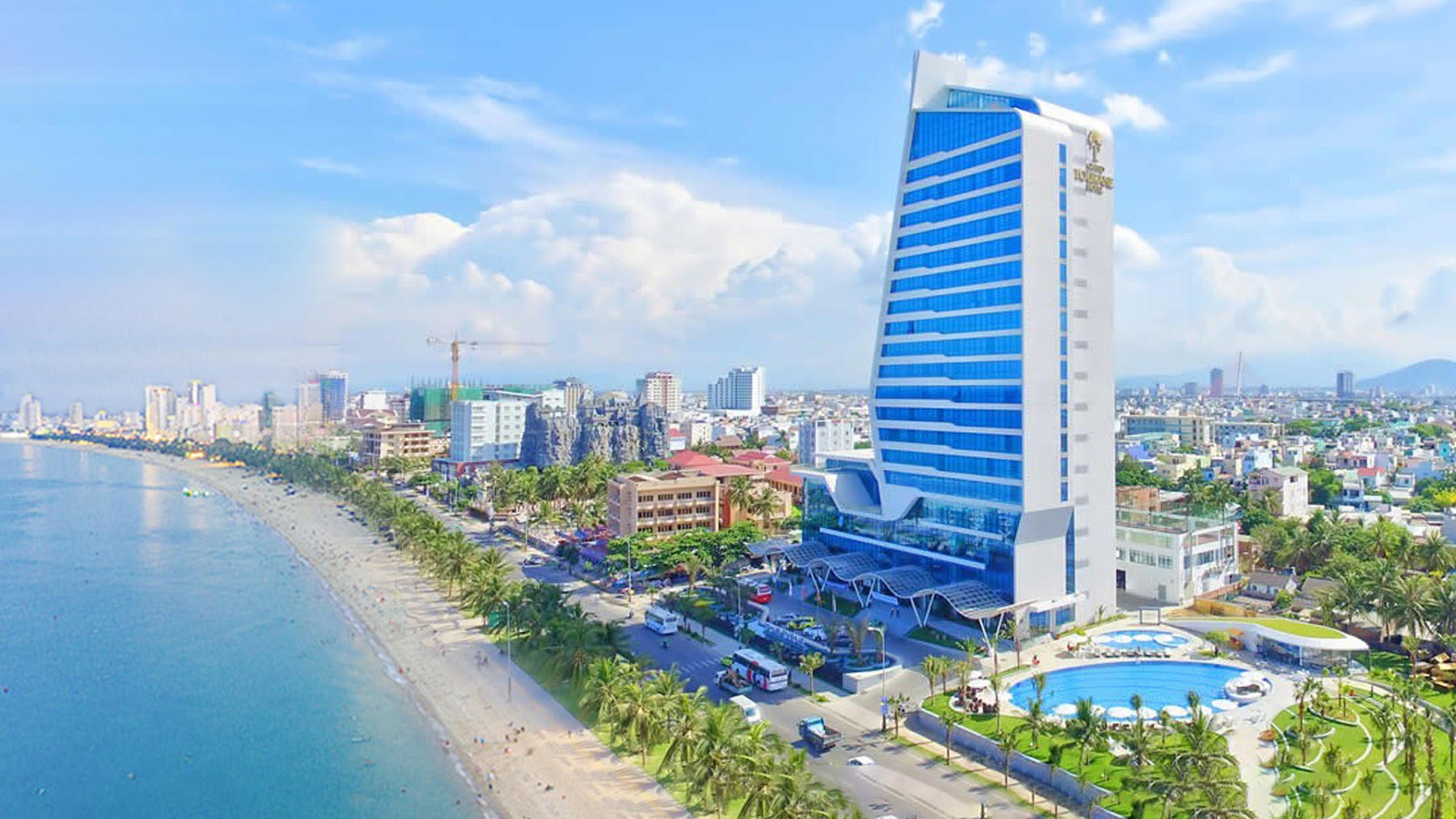
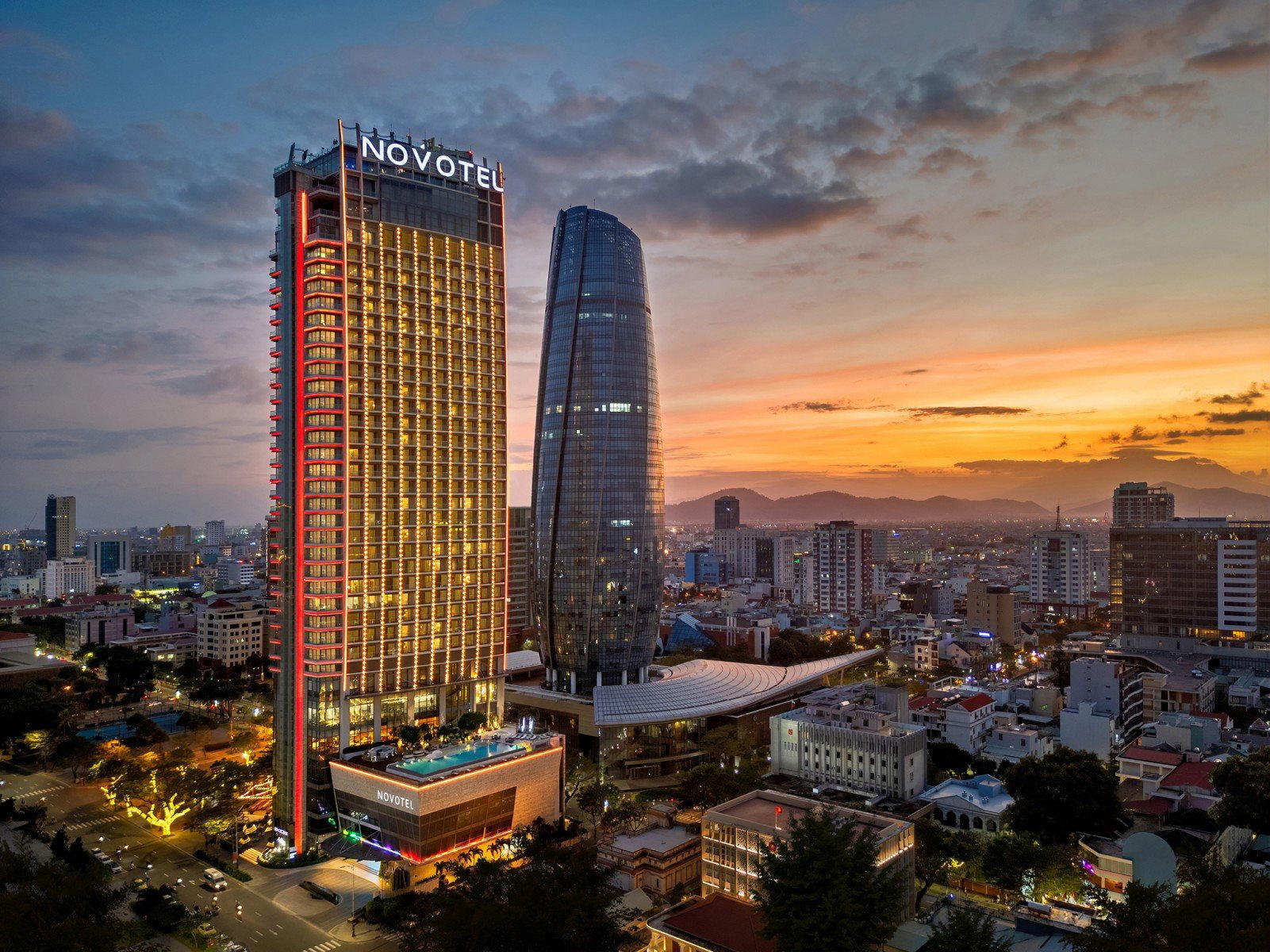
Citron sits on the Son Tra Peninsula side of Da Nang, where resort dining pulls away from the city’s street-food tempo and toward longer, view-led meals. The useful way to read it is not as a stand-alone destination, but as part of Da Nang’s coastal split: casual seafood, central Vietnamese staples, and hotel dining aimed at slower evenings.

Pearl is the En Primeur Club membership app, where members save venues, book tables and use the concierge.
The menu
What to order
- Hanoi-style pho
- Mi Quang from Da Nang
- Hoi An chicken rice
- Saigon-style banh xeo
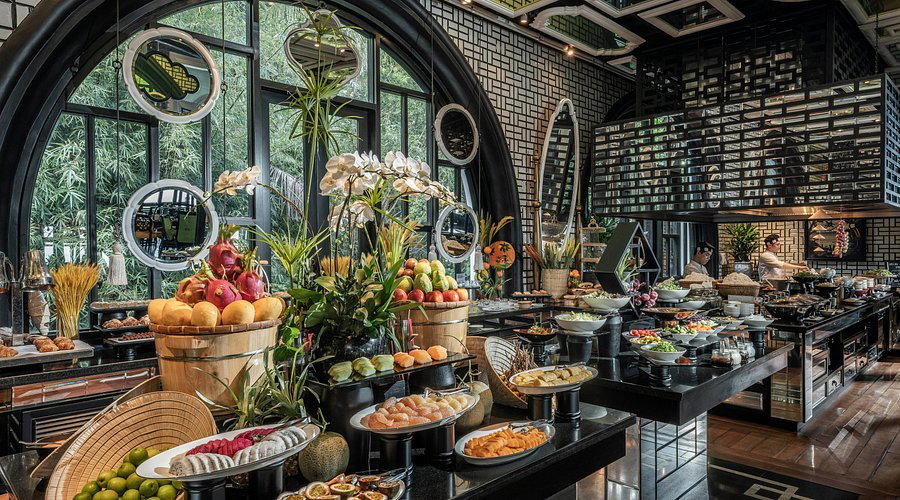
- Premium seafood carvings
- Afternoon tea pastries & scones
Approaching Da Nang changes the rhythm of a meal. The city’s central grid gives way to sea air, longer transfers, and the feeling that dinner has moved from street-level appetite to a more resort-paced format. Citron belongs to that side of the city’s dining identity: not the plastic-stool, herb-heavy, fish-sauce-sharp Da Nang of midday lunches, but the quieter coastal tier where setting does much of the framing before the first order is placed.
That distinction matters in Da Nang, because the city is often misread as a single beach destination with a few famous dishes attached. In practice, its food culture runs on several tracks at once. There is the Central Vietnamese snack tradition, with steamed rice-flour textures and dipping sauces doing serious work. There is the banh mi and noodle culture of quick urban eating. There is the seafood circuit, where freshness, price, and group dining shape the meal. Then there is the resort table, where the coastline turns dinner into a slower, more composed occasion.
Da Nang dining trades street tempo for a longer coastal frame
Citron’s location in Da Nang places it outside the feel of the densest quick-eating restaurant patterns. That location alone changes the decision. A meal here is less about dropping in between bars or market stops and more about committing to a slower evening. For travelers planning Da Nang by appetite, that means pairing it against different options, not against a quick bowl or snack.
The useful comparison is within the city’s range rather than against a single cuisine label. Some Da Nang dining points toward the small-plate rice-flour grammar of central Vietnam. Other places belong to the city’s fast, portable eating culture. Barefoot and other coastal dining rooms sit closer to the beach-and-resort conversation. Citron is better understood within that latter bracket, where the room, the approach, and the time commitment carry as much weight as the plate.
Da Nang’s higher-spend dining has a particular tension: visitors often want Vietnamese specificity, while resort environments frequently push toward international comfort. The stronger meals in this category are the ones that do not erase the region around them. Central Vietnam gives kitchens a precise pantry to work from: turmeric, lemongrass, fermented notes, rice paper, fresh herbs, seafood, and the sour-salty balance that separates this stretch of coast from the sweeter cooking associated with parts of the south. Even when a menu moves beyond strictly local dishes, the question is whether it keeps that regional intelligence in view.
Read the meal against Da Nang's broader table
For an editorial itinerary, Citron makes sense as the composed counterpoint to a day built around casual local eating. Put rice-flour snacks, banh mi, or seafood earlier in the trip, then use a slower Da Nang dinner to see how the city’s resort tier interprets place. The contrast is the point. A city meal teaches speed, texture, and repetition; a coastal-style resort meal tests pacing, restraint, and how much regional character survives in a more formal setting.
Comparison venues clarify the spread. La Maison 1888 occupies Da Nang’s high-spend lane, while Năm Đảnh represents the city’s seafood culture at a more accessible price tier. Barefoot, Terra Mare, and Tingara sit in the same wider coastal conversation, though each answers a different traveler need. Citron’s relevance is geographical and tonal: it is not interchangeable with central Da Nang dining, and that separation creates a meal with a different kind of expectation.
Travelers building a broader Vietnam dining map can use Da Nang as the middle register between old-town, capital, and southern formats. Nearby heritage-town dining, northern city restaurants, and southern urban dining rooms all show how differently Vietnamese destinations frame appetite and formality. Coastal resort comparisons elsewhere in Vietnam help place Da Nang within the country’s resort-dining circuit rather than treating it as a beach stop alone.
How to place Citron in a Da Nang itinerary
The cleanest plan is to separate occasions. Use the city for daytime eating and short-hop grazing, then leave Citron for a slower evening. That avoids the common mistake of asking one restaurant to explain all of Da Nang. Citron is better positioned as a setting-led meal after the local canon has already had space: steamed rice cakes, banh mi, seafood, noodles, and coffee culture. In that sequence, the contrast feels deliberate rather than detached.
For further planning, EP Club’s city pages are the better starting point than forcing every meal into one list: Our full Da Nang restaurants guide, Our full Da Nang hotels guide, Our full Da Nang bars guide, Our full Da Nang wineries guide, and Our full Da Nang experiences guide. For readers connecting Da Nang to broader food travel outside Vietnam, other dining rooms in other cities may sit in a different cultural register, but they serve the same planning purpose: a reminder that format, setting, and occasion matter as much as cuisine labels.
Frequently asked questions
Is Citron okay with children?
Citron’s Da Nang location points to a destination-style meal rather than a quick drop-in. That setting usually suits children who are comfortable with a slower dinner pace.
What should I expect atmosphere-wise at Citron?
Expect a coastal, away-from-the-center feeling in Da Nang. The setting suggests a slower, more deliberate meal than the city’s busier streets.
What part of town is Citron in?
Da Nang.
Should I book Citron in advance?
Yes, planning ahead makes sense for Citron because it is better treated as a destination meal in Da Nang rather than an easy walk-in.
What's the standout thing about Citron?
The setting is the standout: Citron is in Da Nang, and its position changes the rhythm of the meal, separating it from the city’s denser restaurant patterns.
Can Citron accommodate dietary restrictions?
Dietary requests should be raised in advance for any meal at Citron in Da Nang. Those details are not published. Check the venue's official channels for the latest details.
Price Lens
Comparable venues by cuisine and price in the same metro.
| Venue | Cuisine | Price | Awards |
|---|---|---|---|
| CitronThis venue (the venue you are viewing) | Upscale Vietnamese with Champagne Brunch & Afternoon Tea | $50–100 | Not listed |
| Barefoot | Beachfront seafood & grill | $50–100 | Not listed |
| Terra Mare | Modern Coastal Italian | Not listed | Not listed |
| Tingara | Modern Japanese Omakase and Teppanyaki | Not listed | Not listed |
| La Maison 1888 | Michelin-Starred French Contemporary | $150–200 | 1 Michelin Star · La Liste Top Restaurants |
| Năm Đảnh | Fresh Local Vietnamese Seafood | $1–10 | Michelin Plate |
Continue exploring
More in Da Nang
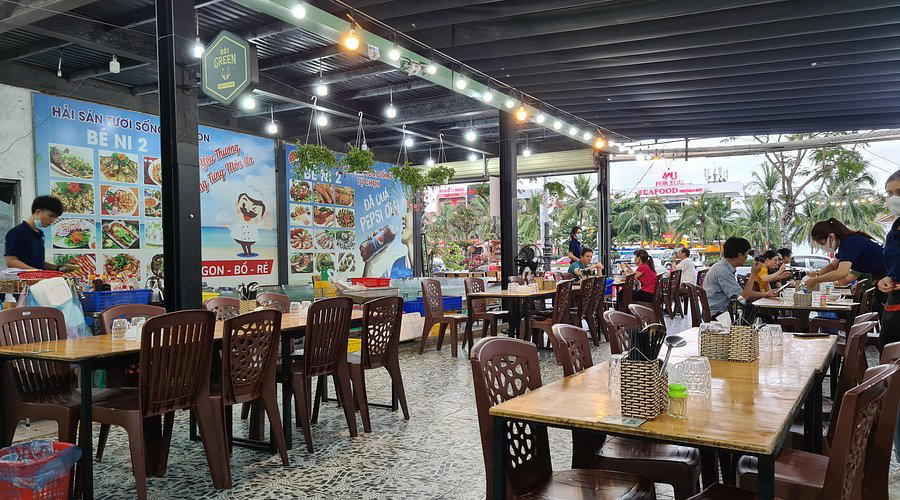
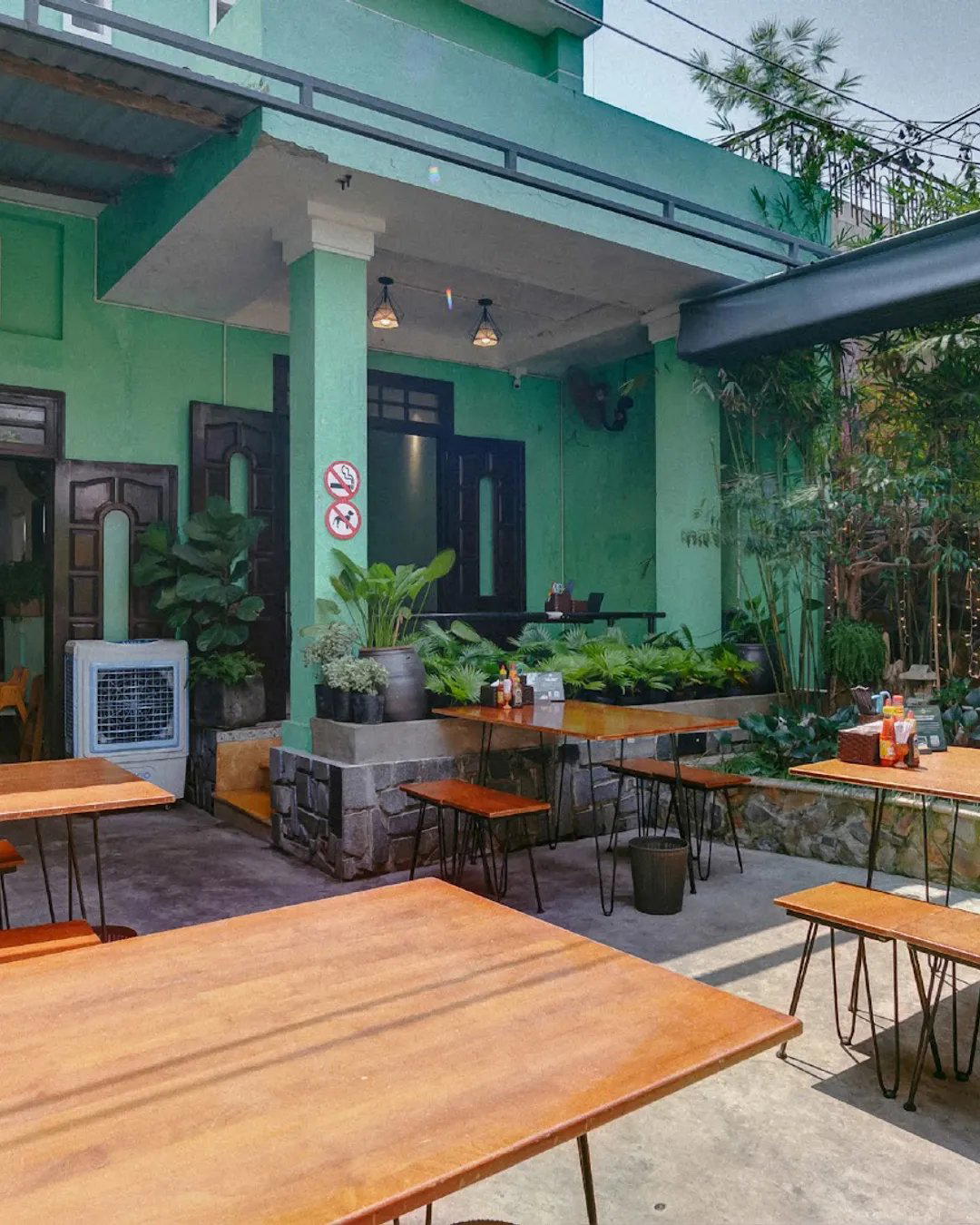
Restaurants in Da Nang
All restaurants in Da Nang →
Bars in Da Nang
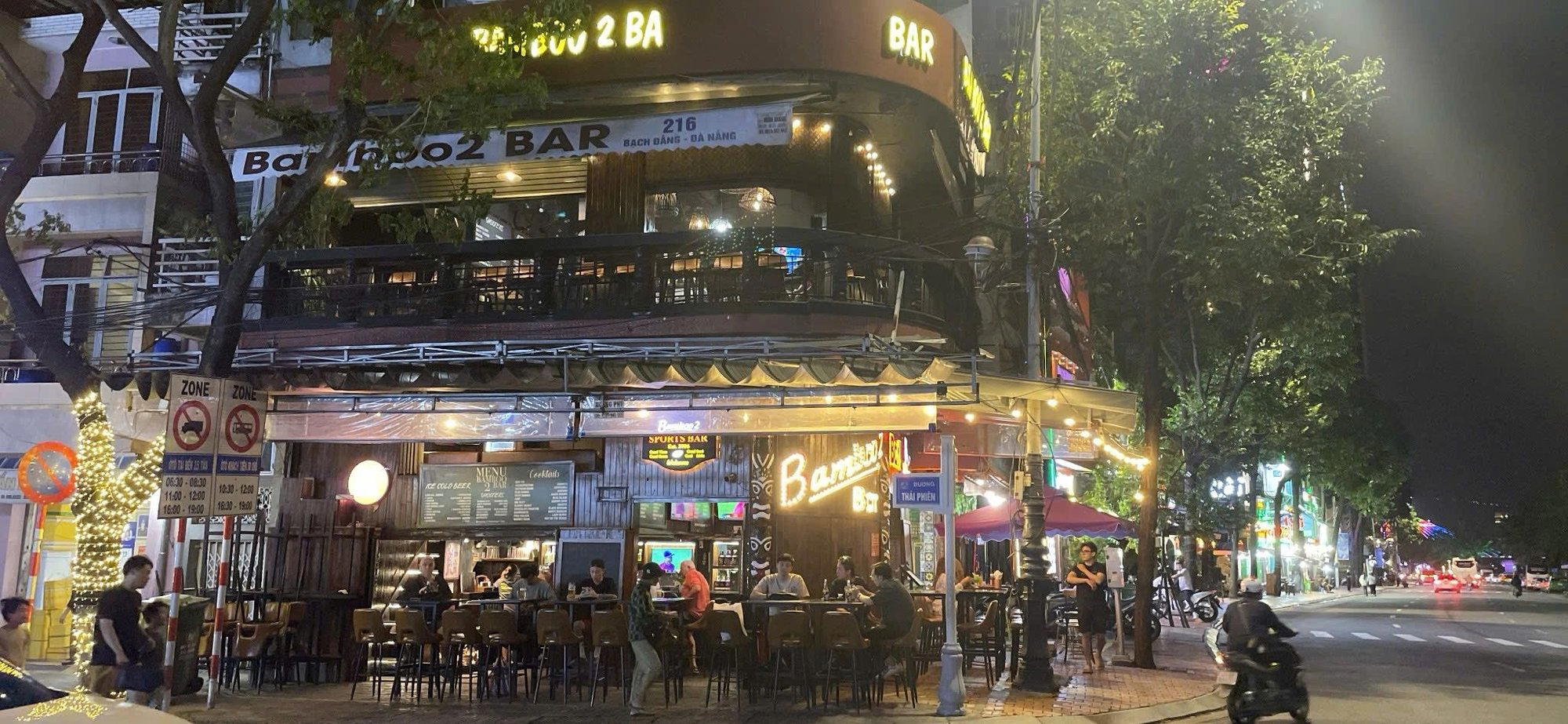
All bars in Da Nang →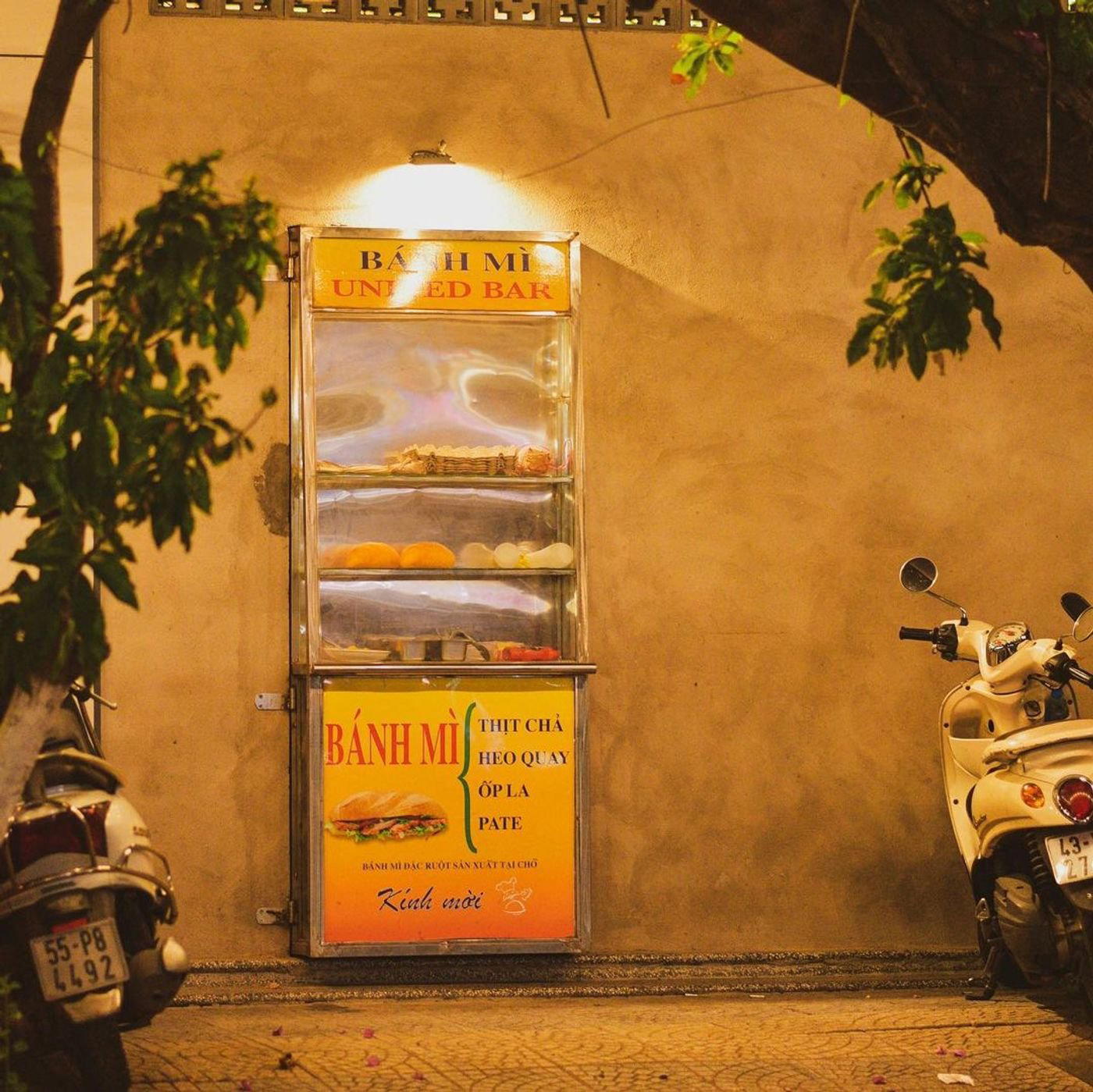
Details
- Scenic
- Elegant
- Romantic
- Sophisticated
- Well Known
- Whimsical
- Brunch
- Special Occasion
- Celebration
- Family
- Group Dining
- Date Night
- Waterfront
- Panoramic View
- Design Destination
- Hotel Restaurant
- Private Dining
- Terrace
- Extensive Wine List
- Sommelier Led
- Local Sourcing
- Waterfront
- Mountain
- A La Carte
- Buffet
- Set Menu
- Wine
- Cocktails
- Tea
- Coffee
- Vegetarian Friendly
Current opening hours
- Monday
- 6:30 AM–10 PM
- Tuesday
- 6:30 AM–10 PM
- Wednesday
- 6:30 AM–10 PM
- Thursday
- 6:30 AM–10 PM
- Friday
- 6:30 AM–10 PM
- Saturday
- 6:30 AM–10 PM
- Sunday
- 6:30 AM–10 PM
Hours can change for holidays and private events. Hours as of .
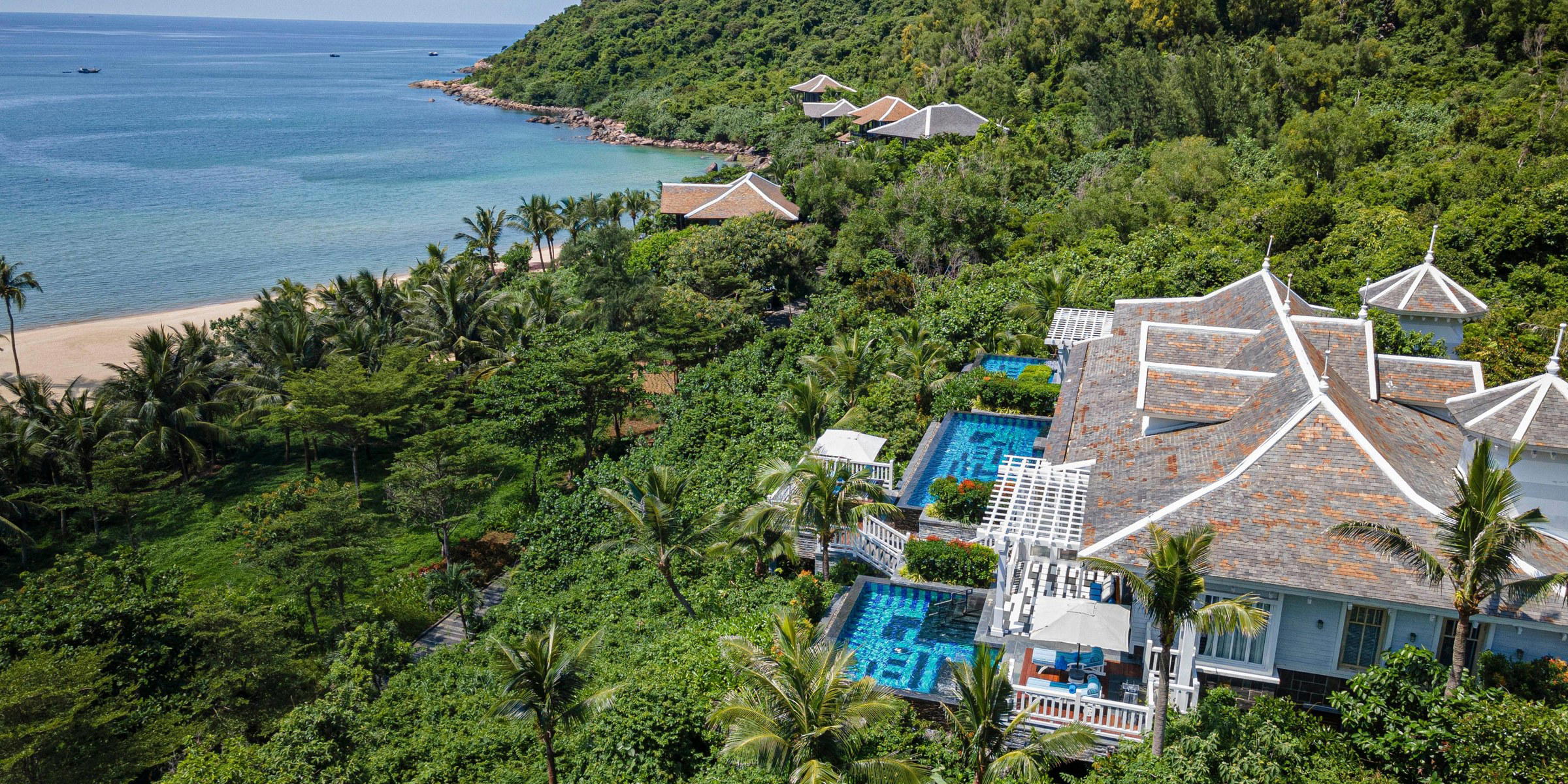
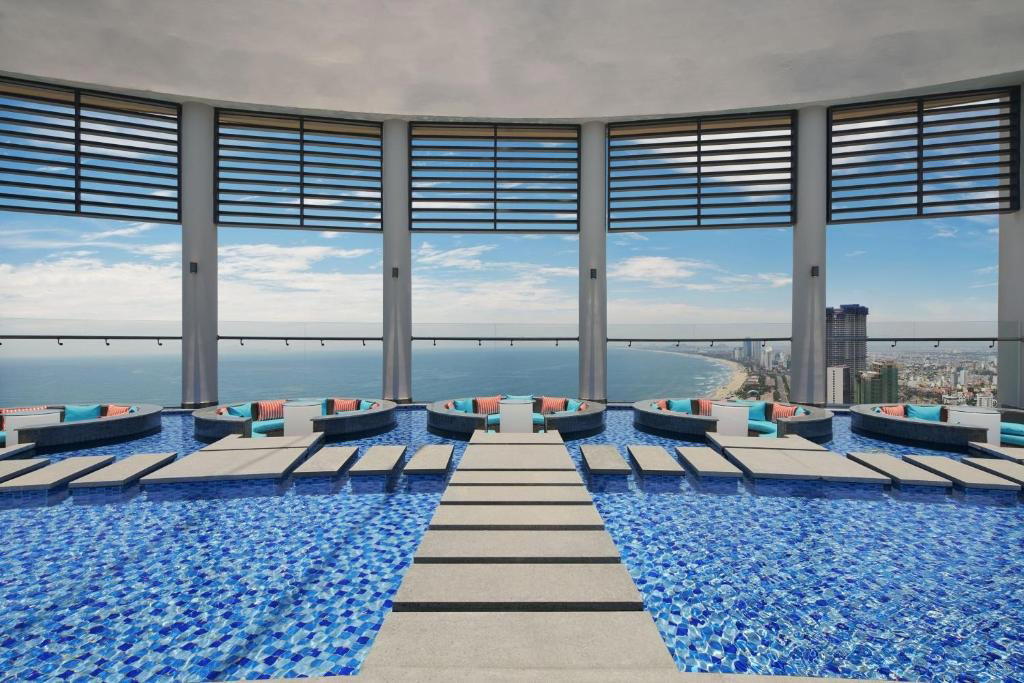
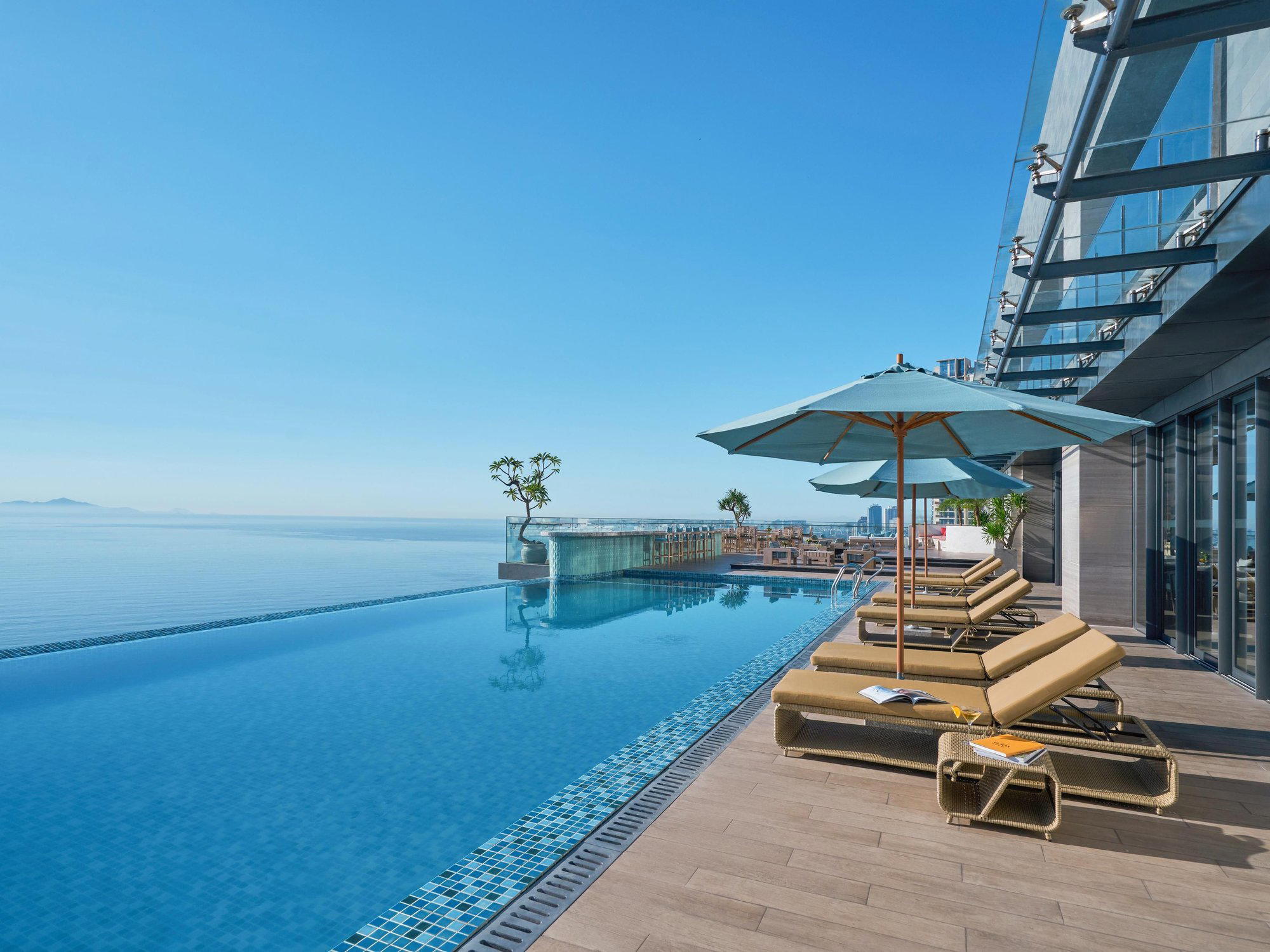
Upscale resort-style setting with airy, open architecture and Non La pods cantilevered over the hillside, combining polished service and refined table settings with relaxed holiday energy; bright and scenic by day for breakfast, brunch and afternoon tea, transitioning to a more romantic, softly lit atmosphere at dinner.