Newport Fish & Seafood on Geary Avenue sits in one of Toronto's most quietly industrious corridors, where working warehouses and creative studios have gradually drawn serious food operators. The address places it well outside the downtown fine-dining circuit, which tends to sharpen both the cooking focus and the local loyalty that sustains it. For Toronto seafood, the Geary Ave location is itself part of the proposition.
- Address
- 181 Geary Ave, Toronto, ON M6H 2C1, Canada
- Phone
- +1 416 537 1298
- Website
- newportfishimporters.com
 Saves & bookings on Pearl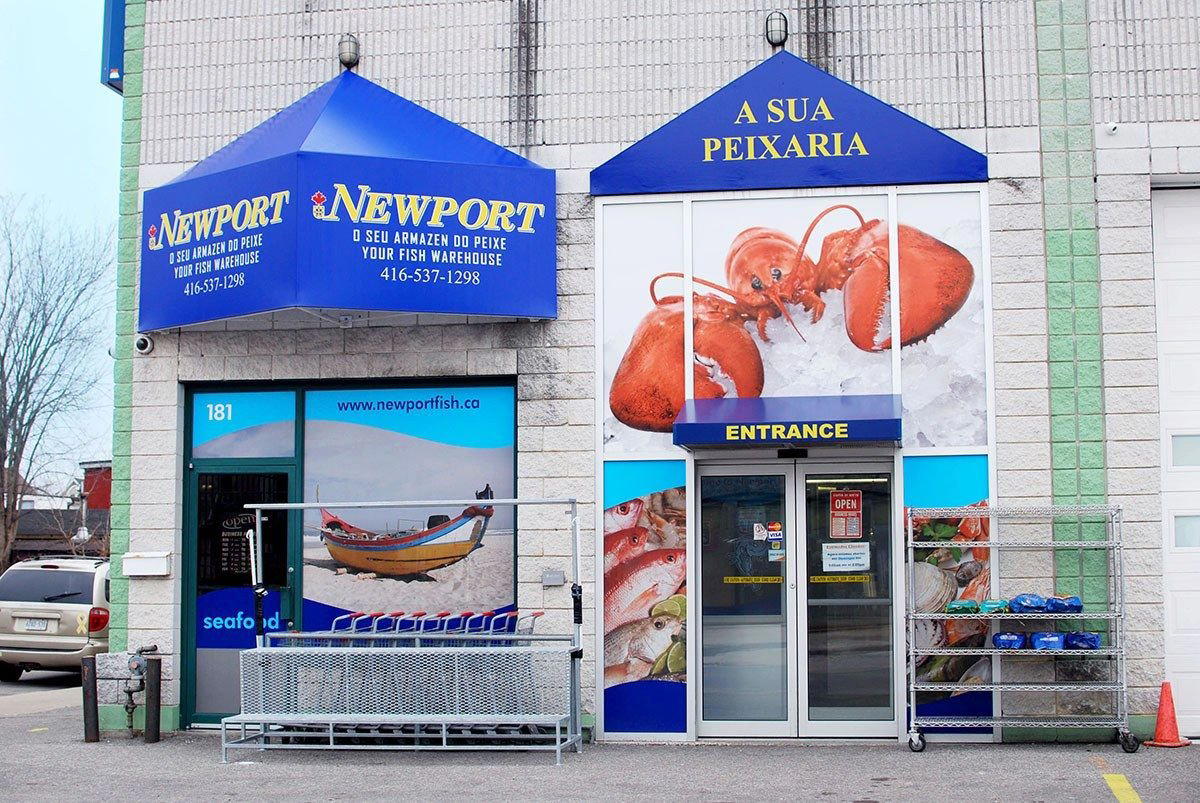
Geary Avenue and the Case for Off-Centre Seafood
Toronto's most interesting food addresses in the past decade have not been on King West or in Yorkville. They have been on streets like Geary Avenue, a low-rise industrial strip in Dovercourt Village where auto shops, ceramics studios, and craft breweries occupy the same block as serious kitchens. The logic is consistent across cities: when rents drop and foot traffic thins, cooking tends to get more focused. Operators who choose these corridors are not chasing walk-ins. They are building something for a specific audience, and Newport Fish & Seafood at 181 Geary Ave follows that pattern.
The neighbourhood context matters for how you read a seafood restaurant here. Downtown Toronto's seafood offer skews either toward the high-end omakase tier, represented by counters like Sushi Masaki Saito and the kaiseki precision of Aburi Hana, or toward casual fishmonger-adjacent spots with patio seating and fried baskets. The middle ground, where fish is taken seriously without the ceremony of a multi-course tasting format, is thinner than the city's dining reputation might suggest. Geary Ave addresses that gap without announcing it.
The Geary Ave Setting: Industrial Block, Deliberate Choice
Approaching from Dufferin or from the Wallace-Emerson side, Geary Avenue reads as a working street first. The buildings are low and functional. The signage tends toward the understated. This is not a dining district by design, which is precisely what gives addresses here a certain credibility. Operators do not come to Geary for ambient foot traffic. The neighbourhood has drawn a concentration of small producers and independent operators who share a preference for craft over spectacle, and Newport Fish & Seafood occupies that same register.
Toronto's broader shift toward neighbourhood dining, away from downtown destinations and toward area-specific spots that reward those who know where to look, is visible across comparable cities. In San Francisco, Lazy Bear built its reputation on a similarly off-centre premise. In New York, Le Bernardin holds stronger examples from the seafood category through decade-long consistency rather than neighbourhood glamour. The lesson across these examples is that fish restaurants with staying power tend to be defined by sourcing discipline and kitchen consistency, not location prestige.
Seafood in Toronto: What the Category Looks Like
Toronto's position as a serious seafood city is sometimes undersold internationally, but the infrastructure supports it. Great Lakes fish, Atlantic Canadian product, and Pacific supply lines all reach the city with reasonable regularity, giving kitchens genuine range across freshwater and saltwater species. The question for any Toronto seafood operator is how much of that supply range to address, and how.
At the premium end, the city's Japanese-inflected counters tend toward single-source precision and seasonal constraint. Broader seafood restaurants face a different editorial challenge: the menu has to hold together across species without becoming a generic catch-all. The strongest examples in Canada tend to anchor around a clear regional or seasonal logic. Narval in Rimouski works from a specific Gulf of St. Lawrence identity. Fogo Island Inn Dining Room in Joe Batt's Arm is inseparable from its Newfoundland marine context. These are useful benchmarks for thinking about what a committed seafood operation looks like when it builds from place rather than category.
Newport Fish & Seafood's Geary Ave address puts it in a different frame from either of those examples, but the underlying question is the same: does the kitchen have a clear point of view on what it is serving, and does the sourcing support it?
How Newport Fits the Toronto Dining Tier
The city's upper dining tier, anchored by tasting-menu destinations like Alo, the contemporary Italian precision of DaNico, and the long-standing reputation of Don Alfonso 1890, operates at a price point and format that separates it from neighbourhood fish restaurants by design. Newport Fish & Seafood on Geary Ave is not in that competitive set, and the address makes that immediately clear. What the Dovercourt Village corridor offers instead is a kind of earned informality: spaces where the cooking can be taken seriously without the overhead that forces a tasting menu and a sommelier.
Comparable neighbourhood-led dining elsewhere in Canada reinforces this reading. AnnaLena in Vancouver built a strong reputation outside Vancouver's premium corridor by combining genuine cooking ambition with an accessible format. Cafe Brio in Victoria holds a similar position in its market. The pattern is consistent: in mid-size Canadian cities and in the outer neighbourhoods of larger ones, the operators who endure tend to be those who match their ambition to their location rather than trying to import a downtown fine-dining model onto an industrial-strip address.
Ontario's broader food ecosystem also provides useful context. Eigensinn Farm in Singhampton and Restaurant Pearl Morissette in Lincoln represent what committed, place-rooted cooking looks like at the province's most serious level. The Pine in Creemore occupies a quieter but similarly grounded position. These are not direct comparisons to a Geary Ave seafood spot, but they trace the same argument: Ontario's most durable food operations tend to have a clear sense of what they are and where they come from.
For the Toronto restaurant scene broadly, our full Toronto restaurants guide covers the range from the city's tasting-menu circuit to the neighbourhood spots that define specific corridors like Geary Ave. The contrast with Quebec's seafood tradition, visible in operations like Tanière³ in Quebec City and Jérôme Ferrer - Europea in Montreal, is also worth holding in mind when assessing what Toronto's fish restaurants do and do not attempt.
Know Before You Go
- Address: 181 Geary Ave, Toronto, ON M6H 2C1
- Neighbourhood: Dovercourt Village / Geary Ave corridor
- Getting There: Dufferin Street is the nearest major north-south artery; Dufferin station on the Bloor-Danforth line provides subway access, with the address a short walk or ride north
- Booking:
- Price Range: not confirmed; Geary Ave operators typically price affordably
Comparable Venues
Comparable venues nearby, for context on price, style, and recognition.
| Venue | Cuisine | Price | Notes |
|---|---|---|---|
| Newport Fish & Seafood | Fresh Seafood Market | $ | Davenport |
| Dumpling House Restaurant | Northern Chinese Dumplings | $ | Chinatown |
| The Grow-Op Juice Bar & Eatery | Vegetarian Juice Bar & Healthy Eatery | $ | Trinity Bellwoods |
| Phở Hưng Restaurant | Authentic Vietnamese Pho | $ | Chinatown |
| Seahorse | Modern Seafood | $$$ | Summerhill |
| Adega Restaurante | Portuguese Seafood and Mediterranean | $$$ | Downtown Yonge |
Continue exploring
More in Toronto
Restaurants in Toronto
Browse all →
Bars in Toronto
Browse all →
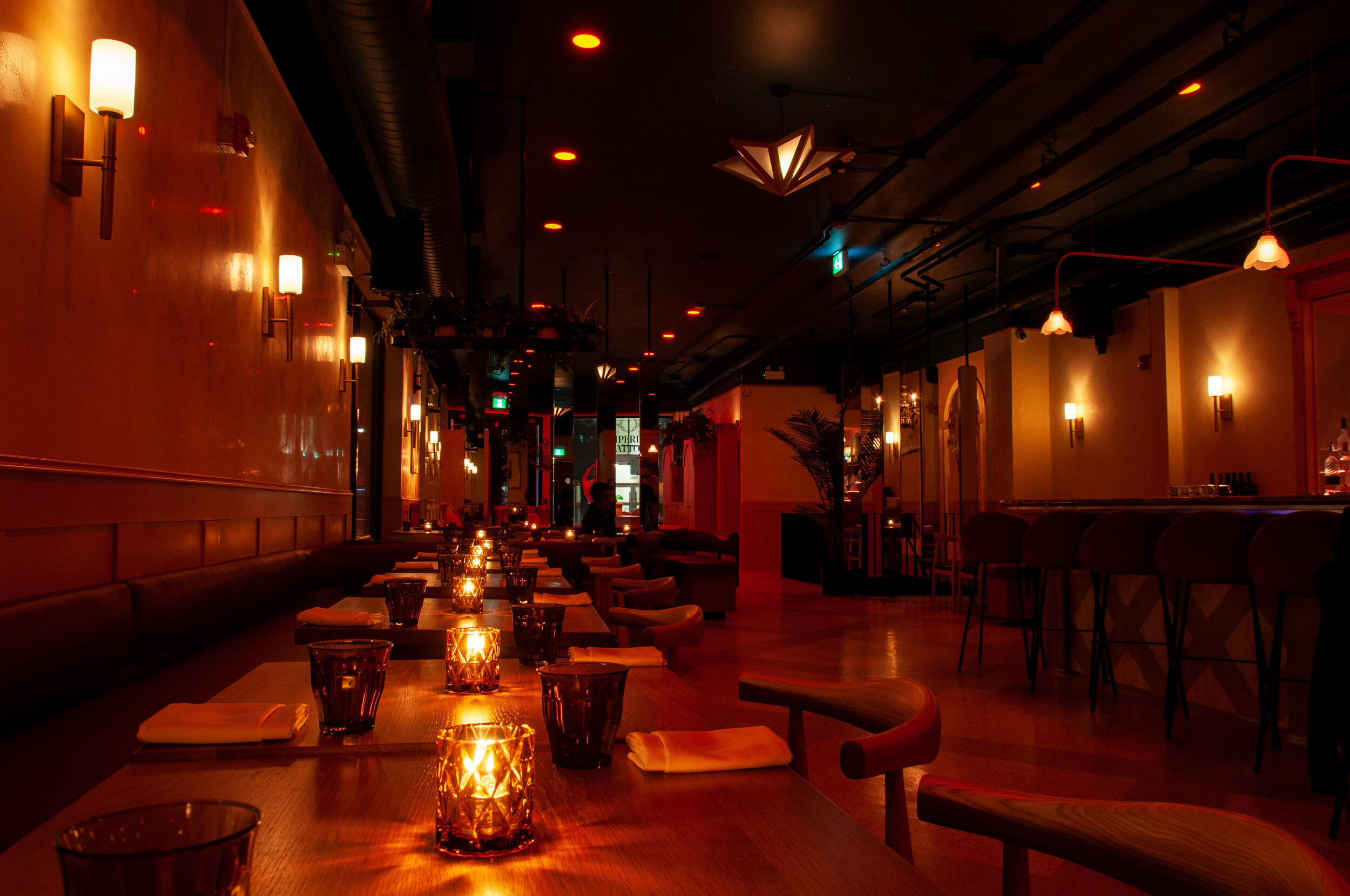
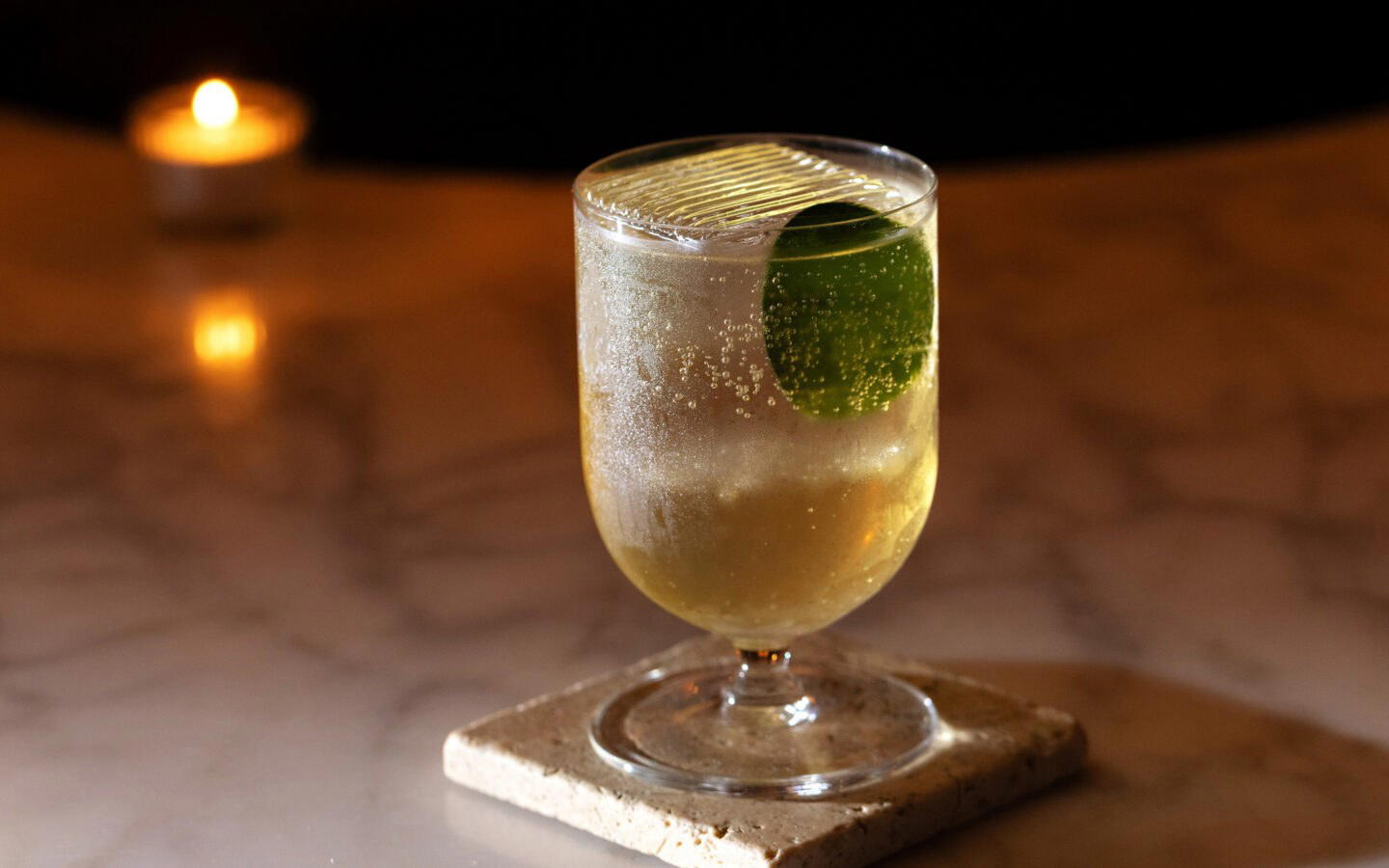

Hotels in Toronto
Browse all →

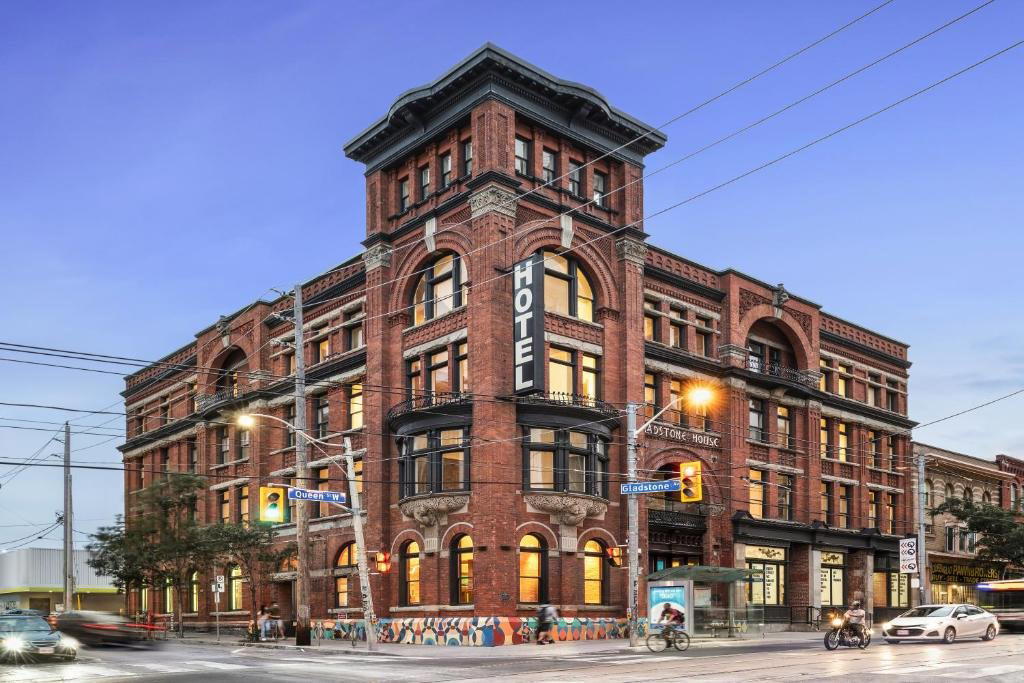
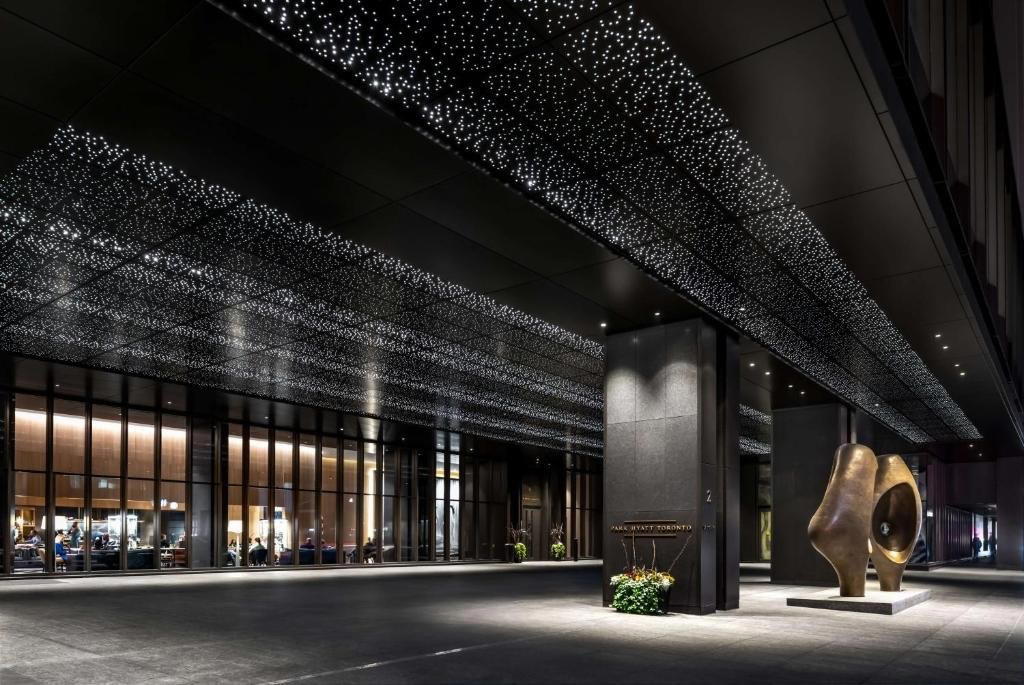
Wineries in Toronto
Browse all →
At a Glance
- Casual Hangout
- Open Kitchen
- Sustainable Seafood
Sprawling wholesale outlet with fish counter, butchery, grocery area, and hot table for ready-to-go meals.