
Tabelog 100 #94
Our verdict
Soba-ya Kida places Osaka soba in a quieter register: buckwheat craft, table seating, sake and shochu, and a suburban Toyonaka setting rather than a central-city dining-room performance. Its selection for Tabelog 100 - Soba - WEST - 2025 gives it a clear trust signal in a category where regional specialists often matter more than spectacle.

Pearl is the En Primeur Club membership app, where members save venues, book tables and use the concierge.
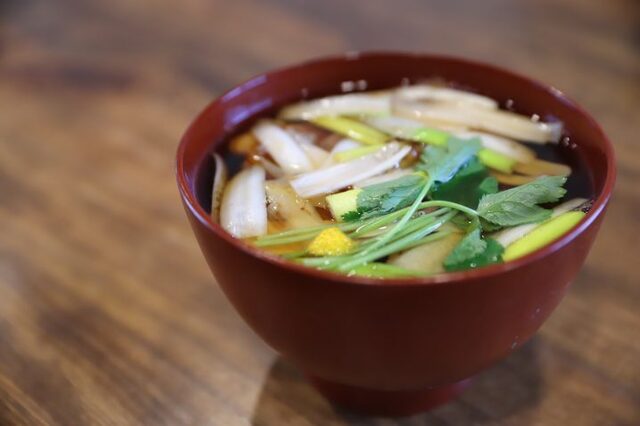
Approaching a soba restaurant in Osaka changes the tempo of an Osaka meal. Visitors know the city for sauce, smoke, snack counters, fried-food lines, and a broad appetite for casual eating, but soba asks for quieter rooms, shorter menus, and texture over volume. Soba-ya Kida belongs to that second Osaka, where buckwheat noodles can carry the seriousness other cities reserve for more formal Japanese counters or small dining rooms.
Read this restaurant not as a shrine to rustic simplicity, but as part of a Japanese craft tradition made increasingly precise. Soba is built from grain, water, milling, kneading, cutting, boiling, and cooling, while the modern specialist format can borrow disciplined habits: controlled portions, sharp sequencing, temperature awareness, and a room that expects diners to notice small changes. Serious soba now sits at that intersection of local product and exacting method. Soba-ya Kida’s Tabelog Hyakumeiten recognition in 2025 places it among recognized soba addresses, a meaningful signal in a field where casual-looking restaurants often hide technically demanding work.
Buckwheat craft in a city better known for louder pleasures
Osaka’s dining identity includes quick public food and highly specialized rooms, though visitors often over-index on the former. Soba complicates that picture. Unlike some other noodle formats closely associated with Kansai, soba carries wider national and regional variation: buckwheat-to-wheat ratios, dipping sauce intensity, noodle width, serving temperature, and seasonal accompaniments all shift the experience. In a city that rewards immediacy, a soba specialist asks diners to slow down and register grain, cut, and finish.
The global-technique story here is not imported cuisine, but imported standards of precision applied to a Japanese staple. Contemporary soba specialists are judged less by theatrical plating than by consistency and restraint. The craft sits in details diners can assess without a chef biography: how noodles hold shape, the balance between chew and snap, the clarity of the dipping sauce, the pacing between hot and cold preparations, and accompaniments chosen to sit beside buckwheat rather than dominate it. The best pairings for this kind of meal tend to handle salt, umami, and grain without pushing the experience toward excessive formality.
Soba-ya Kida occupies a useful middle lane in Osaka’s restaurant economy. Compared with Osaka peers such as Nick&Renée Toyonaka honten, AT THE 21, Sakura Grill, Kamo to Kamoshi Kodou, and Kodou, it signals narrower category commitment rather than a general-purpose neighborhood meal. A specialist soba house is not competing mainly on breadth, décor, or celebratory excess; it competes on repetition, sourcing discipline, and whether a modest format justifies a detour within Osaka.
The Osaka context: precision rather than downtown theater
Osaka changes the meal’s social reading from the city’s louder food image. The city rewards density: stations, department stores, alleys, underground corridors, and quick-turnover restaurants. Soba-ya Kida gives a soba house room to behave like a focused local institution. The setting points to Osaka rhythm rather than counter-seat ceremony. That does not make the cooking less serious; it makes the room a place for measured eating rather than a chef-facing performance.
The format clarifies expectations. The restaurant sits outside the tiny-counter scarcity model that defines many Japanese destination restaurants. That difference is part of the appeal. Soba can suffer when made to imitate luxury dining too closely; its strength is proportion. A good soba meal can be concise, exact, and satisfying without the theatrical apparatus of omakase.
Recognition by Tabelog’s 2025 Hyakumeiten list supplies the public credential, but category specificity is the more interesting signal. Tabelog’s Hyakumeiten lists reward depth within a genre, and soba is a genre where small technical failures are hard to hide. Overcooked noodles, flat tsuyu, or clumsy pacing have nowhere to go. Selection in the soba category is therefore more useful than a broad popularity marker, especially for travelers separating serious specialists from pleasant neighborhood restaurants.
How to place it within an Osaka itinerary
Use Soba-ya Kida as a counterweight to Osaka’s heavier pleasures. Pair a soba meal with a quieter Osaka route rather than squeezing it between snack stops. Its register is calmer, and that calm is the point: buckwheat craft, restrained pacing, and an Osaka food culture view that does not depend on neon or queue culture.
For planning, treat it as one point in a larger Osaka map rather than a standalone pilgrimage. EP Club’s Our full Osaka restaurants guide gives context alongside other city dining formats, while Our full Osaka hotels guide, Our full Osaka bars guide, Our full Osaka wineries guide, and Our full Osaka experiences guide help position a soba meal within a wider trip. Nearby and citywide restaurant browsing can also branch toward other Osaka dining rooms, bakeries, casual counters, and specialist kitchens.
Japanese regional dining reads better across cities. A soba-focused Osaka meal has little in common with many other regional formats across Japan, yet the comparison is useful: the country’s strongest casual-specialist rooms often define themselves through one category pursued with discipline. Overseas Japanese formats show how portable Japanese food culture can be, but soba remains tied to grain, water, and the quiet confidence of the room that prepares it.
Frequently asked questions
What price level is Soba-ya Kida?
Pricing at Soba-ya Kida is listed as JPY 2,000 - JPY 2,999 JPY 1,000 - JPY 1,999 View spending breakdown.
Where is Soba-ya Kida in Osaka?
Osaka.
Do I need a reservation for Soba-ya Kida?
Reservation details are not provided in the available venue facts. For planning, use the listed Osaka location and budget ranges as the practical starting point.
What's the standout thing about Soba-ya Kida?
Its clearest credential is the Tabelog Hyakumeiten 2025 recognition, which puts it among notable soba addresses. The appeal is also structural: a focused soba restaurant in Osaka, with dinner listed at JPY 2,000 to JPY 2,999 and lunch listed at JPY 1,000 to JPY 1,999.
Budget and Context
Comparable venues for context, by category and price tier.
| Venue | Cuisine | Price | Awards | Notes |
|---|---|---|---|---|
| Soba-ya KidaThis venue (the venue you are viewing) | Traditional Soba Noodle House | $20–30 | Tabelog 100 #94 | Not listed |
| 寿司常 | Traditional Osaka Sushi | $30–50 | Michelin Bib Gourmand | Tsukamoto, Traditional Sushi Counter |
| Naminino Curry | Japanese Curry | $1–10 | Tabelog 100 #85 | Kita, Japanese Curry |
| Stand Tiger Lily | Standing Teppan Izakaya & Bar | $20–30 | Tabelog 100 #45 | Kita, Standing Teppan Izakaya & Bar |
| Yakiniku fujimoto Umeda ohatsu tenjin ten | Yakiniku (Japanese BBQ) | $30–50 | Tabelog 100 #32 | Kita, Yakiniku (Japanese BBQ) |
| Takada Noageage | Osaka stand-up fried foods bar | $20–30 | Tabelog 100 #26 | Chūō, Osaka stand-up fried foods bar |
Recognition history
Dated appearances from independent guides and award organizations, with the underlying list record or original source where available.
Tabelog 100 #94 · No. 94
Tabelog · Tabelog 100 - Soba - WEST - 2025
Continue exploring
More in Osaka
Restaurants in Osaka
All restaurants in Osaka →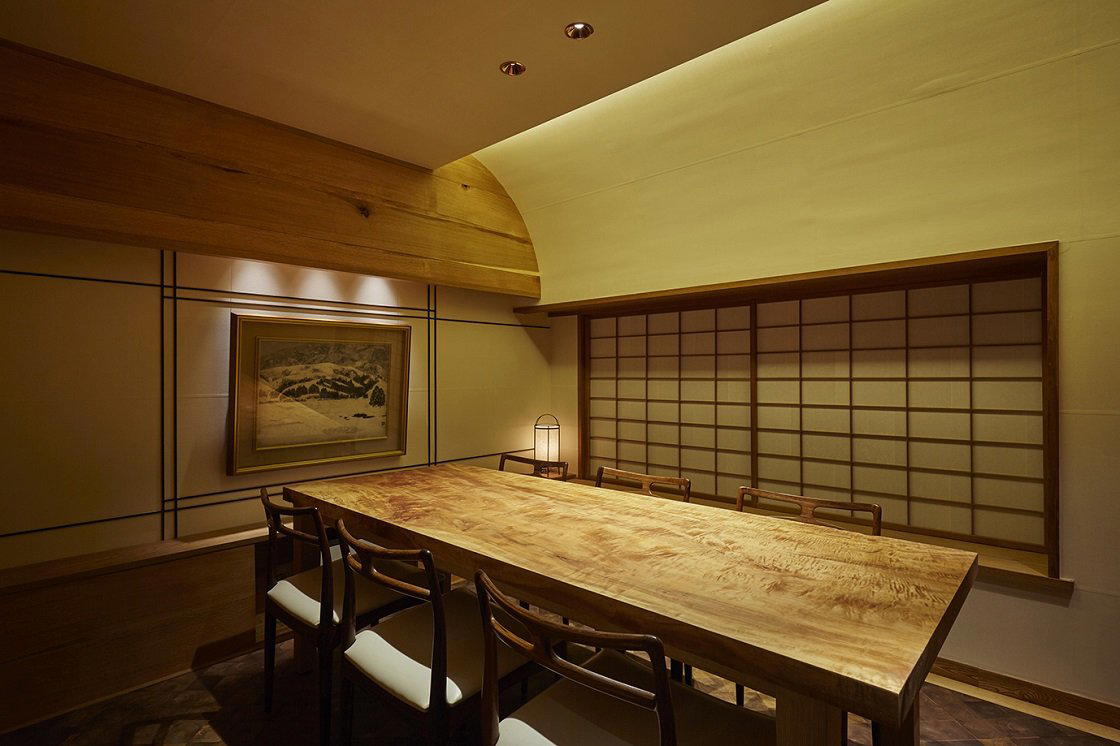


Bars in Osaka
All bars in Osaka →



Hotels in Osaka
All hotels in Osaka →


Wineries in Osaka
Browse all →
Details
- Cozy
- Quiet
- Classic
- Family
- Casual Hangout
- Solo
- Group Dining
- Standalone
- Private Dining
- Sake Program
- A La Carte
- Sake
- Shochu
A small, non-smoking soba house with relaxing, spacious table seating that feels like a quiet neighborhood hideout, suitable for families and friends.