Natsumi Tapas
On Third Avenue in Gramercy, Natsumi Tapas occupies a format that New York has been quietly refining for years: Japanese-inflected small plates designed for grazing rather than ceremony. The address at 323 3rd Ave places it in a neighbourhood that favours neighbourhood regulars over destination diners, making it one of the more low-key entries in the city's increasingly competitive Japanese-fusion tier.
- Address
- 323 3rd Ave, New York, NY 10010
- Phone
- +12128892182
- Directions
- Get directions
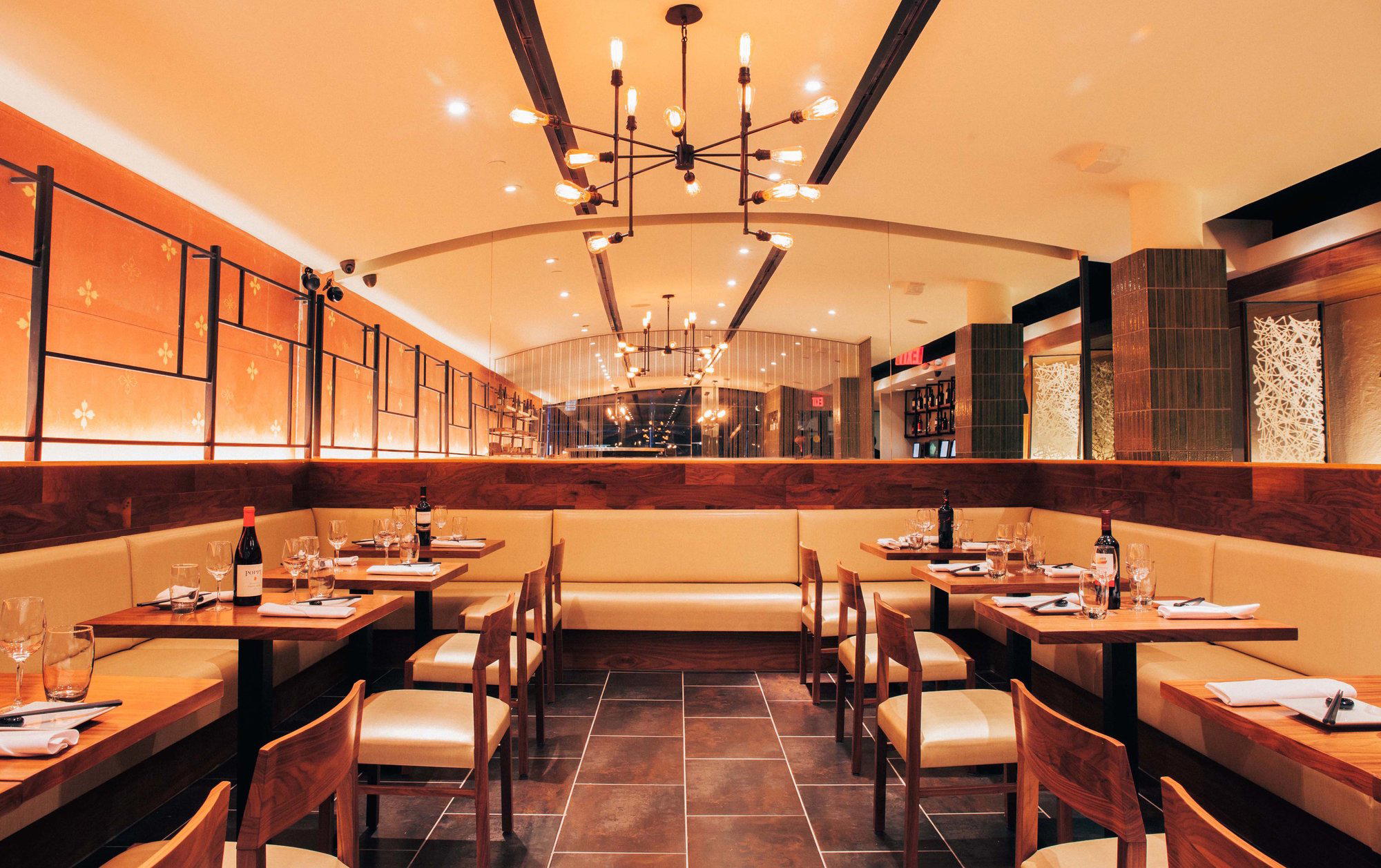
Third Avenue and the Small-Plates Shift
New York's Japanese dining scene long ran on two tracks: the high-ceremony omakase counter and the fast-casual ramen or sushi roll shop. What has grown steadily in the space between those poles is a third format, the izakaya-adjacent small-plates model, where the meal unfolds across shared dishes rather than through a fixed sequence. Natsumi Tapas is a Japanese-Italian Fusion Tapas restaurant in New York City at 323 3rd Ave, priced around $50 per person, and it sits within that middle register, in a neighbourhood that has historically rewarded approachable dining over spectacle. This is not the Midtown corridor where Masa and Per Se operate, and it does not try to be.
The tapas framing matters because it signals intent. Spanish tapas culture, at its functional core, is about hospitality through proliferation: more dishes, lower individual stakes, a meal that adapts to the pace of the table. When that logic is applied to Japanese technique and ingredient sourcing, the result is a format that can be remarkably flexible, capable of functioning as a quick lunch stop, a long social dinner, or something in between.
The Lunch-Dinner Divide in the Japanese Small-Plates Format
Few dining formats reveal their character through the lunch-versus-dinner split as clearly as the small-plates model. At lunch, the calculus is efficiency: single diners and pairs want a defined set of dishes, quick turnaround, and a check that does not require justification to an accountant. In the evening, the same menu can become a longer meal if the table commits to ordering in rounds. Gramercy's Third Avenue corridor draws both crowds, with a daytime flow of office workers from the surrounding blocks and an evening clientele that skews toward local residents and nearby hotel guests.
For Japanese small-plates specifically, the daytime version tends to compress the menu into a smaller selection, with richer dishes held for dinner service when kitchens have more time and diners have more patience. The evening format, at its better iterations across the city, mirrors the izakaya tradition where food is continuous rather than structured, and where the drink program, sake, shochu, Japanese whisky highballs, carries as much weight as any individual dish. This dynamic is one reason the format has grown: it allows operators to serve different diners with the same kitchen, adjusting pacing and depth rather than rewriting the menu entirely.
Compared to the rigid counter experience at venues like Atomix or the locked-in tasting architecture of Jungsik New York, the small-plates format at a venue like Natsumi offers structural freedom that the omakase model deliberately removes. That is a feature for some diners and a limitation for others who prefer a curated sequence.
Gramercy's Position in the Wider New York Dining Map
Third Avenue between 14th and 34th streets functions as a neighbourhood dining spine rather than a destination corridor. The blocks around 23rd Street draw from Gramercy Park, Kip's Bay, and Murray Hill, a catchment area that favours consistent quality over novelty and repeat visits over one-time pilgrimages. This is categorically different from the dining environment in the West Village or the stretch of Broadway below Lincoln Center, where diners often travel across the city or from out of town.
For reference, the kind of destination-driven effort that brings diners to Le Bernardin in Midtown or to Blue Hill at Stone Barns outside the city entirely is simply not the operating logic of a Third Avenue address. Natsumi Tapas functions within a neighbourhood context where reliability and value relative to the immediate comparable set matter more than Michelin consideration or critical acclaim. That is not a diminishment; it describes a different and genuinely useful tier of the city's dining ecosystem.
New York's broader premium restaurant tier, from Le Bernardin to tasting-menu operations like Alinea in Chicago or The French Laundry in Napa at the national level, operates on advance bookings, prix-fixe pricing, and long lead times. The small-plates neighbourhood format runs on different logic entirely, and serves a different reader need.
What the Format Tells You About Ordering Strategy
In any Japanese small-plates setting, ordering strategy separates a satisfying meal from an undirected one. The natural tendency is to anchor on familiar items and underorder, leaving the table feeling like the meal ended before it started. The better approach is to commit to multiple rounds, treating the menu as a sequence of waves rather than a single selection. Lighter, raw, or acid-forward dishes belong early; richer, fried, or miso-glazed preparations anchor the middle and late rounds.
This is standard izakaya logic, refined over decades in Tokyo's Shinjuku and Shibuya dining districts and now well-established in New York. Venues operating in this format across the country, from the more experimental end at Lazy Bear in San Francisco to the ingredient-first approach at Single Thread Farm in Healdsburg, each apply their own lens to the question of how dishes should sequence. At a neighbourhood tapas table, the answer is simpler: follow texture and temperature, not a printed course structure.
Planning Your Visit
Natsumi Tapas is located at 323 3rd Ave, New York, NY 10010, in the Gramercy-Kip's Bay corridor. Reservations: Recommended. Dress: Smart casual is appropriate for both lunch and dinner. Budget: Expect about $50 per person before drinks.
Side-by-Side Snapshot
Comparable venues nearby, for context on price, style, and recognition.
| Venue | Cuisine | Price | Notes |
|---|---|---|---|
| Natsumi TapasThis venue — the venue you are viewing | Japanese-Italian Fusion Tapas | $$$ | Not listed |
| Love Thy Neighbor | Japanese-inspired cocktail bar & small plates | $$$ | West Village |
| Lola's | Southern-Asian Fusion | $$$ | Midtown South-Flatiron-Union Square |
| Calle Dao | Cuban-Chinese Fusion | $$$ | Midtown-Times Square |
| One Bryant Park French-Japanese restaurant | French-Japanese Fine Dining | $$$$ | Midtown |
| Geisha Asian Fusion | Asian Fusion Sushi | $$ | Washington Heights (North) |
Continue exploring
More in New York City
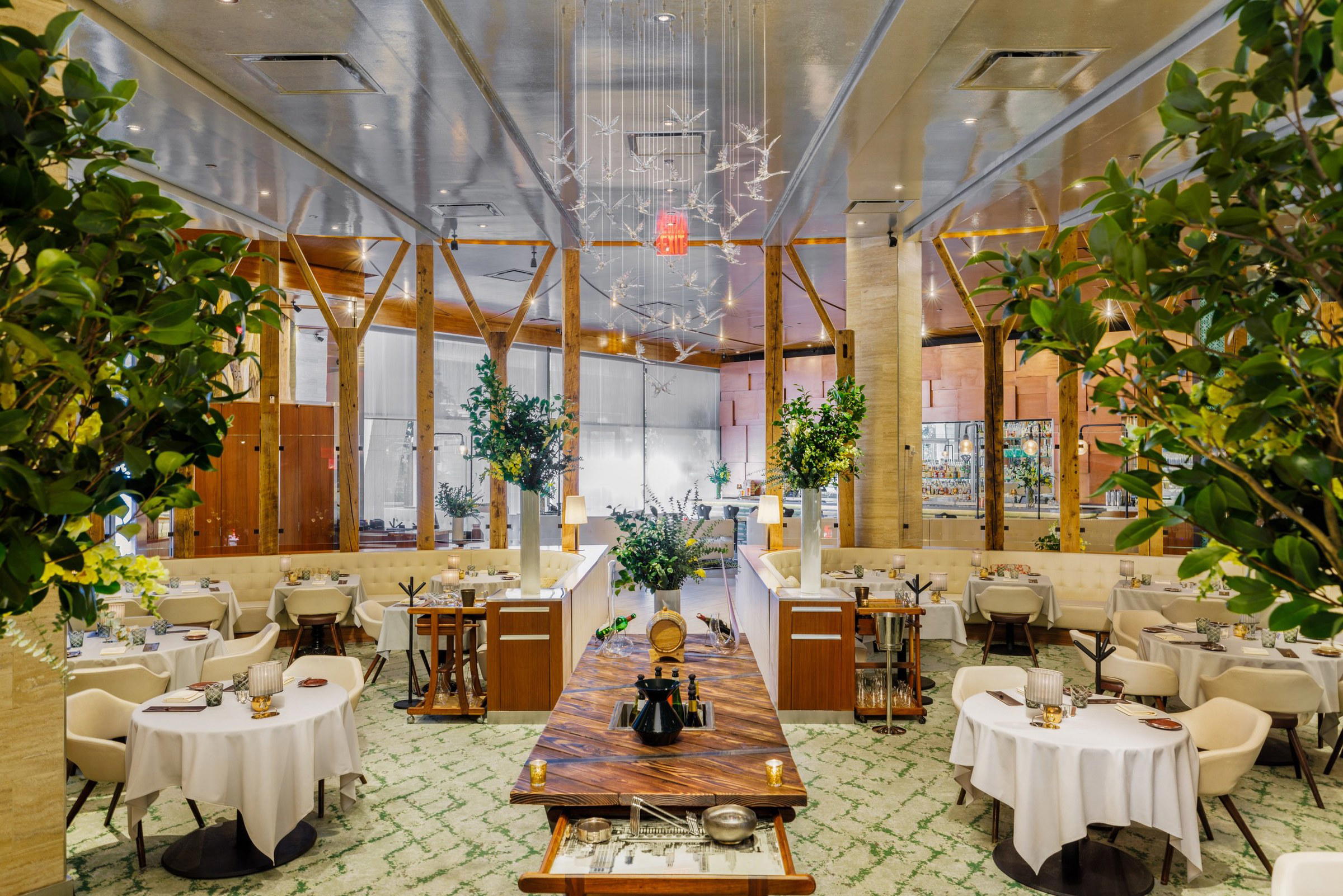
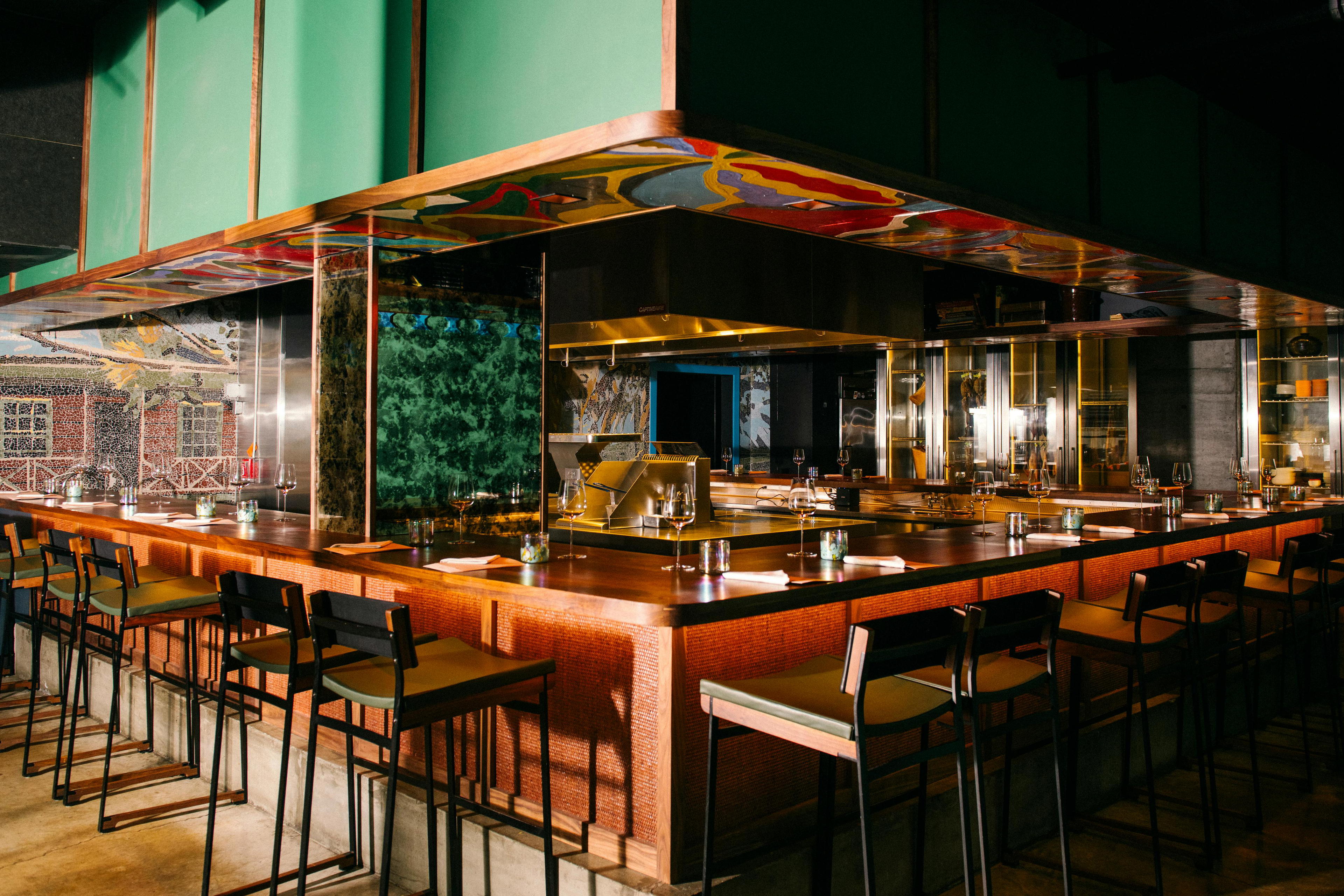
Restaurants in New York City
Browse all →
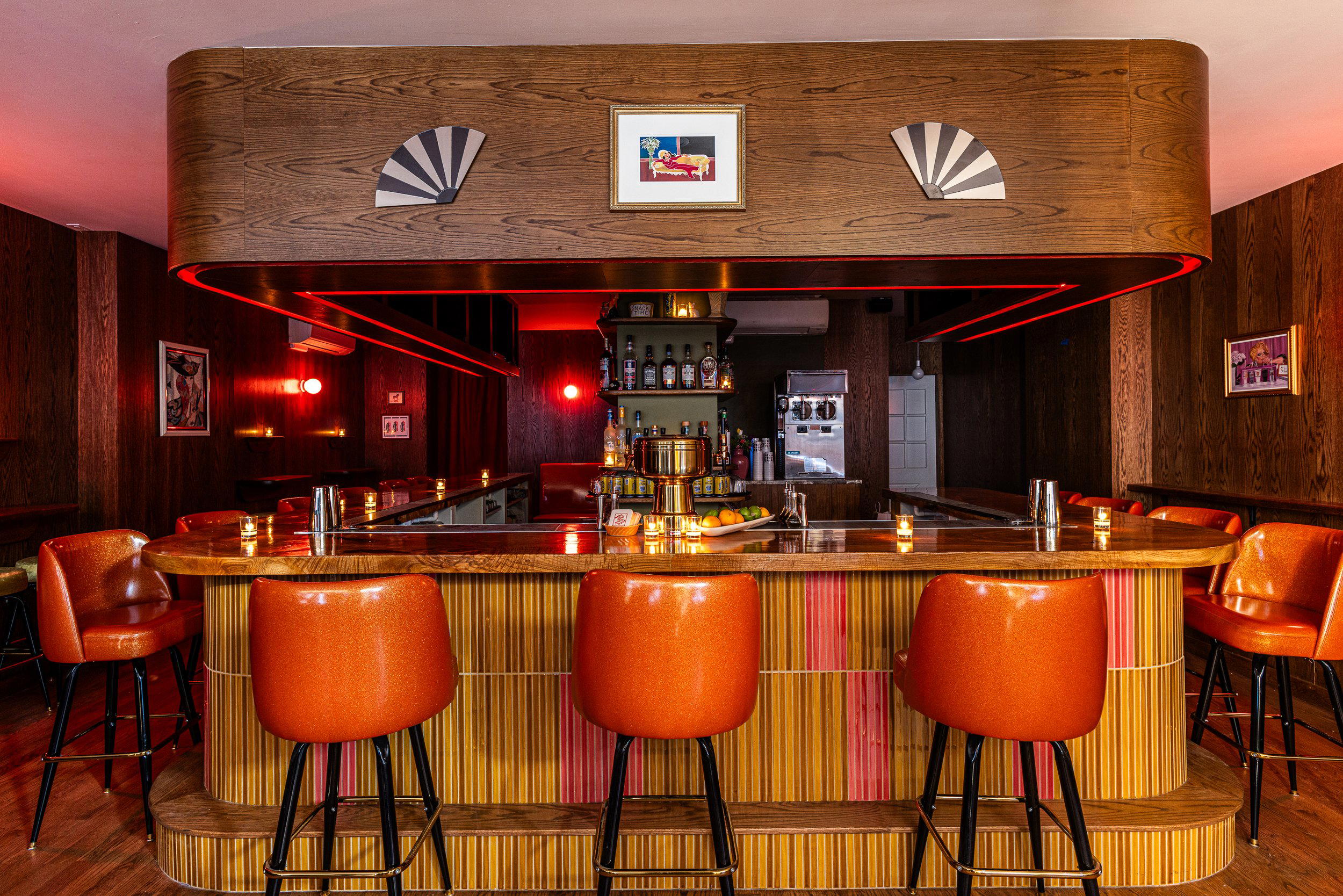
Bars in New York City
Browse all →



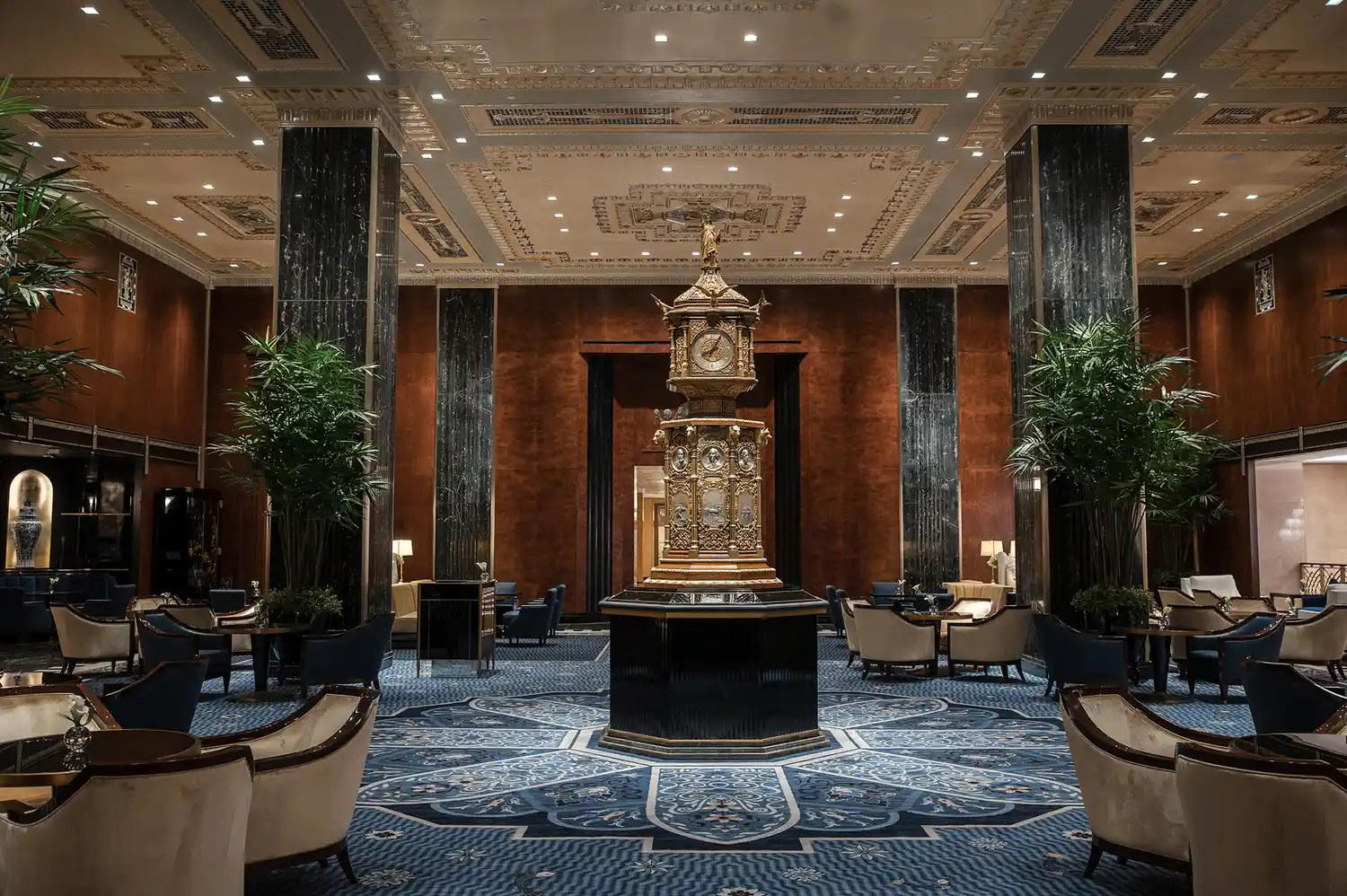
Hotels in New York City
Browse all →








At a Glance
- Modern
- Trendy
- Elegant
- Group Dining
- Casual Hangout
- Open Kitchen
- Sake Program
- Craft Cocktails
Chic modern space with washi-papered walls and traditional Japanese Kumiko panel bar, designed for communal dining.