Love Thy Neighbor
Love Thy Neighbor sits on Christopher Street in the West Village, a neighborhood where small-format dining lives or dies by timing, flexibility, and the room’s ability to feel personal without turning precious. With no public chef narrative or awards platform defining the pitch, the smarter read is practical: treat it as a neighborhood evening stop, plan around peak Village demand, and let the setting do the work.
Pearl is the En Primeur Club membership app — saves, bookings, and concierge access live there. Same editors, same standards.
- Address
- 55 Christopher St, New York, NY 10014
- Directions
- Get directions
 Saves & bookings on Pearl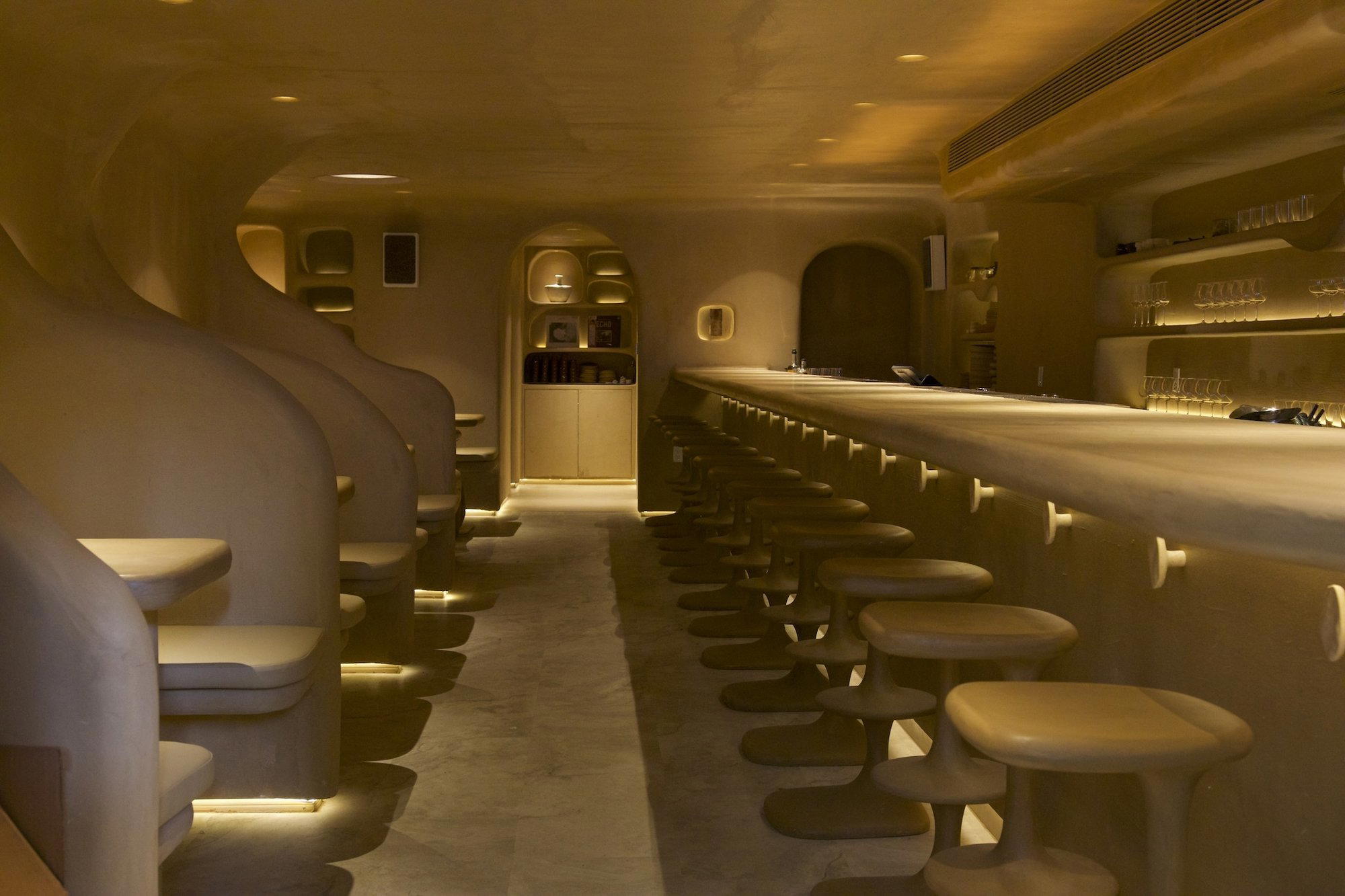
After office hours, Christopher Street shifts quickly: townhouse stoops, narrow storefronts, late dinners, and people moving between the West Village and the subway. Love Thy Neighbor belongs to that evening rhythm, not the trophy-dining circuit. The useful question is not whether it has tasting-menu ceremony, but how it fits a neighborhood where the difference between a relaxed night and a long wait can be arrival time.
The West Village rewards small rooms with a clear point of view, especially places local enough for a weeknight yet polished enough for visitors planning dinner in the area. Nearby Joseph Leonard, Jeffrey’s Grocery, and Bar Sardine helped define that compact, convivial category for diners who want atmosphere without a formal script. Love Thy Neighbor sits in the same urban grammar: the decision is less about chef biography than whether the room, pace, and location match the night.
Christopher Street dining rewards early decisions and flexible expectations
In New York, booking intelligence is not just for starred restaurants or tasting menus. The West Village creates pressure through geography: small footprints, limited sidewalk frontage, and dense post-work crowds make casual-looking addresses difficult at the hours travelers prefer. A Christopher Street venue competes with restaurants, bars, theaters, neighborhood regulars, and visitors treating the Village as a night out, not just a meal stop.
That shapes how to approach Love Thy Neighbor. Its public profile does not suggest a formal awards-led dining room, named-chef tasting counter, or published cuisine category, so read it within the neighborhood’s social dining pattern. Earlier evenings suit diners wanting fewer variables; later slots suit those pairing dinner with nearby drinks. Its Tuesday-to-Sunday evening schedule places it in the after-dark Village economy, with later Friday and Saturday service aligned to the weekend tempo.
For travelers mapping a wider New York dining run, this differs from destination sushi rooms such as 1 or 8 (Sushi - Japanese) or 15 East (Sushi - Japanese), where cuisine and format drive the decision. It also differs from category-specific neighborhood restaurants such as 12 Chairs (Israeli), 'inoteca, or & Sons Ham Bar, where cuisine or product signals expectations before arrival. Here, the planning value is contextual: Christopher Street, evening hours, and West Village demand define the experience more clearly than a published culinary label.
The room matters more than a public chef narrative
Some New York restaurants sell lineage: a chef’s previous kitchen, cellar program, critic’s review, or fixed tasting format. Others operate through neighborhood legibility. On the available public evidence, the restaurant is in the second camp, which is not a weakness here. The West Village has long supported restaurants whose draw is scale, room energy, and proximity to the rest of the night rather than a formal procession of courses.
That sets expectations. Diners seeking a documented signature dish, named chef counter, or trophy reservation should choose venues where those signals are explicit. Diners using a Christopher Street address to anchor a downtown night are making another calculation. In this tier of New York dining, the mistake is overplanning the romance of the room while underplanning logistics. Decide the restaurant’s role: first stop, full dinner, or late meal after another nearby commitment.
EP Club readers building a broader itinerary can use Our full New York City restaurants guide to separate destination meals from neighborhood dining, then layer in Our full New York City bars guide if the night is about the Village after dinner. For visitors turning the meal into a longer trip, Our full New York City hotels guide is more useful than a single-venue checklist; hotel location will shape the evening as much as the restaurant choice.
How to place it within a wider New York itinerary
The restaurant makes most sense as a New York logistics decision, not a grand dining thesis. Its address sits in a walkable downtown corridor, giving the evening options before and after dinner. That flexibility matters in a city where premium dining often imposes fixed times, deposits, or long cross-town transfers. Here, the appeal is opposite: a Village plan that can absorb a change in pace.
The broader lesson applies beyond New York. In dense dining districts, lesser-documented rooms can still be strategically useful when the neighborhood carries the evening. Los Angeles sake bars such as Jōdo Saké Bar in Los Angeles, focused casual formats like Onigiri Time in Pasadena, and regional specialists such as ¿Por Qué No? in Portland show how format clarity guides planning. In Hawaii and California, places like 'Ai Love Nalo in Waimanalo Beach, 'āina in San Francisco, 'Ama 'Ama in Kapolei, -Grilled beef Sukiyaki- KAMAKURA TANUKIAN 鎌倉 たぬき庵 in Kamakura, and ¡Salud! in Los Angeles make the same point from different angles: the planning problem changes depending on whether cuisine, setting, or neighborhood does the heavy lifting.
For the restaurant, the clean editorial verdict is practical. Use it when the West Village is the center of gravity and the night benefits from an evening-only restaurant near other downtown plans. Do not force it into the role of a heavily credentialed destination meal. New York has plenty. This address asks for timing discipline, flexibility, and a clear sense of what the rest of the night should do.
Travelers extending the search beyond dinner can round out the city map through Our full New York City wineries guide and Our full New York City experiences guide, especially when the restaurant is one piece of a downtown evening.
Comparison Snapshot
Comparable options at the same price tier.
| Venue | Cuisine | Price | Notes |
|---|---|---|---|
| Love Thy NeighborThis venue — the venue you are viewing | Japanese-inspired cocktail bar & small plates | $$$ | Not listed |
| Natsumi Tapas | Japanese-Italian Fusion Tapas | $$$ | Gramercy |
| The Newsroom | Caribbean-Latin-Asian Fusion | $$$ | Long Island City-Hunters Point |
| Aura Cocina | Cuban-Asian Fusion | $$$ | East Williamsburg |
| Traif | Modern Unkosher Fusion | $$$ | Williamsburg |
| FUSION KITCHEN | Asian Fusion Poke and Sushi | $$ | Crown Heights (North) |
Continue exploring
More in New York City
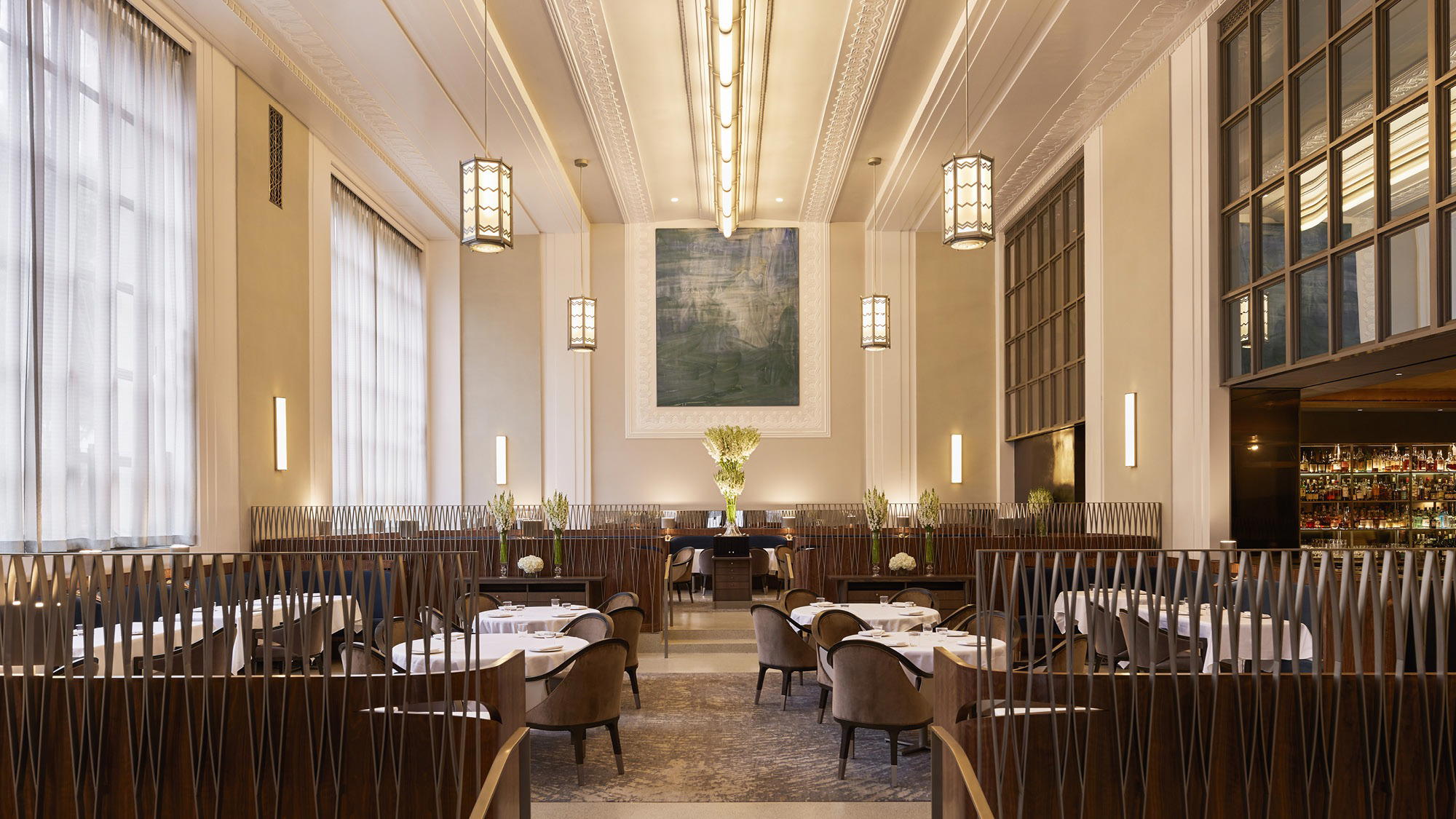
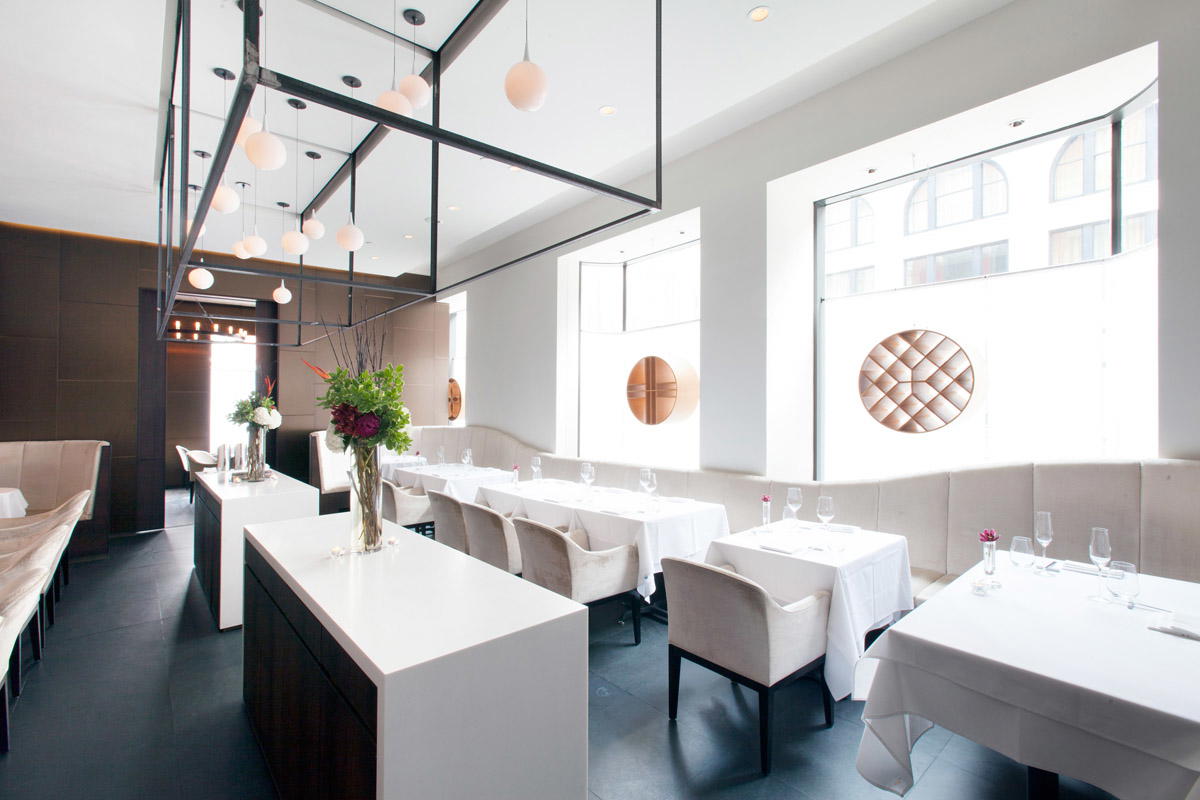
Restaurants in New York City
Browse all →
Bars in New York City
Browse all →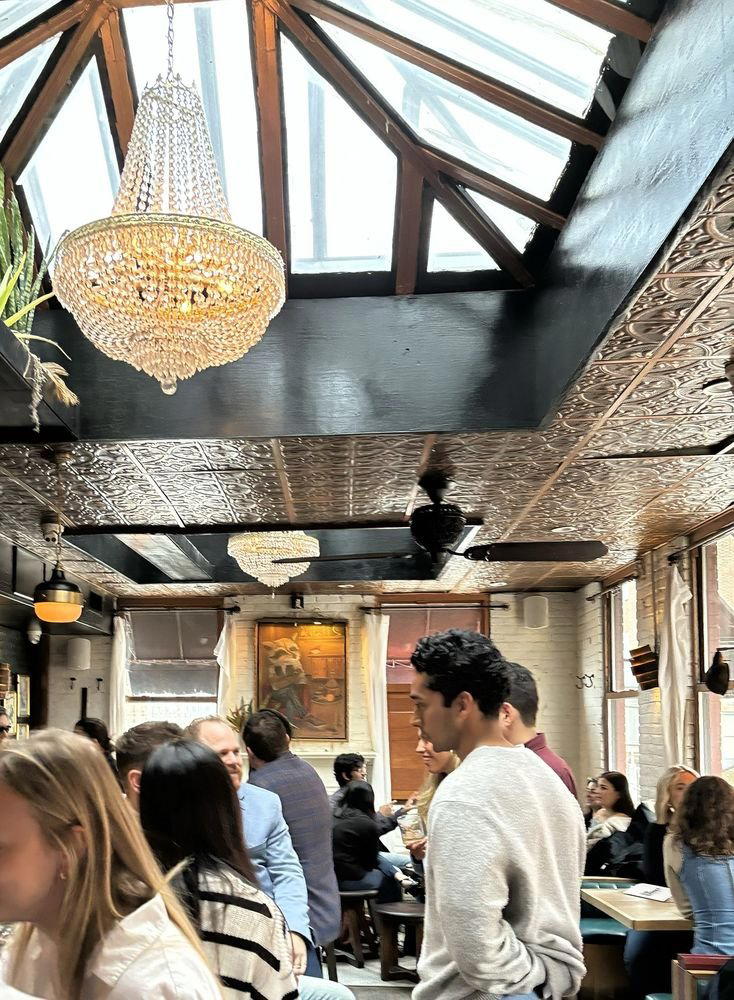
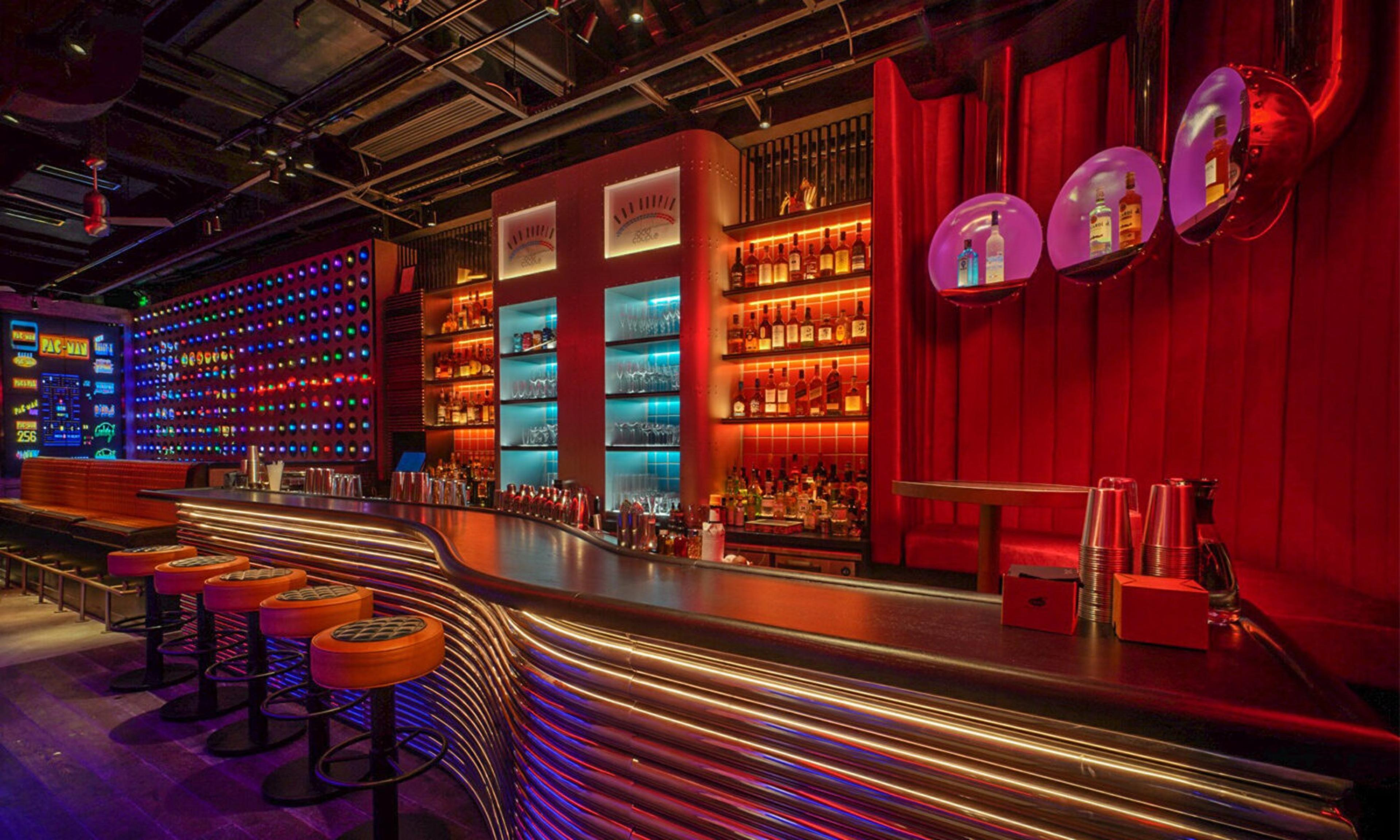
Hotels in New York City
Browse all →





At a Glance
- Trendy
- Lively
- Cozy
- Intimate
- Modern
- Bohemian
- Date Night
- After Work
- Late Night
- Casual Hangout
- Group Dining
- Celebration
- Design Destination
- Standalone
- Private Dining
- Craft Cocktails
- Zero Proof
- Street Scene
Current opening hours
- Monday
- Closed
- Tuesday
- 5 PM–12 AM
- Wednesday
- 5 PM–12 AM
- Thursday
- 5 PM–12 AM
- Friday
- 5 PM–1 AM
- Saturday
- 5 PM–1 AM
- Sunday
- 5 PM–12 AM
Hours can change for holidays and private events. Last verified .
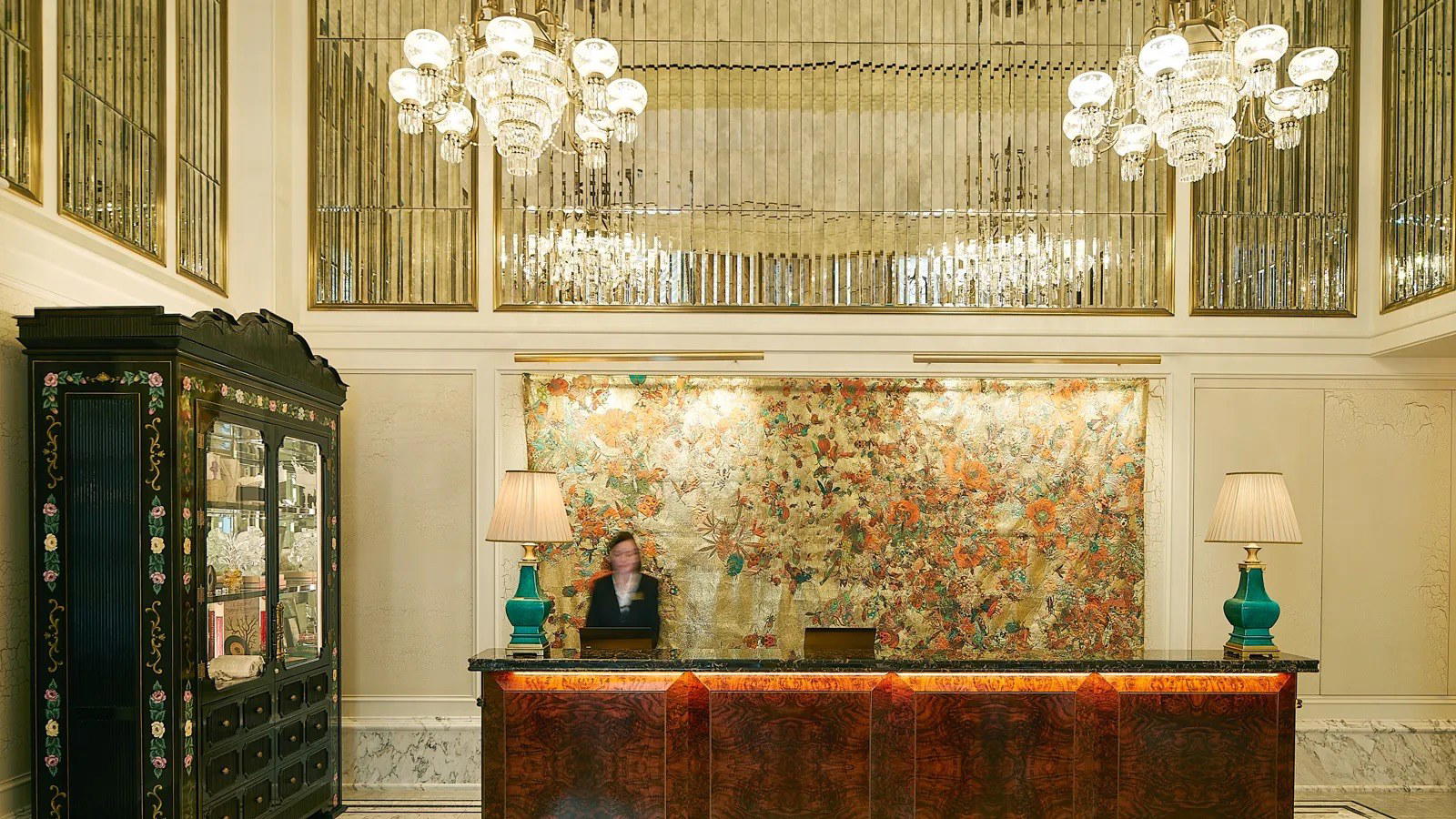
A warm, design-forward, dimly lit space inspired by Japanese craft and the rhythm of New York City, with a soulful soundscape and a social, bar-centric atmosphere that feels like an inclusive oasis for chosen family and community gatherings.