
1 Michelin Star
Our verdict
Naramachi Kuko belongs to the quieter side of Nara dining, where old merchant-house streets and ingredient-led Japanese cooking carry more weight than spectacle. The name refers to the goji berry, tied in East Asian tradition to longevity, which frames the restaurant’s appeal around seasonality, restraint, and the medicinal edge that has long sat inside Japanese food culture.

Pearl is the En Primeur Club membership app, where members save venues, book tables and use the concierge.
The menu
What to order
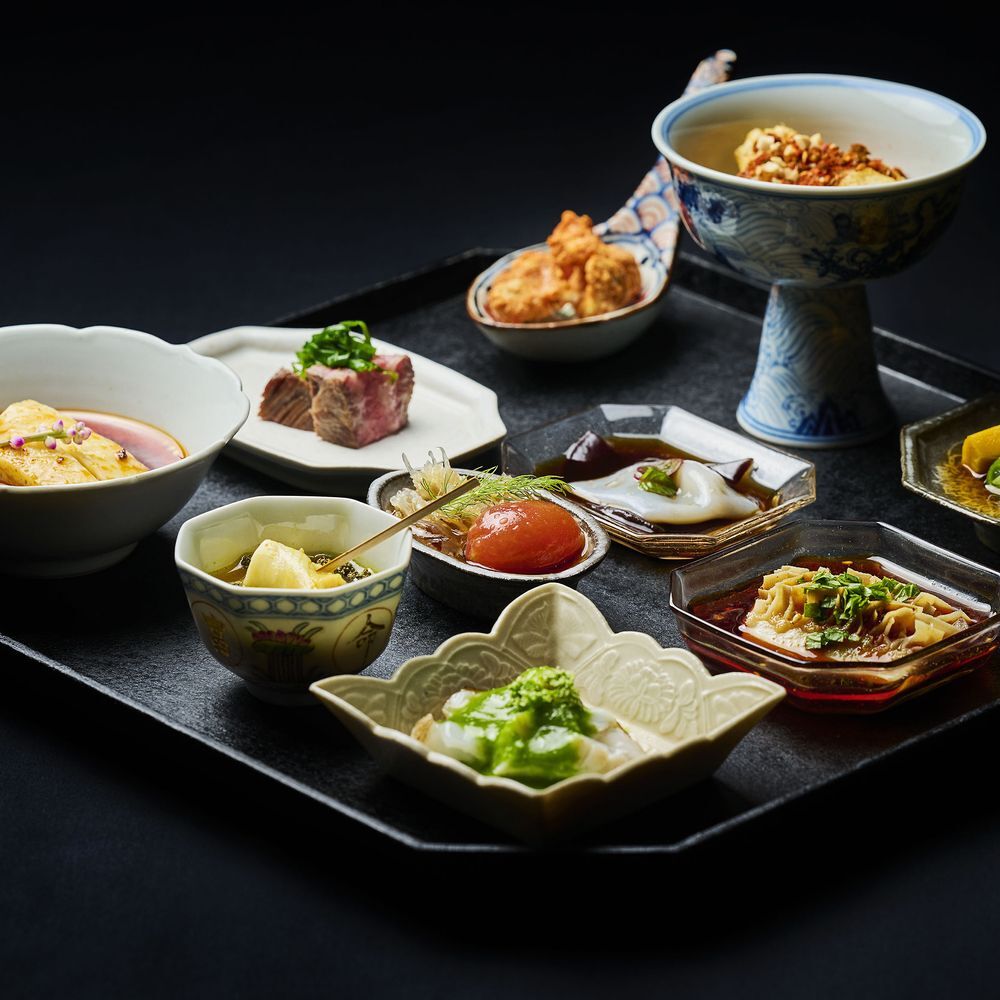
- Yakuzen-inspired vegetable courses
- Seasonal Nara vegetable dishes served on Jingdezhen porcelain
Approaching Naramachi Kuko, Nara changes register: the pace feels quieter, the scale more intimate, and the evening less driven by spectacle. That setting matters because a meal here reads differently than it might in a larger restaurant capital: more measured, more dependent on attention, and more connected to the city around it.
The name gives the page its clearest editorial clue: Naramachi Kuko carries a goji berry reference. Rather than overstate that into a fixed concept, it is safer to read it as a symbolic marker within a Nara dining context. The appeal is not a loud theme, but the possibility of a restaurant whose identity is built through restraint, detail, and setting.
Nara's ingredient culture rewards restraint over spectacle
Nara is awkward to judge by big-city restaurant metrics. It has major cultural weight, significant visitor traffic, and a dining scene that works at a smaller volume than Kyoto, Osaka, or Tokyo. The stronger meals understand proportion: a room that fits the city, a menu that respects the moment, and a sense of seriousness that does not need to announce itself through excess.
That is where Naramachi Kuko makes sense. Its identity points toward quiet specificity, with the goji berry reference acting as a signal rather than decoration. In dining of this register, the question is not whether a restaurant can produce luxury cues, but whether the experience can make smaller details feel central.
Nara’s competitive set is split. At one end are accessible local rooms such as Yuki Tei and specialist formats such as Naramachi Sushi Hanako. At the other are more formal restaurants such as Tsuru Yoshi and genre-shifting addresses such as cucina regionale YANAGAWA, which bring different structures into the city’s dining map. Naramachi Kuko reads closer to the old-city side than to an internationalized model.
Context therefore matters. In a city with Nara’s long cultural memory, local dining is not just about convenience; the shape of the meal can carry the evening. Without a published dish list in the provided record, the safe conclusion is structural: the restaurant’s symbolism aligns with a tradition-minded way of dining where setting, pacing, and careful choices matter as much as obvious display.
A Nara meal for diners who read detail rather than volume
The atmosphere implied by this address is not the high-energy counter culture of a major nightlife city. Nara rewards diners who slow down before dinner, arriving with time to notice the city’s calmer evening rhythm. That is a different luxury from a skyline room or performance-led meal: attention to pacing and to the relationship between the restaurant and the city outside.
For serious Nara itineraries, this category can be more revealing than another convenient lunch stop. The city’s dining identity is less globally codified than Kyoto or Tokyo, leaving room for addresses that speak through regional context. Naramachi Kuko’s goji berry reference gives it a narrower, more culturally specific lane: symbolic identity, Nara scale, and an appeal that does not depend on contemporary restaurant theater.
That shapes who should prioritize it. Diners seeking a loud room, named signature dishes, or a heavily documented chef narrative may find Nara’s subtler restaurants less legible. Diners interested in how a historic city expresses itself away from the capital-city spotlight will get more from the format. The appeal lies in small decisions: what the restaurant foregrounds, how much ornament it avoids, and how the meal fits Nara rather than competing with Osaka’s momentum.
Comparison clarifies the choice. Sushi-focused dining in Nara has a different logic at places such as Naramachi Sushi Hanako, where the category sets its own expectations. Tsuru Yoshi points to a more formal occasion. Yorozu Onkashi Atsurae Dokoro Kashiya sits in another local tradition. Naramachi Kuko belongs between these poles: not casual city fuel, not only a trophy dinner, but strongest when judged through Nara’s relationship with tradition, restraint, and setting.
How to place it within a wider Nara itinerary
Nara rewards a tighter dining plan than many visitors expect. Its cultural weight is obvious by day, but dinner needs deliberate selection because the strongest experiences are spread across the city, from small restaurants to more contemporary rooms. For a broader scan, start with Our full Nara restaurants guide; for where to stay, pair it with Our full Nara hotels guide.
Within Nara, useful cross-checks include other dining rooms across the city, from local tradition to contemporary cooking. They show how compact the city’s serious dining range can be: heritage formats, newer approaches, and quieter destination meals often sit within the same broader urban conversation rather than separate dining districts.
Keep the rest of the itinerary disciplined. Use Our full Nara bars guide for after-dinner planning, Our full Nara wineries guide if the trip is wine-led, and Our full Nara experiences guide for cultural formats around the meal. For Japan-wide context, compare how focused categories travel across cities in generic terms rather than treating Nara as interchangeable with larger dining capitals. For a broader Japanese-food conversation outside Japan, the same principle applies: specific formats change once removed from their original city context.
The editorial case for Naramachi Kuko is measured rather than loud. It is a Nara address for travelers who care about the relationship between symbolism, setting, and restraint, especially how a quieter restaurant identity can carry weight without becoming performance. In a city often reduced to daytime sightseeing, that kind of dinner gives the evening its own cultural focus. Naramachi Kuko also carries One MICHELIN Star recognition, which gives that quiet case a clear external marker without changing the reason to go.
Frequently asked questions
Is Naramachi Kuko suitable for children?
Naramachi Kuko is in Nara.
How would you describe the vibe at Naramachi Kuko?
The tone is best framed as restrained rather than theatrical, which suits its Nara context. The name carries a goji berry reference, giving the venue a distinctive symbolic marker without needing to overstate the concept.
What's Naramachi Kuko known for in terms of accolades?
Naramachi Kuko is recognized with One MICHELIN Star.
Where is Naramachi Kuko located?
Naramachi Kuko is located in Nara.
How far ahead should I plan for Naramachi Kuko?
A destination meal in Nara is not the sort of place to leave to chance if dinner matters to the itinerary. Build it into the trip before arrival rather than treating it as a spontaneous stop. Check the venue's official channels for the latest details.
What's the signature at Naramachi Kuko?
The strongest identifying detail in the provided record is the name itself and its goji berry reference. Treat that as the venue’s clearest signature marker, and check the venue's official channels for the latest details.
How It Stacks Up
Comparable venues by cuisine and price in the same metro.
| Venue | Cuisine | Price | Awards | Notes |
|---|---|---|---|---|
| Naramachi KukoThis venue (the venue you are viewing) | Seasonal Chinese-inspired Fine Dining with Nara Vegetables | $200–300 | 1 Michelin Star | Not listed |
| Yuki Tei | Yoshoku (Japanese-style Western cuisine) | $10–20 | Tabelog 100 #46 | JPY 1,000 - JPY 1,999 JPY 1,000 - JPY 1,999 View spending breakdown |
| Naramachi Sushi Hanako | Traditional Sushi Omakase | $50–100 | Michelin Plate | Sushi |
| Tsuru Yoshi | Traditional Kaiseki | $150–200 | Tabelog Bronze #490 | Japanese Cuisine, JPY 20,000 - JPY 29,999 JPY 6,000 - JPY 7,999 View spending breakdown |
| cucina regionale YANAGAWA | Modern Regional Italian with Nara Ingredients | $150–200 | Michelin Plate | Italian |
| Yorozu Onkashi Atsurae Dokoro Kashiya | Traditional Japanese Wagashi & Cafe | $10–20 | Tabelog 100 #46 | JPY 1,000 - JPY 1,999 |
Recognition history
Dated appearances from independent guides and award organizations, with the underlying list record or original source where available.
Michelin 1 Star
Michelin
Continue exploring
More in Nara
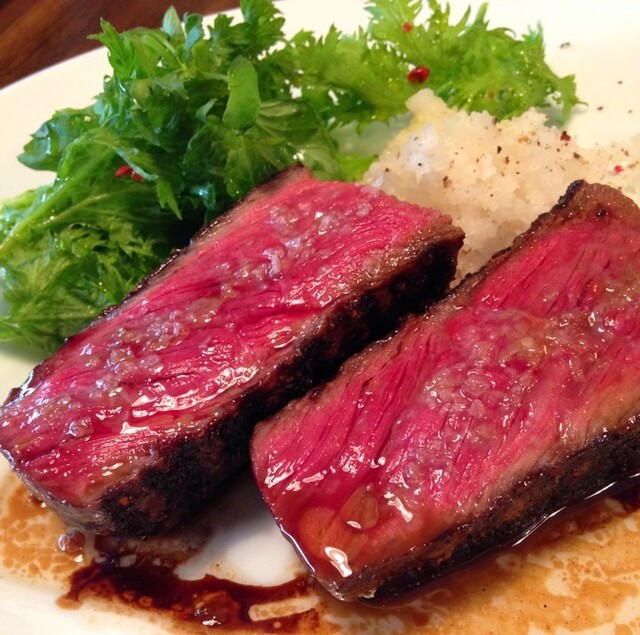
Restaurants in Nara
All restaurants in Nara →



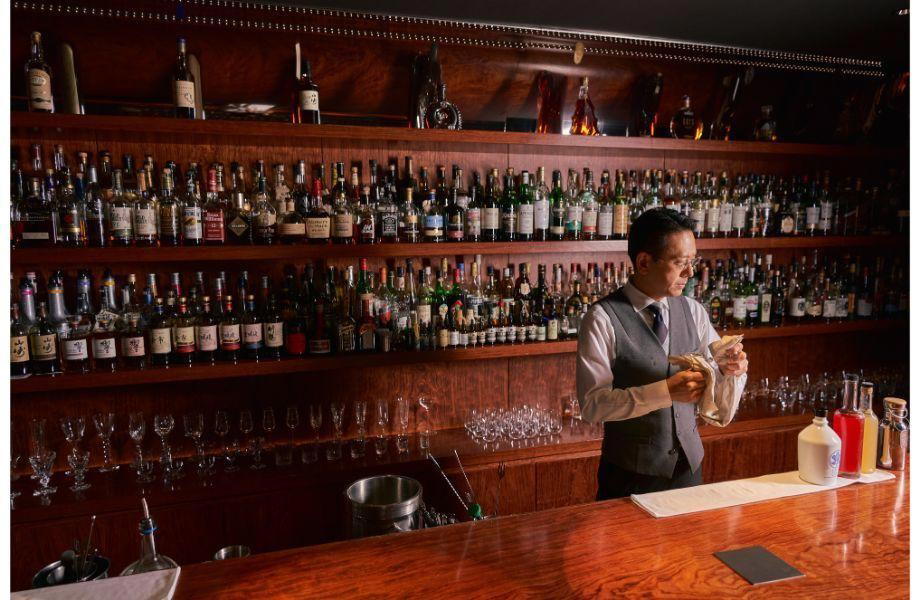
Bars in Nara
All bars in Nara →


Hotels in Nara
All hotels in Nara →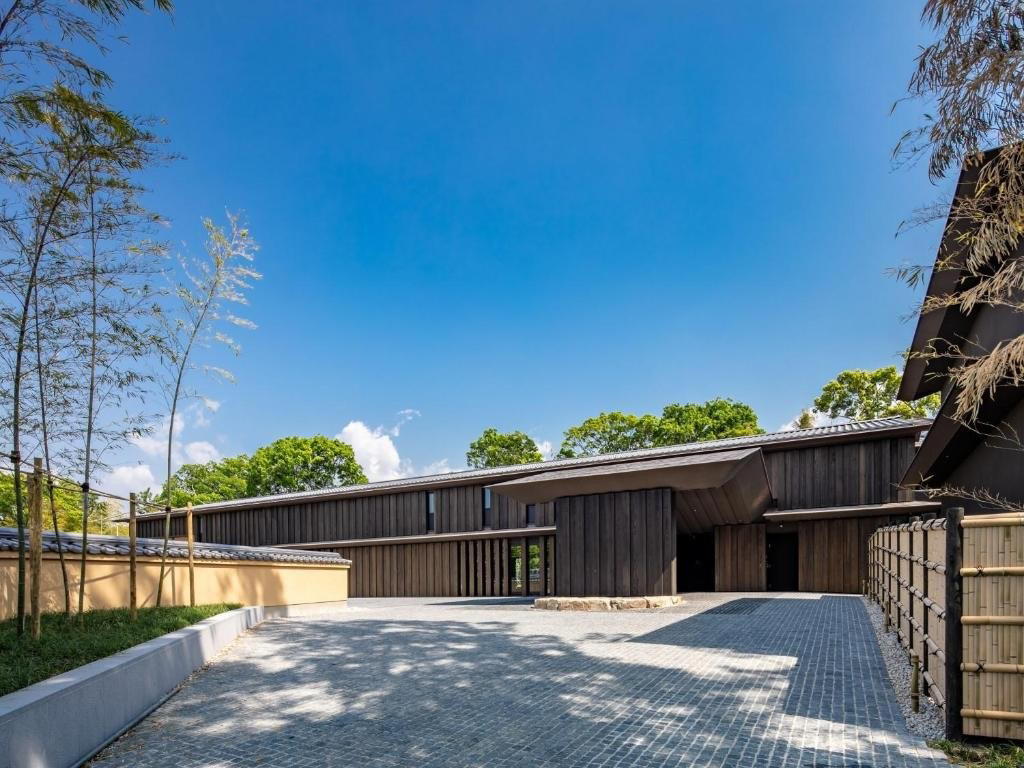
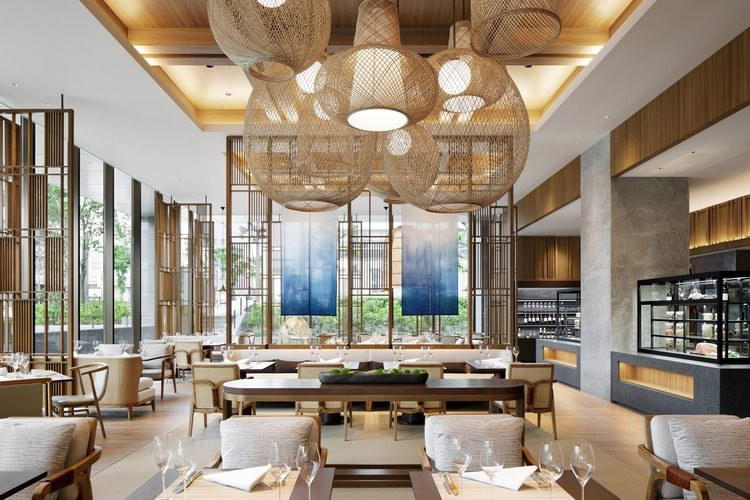


Wineries in Nara
Browse all →
Details
- Cozy
- Rustic
- Intimate
- Classic
- Special Occasion
- Date Night
- Business Dinner
- Solo
- Design Destination
- Standalone
- Historic Building
- Sake Program
- Extensive Wine List
- Farm To Table
- Local Sourcing
- Sustainable Seafood
- Tasting Menu
- Set Menu
- Wine
- Sake
- Vegetarian Friendly
- Pescatarian Friendly
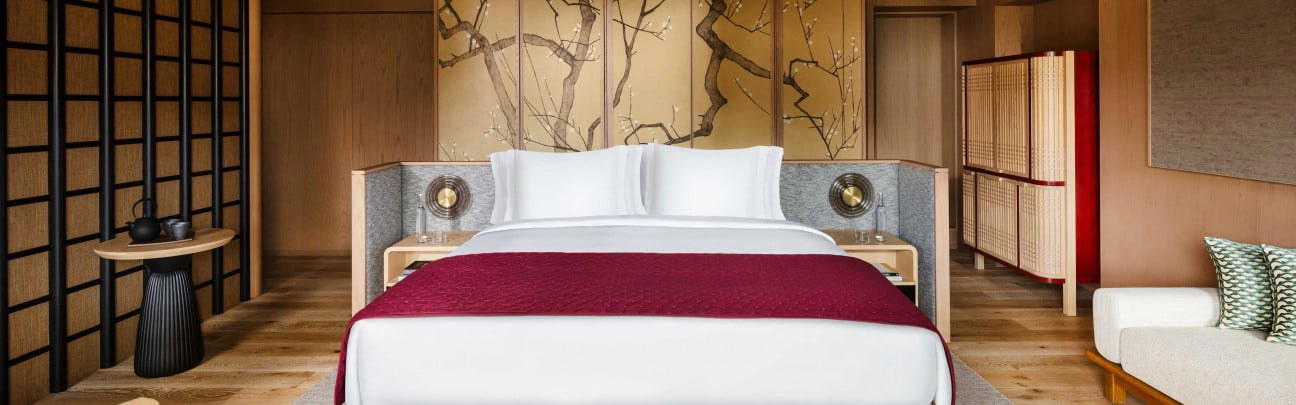
An intimate, house‑style hideaway with few seats, understated and quietly elegant rather than flashy; the atmosphere is calm and contemplative, with the focus on seasonal vegetables and refined Chinese technique, making it feel more like a serene private dining room than a typical Chinese restaurant.