
Tabelog 100 #46
Our verdict
Yuki Tei puts Nara’s yoshoku tradition into a lunch-only rhythm: Japanese-style Western cooking, omurice at the center, and a price band that keeps it closer to everyday local dining than ceremonial fine dining. Its 2025 Tabelog 100 Yoshoku WEST selection gives the address a clear quality signal within a category often judged by comfort, pacing, and consistency rather than luxury cues.

Pearl is the En Primeur Club membership app, where members save venues, book tables and use the concierge.
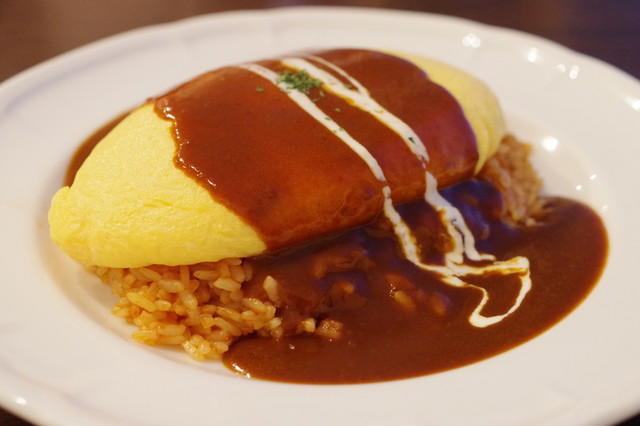
Approaching Yuki Tei in Nara, the meal is best understood through the city’s quieter everyday dining register rather than through formal destination-dining cues. This is not the city’s polished tasting-menu language or a ceremony built around luxury. The appeal is more direct: a compact meal built around yoshoku, Japan’s adaptation of Western cooking that became its own cuisine rather than a borrowed style.
Yuki Tei belongs to the Nara dining tier that rewards timing and appetite more than spectacle. Its selection for Tabelog 100 Yoshoku WEST 2025 is useful because yoshoku hierarchy is not always obvious to visitors. Omurice can read as casual, nostalgic, or technically exacting depending on the kitchen; the distinction is in rice texture, egg handling, sauce balance, and the discipline of serving a familiar dish without making it ornamental.
Yoshoku in Nara is a lunch ritual, not a luxury performance
Yoshoku sits apart from meals travelers often associate with Nara. More formal Japanese dining leans on seasonality, pacing, and price as ceremony; Tsuru Yoshi, for example, represents a different occasion. Sushi at Naramachi Sushi Hanako runs on counter pacing and fish sequence. Chinese dining at Chugokusai Naramachi Kuko follows its own logic. Yoshoku compresses the contract: arrive with appetite, order decisively, and understand that comfort food can still be judged with precision.
That is why omurice matters here. Often translated too simply as omelette rice, in Japan it tests timing: egg must meet rice at the right temperature, sauce cannot drown the plate, and the portion must feel complete without excess. Its appeal is not rarity. It is repetition controlled well enough that locals keep the category alive and recognition systems can separate serious kitchens from merely nostalgic ones.
Nara’s restaurant map makes the distinction clearer. Visitors building a dining day might compare other Japanese, Western-influenced, sushi, Chinese, or confectionery-led meals elsewhere in the city. Against that spread, Yuki Tei has a specific role: a focused yoshoku stop that shows how local dining works when it is not staging itself for a long evening.
The casual format keeps the meal close to everyday Nara
The setting carries the point without needing to be treated as a sightseeing landmark. The atmosphere belongs to Nara’s everyday dining world rather than to a hotel dining room or a heavily choreographed destination restaurant. That makes the meal feel closer to local rhythm: practical, direct, and focused on the plate rather than on elaborate ceremony.
The JPY 1,000 to JPY 1,999 lunch and dinner budget places the experience in a category accessible by Japanese award-dining standards. That matters editorially. Where recognition often pushes restaurants toward reservation-only or tasting-menu territory, a Tabelog 100 selection at this spend signals another value proposition: not luxury compression, but reliable specialization. The selection is the trust signal; the cost keeps the ritual democratic.
Schedule and access should be checked directly before visiting, because casual specialists can be less forgiving than large-format restaurants when timing changes. The practical etiquette is simple: treat the meal as a focused yoshoku stop in Nara, confirm current details, and arrive with enough flexibility for a popular, recognized restaurant in a modest price band.
For a broader Nara day, the surrounding choice set helps. Other dining in Nara gives local reference points, while the full city view sits in EP Club’s Nara restaurants guide. Travelers pairing lunch with sleep, drinking, cellar visits, or cultural programming can cross-check Nara hotels, Nara bars, Nara wineries, and Nara experiences without making this meal carry the whole itinerary.
Where Yuki Tei fits in a Japan-wide casual-dining itinerary
The appeal sharpens against Japan’s broader casual-specialist culture. Across the country, diners often find that narrow everyday formats can become destination choices when execution and context align. Yuki Tei fits that pattern in Nara: a specific category, a recognizable dish type, and enough external recognition to help visitors distinguish it from a merely convenient meal.
That comparison should not flatten the cuisine. Yoshoku has its own history, born from Western influence and domesticated through Japanese kitchens into formats such as omurice and other Japanese-style Western dishes. In Nara, often read through temples, deer, and classical culture, this meal offers another civic detail: how an everyday category can carry local value without needing formal fine-dining machinery.
For travelers moving between cities, the lesson is practical. Not every strong meal in Japan needs a chef biography, tasting counter, or night-time reservation. Some require a clear category sense. Yuki Tei is for the diner who wants Nara’s local rhythm through yoshoku and omurice, backed by a Tabelog 100 Yoshoku WEST 2025 selection and a budget that keeps the experience approachable.
Frequently asked questions
What's Yuki Tei's location?
Nara.
When is Yuki Tei open?
Check the venue's official channels before visiting.
What's the pricing like at Yuki Tei?
Pricing at Yuki Tei is listed as JPY 1,000 - JPY 1,999 JPY 1,000 - JPY 1,999 View spending breakdown.
What's the standout thing about Yuki Tei?
Its clearest credential is the Tabelog 100 Yoshoku WEST 2025 selection. The listed categories are yoshoku and omurice, and the venue is in Nara.
Is Yuki Tei good for families?
Check the venue's official channels for the latest suitability details.
Cuisine and Awards Snapshot
Comparable options at the same price tier.
| Venue | Cuisine | Price | Awards | Notes |
|---|---|---|---|---|
| Yuki TeiThis venue (the venue you are viewing) | Yoshoku (Japanese-style Western cuisine) | $10–20 | Tabelog 100 #46 | Not listed |
| Soba Kiri Momoyo Zuki | Traditional Soba Noodle Shop | $10–20 | Tabelog 100 #23 | Nara |
| kuruminoki Ichijou ten | Seasonal Japanese cafe with obanzai lunch and cakes | $10–20 | Tabelog 100 #31 | Nara |
| 滴翠 | Nara-style Japanese Kaiseki and Teppanyaki | Not listed | Not listed | Takabatake, Nara |
| Miyake Kyukounoiketei Omoteya | Japanese wagashi café | $10–20 | Tabelog 100 #77 | Nara |
| ç½ | Modern Kaiseki | $100–150 | 2 Michelin Stars · La Liste Top Restaurants | Nara |
Recognition history
Dated appearances from independent guides and award organizations, with the underlying list record or original source where available.
Tabelog 100 #46 · No. 46
Tabelog · Tabelog 100 - Yoshoku - WEST - 2025
Continue exploring
More in Nara
Restaurants in Nara
All restaurants in Nara →



Bars in Nara
All bars in Nara →
Hotels in Nara
All hotels in Nara →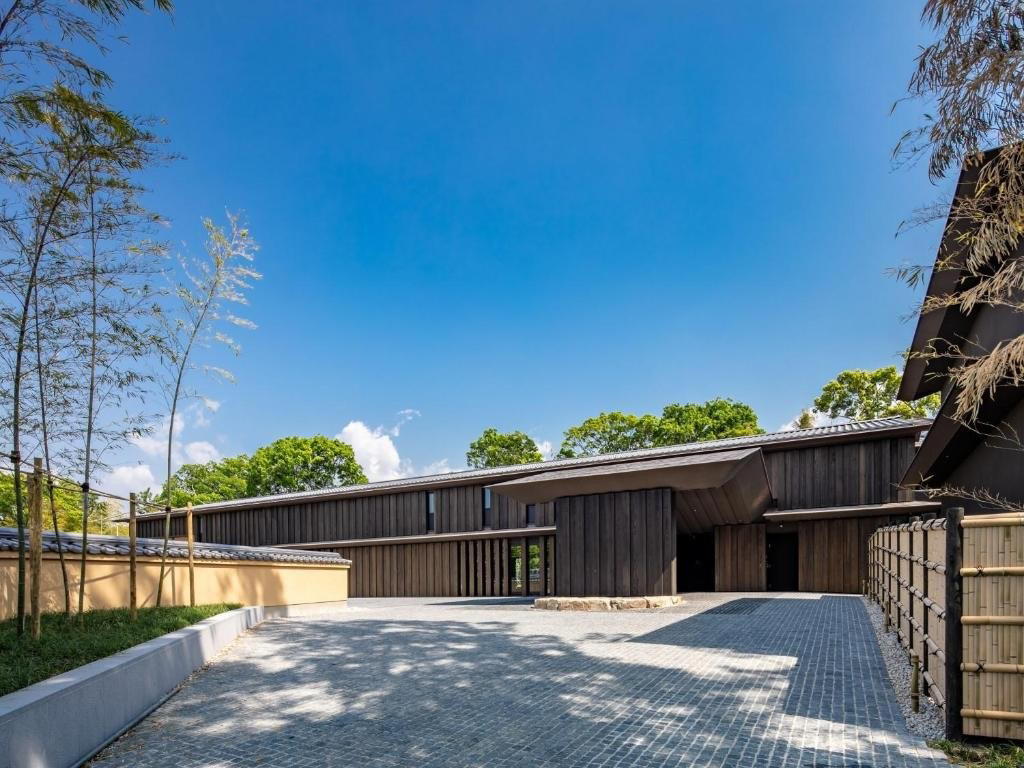
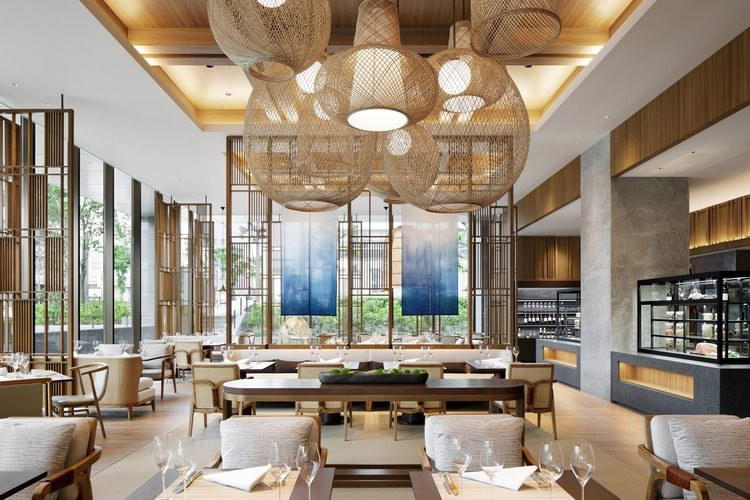



Wineries in Nara
Browse all →
Details
- Cozy
- Classic
- Family
- Casual Hangout
- Solo
- Standalone
- Historic Building
- Set Menu
- A La Carte
- Vegetarian Friendly
Current opening hours
- Monday
- 11 AM–2:30 PM
- Tuesday
- 11 AM–2:30 PM
- Wednesday
- Closed
- Thursday
- 11 AM–2:30 PM
- Friday
- 11 AM–2:30 PM
- Saturday
- 11 AM–2:30 PM
- Sunday
- 11 AM–2:30 PM
Hours can change for holidays and private events. Hours as of .
A hidden, house-restaurant setting with a modest, cozy atmosphere suited to a lunch-focused neighborhood stop.