Maiers occupies a quietly significant address on Steingasse, one of Salzburg's oldest and most atmospheric streets, where the city's medieval character is most legible. The setting places it within a neighbourhood that rewards visitors willing to cross the river from the tourist centre, where Salzburg's dining scene operates at its most local and least performative.
Pearl is the En Primeur Club membership app — saves, bookings, and concierge access live there. Same editors, same standards.
- Address
- Steingasse 61, 5020 Salzburg, Austria
- Phone
- +43662879379
- Website
- maiers-salzburg.at
- Directions
- Get directions
 Saves & bookings on Pearl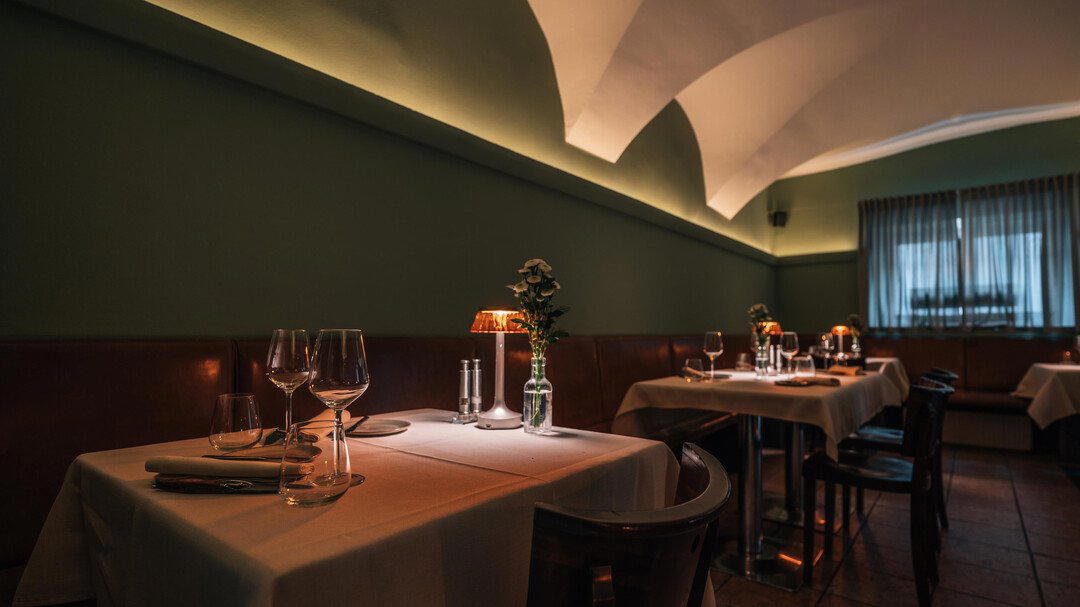
Steingasse and the Salzburg Dining Character
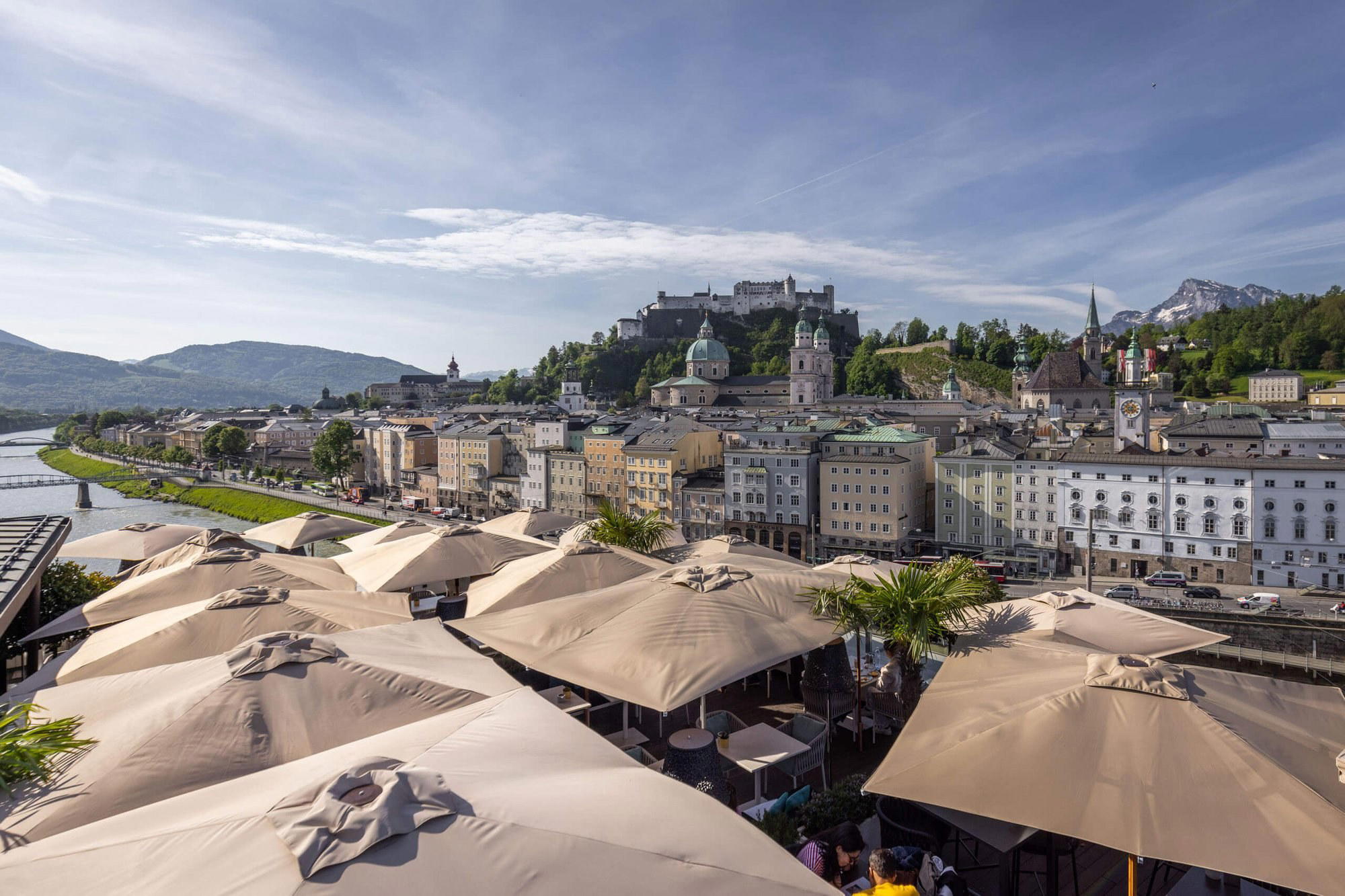
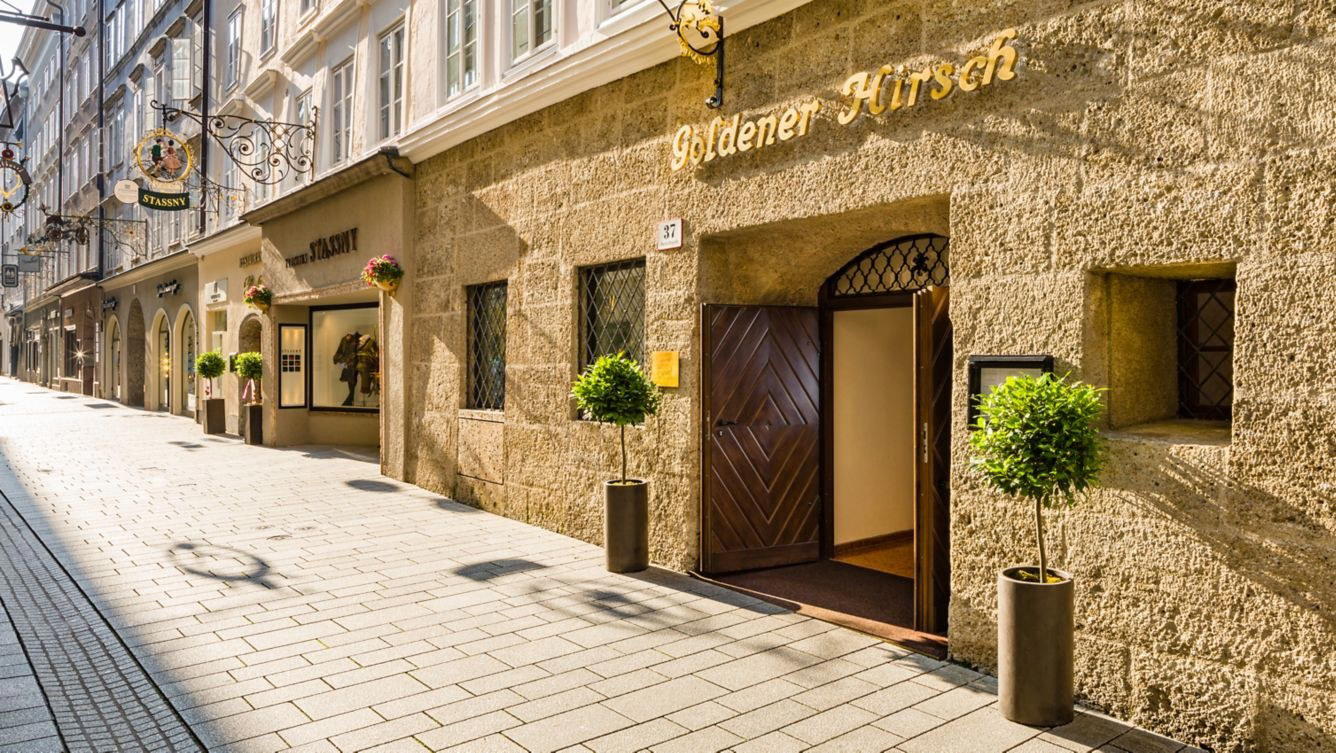
Steingasse runs along the eastern bank of the Salzach, pressed between the river and the base of the Kapuzinerberg, and its narrow, stone-walled corridor carries the kind of physical compression that the old town's main thoroughfares have largely lost to souvenir retail. The street predates the baroque city that most visitors come to see, and that layering is perceptible at pavement level: low archways, worn thresholds, buildings that lean slightly into each other as if sharing weight. Restaurants that settle here are choosing a context that prioritises the neighbourhood's own character over proximity to Mozartplatz foot traffic. Maiers, at number 61, is one of those choices.
This eastern-bank neighbourhood sits apart from Salzburg's most-visited dining cluster, which concentrates around the old town and the festival district. That separation is not a disadvantage in the way it might read on a map. Salzburg's food culture has always had a dual register: the formal, internationally watched tier represented by venues like Ikarus and Esszimmer, and a quieter, more rooted layer of neighbourhood addresses that the city's residents depend on year-round rather than seasonally. Maiers operates in that second register.
The Atmosphere of Steingasse 61
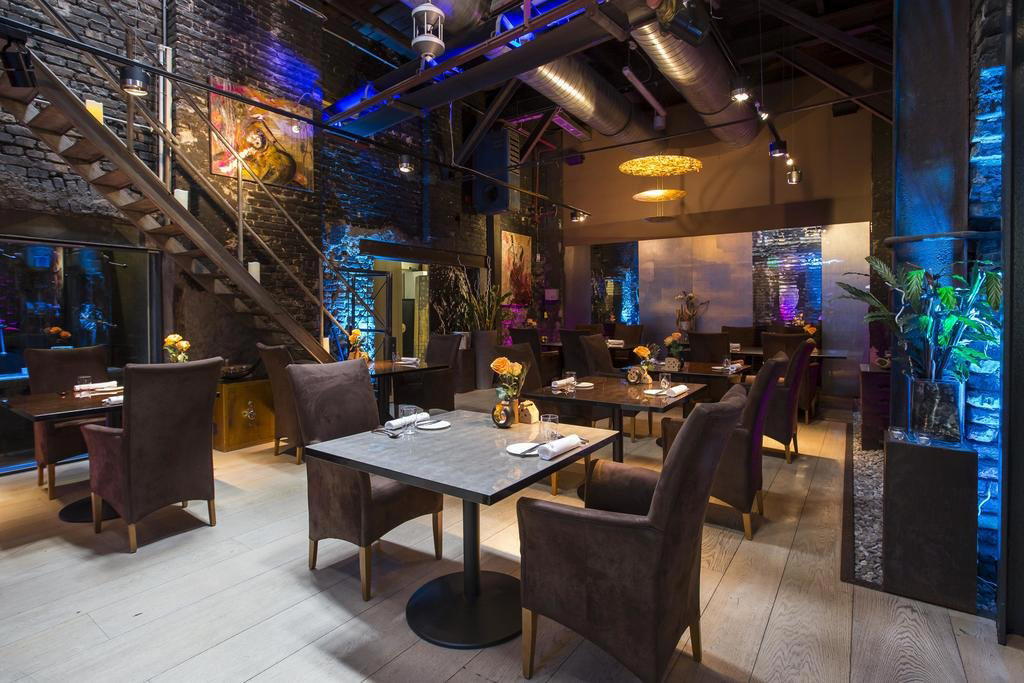
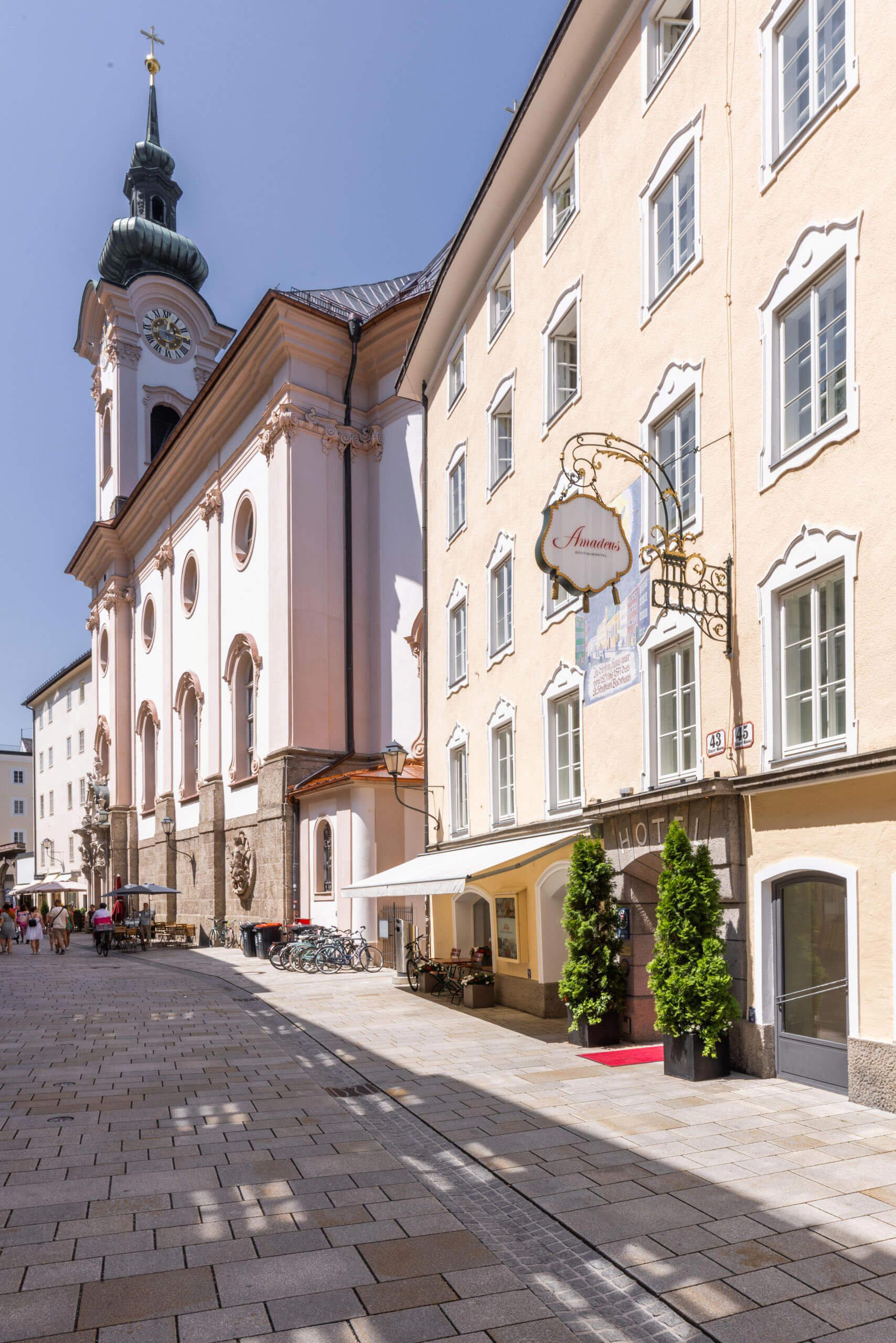
Arriving at Maiers from the river direction, the sensory shift from the tourist-facing old town is immediate. The sound level drops. The surfaces are older and less polished. Stone and plaster dominate rather than the painted facades and illuminated menus of the Getreidegasse corridor. This physical texture sets expectations before you reach the door: whatever is inside is not calibrated for the passing festival crowd.
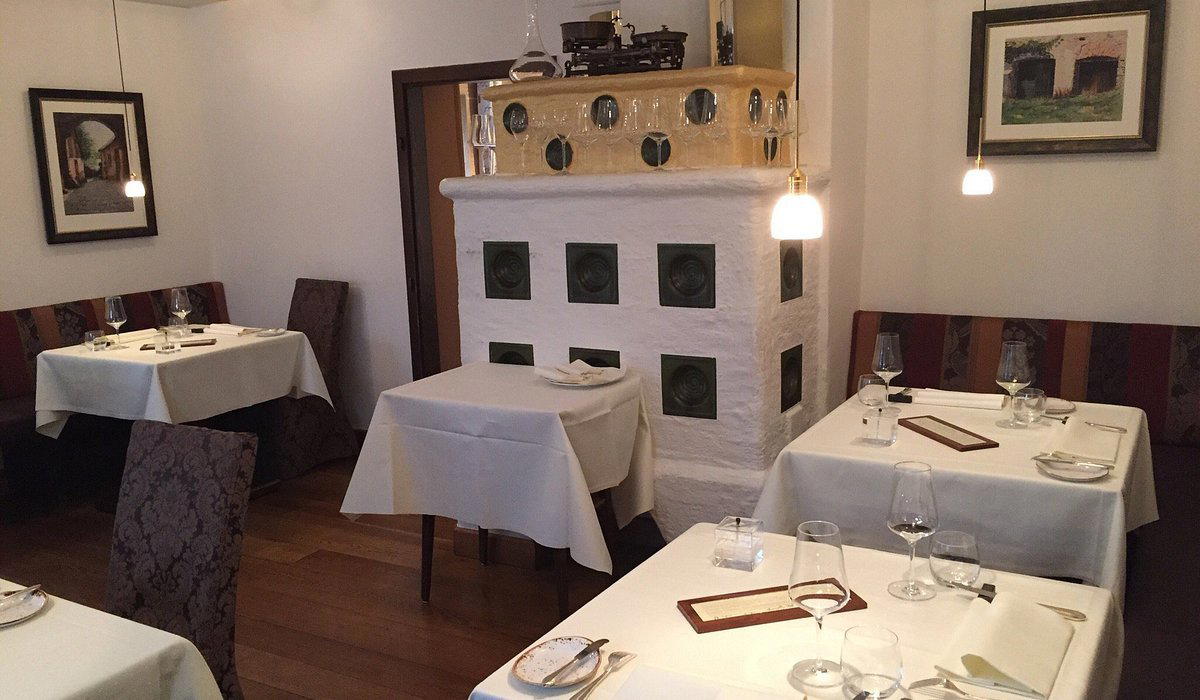
Salzburg's neighbourhood restaurants of this type tend to hold an acoustic intimacy that the larger, more formally arranged dining rooms in the festival district cannot replicate. In a building of this age and construction, the dining room is likely low-ceilinged, with walls that absorb and return sound in ways that modern interiors do not. The experience of eating in such a space is shaped as much by the building itself as by the kitchen, and that is a particular quality of eating in old European city fabric that neither The Glass Garden nor the purpose-designed rooms that followed Salzburg's post-war hotel construction can replicate.
Where Maiers Sits in the Salzburg Dining Picture
Salzburg's credentialled fine dining tier is well-documented. Senns and Pfefferschiff both carry Michelin recognition and operate with tasting-menu formats and booking windows that reflect their standing in a competitive, internationally visited city. That tier prices and performs against a European comparable set, not against local expectations.
Maiers does not sit in that tier. Its address on Steingasse positions it among Salzburg addresses that function as genuine neighbourhood operations, where the regulars are residents rather than visitors making a single reservation from abroad. In Austrian cities, this category carries its own form of authority: the Wirtshaus or neighbourhood restaurant that outlasts trends because it is genuinely used by the people who live nearby. The region around Salzburg extends this tradition outward: Obauer in Werfen and Döllerer in Golling an der Salzach represent how that local-rooted model can reach high-credentialled form outside the city proper. Within Salzburg itself, the neighbourhood tier is more modest in its ambitions and more consistent in its regulars.
Austria's broader dining geography provides useful orientation. At the high end, Steirereck im Stadtpark in Vienna defines what the country's fine dining can achieve at international level. Across the Alpine arc, addresses like Griggeler Stuba in Lech, Gourmetrestaurant Tannenhof in Sankt Anton am Arlberg, Kräuterreich by Vitus Winkler in Sankt Veit im Pongau, and Schwarzer Adler in Hall in Tirol show how regional identity and Michelin-level ambition combine in Austrian dining outside the capital. Landhaus Bacher in Mautern an der Donau and Ois in Neufelden demonstrate yet another axis: the serious country restaurant operating far from any major city catchment. Restaurant 141 by Joachim Jaud in Mieming extends that pattern into Tyrol.
Maiers belongs to none of these categories. It is an urban neighbourhood address in a city with an unusually rich dining infrastructure given its modest size, and it occupies its position in that infrastructure as a local fixture rather than a destination in the festival-tourism sense.
Seasonal Context and When to Visit
Salzburg operates in distinct seasonal modes. The Salzburg Festival period, running through July and August, transforms the city's restaurant culture: demand compresses, prices at the formal tier hold firm, and tables at the well-known addresses require booking months ahead. The weeks around Easter and the Christmas markets bring a second, shorter compression. In those periods, neighbourhood addresses on Steingasse absorb some of the overflow, but they are not primarily festival-season operations.
The more honest encounter with a place like Maiers happens outside festival season: in the early weeks of autumn when the Kapuzinerberg turns colour and the city settles into its local rhythm, or in the quieter winter months when the tourist infrastructure recedes and Salzburg's residents reclaim the streets and the restaurants. Those windows offer a different register of experience than the festival crowd encounters, and they are the periods when the neighbourhood character of Steingasse is most apparent. Visitors who are also exploring the wider Austrian dining scene may find natural pairings with a day trip south toward Werfen or Golling, where the Salzach valley's restaurant culture operates at a different, more expansive scale.
Planning a Visit
Steingasse 61 is reachable on foot from the old town via the Staatsbrücke, the main pedestrian bridge across the Salzach, in under ten minutes. The street itself is narrow enough that arriving by car requires some patience with the eastern bank's one-way system. Booking is essential, and Maiers is open Tuesday through Saturday from 6 to 11 PM. Walk-in availability on quieter mid-week evenings is plausible for a neighbourhood address of this type in Salzburg, but festival-season and weekend visits carry more uncertainty without a confirmed reservation.
Those planning to range further into the region will find the Austrian alpine dining circuit, including venues across Tyrol and the Salzach valley, covered in wider Austria coverage. For reference points from other dining traditions, the precision-driven service formats of Le Bernardin in New York City and the Korean fine dining rigour of Atomix in New York City illustrate how differently the neighbourhood-restaurant tradition plays out when transplanted into a high-volume metropolitan context.
Similar Picks
Comparable venues nearby, for context on price, style, and recognition.
| Venue | Cuisine | Price | Notes |
|---|---|---|---|
| MaiersThis venue — the venue you are viewing | Austrian Steakhouse | $$$ | Not listed |
| IMLAUER Sky | Modern Austrian with International Influences | $$$ | Neustadt |
| Wirtshaus Elefant | Traditional Austrian | $$$ | Altstadt |
| Blaue Gans Salzburg | Modern Austrian with Mediterranean influences | $$$ | Linke Altstadt |
| Pan e Vin | Upscale Mediterranean Trattoria | $$$ | Linke Altstadt |
| M32 | Modern Austrian with Mediterranean Influences | $$$ | Linke Altstadt |
At a Glance
- Cozy
- Intimate
- Romantic
- Date Night
- Special Occasion
- Historic Building
- Extensive Wine List
- Local Sourcing
Current opening hours
- Monday
- Closed
- Tuesday
- 6–11 PM
- Wednesday
- 6–11 PM
- Thursday
- 6–11 PM
- Friday
- 6–11 PM
- Saturday
- 6–11 PM
- Sunday
- Closed
Hours can change for holidays and private events. Last verified .
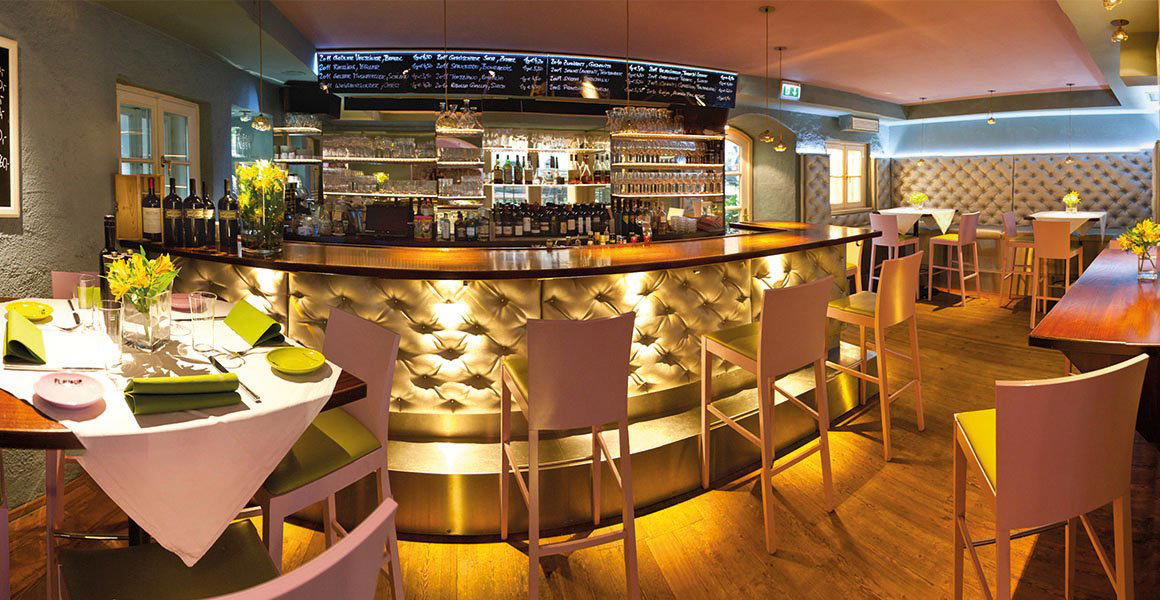
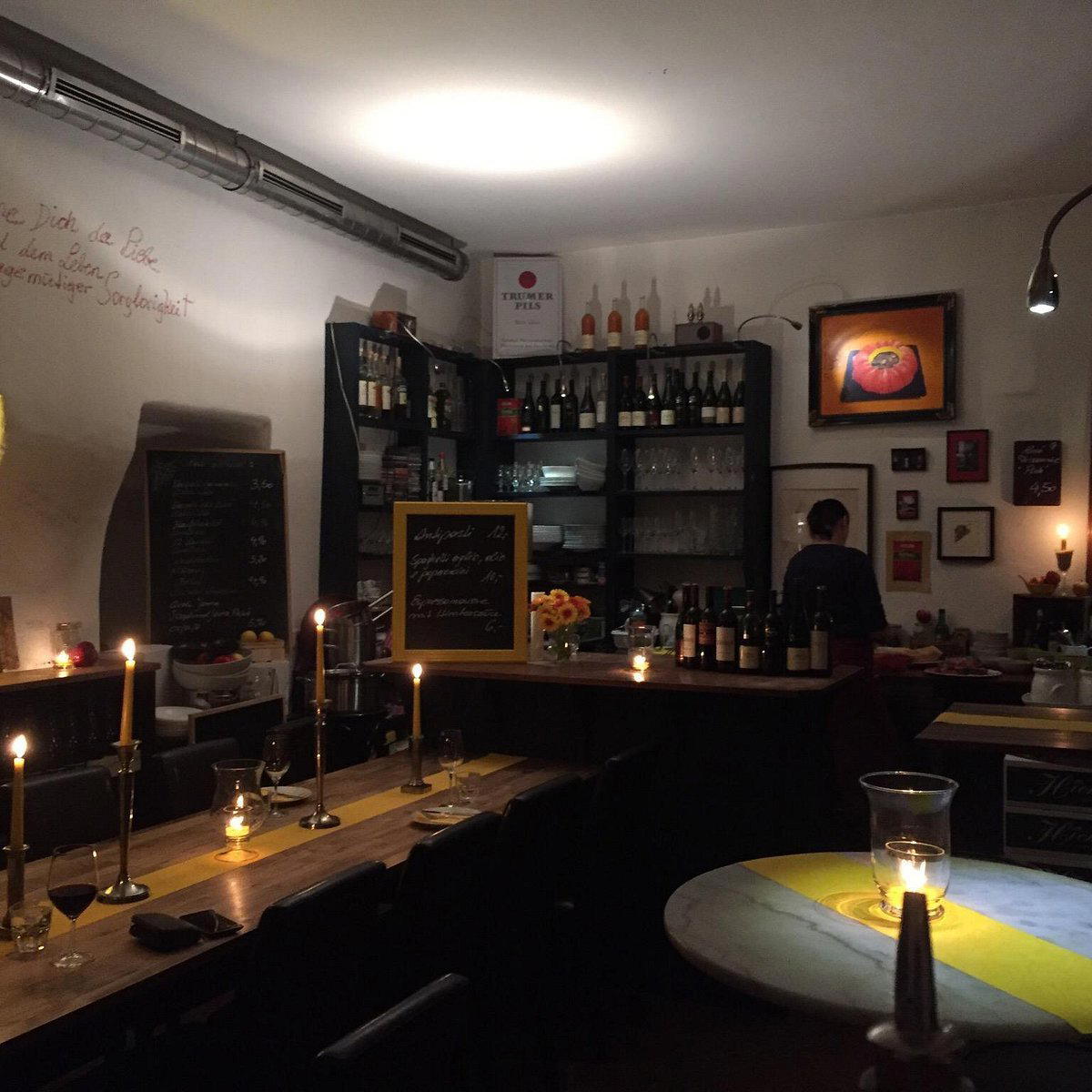
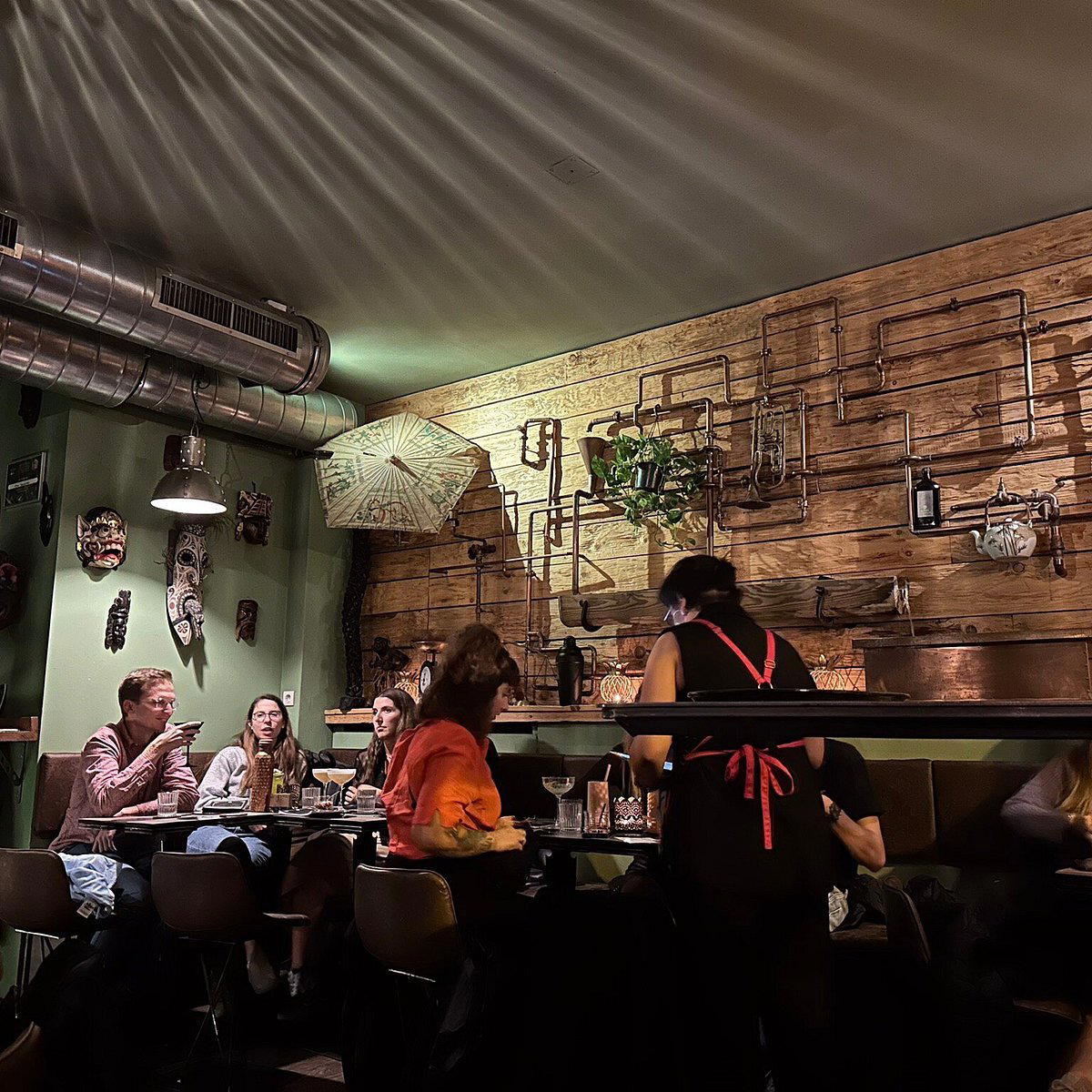
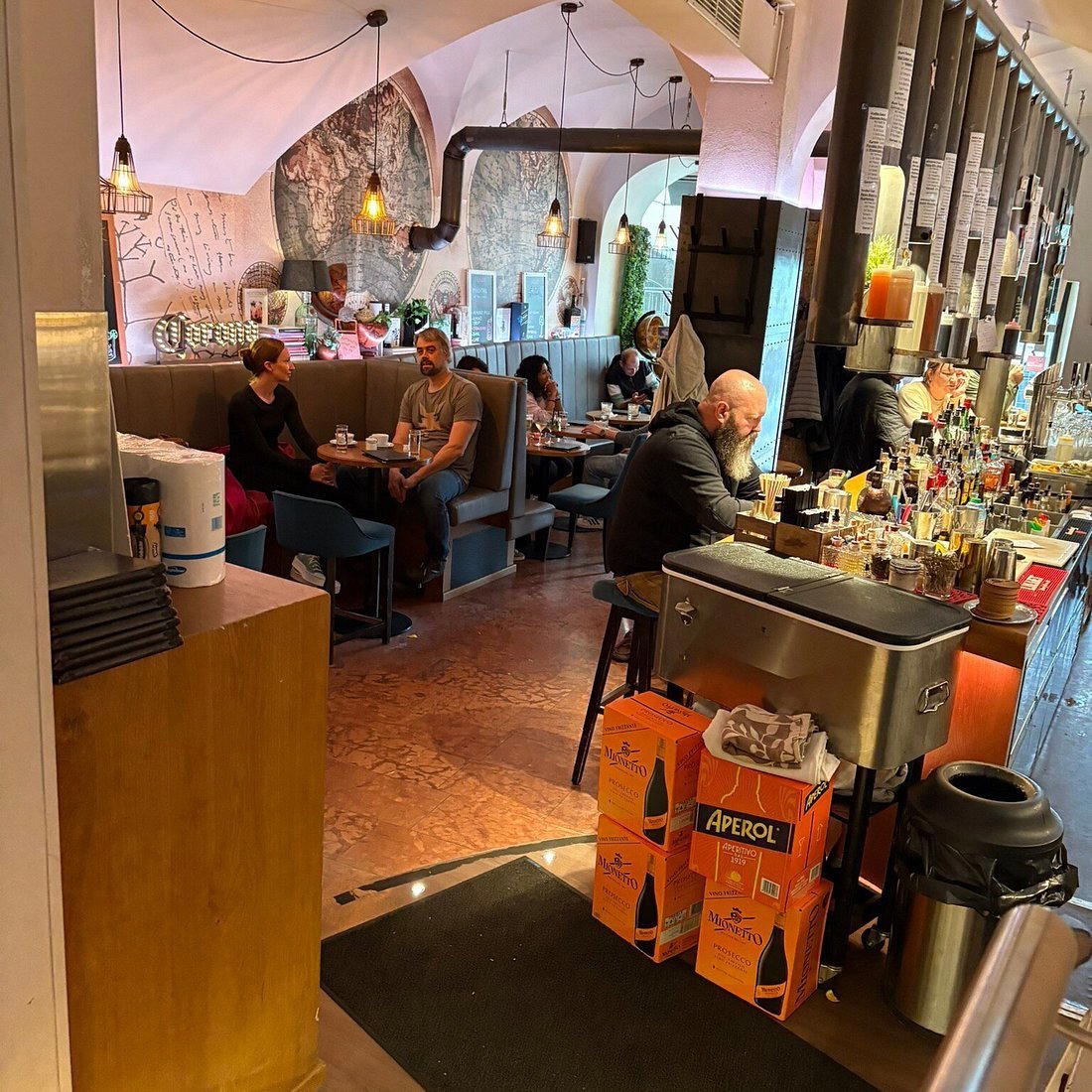
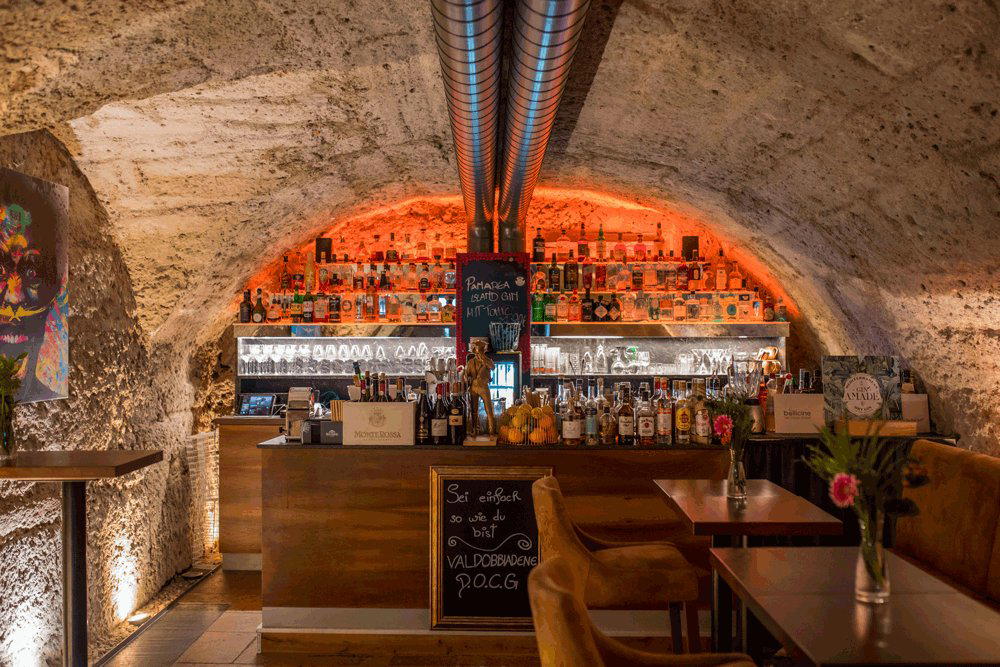
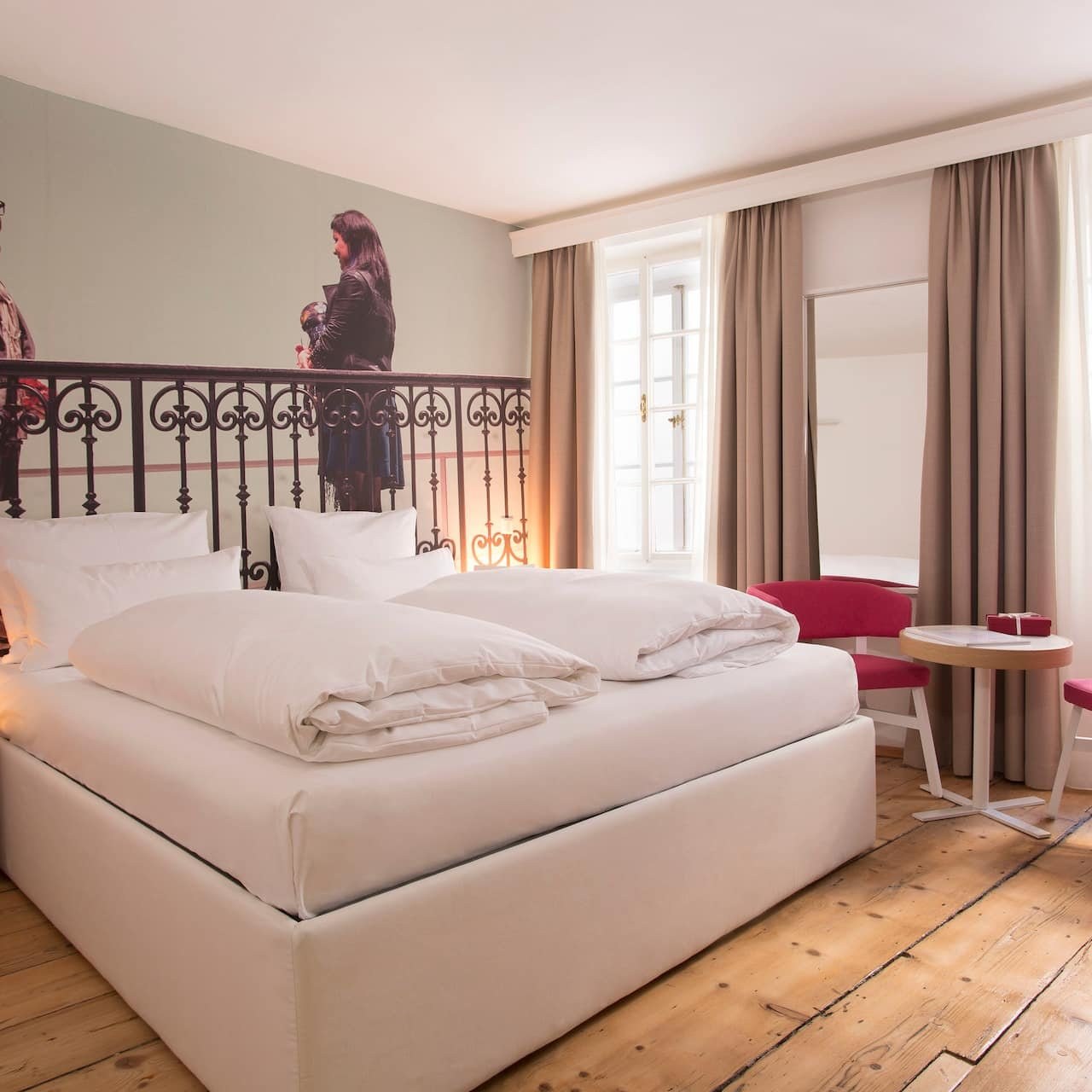
Cozy cave-like vaulted ceilings with candlelit tables creating a calm romantic atmosphere.