Lakhi's Indian Kitchen on Frohnburgweg brings subcontinental cooking to a city whose restaurant scene is otherwise defined by Alpine Austrian tradition and Michelin-chasing Modern European menus. In a Salzburg dining context built around formal tasting formats and local produce, an Indian kitchen represents a genuine counterpoint, one that draws on a culinary tradition with entirely different structural logic, spice vocabulary, and service codes.
Pearl is the En Primeur Club membership app — saves, bookings, and concierge access live there. Same editors, same standards.
- Address
- Frohnburgweg 5, 5020 Salzburg, Austria
- Phone
- +436641674222
- Website
- lakhiskitchen.com
- Directions
- Get directions
 Saves & bookings on Pearl
Indian Cooking in an Austrian City Built for Other Things
Lakhi's Indian Kitchen is a modern Indian fusion restaurant in Salzburg, Austria, at Frohnburgweg 5. Salzburg's restaurant identity is built almost entirely around two pillars: the formal Austrian table and the ambitious modern European kitchen. The city's Michelin-decorated addresses, Ikarus, Esszimmer, Senns, Pfefferschiff, and The Glass Garden, share a common vocabulary: local Alpine produce, careful plating, and European culinary grammar. Against that backdrop, a restaurant operating from a subcontinental tradition is not simply a different cuisine option; it represents an entirely different structural approach to what a meal is and how it is built. Indian cooking does not run on a single protein refined by reduction and garnish. It runs on layered spice construction, fermentation, slow-cooked proteins, and regional grammar that varies enormously between Punjab, Kerala, Maharashtra, and Bengal. In a city where most kitchens work the same tonal register, that difference has actual weight.
Lakhi's Indian Kitchen is located at Frohnburgweg 5 in the 5020 postal district of Salzburg, outside the historic core. That placement is meaningful: restaurants that sit away from the tourist-dense Old Town tend to serve a more local, repeat-visit clientele rather than a passing festival crowd. The address is residential in character, which in European dining terms typically signals a neighbourhood-anchored operation rather than a destination format aimed at the pre-concert dinner trade.
The Cultural Logic Behind the Cuisine
Indian cooking is among the more regionally differentiated food traditions in the world. The distance in flavour profile between a Kashmiri wazwan and a Tamil Nadu Chettinad curry is as wide as the distance between French Alsatian and Sicilian cooking. This matters for any Indian kitchen operating abroad: the choice of regional emphasis tells you something about what the kitchen is actually doing. A menu that pulls from North Indian tandoor tradition is working with dry-heat protein cookery, leavened breads, and cream-enriched sauces. A South Indian focus brings rice, lentil fermentation, tamarind, and coconut into the centre. Restaurants that blend both are making a different kind of argument, accessibility over regional purity, and that is not automatically a lesser position. It depends entirely on execution depth.
In Central European cities, Indian restaurants have historically served the role of affordable, generous, and reliably spiced alternatives to the local canon. That positioning has shifted in major cities like Vienna, where a handful of kitchens have moved the category upward in seriousness and price. Salzburg's Indian dining market remains smaller and less stratified than Vienna's. Steirereck im Stadtpark sits at the summit of Austrian fine dining in Vienna, while the broader Austrian premium table extends outward through restaurants like Döllerer in Golling an der Salzach, Obauer in Werfen, and Kräuterreich by Vitus Winkler in Sankt Veit im Pongau. These are the kitchens that dominate the regional conversation. An Indian kitchen in Salzburg is, almost by definition, operating in the space those restaurants leave open.
Where This Fits in the Salzburg Dining Hierarchy
Salzburg has a tiered dining structure that skews heavily toward the upper-middle and formal end. The city's most-discussed tables, including the creative menus at Pfefferschiff and Ikarus, sit at price points that filter for occasion dining. Below that tier, the mid-range is thinner than in comparable European cities of similar scale. Indian restaurants in Austrian cities tend to occupy the mid-range bracket: accessible pricing, informal service, and a format built for regular use rather than special occasion. Lakhi's Indian Kitchen sits in that bracket, with a casual dress code and a recommended reservation policy.
That positioning is not a limitation. Particularly interesting eating in any European city happens at the mid-range and below, where the kitchen is not performing for a critic and the food reflects what the cook actually wants to make. Indian food at that register, when done with competence and real regional knowledge, is among the more satisfying category of cooking available anywhere. The comparison set for Lakhi's is not Esszimmer or The Glass Garden. It is the broader question of whether Salzburg has a serious Indian kitchen at all, and whether this address is it.
For Austrian fine dining outside the capital, the regional spread extends to addresses like Griggeler Stuba in Lech, Gourmetrestaurant Tannenhof in Sankt Anton am Arlberg, Schwarzer Adler in Hall in Tirol, Restaurant 141 by Joachim Jaud in Mieming, Landhaus Bacher in Mautern an der Donau, and Ois in Neufelden. None of those are competing in the same category as Lakhi's, which is exactly the point: the city's premium dining infrastructure is deep in European fine dining and thin in everything else. A well-run Indian kitchen fills that thinness.
Internationally, the shift in how Indian cooking is understood in premium contexts is visible in cities like New York, where the conversation around cuisine origin and technique has matured considerably. Atomix and Le Bernardin operate in entirely different registers, but they represent the broader premium market dynamic that has started to reshape how non-European cuisines are received even in traditionally European-cuisine-centric cities. That shift has been slower to arrive in Austrian provincial cities than in capital cities, which makes a serious Indian kitchen in Salzburg a more significant proposition than the same kitchen would be in London or Amsterdam.
Planning Your Visit
The restaurant is at Frohnburgweg 5, 5020 Salzburg, a residential address that sits outside the main tourist circuit of the Old Town and the festival venues. The restaurant is generally open Monday and Tuesday from 5:30 to 9:30 PM, Wednesday through Friday from 11:15 AM to 1:45 PM and 5:30 to 9:30 PM, Saturday from 12 to 2:30 PM and 5:30 to 9:30 PM, and closed Sunday. Reservations are recommended. Outside festival season, Salzburg's mid-range dining options are generally accessible without extended lead time. Given the neighbourhood location and likely format, walk-in may be possible on quieter evenings, but confirming in advance is the more reliable approach.
Price and Recognition
Comparable venues nearby, for context on price, style, and recognition.
| Venue | Cuisine | Price | Notes |
|---|---|---|---|
| Lakhi's Indian KitchenThis venue — the venue you are viewing | Alpensiedlung, Modern Indian Fusion | $$ | Not listed |
| Ping Pong Poke | Neustadt, Asian Fusion Poke Bowls | $$ | Not listed |
| my Indigo Staatsbrücke | Not listed | $$ | Rechte Altstadt, Super Natural Fusion Bowls & Salads |
| Levantine taste | Josefiau, Authentic Levantine Cuisine | $$ | Not listed |
| Kim 168 | Not listed | $$ | Linke Altstadt, Asian Fusion (Japanese, Korean, Thai) |
| Osteria Cavalli | Not listed | $$ | Innere Riedenburg, Traditional Italian Osteria |
At a Glance
- Cozy
- Modern
- Trendy
- Family
- Casual Hangout
- Group Dining
- Brunch
- Open Kitchen
- Beer Program
Current opening hours
- Monday
- 5:30–9:30 PM
- Tuesday
- 5:30–9:30 PM
- Wednesday
- 11:15 AM–1:45 PM, 5:30–9:30 PM
- Thursday
- 11:15 AM–1:45 PM, 5:30–9:30 PM
- Friday
- 11:15 AM–1:45 PM, 5:30–9:30 PM
- Saturday
- 12–2:30 PM, 5:30–9:30 PM
- Sunday
- Closed
Hours can change for holidays and private events. Last verified .
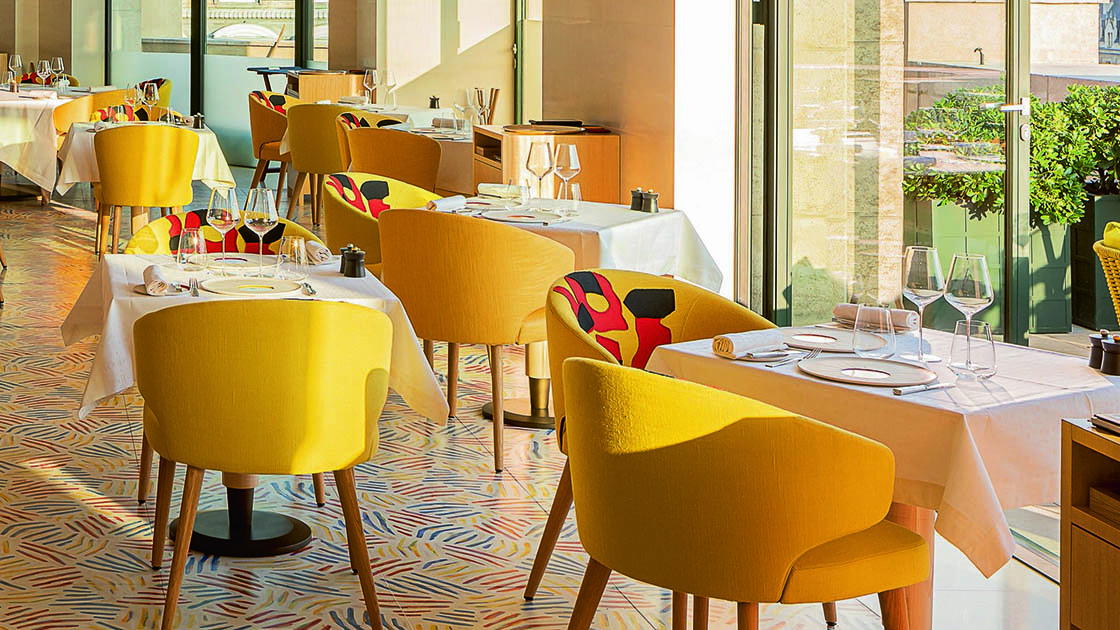
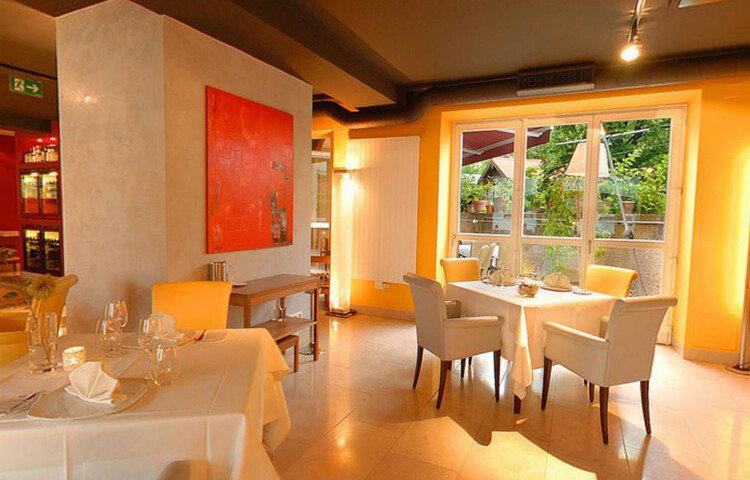
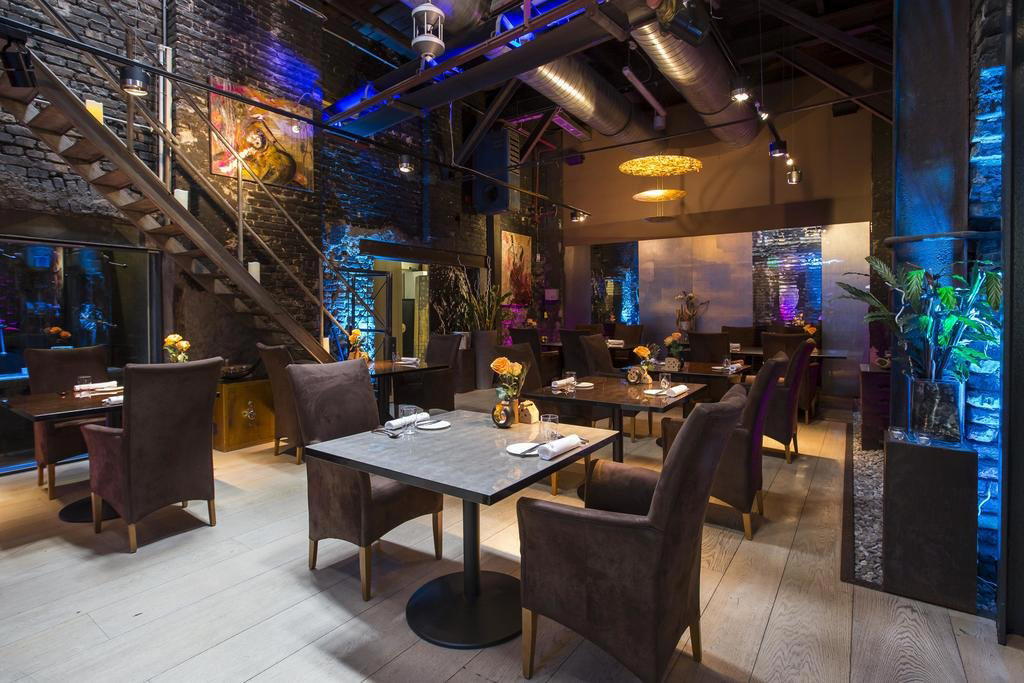
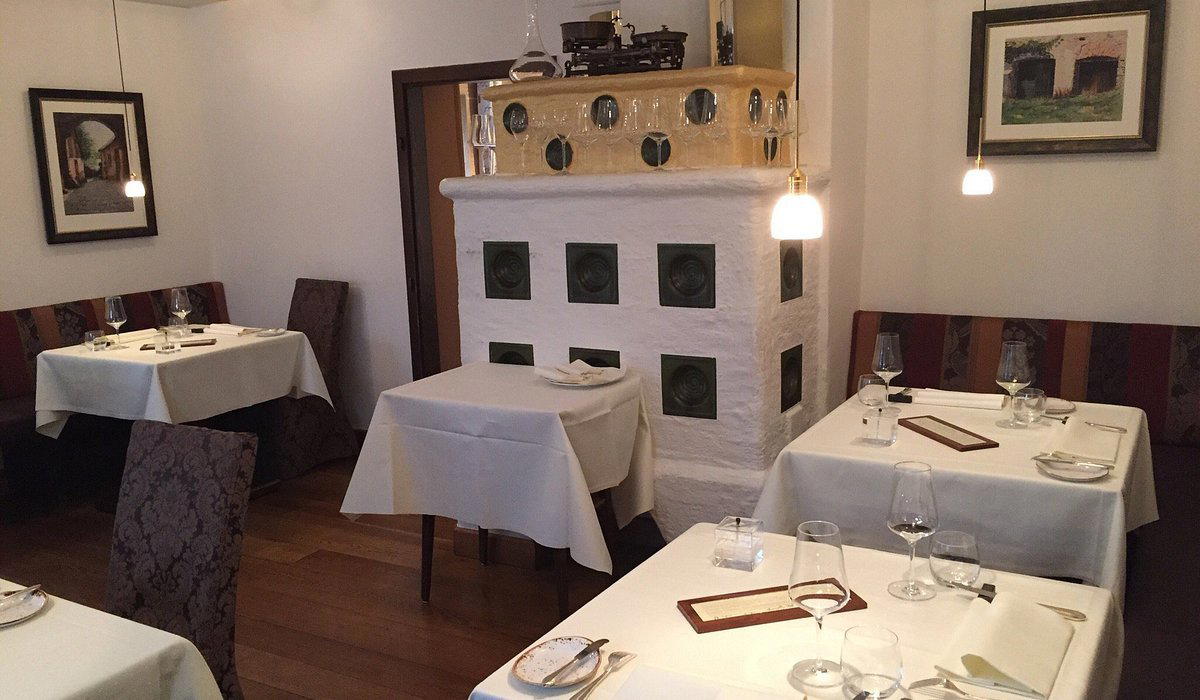
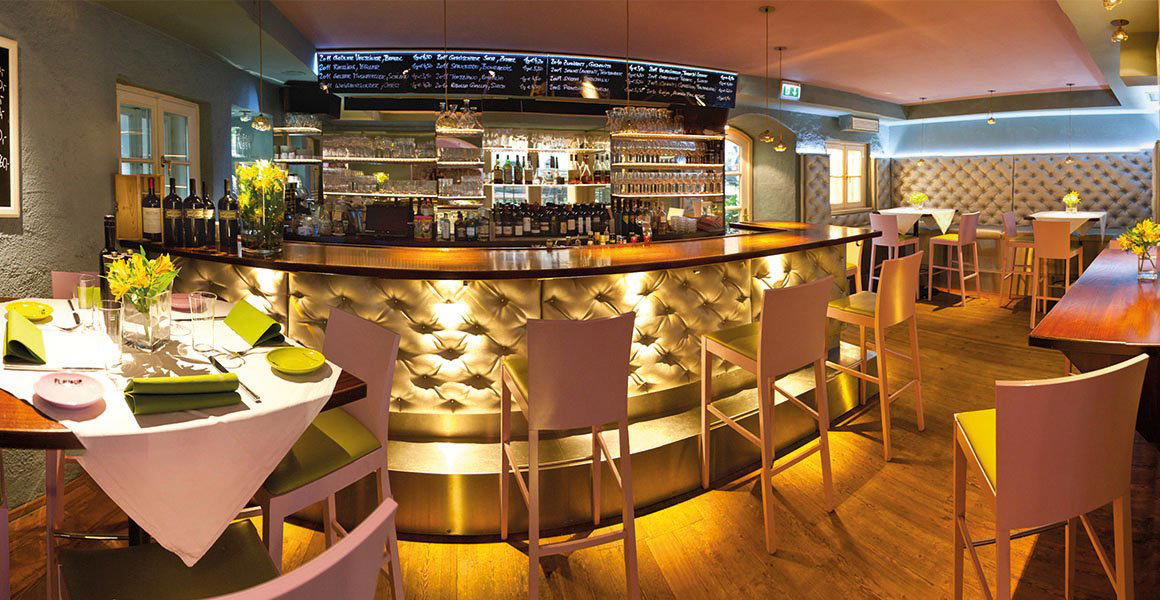
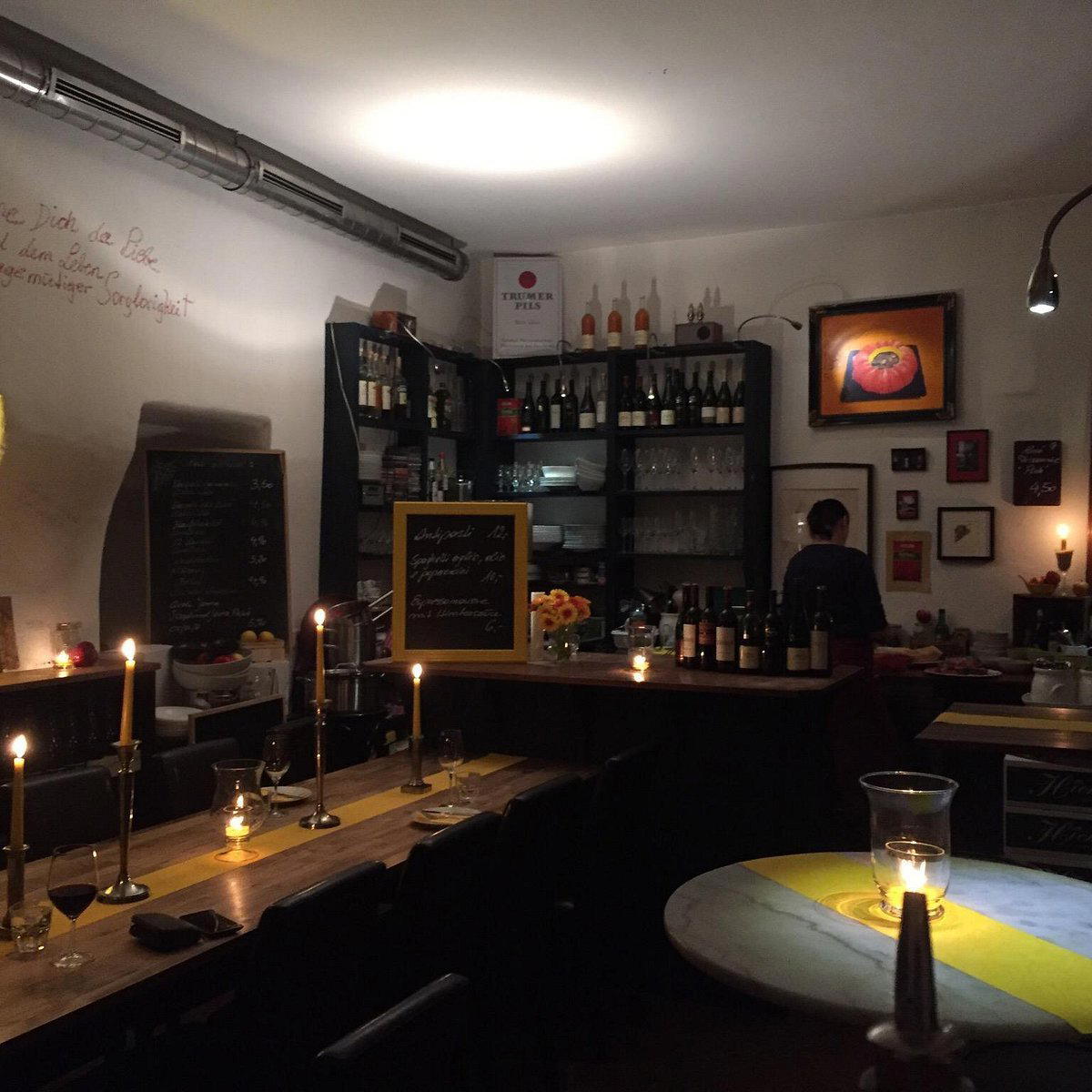
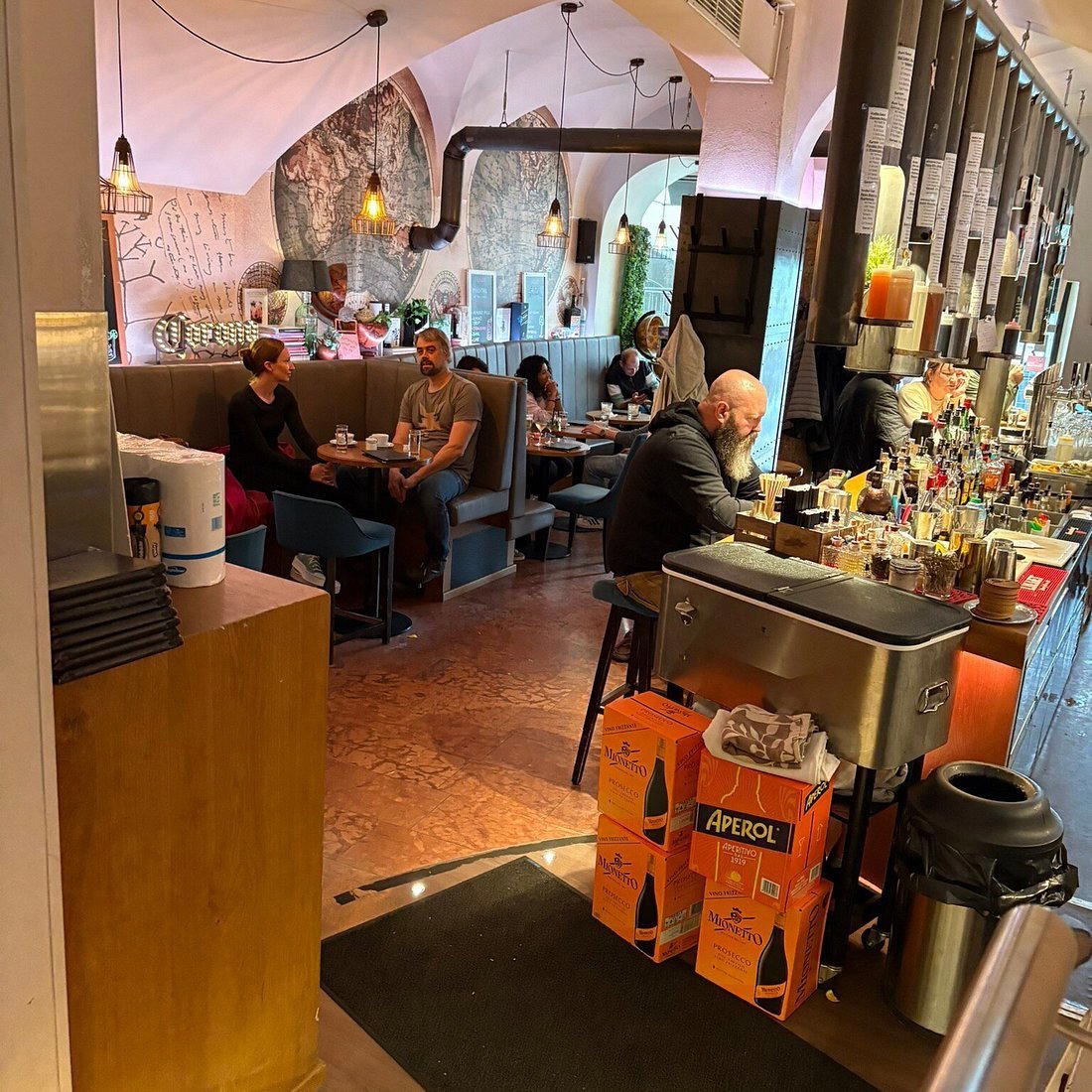
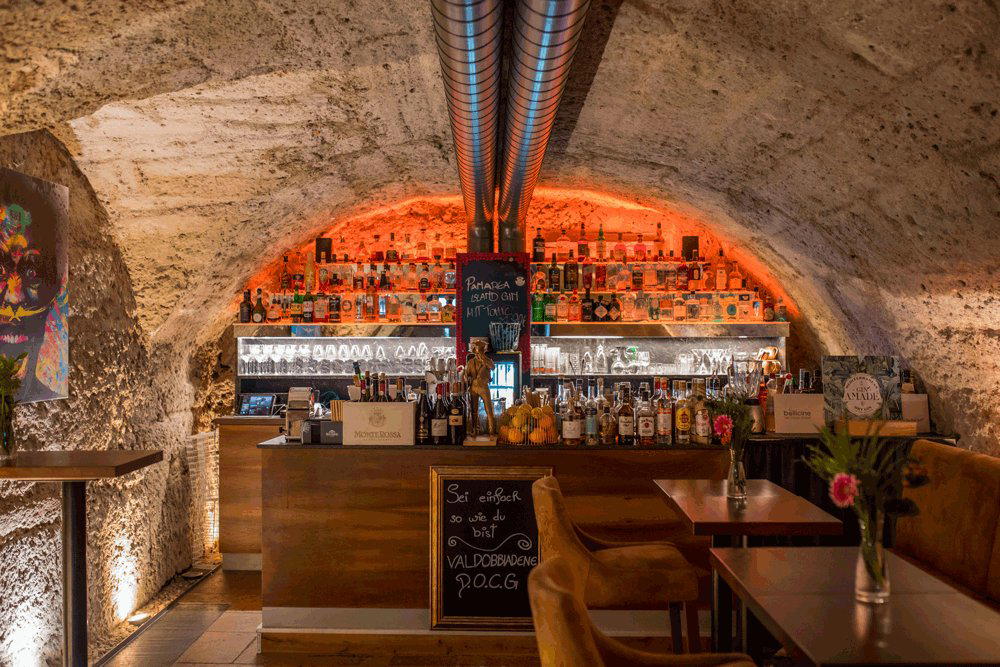
Warm and cozy interior with colorful velvet chairs, giant plants, and a friendly welcoming atmosphere.