Just under an hour from Budapest, the Schossberger Castle in Tura has been restored from decades of neglect into a 19-room boutique hotel that trades on late-19th-century neoclassical and neo-baroque architecture. Spa treatments draw from the castle's own gardens, and the property sits in a distinct tier of Hungarian heritage hospitality that few properties outside the capital attempt.

Pearl is the En Primeur Club membership app, where members save venues, book tables and use the concierge.
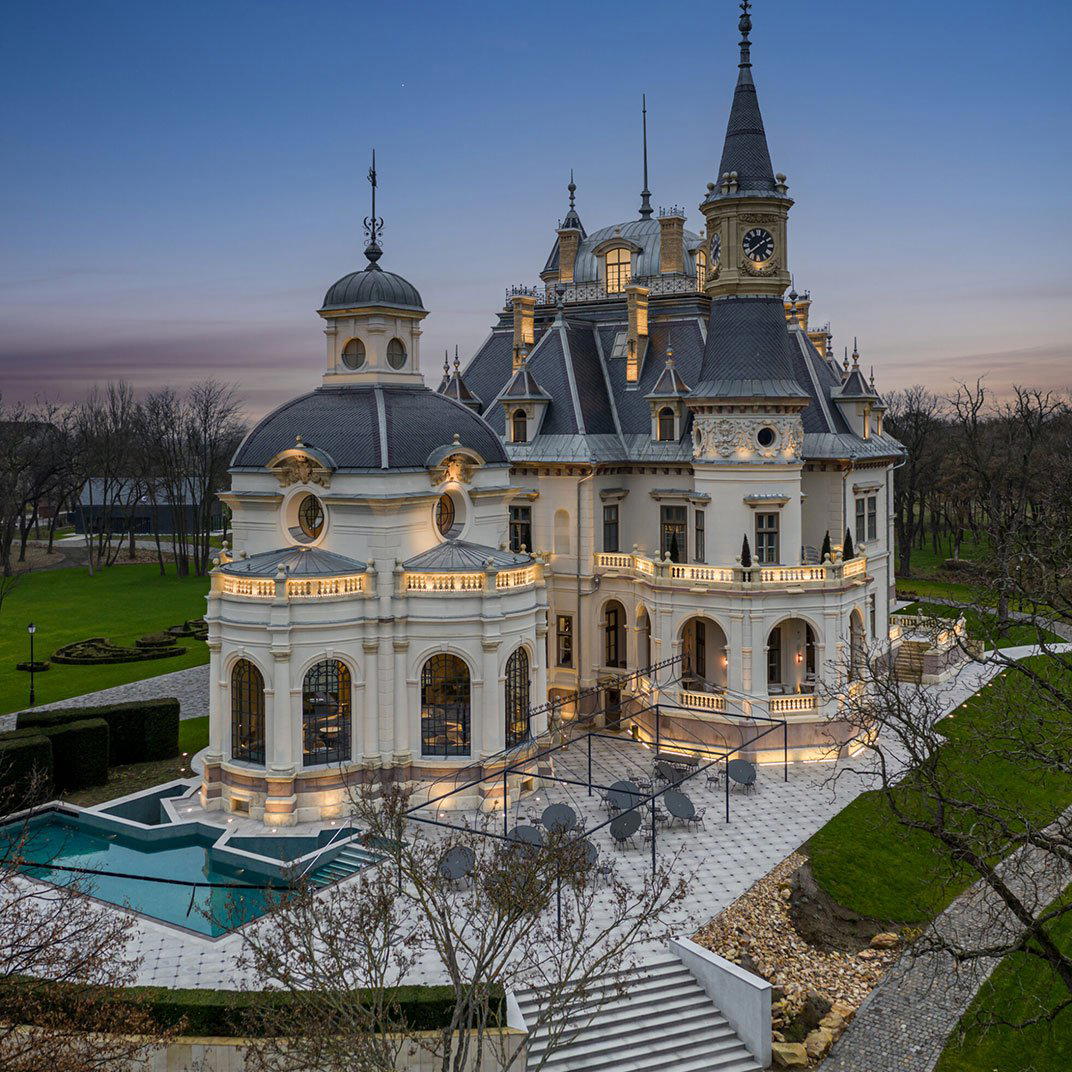
A Castle Restored to Its Own Logic
The drive east from Budapest into Pest County narrows gradually from motorway to country road, and the Schossberger Castle announces itself not with signage but with scale: a late-19th-century neoclassical and neo-baroque facade that reads as both historical document and architectural argument. The building was neglected for years, long enough that its restoration required deliberate scholarship rather than cosmetic renovation. What BOTANIQ Castle of Tura has produced is a property that sits in the specific tier of Central European heritage hospitality where the building does most of the editorial work, and the hotel's role is simply not to ruin it.
This places it in a different conversation from Budapest's grand urban palace hotels. Properties like the Danubius Hotel Gellért in Budapest operate in full-service, high-capacity formats shaped by their city-centre positions. Tura's castle functions on the opposite logic: 19 rooms, a parkland setting, and the kind of spatial ratio per guest that only small historic properties can offer. For international comparison, the model resembles what Castello di Reschio in Lisciano Niccone has built in Umbria, a restored estate that treats its architectural heritage as the primary offering, with hospitality layered around it rather than imposed over it.
The Architecture as Program
Neoclassical and neo-baroque are adjacent but distinct idioms, and the Schossberger Castle deploys both. Neoclassicism favours symmetry, restrained ornament, and the grammar of ancient Rome and Greece filtered through 18th-century European rationalism. Neo-baroque reintroduces theatrical flourish: curved forms, decorative excess, and the sense that a building should make an impression before you have decided what you think of it. Late-19th-century Central European aristocratic architecture frequently combined the two, using neoclassical discipline as the structural spine and neo-baroque detailing as expressive surface.
That specificity of intent separates quality heritage restoration from mere preservation. The challenge in any historic property is deciding which layer of history to honour, since most buildings of this age carry multiple interventions, some sympathetic and some not. The BOTANIQ project at Tura appears to have committed to the founding vision of the structure rather than a composite of its various states, which is the more demanding and usually the more coherent choice. Comparable commitments appear at properties like Hotel Sacher Wien in Vienna, where institutional identity is inseparable from the building's original character, or at Badrutt's Palace Hotel in St. Moritz, where a similar late-19th-century foundation has been maintained across more than a century of operation.
Rooms: Scale Variation as Historic Honesty
The 19 rooms across the castle reflect a practical reality that heritage properties rarely acknowledge straightforwardly: historic structures were not designed with hotel room standardisation in mind. This variation is not a flaw in the product; it is an accurate expression of how the building was originally laid out, where rooms near secondary staircases or in service wings were never intended to match the spatial generosity of principal bedchambers.
Guests who understand this book accordingly. The larger rooms with terraces represent the clearest case for choosing Tura over a comparably priced Budapest option; the smaller rooms trade spatial limitation for the architectural experience of sleeping inside a correctly restored 19th-century castle, which is its own legitimate proposition. The Hotel Petit Bois in Balatonfüred and Platán Manor in Tata operate in the same Hungarian boutique heritage register, and room size variation is common across the category.
Spa and Gardens: An Integrated Approach
The spa at BOTANIQ Castle of Tura draws its treatment inspiration from the castle's own gardens. This is a detail worth taking at face value rather than dismissing as marketing language. Properties that connect their wellness programming to on-site botanical resources, whether through ingredient sourcing, scent design, or treatment formulation, occupy a different position from those that simply install a spa within a historic shell and populate it with generic international treatments. The approach aligns with what smaller wellness-focused properties in the region have developed: Melea – The Health Concept in Sárvár is among the more rigorous Hungarian examples of programme-led spa hospitality, though it operates at greater scale and in a different format.
The castle gardens also serve as the physical context that makes the Tura property legible as a destination rather than merely a room category. Parkland around a restored Central European castle anchors the guest experience in a way that no urban hotel can replicate. The Hotel Palota Lillafüred in Miskolc provides the nearest Hungarian parallel in terms of a historic property embedded in landscape, though the Lillafüred hotel operates in a heavily forested northern setting rather than the open Pest County terrain around Tura.
Positioning in the Hungarian Heritage Hotel Tier
Hungary's heritage hotel market is smaller and less internationally visible than its equivalents in Austria, Czechia, or Italy, but it is not thin. Budapest alone carries properties ranging from the grand palace format to smaller design-led conversions. Outside the capital, the category is more selective. Tura, sitting just under an hour from Budapest by car, occupies a logical position for guests who want distance from the city without committing to a multi-hour journey into the Hungarian countryside. The geography places it within day-trip range of Budapest for those based there, or as a credible standalone destination for two-to-three-night stays.
At 19 rooms, the property competes on exclusivity of access rather than service breadth. It cannot offer the F&B; depth of Budapest's larger hotel dining programs, nor the international brand infrastructure of properties like the Kempinski Corvinus or the Four Seasons Gresham Palace. What it offers instead is spatial and architectural specificity that those properties, whatever their quality, cannot provide: a correctly restored 19th-century castle in working parkland, at the scale of a private house rather than an institution. Properties like Hotel Esencia in Tulum or Amangiri in Canyon Point demonstrate how international travellers have normalised paying for setting and architectural singularity over brand recognition or service volume, and Tura's positioning follows the same logic applied to Central European heritage.
Browse our full Tura restaurants guide for dining options in and around the town, as the property's rural setting means pre-planning meals is advisable for longer stays.
Planning Your Stay
BOTANIQ Castle of Tura is located at Park u. 37, 2194 Tura, approximately 50 minutes from central Budapest by car. With 19 rooms across a restored historic structure, availability is limited by design; advance booking is advisable, particularly for the larger rooms with terrace access. Tura is accessible by suburban rail from Budapest's Keleti station, though a car is useful for exploring the surrounding Pest County area. The spa's garden-inspired treatment menu gives the property a wellness angle that supports multi-night itineraries beyond a single architectural visit.
Side-by-Side Snapshot
| Venue | Price | Awards |
|---|---|---|
| BOTANIQ Castle of TuraThis venue (the venue you are viewing) | Not listed | Not listed |
| Anantara New York Palace Budapest Hotel | $300–500 | 1 Michelin Key · La Liste Top Hotels |
| Four Seasons Hotel Gresham Palace Budapest | $500–750 | 2 Michelin Keys · La Liste Top Hotels |
| InterContinental Budapest | $300–500 | Forbes Recommended |
| Kempinski Hotel Corvinus Budapest | Not listed | La Liste Top Hotels · Forbes 4-Star |
| Corinthia Budapest | Not listed | Forbes Recommended |
Continue exploring
More in Tura
Restaurants in Tura
All restaurants in Tura →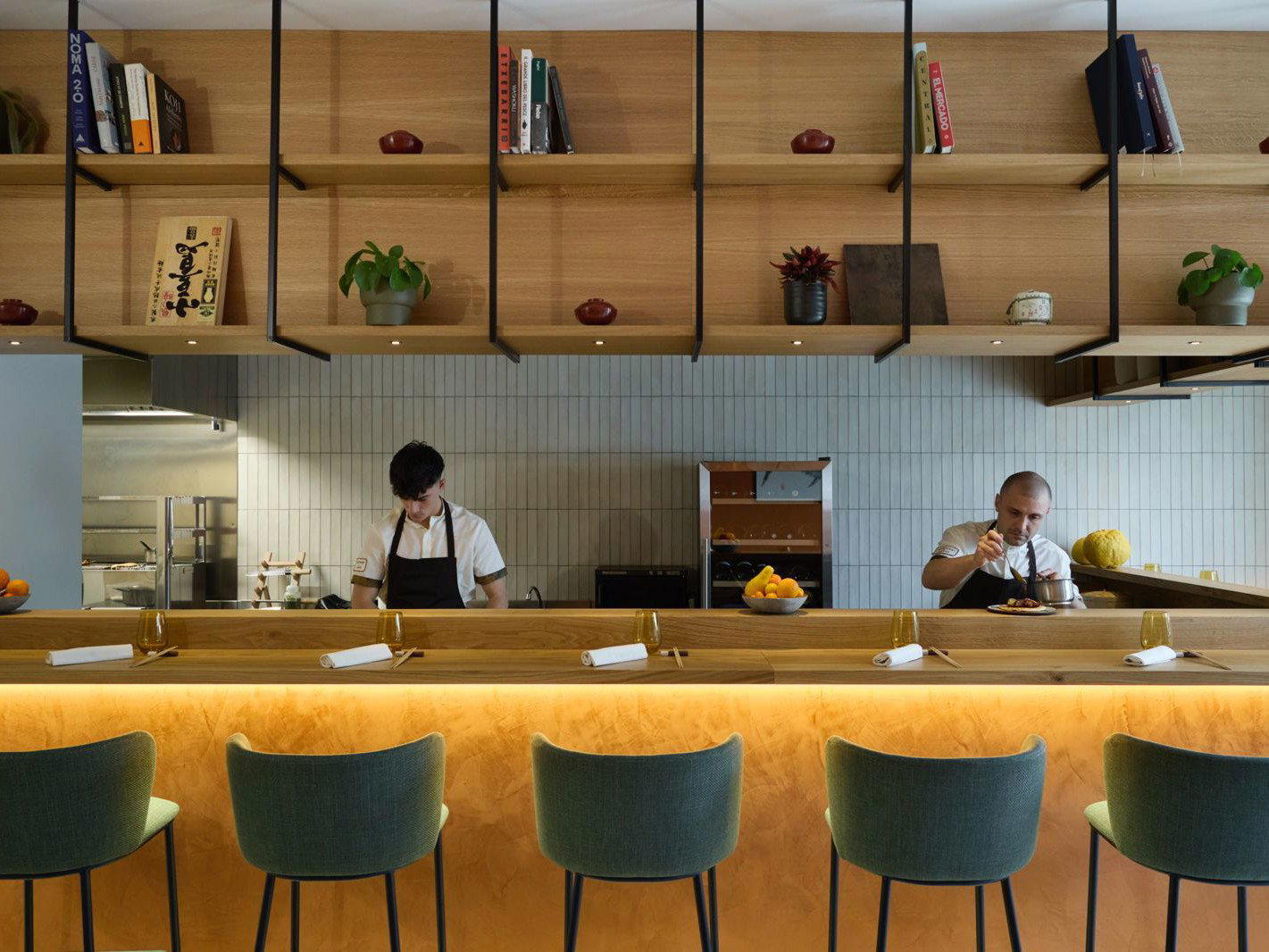
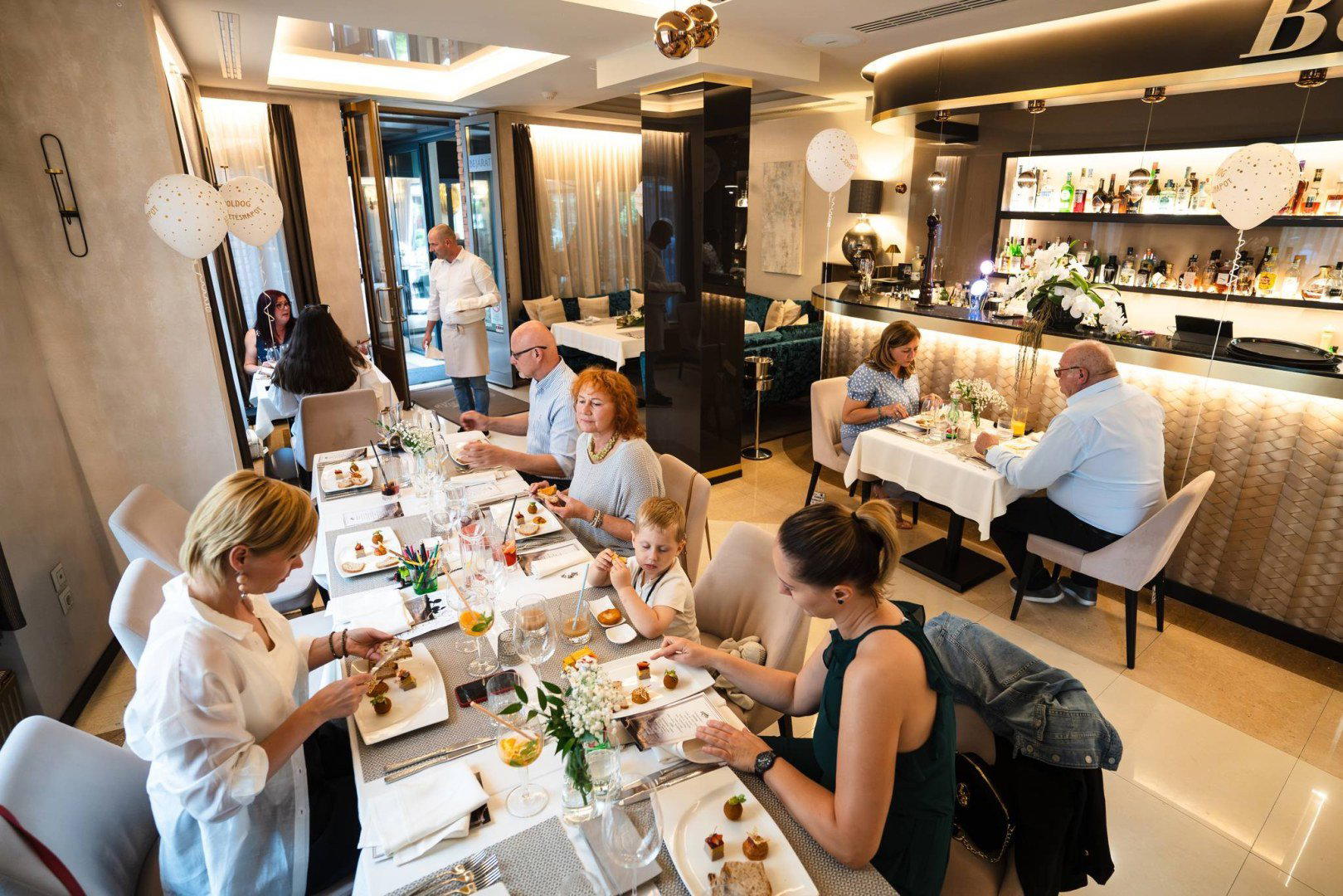
Wineries in Tura
Browse all →
Details
- Romantic
- Elegant
- Quiet
- Scenic
- Ornate
- Sophisticated
- Honeymoon
- Romantic Getaway
- Anniversary
- Group Retreat
- Destination Wedding
- Weekend Escape
- Historic Building
- Panoramic View
- Garden
- Terrace
- Private Dining
- Spa
- Pool
- Fitness Center
- Sauna
- Tennis Court
- Restaurant
- Room Service
- Concierge
- EV Charging
- Garden
- Elevator
Luxurious and tranquil atmosphere with historic elegance, grand chandeliers, rich wood panelling, and evening lighting that creates a fairytale-like setting.