Mükellef Karaköy sits at the intersection of Anatolian ingredient culture and contemporary European technique, operating from a Maliye Caddesi address in one of Istanbul's most culinarily restless neighbourhoods. The kitchen draws on regional Turkish produce and applies a discipline shaped by international culinary frameworks, placing it firmly inside the city's modern Turkish fine dining tier alongside peers such as Turk Fatih Tutak and Neolokal.
Pearl is the En Primeur Club membership app — saves, bookings, and concierge access live there. Same editors, same standards.
- Address
- Kemankeş Karamustafa Paşa, Maliye Cd. 8/A, 34425 Beyoğlu/İstanbul, Türkiye
- Phone
- +90 212 252 86 36
- Website
- mukellefkarakoy.com
- Directions
- Get directions
 Saves & bookings on Pearl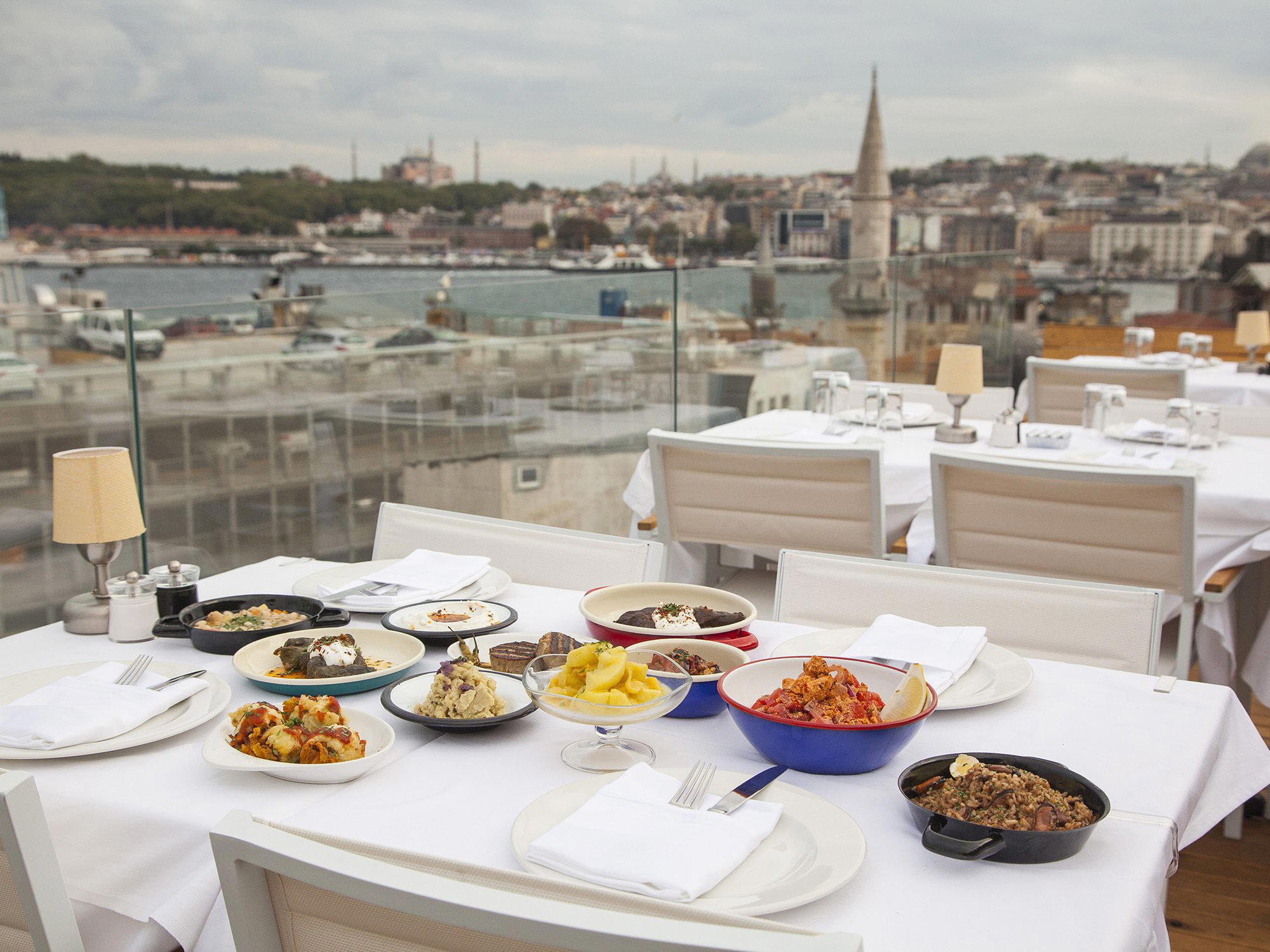
Karaköy's Culinary Position and Where Mükellef Fits
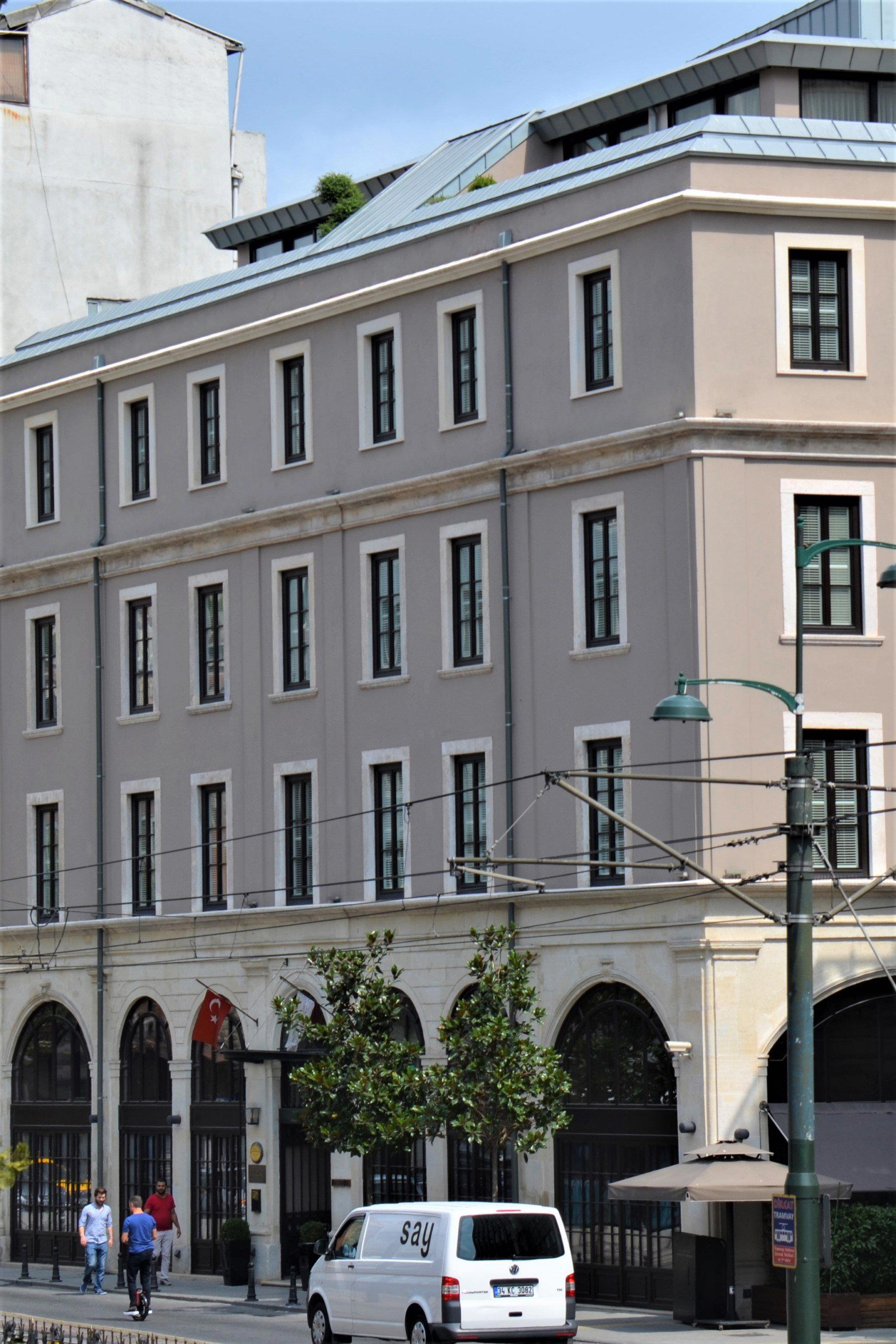
Karaköy has spent the past decade consolidating its identity as the neighbourhood where Istanbul's food scene takes its most considered risks. The waterfront district, separated from the Grand Bazaar's tourist orbit by the Galata Bridge and from Beyoğlu's louder restaurant row by a short climb, draws a different kind of diner: one who already knows the city well enough to skip the obvious. Mükellef Karaköy operates within that context, at Maliye Caddesi 8/A, in a part of Beyoğlu's administrative boundary that belongs, in practice, to the Karaköy eating public.
Istanbul's premium modern Turkish tier has grown increasingly legible in recent years. Turk Fatih Tutak anchors one end of the spectrum with its rigorous tasting-menu format; Mikla occupies a panoramic position above the city and pairs Nordic-influenced technique with Anatolian produce; Neolokal operates through a heritage-research lens. Each represents a distinct answer to the same underlying question: what does Turkish cooking look like when it absorbs international culinary discipline without abandoning local material culture? Mükellef Karaköy is working through its own version of that question at street level in one of the city's most active dining corridors. See our full Istanbul restaurants guide for broader orientation across the city's current scene.
The Technique-and-Ingredient Framework
The most productive lens through which to read a restaurant like Mükellef Karaköy is not what it inherits from any single tradition, but how it negotiates between two sets of demands. On one side sits Turkey's ingredient culture: a geography that runs from the Black Sea hazelnut groves through Aegean olive yards to the spice markets of the southeast, producing raw material of exceptional range. On the other sits a generation of Turkish chefs trained in European brigade kitchens, who returned with skills calibrated to French and Scandinavian techniques and had to decide how much of that training to retain, how much to translate, and what to discard entirely.
Globally, this negotiation is well-documented at restaurants as different as Le Bernardin in New York City, where classical French technique frames pristine Atlantic product, and Lazy Bear in San Francisco, where tasting-menu architecture organises deeply local Californian ingredients. The Turkish iteration carries its own complications: Anatolian produce does not always behave the way European sourcing conventions expect, and the flavour registers of fermented dairy, dried fruit, and spice blends do not translate mechanically into European plating language. Kitchens that work this out well, rather than simply layering technique on top of ingredient, tend to produce food that reads as contemporary without feeling borrowed.
The broader Istanbul modern Turkish scene, represented by venues from Arkestra to Casa Lavanda, shows the range of outcomes: some kitchens use European structure as scaffolding while Turkish flavour does the work; others allow the technique itself to transform the ingredient into something harder to locate geographically. Mükellef Karaköy belongs to this conversation, working through questions that have occupied Istanbul's serious dining rooms for the better part of two decades.
Karaköy as Dining Context
Understanding Mükellef Karaköy requires some understanding of what Karaköy has become for food. The neighbourhood's transformation from working port to premium dining district followed a pattern recognisable from other European harbour conversions: creative businesses displaced industrial ones, restaurants followed, and a particular type of food culture took root that values precision and sourcing transparency over volume and showmanship. The proximity to the Bosphorus is not incidental: the fish markets and mezze counters that predate the neighbourhood's gentrification created a baseline of ingredient quality that newer kitchens have had to match or exceed to be taken seriously by locals.
Istanbul's dining geography is worth mapping when planning a serious eating itinerary. Karaköy and the surrounding Beyoğlu districts operate on different assumptions from the Bosphorus fish restaurants in Beykoz or the traditional Aegean-influenced kitchens found at places like Narımor in Izmir. The city's modern Turkish fine dining tier is concentrated on the European side, and Karaköy offers some of the most accessible access points to it, with the neighbourhood compact enough to visit two or three venues in an evening without significant transit.
For visitors building a broader Turkish table itinerary, the range extends well beyond Istanbul: Maçakızı in Bodrum and Mezegi in Fethiye represent Aegean coastal approaches to Turkish produce, while Nahita Cappadocia in Nevsehir and Aravan Evi in Ürgüp show what Central Anatolian ingredient culture looks like when treated with similar seriousness. Closer to Istanbul, Divia by Maksut Aşkar in Marmaris and Ahãma in Göcek extend the conversation to Turkey's southwestern coast. Even more traditional preparations, like those at Kokorecci Asim Usta in Bornova and Agora Pansiyon in Milas, provide the reference point against which Karaköy's more technically ambitious kitchens define themselves.
Planning a Visit
Reservations at Mükellef Karaköy are worth securing ahead of arrival in Istanbul, particularly during the autumn and spring shoulder seasons when the city draws its highest concentration of food-focused visitors. The Maliye Caddesi address places the restaurant within walking distance of the Karaköy waterfront and the Galata tram stop, making it reachable without a car from most central accommodation. The broader ₺₺₺₺ tier that covers Istanbul's serious modern Turkish kitchens, shared with peers such as Mikla, Neolokal, and Turk Fatih Tutak, signals a price point consistent with a full evening's programme rather than a casual drop-in. Booking directly, rather than through aggregators, remains the standard approach for this tier of Istanbul restaurant.
Reputation First
| Venue | Cuisine | Awards | Notes |
|---|---|---|---|
| Mükellef KarakoyThis venue — the venue you are viewing | Not listed | This venue | Not listed |
| Turk Fatih Tutak | Modern Turkish | Michelin 2 Star | ₺₺₺₺ |
| Mikla | Modern Turkish, Mediterranean Cuisine | Michelin 1 Star | ₺₺₺₺ |
| Neolokal | Modern Turkish, Turkish | Michelin 1 Star | ₺₺₺₺ |
| Arkestra | Fusion | Michelin 1 Star | ₺₺₺₺ |
| Nicole | Modern Turkish, Modern Cuisine | Michelin 1 Star | ₺₺₺₺ |
At a Glance
- Elegant
- Modern
- Scenic
- Sophisticated
- Date Night
- Group Dining
- Special Occasion
- Rooftop
- Panoramic View
- Open Kitchen
- Local Sourcing
- Waterfront
- Skyline
Current opening hours
- Monday
- 9:30 AM–2 AM
- Tuesday
- 9:30 AM–2 AM
- Wednesday
- 9:30 AM–2 AM
- Thursday
- 9:30 AM–2 AM
- Friday
- 9:30 AM–2 AM
- Saturday
- 9:30 AM–2 AM
- Sunday
- 9:30 AM–2 AM
Hours can change for holidays and private events. Last verified .
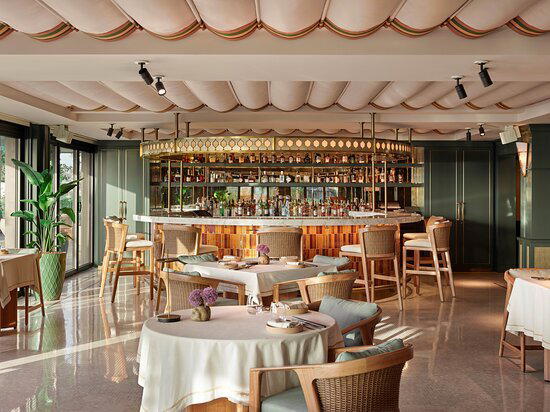
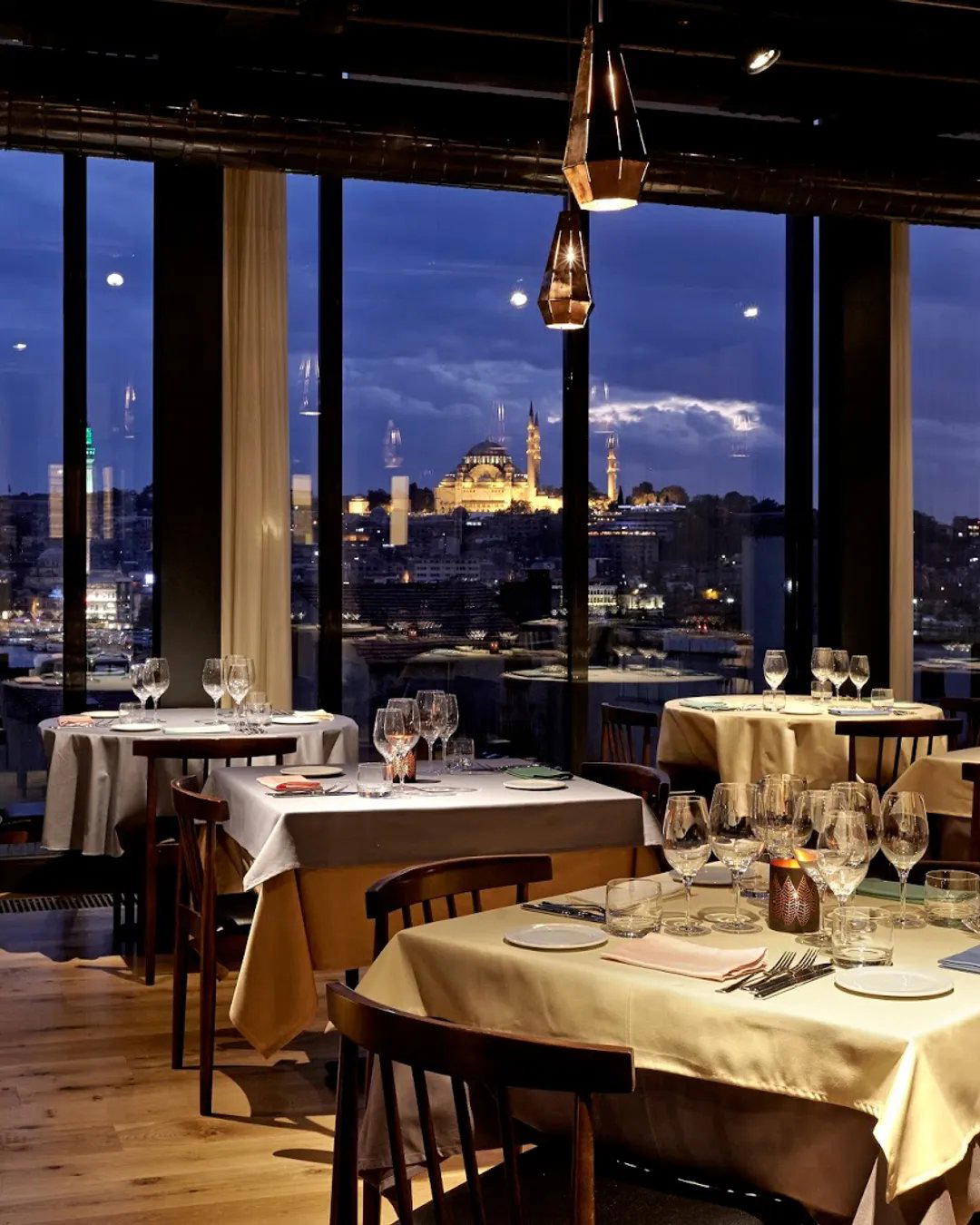
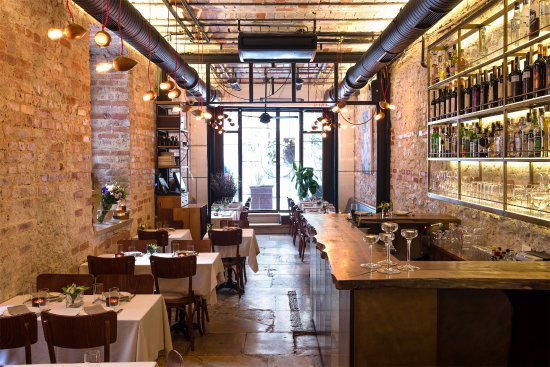
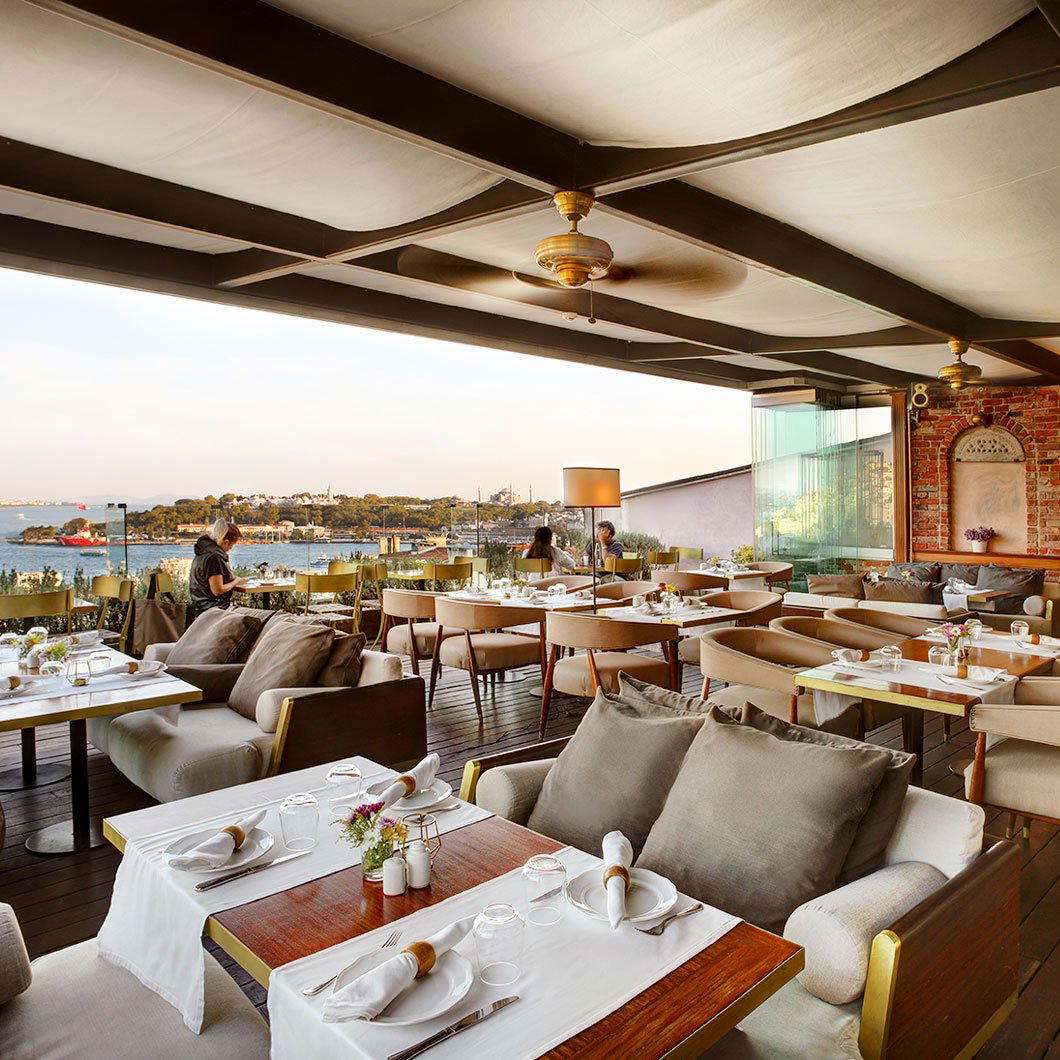
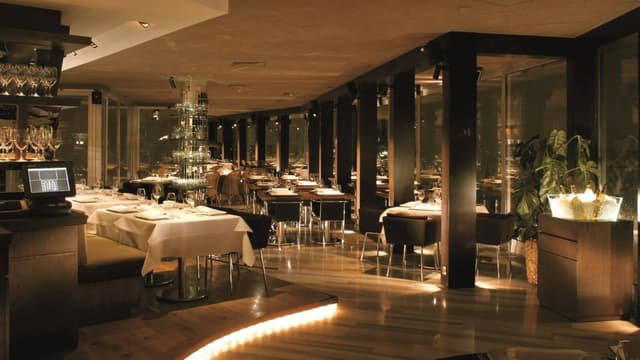
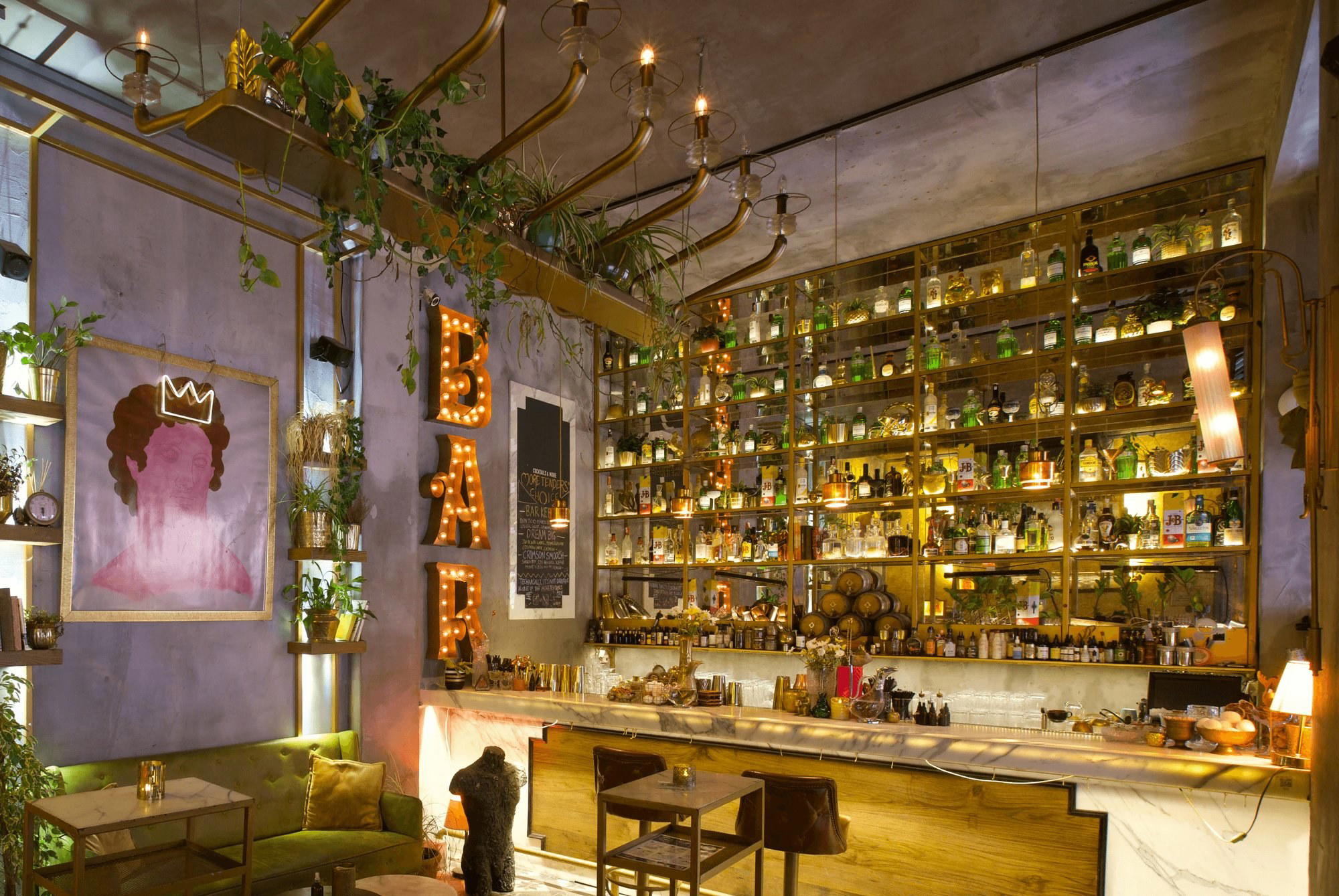
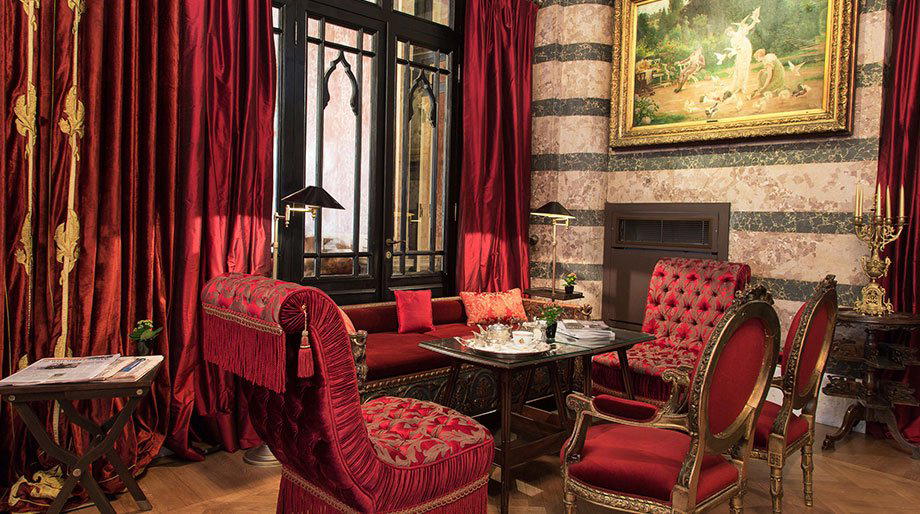
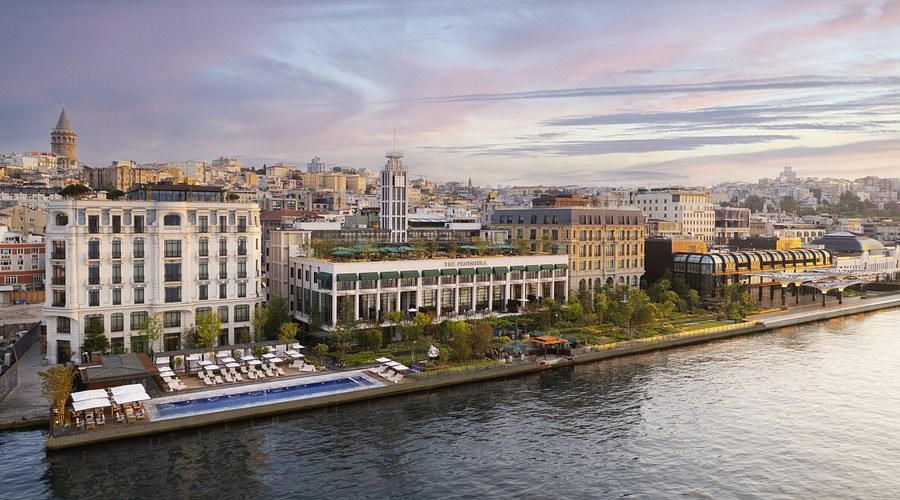
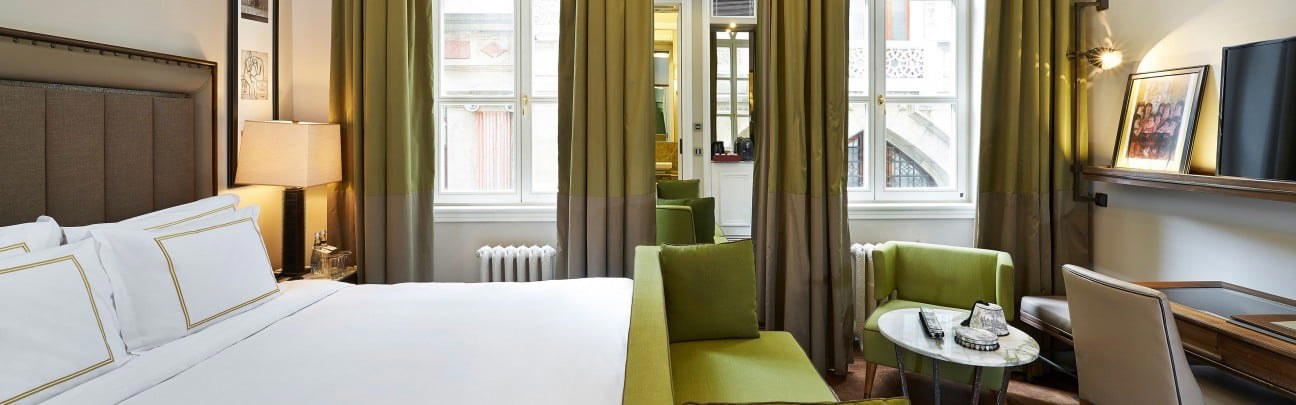
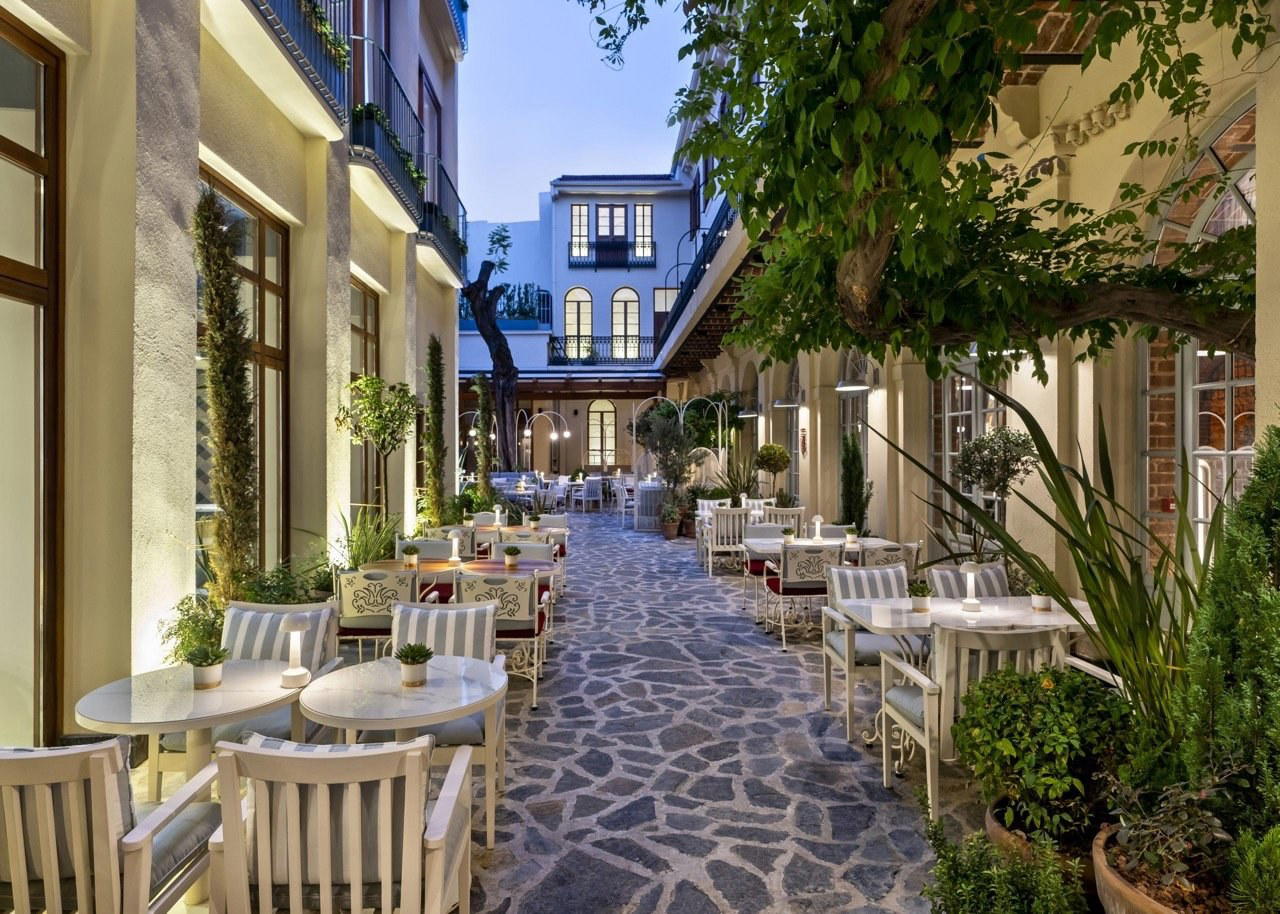
Chic and inviting rooftop space with floor-to-ceiling windows, lively atmosphere, and panoramic city views.
Know Before You Go
- Getting there
- Kemankeş Karamustafa Paşa, Maliye Cd. 8/A, 34425 Beyoğlu/İstanbul, Türkiye