

On a narrow Beyoğlu street, Hodan sits within Istanbul's growing cohort of chef-led tables where the cooking draws on Anatolian tradition without ceremony or pretension. Chef Çiğdem Seferoğlu anchors the kitchen, and the address on Hayriye Caddesi places it in one of the city's most food-literate neighbourhoods. For a city moving fast through its fine-dining evolution, Hodan represents the quieter, more considered side of that conversation.
Pearl is the En Primeur Club membership app — saves, bookings, and concierge access live there. Same editors, same standards.
- Address
- Firuzağa, Hayriye Cd., 34425 Beyoğlu/İstanbul
- Phone
- +90 533 304 76 34
- Directions
- Get directions
 Saves & bookings on Pearl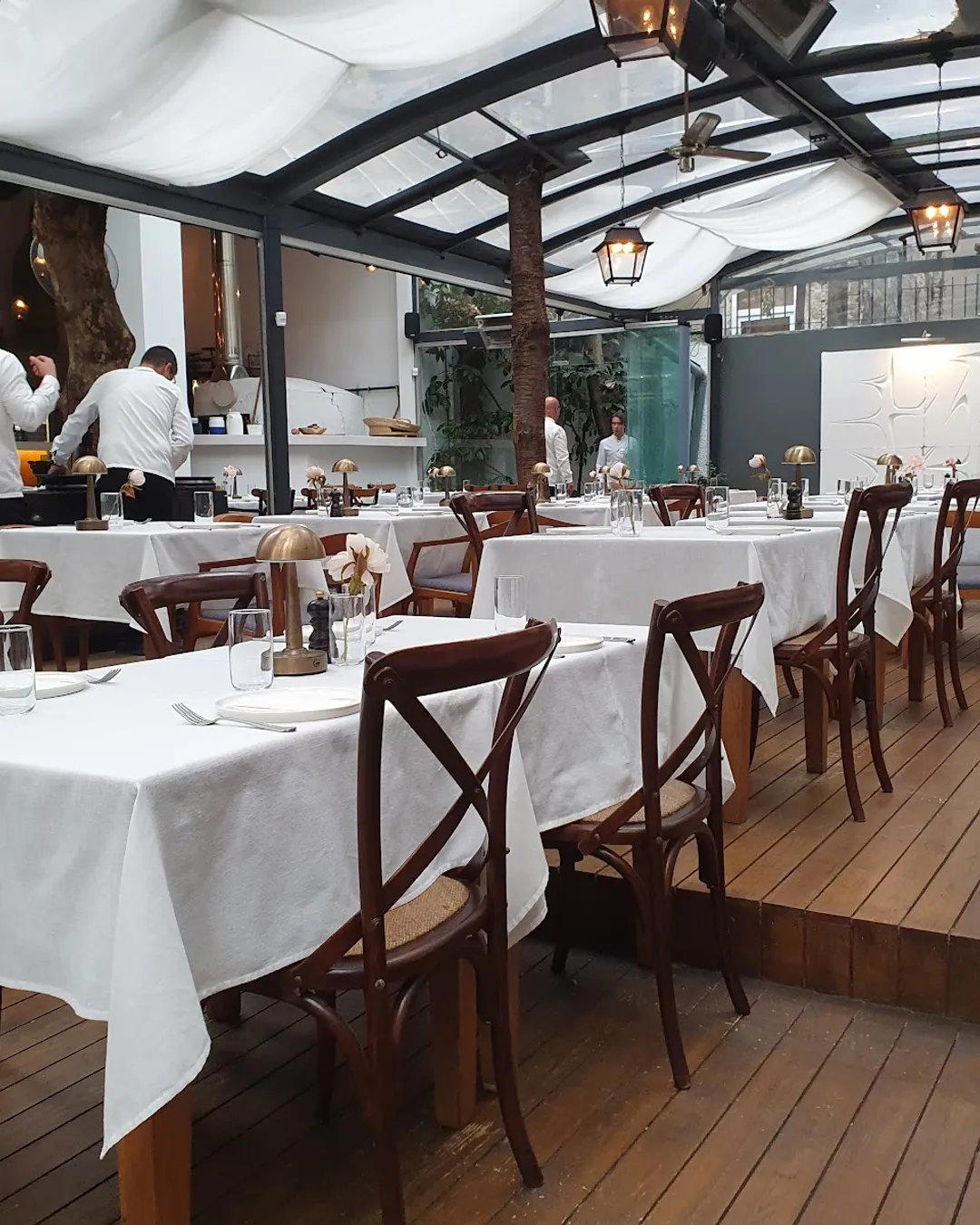
Beyoğlu and the Art of Arrival
Hayriye Caddesi runs through Firuzağa, the quieter residential pocket of Beyoğlu that sits above the tourist circuit of İstiklal but below the self-consciously fashionable dining strips further north. The streets here are narrower, the buildings lower, and the noise of the city recedes enough to make arrival at a restaurant feel like an actual destination rather than a stop on a crawl. This is the neighbourhood context that shapes a meal at Hodan before a dish arrives: a sense of intent, of having come specifically rather than stumbled in.
Beyoğlu has historically carried Istanbul's restaurant ambition. It is the district where modern Turkish cooking started its formal conversation with European technique in the 1990s, where Michelin-recognised tables like Mikla and Neolokal built their reputations on Anatolian ingredients reframed through a contemporary lens. The neighbourhood now supports multiple tiers: the headline Michelin addresses, mid-level chef-led rooms, and a growing number of smaller, less formally positioned tables where the cooking is serious but the register is quieter. Hodan occupies that third position on Hayriye Caddesi, where the physical scale and address signal something other than volume dining.
The Ritual Before the Food
Istanbul's dining culture has a specific pacing that differs from Western European norms, and understanding it changes what a meal at a table like Hodan means. The Turkish table tradition is not organised around a single arrival and departure. Dishes come in waves, conversations are expected to be long, and the meal is considered incomplete until tea or Turkish coffee has been offered and accepted. This is not a venue where the rhythm is dictated by covers-per-night turnover logic. The custom of meyhane-style eating, where meze precede mains by an unhurried margin, has influenced even the more modern chef-led rooms in the city. The pacing reflects a hospitality culture that treats the guest's time as the kitchen's responsibility, not their own.
Chef Çiğdem Seferoğlu is in charge of the kitchen at Hodan. Within Istanbul's dining scene, the presence of a named woman chef in a prominent kitchen role remains notable: the city's most-discussed restaurants have historically been led by male chefs, and the Michelin cohort, including Turk Fatih Tutak and Arkestra, reflects that pattern. Seferoğlu's position at Hodan places her in a smaller but growing group of Istanbul chefs rebalancing that demographic. The cooking should be read in that context: not as a personal manifesto, but as part of a broader shift in who gets to define what modern Turkish food looks like.
What the Address Signals About the Cooking
Firuzağa is a neighbourhood of small grocers, family-run börek shops, and apartment buildings that have not yet been converted into boutique hotels. Dining here is not performative in the way that, say, a Bosphorus-view table in Beşiktaş tends to be. The cooking that survives in this kind of neighbourhood tends to be confident in its own terms, without needing an architectural backdrop to justify a reservation. Across Turkey, the leading regional cooking rarely announces itself with spectacle: the lamb slow-cooked in a tandır in Urfa, the olive-oil-braised vegetables along the Aegean coast at places like Narımor in Izmir, or the wood-fired preparations at 7 Mehmet in Antalya all operate at their respective price points without needing the framing of luxury design. Hodan sits within that tradition of undecorated seriousness.
Istanbul's more recognised tables have moved toward tasting-menu formats that frame Anatolian ingredients within a contemporary structure borrowed from European fine dining. Neolokal, for instance, has built its identity around Anatolia-sourced produce presented through a research-led approach. That format suits the awards circuit but it is not the only way to approach serious cooking in the city. Tables that maintain a more direct relationship between the kitchen and a neighbourhood clientele, without the apparatus of a tasting menu or a wine pairing structure, represent a different but equally considered position. The cooking at Hodan, based on its address and the chef's profile, appears to sit closer to that direct register.
Placing Hodan in the Istanbul Dining Conversation
The Istanbul restaurant market has developed a clearly tiered structure over the past decade. At the leading, a handful of Michelin-starred addresses price against international fine dining rather than the local market. Below them, a mid-tier of chef-led rooms, some with Bib Gourmand recognition or strong editorial coverage, operates at a price point accessible to local professionals. Further down, neighbourhood restaurants with strong cooking but limited marketing presence serve a more local, repeat clientele. Hodan's price tier places it in the upper end of the market, where the quality of the cooking and the chef's credentials are the primary signals for an informed visitor.
For comparison, the recognised Istanbul tables, including Mikla with one Michelin star and Turk Fatih Tutak with two, price at ₺₺₺₺ and operate with advance-booking requirements that reflect their position in the market. A table on Hayriye Caddesi in Firuzağa operates in a different register: accessibility, both physical and in terms of booking lead time, is likely greater. That is not a criticism. Tables outside the Michelin tier are often where one direct expression of a chef's cooking is found, without the structural pressure of a formal tasting-menu format. The same dynamic is visible internationally: Le Bernardin in New York and Atomix represent the formal apex of their respective traditions, but interesting cooking in any city rarely concentrates exclusively at that apex.
Booking, Timing, and the Practical Frame
Hodan's location on Hayriye Caddesi in Beyoğlu puts it within walking distance of the main Beyoğlu transport connections and the tram line at Kabataş, making it reachable without a taxi from most central Istanbul addresses. The Firuzağa neighbourhood tends to be quieter on weekday evenings, which typically translates to easier table access than the high-traffic dining strips. Istanbul's dining season runs heavily toward the warmer months, when outdoor terraces throughout Beyoğlu and the Bosphorus-adjacent neighbourhoods extend capacity; visiting between October and March means smaller crowds at the mid-tier tables and a kitchen that is often cooking for a more local, less tourist-inflected room. That seasonal shift, particularly in a neighbourhood like Firuzağa that doesn't depend on tourism volume, can make for a more direct experience of what the cooking actually is.
For visitors building a broader Istanbul itinerary, Hodan connects naturally to the surrounding food culture: the neighbourhood supports the kind of pre-dinner or post-dinner walk through Beyoğlu that has made the area the city's most sustained dining district. Outside Istanbul, the chef-led tables at Kitchen by Osman Sezener in Bodrum, Ahãma in Göcek, and Aravan Evi in Ürgüp represent the same seriousness in their respective regions.
Similar Picks
Comparable venues nearby, for context on price, style, and recognition.
| Venue | Cuisine | Price | Notes |
|---|---|---|---|
| HodanThis venue — the venue you are viewing | Modern Turkish | $$$$ | Not listed |
| Meat Moot Istanbul Taksim | Modern Turkish Smoked Meats | $$$$ | Sehit Muhtar |
| Meze By Lemon Tree | Modern Turkish Meze | $$$ | Asmali Mescit |
| Herise İstanbul | Modern Anatolian Fine Dining | $$$$ | Resitpasa |
| Leb-i Derya | Modern Turkish Rooftop | $$$ | Sahkulu |
| Liman İstanbul | Modern Ottoman Turkish with Seafood | $$$$ | Kilicali Pasa |
Recognition history
Dated appearances from independent guides and award organizations, with the underlying list record or original source where available.
Gault & Millau Türkiye 2 Toques
Gault & Millau · Gault & Millau Türkiye 2026 - 2 Toques
The Best Chef One Knife
The Best Chef
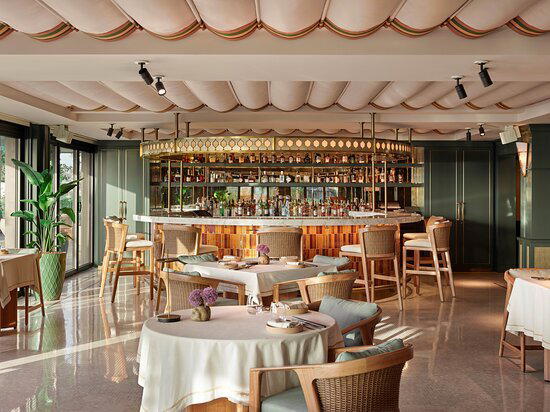
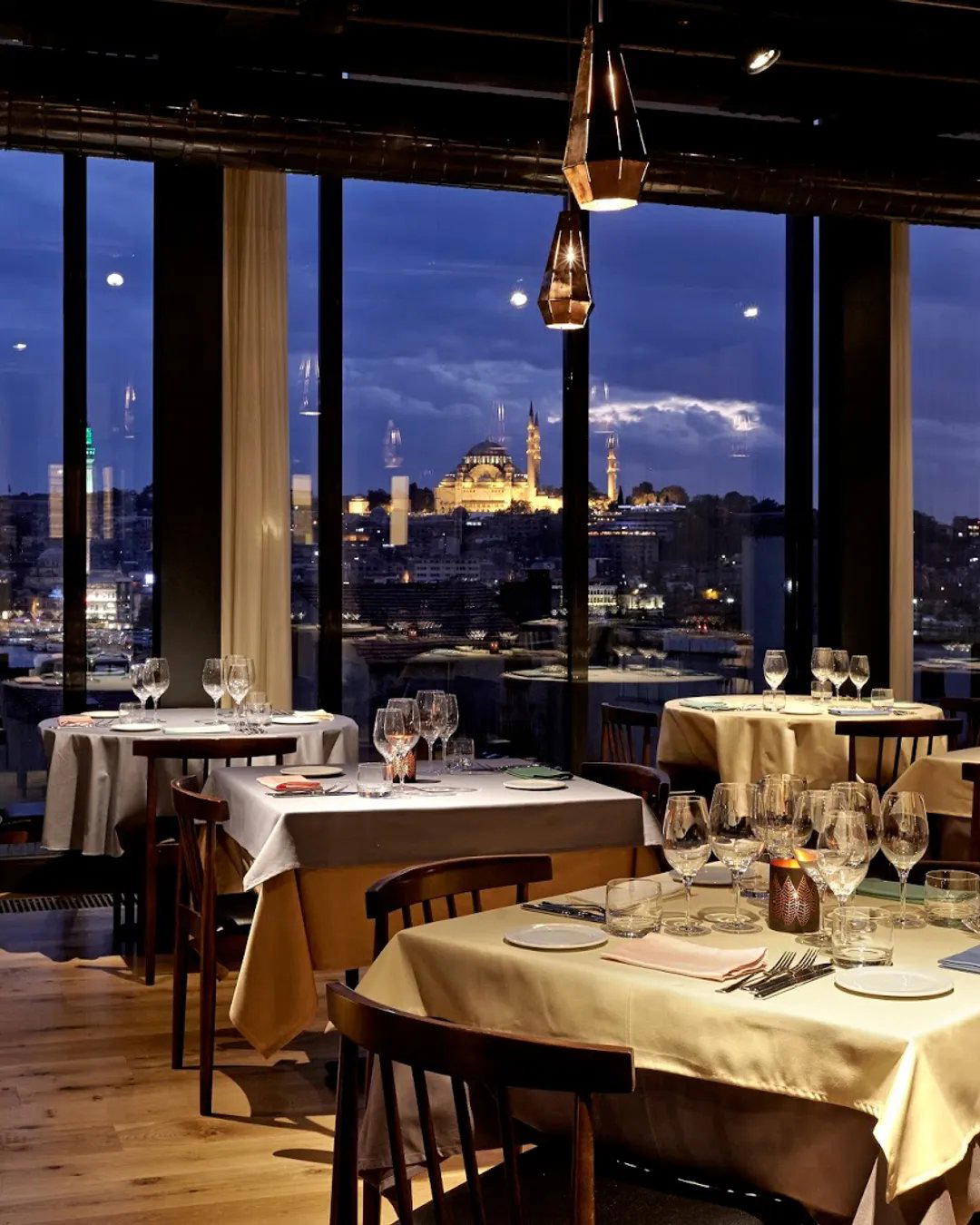
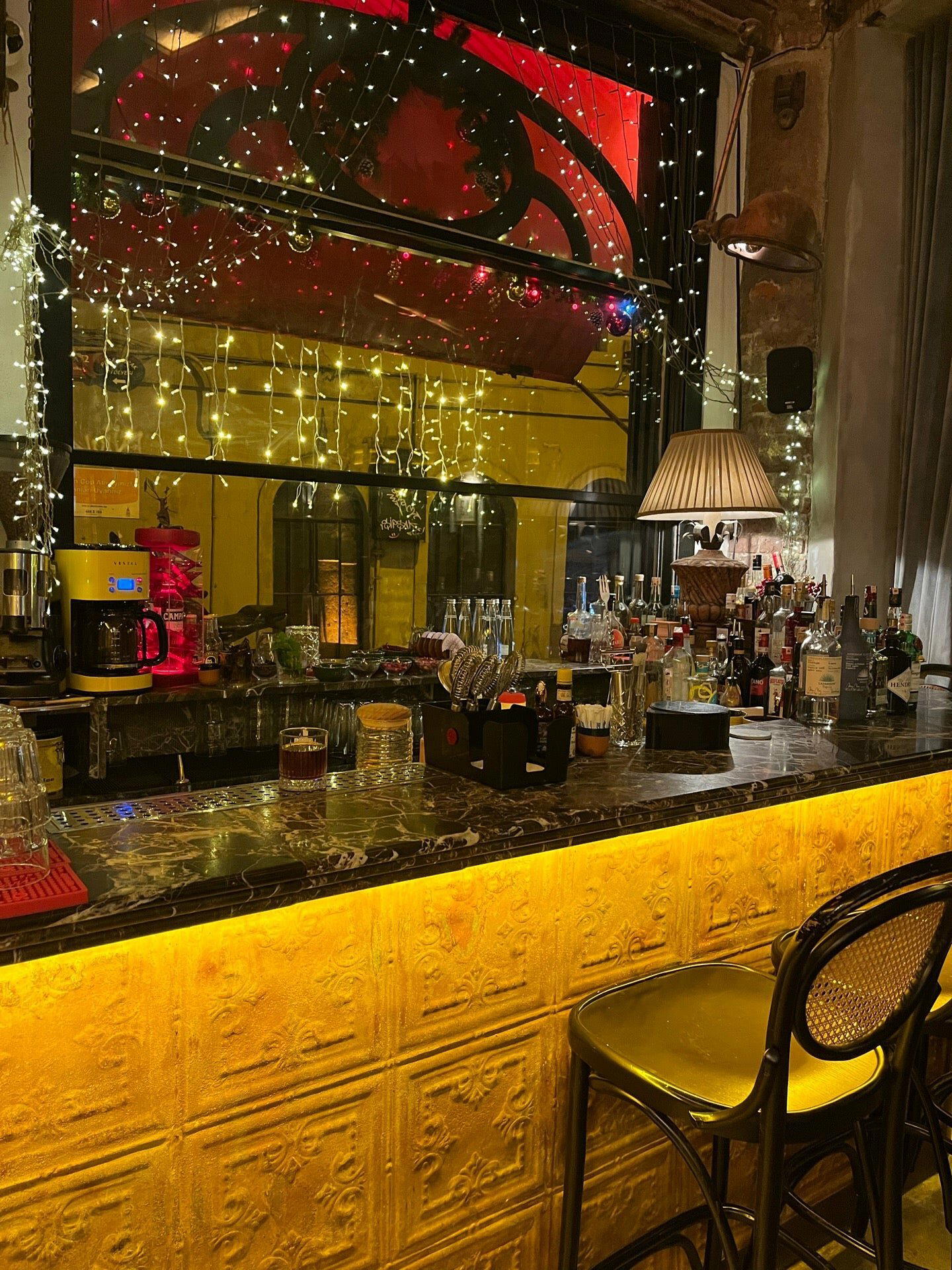
At a Glance
- Modern
- Cozy
- Elegant
- Date Night
- Business Dinner
- Brunch
- Special Occasion
- Garden
- Open Kitchen
- Terrace
- Historic Building
- Craft Cocktails
- Local Sourcing
- Garden
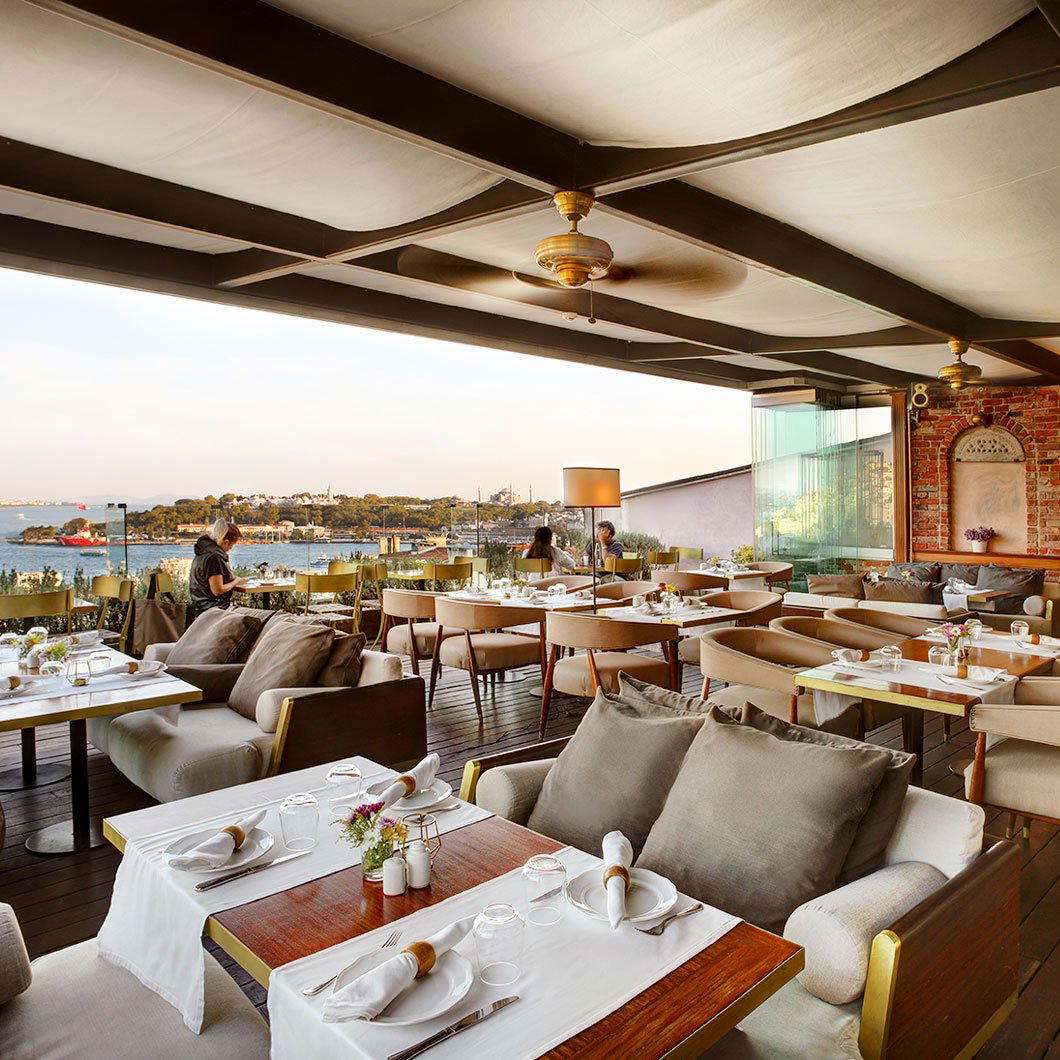
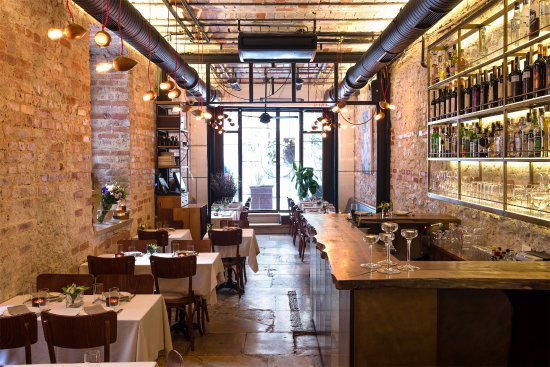
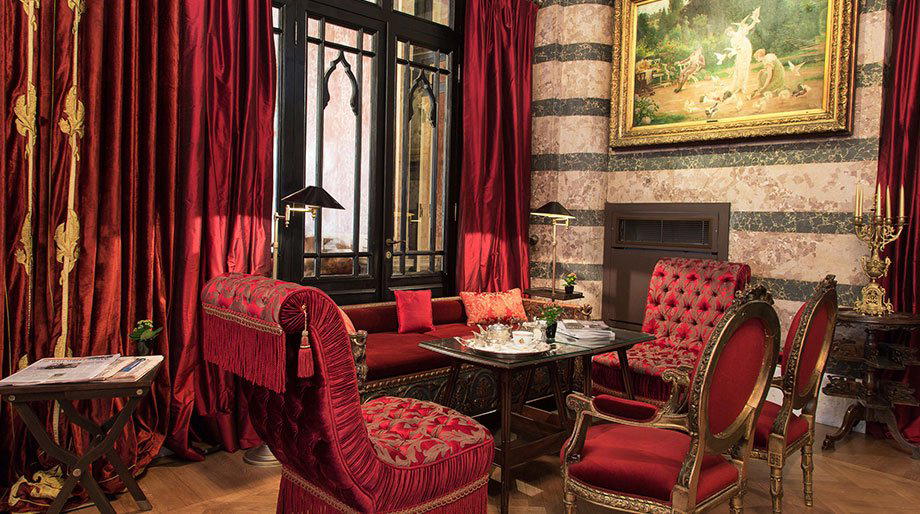
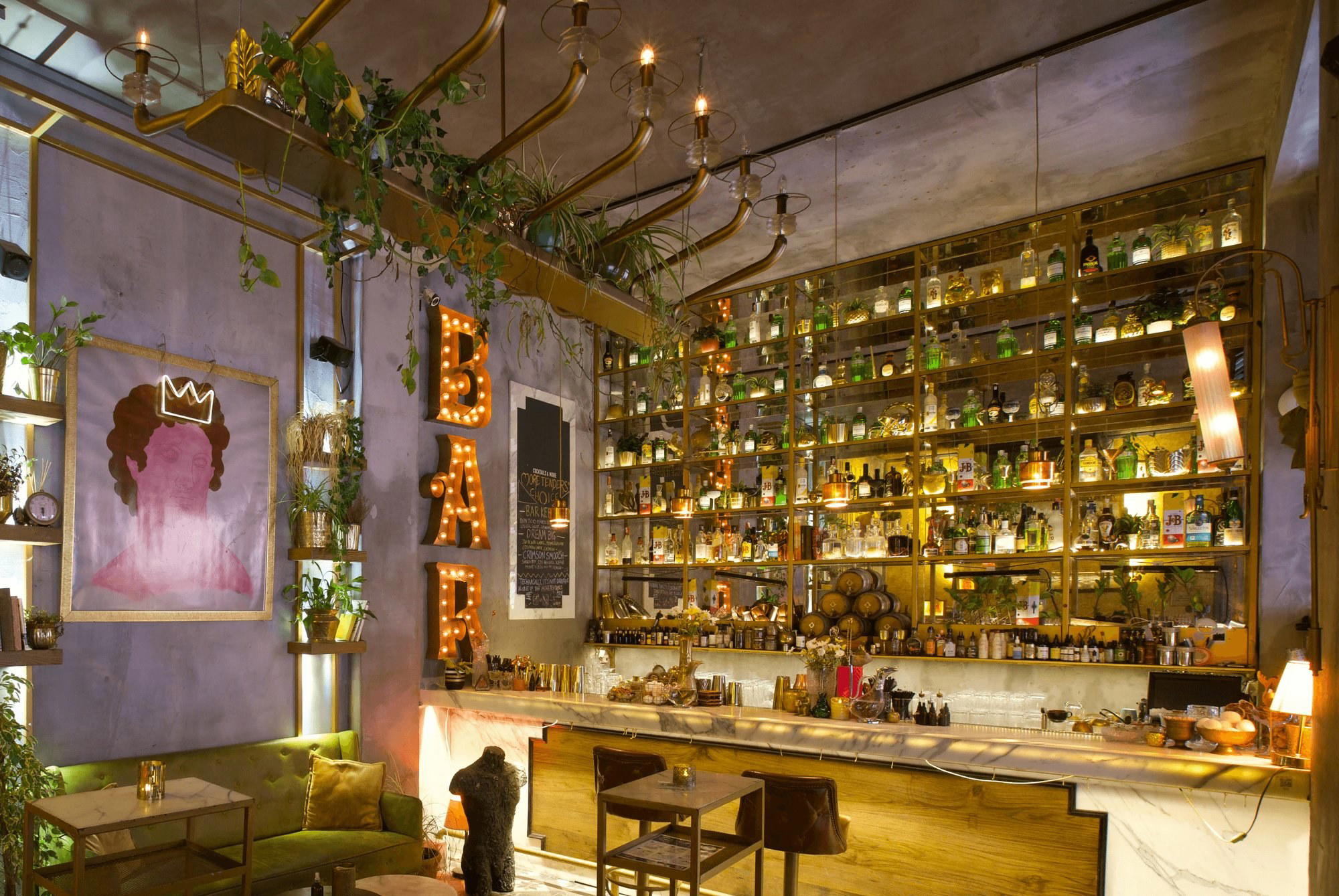
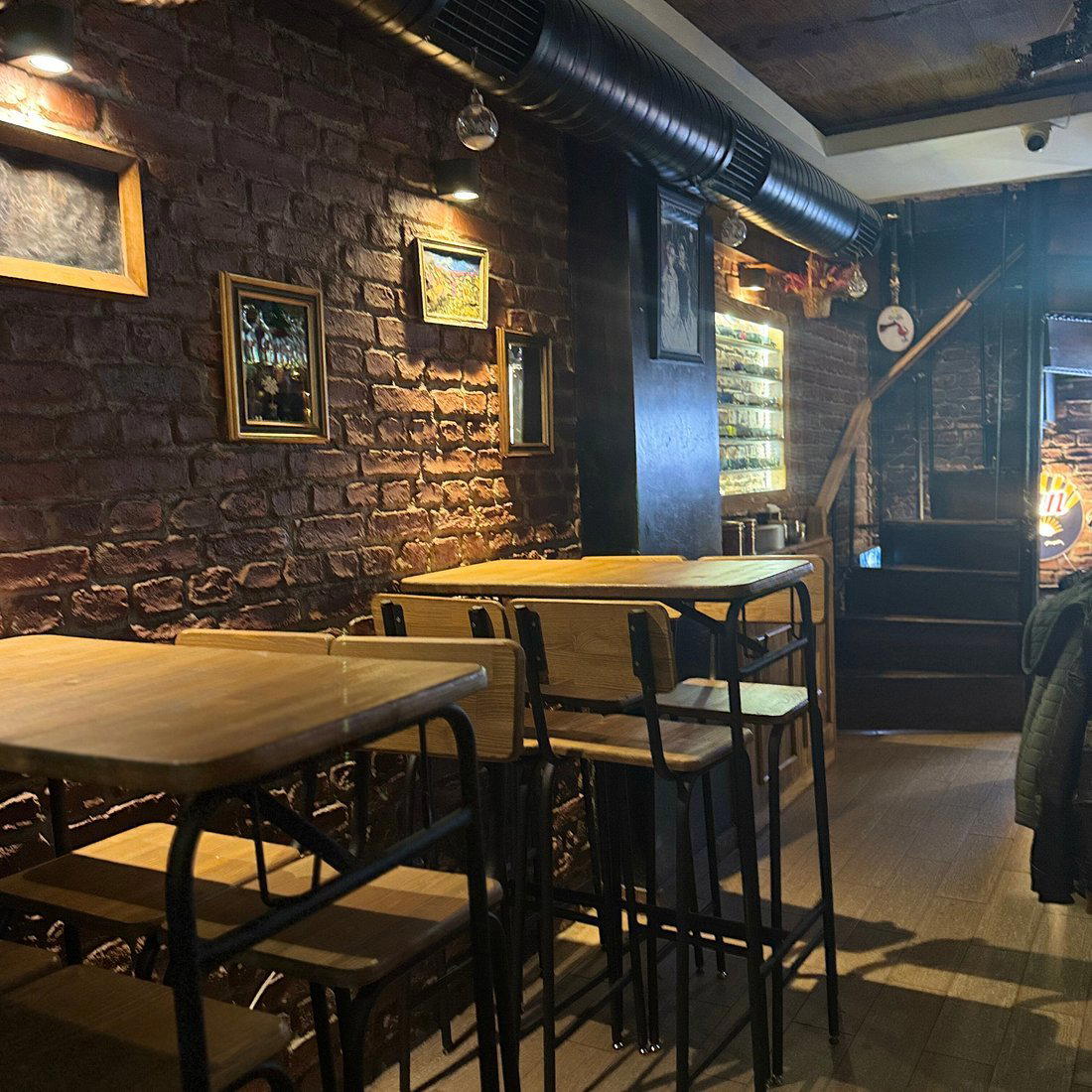
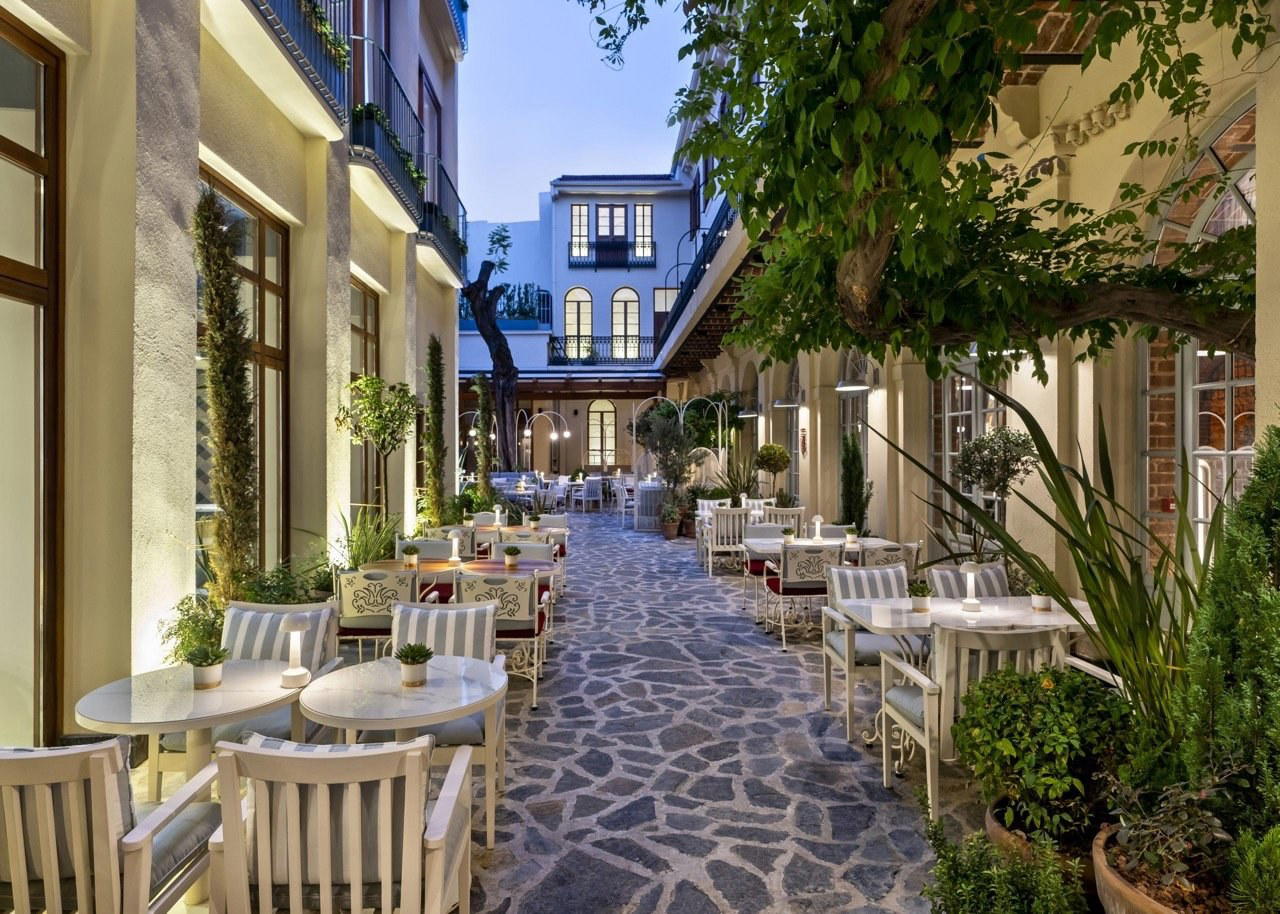
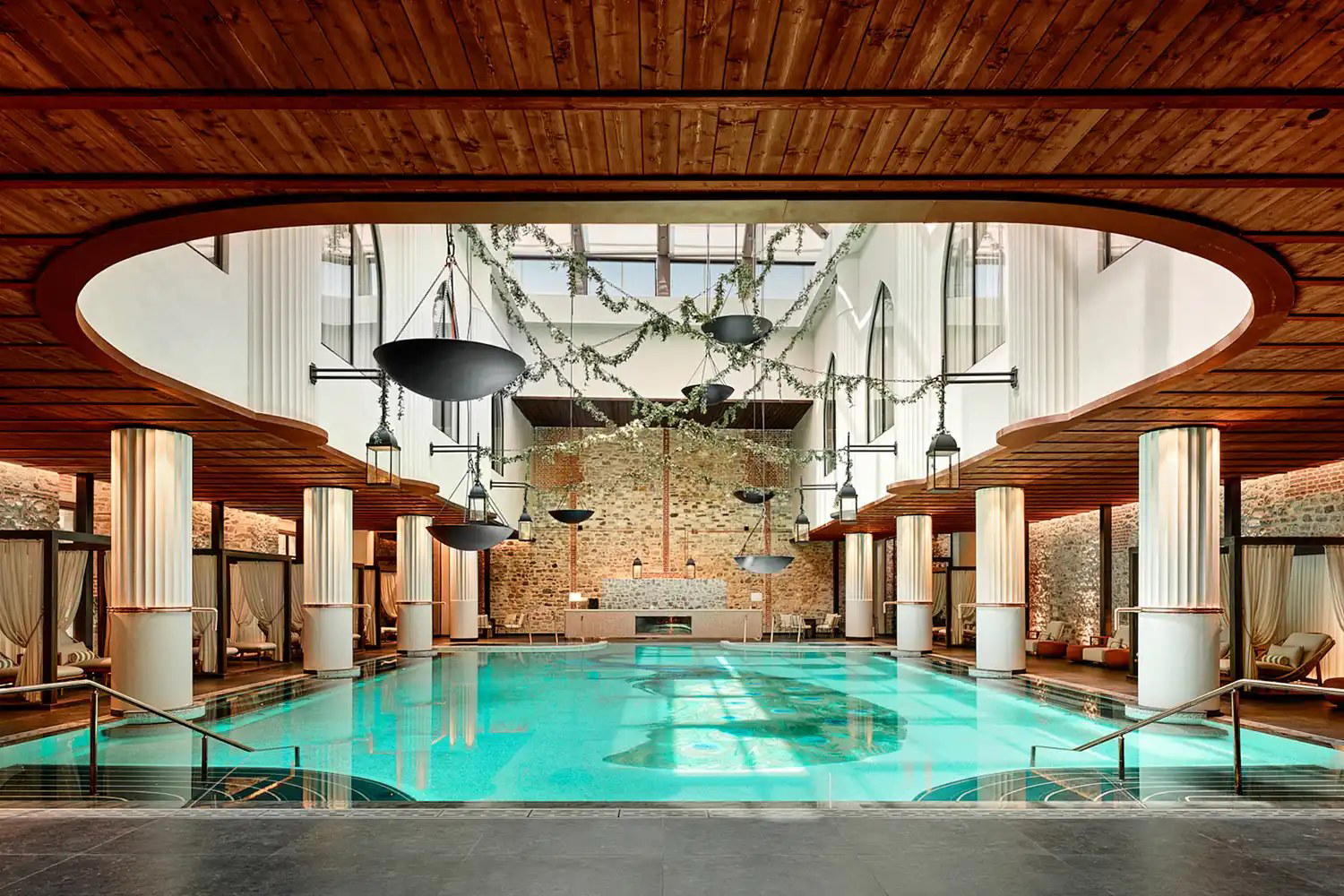
Serene garden terrace under a domed glass roof with natural light, historic masonry, and intimate lighting creating an oasis-like atmosphere.