Solera Winery occupies a Beyoğlu address that positions it inside Istanbul's growing interest in wine-led hospitality, a city historically shaped by raki culture but now producing a generation of venues oriented around Anatolian and international wine. Located on Yeni Çarşı Caddesi in the Tomtom quarter, Solera sits where neighbourhood character and wine seriousness converge.

Pearl is the En Primeur Club membership app — saves, bookings, and concierge access live there. Same editors, same standards.
- Address
- Tomtom, Yeni Çarşı Cd. No:44, 34433 Beyoğlu/İstanbul, Türkiye
- Phone
- +90 212 252 27 19
- Hours
- Daily 1 PM–1 AM
- Website
- facebook.com
- Directions
- Get directions
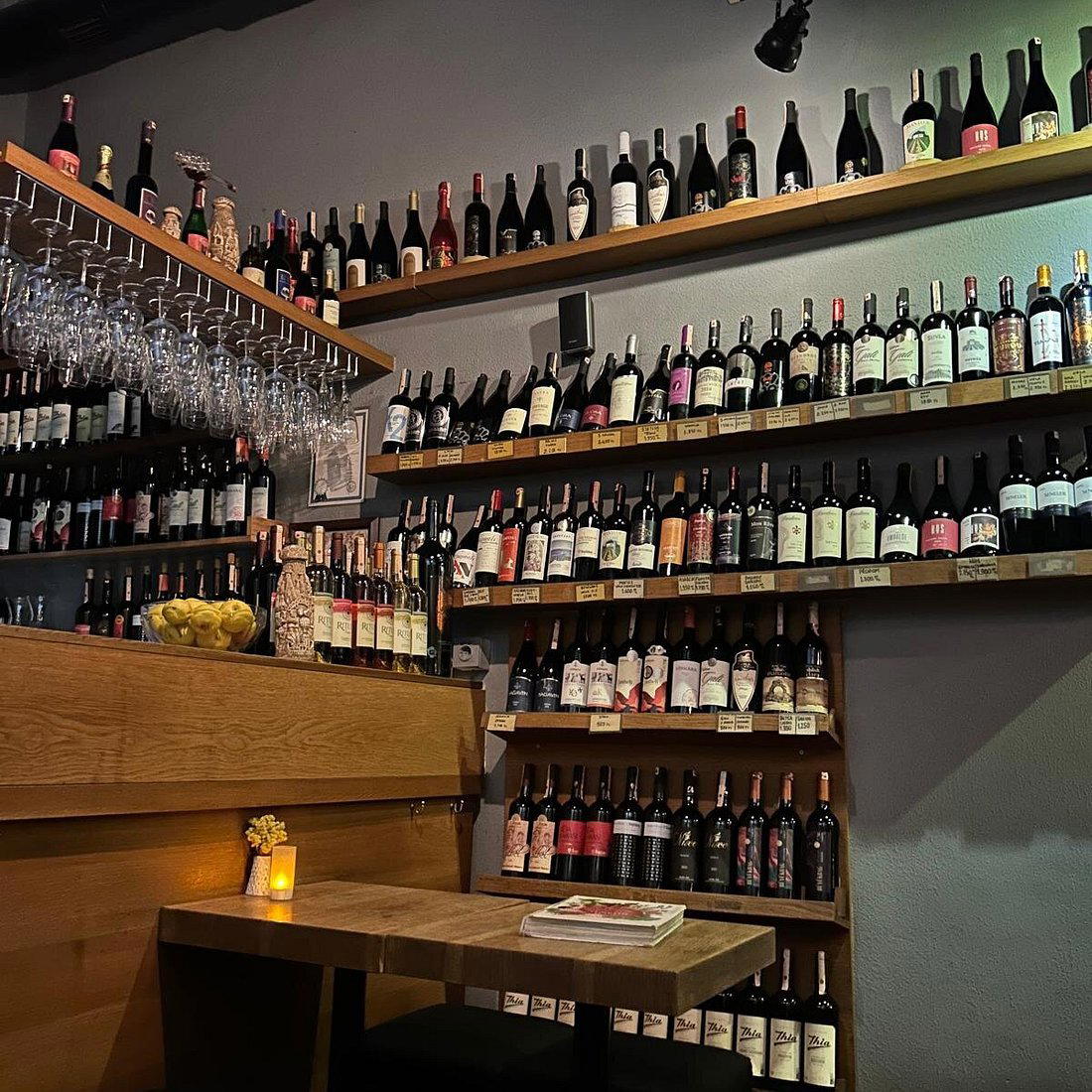
Where Beyoğlu's Wine Culture Finds a Serious Address
The Tomtom quarter of Beyoğlu has long operated as Istanbul's most architecturally layered neighbourhood, a district where late Ottoman apartment buildings share streets with consulate gardens and century-old meyhanes. Yeni Çarşı Caddesi, the address Solera Winery occupies at number 44, sits within walking distance of Galatasaray and the backstreets that connect Istiklal to the Bosphorus-facing slopes. The physical approach matters here: Beyoğlu's wine bars have concentrated in this corridor precisely because the neighbourhood draws residents and visitors already oriented toward slower, more considered drinking rather than the high-volume nightlife that pushes further north toward Taksim.
Istanbul's wine culture has undergone a structural shift over the past decade. Raki remains the default spirit of the meyhane tradition, and that tradition is not going anywhere, but a parallel circuit of wine-focused venues has established itself firmly enough that it now sustains multiple serious programs across the European side. Solera Winery sits within that circuit, in a neighbourhood where Albura Kathisma and Araf have also built followings among wine-attentive drinkers. The Tomtom-Galatasaray corridor has effectively become the part of the city where wine literacy concentrates.
Anatolian Wine and the Sustainability Question
The broader context for any serious wine venue in Turkey is the country's own wine industry, which has been rebuilding its identity around indigenous varieties for the better part of two decades. Öküzgözü, Boğazkere, Narince, and Kalecik Karası are not footnotes to international grape varieties here; they are the primary argument for Turkish wine's distinctiveness. Venues that engage seriously with domestic producers are implicitly participating in a sustainability conversation, because sourcing from Anatolian estates reduces transport distance, supports small-scale producers working with traditional varietals, and keeps revenue within a domestic agricultural system that international import dominance would otherwise erode.
Istanbul's more considered wine venues have moved in this direction not as branding but as a practical consequence of taking Turkish wine seriously. The country's wine regions, from Thrace in the northwest to Cappadocia in central Anatolia and the Aegean coast around Urla and Çeşme, now produce at a quality level that makes domestic-forward lists defensible on merit rather than merely on principle. A venue at a Beyoğlu address with "winery" in its name signals an orientation toward production knowledge and provenance, which in the Turkish context maps naturally onto engagement with these domestic growing regions.
For comparison, the international shift toward sustainability in wine venues has largely played out through natural wine programs, biodynamic producer relationships, and reduced-waste cellar practices. In the Turkish context, the equivalent gesture is often simpler: choosing Anatolian producers over imported labels where quality is comparable, and building a list that teaches rather than merely presents. Venues that do this well serve as informal education in a country where wine knowledge among general consumers is still developing relative to Western European markets.
The Tomtom Quarter as Context
Understanding Solera's positioning requires understanding what Tomtom has become. The sub-district takes its name from the janissary drum corps historically associated with the area, but its contemporary character is quieter: embassies, boutique hotels, a handful of serious restaurants, and bars that attract a more settled clientele than the tourist-heavy parts of Istiklal. The 5. Kat Restaurant on the upper floors of a nearby building has long drawn the kind of crowd that spends time with a wine list rather than moving through quickly. Apartıman Yeniköy, further up the Bosphorus shore, represents a similar neighbourhood-anchored model. These are not destination venues in the tourist-circuit sense; they function as anchors for residential and professional communities with developed preferences.
Solera occupies a position in this ecosystem: a wine-focused address in a neighbourhood where the surrounding context supports lingering. The Yeni Çarşı Caddesi location is walkable from Galatasaray Meydanı, a ten-to-fifteen minute descent from Taksim on foot, and accessible from the Kabataş funicular connection for those arriving from the ferry terminals on the waterfront. In a city where neighbourhood-to-neighbourhood movement often involves significant time investment, proximity to multiple transit options is a practical consideration for evening visits.
Drinking Well in Istanbul's Wine Circuit
Istanbul now supports a wine circuit sophisticated enough that visitors can plan around it deliberately. The venues that anchor the Beyoğlu end of that circuit, including Solera on Yeni Çarşı Caddesi, share a general orientation: they favour producer knowledge over label recognition, they position Turkish wine as a primary rather than secondary interest, and they serve a clientele that has moved beyond novelty drinking toward preference-driven consumption. Internationally, venues building comparable programs include Kumiko in Chicago, which approaches its drinks list with a similarly research-led sensibility, and Jewel of the South in New Orleans, which grounds its program in regional historical context. The approach differs by geography, but the underlying commitment to sourcing with intention is structurally similar.
For those working through Istanbul's drinking options more broadly, Bar Leather Apron in Honolulu, Julep in Houston, Superbueno in New York City, The Parlour in Frankfurt on the Main, and 1806 in Melbourne represent the kind of program-driven venues that the same audience tends to seek out across other cities. For a fuller picture of where Solera sits among the city's venues, the EP Club Istanbul guide maps the scene across neighbourhoods and categories.
Planning a Visit
Solera Winery is located at Yeni Çarşı Caddesi No:44 in the Tomtom sub-district of Beyoğlu. The address places it in a walkable stretch of the neighbourhood served by the Tünel funicular and the Kabataş line. Given the limited publicly available information on booking policies, hours, and pricing, visitors should confirm operational details directly before travel. Wine-focused venues in this tier of the Beyoğlu circuit generally operate evening-led hours, with the most productive visits tending to fall mid-week when resident clientele outnumber weekend foot traffic and conversation with staff about the list is easier to sustain.
Compact Comparison
| Venue | Price | Awards |
|---|---|---|
| Solera WineryThis venue — the venue you are viewing | $20–30 | Not listed |
| Moretenders' Cocktail Crib | Not listed | Top 500 Bars Best Bars #441 |
| Wayana Wine Bar & Tapas | $20–30 | Star Wine List |
| Mathilda's Cocktail Bar | $20–30 | Top 500 Bars Best Bars #426 · Gault & Millau Türkiye 1 Toque |
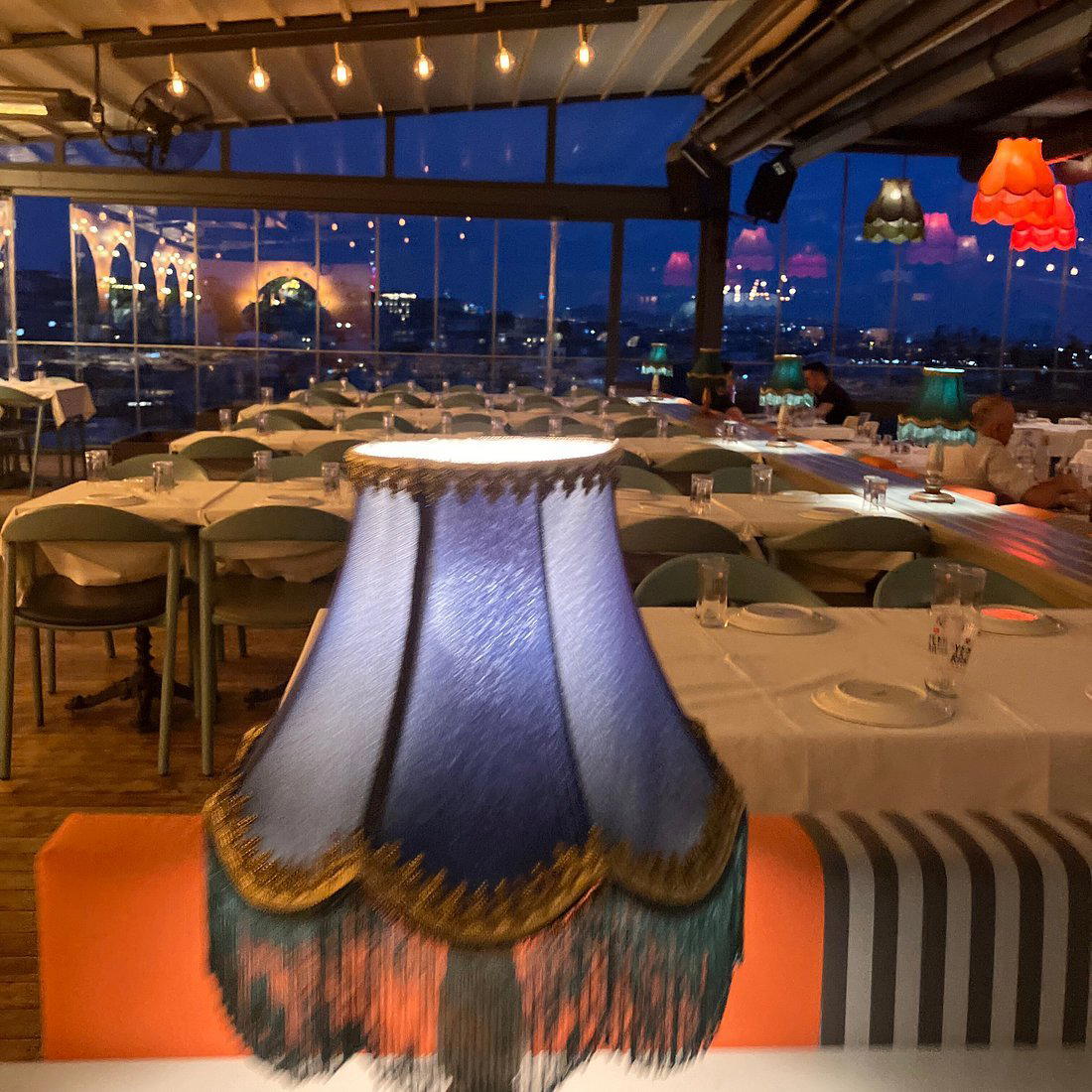
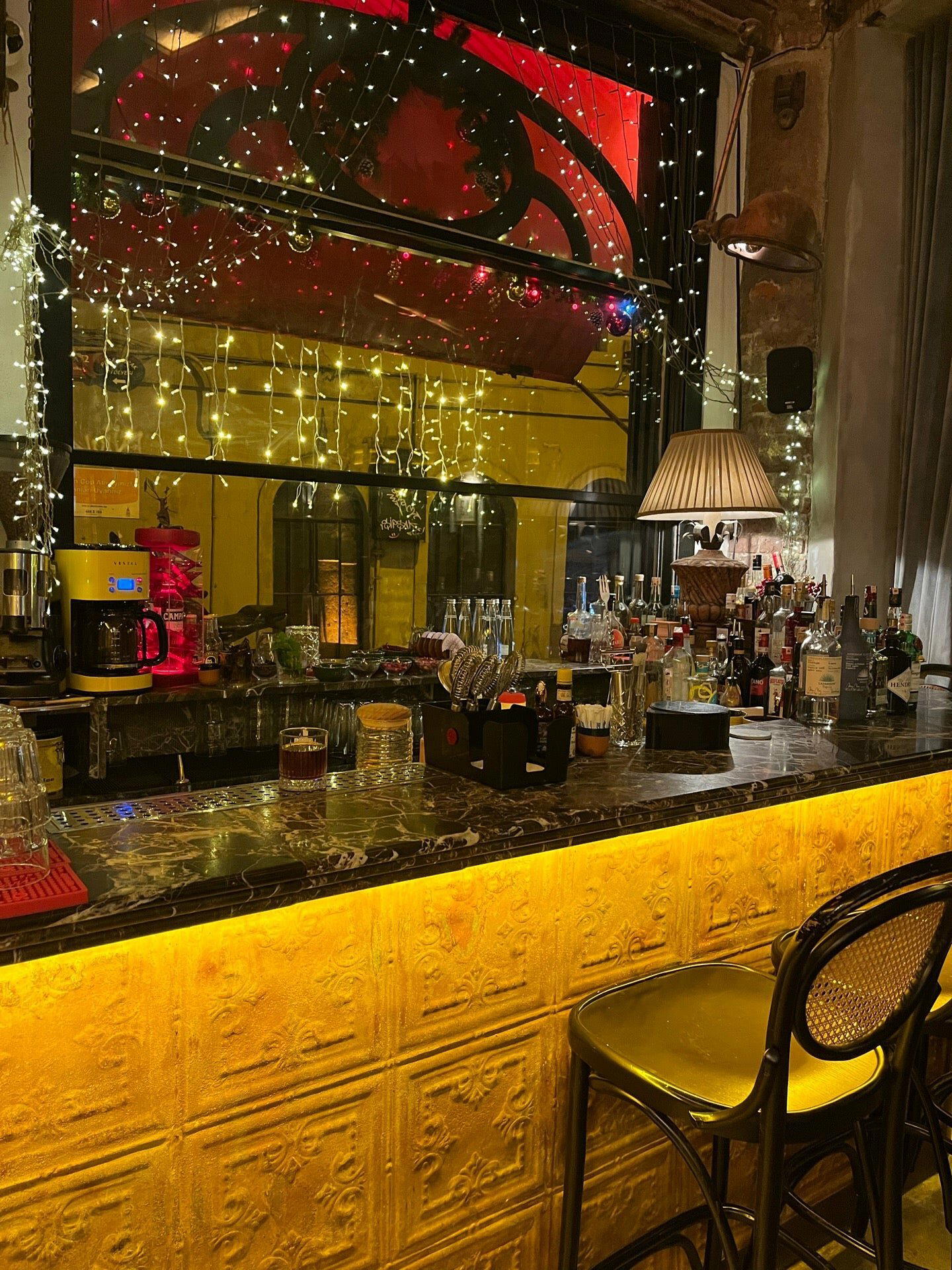
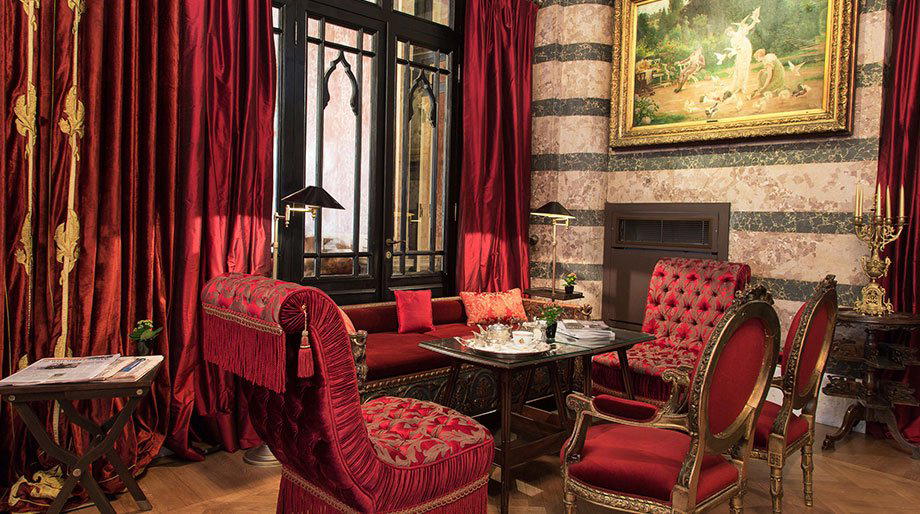
Details
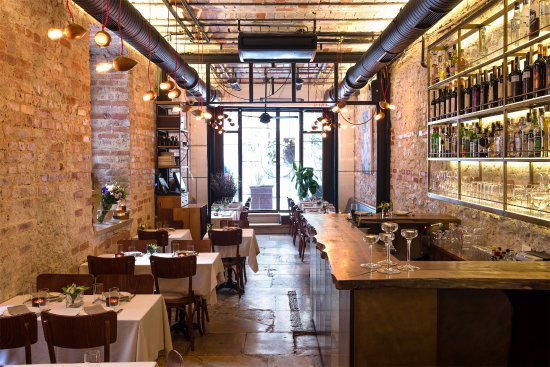
- Cozy
- Intimate
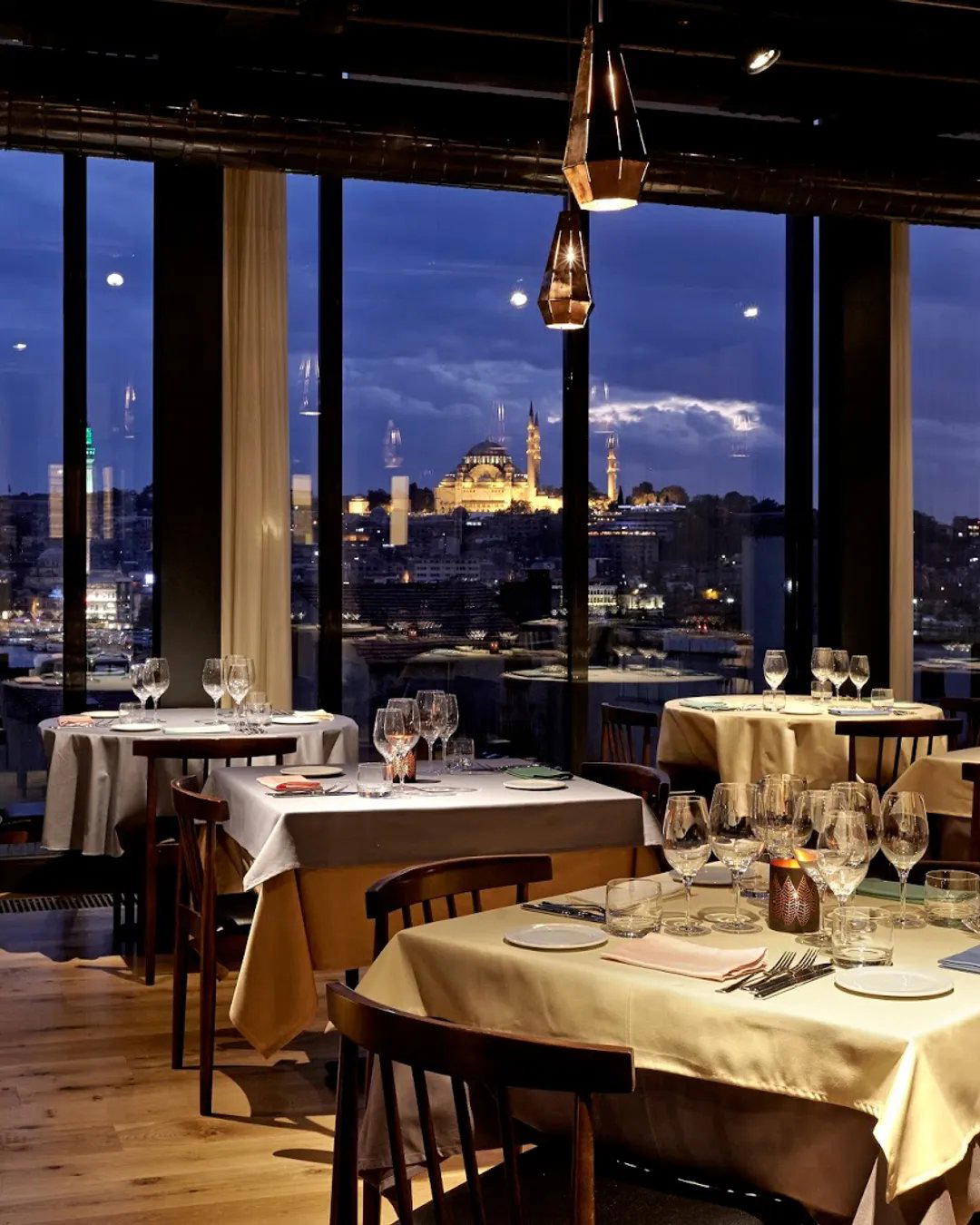
- Elegant
- Date Night
- Casual Hangout
- Standalone
- Seated Bar
- Conventional Wine
Current opening hours
- Monday
- 1 PM–1 AM
- Tuesday
- 1 PM–1 AM
- Wednesday
- 1 PM–1 AM
- Thursday
- 1 PM–1 AM
- Friday
- 1 PM–1 AM
- Saturday
- 1 PM–1 AM
- Sunday
- 1 PM–1 AM
Hours can change for holidays and private events. Last verified .
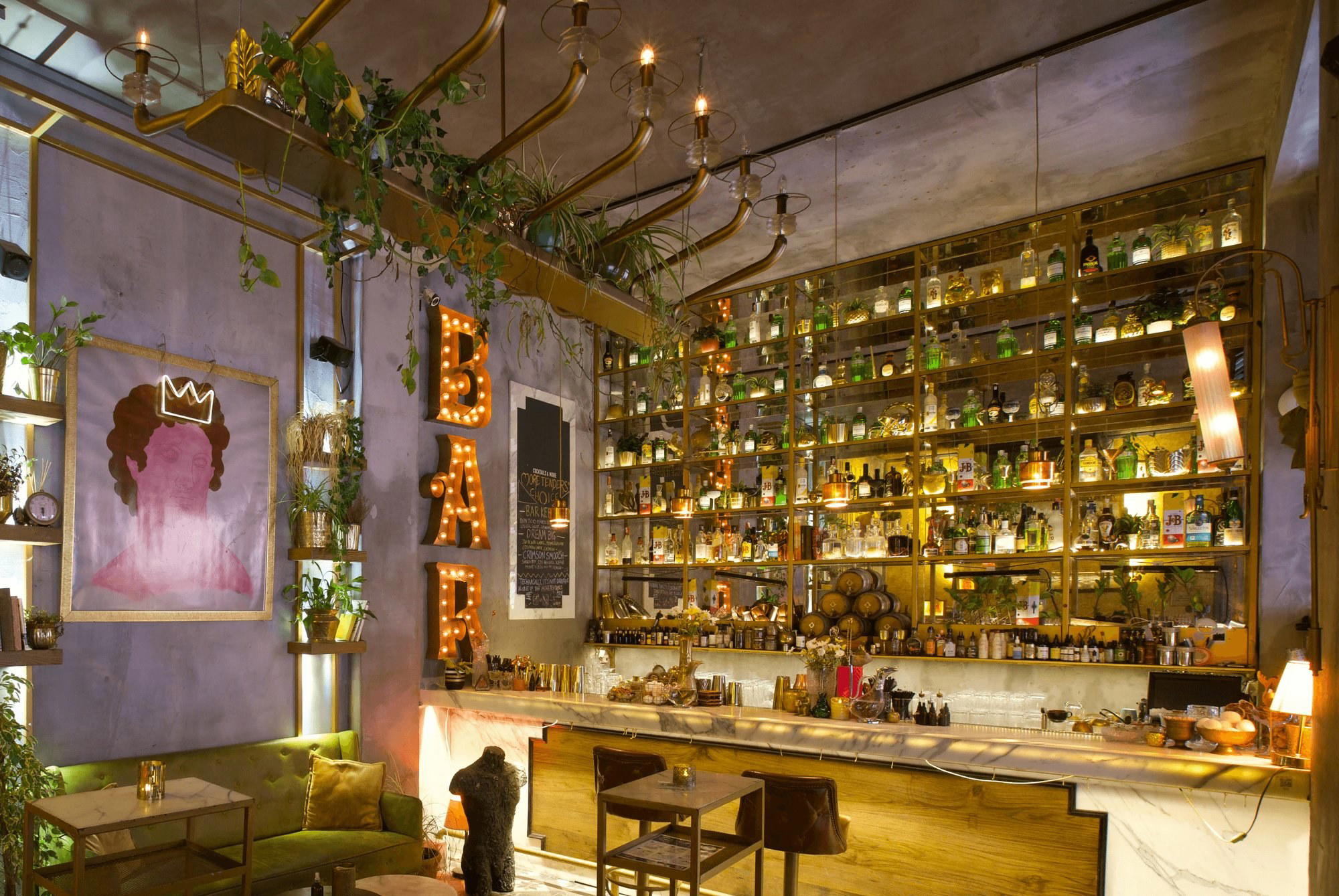
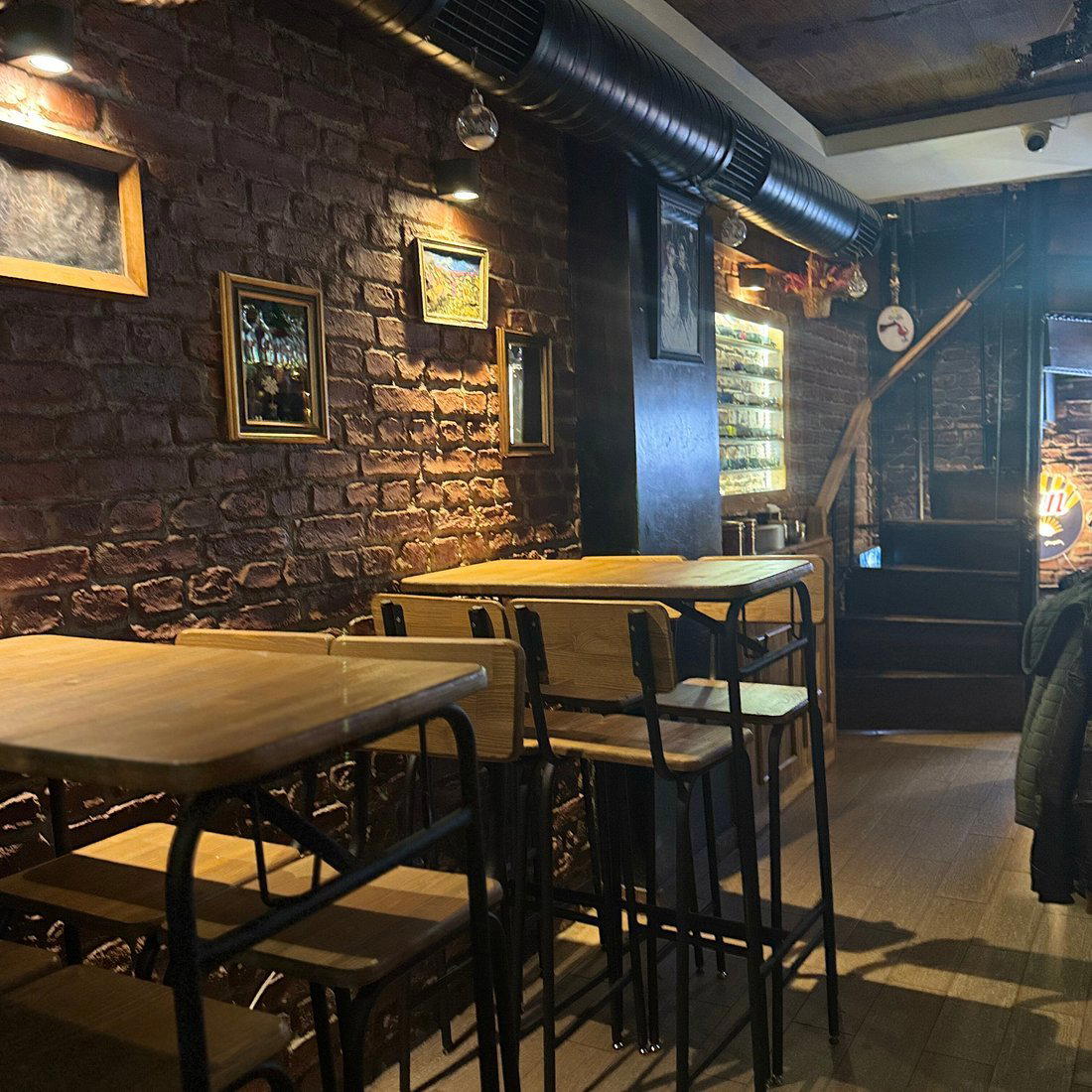
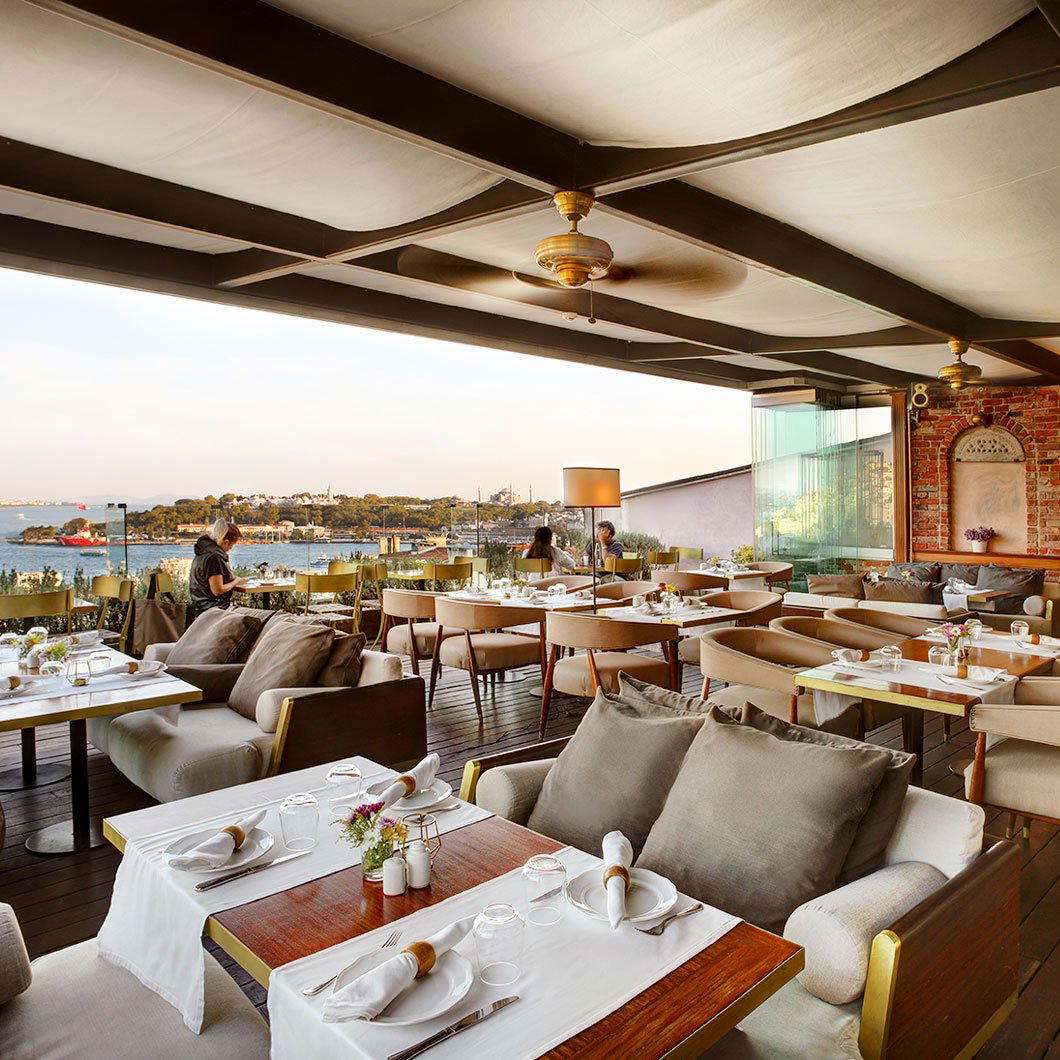
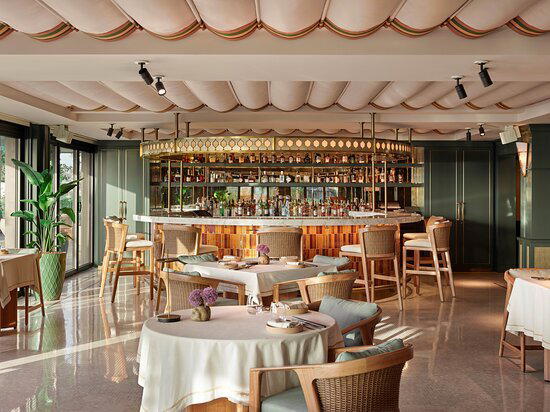
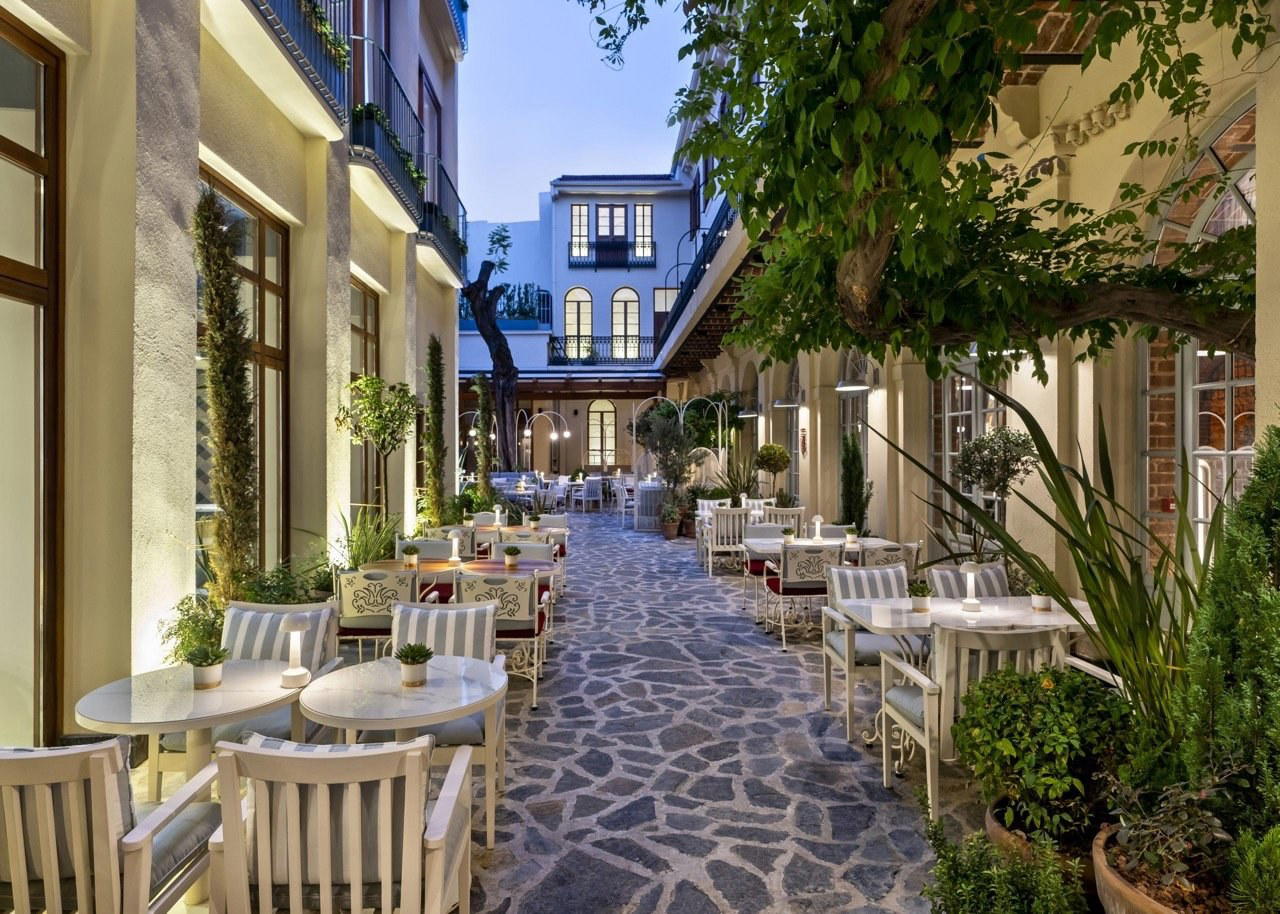
Cozy and intimate with muted lighting, low-key or curated music that doesn't overpower conversations, and a relaxed unpretentious atmosphere.