Mugunghwa
Mugunghwa on Telegraph Avenue brings Korean culinary tradition to one of Oakland's most culturally layered corridors. Named after the rose of Sharon, South Korea's national flower, the restaurant positions itself within a Bay Area dining scene that has grown increasingly serious about regional Korean cooking. For visitors exploring Oakland's independent restaurant circuit, it represents a considered stop on a stretch that rewards slower, more deliberate eating.
Pearl is the En Primeur Club membership app — saves, bookings, and concierge access live there. Same editors, same standards.
- Address
- 4315 Telegraph Ave, Oakland, CA 94609
- Phone
- (510) 876-9988
- Website
- mugunghwaoakland.com
- Directions
- Get directions
 Saves & bookings on Pearl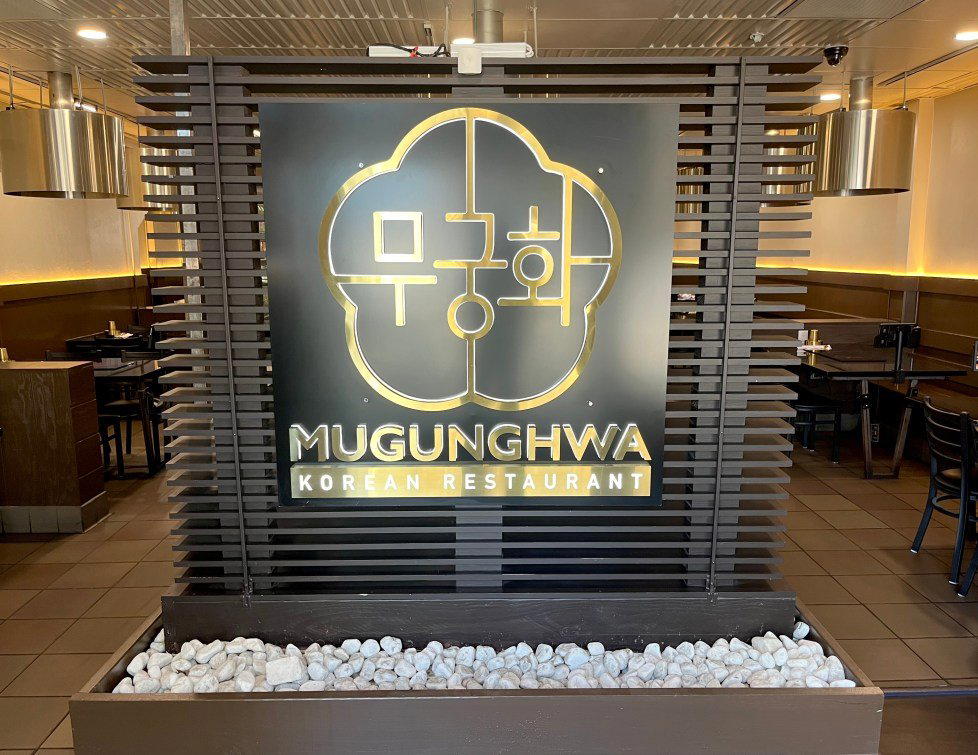
Telegraph Avenue and the Korean Table
Telegraph Avenue between 40th and 51st streets has long operated as one of Oakland's more honest dining corridors: less curated than Temescal's restaurant row to the north, less scenographic than Uptown, and more likely to reward a slow walk than a reservation app. Mugunghwa is an Authentic Korean restaurant at 4315 Telegraph Ave, Oakland, CA 94609. It is the kind of stretch where a Korean restaurant named after a national flower can exist quietly, drawing a regular clientele without the noise of a PR campaign. Mugunghwa sits at 4315 Telegraph Ave, inside this rhythm, and its name alone signals something worth paying attention to. The mugunghwa, or rose of Sharon, is South Korea's national flower, chosen partly for its resilience and capacity to bloom repeatedly through difficult seasons. That the name lands on a restaurant in a working neighborhood of Oakland rather than in a high-gloss dining district says something about where the Bay Area's more considered Korean cooking tends to happen.
Korean Cuisine in the Bay Area: Where Oakland Fits
Korean food in the United States has followed a path familiar to several Asian culinary traditions: an early period dominated by immigrant staples aimed at community sustenance, a middle phase of suburbanized versions adapted for non-Korean diners, and a current moment characterized by a sharper interest in regional specificity and technique. In the Bay Area, that third phase is visible across multiple cities. San Francisco has seen Korean-inflected fine dining reach nationally recognized levels, with restaurants like Atomix in New York City representing a broader shift in how Korean food is received at the premium end of the American market. Oakland's contribution to this shift is less formal and more interesting for it: the city's Korean restaurants tend toward directness, prioritizing the food over the framework.
The comparison venues in Oakland's broader independent dining scene reflect this tendency. Cenaduria Elvira, a few miles away, operates in a similar register for Mexican home cooking, placing technique and tradition over presentation. alaMar Dominican Kitchen brings a comparable seriousness to Caribbean tradition. Agave Uptown does the same for Mexican spirits and street food. What connects these places is a preference for depth over polish, and Mugunghwa, in name and location, reads as part of that same current.
What Korean Culinary Tradition Brings to the Table
Korean cuisine draws from a fermentation culture that predates most European preservation traditions by centuries. Kimchi, doenjang, ganjang, and gochujang are not condiments in the peripheral sense but structural elements around which meals are organized. The seasonal logic embedded in Korean cooking is also more explicit than in many other traditions: spring brings japchae variations and fresh greens, summer calls for cold broths and light banchan, autumn tips toward heavier stews and fermentation preparation, and winter is the domain of long-simmered soups and preserved vegetables. A restaurant taking its name from a flower that blooms persistently across seasons is not making an idle metaphor.
Within the Korean dining category, there is a meaningful distinction between the galbi and bulgogi format familiar to most American diners and the broader table of Korean home cooking, which includes braised dishes, jjigae (stews), rice porridges, and the kind of banchan rotation that changes with what is available and what has fermented to the right point. The more interesting Korean restaurants in American cities tend to hold closer to that second register, and the name Mugunghwa suggests an orientation toward the traditional rather than the performative.
For readers accustomed to the formal Korean-American fine dining model visible at venues like Atomix, or the tasting menu format that has shaped American premium dining at places like The French Laundry in Napa, Lazy Bear in San Francisco, or Alinea in Chicago, Mugunghwa occupies a different position. It is not competing in that tier. It is operating in the neighborhood register where Korean food is most itself: uncalibrated for outside approval, organized around what the cooking requires rather than what a room's aesthetic demands.
The Telegraph Ave Context: Neighboring Restaurants
The stretch of Telegraph where Mugunghwa sits is surrounded by a mix of long-running independents and newer arrivals that collectively define the corridor's character. Alem's Coffee brings East African coffee culture to the same sidewalk. 8th St Cafe represents the Hong Kong-style tea house tradition. 3 Bottled Fish draws from Chinese seafood cooking. This is a corridor where culinary traditions are not presented as exotic but as operational, serving communities for whom the food is ordinary in the leading sense. Mugunghwa fits this pattern, which is a reasonable indicator of its orientation.
Visitors comparing notes on Oakland's dining scene against higher-profile American restaurant destinations, whether Le Bernardin in New York City, Providence in Los Angeles, Addison in San Diego, or Blue Hill at Stone Barns in Tarrytown, will find Oakland's independent scene operating by different logic entirely. The city's restaurants at this level are not chasing formal recognition. They are feeding neighborhoods, which is a harder and more durable thing to do well.
Planning Your Visit
Mugunghwa is located at 4315 Telegraph Ave, Oakland, CA 94609, accessible via the 51B bus line along Telegraph or a short drive from the 51st Street BART shuttle connection. Restaurants in this category and at this address tend to operate without online reservation infrastructure, so a phone call or walk-in approach is the practical default.
Readers planning a broader Oakland eating trip can cross-reference with stops like alaMar Dominican Kitchen for Caribbean cooking, Agave Uptown for Mexican, or use the full Oakland restaurants guide to map a day around the city's independent dining circuits. For those with a wider Bay Area itinerary, Single Thread Farm in Healdsburg and 8½ Otto e Mezzo Bombana in Hong Kong represent the formal premium tier against which Oakland's neighborhood restaurants make an interesting contrast. And for American fine dining context, Emeril's in New Orleans and The Inn at Little Washington serve as useful reference points for how differently American restaurant culture can express itself at scale.
City Peers
Comparable venues nearby, for context on price, style, and recognition.
| Venue | Cuisine | Price | Notes |
|---|---|---|---|
| MugunghwaThis venue — the venue you are viewing | Authentic Korean | $$ | Not listed |
| Pyeong Chang Tofu House | Traditional Korean Tofu Soup | $$ | Temescal |
| Casserole House | Korean Jeongol Hot Pots | $$ | Temescal |
| Koryo Ja Jang | Korean-Chinese Noodles | $$ | Temescal |
| Joodooboo | California Korean Tofu & Banchan | $$ | Longfellow |
| Oriental B.B.Q. Chicken Town | Korean Fried Chicken & BBQ | $$ | Bushrod Park |
Continue exploring
More in Oakland
Restaurants in Oakland
Browse all →
Bars in Oakland
Browse all →
Hotels in Oakland
Browse all →

At a Glance
- Modern
- Cozy
- Group Dining
- Family
- Casual Hangout
Current opening hours
- Monday
- 11 AM–2:30 PM, 5–9:30 PM
- Tuesday
- 11 AM–2:30 PM, 5–9:30 PM
- Wednesday
- 11 AM–2:30 PM, 5–9:30 PM
- Thursday
- 11 AM–2:30 PM, 5–9:30 PM
- Friday
- 11 AM–2:30 PM, 5–10 PM
- Saturday
- 11 AM–10 PM
- Sunday
- 11 AM–9:30 PM
Hours can change for holidays and private events. Last verified .
Calm, modern ambiance well-suited for groups, families, and casual meetups.