Mughlai Indian Cuisine
On the corner of 3rd Avenue in Murray Hill, Mughlai Indian Cuisine draws from one of the subcontinent's most architecturally complex cooking traditions. The Mughal court cuisine that gives the restaurant its name is a centuries-old synthesis of Persian, Central Asian, and North Indian techniques. For New York diners seeking that register of slow-cooked, spice-layered cooking, this address has been a consistent reference point.
Pearl is the En Primeur Club membership app — saves, bookings, and concierge access live there. Same editors, same standards.
- Address
- 329 3rd Ave, New York, NY 10010
- Phone
- +12128890909
- Website
- mughlaiindiantogo.com
- Directions
- Get directions
 Saves & bookings on Pearl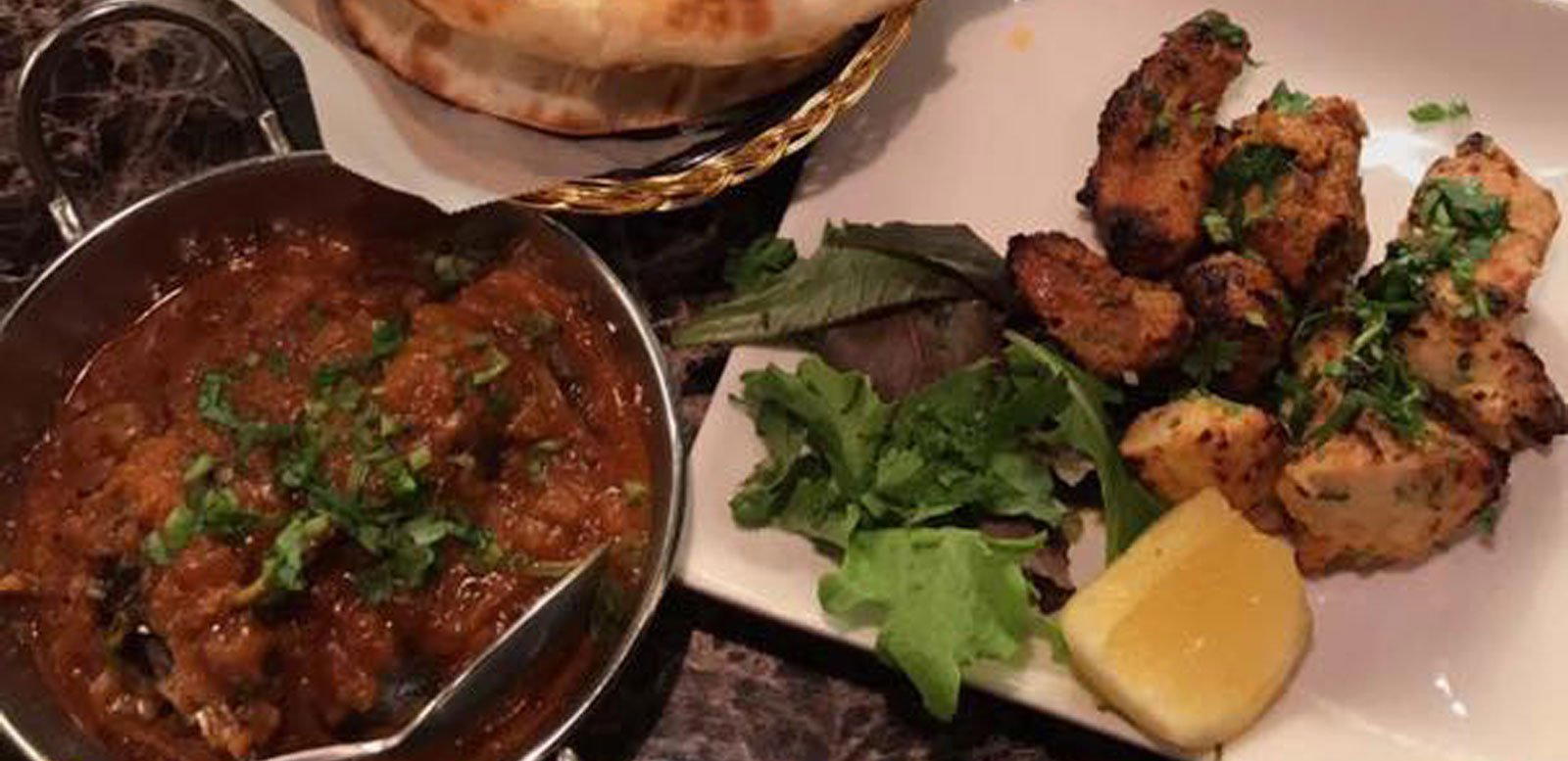
The Mughal Table in New York: What the Tradition Actually Means
Mughal cuisine is among the more misrepresented culinary traditions in the Western restaurant market. Popularized under the catch-all label of "Indian food," it carries the weight of a court cooking lineage that developed across the 16th to 19th centuries under emperors from Babur to Bahadur Shah Zafar. The kitchen techniques that defined that era, long marination in yogurt and spice pastes, dum slow-cooking in sealed vessels, the integration of dried fruits and saffron into meat preparations, are not common to all Indian regional cooking. They belong to a specific northern corridor running through Lucknow, Delhi, and Agra, and they are expensive and time-intensive to execute correctly. That specificity is what separates a genuinely Mughlai-oriented kitchen from a generalist subcontinental menu dressed in the same terminology.
Mughlai Indian Cuisine is a casual restaurant at 329 3rd Avenue in Manhattan's Murray Hill neighborhood, serving authentic Mughlai Indian food at about $25 per person. It operates in this tradition. Murray Hill has functioned for decades as one of New York City's primary corridors for South Asian restaurants, and within that corridor, the Mughlai register has had consistent representation. The neighborhood's dining character leans toward mid-price, high-familiarity Indian cooking, which makes the more technically demanding Mughlai preparations worth examining more carefully when a kitchen commits to them.
What Mughal Court Cooking Actually Requires
The Persian influence on Mughal court cooking entered through the Timurid dynasty and hardened into culinary practice under Humayun and Akbar. What resulted was a hybrid tradition: the aromatic spice philosophy of northern India combined with Persian preferences for slow reduction, nut-thickened sauces, and meat cooked until it yielded completely to pressure. The korma, in its original Mughal form, is not a mild curry for cautious palates. It is a technically demanding preparation in which meat is braised in its own fat and yogurt over low heat, with the sauce built from fried onion paste, ground spices, and often cashew or almond to thicken and enrich without flour.
Similarly, the biryani format that emerged from Mughal kitchens relies on dum pukht, a method in which partially cooked rice and spiced meat are layered in a sealed pot and finished over low heat, allowing steam to cook both components simultaneously. The result, when executed properly, is a rice dish where individual grains carry distinct moisture levels at different layers, and the meat has absorbed aromatics over an extended cooking time. This is not the same preparation as a mixed rice dish assembled after separate cooking, and the difference is apparent in both texture and flavor depth.
These techniques demand kitchen time that fast-casual economics rarely support. The restaurants in New York that execute them at a serious level tend to do so either at the upper end of the price range, where the labor cost is absorbed into a longer tasting structure, or in dedicated kitchens where the Mughlai menu is the specific focus rather than a category within a broader menu. The latter describes the positioning that a restaurant bearing the Mughal name in its title is making.
Murray Hill as a Reference Point for South Asian Dining
The stretch of Lexington Avenue and its surrounding blocks between 27th and 34th Streets earned the informal designation "Curry Hill" through decades of South Asian restaurant and grocery concentration. The geography makes sense: proximity to Midtown employment, a large South Asian residential and professional population in the surrounding zip codes, and lower commercial rents than neighborhoods to the north or west. For New York diners, this corridor functions as a baseline for subcontinental cooking, the area you visit when you want dal, biryani, or a thali in an unpretentious setting without the premium attached to a more designed dining room.
Third Avenue, where Mughlai Indian Cuisine is located, runs parallel to that core corridor and shares much of its character. The dining comparison set for this address is not Le Bernardin or Masa or the tasting-menu formats you find at Atomix and Jungsik New York. It sits in a different tier entirely from Per Se, and that distinction matters when evaluating what the experience offers. This is neighborhood-register dining where the question is not whether the service or room competes with Alinea or The French Laundry, but whether the kitchen executes the specific tradition it has named itself after with consistency and authenticity.
That is a meaningful question. In a city where Indian restaurants often operate on a broad subcontinental menu model, a kitchen that identifies as Mughlai is making a narrower claim. It is positioning itself within a specific lineage rather than offering a survey of the subcontinent's regional diversity. For diners who understand what that lineage involves, the Mughlai name is a useful signal about what to order and how to assess the kitchen's priorities.
The Broader Context: Indian Fine Dining in New York
Indian cuisine in New York has not attracted the same sustained critical attention as the French, Japanese, or Korean traditions. While Korean cooking has moved decisively into the fine-dining conversation, as the recognition received by restaurants like Atomix demonstrates, Indian cuisine at its most technically complex has remained underrepresented in the award circuits. This is not a reflection of the cuisine's depth. Mughal court cooking, Chettinad technique, Keralan seafood preparation, and the vegetarian traditions of Gujarat and Tamil Nadu are all as technically sophisticated as any European or East Asian culinary tradition. The recognition gap reflects a different set of factors, including price expectations, the economics of spice-intensive cooking, and the demographics of the critical establishment.
That context is worth holding when visiting any serious Indian kitchen in New York, whether a neighborhood reference point on 3rd Avenue or a more ambitious operation aiming for a wider audience. For those curious about how American fine dining handles cultural specificity in other cities, the approaches taken at Blue Hill at Stone Barns, Providence, Bacchanalia, Addison, and The Inn at Little Washington offer instructive comparisons in how tradition and technique get framed within a specific dining room ambition. Further afield, Emeril's in New Orleans, Lazy Bear in San Francisco, Single Thread Farm, 8 1/2 Otto e Mezzo Bombana, and Alain Ducasse at Louis XV illustrate how different culinary traditions anchor a restaurant's identity at varying scales and price points.
Know Before You Go
- Address: 329 3rd Ave, New York, NY 10010
- Neighborhood: Murray Hill, Manhattan
- Cuisine focus: Mughal court cooking tradition (North Indian, Persian-influenced)
- Price tier: $$
- Booking: Reservations are recommended
- Hours: Mon to Thu 11 AM to 2:45 PM and 5 PM to 9:45 PM; Fri 11 AM to 2:45 PM and 5 PM to 10:15 PM; Sat 11 AM to 10:15 PM; Sun 11 AM to 9:45 PM
Pricing, Compared
Comparable venues nearby, for context on price, style, and recognition.
| Venue | Cuisine | Price | Notes |
|---|---|---|---|
| Mughlai Indian CuisineThis venue — the venue you are viewing | Gramercy, Authentic Mughlai Indian | $$ | Not listed |
| Spice Symphony | Not listed | $$ | East Midtown-Turtle Bay, Indian and Indo-Chinese Fusion |
| Saravanaas | Not listed | $$ | Gramercy, Authentic South Indian Vegetarian |
| Spice Symphony Times Square | Not listed | $$ | Hell's Kitchen, Authentic Indian with Indo-Chinese Fusion |
| Bukhara Grill: Indian Spice Rave & Catering NYC | Not listed | $$ | Murray Hill-Kips Bay, North Indian Tandoor & Curry House |
| JACKSON DINER | Jackson Heights, Authentic North Indian | $$ | Not listed |
Continue exploring
More in New York City
Restaurants in New York City
Browse all →
Bars in New York City
Browse all →

Hotels in New York City
Browse all →







At a Glance
- Cozy
- Family
- Casual Hangout
- Group Dining
Current opening hours
- Monday
- 11 AM–2:45 PM, 5–9:45 PM
- Tuesday
- 11 AM–2:45 PM, 5–9:45 PM
- Wednesday
- 11 AM–2:45 PM, 5–9:45 PM
- Thursday
- 11 AM–2:45 PM, 5–9:45 PM
- Friday
- 11 AM–2:45 PM, 5–10:15 PM
- Saturday
- 11 AM–10:15 PM
- Sunday
- 11 AM–9:45 PM
Hours can change for holidays and private events. Last verified .
Warm and convivial atmosphere with attentive service, ideal for casual family dining.