
Tabelog 100 #64
Our verdict
A 10-seat counter in Nada gives Kobe’s ramen circuit a low-cost, high-discipline address: ramen and tsukemen priced at JPY 1,000–1,999, with recognition in Tabelog Ramen WEST “Tabelog 100” for 2023, 2024, and 2025. Ipposhi is built for solo dining and small groups rather than lingering, and its value lies in award-listed ramen without premium-restaurant ceremony.

Pearl is the En Primeur Club membership app, where members save venues, book tables and use the concierge.
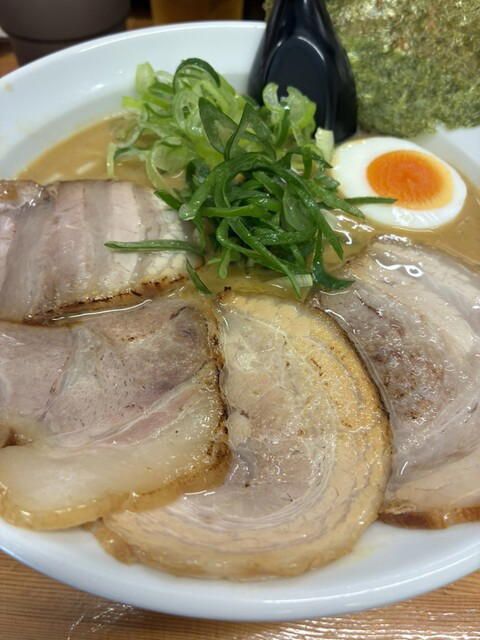
Kobe’s ramen addresses do not need to announce themselves with hotel-lobby polish. The format is usually tighter: a lunch-friendly rhythm, focused menus, and the quiet pressure of a shop turning over bowl by bowl. In Kobe, where beef houses and harbour-view dining often dominate visitor planning, this is the other register of eating well: modest spend, narrow format, and a shop judged by repeatability rather than theatre.
Ipposhi belongs to that register. Its category is ramen and tsukemen, and its listed price band sits at JPY 1,000–1,999 for both lunch and dinner. That matters because Kobe’s dining reputation can skew expensive fast, especially for visitors arriving with steak, teppanyaki, or tasting-menu expectations. Here, the value proposition is not cheapness for its own sake; it is access to a specialist ramen stop with enough critical traction to appear in the 2025 Tabelog Hyakumeiten selection, alongside a listed Tabelog score of 3.66.
Ramen in a Kobe setting beyond the usual visitor shorthand
Kobe has dining pockets that sit away from the visitor shorthand, and that makes the ramen context more useful than the postcard context. Ramen in Japan rewards precision at small scale: stock management, noodle texture, pacing, and a format designed for eating rather than lingering. A focused ramen operation puts pressure on consistency, because the meal is direct and the margin for distraction is small. The experience is closer to a specialist stop than a broad dining room, and that focus is part of the appeal.
The comparison inside Kobe is instructive. Menya Isshin and Tsukemen Shigeta sit in a lower listed price band, while BARMOS occupies the same JPY 1,000–1,999 bracket. Moriguchi and Ngam Ngam Hou move into higher local spend territory. Against that spread, Ipposhi is not competing with Kobe’s formal restaurants; it is competing with other efficient, specialist meals where a small increase in spend needs to show up in execution and recognition.
The Tabelog Hyakumeiten selection is the strongest public signal here. Tabelog’s Hyakumeiten lists are not Michelin stars, and they should not be read that way, but they do matter in Japan because they filter dense categories through sustained user attention and editorial classification. In ramen, where many shops can be technically competent, inclusion helps separate a specialist venue from casual neighbourhood convenience.
The value equation: award-listed ramen without premium-restaurant friction
Economic logic is direct. JPY 1,000–1,999 buys a meal in a category where technique is usually embedded in the bowl rather than itemised through courses, pairing supplements, or service choreography. For travellers, that makes ramen one of Japan’s stronger value categories: a focused kitchen, fast turnover, and a price ceiling that leaves room in the day for coffee, bars, or a more formal dinner.
There is also less risk of over-planning. The decision is less about building an entire evening around the booking and more about choosing the right moment for a focused bowl. The format suits diners who want a compact meal without surrendering the day to a long restaurant appointment, and the listed budget keeps expectations clear before arrival.
What should a visitor read into the absence of premium-restaurant theatre? In Japan’s ramen culture, not much beyond focus. Private-room ambience, elaborate service choreography, and a long wine-list mentality are not the core promise. The useful questions are narrower: Is the shop recognised within its category? Is the spend proportionate? Is the format disciplined? On those points, the answer is clear enough to justify a detour within Kobe rather than a special trip across Kansai.
The category split between ramen and tsukemen also gives the meal a useful range without turning the menu into a generalist operation. Ramen usually frames broth and noodles as an integrated bowl; tsukemen separates noodles from dipping broth, often making texture more explicit. For a traveller trying to understand Japan’s noodle culture beyond the single catch-all word “ramen,” that distinction is worth noticing.
How to fit it into a Kobe food day
Ipposhi works better as a compact ramen anchor than as a centrepiece evening plan. It belongs in the part of the itinerary where you want a serious noodle stop without turning the day into a formal restaurant sequence. Within Kobe, it can sit before coffee, bar planning, or a later move into other dining elsewhere in the city.
For Kobe dining in a broader sense, the contrast is useful. Travellers chasing beef can compare the city’s premium grill language through other Kobe dining rooms. A different daytime rhythm appears across the city’s cafes, while other casual kitchens show how varied the city’s eating map becomes once the lens moves beyond steak.
Readers building a fuller itinerary can use Our full Kobe restaurants guide for dining, then branch into Our full Kobe hotels guide, Our full Kobe bars guide, Our full Kobe wineries guide, and Our full Kobe experiences guide. For wider Japan planning, unnamed dining in other cities can provide useful contrasts in how ramen, casual counters, grilled dishes, cafes, and specialist formats shift by region. Outside Japan, Japanese-inspired dining abroad can also help frame how familiar formats travel and change.
The editorial read is simple: choose this venue when the day calls for a serious ramen stop rather than a long restaurant appointment. The spend is contained, the format is focused, and the recognition is category-specific. In a city where visitors can spend heavily with ease, that combination has its own authority.
Frequently asked questions
What are the operating hours at Ipposhi?
Current operating hours for Ipposhi are not specified here; check directly with the restaurant before visiting.
What's the price range at Ipposhi?
Pricing at Ipposhi is listed as JPY 1,000 - JPY 1,999 JPY 1,000 - JPY 1,999.
How do I find Ipposhi?
Ipposhi is located in Kobe.
What do public listings highlight about Ipposhi?
Public listings point to Ipposhi’s 2025 Tabelog Hyakumeiten recognition, its ramen and tsukemen category, and its listed Tabelog score of 3.66. The value case is clear too, with the lunch and dinner budget listed at JPY 1,000–1,999.
Reputation First
Comparable venues by cuisine and price in the same metro.
| Venue | Cuisine | Price | Awards | Notes |
|---|---|---|---|---|
| IpposhiThis venue (the venue you are viewing) | Tori paitan ramen shop | $10–20 | Tabelog 100 #64 | Not listed |
| SAVOY | Japanese Curry | $1–10 | Tabelog 100 #58 | Chūō |
| Yoshoku no Fuji | Yoshoku (Japanese-style Western cuisine) | $10–20 | Tabelog 100 #40 | Chūō |
| Gyoza no Mise Hyotan Sannomiya ten | Kobe-style gyoza specialty shop | $10–20 | Tabelog 100 #70 | Chūō |
| Gyoza Senmon Ten Akaman Sannomiya ten | Gyoza specialty shop | $10–20 | Tabelog 100 #52 | Chūō |
| Kanmidokoro Akachaya | Japanese sweets & kakigori cafe | $10–20 | Tabelog 100 #2 | Nada |
Recognition history
Dated appearances from independent guides and award organizations, with the underlying list record or original source where available.
Tabelog 100 #64 · No. 64
Tabelog · Tabelog 100 - Ramen - WEST - 2025
Continue exploring
More in Kobe
Restaurants in Kobe
All restaurants in Kobe →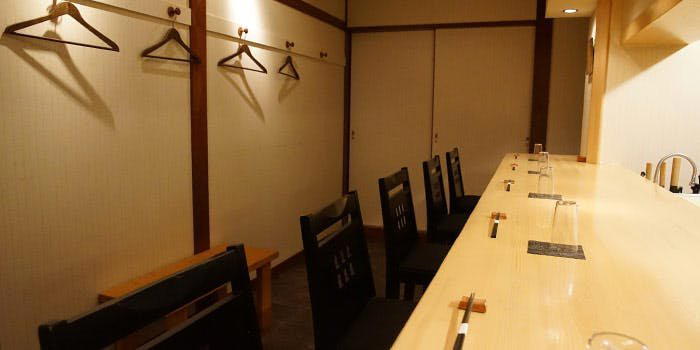

Bars in Kobe
Browse all →






Details
- Cozy
- Intimate
- Solo
- Casual Hangout
- Late Night
- Chefs Counter
- Standalone
- Counter Dining
- A La Carte
Current opening hours
- Monday
- Closed
- Tuesday
- 11:30 AM–4 PM
- Wednesday
- 11:30 AM–4 PM
- Thursday
- 11:30 AM–4 PM
- Friday
- 11:30 AM–4 PM
- Saturday
- 11:30 AM–4 PM
- Sunday
- 11:30 AM–4 PM
Hours can change for holidays and private events. Hours as of .
A small, counter-only neighborhood ramen-ya with a casual, lively atmosphere and an intimate feel, focused entirely on the steaming bowls being prepared just behind the counter.