
Tabelog 100 #28
Our verdict
Menya Isshin is a compact Kobe ramen shop in Nada Ward with Tabelog Ramen WEST 100 selections in 2023, 2024, and 2025. Its appeal sits in the everyday ramen tier rather than the luxury dining circuit: counter-led, low-priced, no-reservation dining with enough recognition to matter to serious ramen travelers.

Pearl is the En Primeur Club membership app, where members save venues, book tables and use the concierge.
The menu
What to order
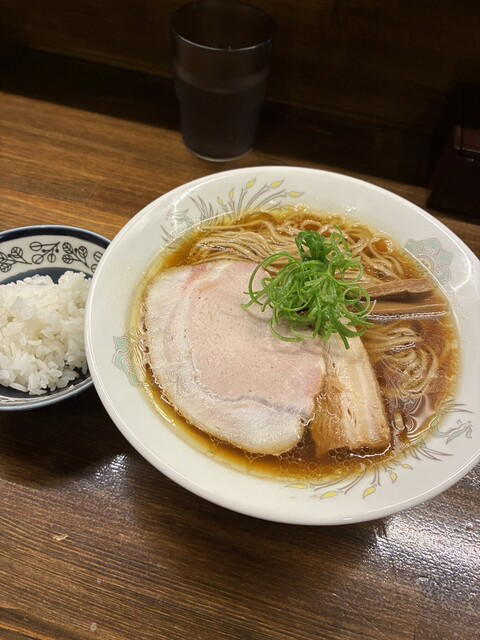
- Refreshing shoyu ramen with chicken
- Chilled ramen with smoked salmon
Approaching a small ramen shop in Kobe is a different form of anticipation from arriving at a tasting-menu counter. The cues are modest: a quick turnover rhythm, an informal room, and the expectation that the bowl, not the room, carries the argument. In a city better known internationally for beef and harbor views, ramen belongs to the working, everyday side of Kobe dining, where repeatability matters and a seat can feel as contested as a reservation elsewhere.
Menya Isshin sits squarely in that culture. Its Tabelog Hyakumeiten recognition in 2025 places it in a recognized ramen bracket, not as a luxury outlier but as a shop judged against a dense field of noodle specialists. That distinction matters. Ramen awards tend to reward consistency, local pull, and bowl-level craft rather than service choreography. For travelers, the signal is clear: this is a ramen stop to consider if the Kobe itinerary already includes the city’s higher-ticket restaurants and beef counters.
Kobe ramen as a neighborhood meal, not a ceremony
Ramen in Japan is often misunderstood by visitors as a single category. In practice, it behaves more like a regional language: broth weight, noodle texture, tare balance, and shop format all shift by city and by shop. Kobe’s version of the scene is not as internationally mythologized as larger ramen capitals, which makes its stronger shops feel more embedded in daily life. The format at Menya Isshin reinforces that point. It is not a stage in the omakase sense; it is a direct, focused way to eat.
The shop’s recognition also helps distinguish it from ramen chosen only by proximity. Tabelog’s Hyakumeiten lists are not Michelin substitutes, but for casual Japanese dining they function as a useful filter, especially in categories where excellence is local, affordable, and tightly formatted. Menya Isshin’s Tabelog score of 3.68 and 2025 Hyakumeiten recognition put it above the level of a convenience stop while keeping it in the price and format band that defines ramen’s democratic appeal.
That tension is the pleasure of this kind of meal in Kobe. A visitor can spend heavily at the city’s beef specialists or other higher-ticket dining rooms, then reset the next day with a ramen stop that asks for less time, less money, and more attention to the bowl. Kobe dining is stronger when read that way: beef, coffee rooms, neighborhood restaurants, and ramen all occupy different social roles rather than competing for the same occasion.
The case for a recognized, low-cost bowl
Among Kobe comparison points, Menya Isshin shares an accessible casual-dining conversation with Tsukemen Shigeta, while Ipposhi and BARMOS offer other ways to read the city’s lower-pressure restaurant map. Those differences matter less as luxury comparisons than as format comparisons. A compact ramen shop at this level has to justify attention through clarity and consistency, because there is little room for hospitality theater to compensate.
The appeal aligns with the genre. Ramen counters and small shops often operate on timing, appetite, and turnover rather than long advance planning. That makes them useful in a travel schedule, but not frictionless: a focused ramen stop can still become a wait at peak meal times. The smarter approach is to treat the meal as a purposeful detour rather than a backup plan after a full day of sightseeing.
The price point also belongs to ramen’s practical grammar. Menya Isshin is listed at - JPY 999 - JPY 999, with both lunch and dinner budgets in that same low-cost bracket. That keeps the cultural center of gravity on the bowl itself. The format is accessible in spirit, though any small casual shop still rewards parties that can move with the pace of the room.
For a broader Kobe eating day, the contrast is useful. Other Kobe dining rooms point toward the city’s coffee culture, neighborhood restaurants, and varied casual restaurant map. Menya Isshin belongs in that same practical reading of Kobe, where smaller restaurants tell a more useful story than a single formal dinner can.
How to place it in a Kobe itinerary
The strongest reason to include Menya Isshin is not novelty; it is category fluency. A serious Kobe itinerary should not be built only around premium beef and hotel dining. Ramen offers a lower-cost, high-frequency view of how Japanese cities actually eat, and a 2025 Tabelog Hyakumeiten recognition gives this shop a credible marker within that field. It is a better fit for solo diners, small groups, and travelers who understand that a short meal can carry as much local information as a long one.
The wider itinerary can then widen by mood. Use the full Kobe restaurants guide for the city’s dining range, the full Kobe hotels guide for where to stay, the full Kobe bars guide for evening drinking, the full Kobe wineries guide for regional wine context, and the full Kobe experiences guide for non-restaurant planning. For readers comparing casual Japanese formats beyond Kobe, the same lens applies generically: affordable specialty shops, quick counters, and focused everyday restaurants can be as revealing as formal destinations.
Verdict is practical and cultural at once: this is a recognized Kobe ramen shop in an affordable format, useful for understanding the city below its luxury surface. It should be treated as a precise meal stop, not a lingering occasion, and that is exactly why it belongs in a well-built Kobe dining plan.
Frequently asked questions
Is Menya Isshin child-friendly?
Menya Isshin is a ramen shop in Kobe, so expect a practical, compact casual-dining feel rather than a spacious full-service setting. Check the venue's official channels for the latest details.
What's the overall feel of Menya Isshin?
It is a ramen shop in Kobe with a practical and informal feel. Its Tabelog Hyakumeiten recognition in 2025 gives it clear status in the ramen scene.
What price level is Menya Isshin?
Pricing at Menya Isshin is listed as - JPY 999 - JPY 999.
What are the opening hours for Menya Isshin?
Opening hours can change, so check Menya Isshin's official channels or current listings before visiting.
Where exactly is Menya Isshin?
Kobe.
What's the defining dish or idea at Menya Isshin?
The defining idea is ramen, presented in a simple neighborhood format rather than a full-service dining room. Menya Isshin was recognized by Tabelog Hyakumeiten in 2025, which is the clearest provided signal of its standing. Its appeal is the combination of low pricing and a focused ramen identity.
Price and Positioning
Comparable options at the same price tier.
| Venue | Cuisine | Price | Awards | Notes |
|---|---|---|---|---|
| Menya IsshinThis venue (the venue you are viewing) | Modern Ramen Shop | $10–20 | Tabelog 100 #28 | Not listed |
| SAVOY | Japanese Curry | $1–10 | Tabelog 100 #58 | Chūō, Japanese Curry |
| Sansho An | Udon and curry udon shop | $10–20 | Tabelog 100 #68 | Hyōgo, Udon and curry udon shop |
| 老虎菜 本店 | Higashinada, japanese | Not listed | Tabelog 100 #65 | Not listed |
| CAFE KESHiPEARL | Chūō, Cheesecake & coffee café | $10–20 | Tabelog 100 #84 | Not listed |
| Grill Ippei Motomachi ten | Traditional Kobe yoshoku grill | $20–30 | Tabelog 100 #83 | Chūō, Traditional Kobe yoshoku grill |
Recognition history
Dated appearances from independent guides and award organizations, with the underlying list record or original source where available.
Tabelog 100 #28 · No. 28
Tabelog · Tabelog 100 - Ramen - WEST - 2025
Continue exploring
More in Kobe
Restaurants in Kobe
All restaurants in Kobe →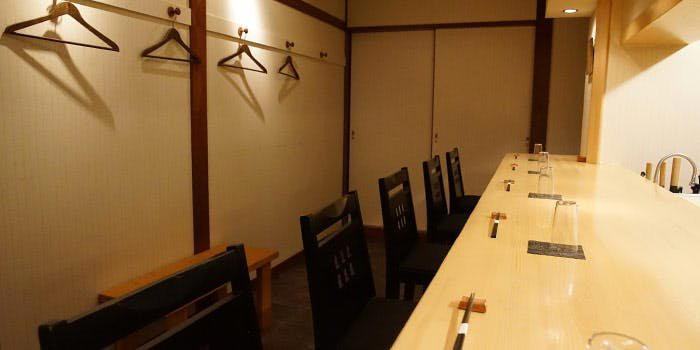

Bars in Kobe
Browse all →




Details
- Cozy
- Casual
- Solo
- Family
- Casual Hangout
- After Work
- Standalone
- A La Carte
- Counter Dining
Current opening hours
- Monday
- 11 AM–2:15 PM, 6–8:45 PM
- Tuesday
- 11 AM–2:15 PM, 6–8:45 PM
- Wednesday
- 11 AM–2:15 PM, 6–8:45 PM
- Thursday
- Closed
- Friday
- 11 AM–2:15 PM, 6–8:45 PM
- Saturday
- 11 AM–2:15 PM, 6–8:45 PM
- Sunday
- 11 AM–2:15 PM, 6–8:45 PM
Hours can change for holidays and private events. Hours as of .
Small, bright, and functional ramen shop with an 11‑seat mix of counter and a single table, non‑smoking and casual, suited to solo diners and families rather than long stays or special‑occasion dining.