
A 10-seat curry and Indian curry counter in Kobe’s Motomachi area, selected for Tabelog Curry WEST “Tabelog 100” in 2023 and 2024. The appeal is not ceremony but compression: a small room, a low-price format, take-out, and a menu category that shows how seriously Kansai treats everyday curry.
Pearl is the En Primeur Club membership app — saves, bookings, and concierge access live there. Same editors, same standards.
- Address
- 兵庫県神戸市中央区元町通3-11-10
- Phone
- +81783935250
- Website
- tabelog.com
 Saves & bookings on Pearl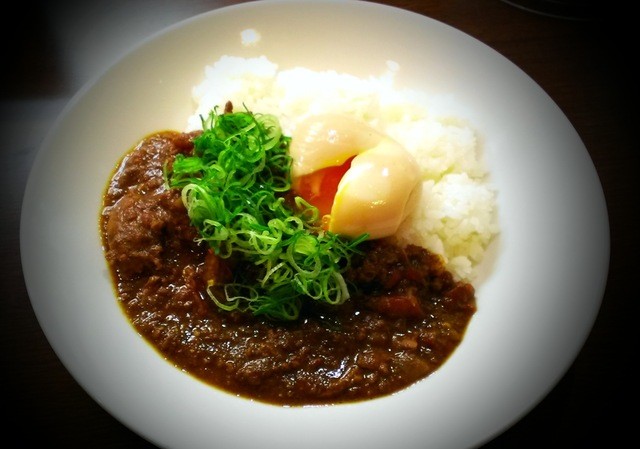
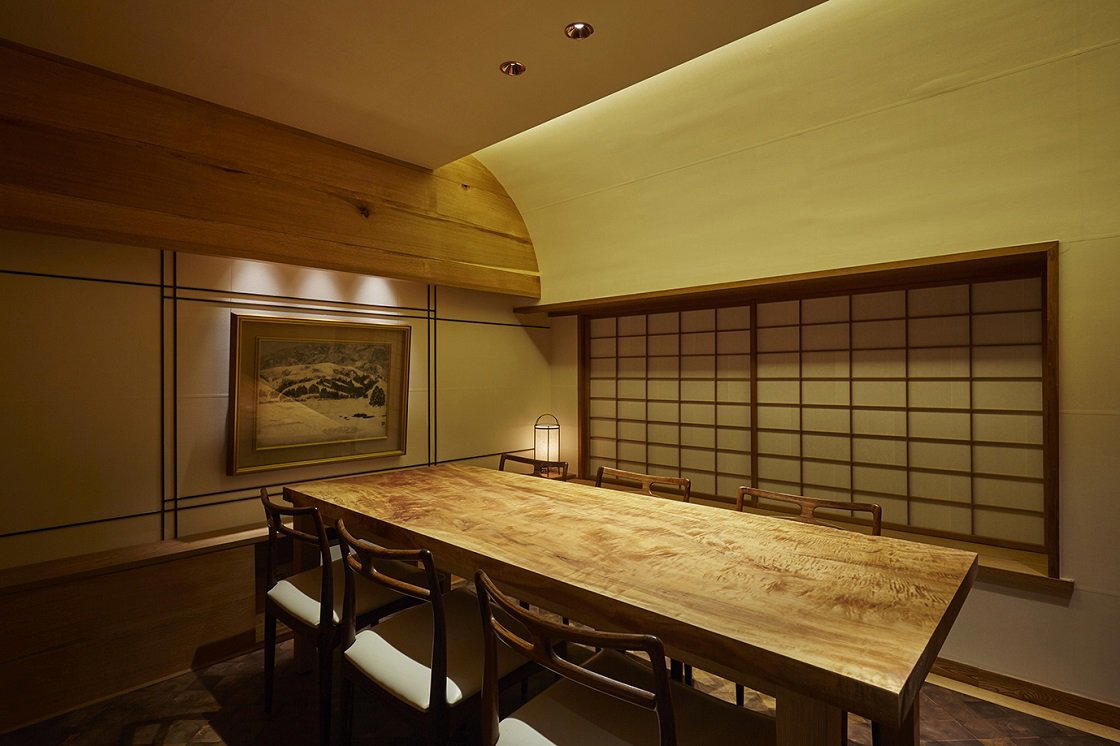
Motomachi’s covered shopping streets and port-side back lanes give Kobe curry a different register from the city’s steak-house image. The room here is compact rather than theatrical, built around counter seating and quick decision-making, the kind of place where the menu’s discipline matters more than décor. In a city better known to visitors for beef and patisserie, Motomachi Dori 3 Chome points to a quieter Kobe habit: serious casual restaurants operating at street-level prices, with recognition earned through consistency rather than spectacle.
Small-format Kobe curry, not tourist-district dining
Kobe’s dining identity often gets flattened into wagyu shorthand, but the city’s everyday restaurants carry the more useful story. Around Motomachi and Minato Motomachi, Chinese, Indian, Western-style yoshoku, coffee shops, and curry counters sit close together, reflecting a port city that has absorbed foreign foodways into local routines for generations. Curry in this context is not a side note. It is a flexible category that can move from Japanese roux comfort to spice-led Indian curry without asking the diner to treat lunch as an occasion.
The Tabelog Curry WEST “Tabelog 100” selections in 2023 and 2024 put this address inside a regional conversation rather than just a neighbourhood one. That matters because curry lists are crowded with tiny specialists, lunch counters, and places that do not trade on long tasting menus. Selection at this tier signals repeatability, public traction, and category credibility across western Japan. The score listed at 3.61 reinforces the same point: this is not a luxury signal, it is a category signal.
The menu architecture is the argument. A restaurant classified around curry and Indian curry has less room to hide behind breadth. The decision set is narrower, so execution, portion rhythm, and value have to carry the experience. That is why a 10-seat format suits the category: six counter seats and a small table allocation make the restaurant function closer to a focused kitchen than a full-service room. For travellers used to reserving weeks ahead for Kobe beef, this is the opposite lesson in Kobe dining, where a serious meal can be small, quick, and sharply priced.
How the menu reads in a city of beef, bistros, and counters
Comparison is useful here because Kobe’s mid-market is unusually varied. Beef-focused rooms such as Aburi Niku Kobo Wakkoku Shinkobe ten and Aburi Niku Kobo Wakkoqu Kitano Sakamoto Ten speak to the city’s premium visitor economy, while places such as Akari occupy a higher-spend local dining bracket. Bistro Taku and QUATTRO, from the comparison set, sit closer to casual European-style dining. A curry counter works differently: lower spend, faster turnover, and a tighter promise. It is a useful corrective to the idea that Kobe’s food value is only found in beef.
That tighter promise also changes how to judge the restaurant. In a tasting-menu room, variety, pacing, and wine service become part of the assessment. In curry, the question is more direct: does the menu give enough focus to justify a special stop, and does the format keep the experience clean and efficient? Here, public signals point toward a narrow, practical operation: take-out is part of the service model, the room is non-smoking, and the seating plan is built for solo diners as much as small groups. Those details describe a restaurant integrated into daily Motomachi life rather than staged for destination dining.
For a fuller sense of the city’s range, pair this address mentally with coffee culture at Akaneya Coffee Ten, halal and South Asian cooking at Ali's Halal Kitchen, and the broader listings in Our full Kobe restaurants guide. Kobe rewards that kind of cross-category reading. The better itinerary is not a single grand dinner, but a sequence: curry, coffee, beef, bar, and neighbourhood walking stitched together by rail stops.
Planning the stop around Motomachi rather than making it the whole plan
The practical appeal is strongest when the restaurant is folded into a Motomachi day rather than treated as a standalone pilgrimage. Minato Motomachi and Hanakuma place the area within easy reach of the port, Chinatown, and the shopping arcades, so the smarter move is to build the meal around that geography. Reservations are unavailable, which pushes the experience toward timing and flexibility rather than advance planning. The Sunday closure also makes weekday and Saturday routing more sensible for visitors with limited meals in Kobe.
Payment is another useful clue to the format: credit cards and electronic money are not accepted, while PayPay is listed. That puts cash planning back into the equation for international travellers, especially in a small, low-price restaurant where card acceptance is not guaranteed. Parking is not provided, though paid lots are nearby, so rail access is the cleaner option. Families are not excluded, children are welcome, and the price band keeps the risk low, but the small room rewards compact parties and diners comfortable with counter-style pacing.
Use the rest of the city to frame the stop. For restaurants beyond this category, continue through Our full Kobe restaurants guide; for where to stay, see Our full Kobe hotels guide; for drinking after dinner, use Our full Kobe bars guide. Broader planning can branch into Our full Kobe wineries guide and Our full Kobe experiences guide. Readers comparing Japanese casual dining across cities might also look at [Curry Senmon Ten] Maruyama Kyoju. in Sapporo.cafe in Osaka.know in Kumamoto, (Shoku) Vietnam in Kawasaki. 鮪と炭火焼き うお炭 秋葉原店 in Tokyo, and -Grilled beef Sukiyaki- KAMAKURA TANUKIAN 鎌倉 たぬき庵 in Kamakura. For overseas counterpoint, Jōdo Saké Bar in Los Angeles and Onigiri Time in Pasadena show how Japanese casual formats travel, but Kobe’s version is more compressed and local in its rhythms.
Comparable Spots
Comparable options at the same price tier.
| Venue | Cuisine | Price | Notes |
|---|---|---|---|
| Motomachi Dori 3 ChomeThis venue — the venue you are viewing | Keema curry & Indian-style curry house | $ | Not listed |
| Ali's Halal Kitchen | Halal Pakistani & Indian Curry House | $$ | Chūō |
| arima gelateria Stagione | Handmade Gelato & Café | $ | Kita |
| Le Shmiki | Cafe & cake shop | $ | Chūō |
| SAVOY | Japanese Curry | $ | Chūō |
| Saba no Ue ni mo San Nen | Japanese | $ | Chūō |
Recognition history
Dated appearances from independent guides and award organizations, with the underlying list record or original source where available.
Tabelog 100 #79 · No. 79
Tabelog · Tabelog 100 - Curry - WEST - 2024







At a Glance
- Cozy
- Intimate
- Solo
- Family
- Casual Hangout
- After Work
- Standalone
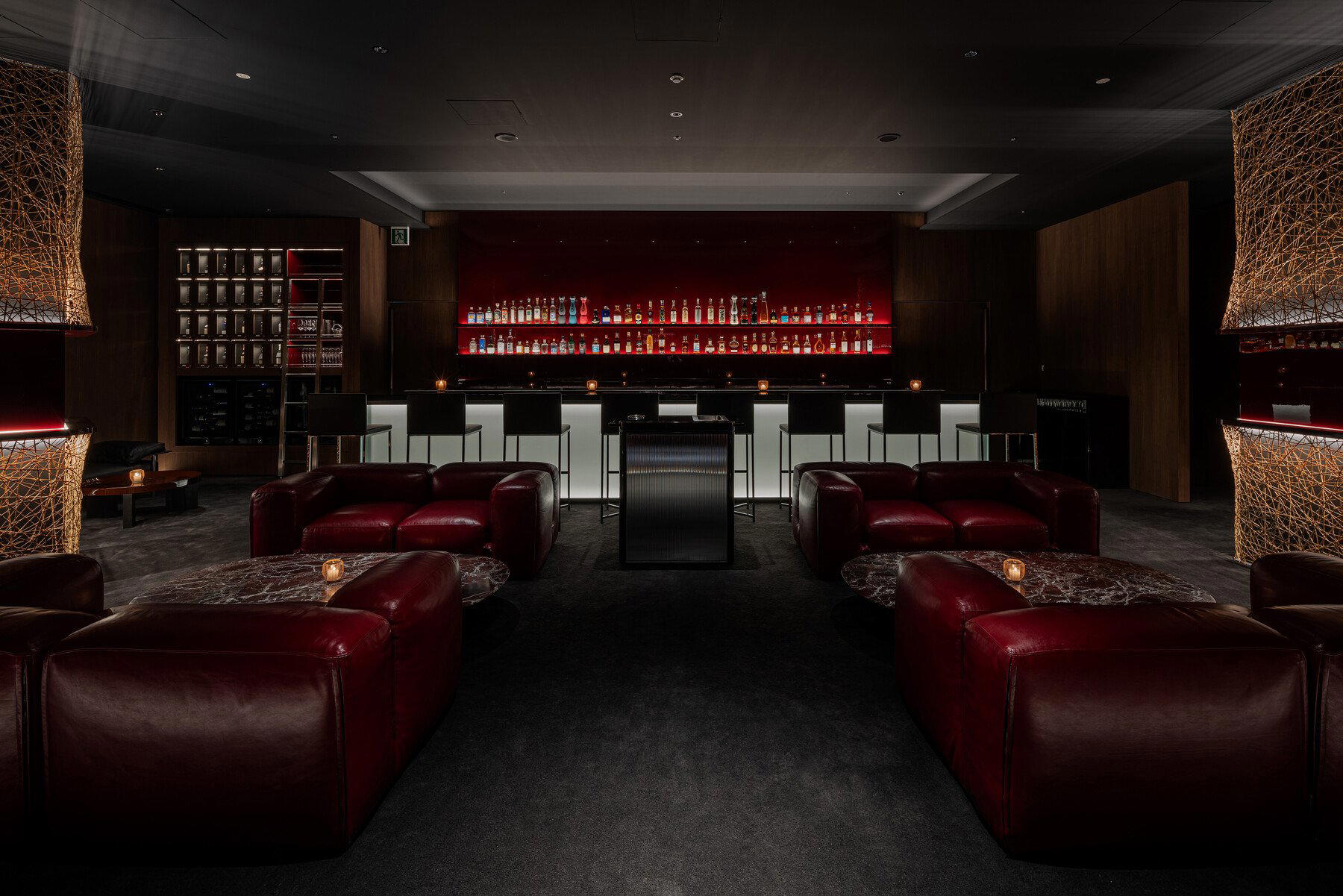
Compact 10‑seat curry shop with counter and a small table, non‑smoking and casual, known for warm, attentive service from the owner and a relaxed, cozy atmosphere suited to solo diners and small groups.