Our verdict
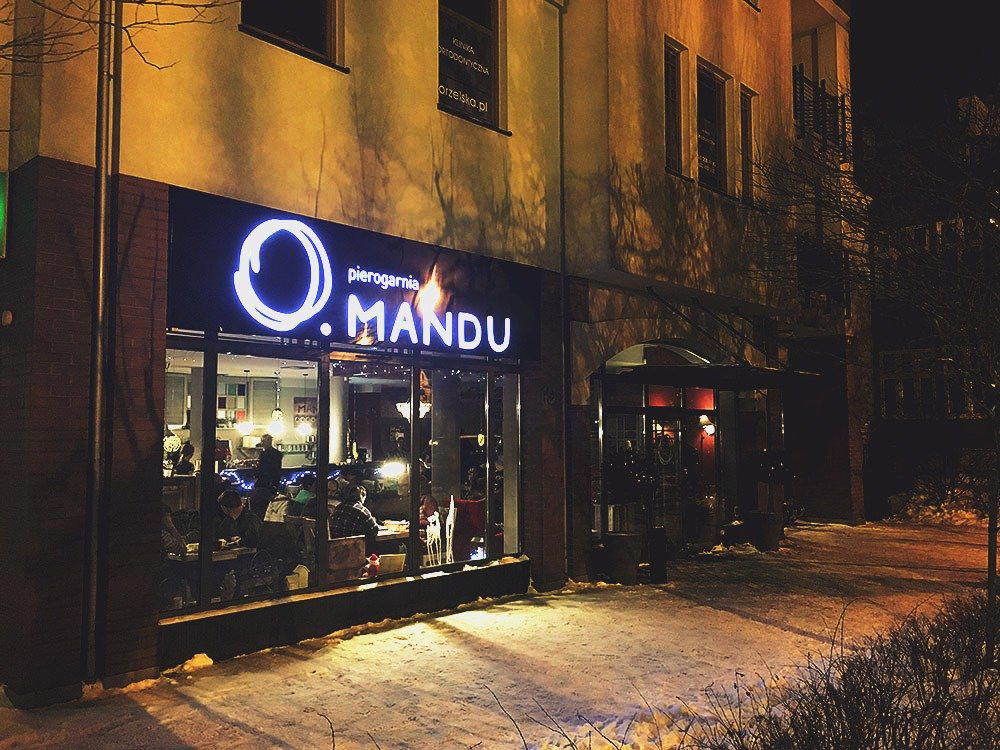
Pierogarnia Mandu in Gdańsk's Oliwa district sits within a neighbourhood known more for its cathedral park and residential calm than for dining crowds, making it a deliberate destination for pierogi in a city that eats them seriously. The name fuses two words for dumpling — Polish and Korean — signalling a menu that treats the form as a canvas rather than a fixed tradition. Located at Kaprów 19d, it draws a local rather than tourist crowd.

Pearl is the En Primeur Club membership app — saves, bookings, and concierge access live there. Same editors, same standards.
- Address
- Kaprów 19d, 80-316 Gdańsk, Poland
- Phone
- +48 58 340 55 44
- Hours
- Mon–Thu 11 AM–9 PMFri–Sat 11 AM–10 PMSun 11 AM–9 PM
- Website
- pierogarnia-mandu.pl
- Directions
- Get directions
The menu
What to order
- Wild Boar Pierogi with Mushroom Sauce
- Korean Spicy Dumplings
- Potato and Cheese Pierogi
Oliwa and the Dumpling Tradition It Keeps
Gdańsk's Oliwa district sits several kilometres from the Old Town's amber-shop corridor, shaped more by its cathedral, park, and long residential streets than by the kind of foot traffic that sustains tourist-facing restaurants. Eating well in Oliwa means eating where locals eat, which in practice means a smaller selection of places and a higher proportion of neighbourhood regulars at every table. Pierogarnia Mandu, at Kaprów 19d, operates in that context: it is not positioned for passing trade and does not need to be.
The word "pierogarnia" in Polish signals a specific kind of establishment, one devoted to pierogi rather than using them as one menu chapter among many. These restaurants occupy a distinct tier in Polish dining culture, sitting below the white-tablecloth bistros but well above the fast-food dumpling counters found near bus terminals. The best of them treat the dumpling itself — its dough thickness, filling balance, and cooking method — as a serious technical project. The name Mandu adds a layer: mandu is the Korean word for dumpling, a parallel that positions the kitchen as aware of the wider dumpling family without necessarily fusing cuisines wholesale.
Why the Dumpling Form Matters Here
Pierogi are not a single dish. Across Poland, regional variations in filling, dough hydration, and finishing method produce genuinely different results. The ruskie filling, potato and white farmer's cheese, is the reference point against which most pierogiarnie are judged, but it is also the preparation that shows technical shortcomings most clearly. Overworked dough turns leathery; under-seasoned filling tastes flat; too much water in the potato mixture makes the dumpling split. A kitchen that gets ruskie right is demonstrating real competence, not just serving a crowd-pleaser.
Beyond the classics, the more interesting pierogiarnie in Poland have spent the last decade expanding their repertoire into less conventional territory: meat fillings with fermented additions, cheese combinations drawn from regional dairies, and vegetable preparations that reflect seasonal availability. For comparison, Arco by Paco Pérez in Gdańsk represents Gdańsk's upper-tier European dining; Mandu operates in a entirely different register, one defined by craft food at accessible prices rather than tasting menus and wine pairings.
Gdańsk's Dining Spread and Where Oliwa Fits
Gdańsk's restaurant scene concentrates heavily in the Long Market area and along Piwna and Mariacka streets, where the audience is mixed between tourists and urban professionals. Oliwa attracts a different diner: primarily local, primarily returning, with less appetite for the kind of positioning that comes with a prominent Old Town address. That geography shapes what restaurants in Oliwa can and cannot be. A pierogarnia in Oliwa is not competing with the city-centre dining corridor; it is serving its neighbourhood, which creates both a loyalty advantage and a ceiling on ambition.
For those working through Gdańsk's broader dining options, Canis and Durga represent the more ambitious end of the city's restaurant programmes, while Flisak '76 and the two Billy's American Restaurant. locations, including Billy's American Restaurants Chmielna, occupy the casual, reliably busy middle. Mandu sits outside all of those comparisons, in a sub-category defined by a single dish type and a neighbourhood audience. Our full Gdansk restaurants guide maps all of these against each other for visitors planning across districts.
Elsewhere in Poland, the same tension between traditional dumpling culture and modern restaurant ambition plays out at different scales. Bottiglieria 1881 Restaurant in Kraków and Muga in Poznań represent the fine-dining end of their respective cities, while neighbourhood craft specialists like Mandu occupy the other end of the spectrum, lower price points, higher repeat visit rates, and a loyalty that upscale restaurants rarely generate. Even further afield, the discipline required to build a kitchen around a single form is something that connects a Gdańsk pierogarnia conceptually to places like Le Bernardin in New York City or Lazy Bear in San Francisco, where format restriction is treated as a form of focus rather than limitation.
The Broader Polish Dumpling Context
Poland's dumpling culture is not a relic. Pierogi have moved through several phases of cultural status: peasant staple, communist-era canteen fixture, post-1989 nostalgia item, and now, in the hands of a younger generation of Polish chefs and restaurateurs, a form worth treating with the same seriousness as pasta in Italy. The pierogarnia format, a restaurant built around this one item, is part of that rehabilitation. It acknowledges that the dumpling can carry a full dining experience without needing a wider menu to justify itself.
The Korean parallel embedded in the name Mandu is not decorative. Across East and Central Europe, culinary historians have traced the dumpling's spread along trade and migration routes, and the formal similarities between mandu, pierogi, and Georgian khinkali are not coincidental. A restaurant that names itself after two dumpling traditions simultaneously is making an implicit argument about those connections, even if the menu stays largely within Polish parameters. That framing puts Mandu in interesting company among Polish restaurants that are thinking about their own culinary inheritance with some analytical distance. For a different kind of regional culinary grounding, Giewont in Kościelisko works with Tatra mountain traditions; Ariel in Krakow draws on Jewish-Polish heritage. Each represents a version of the same project: Polish food examined through a specific cultural lens.
Planning a Visit to Kaprów 19d
Pierogarnia Mandu sits at Kaprów 19d in the Oliwa district of Gdańsk. Oliwa is reachable by tram from the city centre, with the Oliwa stop serving the cathedral and park area. The address places it in the residential fabric of the neighbourhood rather than on a main commercial strip, which is consistent with the pierogarnia model, these are not restaurants that rely on window shoppers. Price range data is not confirmed, though the pierogarnia category in Poland generally sits at the lower end of the mid-market: a full meal of several pierogi plus a drink typically lands well below the cost of a bistro dinner, which is part of why the format sustains loyal local audiences. Visitors to the Tricity area might also consider Bar Przystań in Sopot for coastal dining context, or Luneta & Lorneta Bistro Club in Ciekocinko for a further-afield option in the wider Pomeranian region.
Frequently asked questions
Where do I go for Pierogarnia Mandu Gdańsk Oliwa?
Pierogarnia Mandu Gdańsk Oliwa is located at Kaprów 19d, 80-316 Gdańsk, Poland, Gdansk.
Is Pierogarnia Mandu in Oliwa different from a typical Polish dumpling restaurant?
The name 'Mandu' is the Korean word for dumpling, which in the context of a Polish pierogarnia in Gdańsk's Oliwa district signals an intent to engage with the dumpling form beyond standard regional recipes. This distinguishes it from the majority of pierogi venues in Gdańsk, which operate within a conventional ruskie, z mięsem, and z kapustą framework. Whether that translates to Asian-influenced fillings, preparation methods, or simply a naming choice is best confirmed by visiting Kaprów 19d directly.
What's the signature dish at Pierogarnia Mandu Gdańsk Oliwa?
The venue name itself signals the focus: pierogi, Poland's filled dumplings, in a dedicated pierogarnia format. The word 'mandu' — a Korean term for dumpling — hints at a cross-cultural framing that sets this apart from the standard ruskie-and-cabbage menu found across Gdańsk's Old Town.
What's the best way to book Pierogarnia Mandu Gdańsk Oliwa?
No booking phone number or website is currently listed for Pierogarnia Mandu at Kaprów 19d, Oliwa. Visiting in person or searching for the venue on Polish reservation platforms such as Restaurantclub or local Google listings is the most reliable approach. Oliwa is a residential district with lower footfall than Gdańsk's Long Market area, so walk-in availability is generally more realistic than at city-centre venues.
What makes Pierogarnia Mandu Gdańsk Oliwa worth seeking out?
Pierogarnia Mandu sits in Oliwa, several kilometres from Gdańsk's tourist-heavy Old Town, which means its audience skews local rather than transient. A dedicated pierogarnia format in a residential neighbourhood typically reflects genuine demand from repeat customers rather than passing trade. The name's reference to 'mandu' also suggests a kitchen interested in the dumpling form beyond Polish convention.
Do they accommodate allergies at Pierogarnia Mandu Gdańsk Oliwa?
Polish pierogi dough typically contains wheat and egg, and fillings frequently include dairy, meat, or both. Contacting the restaurant directly at Kaprów 19d in Gdańsk's Oliwa district before visiting is the only reliable way to confirm what can be accommodated.
Is Pierogarnia Mandu Gdańsk Oliwa good value for money?
No price data is listed for Pierogarnia Mandu, but dedicated pierogi restaurants in Polish cities outside the main tourist zones consistently represent strong value relative to their Old Town counterparts. Oliwa's residential character at Kaprów 19d places this venue outside the premium tourist pricing that characterises Gdańsk's Long Market and Mariacka Street dining. A pierogi-focused menu in this context is unlikely to be expensive by any European standard.
A Pricing-First Comparison
| Venue | Cuisine | Price |
|---|---|---|
| Pierogarnia Mandu Gdańsk OliwaThis venue — the venue you are viewing | Polish Pierogi House | $10–20 |
| La Cucina Ristorante | Traditional Italian Trattoria | Not listed |
| Billy's American Restaurants Chmielna | American Grill | $20–30 |
| Billy's American Restaurant. | American Grill & BBQ | $20–30 |
| Canis | Modern Polish Fine Dining | $30–50 |
| Durga | Authentic Royal Indian Fine Dining | $30–50 |
Continue exploring
More in Gdańsk
Restaurants in Gdańsk
Browse all →
Details
- Cozy
- Casual
- Casual Hangout
- Family
- Standalone
- A La Carte
- Vegetarian Friendly
- Vegan Options
Current opening hours
- Monday
- 11 AM–9 PM
- Tuesday
- 11 AM–9 PM
- Wednesday
- 11 AM–9 PM
- Thursday
- 11 AM–9 PM
- Friday
- 11 AM–10 PM
- Saturday
- 11 AM–10 PM
- Sunday
- 11 AM–9 PM
Hours can change for holidays and private events. Last verified .
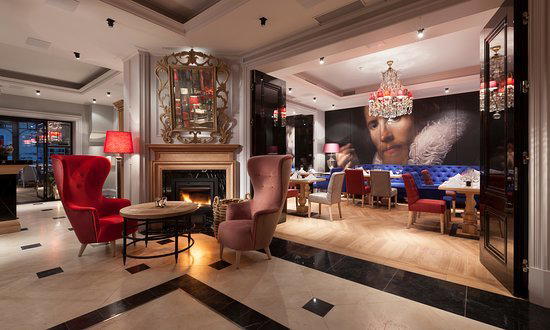
Welcoming and clean atmosphere with friendly service, evoking nostalgic Polish comfort.