Mostschenke im Heustadl Restaurant & Heurige serves Traditional Austrian Heuriger in a garden and historic building, with wiener schnitzels, local sourcing, and mountain views for leisurely lunch or dinner.
Pearl is the En Primeur Club membership app — saves, bookings, and concierge access live there. Same editors, same standards.
- Address
- Almhausstraße 28, 4802 Ebensee, Austria
- Phone
- +436769513746
- Website
- moststadl.com
- Directions
- Get directions
 Saves & bookings on Pearl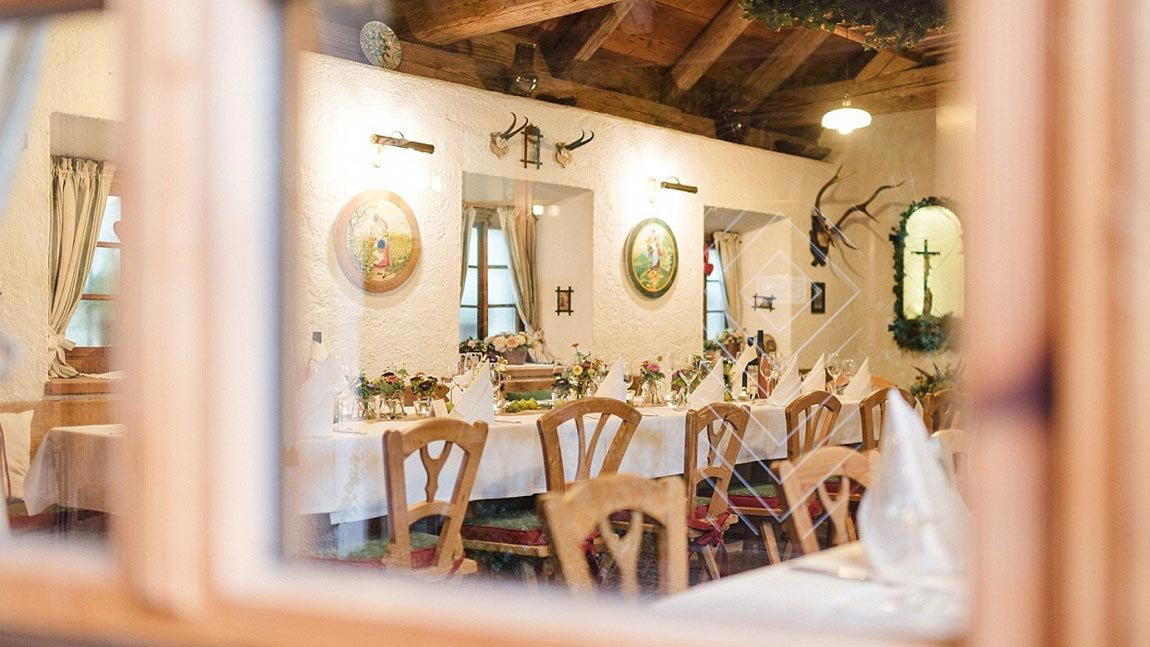
Cider, Hay, and the Upper Salzkammergut's Approach to Eating
The road into Ebensee traces the southern shore of Traunsee in Austria's lake district. Almhausstraße climbs away from the waterfront into a working agricultural fold, and Mostschenke im Heustadl Restaurant & Heurige sits within that landscape in a literal sense: the building is a Heustadl, a traditional hay barn, repurposed into a space where the architecture itself signals what kind of food to expect. The smell of timber and the ceiling height of a working farm structure are part of the building's original function.
In Austria, the Heurige format has a defined meaning. Originally a licence granted to wine and cider producers to sell their own fermented output directly to the public, it carries legal and cultural weight that separates it from a restaurant with rustic decor. A Mostschenke is its orchard-country equivalent: a cider house, where Most, the regional fermented apple or pear juice, is the central drink and the organizing logic of the menu. The Salzkammergut, with its dense orchard country and alpine meadow farms, is one of the regions where this tradition has survived with the continuity. Eating at an establishment like this in Ebensee is not a recreation of rural hospitality, it is the thing itself.
Where the Food Comes From
The ingredient sourcing logic of the Mostschenke format is grounded in the farm and orchard around it. Here, the short supply chain is structural and pre-competitive: the cider comes from the orchard, the meat from alpine farms operating within a radius that can be measured in valley lengths, and the dairy from operations that have supplied the same communities for generations. Upper Austria's Hausruck and Salzkammergut zones are among the more productive agricultural corridors in the eastern Alps, with a particular strength in apple cultivation and cattle farming oriented toward dairy and beef rather than export commodity production.
That agricultural context matters when reading the menu format at a Heurige or Mostschenke. The food that makes sense in this setting, cured meats, aged cheeses, pickled vegetables, dense rye breads, and cold or room-temperature platters, is not a simplified version of fine dining. It is a different genre with its own internal logic, one that Austrian fine dining institutions like Steirereck im Stadtpark in Vienna have drawn from extensively in building their ingredient sourcing narratives. At a Mostschenke in Ebensee, provenance is the menu's precondition.
For Austrian dining in a more elaborated key, the comparison set runs from Döllerer in Golling an der Salzach, where alpine ingredient sourcing underpins a contemporary tasting format, to Obauer in Werfen, which has maintained a serious kitchen in a small Salzburg-region town for decades. Both represent what happens when the Salzkammergut and surrounding alpine agricultural tradition is processed through a formal kitchen. Mostschenke im Heustadl operates earlier in that chain.
The Heurige Tradition in Context
Austria's Heurige culture is most associated with the Viennese wine villages of Grinzing, Sievering, and Neustift am Walde, where Grüner Veltliner and Riesling producers have operated open tables for centuries. The Mostschenke variant in cider country follows the same legal and cultural template but with fermented fruit juice replacing wine, and with a rougher, more agricultural aesthetic that reflects the terrain. Where Viennese Heurige have, in many cases, gentrified considerably, the Ebensee context keeps the format closer to its working origins.
This is the setting that connects to a broader pattern in alpine hospitality: establishments that serve food and drink within the logic of their immediate agricultural geography, without the intermediation of professional kitchen culture. Atelier Fischer in Sankt Gilgen, on the Wolfgangsee, operates in the same general Salzkammergut zone but represents a more refined register. The two venues are not in competition; they serve different reader decisions at different moments of a trip through this part of Austria.
For those moving across the alpine restaurant spectrum, the contrast extends further: Ikarus in Salzburg, Gourmetrestaurant Tannenhof in Sankt Anton am Arlberg, and Griggeler Stuba in Lech all sit in the upper bracket of alpine fine dining, where the sourcing story is curated and the format is tasting-menu driven. Landhaus Bacher in Mautern an der Donau and Taubenkobel in Schützen am Gebirge occupy a classic Austrian register that treats regional produce with more elaboration than a Mostschenke but without the modernist framing of the alpine fine dining tier. Mostschenke im Heustadl sits outside all of these categories, which is precisely its utility.
Planning a Visit
Ebensee is accessible from Salzburg via the A1 motorway with a turn south toward Bad Ischl, the historical heart of the Salzkammergut, which makes the town a logical stop on a circuit that includes the lake district villages. Almhausstraße 28 is a farm-road address, which means arrival by car is the practical assumption. Reservations are recommended.
The address places it above the town proper, on a route that also accesses the surrounding alm terrain, which gives the approach some practical interest beyond the destination itself.
Other Austrian venues include Ois in Neufelden, Schwarzer Adler in Hall in Tirol, Stüva in Ischgl, Restaurant 141 by Joachim Jaud in Mieming, Kräuterreich by Vitus Winkler in Sankt Veit im Pongau, and Artis in Graz, each of which represents a distinct register of the country's dining output. For international reference points in high-formal dining, Le Bernardin in New York City and Atomix in New York City mark the tier against which Austrian fine dining increasingly benchmarks itself, though the Mostschenke format operates in a register where that comparison serves mainly to clarify the distance between categories.
At-a-Glance Comparison
Comparable venues nearby, for context on price, style, and recognition.
| Venue | Cuisine | Price | Notes |
|---|---|---|---|
| Mostschenke im Heustadl Restaurant & HeurigeThis venue — the venue you are viewing | Traditional Austrian Heuriger | $$ | Not listed |
| Krummholzhütte | Styrian Gourmet Hut | $$ | Haus im Ennstal |
| Hochwurzenhütte | Traditional Austrian Alpine Cuisine | $$ | Rohrmoos-Untertal |
| Hopfen und Schmalz | Modern Austrian Brew Pub | $$ | Neufelden |
| Hotel Restaurant Krone | Traditional Austrian with Regional Specialties | $$ | Mondsee town center |
| KrallerAlm | Alpine Austrian Grill & Pizzeria | $$ | Rain |
Continue exploring
More in Ebensee
Restaurants in Ebensee
Browse all →
Bars in Ebensee
Browse all →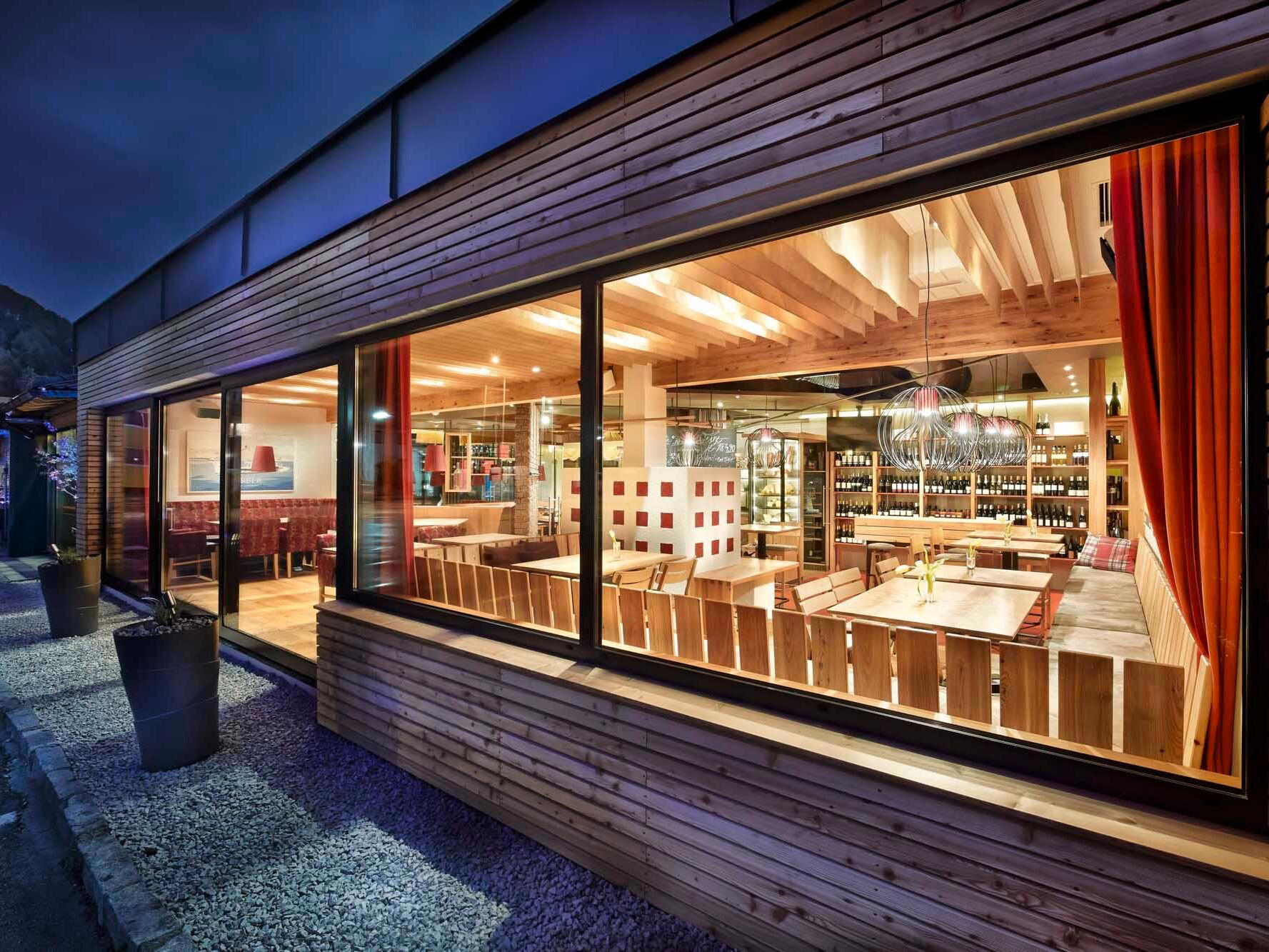

Hotels in Ebensee
Browse all →
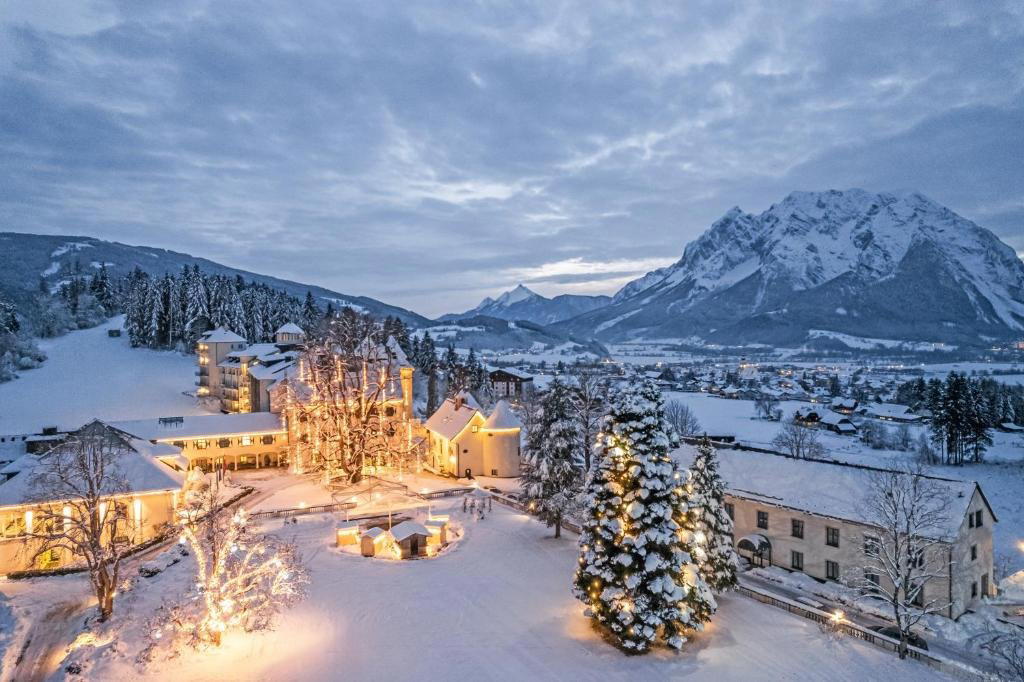
Wineries in Ebensee
Browse all →
At a Glance
- Rustic
- Cozy
- Family
- Group Dining
- Casual Hangout
- Garden
- Historic Building
- Local Sourcing
- Mountain
Cozy and gemütlich with warm, rustic farmhouse lighting and welcoming family-run hospitality.