In the small Mühlviertel market town of Neufelden, Hopfen und Schmalz takes its name from two foundational ingredients of Austrian regional cooking, hops and lard, signalling a kitchen anchored in the produce and traditions of Upper Austria. The address, Bräuhausgasse 3, places it on a lane with historical ties to local brewing, a context that shapes the room's character as much as the menu.
Pearl is the En Primeur Club membership app — saves, bookings, and concierge access live there. Same editors, same standards.
- Address
- Bräuhausgasse 3, 4120 Neufelden, Austria
- Phone
- +4368110697990
- Website
- hopfenundschmalz.at
- Directions
- Get directions
 Saves & bookings on Pearl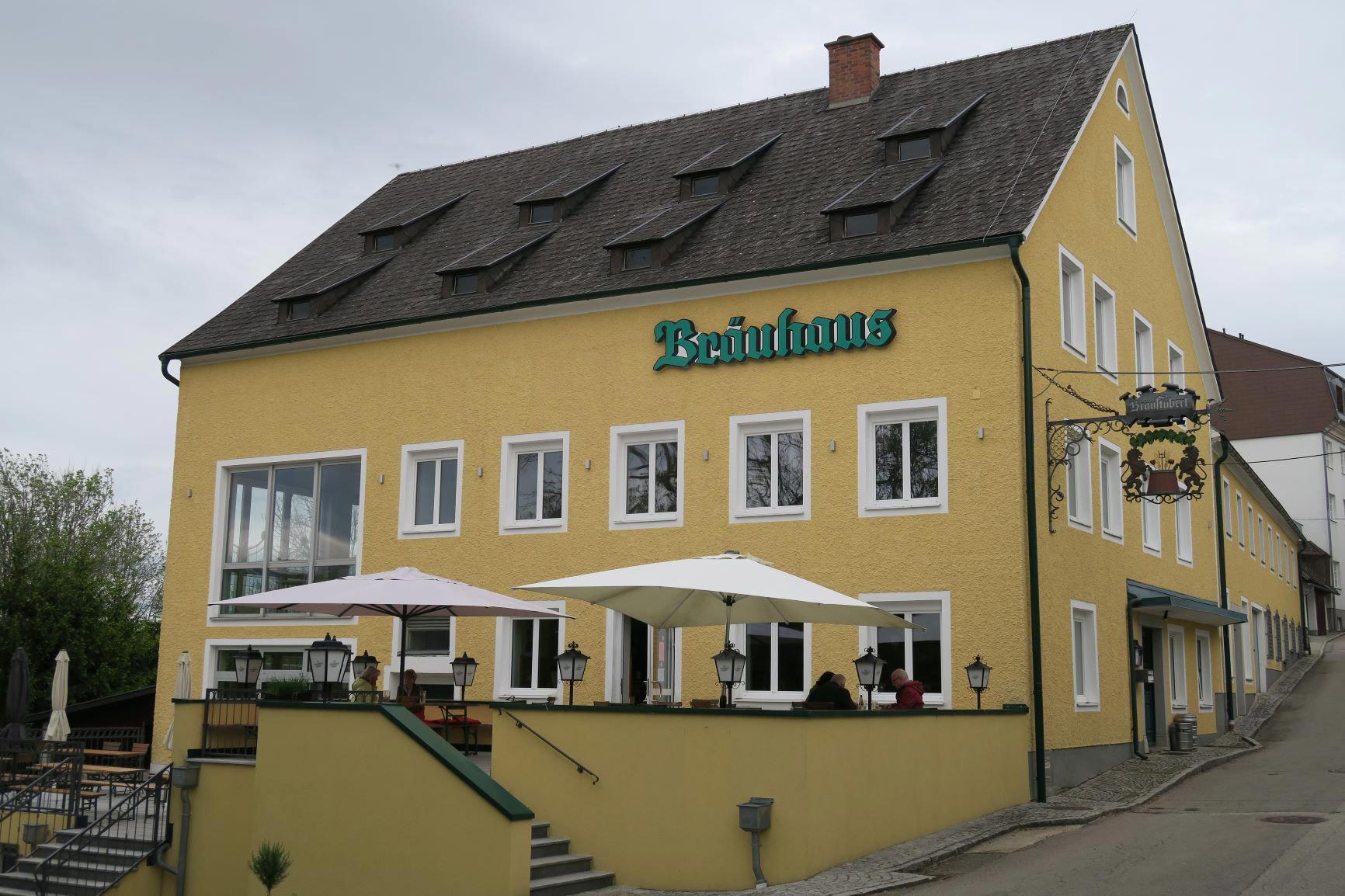
Where Upper Austrian Ingredient Culture Anchors a Dining Room
The Mühlviertel, the hilly granite plateau stretching north of the Danube toward the Czech border, has always fed itself differently from the rest of Austria. Grain farming, carp ponds, forest foraging, and a tradition of farmhouse brewing define the regional larder here, and that larder has historically received far less international attention than the alpine kitchens of Salzburg or Tyrol. Neufelden, a compact market town on the Große Mühl river, sits inside this productive agricultural zone, and Hopfen und Schmalz takes its name from two of the region's most elemental ingredients: hops from the surrounding fields and schmalz, the rendered lard that has structured Austrian country cooking for centuries.
The address, Bräuhausgasse 3, translates loosely as Brewhouse Lane, a street name that carries its own argument about local food culture. Brewing in the Mühlviertel predates industrial production by several centuries, and the relationship between local grain, local water, and local fermentation tradition is not ornamental, it is the factual basis on which the regional kitchen developed its flavour profile. A venue that chooses to anchor its identity to hops and lard on a street named for brewing is making a deliberate statement about ingredient provenance and regional continuity.
The Ingredient Logic of the Mühlviertel Kitchen
Austrian regional cooking has split into two broad camps over the past two decades. One strand, represented at the high end by addresses like Steirereck im Stadtpark in Vienna and Döllerer in Golling an der Salzach, applies precision technique and contemporary sourcing logic to Austrian produce, pulling the cuisine into international fine-dining conversation. The other strand, less visible internationally but more rooted, remains focused on the specific agricultural character of a sub-region: what grows here, what is raised here, what has been fermented, cured, or rendered here for generations.
Hopfen und Schmalz positions itself in the second category. The name alone signals that the kitchen is not reaching outward toward global technique trends but inward toward Upper Austrian specificity. Schmalz in the Mühlviertel context is not a nostalgic affectation; it is a functional cooking fat with a centuries-long role in regional preservation and flavour development. Hops, grown extensively across Upper Austria, connect the kitchen to the same agricultural base that supplies local breweries. This kind of ingredient coherence is precisely what distinguishes a genuinely regional kitchen from one that simply deploys local labels as marketing shorthand.
For comparison, consider how kitchens like Kräuterreich by Vitus Winkler in Sankt Veit im Pongau and Atelier Fischer in Sankt Gilgen have built coherent ingredient narratives around their specific alpine or lakeside environments. The Mühlviertel offers a parallel opportunity, granite terrain, river systems, deciduous forest, and a grain-and-livestock agricultural tradition, and Hopfen und Schmalz draws on that geography in its foundational framing.
Neufelden in the Context of Austrian Regional Dining
Upper Austria does not register in the same breath as Salzburg or Tyrol when Austrian dining is discussed internationally, but the province produces a disproportionate share of Austria's agricultural raw material. The Mühlviertel specifically is known for its carp (Mühlviertler Karpfen carries regional designation status), its root vegetables, its forest mushrooms, and its malting barley. A kitchen working in Neufelden has access to this supply chain at short distances, which matters for ingredient quality in a way that urban restaurants have to work considerably harder to replicate.
For context on how the broader Austrian restaurant scene is structured, Ikarus in Salzburg, Landhaus Bacher in Mautern an der Donau, and Obauer in Werfen each represent different expressions of Austrian culinary identity, some more internationally inflected, some more regionally anchored. Hopfen und Schmalz belongs to a different tier of that structure: not a destination address drawing visitors from multiple countries, but a working regional restaurant whose argument is geographic specificity rather than technical ambition or awards accumulation.
The alpine fine-dining circuit, Griggeler Stuba in Lech, Stüva in Ischgl, Gourmetrestaurant Tannenhof in Sankt Anton am Arlberg, and Schwarzer Adler in Hall in Tirol, operates on a resort-town logic shaped by seasonal tourism and high-spend visitors. The Mühlviertel does not function on that model. Neufelden serves a local and regional catchment, and restaurants here are embedded in community rhythms rather than tourist season calendars. That difference in operating context produces a different kind of hospitality: less performance-oriented, more integrated into local daily life.
Where Hopfen und Schmalz Sits in Neufelden's Dining Scene
Neufelden's dining options are modest in number but distinct in character. Ois (Modern Cuisine) represents the town's more contemporary culinary expression. The restaurant occupies a different position on that spectrum, one that reads as more traditional in its ingredient philosophy and naming logic, making the two addresses complementary rather than competing for the same diner.
The broader Austrian dining map also includes urban expressions of regional cooking in Graz, where Artis in Graz and Taubenkobel in Schützen am Gebirge take Styrian and Burgenland ingredients in more progressive directions. The contrast underlines why a Mühlviertel address with a name like Hopfen und Schmalz is notable: it is not trying to translate regional ingredients into a cosmopolitan idiom, but working within the idiom the region already has. For international reference, that positioning is analogous to the difference between a technically refined tasting menu restaurant and a producer-direct kitchen that treats proximity to the supply chain as its primary credential, a distinction that matters as much in New York, where Le Bernardin and Atomix each represent entirely different arguments about what food should do, as it does in Upper Austria.
Visitors travelling to the Mühlviertel for cycling, river walks, or the region's granite landscape will find that restaurant fits the pace and register of the area: unhurried, grounded in local production, and named for what it is rather than what it aspires to become.
Planning Your Visit
The restaurant is located at Bräuhausgasse 3 in Neufelden, Upper Austria. Neufelden is accessible by car from Linz in under an hour, and the surrounding Mühlviertel is leading explored by road given limited rail connections. Open Friday through Sunday from 12 to 11 PM, and closed Monday through Thursday. Reservations are recommended. Given the small-town setting, advance confirmation is advisable, particularly for weekend visits or larger groups.
Fast Comparison
Comparable venues nearby, for context on price, style, and recognition.
| Venue | Cuisine | Price | Awards | Notes |
|---|---|---|---|---|
| Hopfen und SchmalzThis venue — the venue you are viewing | Modern Austrian Brew Pub | $$ | Not listed | Not listed |
| Ois | Modern Austrian Fine Dining | $$$$ | Michelin 2 Star | Neufelden |
| Kirchenwirt Kirchberg-Thening | Traditional Austrian Gasthaus | $$ | Not listed | Kirchberg-Thening |
| sGerstl | Austrian Brew Pub | $$ | Not listed | Wels city center |
| Jack the Ripperl | Austrian BBQ Ribs | $$ | Not listed | Landstraße |
| Hotel Exel | Austrian Regional | $$ | Not listed | city center |
Continue exploring
More in Neufelden
Restaurants in Neufelden
Browse all →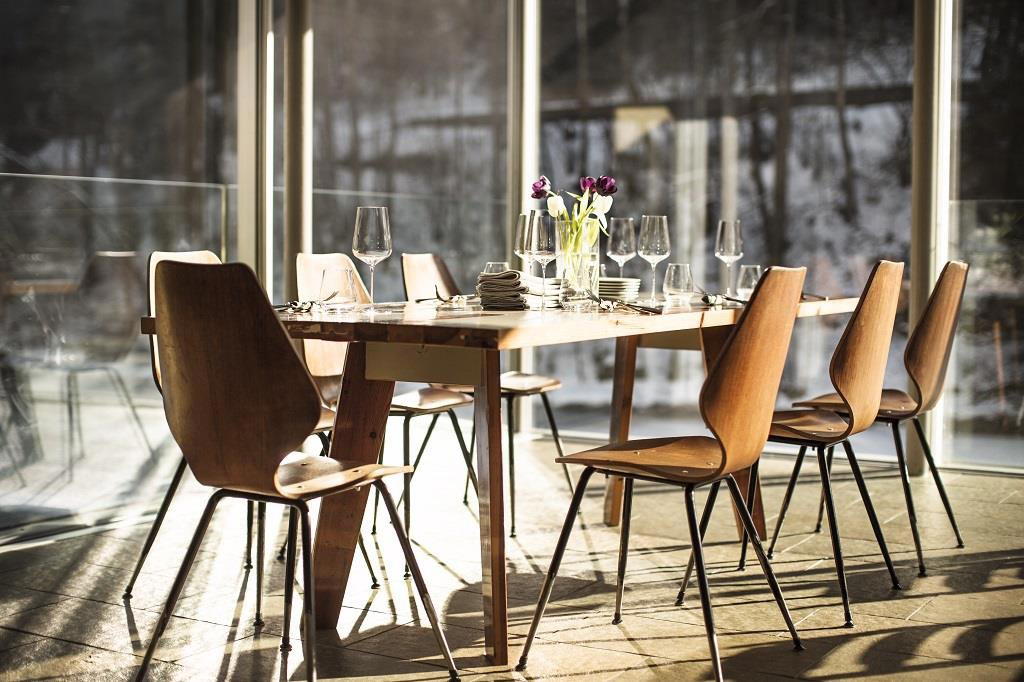
Bars in Neufelden
Browse all →
Hotels in Neufelden
Browse all →


Wineries in Neufelden
Browse all →
At a Glance
- Rustic
- Cozy
- Casual Hangout
- Group Dining
- Open Kitchen
- Beer Program
- Local Sourcing
- Garden
Current opening hours
- Monday
- Closed
- Tuesday
- Closed
- Wednesday
- Closed
- Thursday
- Closed
- Friday
- 12–11 PM
- Saturday
- 12–11 PM
- Sunday
- 12–11 PM
Hours can change for holidays and private events. Last verified .
Cozy rustic atmosphere with a quiet sunny terrace and beer garden ideal for relaxing.