Morrow's
On St. Claude Avenue in the Bywater, Morrow's occupies a corner of New Orleans where the city's tradition of purposeful sourcing meets the neighborhood's appetite for the experimental. The kitchen operates within a framework of environmental consciousness that informs both what lands on the plate and where it comes from, a position that distinguishes it from the heavier-footed Creole institutions a few miles upriver.
Pearl is the En Primeur Club membership app — saves, bookings, and concierge access live there. Same editors, same standards.
- Address
- 2438 St Claude Ave, New Orleans, LA 70117
- Phone
- (504) 827-1519
- Website
- morrowsnola.com
- Directions
- Get directions
 Saves & bookings on Pearl
St. Claude and the New Wave of Conscious Kitchens
The old city runs on Commander's Palace and Emeril's, on roux-heavy tradition and the gravitational pull of the French Quarter. St. Claude runs on something more restless. Morrow's, at 2438 St. Claude Ave, sits in that current, operating in a neighborhood where overhead is lower, expectations are less calcified, and kitchens can afford to take positions on sourcing and waste that larger, more tourist-dependent operations cannot.
This matters because New Orleans dining has historically been resistant to the farm-to-table framework that restructured menus in cities like San Francisco, where Lazy Bear built its entire identity around producer relationships, or in Tarrytown, where Blue Hill at Stone Barns essentially invented the American farm-dining format. In New Orleans, tradition has long functioned as both the city's greatest asset and its most effective brake. Morrow's is one of the venues where that brake is being tested.
The Bywater as Editorial Context
Location is not incidental here. The Bywater's dining scene attracted a particular cohort of operators after the 2000s, drawn by affordable commercial space and a local customer base less fixated on the Creole canon. That shift produced a cluster of restaurants making different decisions about sourcing, format, and scale than their Uptown counterparts. Within that cluster, Morrow's occupies a specific position: a place where the environmental framework is applied to a cuisine rooted in Southern Louisiana's own larder, the Gulf, the delta, the surrounding agricultural parishes, rather than imported as an aesthetic borrowed from the Pacific Coast.
This connects to a broader pattern visible across American cities where sustainability-oriented kitchens succeed most durably when they engage with regional food systems rather than simply reducing waste or signaling virtue. In San Diego, Addison draws on Southern California producers. In Atlanta, Bacchanalia has anchored its sourcing in Georgia agriculture for years. The parallel in New Orleans is pointed: the Gulf Coast's biodiversity and the productivity of Louisiana's farming parishes give a sourcing-conscious kitchen here an extraordinary raw material base, one that commands more attention than it typically receives in national food coverage.
Sourcing as a Structural Decision
The restaurants in New Orleans that have moved decisively toward ethical sourcing share a common structural characteristic: they price and format their menus around the constraints that responsible procurement imposes. Supply from small producers is irregular. Yields are not guaranteed. A kitchen that commits to this framework must build flexibility into the menu rather than listing dishes that require consistent commodity inputs year-round. Saint-Germain and Zasu both operate within contemporary formats that allow for this kind of menu movement. Morrow's works within similar structural logic on St. Claude, where the format permits the kitchen to respond to what is actually available rather than what a fixed menu demands.
For diners accustomed to the tightly scripted tasting formats at places like Alinea in Chicago or Atomix in New York City, this kind of operational flexibility reads differently. Those kitchens achieve seasonal responsiveness through precise planning months in advance. A neighborhood restaurant on St. Claude achieves it through proximity, to producers, to the market, to the daily reality of what the Gulf and the delta are yielding.
Waste Reduction as Kitchen Practice
Within New Orleans' sustainable dining tier, whole-animal and whole-fish butchery, vegetable-forward applications for trim, and reduction of single-use materials in service have become baseline markers rather than distinguishing innovations. What separates kitchens in this space is whether waste reduction is applied as a principle throughout the supply chain or only at the point of service. The former requires relationships with farmers who share the same framework, agreements about receiving imperfect produce, and a kitchen team trained to work with the full spectrum of what a harvest or a catch actually produces. The restaurant, operating on a block where margins require discipline, is positioned to take that practice seriously. It is the kind of context in which these commitments either become real or become impossible to sustain.
This is a different operating environment from the one facing Le Bernardin in New York City, where sourcing decisions are insulated by pricing power, or The French Laundry in Napa, where the on-site garden provides a curated input stream. A St. Claude restaurant works with the producers it can access and the price points the neighborhood supports, which makes the commitment, when it holds, more instructive about how sustainable practice actually functions at scale across a city's dining culture.
comparable set and Critical Position
Among New Orleans restaurants applying a contemporary lens to Louisiana's food traditions, the restaurant sits in a peer group that includes Bayona and Re Santi e Leoni, though the latter two operate in different neighborhoods with different customer demographics and pricing structures. What connects them is a shared departure from the monument-Creole format that still defines New Orleans dining for most visitors arriving from outside Louisiana. Critics who write about this tier tend to focus on menu coherence and sourcing credibility rather than tableside ceremony or cellar depth, a different evaluative framework than the one applied to formal tasting venues like Providence in Los Angeles or The Inn at Little Washington.
The restaurant represents the Bywater's contribution to the city's evolving dining identity, less ceremonial than Uptown, more committed in its sourcing framework than most of the Quarter, and operating in a part of the city where the gap between what kitchens say about sustainability and what they actually practice tends to close faster under commercial pressure. Alongside California models like Single Thread Farm in Healdsburg, it forms part of a national map of restaurants where the sourcing argument has moved from menu copy to kitchen infrastructure.
Planning a Visit
The restaurant is at 2438 St. Claude Ave in the Bywater, accessible by streetcar from the French Quarter or a short ride from the Marigny. As a neighborhood restaurant on an independent block, it operates without the advance booking infrastructure of destination tasting venues, which generally means walk-ins are more feasible than at St. Claude's higher-demand neighbors, though weekend evenings reward a reservation made a few days ahead. Given the kitchen's sourcing framework, the menu should be expected to shift with availability, arriving with dish expectations fixed to a specific preparation risks missing what the kitchen is actually doing well that week.
Cuisine and Recognition
Comparable venues nearby, for context on price, style, and recognition.
| Venue | Cuisine | Price | Notes |
|---|---|---|---|
| Morrow'sThis venue — the venue you are viewing | New Orleans-Korean Fusion | $$ | Not listed |
| Johnny's Po-Boys | Classic New Orleans Po'Boys | $$ | French Quarter |
| Petite Amelie | French Quarter Bakery Cafe | $$ | French Quarter |
| Lost Coyote | Modern American with New Orleans influences | $$ | Esplanade Ridge |
| Mother's Restaurant | Classic New Orleans Po'boys & Cajun | $$ | Central Business District |
| Legacy Kitchen Craft Tavern | Modern American Gastropub with Cajun & Creole Influences | $$ | Arts District |
Continue exploring
More in New Orleans
Restaurants in New Orleans
Browse all →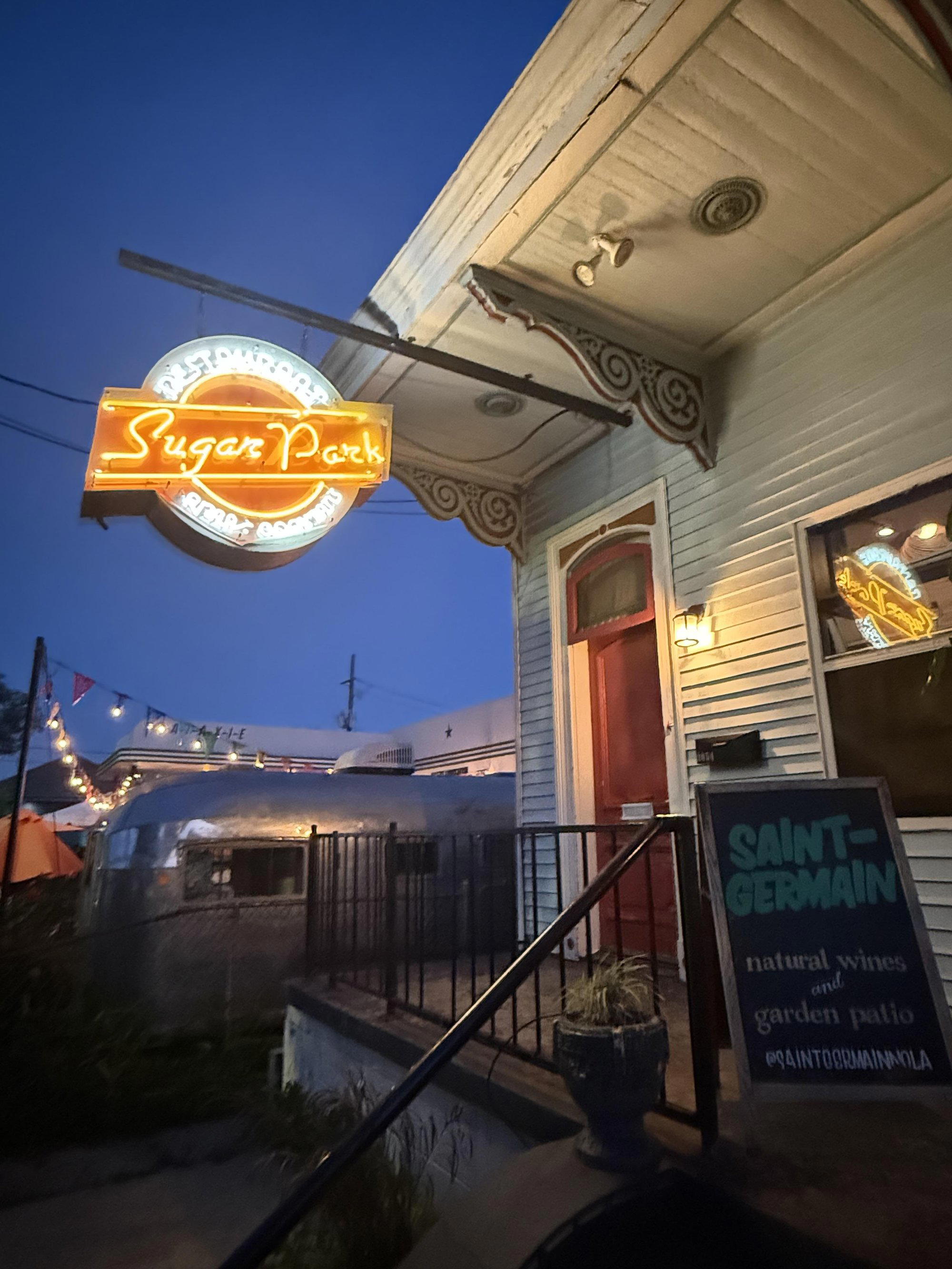
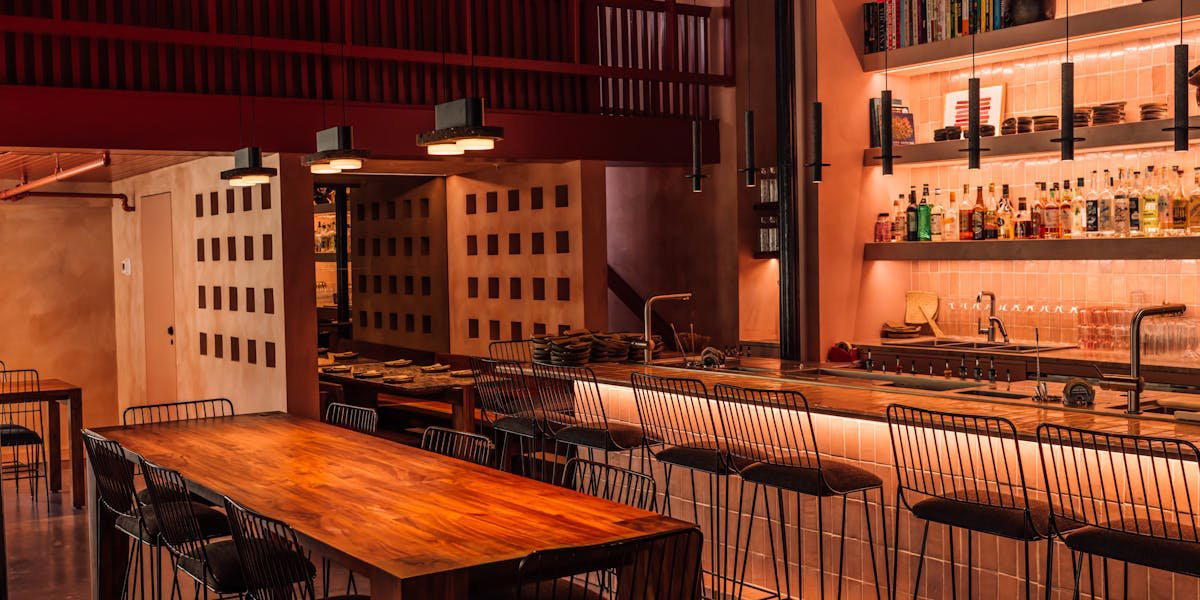
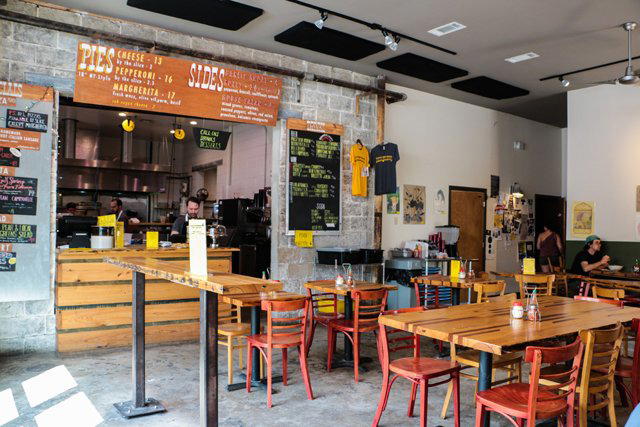
Bars in New Orleans
Browse all →

At a Glance
- Lively
- Cozy
- Trendy
- Group Dining
- Casual Hangout
- Brunch
- Open Kitchen
- Craft Cocktails
Current opening hours
- Monday
- 4–10 PM
- Tuesday
- 4–10 PM
- Wednesday
- 4–10 PM
- Thursday
- 4–10 PM
- Friday
- 11 AM–10 PM
- Saturday
- 11 AM–10 PM
- Sunday
- 11 AM–10 PM
Hours can change for holidays and private events. Last verified .
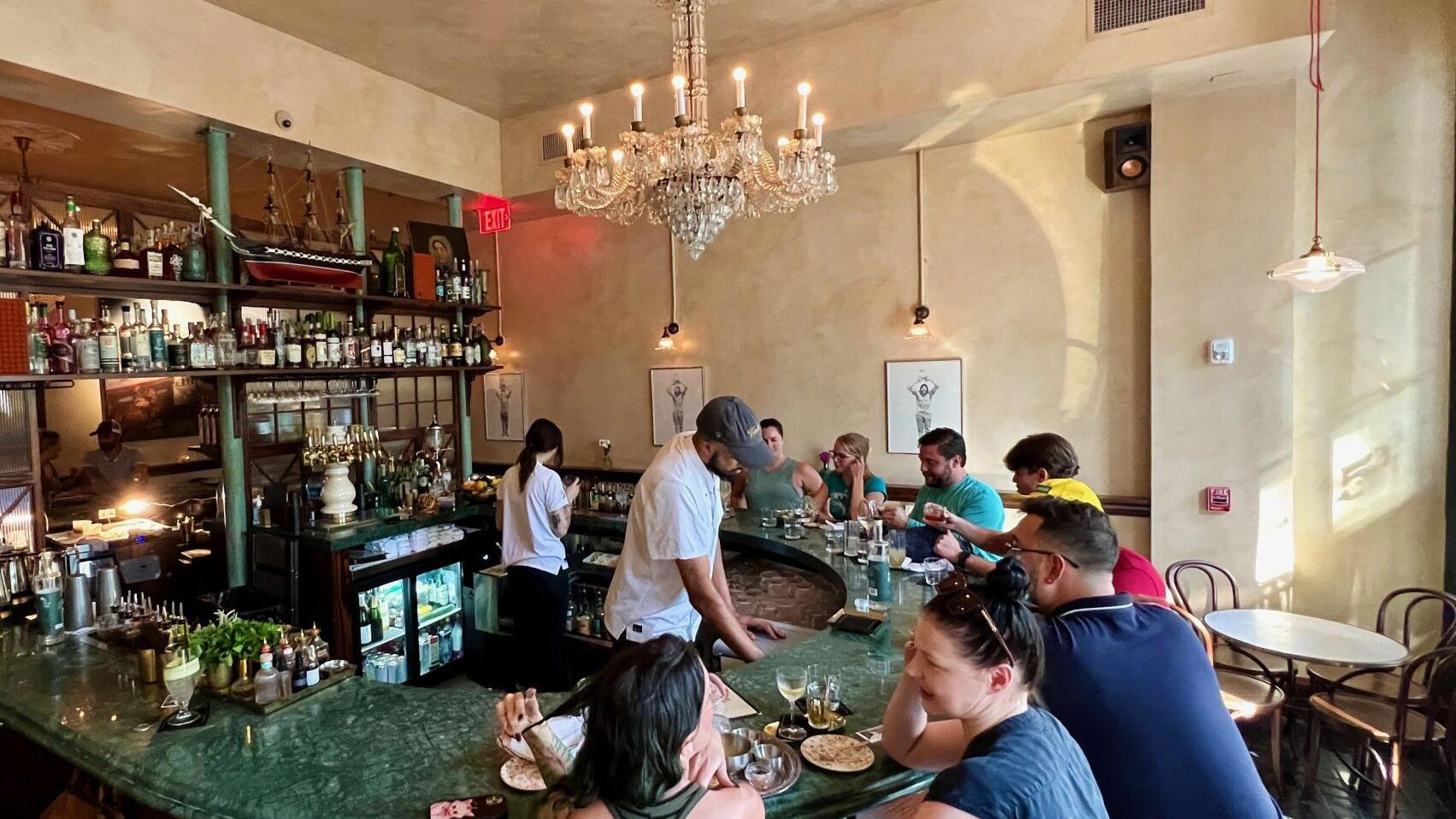
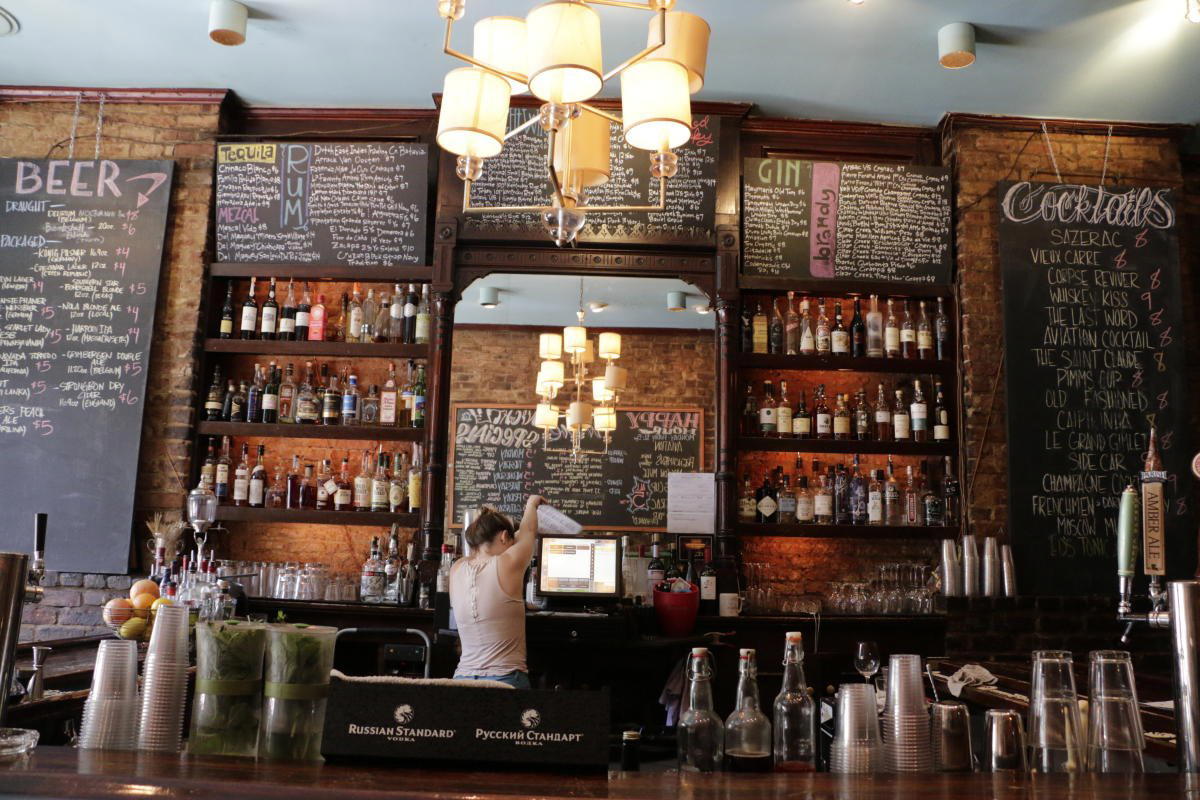
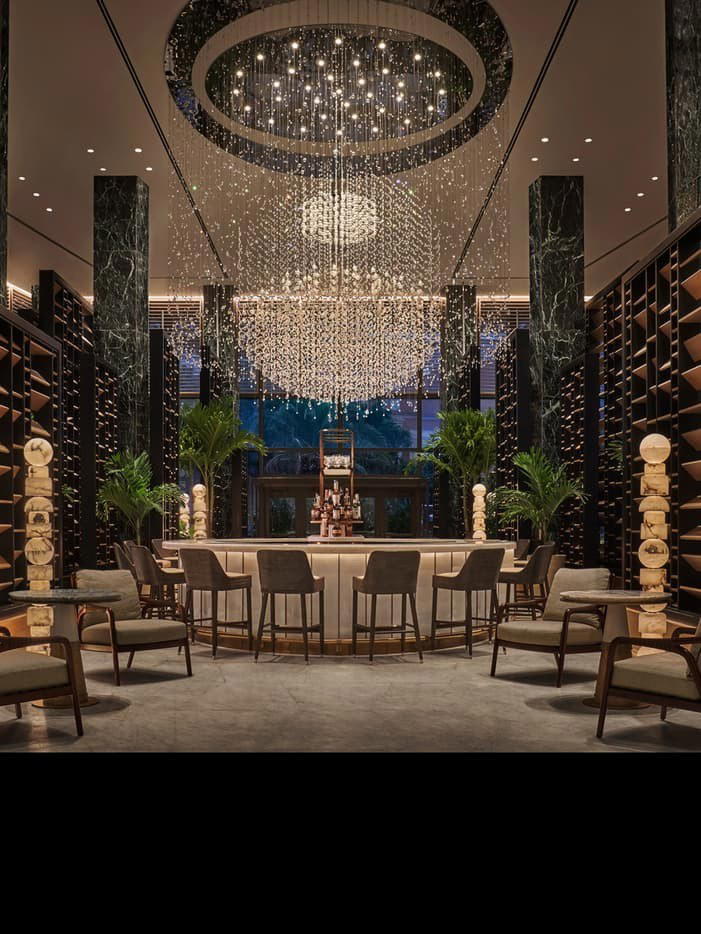
Noisy and lively with smooth R&B music, welcoming for socializing with a cool, cosmopolitan vibe.