The Celestine New Orleans

1 Michelin Key
A ten-room property on Toulouse Street in the heart of the French Quarter, The Celestine earned a Michelin Key in 2024 for its retro European-inflected design and intimate scale. Rooms face either the street or a quiet inner courtyard, and the Peychaud's cocktail bar anchors the social life of the house. Rates from $315 per night position it squarely in the French Quarter's design-led boutique tier.

Pearl is the En Primeur Club membership app — saves, bookings, and concierge access live there. Same editors, same standards.
- Address
- 727 Toulouse St, New Orleans, LA 70130
- Phone
- (504) 332-2200
- Website
- thecelestinenola.com
- Directions
- Get directions
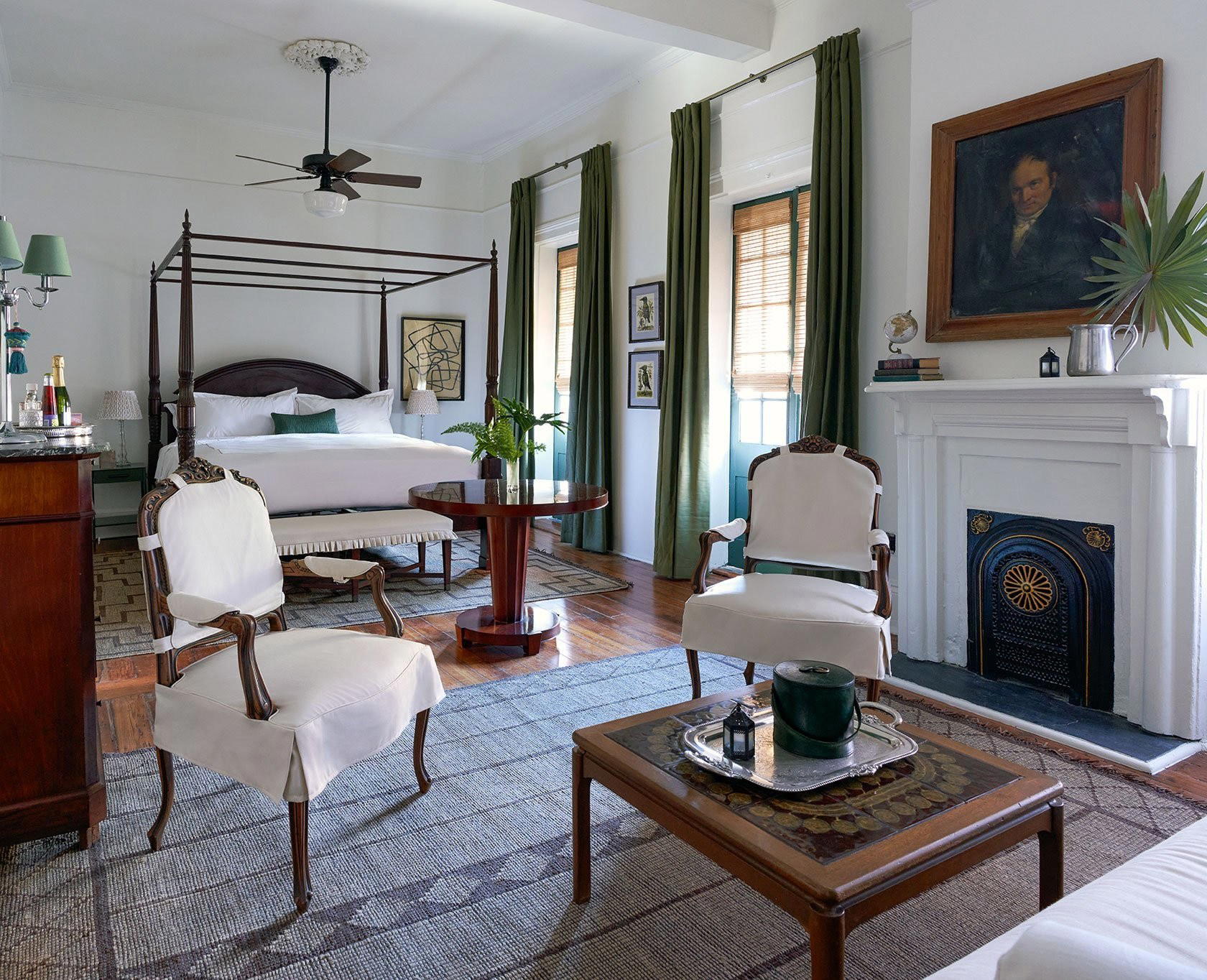
Toulouse Street cuts through the French Quarter like a seam, stitching together the neighbourhood's competing identities: loud and performative along Bourbon, hushed and residential toward the river. At 727 Toulouse, The Celestine New Orleans occupies a building that holds both registers at once. From the street, it reads as another handsome Quarter facade, ironwork and all. Step through and the courtyard pulls the city's noise to a background hum. That shift in register, from spectacle to sanctuary, is the essential French Quarter experience, and smaller properties have always delivered it more convincingly than their larger neighbours.
The French Quarter's Boutique Tier, Placed
The French Quarter hosts a wide spectrum of accommodation, from large convention-adjacent hotels to converted Creole townhouses with fewer than a dozen rooms. The Celestine belongs firmly to the latter category. Ten rooms and suites is a count that enforces a particular kind of stay: quieter common areas, less transactional service, and a property identity shaped more by design and bar culture than by amenity lists. That position places it in a peer group closer to Hotel Peter and Paul and Hotel Saint Vincent than to the Four Seasons Hotel New Orleans, which operates on an entirely different scale and logic.
Michelin awarded the property a single Key in 2024, the year Michelin launched its hotel guide for New Orleans. That recognition matters as a calibration signal: it places The Celestine among properties that earn their standing through character and precision rather than through square footage or brand infrastructure.
Rates from $315 per night sit at a level that demands the property justify itself on quality of experience rather than price alone. For comparison, the French Quarter's larger name-brand hotels often exceed that figure without the density of character that a smaller property can sustain. Across the city, design-led boutique properties like Maison Metier and Catahoula New Orleans operate on a similar premise: limited inventory, strong aesthetic point of view, social spaces that do real work.
Design That Earns the Word Eclectic
New Orleans has always absorbed outside influences and returned them transformed. The city's architectural and decorative DNA reflects French, Spanish, Caribbean, and American threads, layered across three centuries. The Celestine's retro European-inspired interiors work within that tradition rather than against it. This is not a property attempting to erase its Southern American context in favour of a Continental fantasy; instead, the European references function as one more layer on top of what the Quarter already contains.
The ten rooms divide between two orientations: Toulouse Street-facing rooms, which carry the ambient energy of one of the Quarter's more trafficked cross-streets, and courtyard-facing rooms, which trade that activity for stillness and interior views. Neither option is wrong. Street-side rooms place guests in closer contact with the neighbourhood's rhythms, which is part of what the French Quarter is for. Courtyard rooms offer the experience that many Quarter visitors are actually seeking when they book the neighbourhood at all: the sense of having found a quiet interior world behind the city's louder surface.
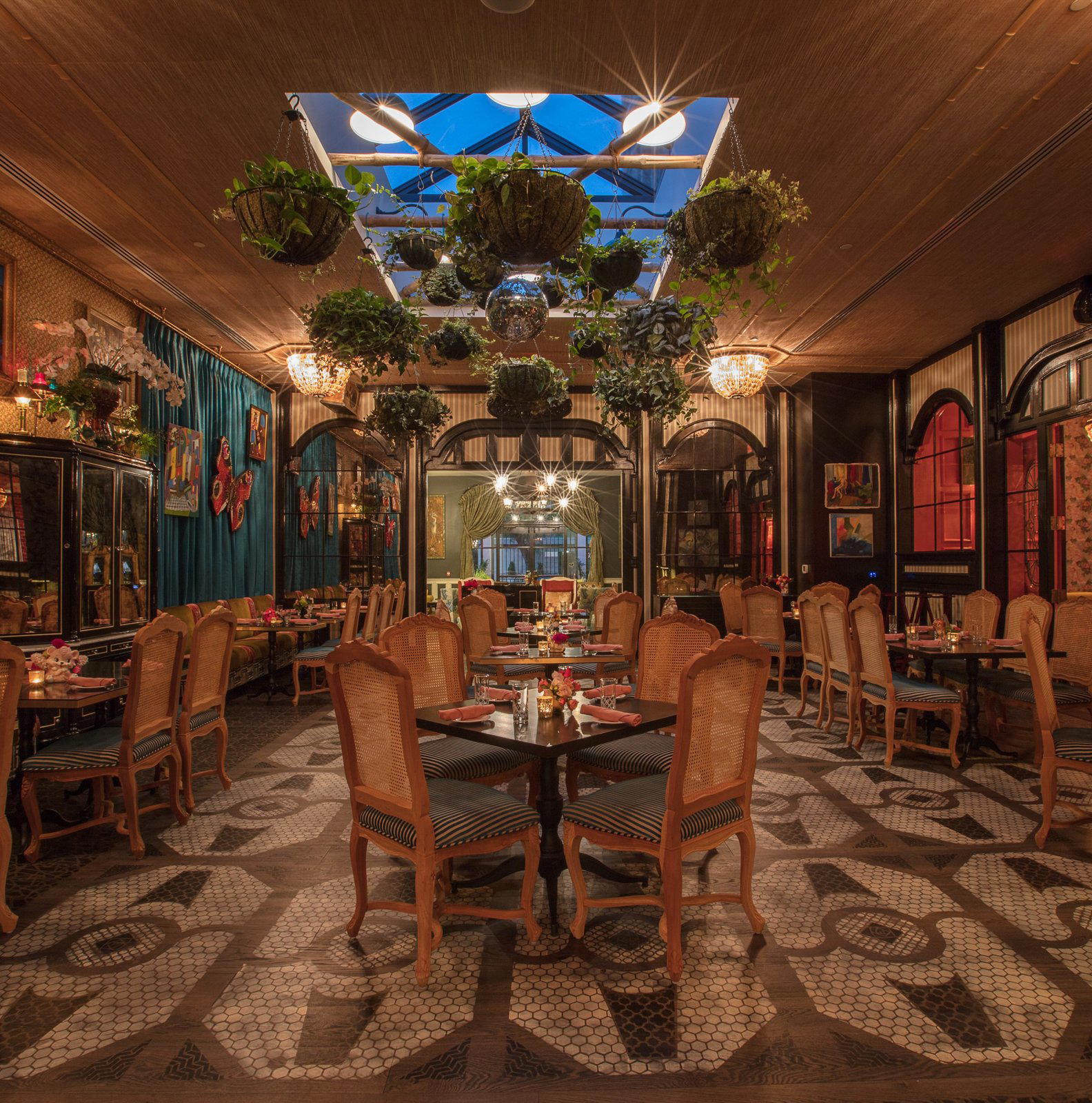
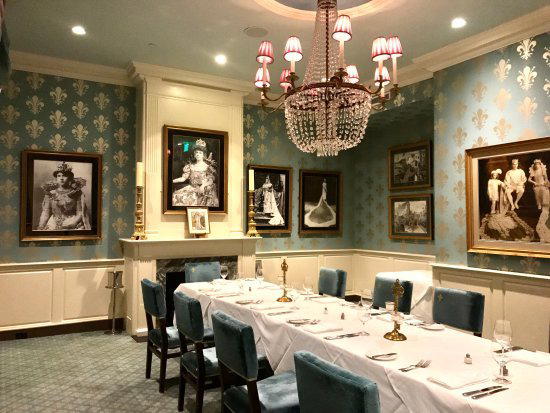
The design is described as richly detailed and eclectic, which in the context of a ten-room property signals deliberate curation rather than accumulation. Small hotels at this price point either succeed or fail on the specificity of their interiors; generic furnishing at $315 a night reads as a failure of intent. The Celestine's Michelin Key suggests the execution is considered enough to reward close attention.
Peychaud's: The Courtyard Bar as Civic Institution
New Orleans cocktail culture has a documented origin story, and the Peychaud name is at the centre of it. Antoine Amédée Peychaud, a Creole apothecary who set up practice in the French Quarter in the early nineteenth century, is credited with developing the aromatic bitters that bear his name and that remain central to classic New Orleans cocktail making, including the Sazerac. Naming the hotel bar after that lineage is not incidental branding; it places the Celestine's social programme in explicit dialogue with the city's deepest drinking traditions.
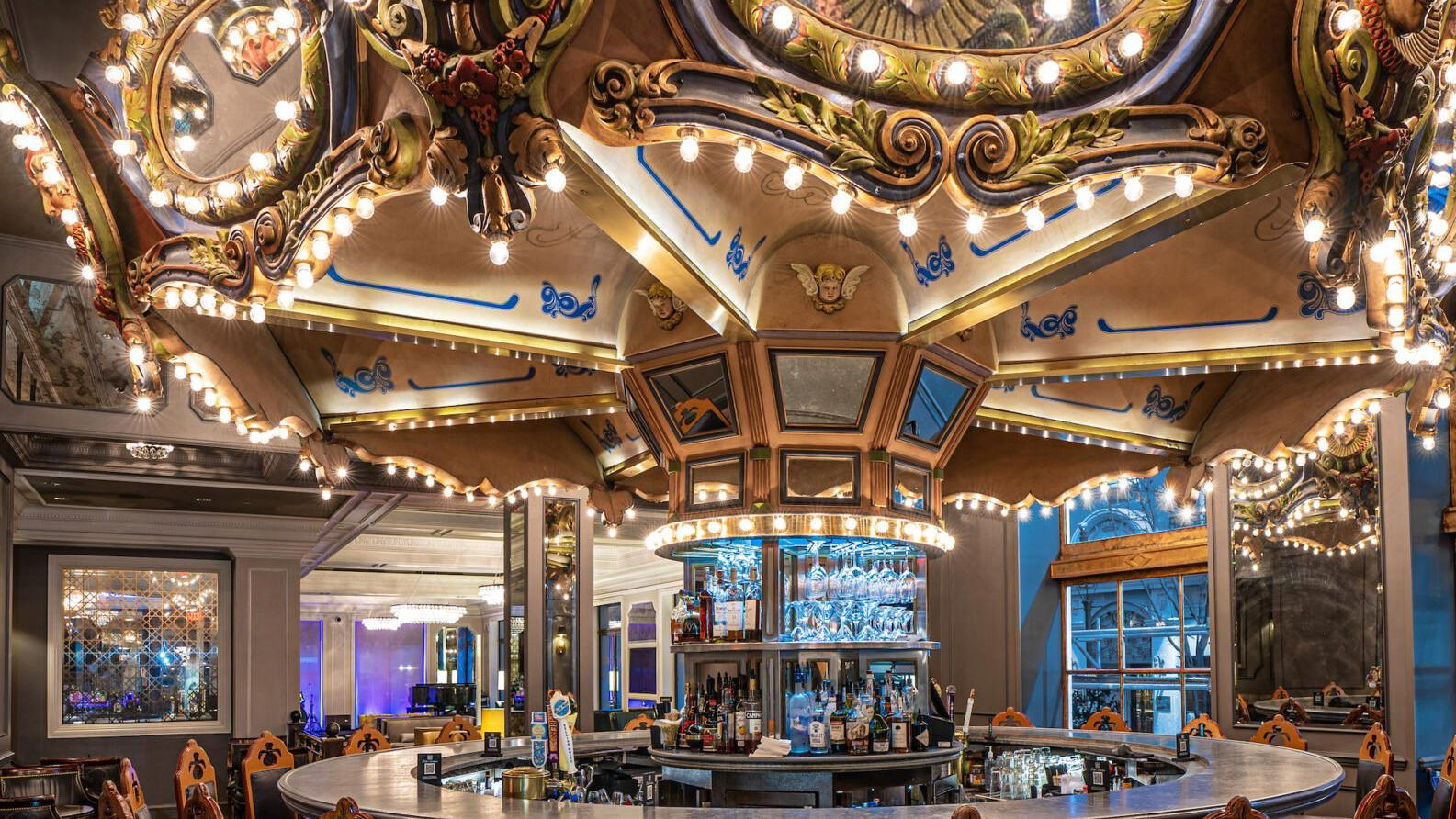
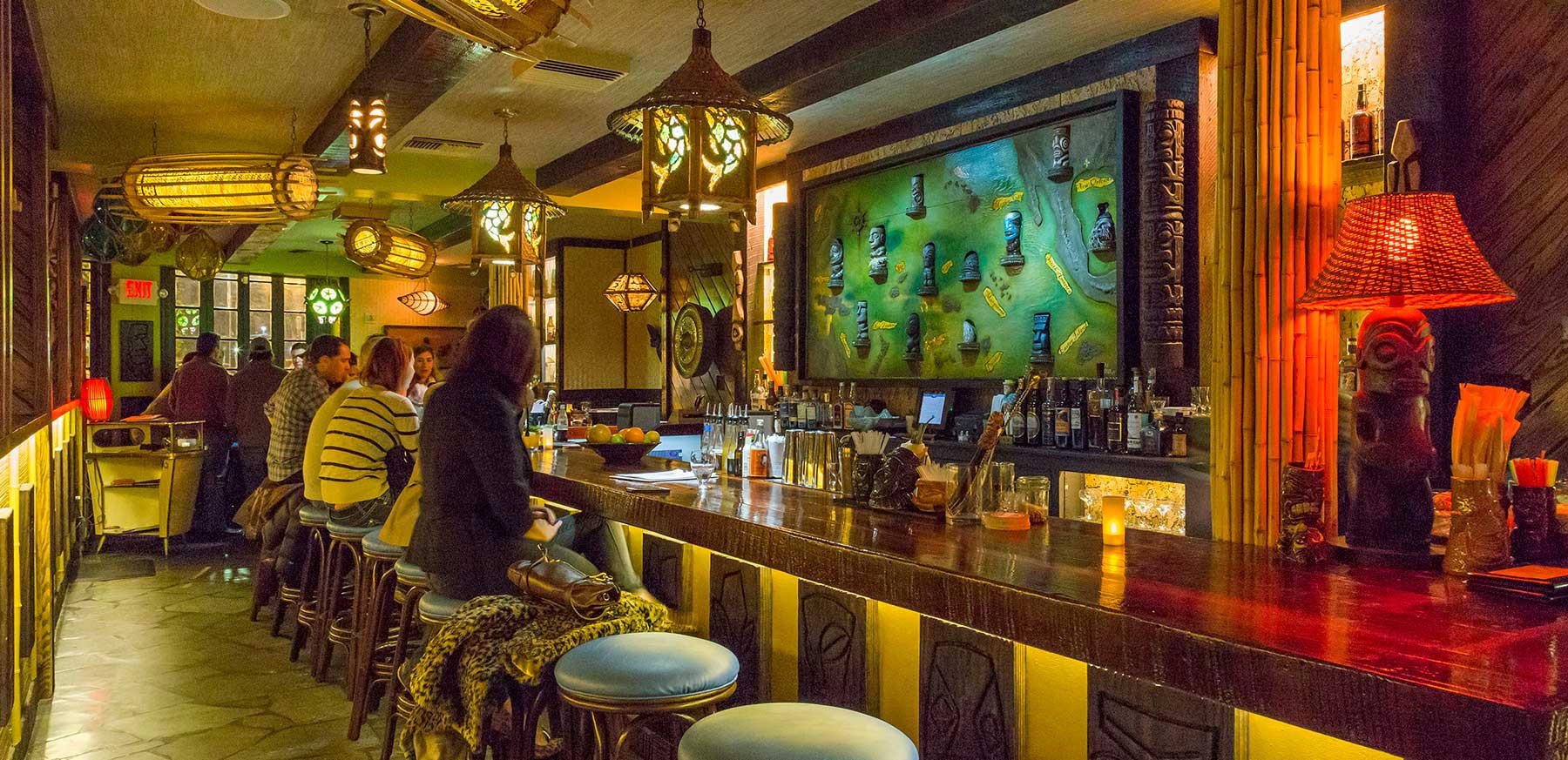
The bar occupies the courtyard, which is the right location for it. New Orleans cocktail culture has always been most itself in transitional spaces, neither fully indoors nor outdoors, where the city's ambient humidity and ambient sound become part of the experience rather than obstacles to it. A courtyard bar gathers guests around a shared outdoor room in a way that lobby bars in larger hotels rarely achieve. It becomes the property's social centre by geography and by design, the place where a ten-room hotel generates the communal energy that its small room count cannot produce on its own.
The combination of a recognisable local bitters brand and a courtyard setting means the bar functions both as a place to drink well and as an introduction to a specific chapter of New Orleans drinking history. That intersection of local ingredient culture and deliberate presentation is, broadly, what the best of the city's current hospitality does: it uses what is specific to New Orleans as the primary material, rather than importing a generic luxury template and overlaying it on a French Quarter address.
Placing The Celestine in the New Orleans Boutique Hotel Conversation
New Orleans boutique hotel market has developed a recognisable grammar over the past decade. Converted historic buildings, limited room counts, strong F&B; programmes, and design that references local culture without reducing it to kitsch define the category's better entries. The Celestine's French Quarter address gives it the neighbourhood with the heaviest symbolic freight in American hospitality, a block or two from sites that have been receiving visitors for two centuries.
Its nearest design-led peers in the broader city include Columns on St. Charles and the Pontchartrain Hotel St. Charles Avenue, both of which operate outside the Quarter in the Garden District corridor and appeal to guests who prefer that neighbourhood's pace. Inside the Quarter, the Hotel Peter and Paul, converted from a nineteenth-century church complex in the Marigny, and the Hotel Saint Vincent in the Lower Garden District represent the city's strongest examples of design-led conversion projects. The Celestine operates in tighter quarters than either, which concentrates its proposition: there is less to do on-site, and the property is betting that what it does offer, the bar, the courtyard, the rooms, executes at a level that justifies the room rate.
For travellers calibrating against the wider American boutique hotel tier, the Michelin Key provides a useful reference point. Properties awarded a Key in Michelin's first New Orleans iteration include some of the city's most considered small hotels; the designation functions as confirmation that the physical and service experience meets a threshold that differentiates it from properties competing on price or location alone. Readers familiar with how Michelin Keys translate at properties like The Fifth Avenue Hotel in New York City or at design-forward American destinations like Troutbeck in Amenia and SingleThread Farm Inn in Healdsburg will have a calibration for what that recognition implies about attention to detail.
Planning a Stay
The Celestine sits at 727 Toulouse Street, placing it within the French Quarter's walkable core. Jackson Square, the French Market, and the majority of the Quarter's notable restaurants and bars are reachable on foot. Rates begin at $315 per night. With only ten rooms, the property fills quickly during the city's major event periods, including Mardi Gras and Jazz Fest, and booking well in advance is the practical requirement rather than a suggestion. For a wider look at where The Celestine sits within New Orleans' dining and hospitality scene, our full New Orleans restaurants guide maps the city's current leading options by neighbourhood and category.
Cuisine Lens
Comparable venues nearby, for context on price, style, and recognition.
| Venue | Cuisine | Price | Awards | Notes |
|---|---|---|---|---|
| The Celestine New OrleansThis venue — the venue you are viewing | Historic boutique blending French Quarter heritage with modern luxury | $200–300 | 1 Michelin Key | Not listed |
| Hotel Saint Vincent | Restored historic boutique hotel blending 1861 architectural heritage with contemporary luxury design and lively botanical aesthetics. | $200–300 | 1 Michelin Key · Fodor's Most Incredible Hotels in the World | Lower Garden District |
| Hotel Peter and Paul | Restored historic religious buildings with distinctive character across convent, rectory, and schoolhouse. | Not listed | 1 Michelin Key · Mr & Mrs Smith Seal of Approval | Marigny |
| Columns | Historic Italianate mansion converted into a boutique hotel with modern restorations preserving architectural spirit. | $200–300 | 1 Michelin Key · Fodor's Most Incredible Hotels in the World | Milan |
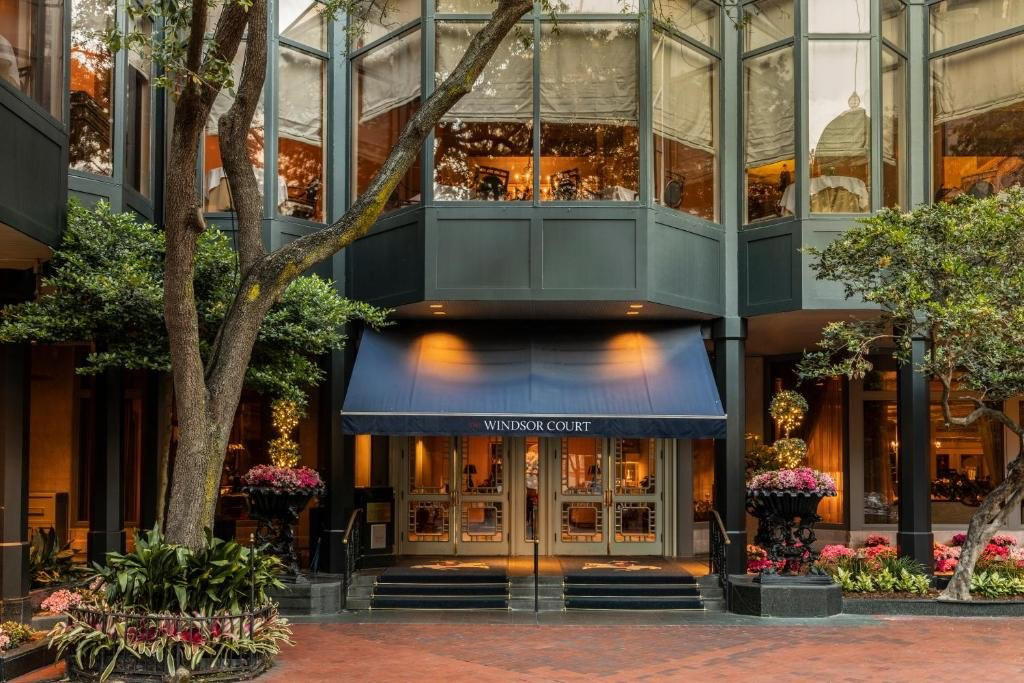
| The Windsor Court | Luxury heritage hotel offering a refined blend of English tradition and contemporary elegance in a historic downtown setting. | $300–500 | 1 Michelin Key · La Liste Top Hotels | Central Business District |
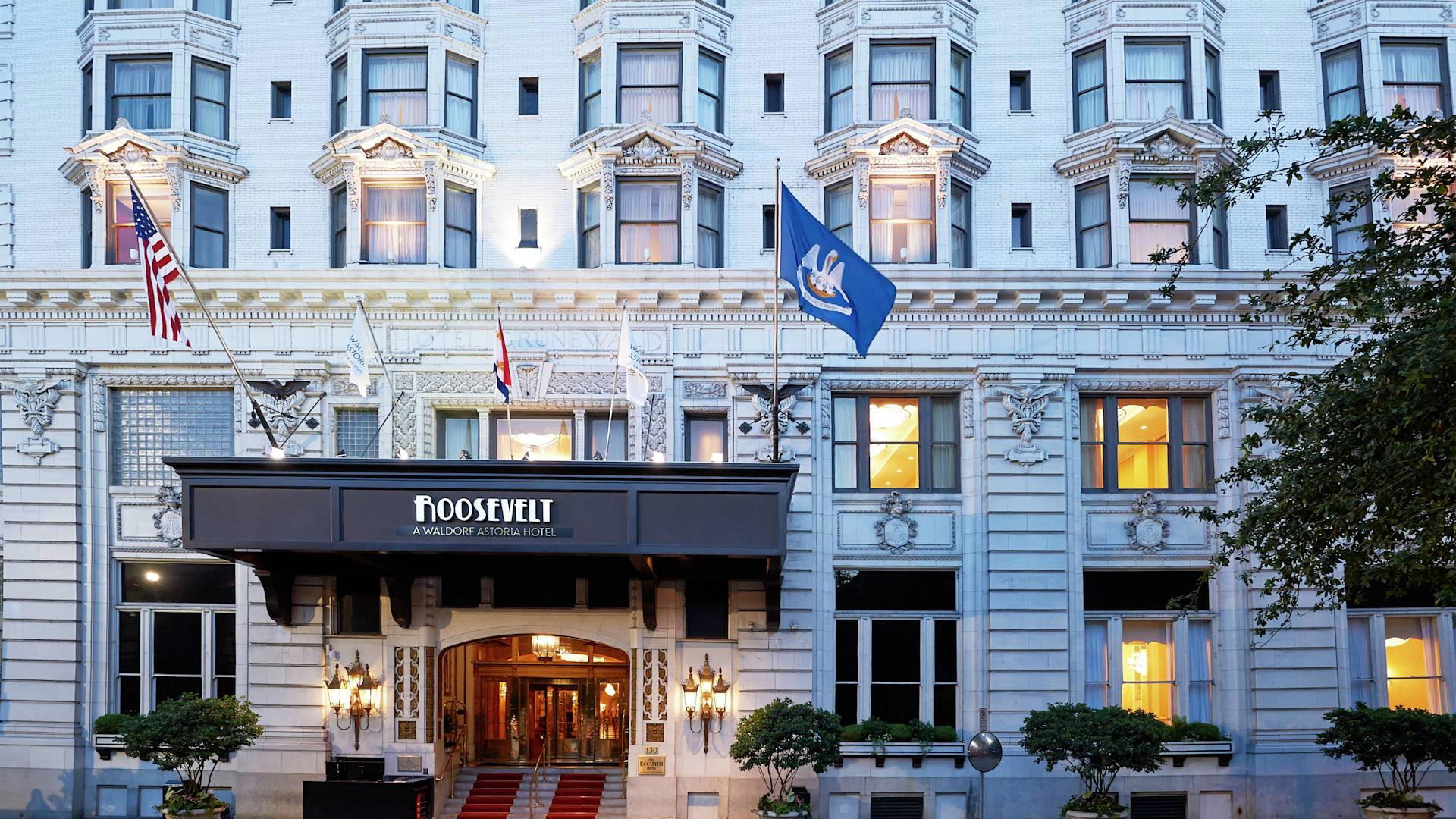
| The Roosevelt New Orleans, A Waldorf Astoria Hotel | Historic luxury landmark restored to original grandeur. | $300–500 | Virtuoso Luxury Hotel Partner · Forbes Recommended | Central Business District |
Recognition history
Dated appearances from independent guides and award organizations, with the underlying list record or original source where available.
Michelin 1 Key
Michelin
Full recognition history (3 entries)
Michelin 1 Key
Michelin
Michelin 1 Key
Michelin
Continue exploring
More in New Orleans
Hotels in New Orleans
Browse all →
Bars in New Orleans
Browse all →
Details
- Elegant
- Intimate
- Sophisticated
- Historic
- Romantic
- Romantic Getaway
- Anniversary
- Weekend Escape
- Historic Building
- Garden
- Terrace
- Wi Fi
- Room Service
- Concierge
- Bar
- Garden
- Street Scene
- Step Free Entrance
Serene courtyard with fountain providing tranquil escape amid French Quarter energy, complemented by elegant rooms with calming patterns, antiques, and soft lighting.