Bar Tonique

Esquire Best Bars in America
Bar Tonique occupies a corner of North Rampart Street that sits at the edge of the French Quarter and Tremé, two neighborhoods that shaped American drinking culture more than almost anywhere else. The bar operates within New Orleans' serious cocktail tradition, where neighborhood bars and craft programs coexist without pretension. It is the kind of place that rewards regulars and curious visitors equally.

Pearl is the En Primeur Club membership app — saves, bookings, and concierge access live there. Same editors, same standards.
- Address
- 820 N Rampart St, New Orleans, LA 70116
- Phone
- (504) 324-6045
- Hours
- Daily 12 PM–2 AM
- Website
- bartonique.com
- Directions
- Get directions
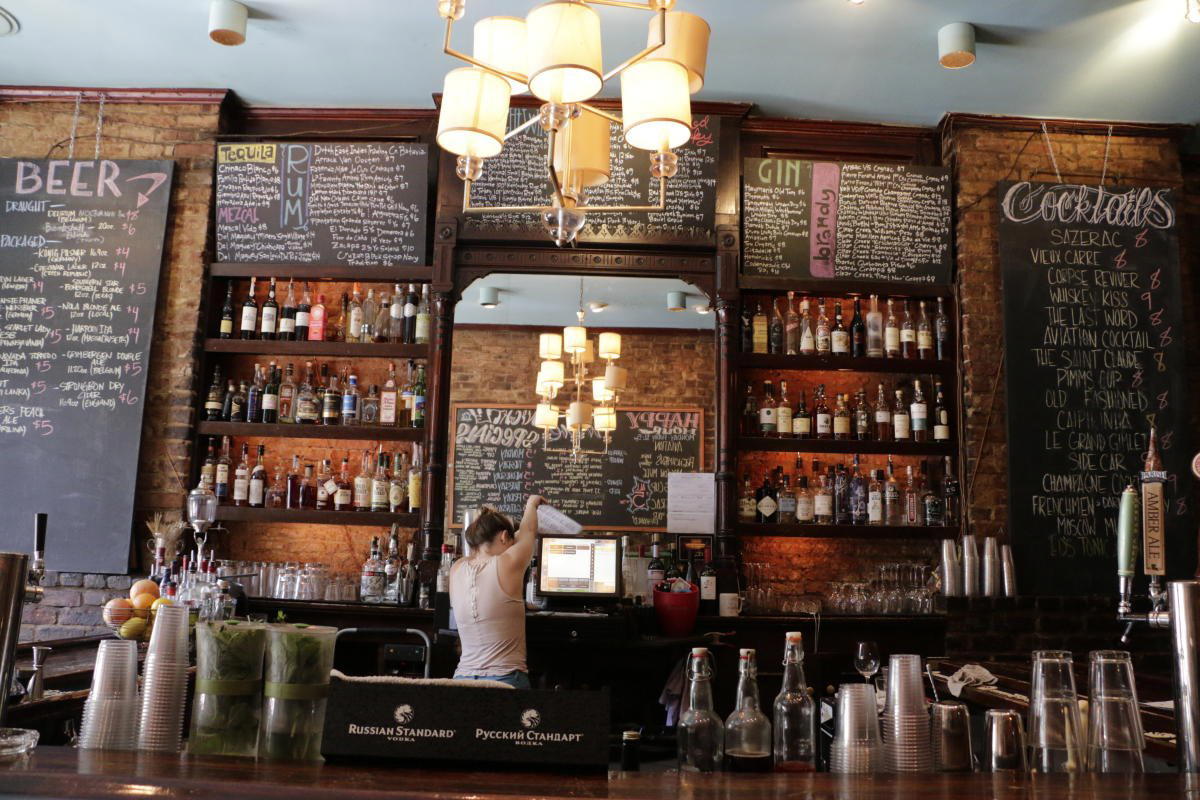
North Rampart and the Edge of Two Worlds
There is a particular quality of light on North Rampart Street at dusk that belongs to no other American city. The street marks the boundary between the French Quarter and Tremé, and standing at that intersection means standing at the intersection of two of the most consequential drinking cultures in North American history. One neighborhood shaped cocktail tradition through its European-influenced taverns and early bartending manuals; the other gave the world jazz, second lines, and the kind of communal joy that finds its natural home at a bar. Bar Tonique sits at 820 N Rampart St, occupying that seam with the kind of physical presence that feels less designed than accumulated.
The bar's position on North Rampart is not incidental. This stretch has long operated as a transitional zone, caught between the dense tourist grid of the Quarter and the quieter, more residential character of Tremé. That in-between status produces a particular atmosphere: fewer conventioneers, more locals, and a pace that matches the neighborhood rather than fighting it. The result is a room that feels genuinely inhabited rather than staged.
Atmosphere as Architecture
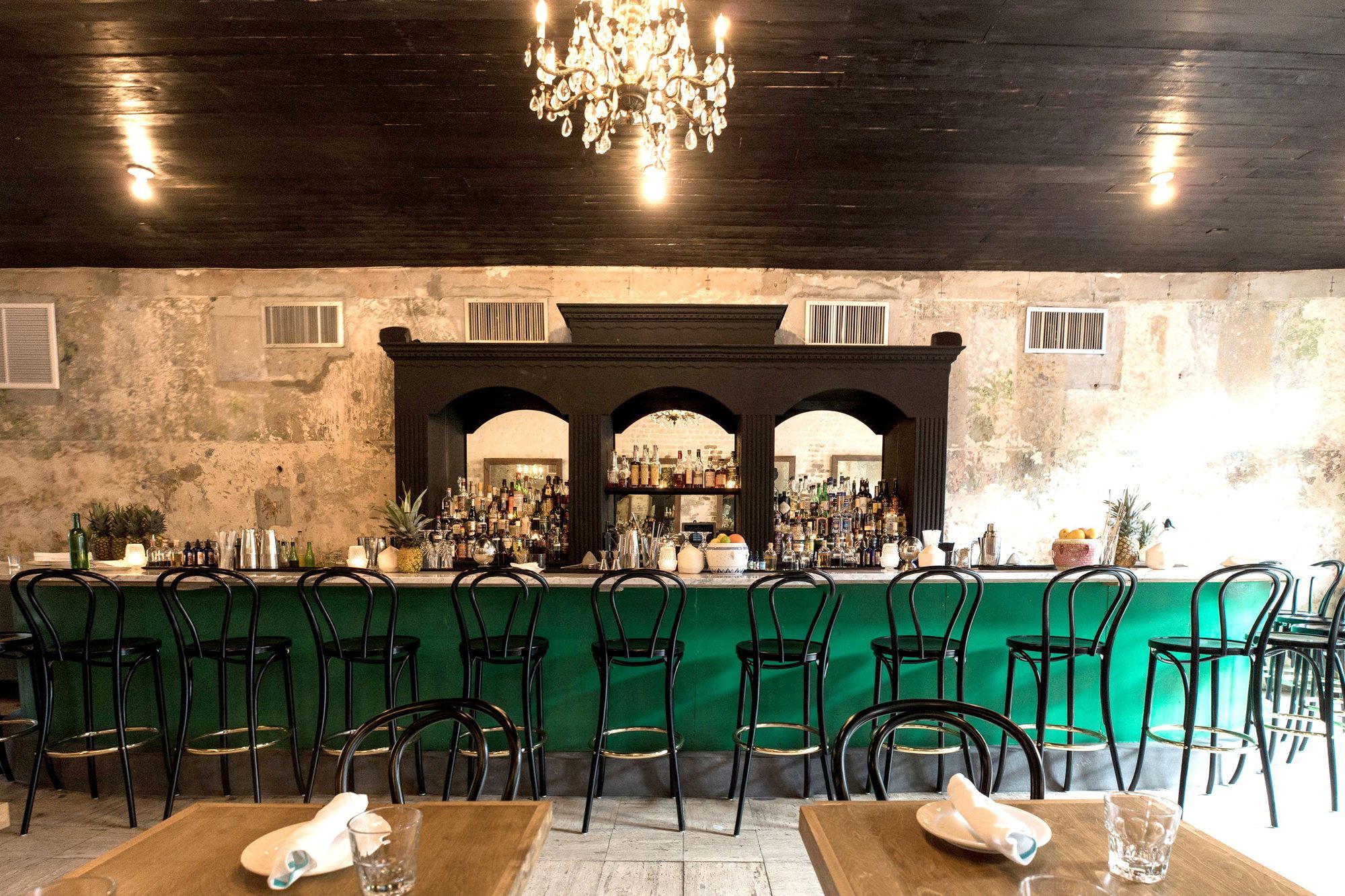
New Orleans' serious cocktail bars have developed a design vernacular that largely resists the national trend toward minimalist concrete and backlit spirits shelves. The city's bar culture tends toward wood, worn surfaces, low lighting, and a general sense that the room has absorbed years of conversation. Bar Tonique fits within that tradition, offering a physical environment that communicates something about drinking as a long-term civic practice rather than a curated experience to be photographed.
The bar's location on the edge of Tremé gives it a sound environment that no amount of interior design can replicate. This is a neighborhood where music moves through walls, where a second line parade can materialize on a Tuesday afternoon, and where the ambient noise of the street is itself a form of programming. Inside, the effect is of a room that is porous to the city around it rather than sealed against it. That permeability is part of what separates bars in this part of New Orleans from their counterparts in more controlled hospitality environments.
Across the American cocktail scene, the last decade has seen a proliferation of what might be called performance bars: venues where the theater of preparation, the elaborate garnish, and the origin story of each ingredient are as central as the drink itself. New Orleans has produced some of those programs, but it has also maintained a counterweight tradition of bars where the drink is simply expected to be good and the room is expected to hold a conversation. Bar Tonique belongs to the latter category.
Where Bar Tonique Sits in New Orleans' Cocktail Tier
New Orleans' craft cocktail scene has matured into a layered market. At one end sit destination bars built for national recognition, places like Jewel of the South and Cure, which operate with structured programs and measurable industry credentials. At another end sit the city's dive bars and neighborhood taverns, which serve the population that actually lives here. Bar Tonique occupies a position between those tiers: technically serious enough to draw cocktail-literate visitors, but grounded enough in neighborhood identity to function as a local bar in the fullest sense.
That positioning reflects something genuine about how drinking culture works in New Orleans. The city does not cleanly separate its serious bars from its casual ones in the way that, say, Chicago or San Francisco tend to. Kumiko in Chicago and ABV in San Francisco both operate within clearly defined craft-bar frameworks that signal their tier explicitly through design, pricing, and format. New Orleans' version of seriousness is often quieter, embedded in neighborhood context rather than announced through the room's visual language.
The comparison extends to other American cities with strong regional cocktail traditions. Julep in Houston and Bar Leather Apron in Honolulu each draw on local identity to distinguish themselves within national craft bar conversation. In New Orleans, that local identity is so thoroughly embedded in the city's public character that a bar on North Rampart does not need to advertise its roots. The roots are visible from the street.
Bars such as Beachbum Berry's Latitude 29 have shown how New Orleans can absorb a highly specific programmatic identity, in that case a rigorous tiki revival, and make it feel at home rather than imported. Bar Tonique's approach runs in a different direction: less curatorial, more conversational, with the kind of menu depth that rewards return visits rather than single-occasion tourism.
The Cocktail Tradition Behind the Address
New Orleans has a legitimate claim to being the city where the American cocktail was first systematized. The Sazerac, the Ramos Gin Fizz, the Vieux Carré: these are not just historic recipes but evidence of a bartending culture that was, in the nineteenth and early twentieth centuries, as technically refined as anything in Europe. That tradition creates a specific expectation in this city's better bars: classics should be made correctly, and the bar's relationship to the city's cocktail history should be evident in the program, not just invoked as decoration.
Internationally, bars building on layered local tradition rather than generic craft-bar signaling have become a more recognized category. Superbueno in New York City, Allegory in Washington, D.C., and The Parlour in Frankfurt each demonstrate how a bar can carry a distinct local or conceptual identity without becoming a theme. Bar Tonique operates in that same register, with New Orleans as the animating context rather than the backdrop.
Planning a Visit
North Rampart Street is walkable from the French Quarter but sits just outside the densest tourist grid, which means the bar draws a different crowd than venues on Bourbon or Frenchmen Street. Visitors arriving from the Quarter cross into Tremé almost imperceptibly, with the character of the block shifting noticeably within a few steps. The bar is also accessible from the Tremé side for those staying in or exploring that neighborhood. The bar is part of the broader New Orleans cocktail conversation documented in our full New Orleans guide, which maps the city's drinking culture across neighborhoods and tiers. A visit here pairs naturally with exploration of 2 Phat Vegans nearby for a fuller picture of North Rampart's independent character.
Budget Reality Check
| Venue | Cuisine | Price | Awards |
|---|---|---|---|
| Bar ToniqueThis venue — the venue you are viewing | Not listed | $20–30 | Esquire Best Bars in America |
| Jewel of the South | New American | Not listed | World's 50 Best #6 · James Beard Award Outstanding Bar #1 |
| Beachbum Berry's Latitude 29 | Not listed | $30–50 | World's 50 Best #80 · Top 500 Bars Best Bars #244 |
| Cure | Not listed | $30–50 | World's 50 Best #21 · James Beard Award Outstanding Bar Program |
| Cane & Table | Not listed | $30–50 | Top 500 Bars Best Bars #288 |
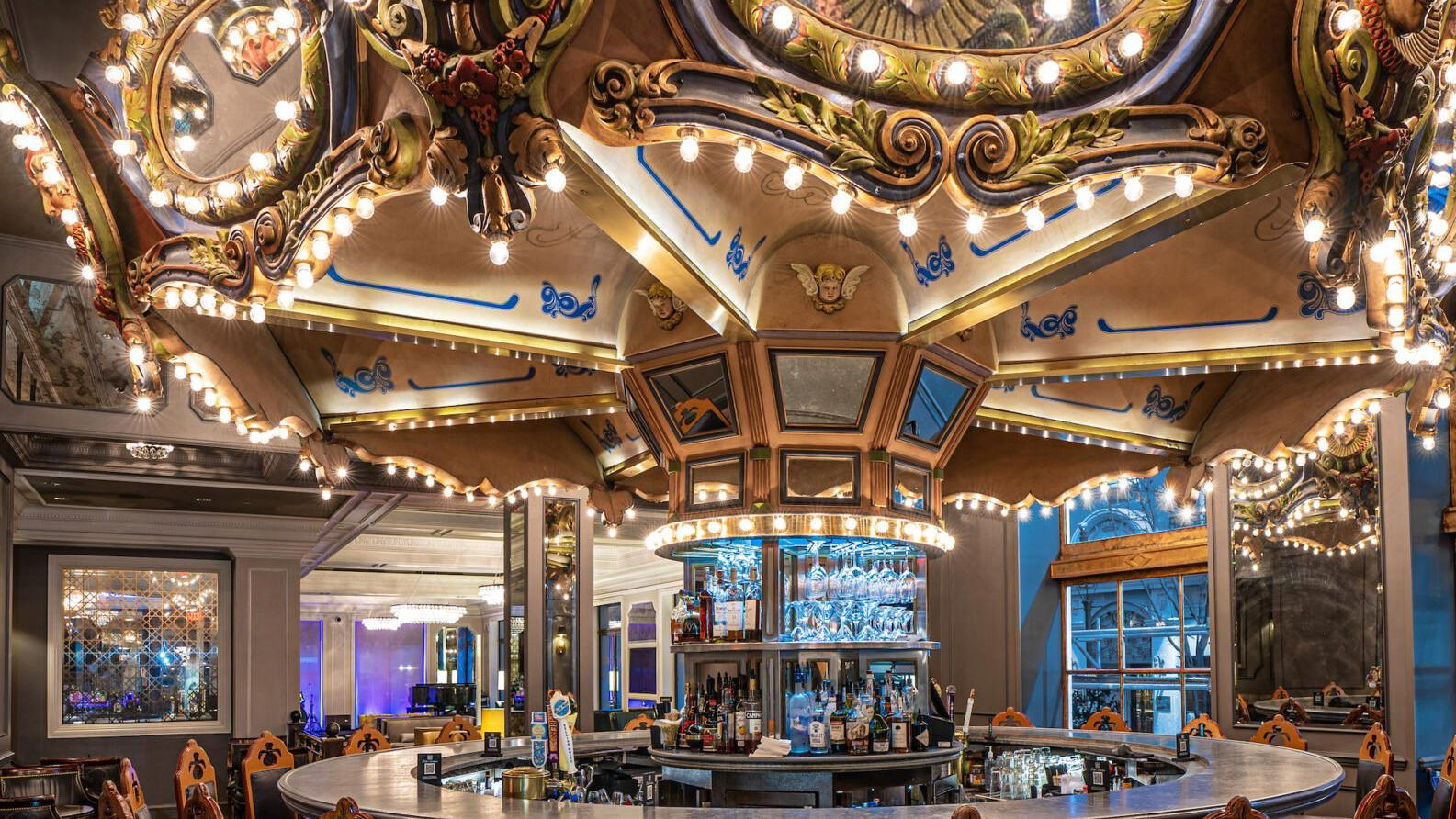
| The Carousel Bar | Not listed | $30–50 | Food & Wine Top 10 US Hotel Bars #3 · Top 500 Bars Best Bars #280 |
Recognition history
Dated appearances from independent guides and award organizations, with the underlying list record or original source where available.
Esquire Best Bars in America
Esquire
Continue exploring
More in New Orleans
Bars in New Orleans
Browse all →
Restaurants in New Orleans
Browse all →
Details
- Lively
- Rustic
- Energetic
- Sophisticated
- Cozy
- After Work
- Late Night
- Casual Hangout
- Group Outing
- Standalone
- Historic Building
- Live Music
- Seated Bar
- Standing Room
- Outdoor Terrace
- Classic Cocktails
- Craft Cocktails
- Rum
- Gin
- Zero Proof
Current opening hours
- Monday
- 12 PM–2 AM
- Tuesday
- 12 PM–2 AM
- Wednesday
- 12 PM–2 AM
- Thursday
- 12 PM–2 AM
- Friday
- 12 PM–2 AM
- Saturday
- 12 PM–2 AM
- Sunday
- 12 PM–2 AM
Hours can change for holidays and private events. Last verified .
Rustic and intimate with exposed brick walls, chalkboards, a small square bar seating about 15 people, and a large chandelier creating an old-timey feel without pretension. Energetic yet welcoming neighborhood atmosphere.