Cane & Table

Top 500 Bars Best Bars #288
Positioned on Decatur Street at the edge of the French Quarter, Cane & Table is one of the few New Orleans bars to earn placement on the Top 500 Bars list (ranked #288 in 2025), building its reputation around the colonial Caribbean drinking tradition. The programme draws on rum-heavy proto-cocktails and a food offering that treats the bar kitchen as a genuine complement to what's in the glass.

Pearl is the En Primeur Club membership app — saves, bookings, and concierge access live there. Same editors, same standards.
- Address
- 1113 Decatur St, New Orleans, LA 70116
- Phone
- (504) 581-1112
- Website
- caneandtablenola.com
- Directions
- Get directions
- Booking
- Book on Resy
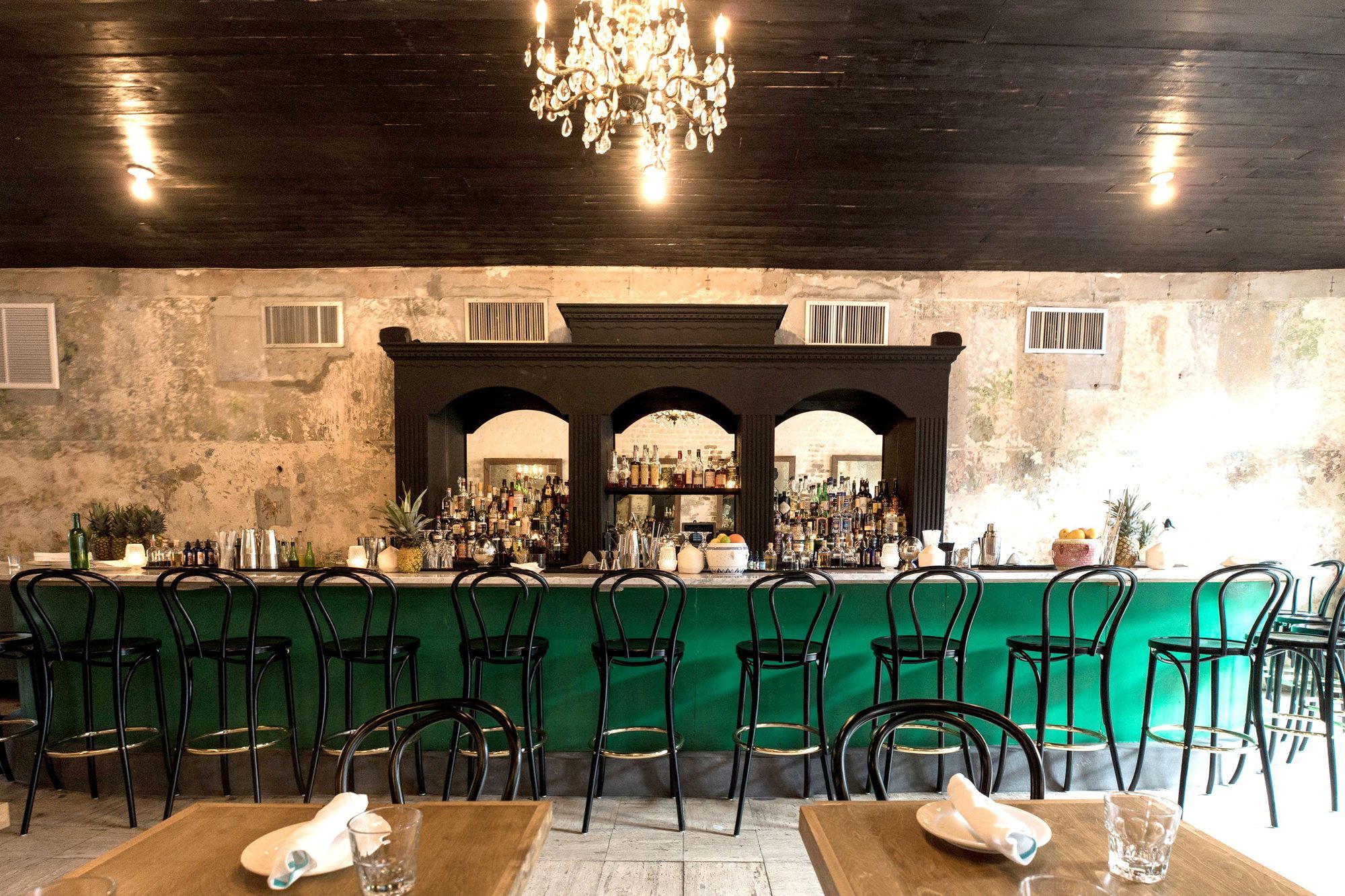
Decatur Street and the Colonial Caribbean Drinking Tradition
The lower French Quarter has always occupied a slightly different register from the more tourist-saturated blocks closer to Bourbon Street. On Decatur, the buildings are older in feel if not always in fact, the light arrives differently through the shuttered facades, and the bars that have lasted here tend to have a point of view beyond the next round of frozen daiquiris. Cane & Table, at 1113 Decatur, sits inside this stretch and draws its identity from a specific and underexplored tradition: the proto-cocktail culture of the colonial Caribbean, the era when sugar, rum, and spice moved through New Orleans as a trading city rather than a tourist one.
That framing matters because it places Cane & Table outside the two dominant modes of New Orleans bar culture — the maximalist party-bar end of Bourbon Street, and the more recent wave of precise, technique-forward cocktail rooms like Cure uptown. The colonial Caribbean angle is rarer, and the bar has used it to build a programme with genuine historical coherence rather than aesthetic novelty.
The Drinks Programme: Rum, Agricole, and the Proto-Cocktail Logic
Rum is the structural anchor here, but the programme reads more like a scholarly argument than a category showcase. The colonial Caribbean era predates the modern cocktail canon, and the drinks at Cane & Table lean into that ambiguity: punches, swizzles, cobblers, and fixes that predate the standardised bartender's toolkit. This is historically grounded territory that sits apart from the tiki wave — Beachbum Berry's Latitude 29 occupies the tiki end of the rum spectrum with far more explicit mid-century Polynesian pop references, while Cane & Table stays closer to the source material.
The bar's placement at #288 in the 2025 Top 500 Bars ranking puts it in a competitive tier that includes bars recognised for both programme depth and execution consistency. Internationally, that tier features venues like Kumiko in Chicago, Superbueno in New York City, ABV in San Francisco, and Allegory in Washington, D.C., bars where the drinks list functions as an editorial statement. Within New Orleans, Jewel of the South occupies a similar recognition bracket, though it draws from a different part of the city's cocktail history.
Food and Drink as a Paired Programme
The editorial angle that distinguishes Cane & Table from most of its ranked peers is the seriousness of its food offering relative to the drinks programme. In the broader cocktail bar category, food tends to fall into one of two modes: perfunctory snacks designed to slow alcohol absorption, or ambitious small plates that distract from the drinks. Cane & Table occupies a different position, using its Caribbean and Creole food programme as a direct extension of the drink logic.
Colonial Caribbean foodways and New Orleans Creole cooking share significant overlap, the same sugar economy, the same African and French influences, the same pantry of spices, pickled vegetables, and preserved proteins. A bar built around proto-Caribbean cocktails and a kitchen that draws from the same culinary geography creates a coherence that most cocktail programmes can't claim. The food here doesn't accompany the drinks so much as it elaborates the same argument. This is a pattern seen at the stronger end of the ranked bar category internationally: Bar Leather Apron in Honolulu and Julep in Houston both treat food as a complementary programme rather than an afterthought, and both carry sustained recognition as a result. The Parlour in Frankfurt on the Main takes a similarly integrated approach in a European context.
In New Orleans specifically, this food-and-drink coherence is harder to achieve than it looks. The city has a dominant culinary tradition that can easily overwhelm a bar kitchen, the temptation is to serve gumbo and fried seafood because they're what people expect. The more considered approach is to use the city's culinary logic selectively, filtered through a specific historical lens. That's the harder editorial choice, and the one Cane & Table appears to have made.
The French Quarter Bar Scene and Where Cane & Table Sits
New Orleans bar culture has undergone a meaningful shift over the past fifteen years. The craft cocktail movement that transformed cities like New York and San Francisco arrived here with a local inflection, not just technique, but a reconnection to the city's own deep drinking history. Sazeracs, Ramos Gin Fizzes, and Vieux Carrés were always here, but the generation of bars that emerged in the 2010s started treating those traditions as a starting point for genuine research rather than a nostalgic menu fixture.
Cane & Table sits within that generation and extends it toward a pre-American, pre-cocktail-canon history. The French Quarter address is intentional: this is the part of the city where the Caribbean trade actually landed, where sugar and rum were commodities before they were cocktail ingredients. The bar's physical location reinforces its conceptual position in a way that a Warehouse District address never could. For a broader picture of how the city's drinking and dining scene fits together, see our full New Orleans restaurants guide.
Who Comes Here and When
The Decatur Street location puts Cane & Table within walking distance of the French Quarter's main tourist corridors, but the bar's programme is pitched at a visitor who is making deliberate choices rather than wandering. The colonial Caribbean concept requires a degree of engagement, a willingness to order something unfamiliar, to sit with a swizzle or a cobbler rather than a recognisable modern cocktail. That self-selection tends to produce a room that skews toward curious, experienced drinkers rather than the first-stop-on-Bourbon-Street crowd.
Evenings in the French Quarter move quickly during festival season and peak tourist periods, and lower Decatur can get loud. Earlier sittings, before the neighbourhood reaches full volume, tend to allow more engagement with the food programme alongside the drinks. That timing applies broadly to French Quarter cocktail bars, the programme rewards attention, and attention is easier to give before the street outside gets loud.
Know Before You Go
- Address: 1113 Decatur St, New Orleans, LA 70116
- Neighbourhood: Lower French Quarter, near the river end of Decatur Street
- Recognition: Top 500 Bars, ranked #288 (2025)
- Programme focus: Colonial Caribbean proto-cocktails with a rum-centred drinks list and a complementary Creole-Caribbean food programme
- Leading approach: Arrive earlier in the evening to engage with both food and drinks before the street gets loud
- Context: Sits between the tiki-influenced rum bars and the technique-forward uptown cocktail rooms; its closest peer in the city for ranked recognition is Jewel of the South
Peers Worth Knowing
Comparable venues nearby, for context on price, style, and recognition.
| Venue | Cuisine | Price | Awards | Notes |
|---|---|---|---|---|
| Cane & TableThis venue — the venue you are viewing | cocktail_bar | $30–50 | Top 500 Bars Best Bars #288 | Not listed |
| Urban South Brewery | beer_bar | $20–30 | Not listed | Lower Garden District |
| Second Line Brewing | beer_bar | $20–30 | Not listed | Mid-City |
| 2 Phat Vegans | Bar | $10–20 | Not listed | French Quarter |
| Manolito | cocktail_bar | $20–30 | Not listed | French Quarter |
| Pat O'Brien's | cocktail_bar | $20–30 | Not listed | French Quarter |
Recognition history
Dated appearances from independent guides and award organizations, with the underlying list record or original source where available.
Top 500 Bars Best Bars #288
Top 500 Bars
Continue exploring
More in New Orleans
Bars in New Orleans
Browse all →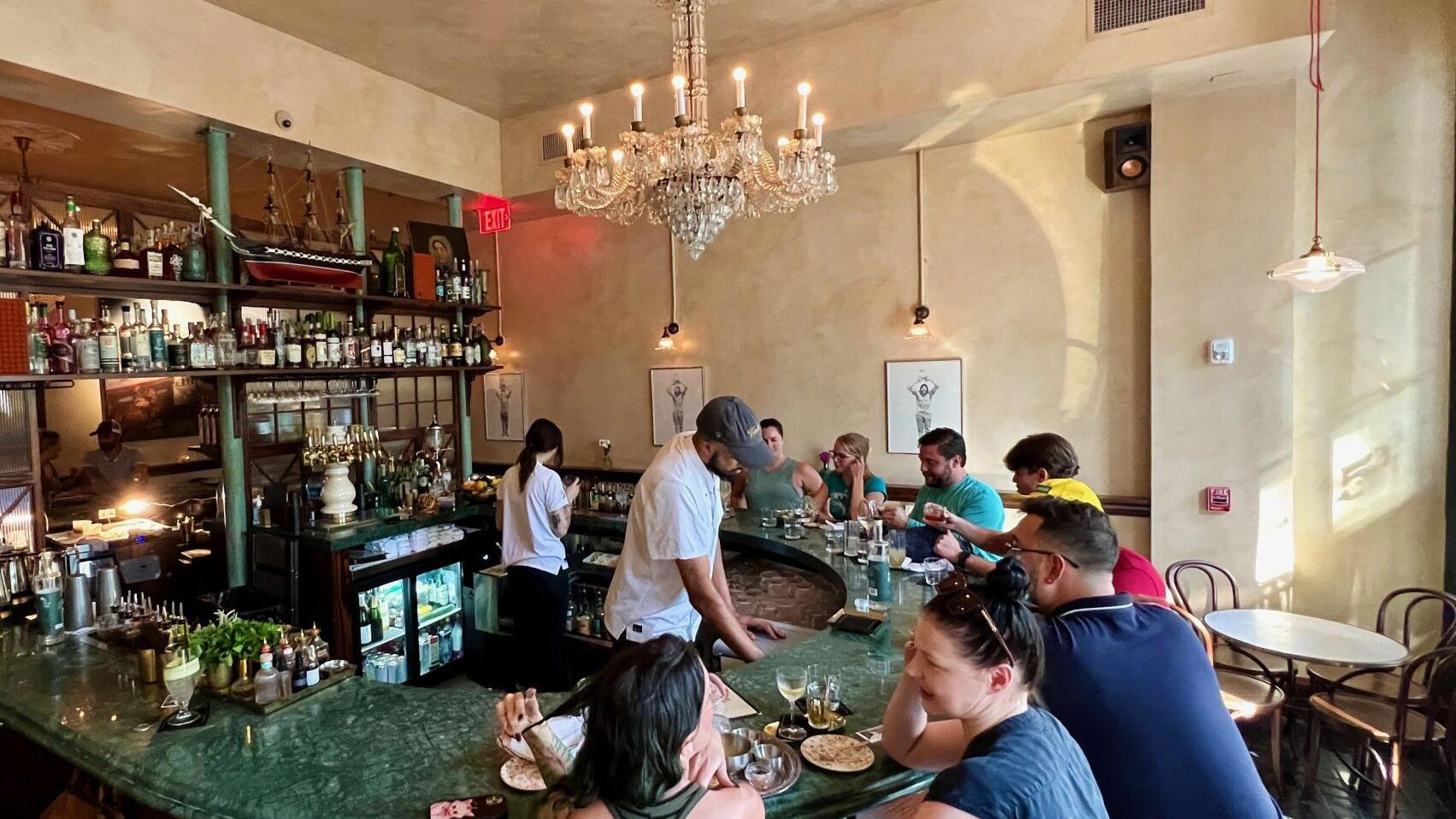
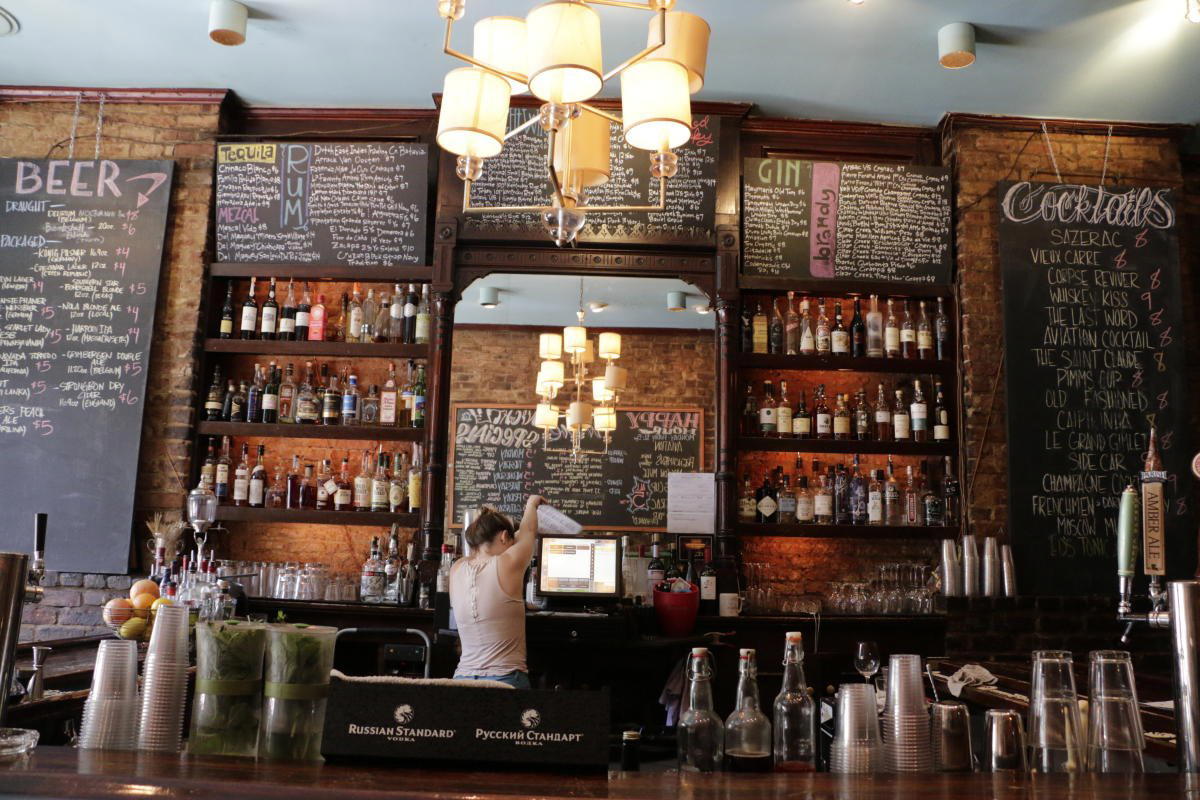
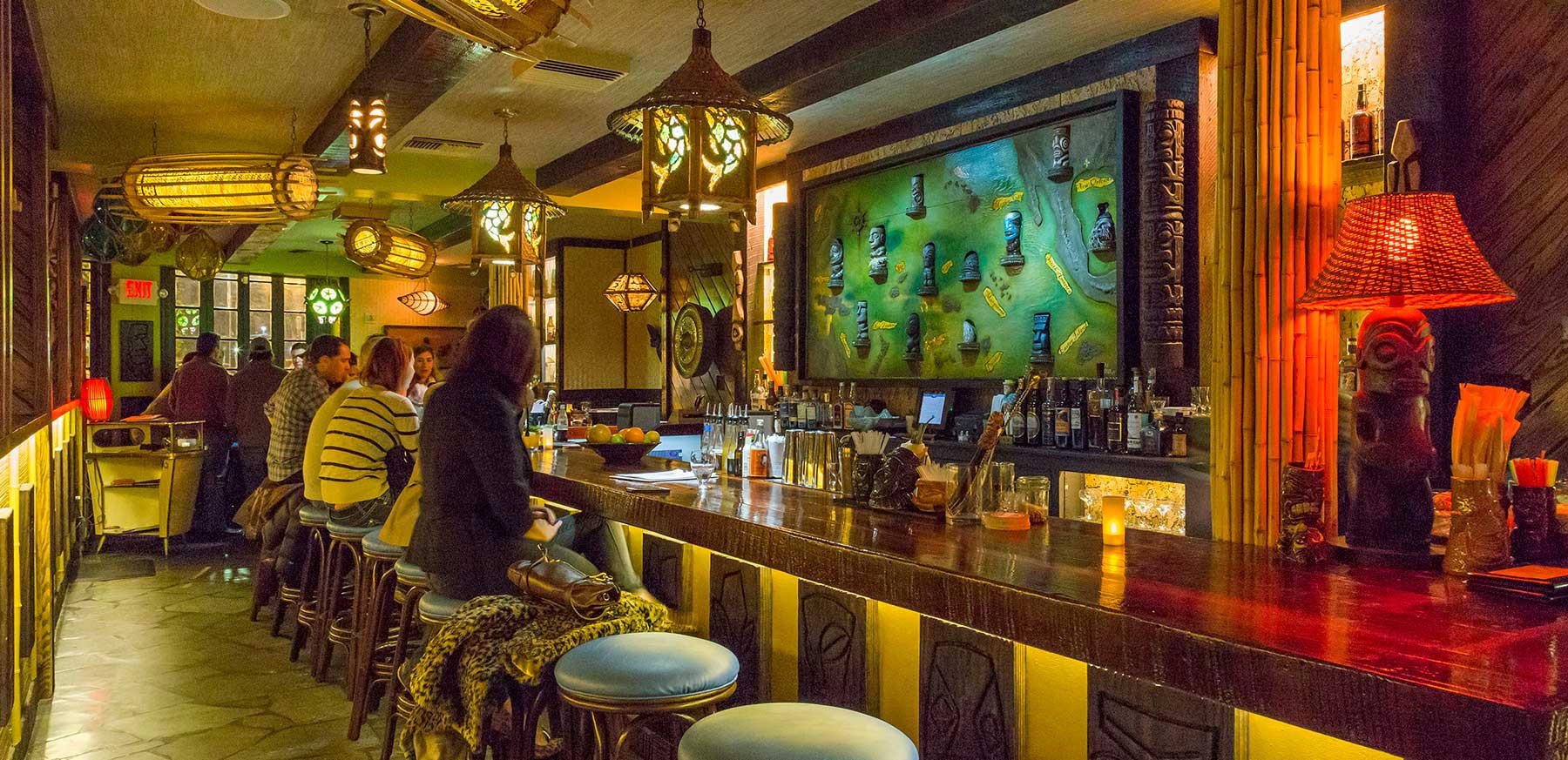
Restaurants in New Orleans
Browse all →
Details
- Historic
- Cozy
- Lively
- Rustic
- Intimate
- Date Night
- Casual Hangout
- Group Outing
- Historic Building
- Courtyard
- Seated Bar
- Lounge Seating
- Outdoor Terrace
- Booth Seating
- Private Rooms
- Craft Cocktails
- Rum
- Classic Cocktails
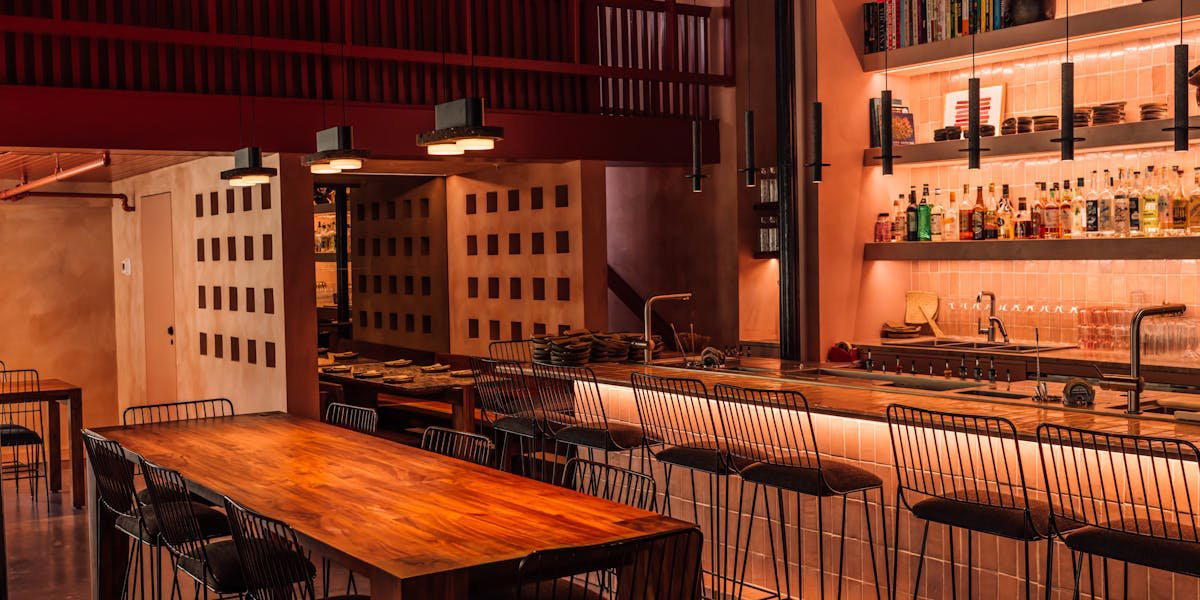
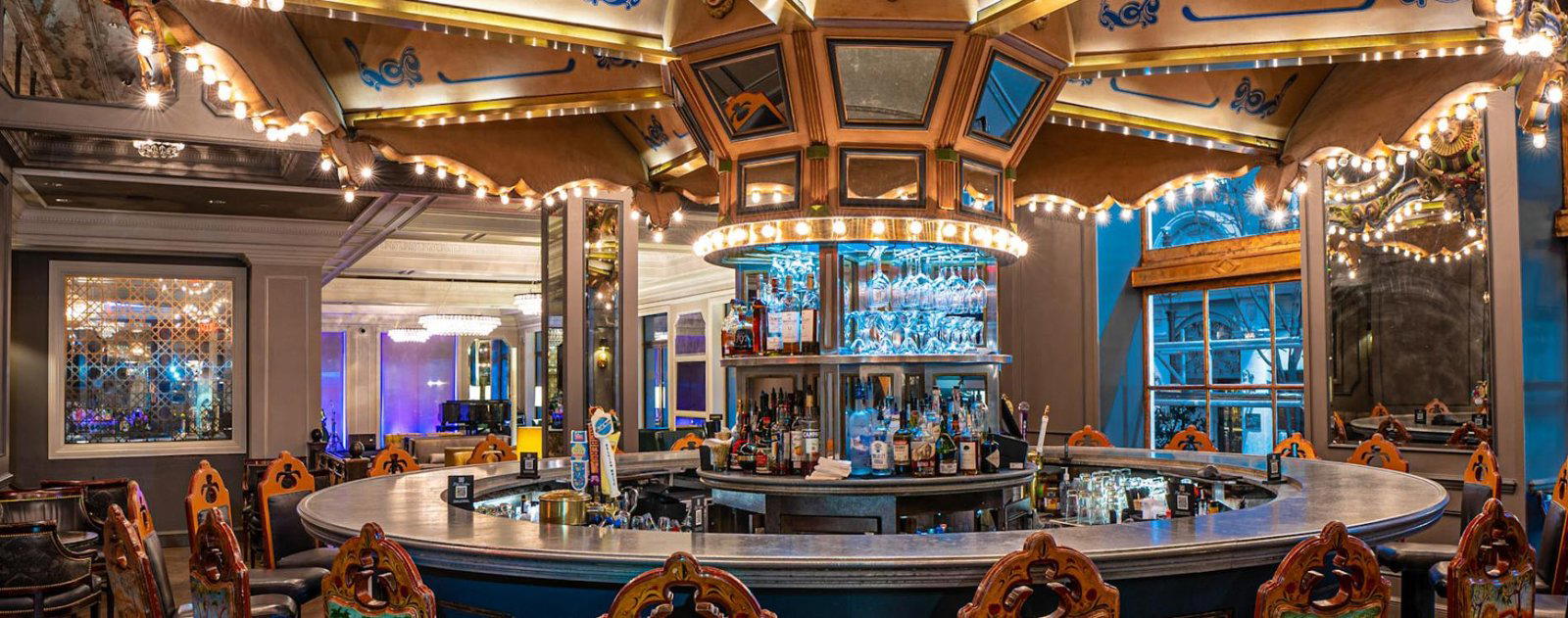
Brick interior with peeling wallpaper, candle wax drippings, dark and intimate inside; brighter courtyard with fairy lights and tropical plants, peaceful respite from street noise.