Legacy Kitchen's Craft Tavern
On Tchoupitoulas Street, where the Warehouse District shades into the Mississippi riverfront, Legacy Kitchen Craft Tavern occupies a corner of New Orleans dining that takes the city's cooking traditions seriously without treating them as museum pieces. The tavern format places it in a mid-tier of approachable craft dining, distinct from the white-tablecloth Creole institutions uptown and the tasting-menu rooms of the French Quarter.
Pearl is the En Primeur Club membership app — saves, bookings, and concierge access live there. Same editors, same standards.
- Address
- 700 Tchoupitoulas St #3612, New Orleans, LA 70130
- Phone
- +15046132350
- Website
- legacykitchen.com
- Directions
- Get directions
 Saves & bookings on Pearl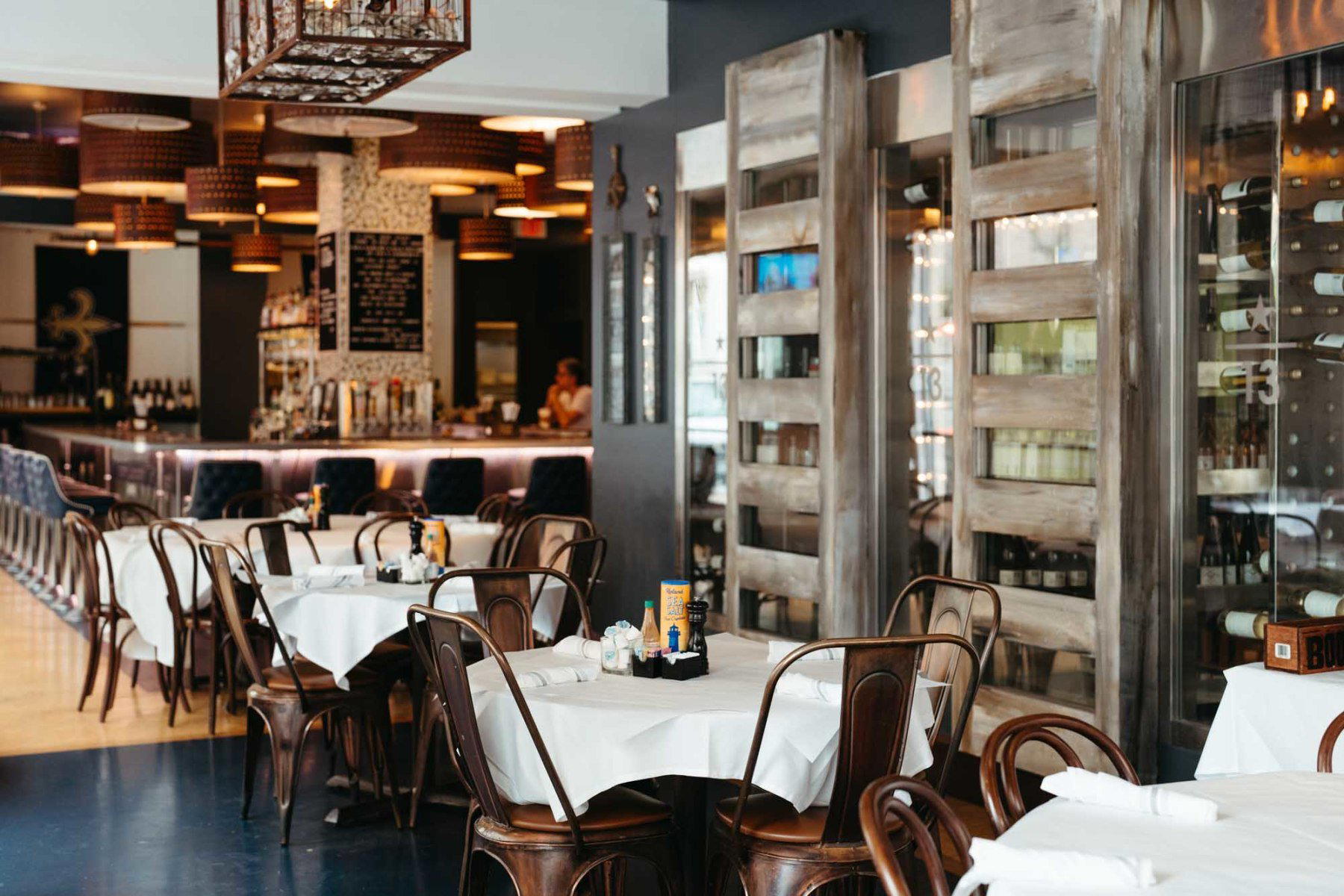
Tchoupitoulas Street and the Craft Tavern in Context
The stretch of Tchoupitoulas Street running through the Warehouse District carries a particular character in New Orleans dining: it is neither the tourist-dense corridor of Bourbon Street nor the neighborhood-institution territory of Magazine Street uptown. Restaurants here tend to address a dual audience of conventioneers from the nearby Ernest N. Morial Convention Center and locals who work in the arts and design district that grew up around the former industrial warehouses. That dual pressure tends to produce a specific kind of operation: approachable enough for a first-night dinner with out-of-towners, considered enough to hold local interest. Legacy Kitchen Craft Tavern at 700 Tchoupitoulas sits inside that dynamic, in New Orleans' Warehouse District and at a casual, price-tier-2 level.
The tavern format itself carries meaning in the American dining canon. Where a bistro signals French-inflected informality and a brasserie implies volume and hours, a craft tavern typically signals a commitment to product sourcing and preparation technique within a relaxed room. Across American cities, the craft-tavern tier has become a middle ground between fast-casual and full fine dining, and New Orleans has its own version of that category. Venues like Zasu, operating at the American Contemporary register, and Bayona in the French Quarter, show how New American sensibilities can be applied to a city whose culinary identity is unusually codified. Legacy Kitchen works within a similar impulse, though the tavern framing suggests a slightly less formal register than either.
New Orleans as a Cooking Tradition, Not Just a Setting
Understanding any New Orleans restaurant requires understanding the weight of what came before it. The city's culinary grammar is among the more developed in North America, built across three centuries from West African technique, French classical structure, Spanish influence, and the produce and seafood of the Gulf Coast and Louisiana bayou. That grammar produced specific dishes, specific preparations, and specific flavor logic. Roux-based gumbos, the holy trinity of onion, celery, and bell pepper, the layered spicing of Creole versus the simpler heat of Cajun, these are not decorative touches but structural principles that trained palates in this city recognize and evaluate with precision.
The Warehouse District grew up at some remove from the oldest Creole kitchens of the French Quarter and the grand uptown dining rooms of places like Commander's Palace, and restaurants in this part of the city have historically had more latitude to engage with tradition selectively. That latitude is both a freedom and a challenge: the audience includes enough locals to notice when something is done carelessly, but the convention-center geography also means a high proportion of visitors whose frame of reference may be elsewhere. Emeril's, which anchored this neighborhood for decades, showed that New Orleans technique could hold its own at a national scale without abandoning local identity. The question for any Warehouse District dining room is how it calibrates between those poles.
The Craft Tavern Tier in a City of Institutions
New Orleans has a higher density of dining institutions per capita than most American cities of comparable size. Commander's Palace, Galatoire's, Antoine's, these are not merely old restaurants but operating archives of Creole technique, with menus and service cultures that have been refined across generations. That institutional weight defines what other restaurants are measuring themselves against, even when they are not explicitly in the same category.
The craft-tavern format occupies a different register from those institutions, one that American diners have become comfortable with across cities from San Francisco to Atlanta. At the high end of the national craft-dining tier, venues like Lazy Bear in San Francisco and Bacchanalia in Atlanta demonstrate how craft sensibility can scale into serious fine dining. At the technical apex of American restaurant culture, you find operations like Le Bernardin in New York City, Alinea in Chicago, and The French Laundry in Napa. Legacy Kitchen operates at a different altitude from those venues, the tavern designation is itself a signal about price point, format, and intent. That is not a criticism. The craft-tavern tier serves a different function: it is where technique and sourcing matter, but where the experience is not structured around ceremony.
Peer context within New Orleans is useful here. Saint-Germain at the higher Contemporary tier and Re Santi e Leoni show how the contemporary register is playing out in the city. Legacy Kitchen's tavern framing places it in a more accessible tier, where the expectation is satisfaction and craft rather than revelation.
Planning a Visit
Legacy Kitchen Craft Tavern is located at 700 Tchoupitoulas Street, within the Warehouse District. The address places it roughly a ten-minute walk from the main Convention Center halls and accessible from the French Quarter by streetcar along the riverfront corridor. Its regular hours run Monday through Thursday from 7 AM to 10 PM, Friday and Saturday from 7 AM to 11 PM, and Sunday from 7 AM to 10 PM; reservations are recommended. In a neighborhood with variable foot traffic depending on convention schedules, arriving with a confirmed booking or early in service is the more reliable approach.
Visitors building a broader New Orleans dining itinerary can cross-reference our full New Orleans restaurants guide, which maps the city's dining across neighborhoods and price tiers. For those extending a trip to compare American regional cooking traditions, Single Thread Farm in Healdsburg, Providence in Los Angeles, Addison in San Diego, Blue Hill at Stone Barns in Tarrytown, The Inn at Little Washington, and Atomix in New York City each represent distinct regional approaches to serious American dining. For international reference, 8 1/2 Otto e Mezzo Bombana in Hong Kong illustrates how European classical technique translates across culinary cultures, a comparison that is relevant to understanding New Orleans' own French-to-Creole translation.
A Quick Peer Check
Comparable venues nearby, for context on price, style, and recognition.
| Venue | Cuisine | Price | Notes |
|---|---|---|---|
| Legacy Kitchen Craft TavernThis venue — the venue you are viewing | Modern American Gastropub with Cajun & Creole Influences | $$ | Not listed |
| Morrow's | New Orleans-Korean Fusion | $$ | Marigny |
| The Bower | Modern American Small Plates | $$ | Central City |
| Dick & Jenny's | Contemporary New Orleans Creole | $$ | West Riverside |
| Cowbell | American Gastropub Burgers | $$ | Carrollton |
| Mother's Restaurant | Classic New Orleans Po'boys & Cajun | $$ | Central Business District |
Continue exploring
More in New Orleans
Restaurants in New Orleans
Browse all →
Bars in New Orleans
Browse all →
At a Glance
- Industrial
- Cozy
- Lively
- Brunch
- Casual Hangout
- Family
- Open Kitchen
- Craft Cocktails
Current opening hours
- Monday
- 7 AM–10 PM
- Tuesday
- 7 AM–10 PM
- Wednesday
- 7 AM–10 PM
- Thursday
- 7 AM–10 PM
- Friday
- 7 AM–11 PM
- Saturday
- 7 AM–11 PM
- Sunday
- 7 AM–10 PM
Hours can change for holidays and private events. Last verified .
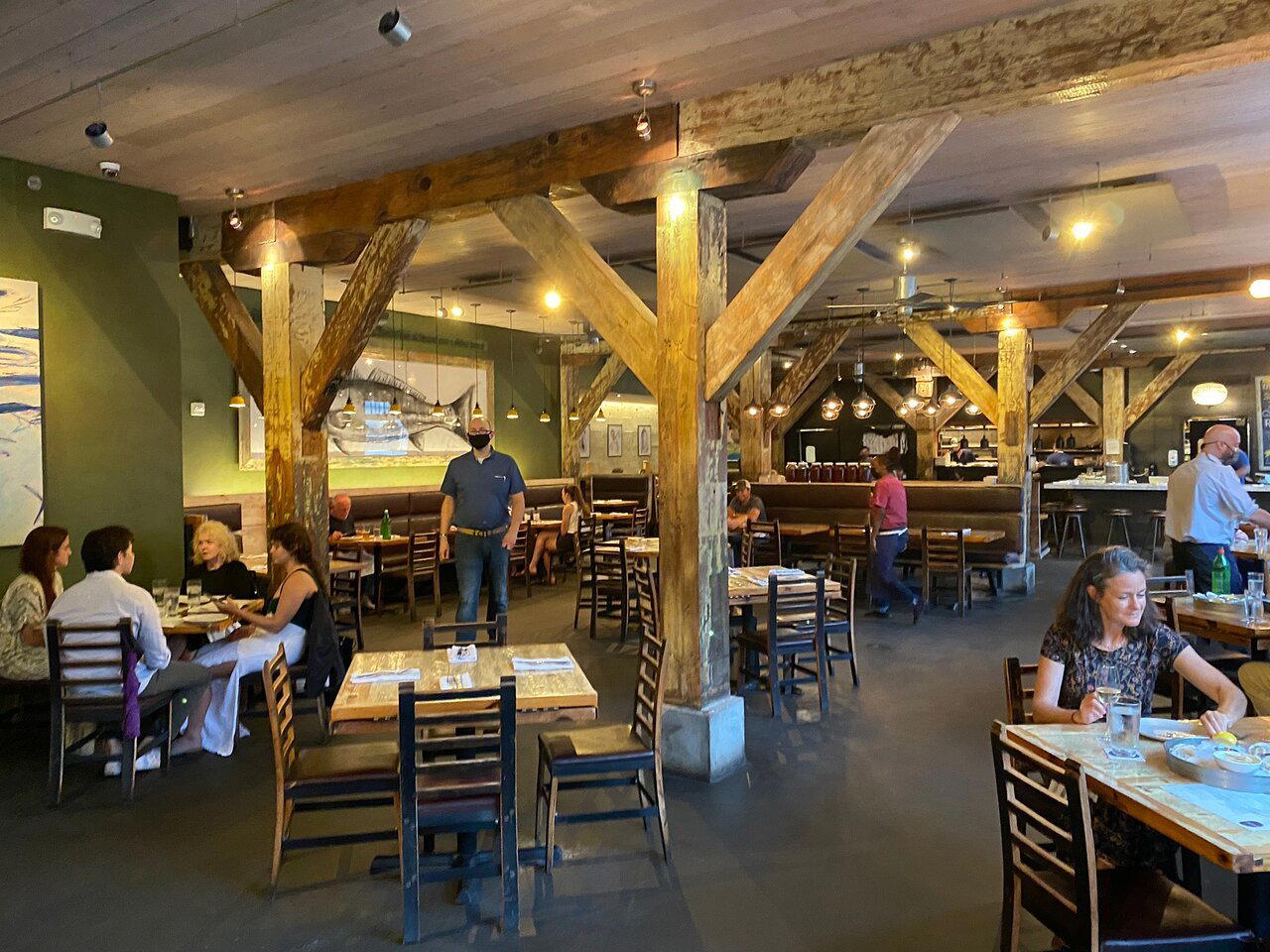
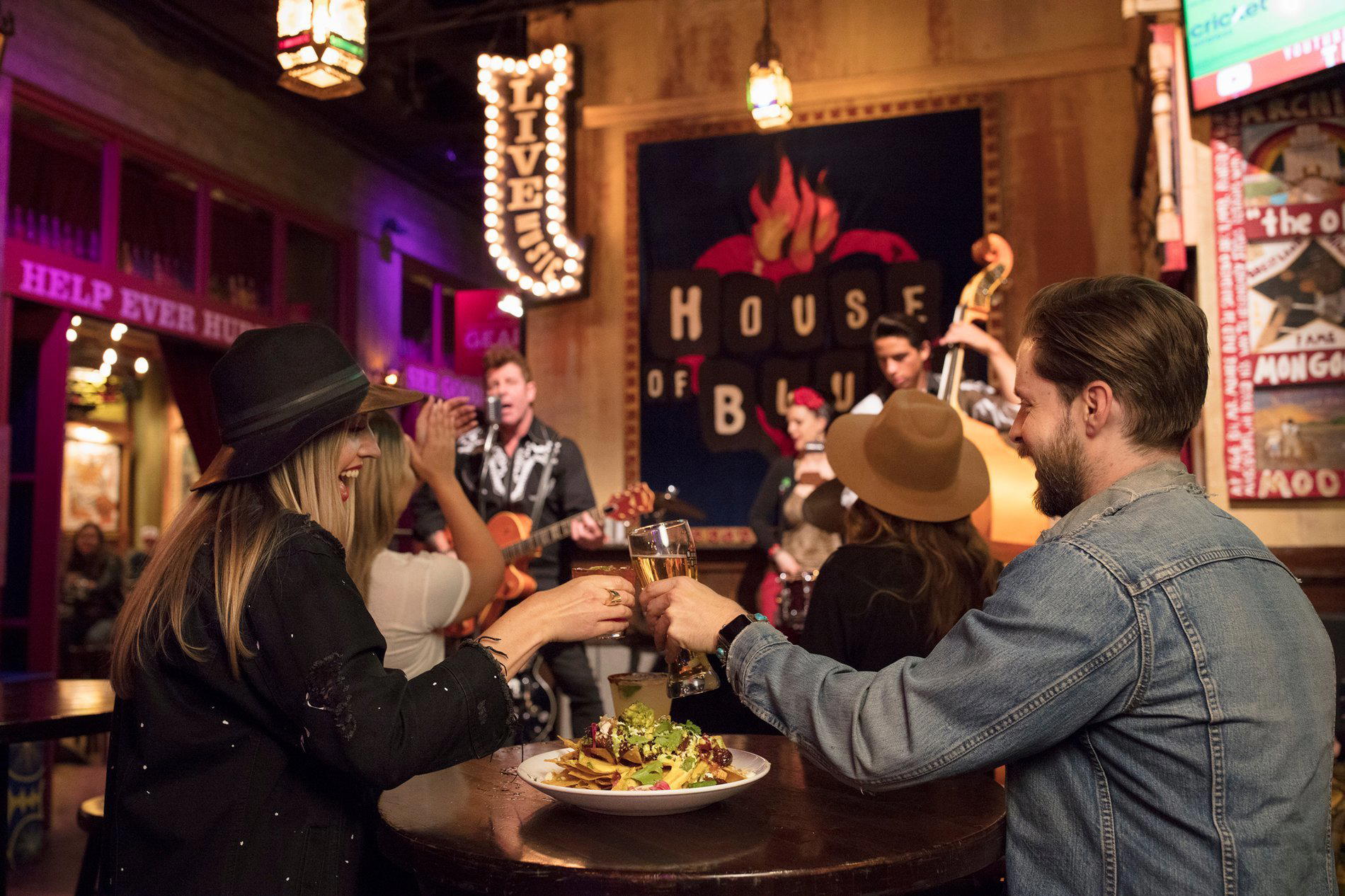
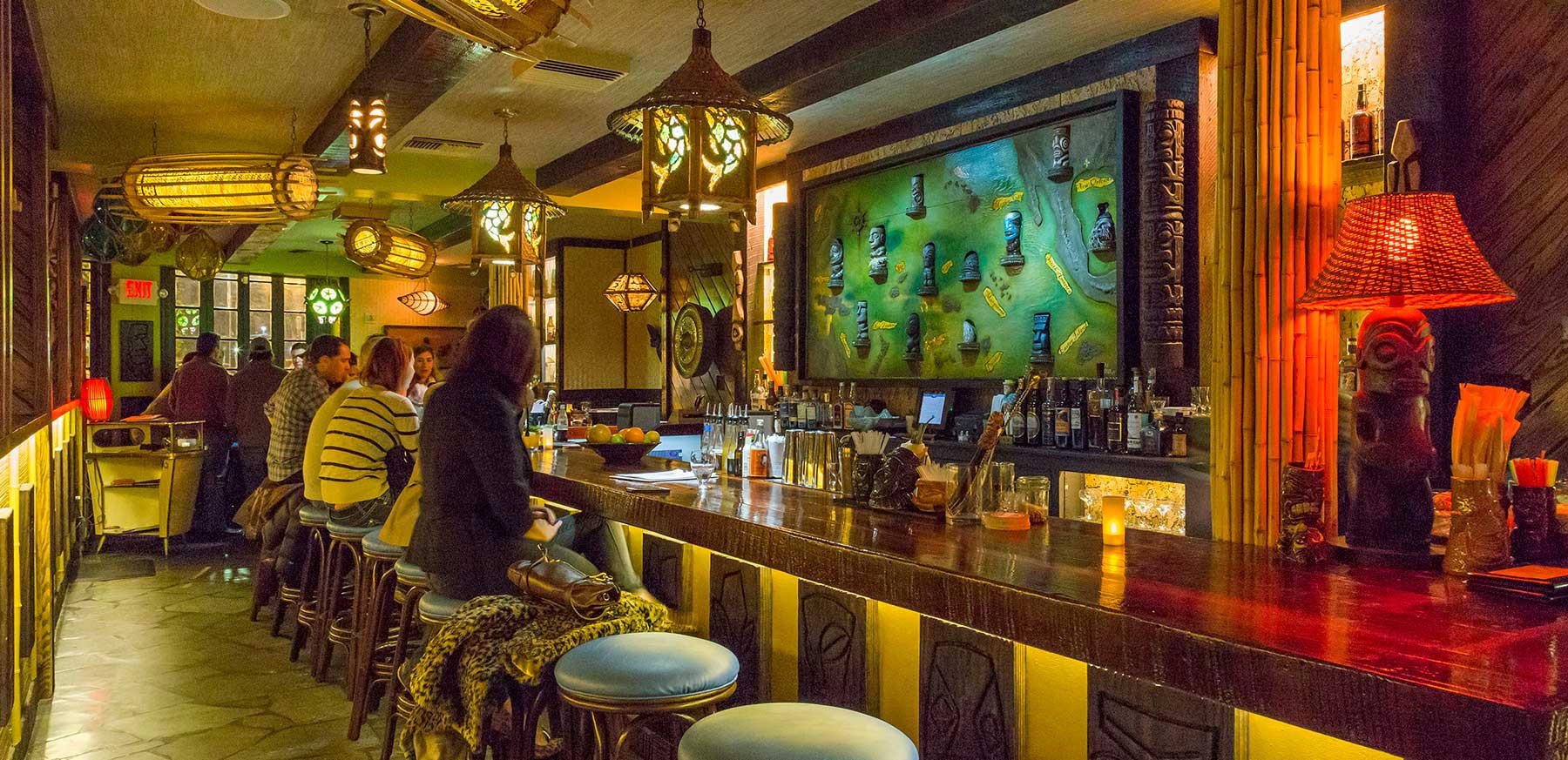
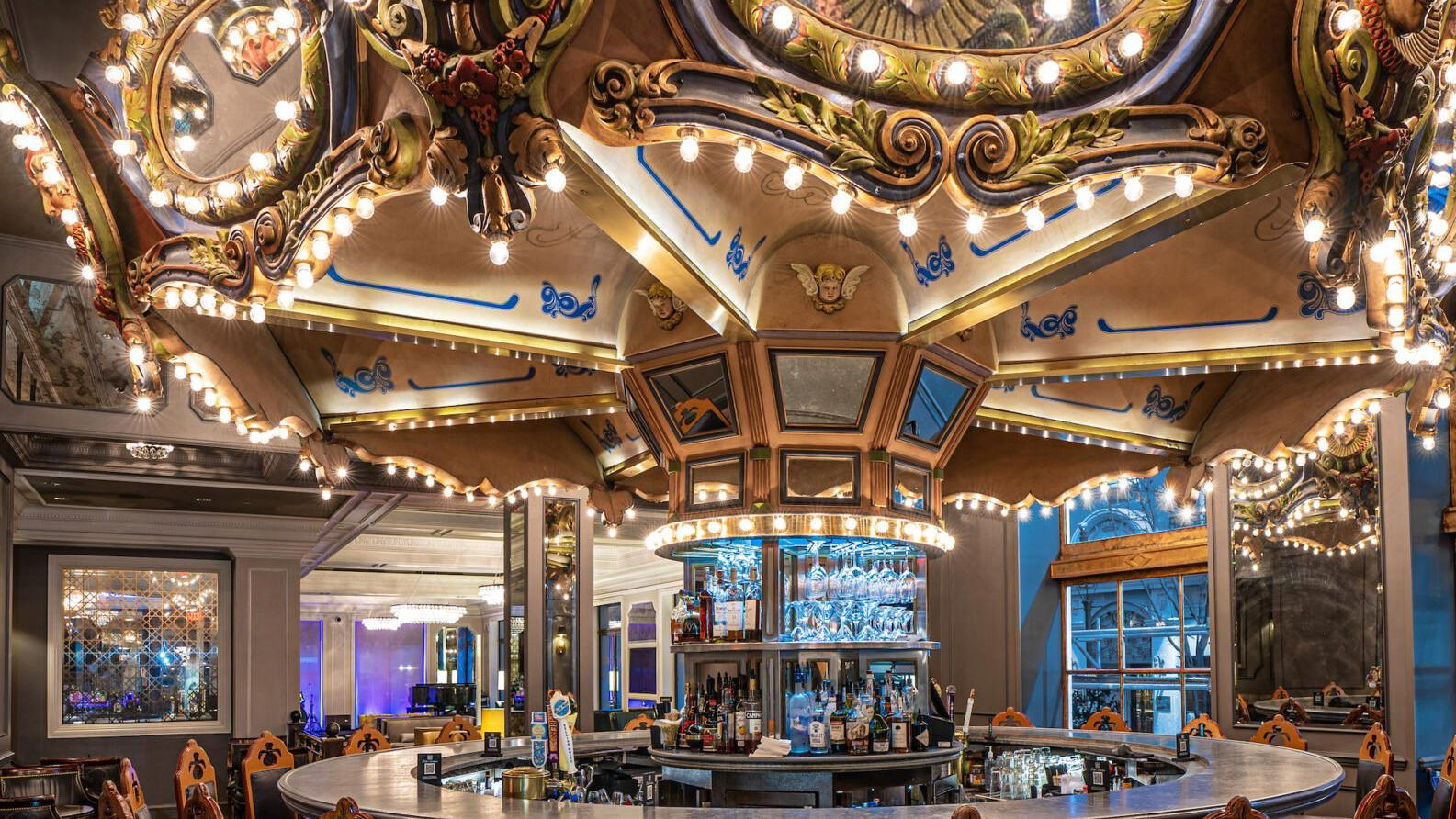
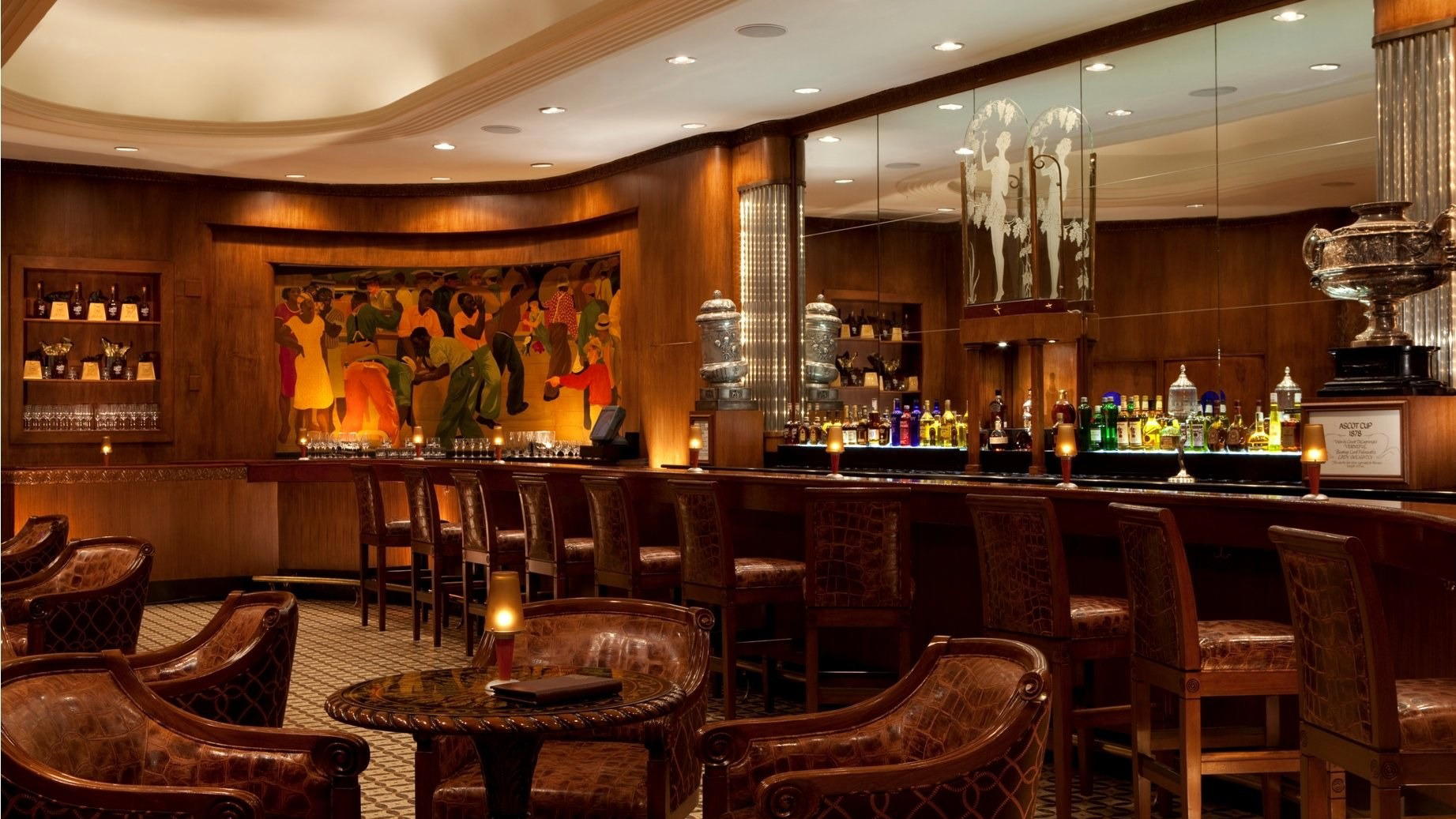
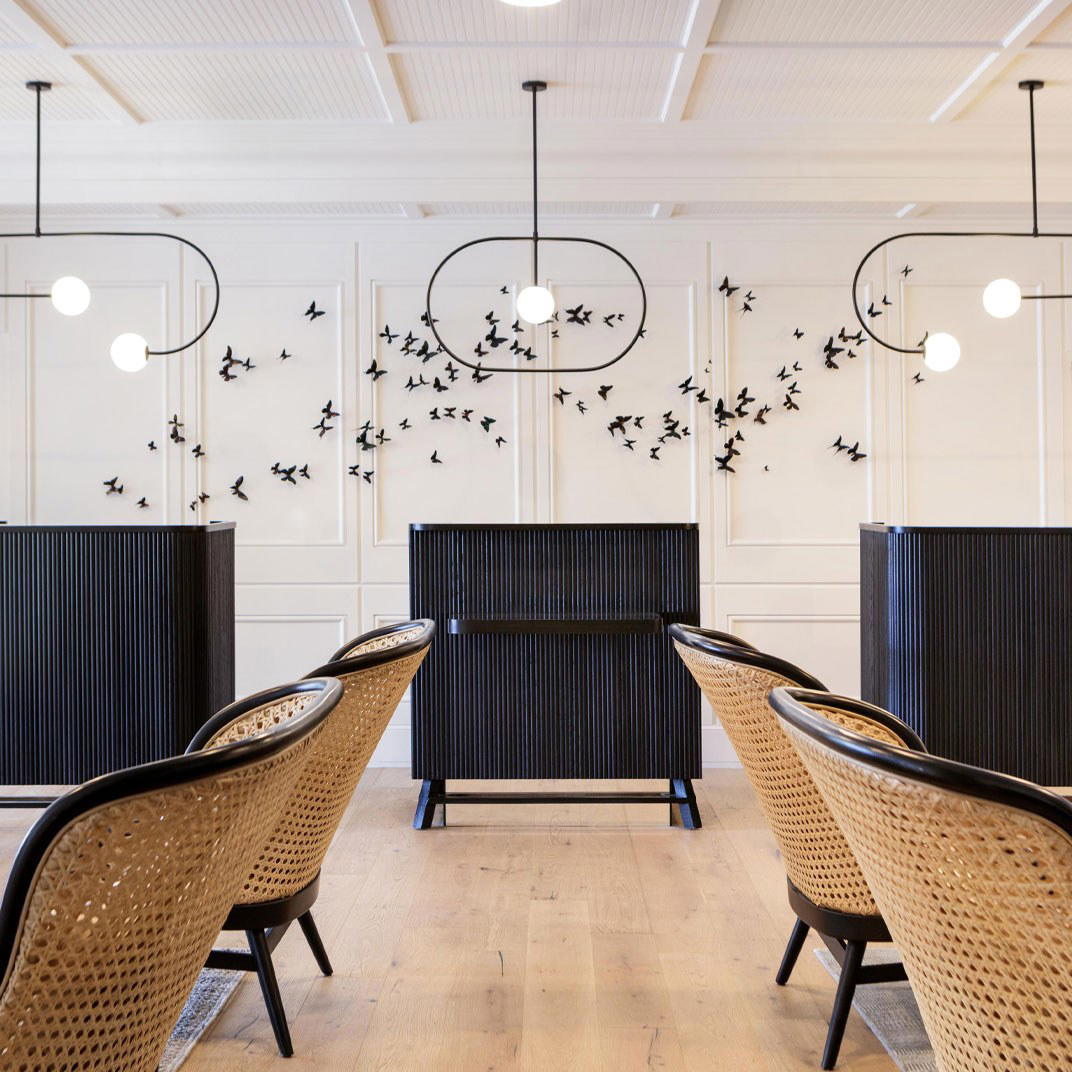
Industrial chic with emphasis on tavern and lounge areas, featuring a welcoming atmosphere for brunch and casual meals.