Moro Mou sits on Königinstraße in Munich's Maxvorstadt district, where the city's gallery quarter meets its residential north. The address places it in a neighbourhood accustomed to considered choices rather than tourist footfall, making it a reference point for those tracing Munich's quieter, more culturally rooted dining registers.
Pearl is the En Primeur Club membership app — saves, bookings, and concierge access live there. Same editors, same standards.
- Address
- Königinstraße 34, 80802 München, Germany
- Phone
- +498938887633
- Website
- moromou.de
- Directions
- Get directions
 Saves & bookings on Pearl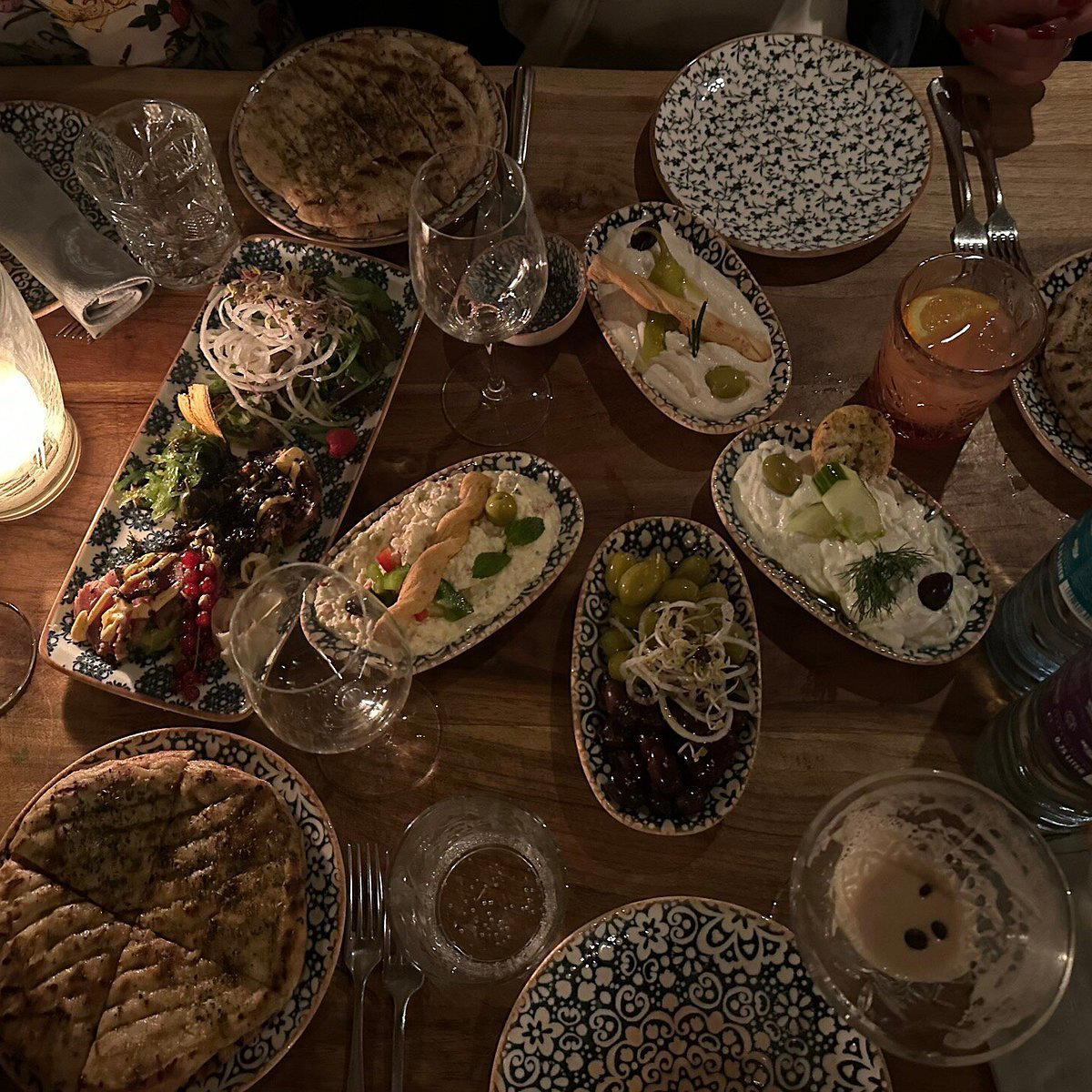
Königinstraße and the Cultural Topography of Munich Dining
The stretch of Königinstraße running through Maxvorstadt is not where Munich goes to be seen. It is where Munich goes when it has already decided. The street sits between the Englischer Garten to the east and the museum district to the west, a corridor of embassies, private galleries, and the kind of residential addresses that do not need to announce themselves. Restaurants in this part of the city operate against a different set of expectations than those closer to the Marienplatz or the Viktualienmarkt: the audience is local, the tempo is unhurried, and the tolerance for theatrics is low.
Moro Mou occupies that address at number 34. The name itself points to the eastern Mediterranean, a region whose culinary traditions have historically been underrepresented in Munich's dining conversation, which has long defaulted to French technique and Central European ingredients. That makes the address and the implied cultural orientation an editorial statement of sorts, positioning the venue in a niche that Munich's broader restaurant scene has only recently begun to take seriously.
The Eastern Mediterranean in a Northern European City
Understanding what a venue like Moro Mou represents requires some context about where the eastern Mediterranean sits in the hierarchy of European fine dining. For decades, Greek, Levantine, and Aegean cooking were treated as casual registers in German cities: reliable, affordable, and categorically below the threshold at which critics paid close attention. That began to shift as a generation of chefs trained in classical European kitchens returned to the ingredients and flavours of their heritage, applying rigour and restraint to a tradition that had been flattened into cliché by mass-market replication.
The same shift reshaped dining in Athens, Istanbul, and Tel Aviv before it reached northern European capitals. Munich, with its historically conservative fine-dining palate, absorbed it later than Berlin or Hamburg, but the Maxvorstadt address suggests a readiness to meet that shift on its own terms. Venues making this kind of cultural argument tend to succeed or fail based on the precision of their sourcing and their willingness to honour the seasonal logic embedded in Mediterranean cooking, where the calendar dictates the menu more than any chef's preference.
Those seasonal rhythms matter particularly in a city like Munich, where the gap between summer and winter tables is stark. The eastern Mediterranean pantry shifts dramatically across the year, from spring herbs and early vegetables to autumn legumes and preserved ingredients, and a kitchen that takes this seriously will present a different plate in April than in October. For the visitor planning around a specific season, that variability is a feature rather than an inconvenience.
Where Moro Mou Sits in Munich's Fine Dining Conversation
Munich's upper dining tier is anchored by a cluster of venues with long institutional histories and Michelin recognition spanning multiple decades. Tantris has defined French-rooted fine dining in the city since the 1970s. Atelier and Alois - Dallmayr Fine Dining operate at the creative end of the spectrum with significant award recognition. JAN and Tohru in der Schreiberei have carved out positions in the Modern German and cross-cultural registers. These are the reference points against which any new arrival is measured.
The restaurant does not compete directly with that cohort. Its cultural orientation and neighbourhood positioning suggest a different competitive set: venues that prioritise specificity of origin over technical spectacle, and that treat the dining room as a place for cultural argument rather than gastronomic display. That is a smaller and more demanding category, but it is also one that travels well among an international audience increasingly fatigued by the uniformity of prestige menus.
Across Germany, venues making serious cultural arguments through non-French, non-German traditions have found audiences willing to seek them out across significant distances. CODA Dessert Dining in Berlin built a Michelin-starred following around a format that had no precedent in the German market. The appetite for that kind of conviction is real, and Munich, with its concentration of internationally mobile residents and visitors, is a plausible home for it.
Planning a Visit: Practical Orientation
Königinstraße 34 is in the northern reaches of Maxvorstadt, within walking distance of the Englischer Garten and a short U-Bahn ride from the city centre. The neighbourhood is navigable without a car, and the concentration of cultural institutions in the area makes it a natural anchor for a longer afternoon before an evening table.
| Venue | Price Tier | Cuisine Register | Booking Lead Time |
|---|---|---|---|
| The restaurant | Not confirmed | Eastern Mediterranean (implied) | Contact venue |
| Tantris | €€€€ | Modern French | Several weeks |
| Atelier | €€€€ | Creative French | Several weeks |
| Alois - Dallmayr Fine Dining | €€€€ | Creative | Several weeks |
For visitors building a wider German fine-dining itinerary, the country's award-recognised venues extend well beyond Munich. Aqua in Wolfsburg, Schwarzwaldstube in Baiersbronn, Vendôme in Bergisch Gladbach, ES:SENZ in Grassau, Victor's Fine Dining by Christian Bau in Perl, Waldhotel Sonnora in Dreis, Restaurant Haerlin in Hamburg, Schanz in Piesport, and Bagatelle in Trier represent the breadth of what serious German dining can offer. See the full Munich restaurants guide for further recommendations in the city. For international reference points in the cultural-roots register, Atomix in New York City and Le Bernardin in New York City demonstrate how deep cultural specificity and classical technical rigour can coexist at the summit of a market.
Peers You’d Cross-Shop
Comparable venues nearby, for context on price, style, and recognition.
| Venue | Cuisine | Price | Notes |
|---|---|---|---|
| Moro MouThis venue — the venue you are viewing | Authentic Greek Mediterranean | $$$ | Not listed |
| Brusko Grill | Creative Greek Grill | $$$ | Feldmoching |
| Azuki | Japanese-Vietnamese Fusion | $$$ | Lehel |
| Rue des Halles | Classic French Brasserie | $$$ | Haidhausen |
| MONA | Modern Italian Fusion | $$$ | Au |
| Zoe's Restaurant | Asian Fusion with Sushi | $$$ | Oberföhring |

At a Glance
- Lively
- Cozy
- Elegant
- Date Night
- Open Kitchen
- Extensive Wine List
Current opening hours
- Monday
- Closed
- Tuesday
- 6 PM–1 AM
- Wednesday
- 6 PM–1 AM
- Thursday
- 6 PM–1 AM
- Friday
- 6 PM–2:30 AM
- Saturday
- 6 PM–2:30 AM
- Sunday
- Closed
Hours can change for holidays and private events. Last verified .
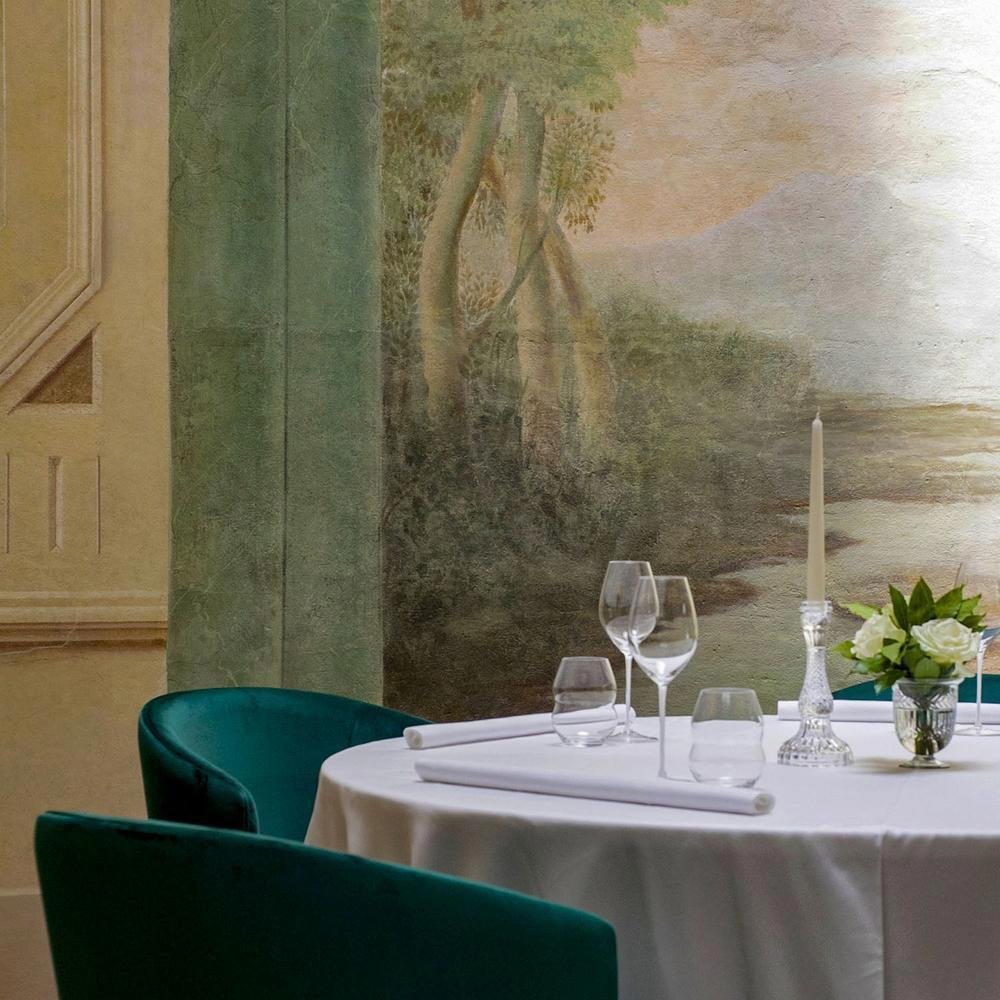
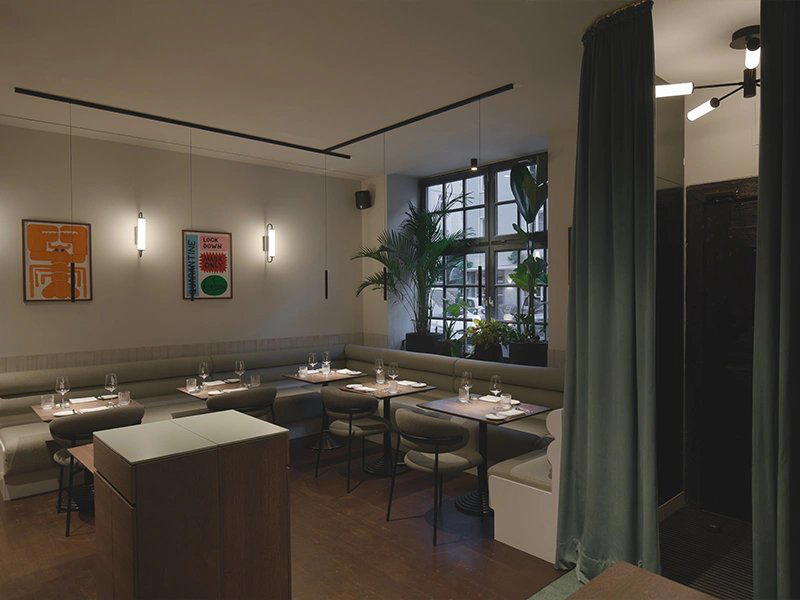
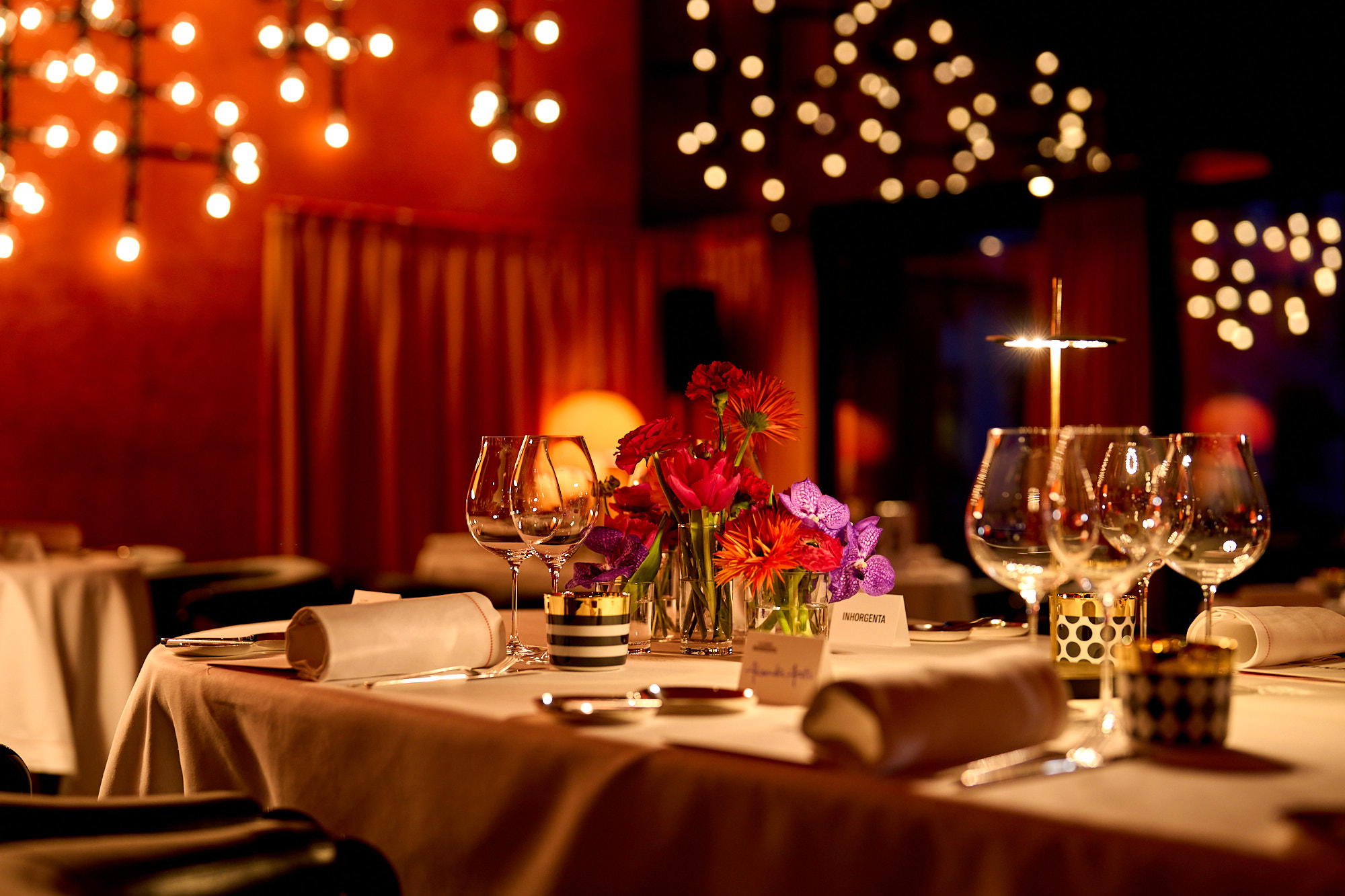
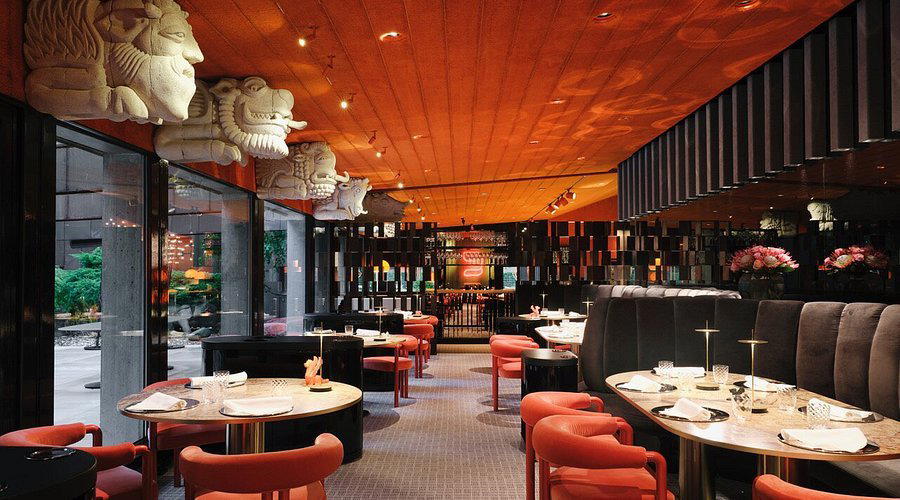
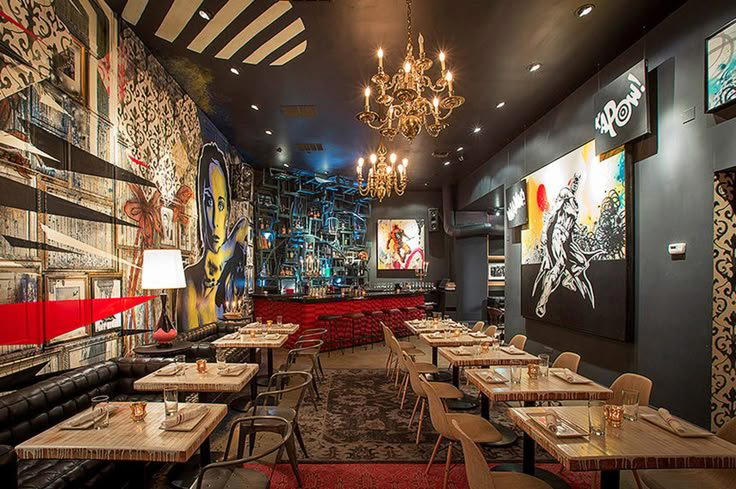
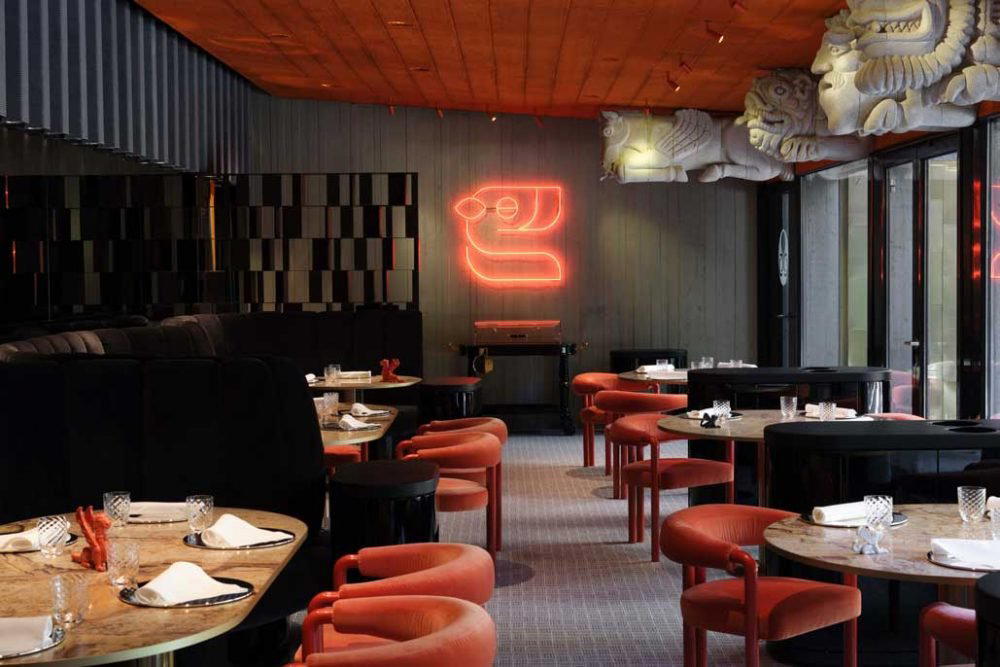
Stylish interior homage to Greek tradition and nature with harmonious cycles and patterns, turning lively after 10pm.