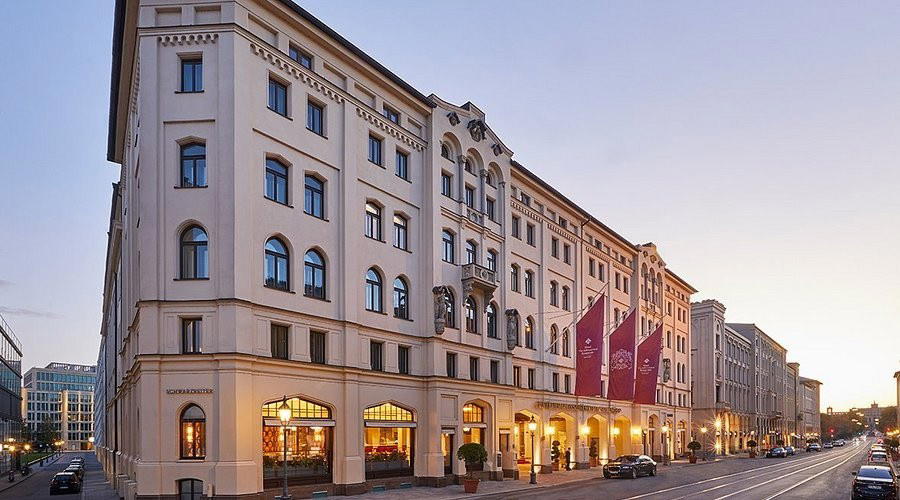
Azuki sits at Hofgraben 9 in Munich's Altstadt, a Japanese-influenced address in a city where the gap between fine European tradition and East Asian precision is increasingly narrow. Munich's premium dining circuit has made room for focused, ingredient-led Japanese formats alongside its Michelin-decorated French and German flagships, and Azuki occupies that space with a Stadtmitte address that places it squarely in the city's most competitive dining corridor.
Pearl is the En Primeur Club membership app — saves, bookings, and concierge access live there. Same editors, same standards.
- Address
- Hofgraben 9, 80539 München, Germany
- Phone
- +498941327560
- Website
- azukimunich.com
- Directions
- Get directions
 Saves & bookings on Pearl
Japanese Dining in Munich's Most Competitive Corridor
Hofgraben is the kind of street that makes no concessions to the casual visitor. Tucked off the Altstadt grid between Marienplatz and the Maximiliansstrasse retail axis, it sits inside Munich's densest concentration of serious restaurants, where reservations are planned weeks in advance and the competition for covers is sustained year-round. This is the setting for Azuki, a Japanese-Vietnamese Fusion restaurant at Hofgraben 9 in Munich.
Munich's fine dining tier has spent the last decade broadening its reference points. Where the city's international reputation once rested almost entirely on houses like Tantris and Atelier, which represent the French-rooted €€€€ bracket that still dominates the upper end, the field now includes crossover formats that draw on Japanese technique, seasonality logic, and minimalist plating. Tohru in der Schreiberei is one prominent example of that synthesis, carrying a Modern German-Japanese identity that has found genuine critical traction. Azuki occupies a related but distinct position within this shift.
Where the Food Comes From, and Why That Question Matters Here
In Japanese cooking traditions, ingredient provenance is not a marketing note added to the bottom of a menu. It is a structural principle. The selection of fish, rice, soy, and seasonal vegetables determines the ceiling of what any kitchen can produce, regardless of technique. This is true whether the format in question is a high-end omakase counter, a ramen specialist, or a broader izakaya-style operation. The question of sourcing, for Japanese-influenced kitchens operating outside Japan, carries additional weight: proximity to the original supply chains that define the cuisine is, by definition, reduced.
What this means in practice for a Munich-based address like Azuki is that the kitchen's approach to ingredient selection becomes the editorial story. Germany has developed credible specialist importers for Japanese pantry goods over the past two decades, including dedicated distributors for aged soy, mirin, dashi components, and premium Japanese rice varieties. Bavarian produce, including the region's dairy, freshwater fish from Alpine lakes, and seasonal game, offers a local layer that the strongest kitchens in this category have learned to read in Japanese terms rather than forcing an awkward fusion register. The decision of how to balance Japanese sourcing fidelity against local seasonal logic is the central craft question for any kitchen in this space, and it determines whether the result reads as coherent or merely stylistic.
Across Germany, the restaurants that have built particularly durable reputations in cross-cultural formats have tended to resolve that tension by choosing a clear hierarchy: either the cuisine's logic governs and local produce serves it, or the local produce governs and the cuisine's technique serves it. Houses like Victor's Fine Dining by Christian Bau in Perl and ES:SENZ in Grassau represent the kind of commitment to a defined culinary perspective that earns sustained recognition across Germany's competitive fine dining circuit. Azuki's Altstadt location places it within a comparable set where that level of conceptual clarity is the expected standard.
The Munich Context: A City That Rewards Specificity
Munich diners operate with a relatively high baseline of expectation. The city supports more Michelin-starred restaurants per capita than most German cities, and its dining public is accustomed to formats where precision and sourcing integrity are the minimum, not the selling point. JAN and Alois at Dallmayr represent the creative bracket within this ecosystem, operating at €€€€ and backed by the kind of institutional credentials that signal consistency over time. For a Japanese-concept address to hold ground in this environment, the food has to answer a specific question that the French-trained or German-rooted kitchens do not: what does Japanese technique, applied with serious intent, offer that the incumbent formats cannot replicate?
The answer, historically, has been textural precision, restraint in seasoning, and a relationship to time, whether that means the aging of proteins, the slow development of fermented components, or the seasonal discipline of Japanese culinary calendars, that differs in character from classical French or modern German approaches. Formats that have made this argument successfully, from high-end omakase in London and Paris to more accessible ramen and donburi specialists across European capitals, share a common trait: the sourcing story is legible in the food itself, not merely stated in the menu copy.
Positioning Within Germany's Broader Fine Dining Geography
Germany's restaurant geography is usefully decentralised. The strongest addresses are distributed across cities and smaller towns rather than concentrated in a single capital, which means Munich competes with recognised names in Hamburg (Restaurant Haerlin), the Black Forest (Schwarzwaldstube in Baiersbronn), and smaller destinations like Waldhotel Sonnora in Dreis and Schanz in Piesport. Within that national landscape, Munich's strength is its urban density: a city where multiple serious addresses operate within walking distance of each other, supported by a resident population with both the means and the appetite for premium dining.
Internationally, the shift toward Japanese-influenced formats at serious price points is well established. Addresses like Le Bernardin in New York have long demonstrated that French technique and Japanese minimalism can share a conceptual frame. More format-specific operations, including the kind of communal-format dining that Lazy Bear in San Francisco represents or the dessert-focused precision of CODA in Berlin, show the range of outcomes possible when a kitchen commits fully to a conceptual position. Azuki's Hofgraben address places it in a city ready to support that kind of commitment.
Planning a Visit
Azuki is at Hofgraben 9, Munich 80539, in the Altstadt district within direct walking distance of Marienplatz S-Bahn and U-Bahn connections. Given the density of serious dining in the immediate area and the general booking patterns of Munich's premium restaurant tier, advance planning is advisable; arriving without a reservation at the more focused addresses in this corridor is a reliable way to spend the evening elsewhere. For the full picture of what Munich's dining scene currently offers across formats and price points, the EP Club Munich restaurants guide maps the field in detail, including comparisons with addresses in the wider German fine dining circuit such as Aqua in Wolfsburg, Vendôme in Bergisch Gladbach, and Bagatelle in Trier.
Credentials Lens
Comparable venues nearby, for context on price, style, and recognition.
| Venue | Cuisine | Price | Notes |
|---|---|---|---|
| AzukiThis venue — the venue you are viewing | Japanese-Vietnamese Fusion | $$$ | Not listed |
| Zento | Modern Japanese Kitchen & Sushi Bar | $$$ | Lehel |
| USHI | Modern Japanese Omakase Sushi & Ramen | $$$ | Denning |
| kokumi | Peruvian-Japanese Fusion Sushi | $$$ | Lehel |
| Geisha | Modern Pan-Asian Sushi | $$ | Isarvorstadt |
| Kawaru | Japanese Tapas | $$ | Theresienwiese |
At a Glance
- Modern
- Elegant
- Intimate
- Sophisticated
- Date Night
- Special Occasion
- Historic Building
- Sake Program
- Local Sourcing
Current opening hours
- Monday
- 12–11:30 PM
- Tuesday
- 12–11:30 PM
- Wednesday
- 12–11:30 PM
- Thursday
- 12–11:30 PM
- Friday
- 12–11:30 PM
- Saturday
- 12–11:30 PM
- Sunday
- 12–11:30 PM
Hours can change for holidays and private events. Last verified .
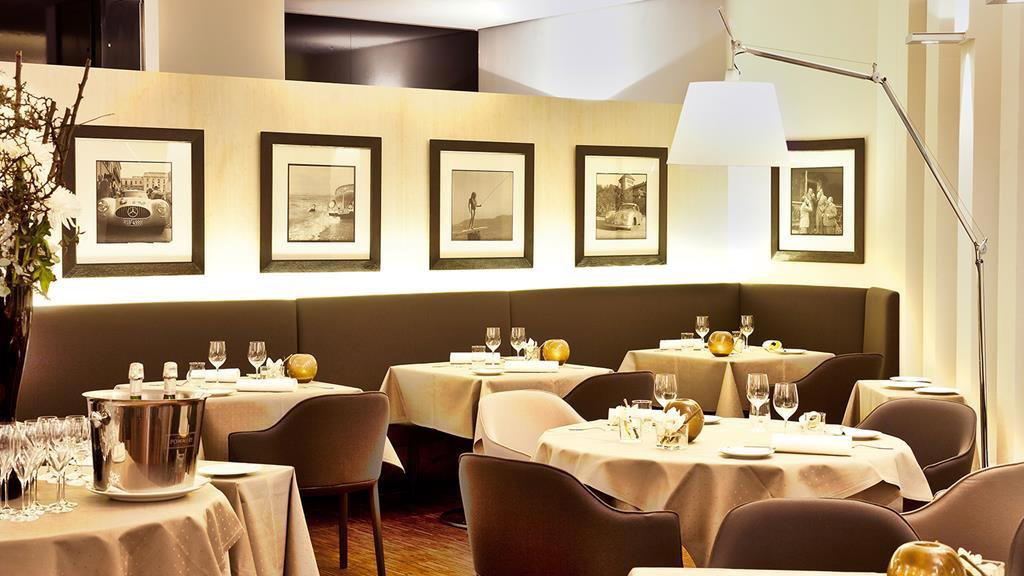
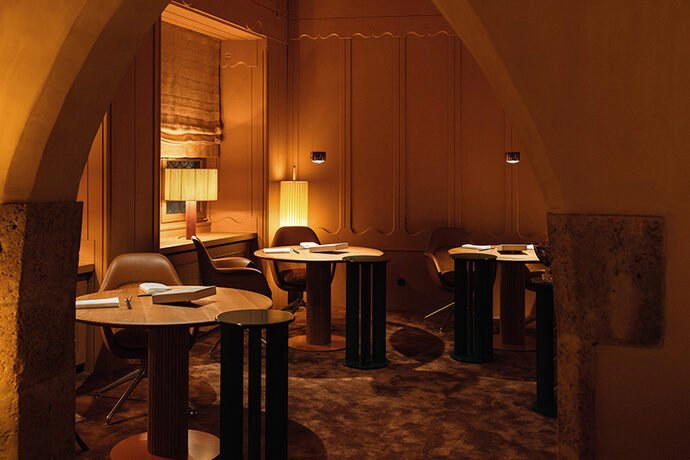
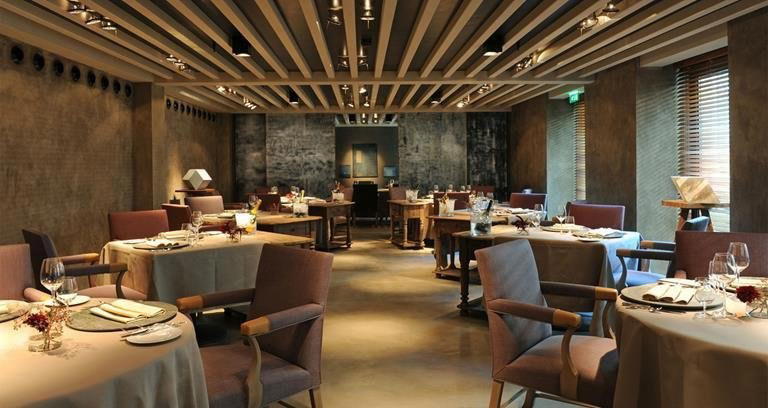
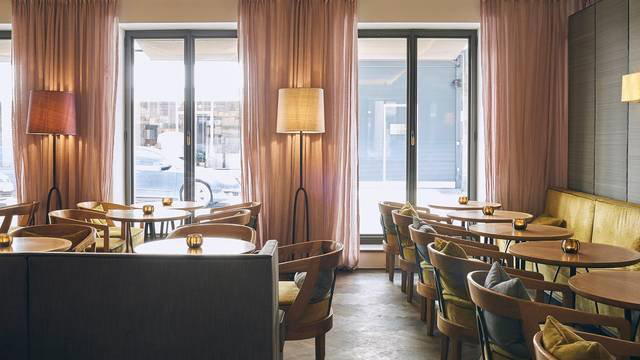
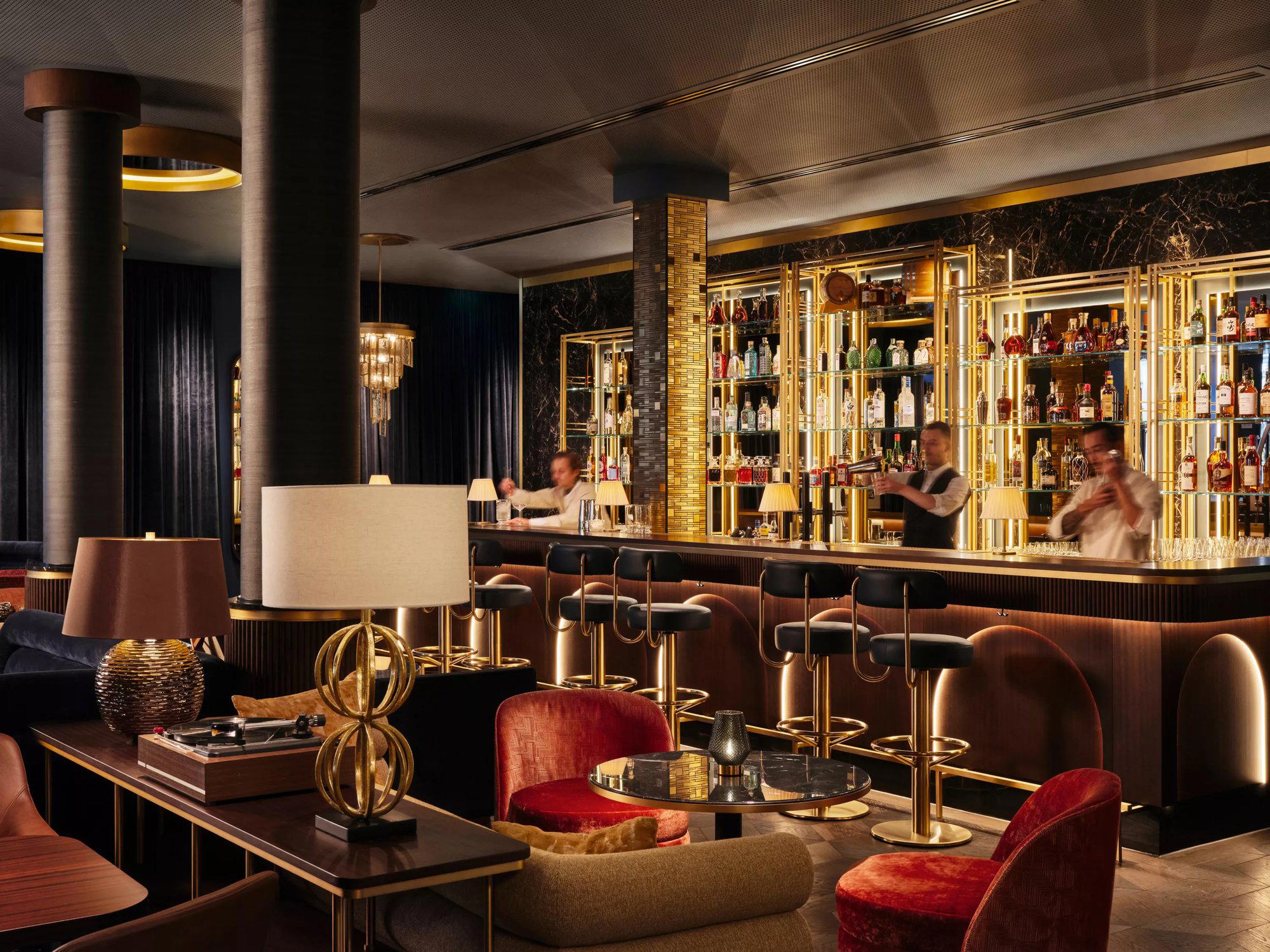
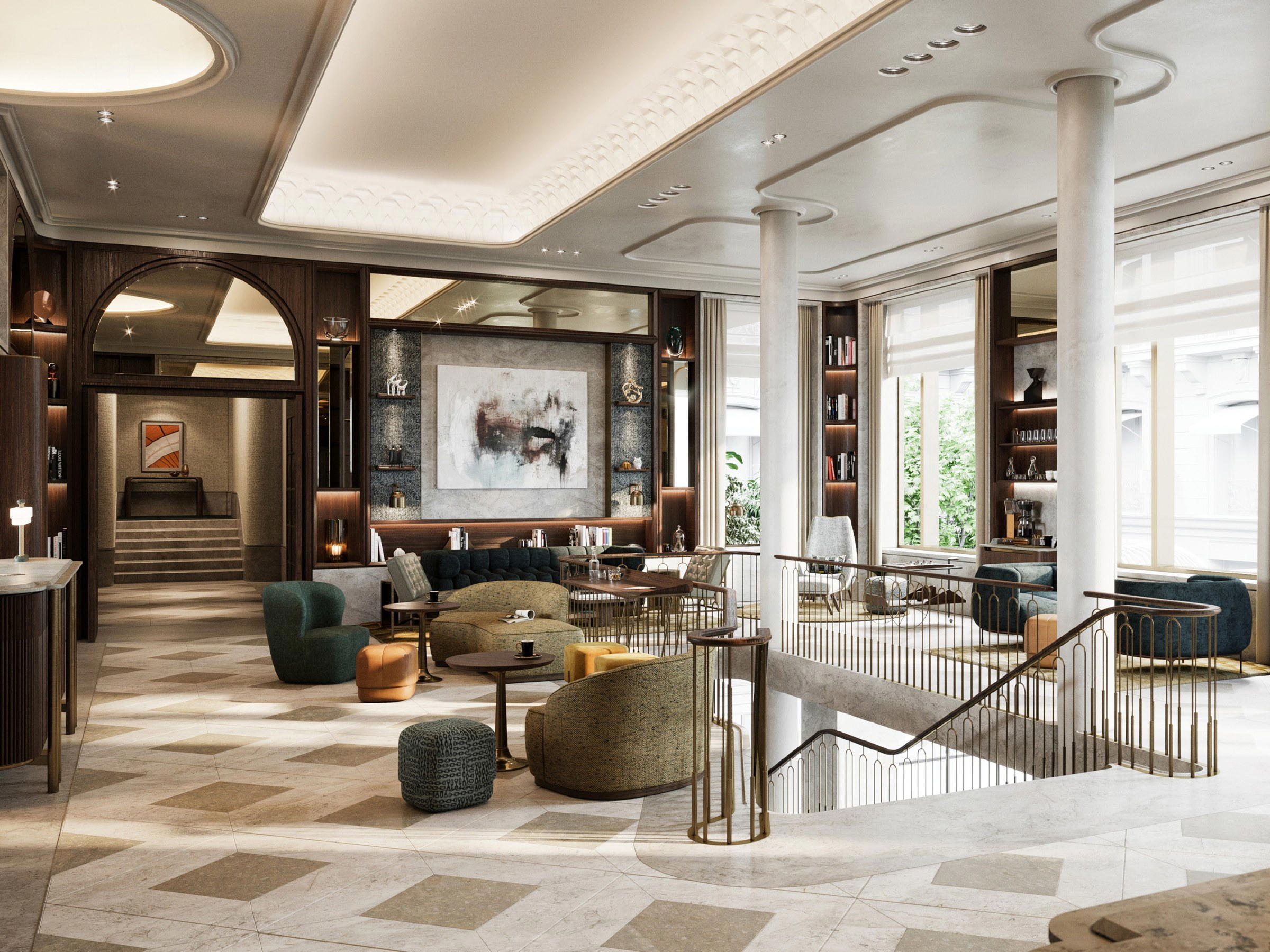
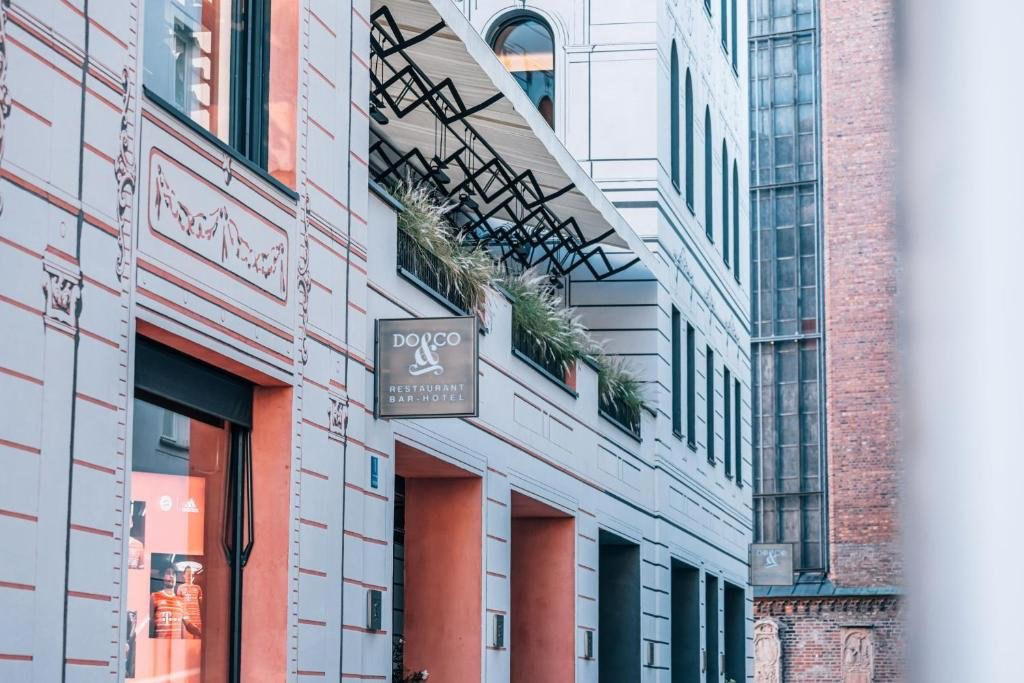
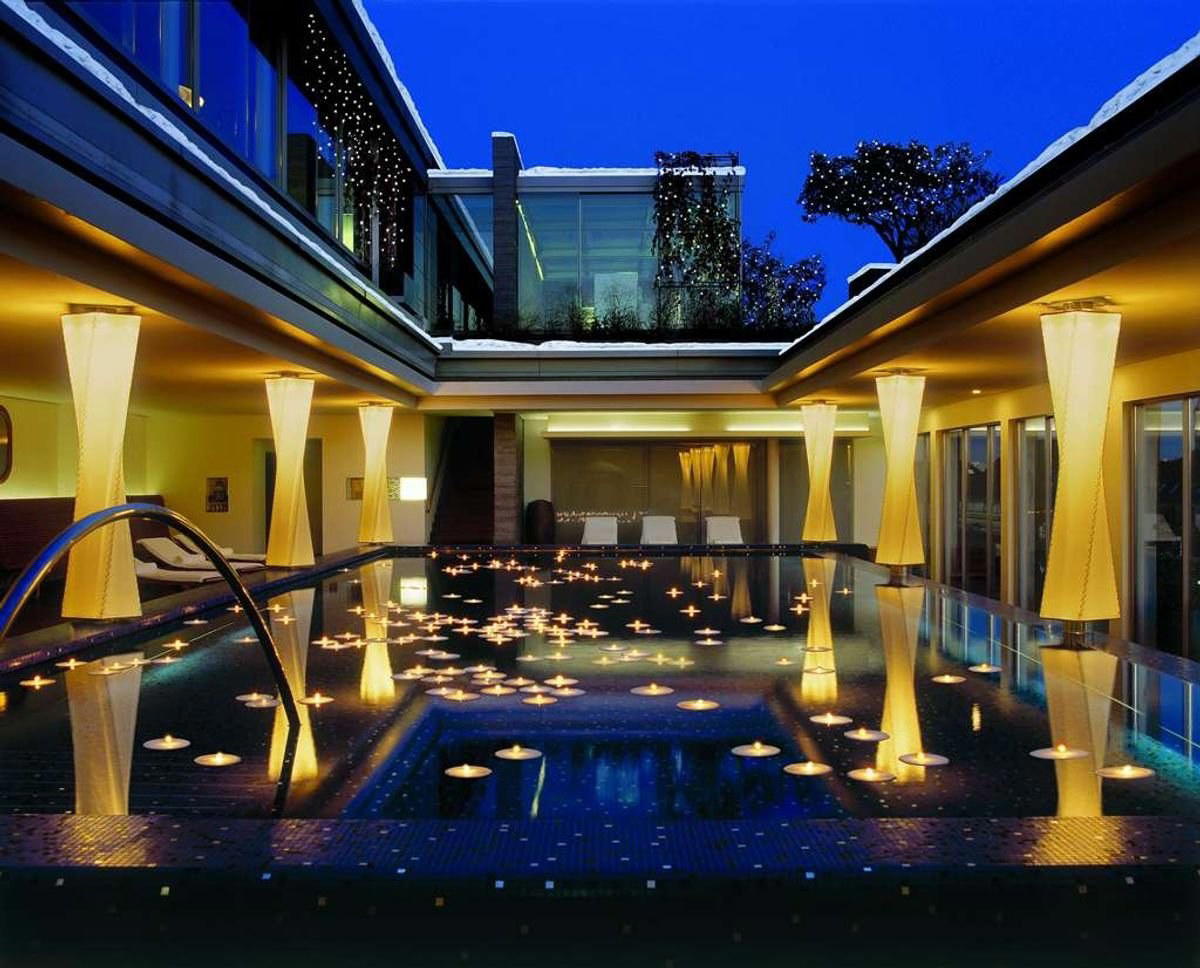
Blends modern elegance with traditional Asian aesthetics in an intimate atmosphere.