
Tabelog 100 #75
Our verdict
Kyoto’s sukiyaki and shabu-shabu tradition is at its strongest when the meal is treated as a ritual of pacing, heat and shared attention. Morita Ya Shijo inokuma honten belongs to that lineage, with Tabelog Hot Pot 100 recognition in 2024, a large room built for group dining, and a format that suits visitors who want beef, broth and ceremony rather than a counter-only tasting menu.

Pearl is the En Primeur Club membership app, where members save venues, book tables and use the concierge.
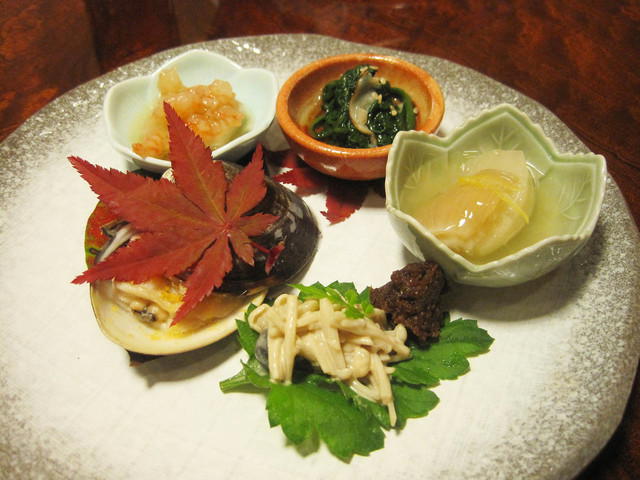
The menu
What to order
- Kuroge wagyu sukiyaki
- Shabu-shabu
- Steak course
- Oil-grilled wagyu (oiruyaki)
- Udon finishing course in sukiyaki broth
Approaching a Kyoto hot pot room is different from arriving at a sushi counter or kaiseki salon. The mood is less about silence and sequence than about the table becoming the centre of gravity: burners, platters, dipping sauces, sake, conversation, and the small negotiations of who cooks what first. In a city often framed through temples, tea and chef-led tasting menus, sukiyaki and shabu-shabu offer another Kyoto grammar, one based on shared heat and controlled generosity.
Morita Ya Shijo inokuma honten sits in that older, more social register. Its reputation rests on sukiyaki, shabu-shabu and steak, with recognition from Tabelog Hyakumeiten in 2024 giving it a clear external marker inside Japan’s competitive hot-pot category. That matters because hot pot rarely rewards the same kind of performance as haute cuisine. The measure is consistency across service, ingredient handling, room choreography and the ease with which a table can move from formal meal to family occasion without losing structure.
Sukiyaki and shabu-shabu as Kyoto table ritual
Sukiyaki and shabu-shabu are often grouped together for visitors, but they ask for different kinds of attention. Sukiyaki is built around seasoning, sweetness, soy depth and the gradual concentration of flavour in the pan. Shabu-shabu is cleaner and more kinetic, focused on timing ingredients through hot broth before dipping and eating. Both formats shift some of the meal’s drama from the kitchen to the table, which is why service rhythm and seating style matter as much as the menu category.
Kyoto’s dining culture has room for both the hushed and the communal. Kaiseki turns seasonality into a composed sequence; hot pot turns the meal into a negotiated pace. A sukiyaki restaurant has to manage celebratory meals, family-style occasions and travellers who may be encountering the format for the first time. Morita Ya Shijo inokuma honten’s appeal is best understood through that wider table logic rather than through the language of a small counter or a chef-led tasting menu.
The category is part of the story. Morita Ya Shijo inokuma honten operates closer to an established hot-pot and steak house than an intimate chef’s counter, which makes it useful for diners who want Kyoto specificity without the assumptions of a tightly sequenced meal. It also separates the experience from smaller local specialists, quick comfort stops and contemporary Kyoto rooms, where the format, pacing and reason for booking may be entirely different.
Where it fits in Kyoto's broader eating map
Kyoto rewards diners who understand format before choosing a table. Wagashi houses, noodle shops, hot-pot restaurants, izakaya, French-inflected rooms and temple-adjacent snacks are not interchangeable stops; each solves a different travel problem. Other Kyoto sweets traditions belong to a different rhythm, while Morita Ya Shijo inokuma honten belongs to the sit-down hot-pot and steak meal, where duration, table space and shared cooking define the experience.
The useful comparison is not only within Kyoto. Across Japan, sukiyaki has become a premium category when ingredients, room setting and formal service combine. Other regional dining rooms point to the same national appetite for hot-pot ritual, though local setting changes the tone of the meal. Tokyo and Osaka often pull attention toward counter dining and high-velocity urban formats in different registers. Kyoto’s version feels more anchored to seated hospitality and occasion dining.
For travellers building a full Kyoto itinerary, the decision is less about chasing a single meal and more about balancing categories. A day might pair temple districts with sweets, a bar-led evening, and one formal hot-pot meal rather than another tasting counter. The broader planning frame sits in Our full Kyoto restaurants guide, while hotel, drinking, wine and cultural planning belong in Our full Kyoto hotels guide, Our full Kyoto bars guide, Our full Kyoto wineries guide and Our full Kyoto experiences guide.
The case for choosing a large-format hot-pot house
Small rooms often dominate luxury dining coverage, but they are not always the sharper choice. A restaurant built around sukiyaki and shabu-shabu can be easier to understand for mixed groups, celebratory meals and travellers who want the meal to unfold around the table rather than across a sequence of individual plates. Those practical strengths do not make the meal more serious; they make it easier to plan around.
The drinks question also points to the category’s range. Hot pot can absorb both Japanese and Western pairing logic: sake works with warmth, seasoning and texture, while wine gives structure to richer preparations and sweeter soy-based cooking. The point is not novelty; it is compatibility, and the format gives diners room to think about the meal as a full evening rather than a functional stop.
There is a useful lesson here for Kyoto. Not every significant meal in the city needs to be rarefied, tiny or difficult to explain. Some traditions are built for the table as a group, with etiquette learned through watching and adjusting. Morita Ya Shijo inokuma honten is strongest when judged on those terms: a recognized hot pot address with the category focus to support sukiyaki and shabu-shabu as social ritual.
Readers looking beyond Kyoto can trace how Japanese dining formats travel and mutate through other dining rooms in Japan and abroad. The common thread is not a single cuisine but the discipline of format: counter, café, bar, rice shop, hot pot room. In Kyoto, this address makes its argument through the old power of a shared pan.
Frequently asked questions
What's the address for Morita Ya Shijo inokuma honten?
Morita Ya Shijo inokuma honten is located in Kyoto.
What should I budget for a meal at Morita Ya Shijo inokuma honten?
Pricing at Morita Ya Shijo inokuma honten is listed as Dinner: JPY 10,000 - JPY 14,999; Lunch: JPY 6,000 - JPY 7,999.
What are the opening hours for Morita Ya Shijo inokuma honten?
Specific opening hours for Morita Ya Shijo inokuma honten are not provided here; confirm directly with the restaurant when planning a visit.
What has Morita Ya Shijo inokuma honten built its reputation on?
Its reputation rests on sukiyaki, shabu shabu and steak, backed by Tabelog Hyakumeiten recognition in 2024. Its Tabelog score is listed as 3.61.
How does Morita Ya Shijo inokuma honten handle allergies?
Specific allergy-handling details are not provided here, so diners should confirm requirements directly with the restaurant in Kyoto. The listed categories are sukiyaki, shabu shabu and steak.
Cuisine and Recognition
Comparable venues by cuisine and price in the same metro.
| Venue | Cuisine | Price | Awards | Notes |
|---|---|---|---|---|
| Morita Ya Shijo inokuma hontenThis venue (the venue you are viewing) | Traditional Wagyu Sukiyaki & Shabu-Shabu | $50–100 | Tabelog 100 #75 | Not listed |
| 木山 | Traditional Kaiseki Washoku | $200–300 | 1 Michelin Star · Tabelog Silver #61 | Nakagyō |
| Muge Sanbo Salon de Muge | Traditional Japanese Bento and Sweets | $30–50 | Tabelog 100 #75 | Higashiyama |
| Manbei | Traditional Kyoto Unagi Kabayaki | $50–100 | Michelin Plate · Tabelog 100 #30 | Nakagyō |
| Morita Ya JR kyoto isetan ten | Traditional Kyoto beef sukiyaki & shabu-shabu | $50–100 | Tabelog 100 #4 | Shimogyō |
| Tempura Tokoro Kyorynsen | Kyoto-style Tempura by Kyoyamato | $50–100 | Tabelog 100 #59 | Shimogyō |
Recognition history
Dated appearances from independent guides and award organizations, with the underlying list record or original source where available.
Tabelog 100 #75 · No. 75
Tabelog · Tabelog 100 - Hot Pot - 2024
Continue exploring
More in Kyoto
Restaurants in Kyoto
All restaurants in Kyoto →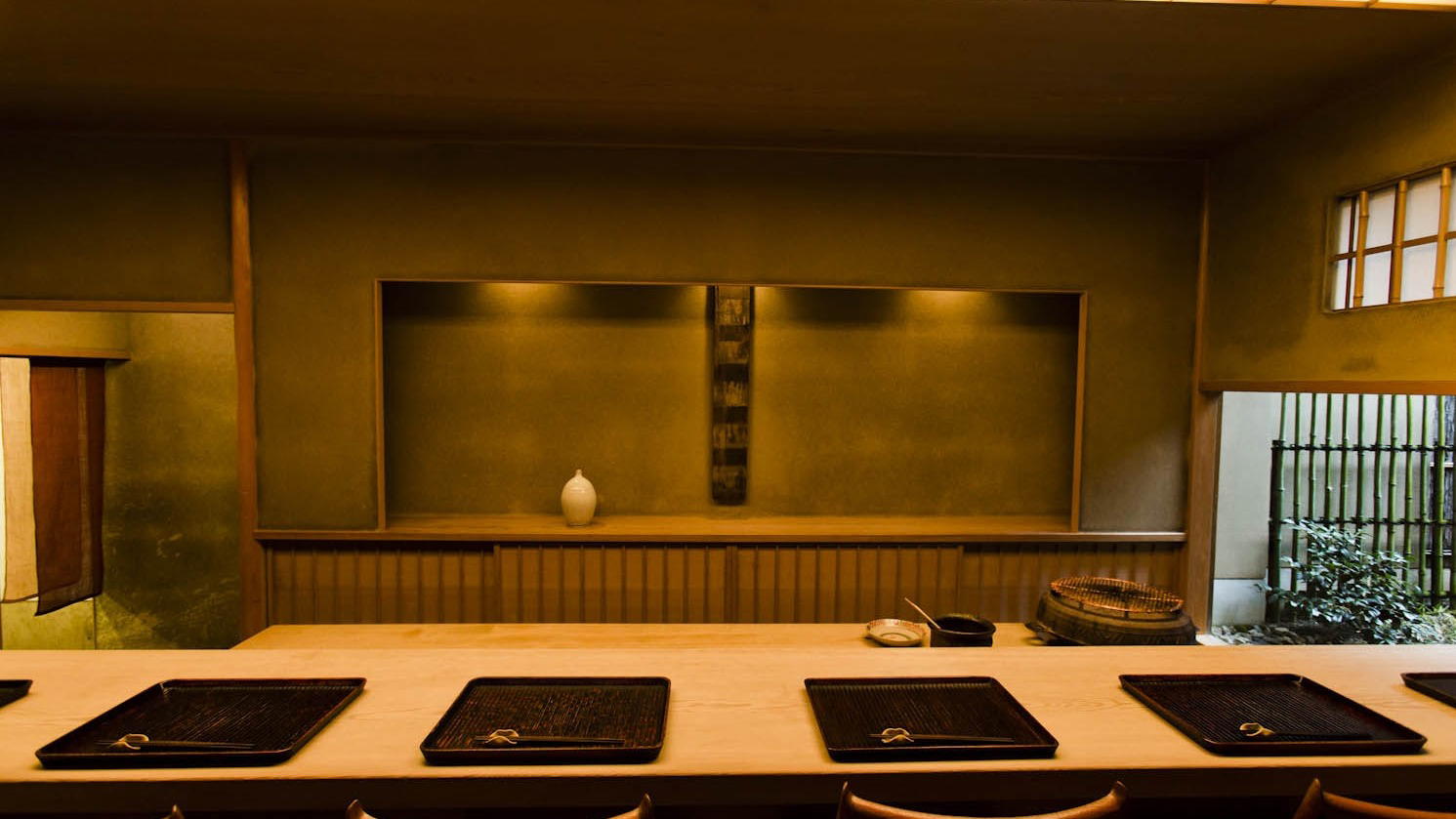
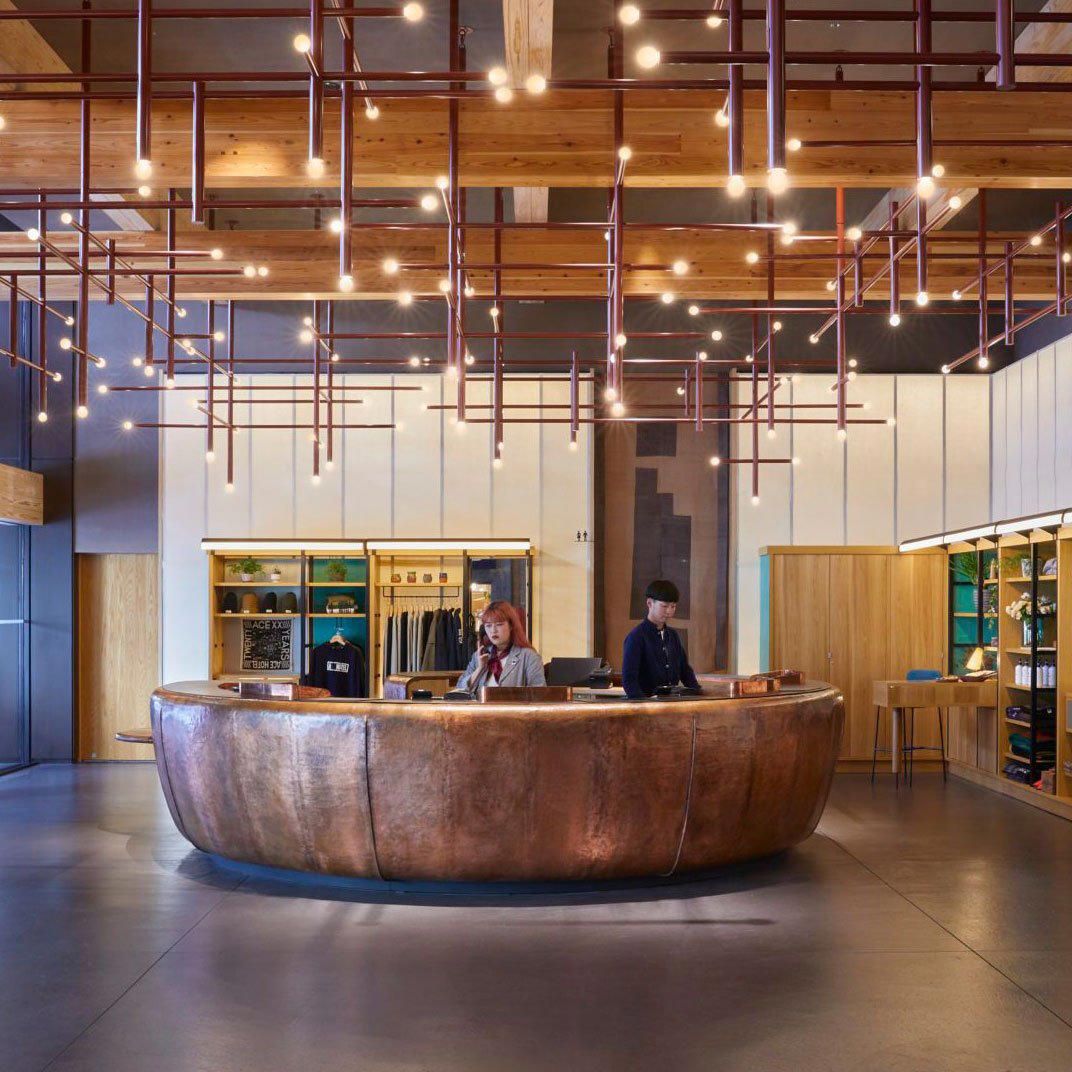
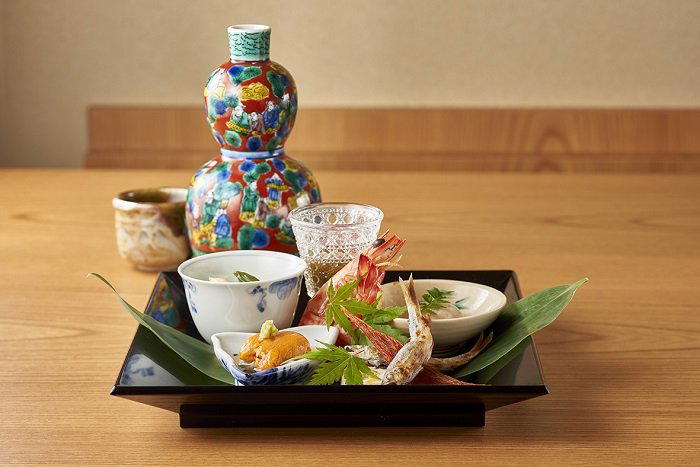
Bars in Kyoto
All bars in Kyoto →
Hotels in Kyoto
All hotels in Kyoto →
Wineries in Kyoto
Browse all →
Details
- Classic
- Cozy
- Elegant
- Business Dinner
- Group Dining
- Family
- Celebration
- Special Occasion
- Date Night
- Private Dining
- Historic Building
- Standalone
- Sake Program
- Local Sourcing
- A La Carte
- Set Menu
- Family Style
- Sake
- Beer
- Spirits
Current opening hours
- Monday
- 11:30 AM–3:30 PM, 5–10 PM
- Tuesday
- 11:30 AM–3:30 PM, 5–10 PM
- Wednesday
- 11:30 AM–3:30 PM, 5–10 PM
- Thursday
- 11:30 AM–3:30 PM, 5–10 PM
- Friday
- 11:30 AM–3:30 PM, 5–10 PM
- Saturday
- 11:30 AM–3:30 PM, 5–10 PM
- Sunday
- 11:30 AM–3:30 PM, 5–10 PM
Hours can change for holidays and private events. Hours as of .
The restaurant offers a quietly elegant, Kyoto-style tatami setting with a calm and relaxed atmosphere, suited to family gatherings and business entertaining rather than a loud or trendy scene.