Arancino Beachwalk
Arancino Beachwalk occupies a distinct position among Honolulu's Italian restaurants, operating steps from Waikiki's beachfront corridor at 255 Beach Walk. The property sits within a dining scene that has grown increasingly stratified between tourist-facing casual formats and serious culinary operations. Arancino's multi-location presence across Oahu signals an established local identity rather than a transient hospitality concept.
Pearl is the En Primeur Club membership app — saves, bookings, and concierge access live there. Same editors, same standards.
- Address
- 255 Beach Walk, Honolulu, HI 96815
- Phone
- +18089235557
- Directions
- Get directions
 Saves & bookings on Pearl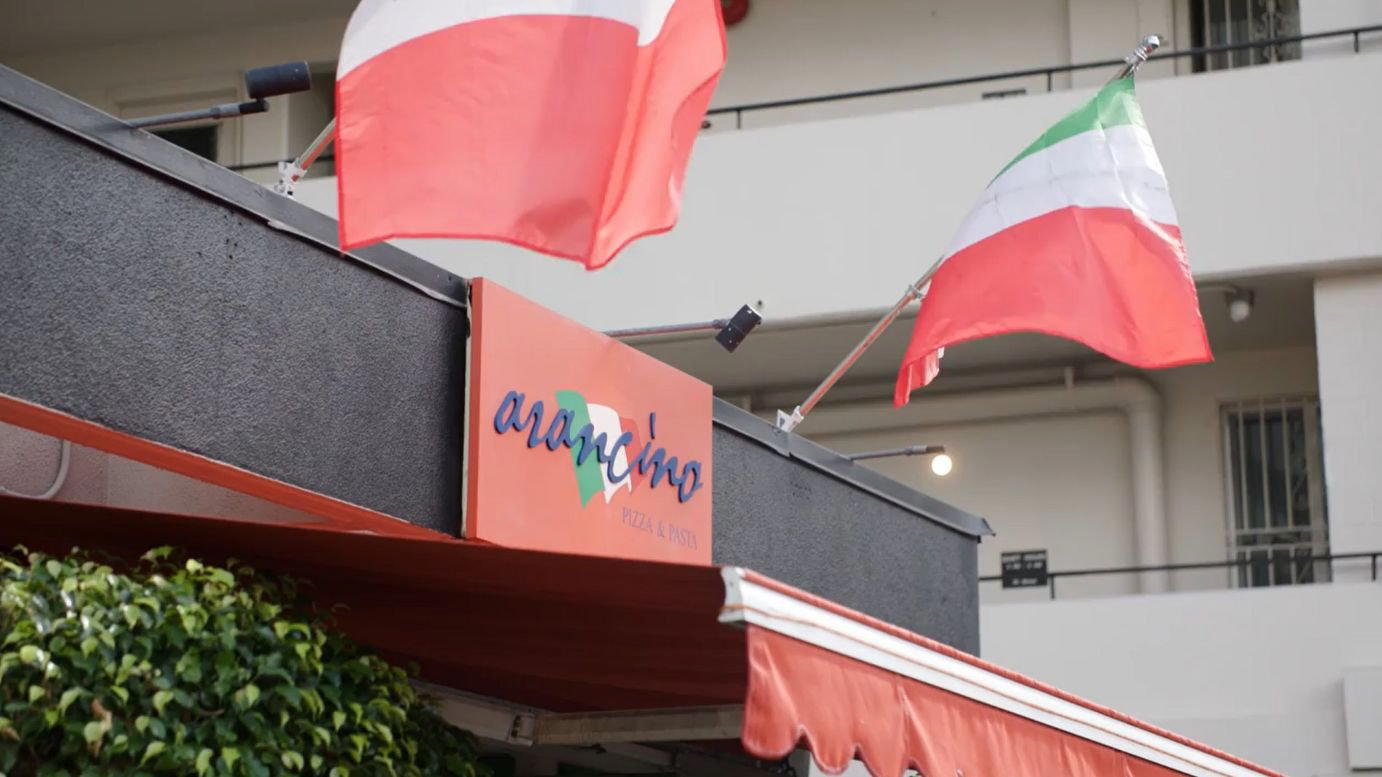
Where Waikiki's Grid Meets Italian Cooking
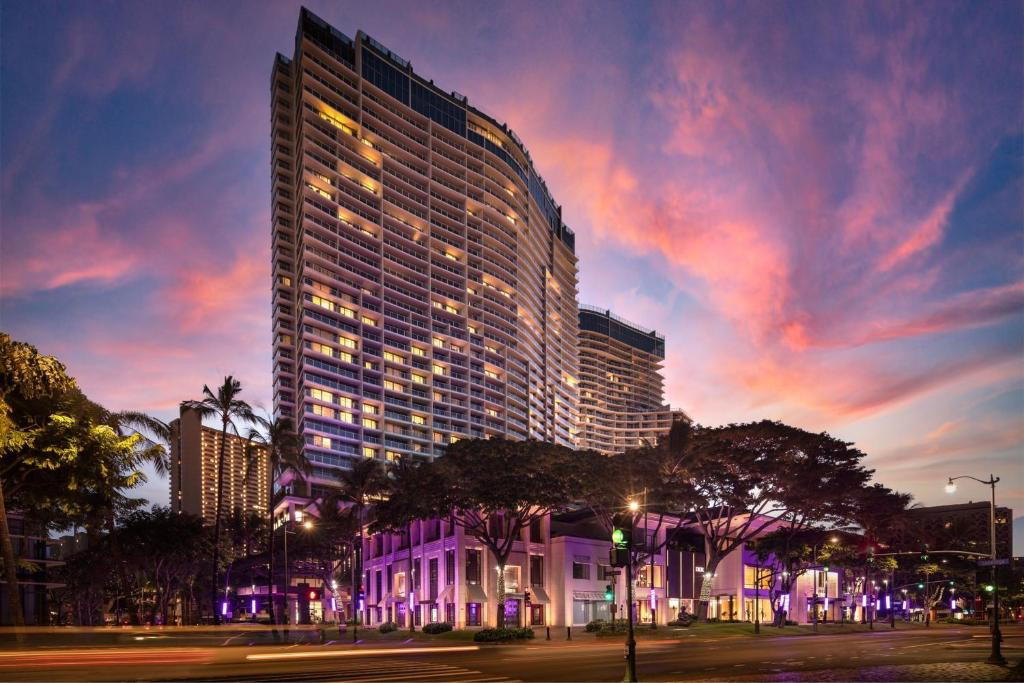
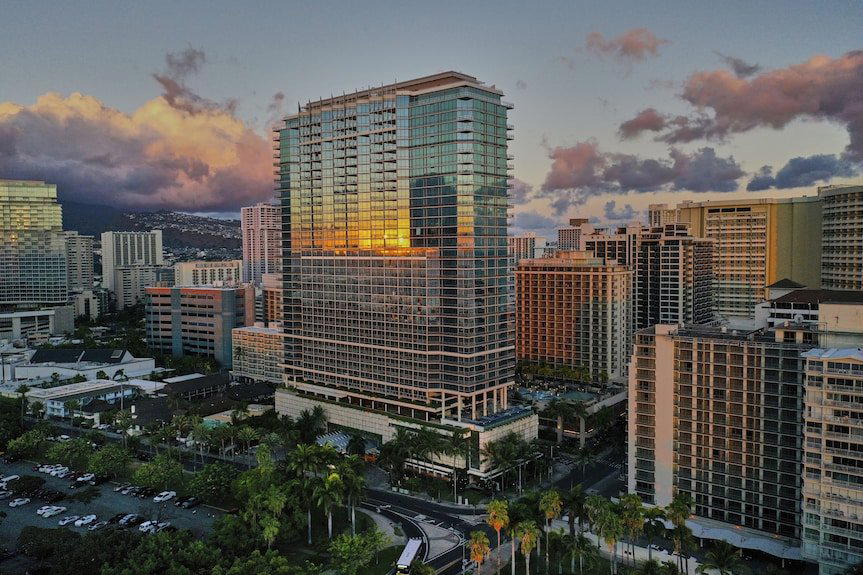
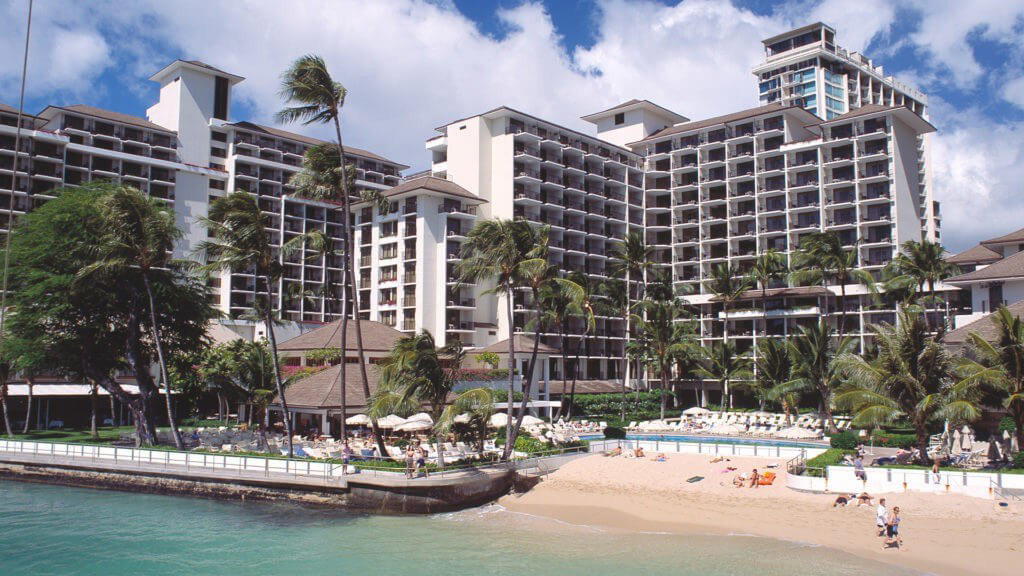
Beach Walk is a narrow pedestrian corridor that runs parallel to Kalakaua Avenue, threading between mid-rise hotels and low-slung retail before it opens toward the shoreline. The street occupies an ambiguous zone in Waikiki's commercial anatomy: close enough to the main drag to draw foot traffic from the resort corridor, set back far enough that the restaurants here operate with slightly more permanence than the beachfront kiosks and hotel dining rooms that dominate the district's first impression. It is in this in-between geography that Arancino Beachwalk has established its footing, at 255 Beach Walk, as part of an Oahu-spanning group of Italian restaurants that has built a durable local reputation rather than depending on the transient tourism economy alone.
Honolulu's Italian dining tier is a smaller, more contested category than its Japanese, Hawaiian Regional, or pan-Asian counterparts. The city's food identity leans heavily Pacific, and Italian cooking here competes less against itself and more against a broad field that includes everything from refined New American formats like Fête (New American) to long-standing local institutions such as 3660 On the Rise. Operating Italian food well in this context requires a clearer proposition than it might in a city with a denser Italian-American dining tradition.
The Physical Container: Reading the Space on Beach Walk
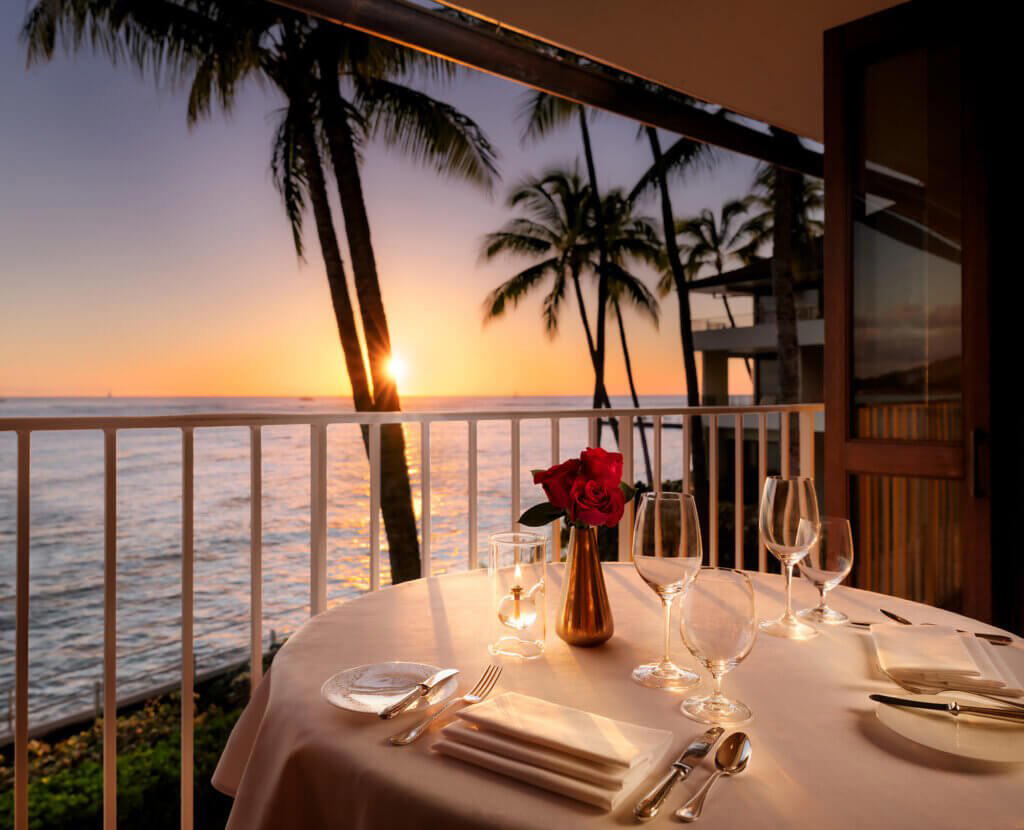
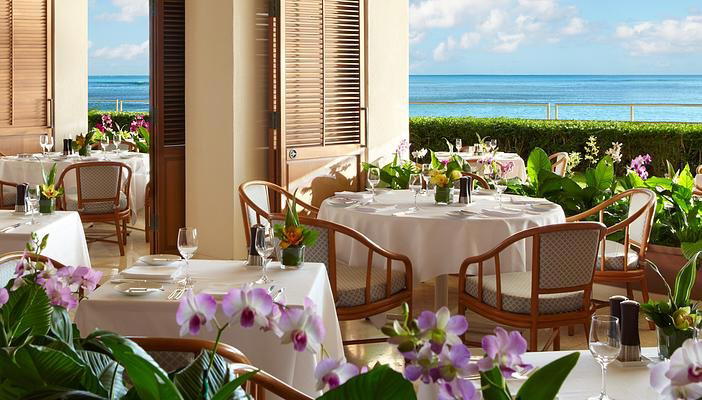
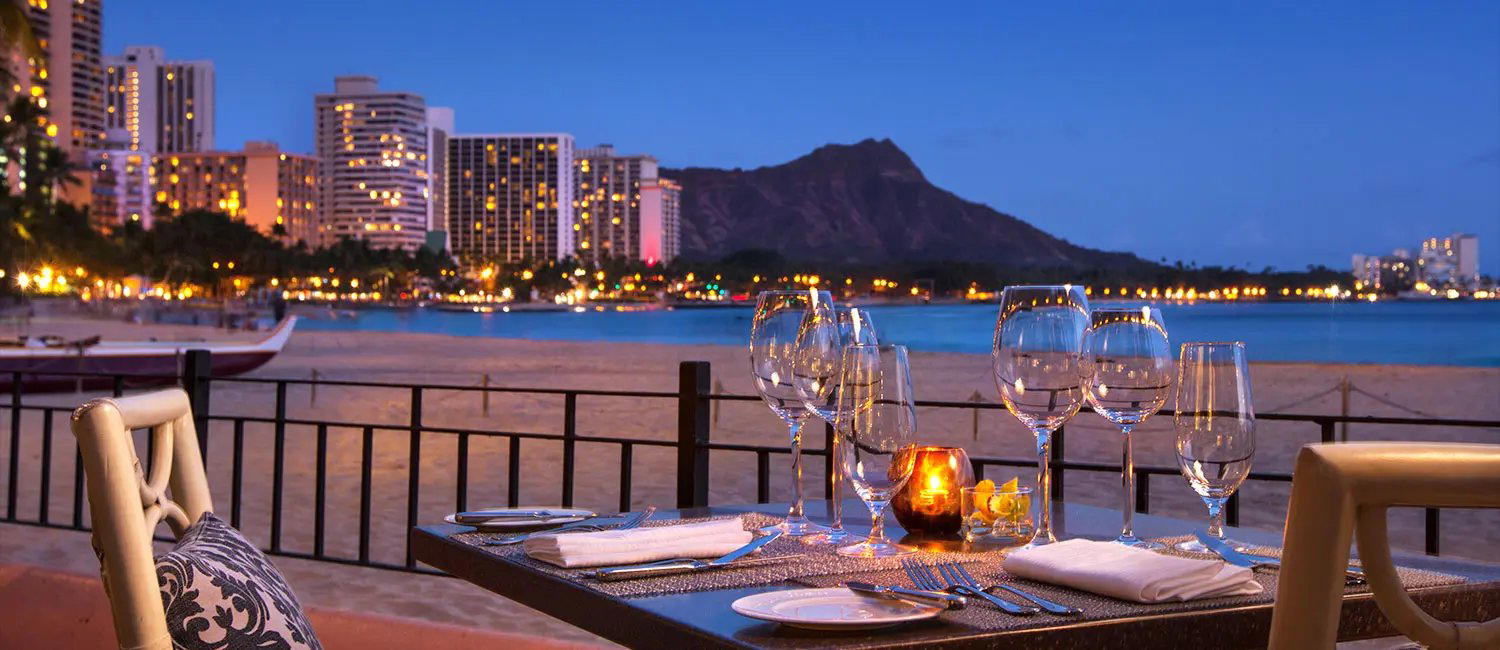
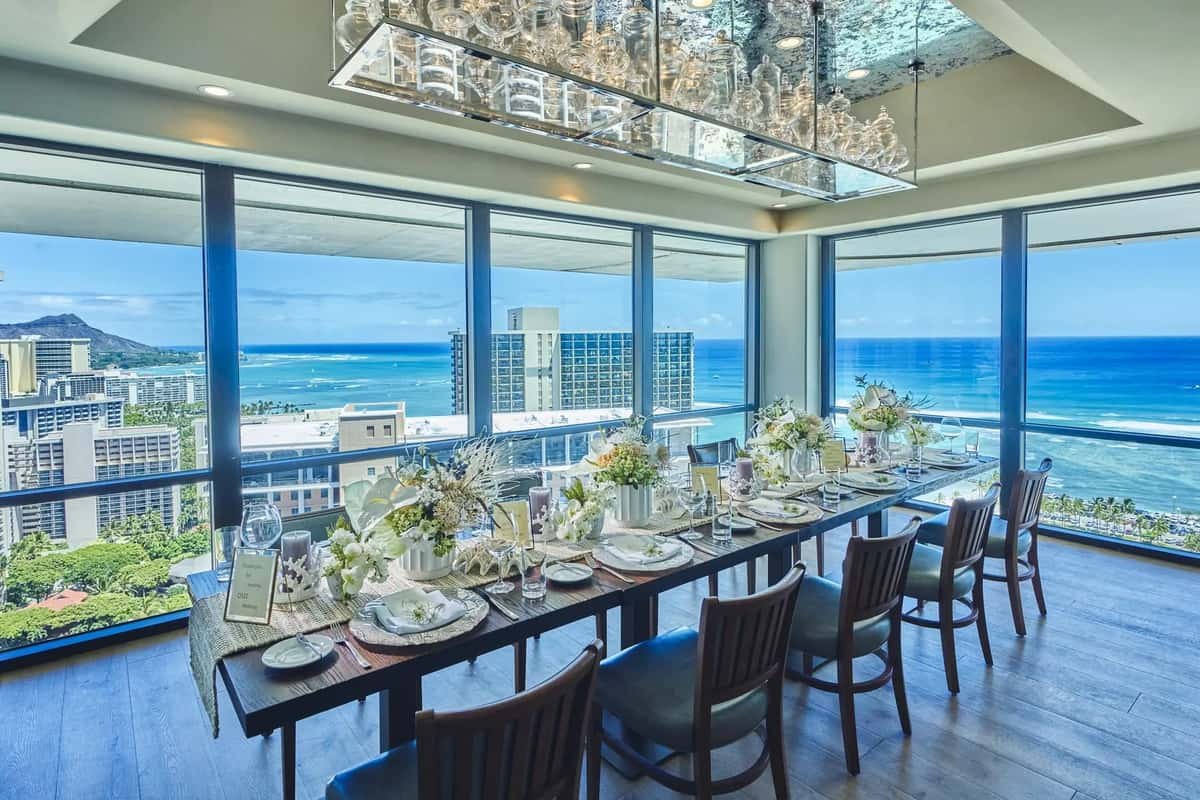
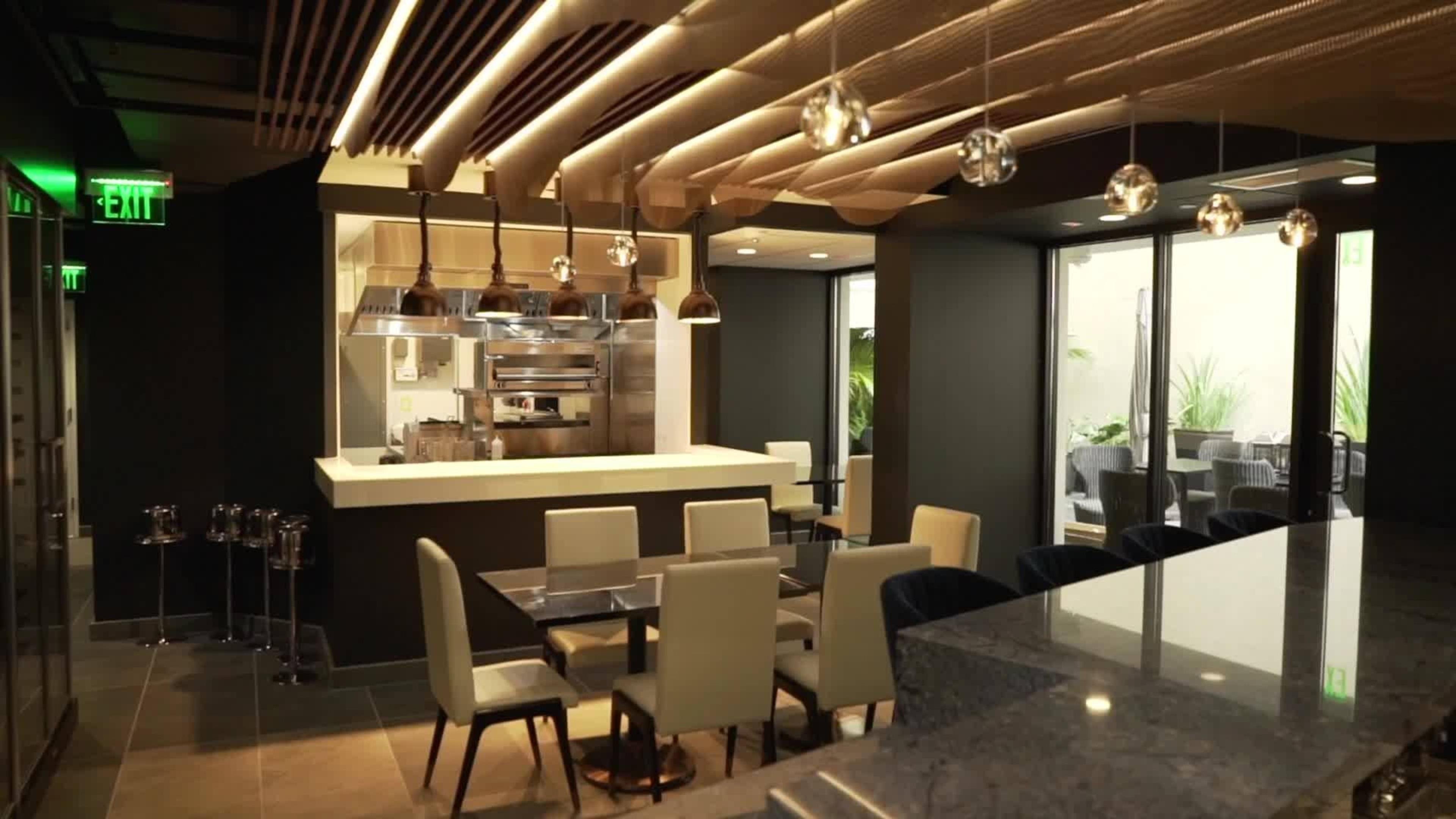
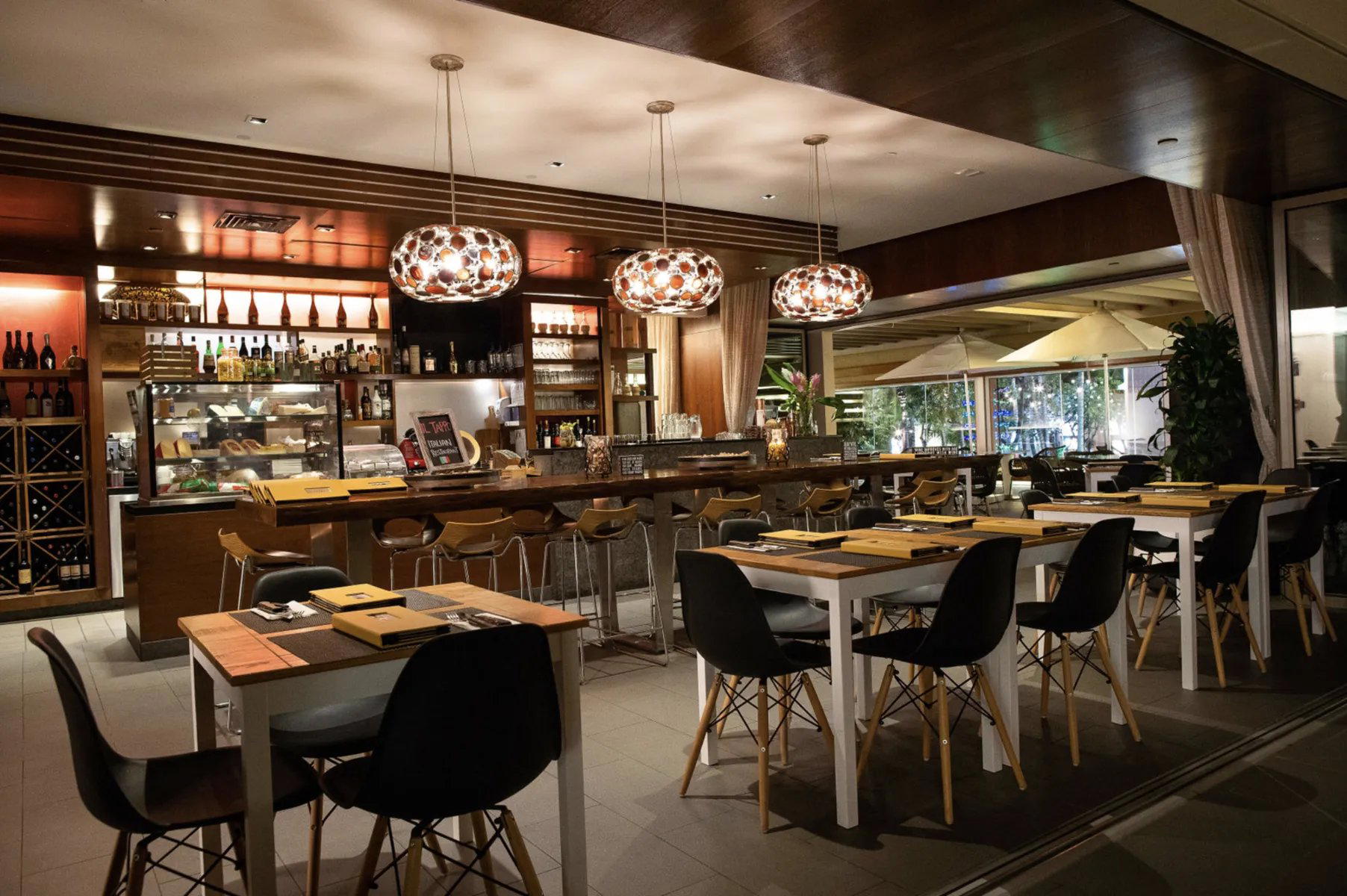
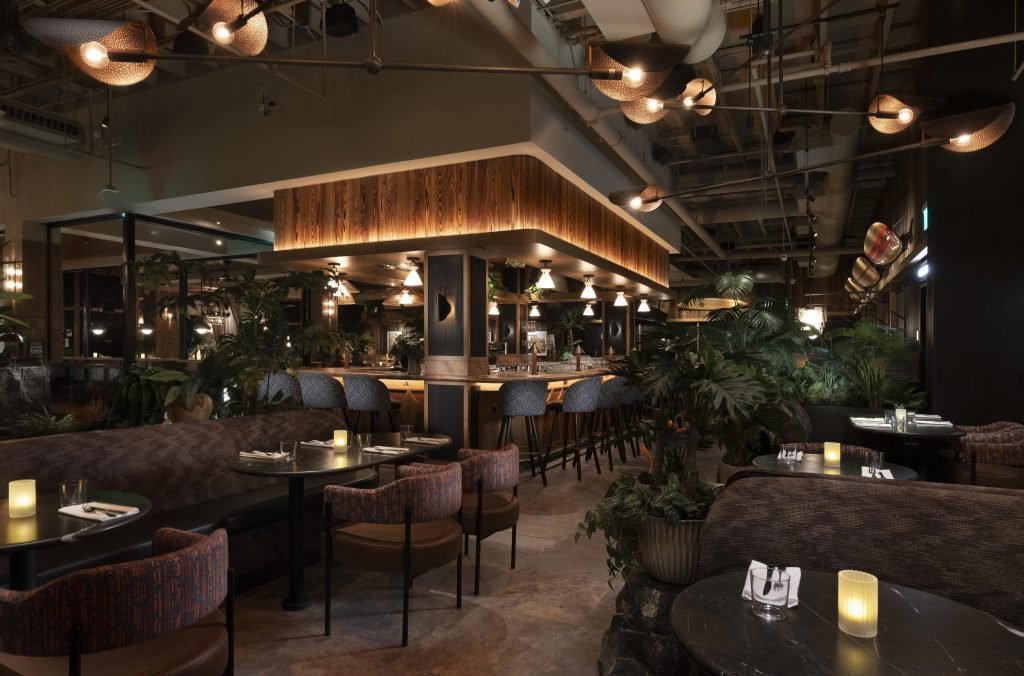
The design logic of restaurants along Beach Walk tends toward open-air adjacency, where the trade winds off the Pacific become a structural element of the dining environment rather than incidental weather. Venues in this corridor typically work with louver panels, retractable walls, or simply absent fourth walls to let the outdoor air into what are technically interior spaces. The result is a hybrid dining environment that is difficult to replicate in continental American cities: not quite alfresco, not quite enclosed, with the ambient noise of a pedestrian street replacing the controlled hush of a sealed dining room.
This spatial logic matters for how a restaurant here reads against its peers. In cities like New York or Chicago, interior architecture is often a statement of separation from the street, a deliberate removal from ambient chaos. In Waikiki's Beach Walk context, the street is partly invited in, and the design language shifts accordingly. Restaurants in this zone tend to use warm materials, low visual barriers, and horizontal sightlines that reference the openness of the surrounding environment rather than closing against it. Among Honolulu venues that have built multi-location scale, this spatial responsiveness to local climate conditions is a consistent design thread.
For a point of reference on how spatial design operates at the higher end of the national dining spectrum, consider how restaurants like Smyth in Chicago or Atomix in New York City treat the interior as a precision instrument, where every material choice carries curatorial intent. Beach Walk's ambient environment operates on a different register entirely, one where the Pacific climate is the dominant design force, and a restaurant's physical intelligence lies in how well it works with that condition rather than against it.
Arancino in Honolulu's Dining Hierarchy
The Arancino group's multi-unit presence across Oahu places it in a category of restaurant operations that have moved beyond single-location dining into something closer to a branded dining identity. This is a meaningful distinction in Honolulu, where the dining scene includes both highly local single-operator restaurants and large hotel-backed concepts with corporate infrastructure. Multi-unit independent operators occupy a middle position: they carry more institutional weight than a single chef-driven room, but they retain the local ownership character that separates them from chain hospitality.
Within Honolulu's full dining range, which extends from destination-level oceanfront formats like 53 By The Sea to cultural experiences such as the Ahaaina Luau, Italian cooking sits in a generalist mid-category that does not typically attract the same kind of destination-dining attention. That makes Arancino's sustained multi-location operation a signal worth noting: restaurants in generalist categories that build multi-unit scale in a competitive tourist market have usually demonstrated consistent execution over time, since the local repeat-diner base, not just tourist volume, sustains them between high seasons.
This is contextually different from, say, the nationally recognized precision of The French Laundry in Napa or the sourcing-driven tasting format of Single Thread Farm in Healdsburg, or the seafood authority of Le Bernardin in New York City. But the comparison is instructive: those venues operate in categories where critical infrastructure and national recognition reinforce the dining proposition. Arancino operates in a category where sustained local legitimacy is the primary credential, and that credential is built differently.
Positioning Among Honolulu's Italian and European Options
Honolulu's European-inflected dining options, including French-Japanese hybrids like Miro Kaimuki, reflect the city's tendency to filter continental cooking through a Pacific lens rather than reproduce it in mainland American terms. Italian food in this context sits slightly apart from that hybridization tendency, more often presenting as a direct import of Italian form than as a fusion proposition. This makes Italian restaurants in Honolulu a somewhat conservative category within an otherwise restlessly cross-cultural food scene.
The Waikiki corridor specifically, where Arancino Beachwalk operates, sees a concentration of restaurants oriented toward visiting diners who want familiar reference points in an unfamiliar city. Italian food performs well in that context. But the restaurants that have outlasted tourism cycles in this corridor have generally done so by building a local dining constituency alongside their tourist traffic. The Beach Walk address, slightly removed from Kalakaua's highest foot-traffic zones, is consistent with that kind of positioning. For a broader map of where Arancino Beachwalk sits within Honolulu's full dining range, the full Honolulu restaurants guide provides context across categories and price points.
Planning a Visit
Beach Walk is walkable from the majority of Waikiki's hotel corridor, making Arancino Beachwalk accessible without requiring transport for guests staying in the district's main hotel cluster. The pedestrian nature of the street means arrival on foot is direct, and the surrounding block has enough dining and retail density that early or late arrival around a reservation carries its own options. As with most Waikiki dining, weekends and peak travel periods in Hawaii, typically mid-December through January and June through August, see higher demand across the district's restaurants. Visitors targeting quieter conditions tend to find shoulder months more reliable for both availability and pacing. For reservations and current hours, the venue's website or direct contact through its listed address at 255 Beach Walk, Honolulu, HI 96815 are the appropriate starting points.
The Quick Read
A quick peer reference to anchor this venue in its category.
| Venue | Cuisine |
|---|---|
| Arancino BeachwalkThis venue — the venue you are viewing | Not listed |
| Fête | New American |
| Liliha Bakery | Bakery |
| Sushi Izakaya Gaku | Izakaya |
| Miro Kaimuki | French - Japanese |
| Zigu | Japanese |
At a Glance
- Cozy
- Intimate
- Rustic
- Date Night
- Family
- Standalone
- Local Sourcing
Current opening hours
- Monday
- 11 AM–2 PM, 4:30–9:30 PM
- Tuesday
- 11 AM–2 PM, 4:30–9:30 PM
- Wednesday
- 11 AM–2 PM, 4:30–9:30 PM
- Thursday
- 11 AM–2 PM, 4:30–9:30 PM
- Friday
- 11 AM–2 PM, 4:30–9:30 PM
- Saturday
- 11 AM–2 PM, 4:30–9:30 PM
- Sunday
- 11 AM–2 PM, 4:30–9:30 PM
Hours can change for holidays and private events. Last verified .
Cozy Italian family-style dining atmosphere with an intimate, rustic 'little Italy' vibe.
Know Before You Go
- Getting there
- 255 Beach Walk, Honolulu, HI 96815