HANGANG HAWAII KAI / NIU VALLEY KOREAN BBQ
Korean BBQ at the Edge of the Island Kalanianaole Highway runs along the southeastern rim of Oahu, where the city thins out into residential pockets and the Pacific pushes close to the road. At 5730, tucked between Niu Valley and Hawaii Kai...
Pearl is the En Primeur Club membership app — saves, bookings, and concierge access live there. Same editors, same standards.
- Address
- 5730 Kalanianaʻole Hwy, Honolulu, HI 96821
- Phone
- +18087840001
- Website
- hanganghi.com
- Directions
- Get directions
 Saves & bookings on Pearl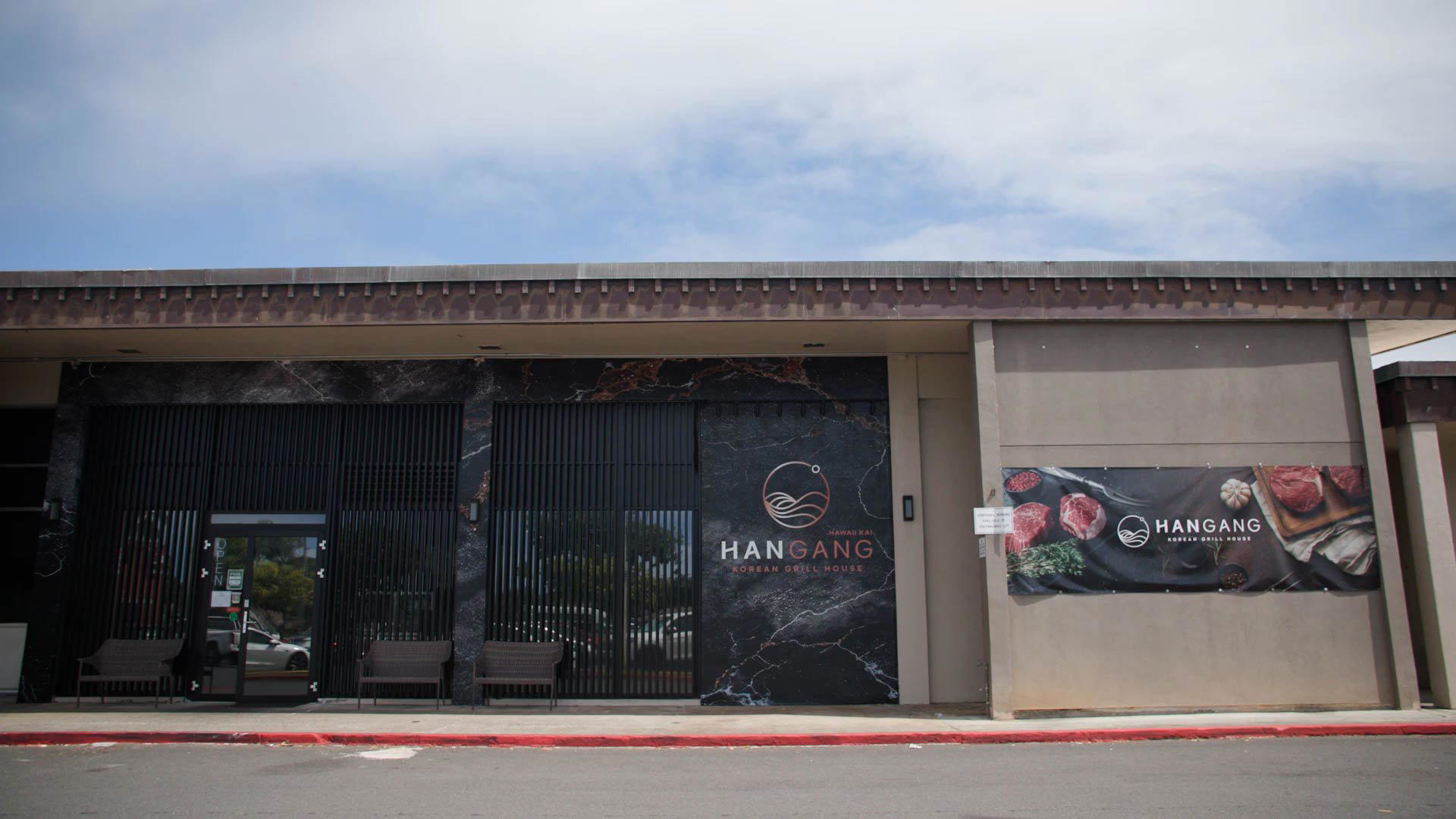
Korean BBQ at the Edge of the Island
Kalanianaole Highway runs along the southeastern rim of Oahu, where the city thins out into residential pockets and the Pacific pushes close to the road. At 5730, tucked between Niu Valley and Hawaii Kai, Hangang Hawaii Kai sits in a part of Honolulu that doesn't draw tourists by instinct — this is a neighborhood restaurant in the truest sense, serving a community that has made East Honolulu one of the island's most significant Korean-American enclaves. The approach already tells you something about what's inside: this is not a production aimed at Waikiki foot traffic, but a place oriented around the rhythms of the local Korean diaspora.
The Cultural Weight of Korean BBQ
Korean barbecue occupies a different register than most communal dining traditions. The format — raw protein, live heat source at the table, a rotating cast of banchan, the smoke that settles into your clothes, demands participation. It is not a passive dining mode. In South Korea, gopchang and samgyeopsal houses often operate late into the night, anchored to the idea that eating together is itself the activity, not a means to an end. That culture traveled with Korean emigrants across the Pacific and took root in communities from Los Angeles to Honolulu, adapting to local ingredient availability and appetite without losing its essential character.
Hawaii's Korean community has deep roots. Settlement patterns going back to the early twentieth century placed Korean families in specific pockets of Oahu, and the concentration around East Honolulu reflects decades of community formation. The dining scene that grew from that history is not derivative of the mainland Korean-American restaurant wave, it has its own lineage, its own regulars, its own expectations. A Korean BBQ restaurant here is not selling novelty. It is serving a community that grew up eating this food and holds it to a standard shaped by memory as much as taste.
Where Hangang Sits in the Honolulu Restaurant Map
Honolulu's restaurant spectrum runs from high-concept hotel dining and fine-dining rooms like 53 By The Sea and Fête (New American) to neighborhood institutions that have survived on community loyalty for decades. Hangang Hawaii Kai belongs to the latter category. Its address in Niu Valley places it well outside the dining corridors that most visitors to Oahu follow, and that geographical remove is part of what defines its character. It competes in a local register, not a visitor-economy one, a distinction that shapes everything from the menu to the room to the clientele.
For context on the range of Honolulu dining, 3660 On the Rise and 855-ALOHA represent different poles of the local dining identity, and the city also supports cultural experience formats like Ahaaina Luau. Korean BBQ in East Honolulu sits apart from all of these, it is the neighborhood's own tradition, not something assembled for an outside audience. The broader picture of where to eat across the island is in our full Honolulu restaurants guide.
What the Korean BBQ Format Delivers
The architecture of a Korean BBQ meal is fairly fixed across formats and geographies, which is part of why the tradition travels so well. Banchan arrive first, small plates of kimchi, seasoned spinach, bean sprout namul, pickled radish, and whatever else is in rotation. These are not starters in any Western sense; they persist through the meal, refilled on request, serving as palate pivots between rounds of meat. The grill at the center of the table is the organizing element, and the meal builds in cycles: order, cook, wrap, eat, repeat.
What differentiates one Korean BBQ establishment from another is largely sourcing, banchan quality, and the specific cuts offered. Brisket (chadolbaegi), pork belly (samgyeopsal), short rib (galbi), and marinated thin-cut ribeye (bulgogi) are the canonical standards. A well-run operation keeps the grill surface clean between rounds and times the charcoal or gas heat so the meat chars without drying. The wrapping ritual, perilla leaf or romaine, a smear of doenjang or ssamjang, a sliver of raw garlic, is the final act of each cycle, compressing the flavors of the meal into a single bite.
The Hawaii Kai Context
Hawaii Kai is not a dining destination in the way that Chinatown or Kakaako are, but it has a specific character worth understanding before you make the drive. The area is predominantly residential, with a marina and a suburban retail strip that serves the community rather than attracting outside attention. Restaurants here succeed on repeat visits, not discovery traffic. A Korean BBQ house at 5730 Kalanianaole Hwy has to earn its place through consistency, because the customers who sustain it live nearby and come back regularly.
The drive out from central Honolulu along Kalanianaole is itself a reorientation, the density drops, the road curves along the coast, and you arrive at a neighborhood that feels genuinely local. This is not a scenic detour in any produced sense; it is simply the reality of where the restaurant is, and for food that is fundamentally about community ritual, the setting is coherent. If you are coming from the hotel corridor or airport side of the island, plan for the distance and time it accordingly.
Situating Korean BBQ in a Wider Frame of American Dining
The appreciation for communal, interactive dining formats has grown across American cities over the past decade, and Korean BBQ has been part of that shift. Where fine dining rooms like Atomix in New York City or Alinea in Chicago represent the high-intervention, chef-as-auteur pole of contemporary restaurant culture, and farm-anchored operations like Blue Hill at Stone Barns in Tarrytown or Single Thread Farm in Healdsburg position the diner as witness to a sourcing philosophy, Korean BBQ positions the diner as active participant in the cooking itself. The table is both kitchen and dining room. That dynamic is fundamentally different from the service model at Le Bernardin in New York City, The French Laundry in Napa, or Providence in Los Angeles, and understanding that difference is part of understanding why the format retains such loyal followings across cultures and geographies.
Across the Pacific, in Hong Kong, a restaurant like 8 1/2 Otto e Mezzo Bombana (Hong Kong) represents a different strain of premium Asian dining, where European technique anchors the identity. Korean BBQ makes no such negotiation with European frames; it is complete on its own terms, and that self-sufficiency is part of its cultural confidence. Operations like Emeril's in New Orleans, Lazy Bear in San Francisco, Addison in San Diego, and The Inn at Little Washington each occupy distinct positions in the American fine dining map, but none of them do what a Korean BBQ table does: hand the cooking instrument to the guest.
Planning Your Visit
Hangang Hawaii Kai is located at 5730 Kalanianaole Hwy, Honolulu, HI 96821, in the Niu Valley strip along the southeastern coast of Oahu. Given its neighborhood position and local following, it operates primarily for the surrounding community. Korean BBQ meals run long by design; arriving with adequate time for the full cycle of orders and conversation is standard practice at any well-run establishment in this format.
How HANGANG HAWAII KAI / NIU VALLEY KOREAN BBQ Honolulu compares with similar nearby venues.
| Venue | Cuisine |
|---|---|
| Roy’s | Asian Fusion |
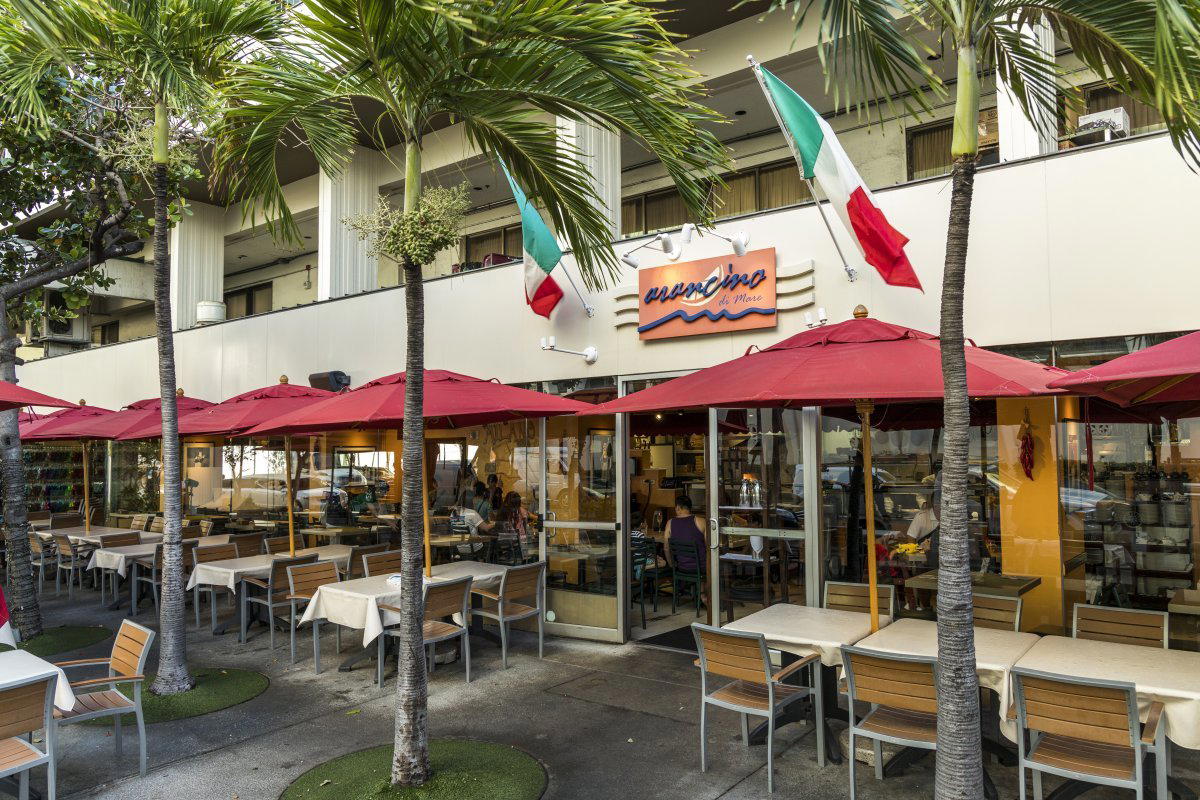
| Arancino at The Kahala | Italian |
| Hoku’s | Pacific Rim |
At a Glance
- Modern
- Elegant
- Lively
- Group Dining
- Casual Hangout
- Celebration
- Special Occasion
- Open Kitchen
- Private Dining
- Beer Program
- Corkage Allowed
- Local Sourcing
Current opening hours
- Monday
- 11 AM–4 PM, 5–10 PM
- Tuesday
- 11 AM–4 PM, 5–10 PM
- Wednesday
- 11 AM–4 PM, 5–10 PM
- Thursday
- 11 AM–4 PM, 5–10 PM
- Friday
- 11 AM–4 PM, 5–11 PM
- Saturday
- 11 AM–4 PM, 5–11 PM
- Sunday
- 11 AM–4 PM, 5–10 PM
Hours can change for holidays and private events. Last verified .
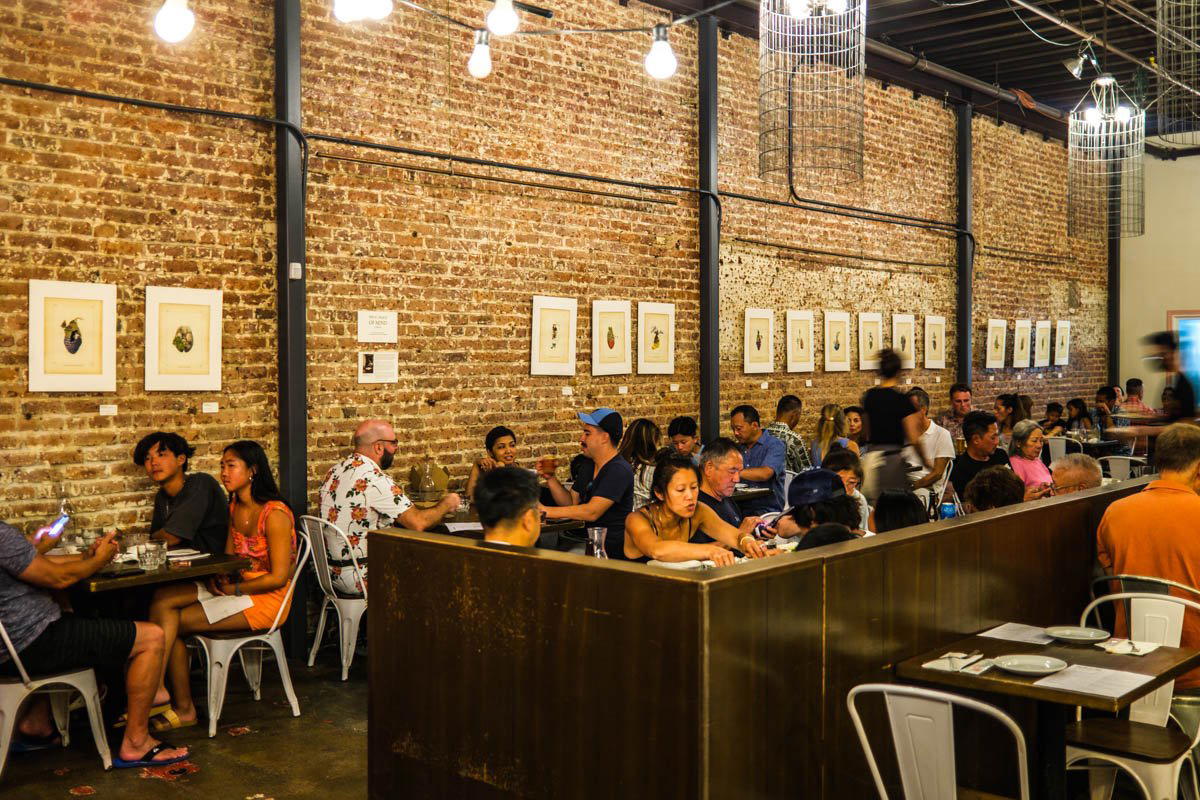
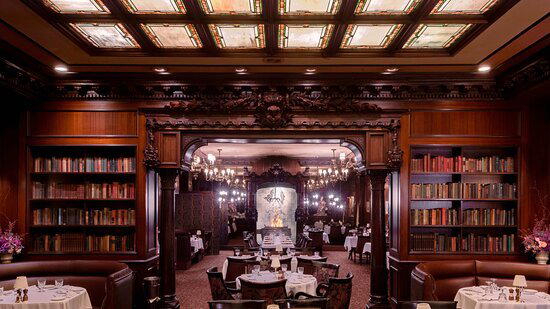
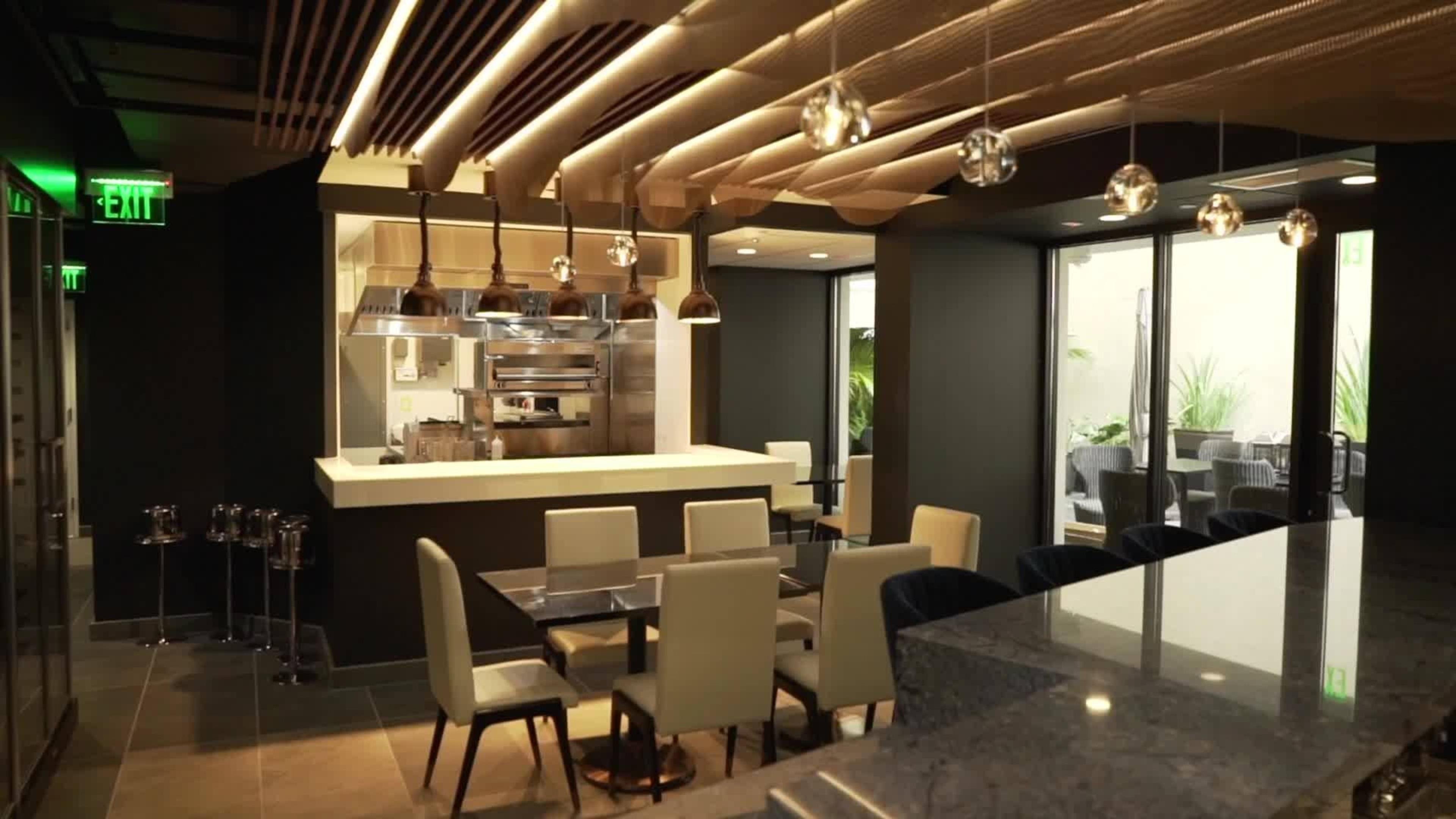
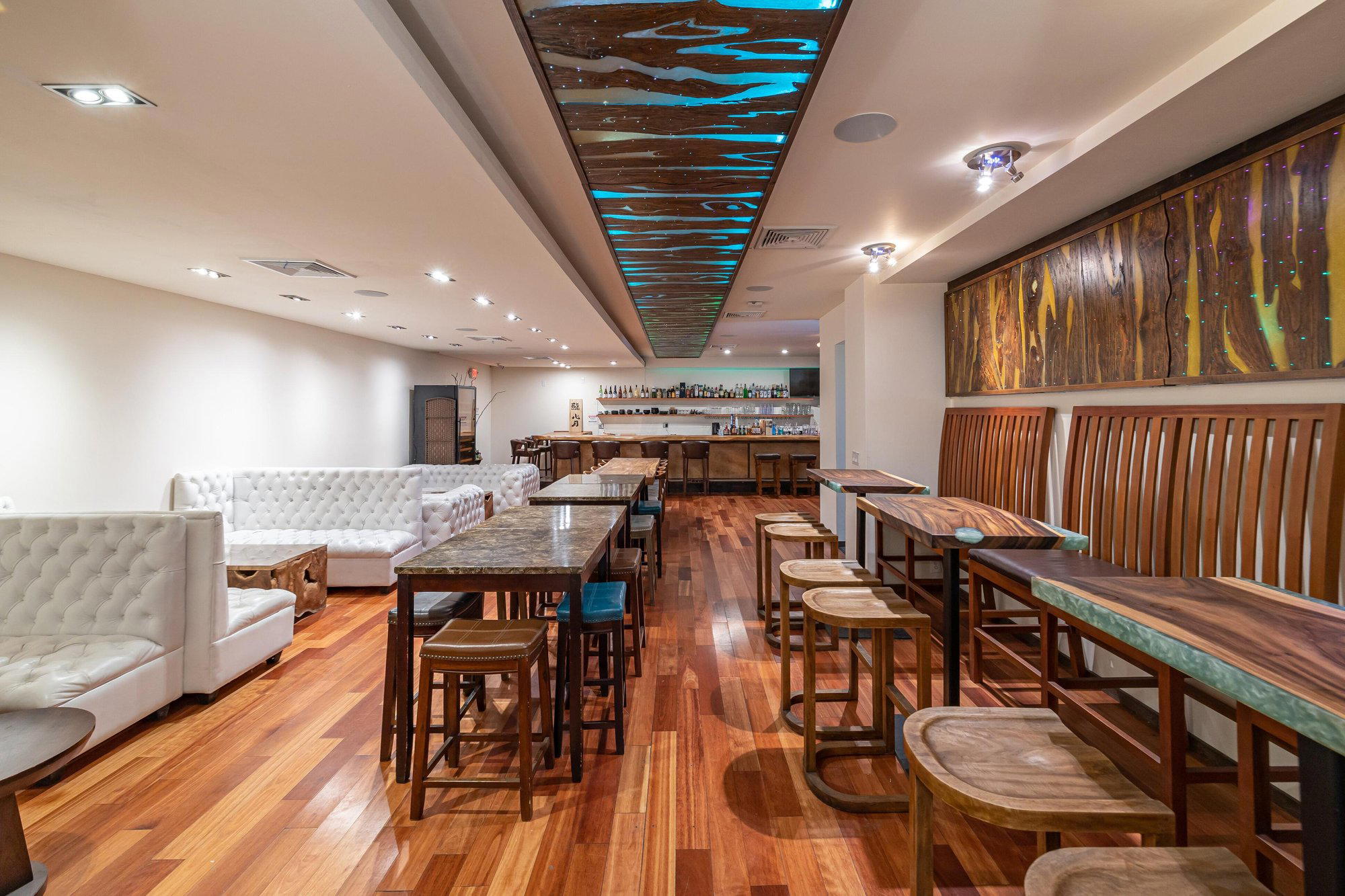
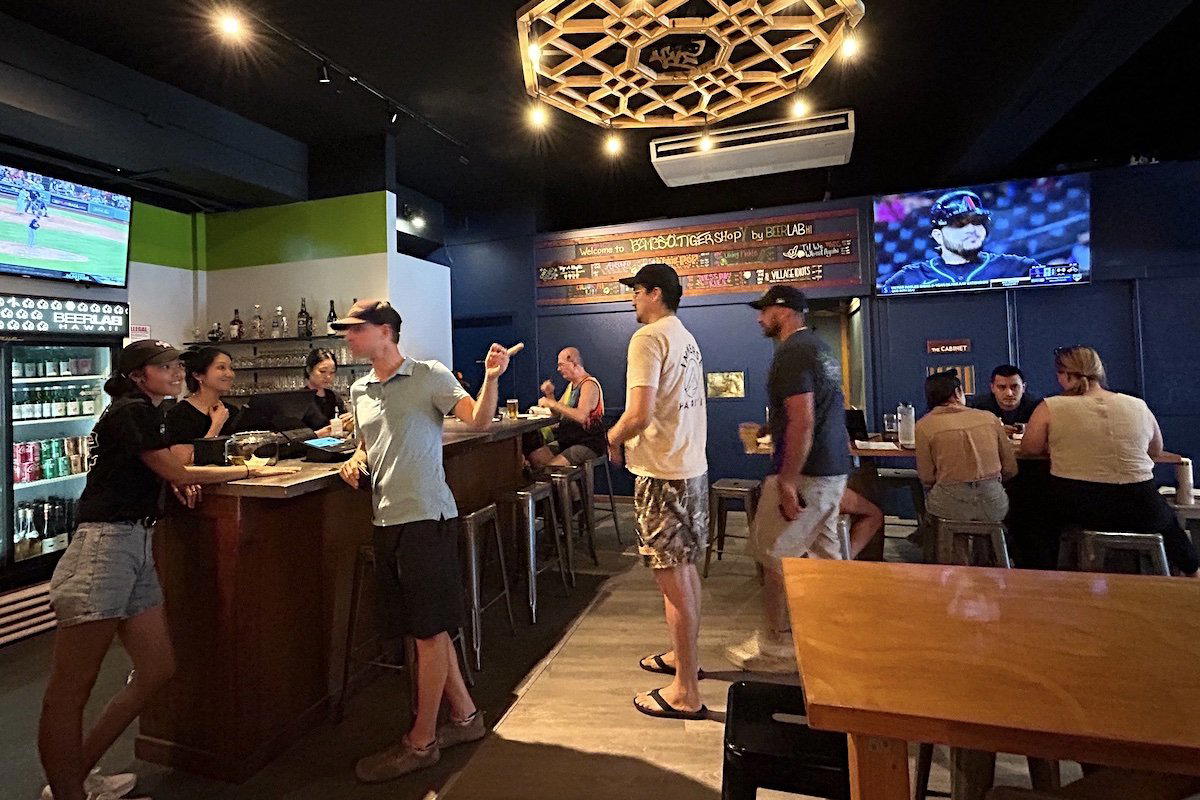
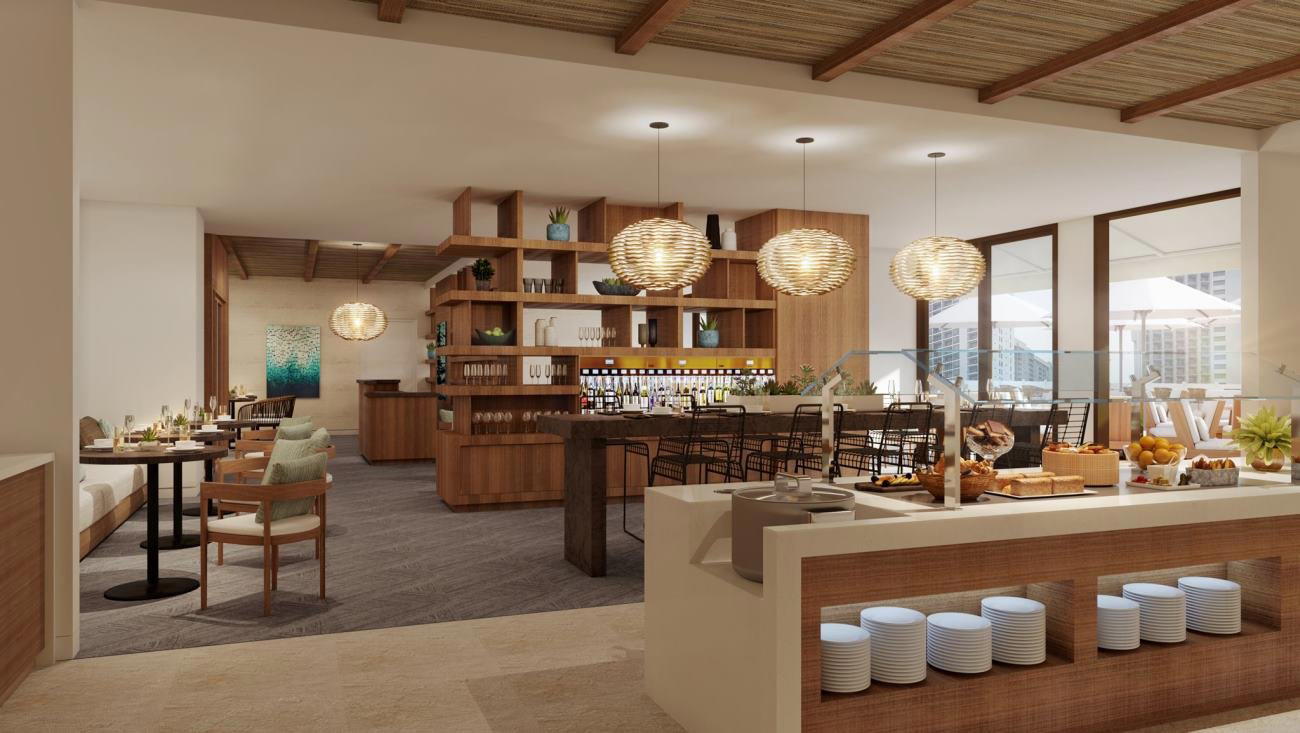
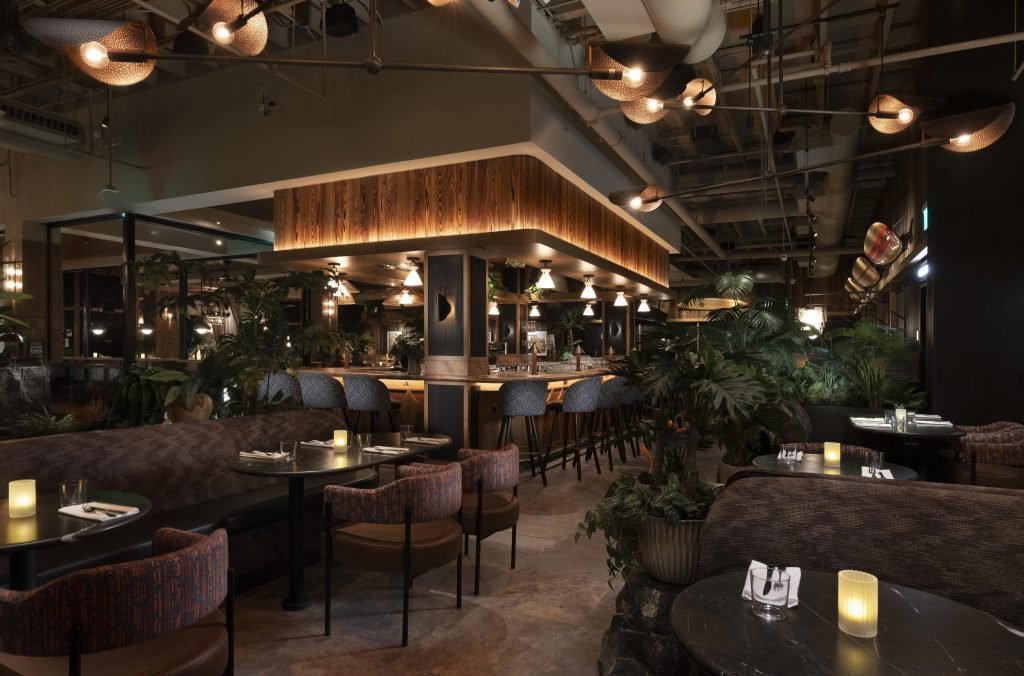
Modern, elegant setting with upscale Korean dining atmosphere and table-side grilling experience.
Know Before You Go
- Getting there
- 5730 Kalanianaʻole Hwy, Honolulu, HI 96821