Monème occupies a considered address on Rue de Bleury, sitting within Montreal's wider conversation about what progressive modern dining looks like in a city already shaped by Toqué and Europea. The format leans into sequential, course-driven dining where the arc of the meal carries the editorial weight. It belongs to a smaller tier of Montreal restaurants where the structure of the experience itself is the primary design decision.
Pearl is the En Primeur Club membership app — saves, bookings, and concierge access live there. Same editors, same standards.
- Address
- 1041 Rue de Bleury, Montréal, QC H2Z 1M7, Canada
- Phone
- +15143792003
- Website
- moneme.ca
- Directions
- Get directions
 Saves & bookings on Pearl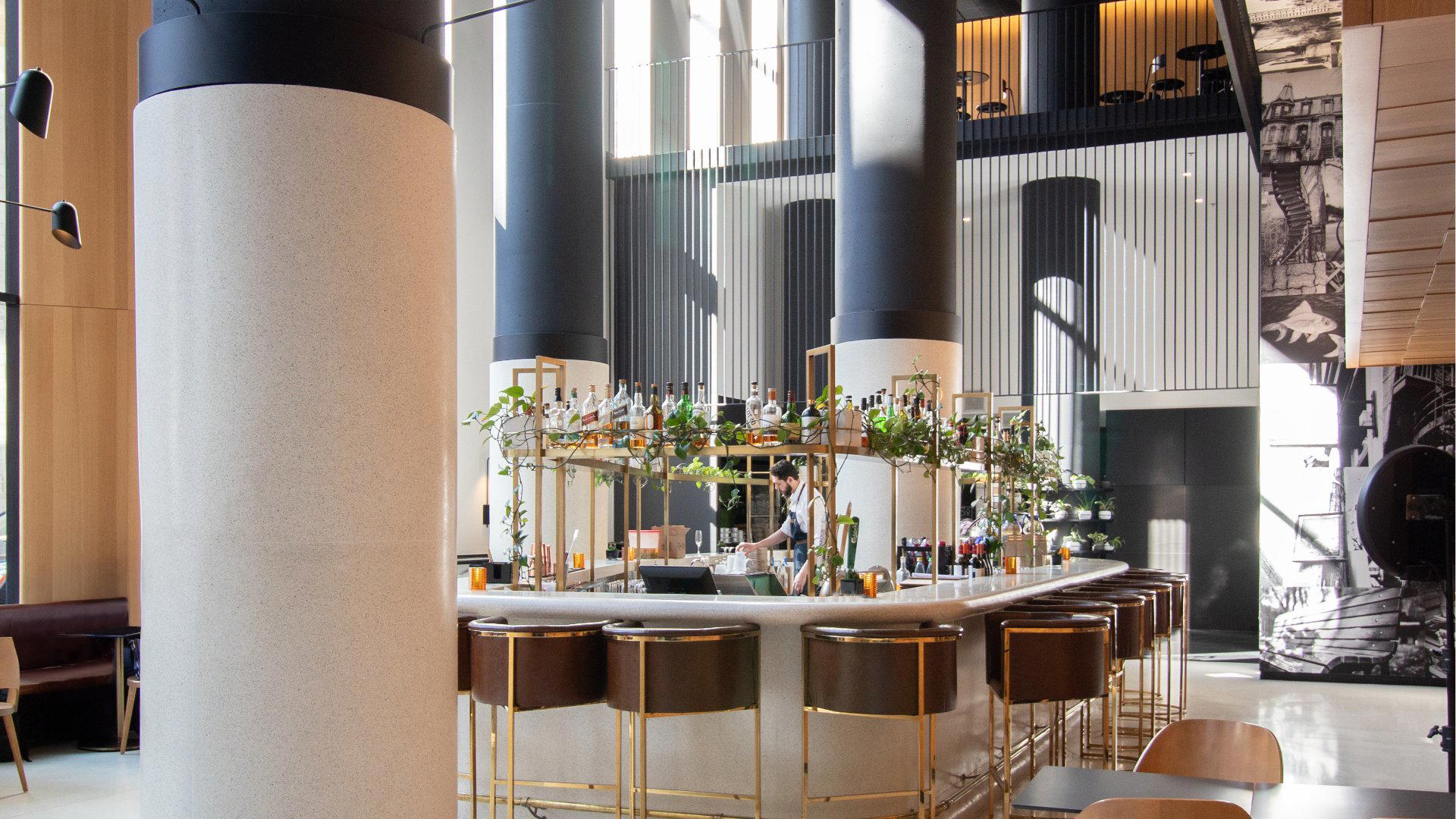
Where Rue de Bleury Meets the Tasting Format
Monème is a modern French-Quebecois bistro in Montréal with. Montreal's downtown dining corridor along Rue de Bleury has long functioned as a transition zone between the city's old-guard French institution model and newer, more architecturally deliberate rooms. The street's rhythm is quieter than Saint-Laurent or the Plateau's busier stretches, which creates the right conditions for a format that requires some degree of surrender from the diner. Sequential, course-driven dining demands a room that doesn't compete with itself. Monème, at 1041 Rue de Bleury, sits in that quieter register.
The broader pattern in Montreal's ambitious dining tier is instructive. Over the past decade, the city has moved away from the singular authority of grand French classicism toward a more fragmented scene. Jérôme Ferrer's Europea and Toqué remain the anchoring institutions of the $$$$ tier, but a secondary cohort at the $$$ level has grown around more format-conscious, ingredient-driven approaches. Mastard and Sabayon both represent that cohort, as does Monème, where the sequencing of the meal is the organizing logic rather than a single signature dish or a celebrity kitchen lineage.
The Architecture of the Meal
Course-driven dining, when it works, operates as a kind of argument. Each plate is a sentence; the full menu is the essay. Montreal has produced several restaurants that understand this structure, but the execution varies considerably. The stronger examples in the city treat the opening courses not as amuse-bouche formality but as genuine scene-setting. Lighter preparations, often acidic or pickled, establish a baseline of attention before more textural or fatty elements arrive mid-sequence. The closing courses in the better tasting formats resist the temptation to land on mere sweetness and instead offer something that recontextualizes what came before.
What positions Monème within this framework is the address itself and its peer alignment. The restaurant sits in a part of downtown Montreal where the dining expectations are formed by the proximity of the broader cultural quarter, drawing guests who are more likely to have attended a performance or an opening than those arriving from the Plateau's neighbourhood-restaurant reflex. That guest profile tends to be more patient with pace, which is exactly what the tasting progression format requires. A meal built around sequencing fails when the room wants to turn tables; it succeeds when both kitchen and guest agree to the same contract of time.
Across Canada, the restaurants that have most successfully embedded this format into their identity share certain structural commitments. Alo in Toronto is one recognized example in the country, operating a fixed tasting menu with Michelin recognition. Tanière³ in Quebec City applies a similar philosophy with a stronger terroir emphasis. Further afield, AnnaLena in Vancouver represents the West Coast version of this sensibility. Montreal, for its size and culinary reputation, has room for multiple entries in this category, and Monème occupies one of those positions.
Montreal's Progressive Dining Tier in Comparative View
The question of where a format-first restaurant sits relative to its city's wider dining map matters. In Montreal, the competition for the attentive diner's evening is real. The classic bistro model, represented by institutions like L'Express, offers a completely different transaction: familiar, repeatable, anchored in Gallic tradition. The delicatessen pole, defined by Schwartz's, is an entirely separate category. The restaurants that occupy the middle-to-upper modern tier, from 3 Pierres 1 Feu to Abu el zulof, are all competing on different axes: one on local product sourcing, another on cultural specificity.
Monème's position, as a course-progressive restaurant on a quieter downtown block, aligns it with a guest who has already made the decision to prioritize the structure of the meal. That is a meaningful self-selection. The restaurants that attract this guest in other Canadian cities often carry formal recognition: Restaurant Pearl Morissette in Lincoln has built a national reputation on exactly this combination of format discipline and terroir specificity. Eigensinn Farm in Singhampton operates in a more extreme version of the same logic. Even at the neighbourhood scale, restaurants like The Pine in Creemore and Narval in Rimouski demonstrate that the appetite for careful, sequenced dining extends well beyond major urban centres.
The international reference points are worth naming. Le Bernardin in New York City operates in a completely different price and recognition tier, but its insistence on a particular kind of formal attention to each course has influenced how serious North American restaurants think about sequencing. Atomix in New York City represents a more recent model, where the physical presentation of each course includes written context, turning the meal into a more explicitly narrative experience. These are the broader currents that shape what course-driven dining can aspire to, and against which Montreal restaurants in this format are implicitly measured.
Planning Your Visit
Monème is located at 1041 Rue de Bleury in downtown Montreal, positioned within comfortable walking distance of the Place-des-Arts metro station and the broader cultural district. For a restaurant operating in the tasting format tier, booking in advance is standard practice, particularly on weekends when the downtown cultural calendar fills adjacent rooms and reduces walk-in availability across the neighbourhood. The format, with its multi-course structure, rewards visits when you have two or more hours available and no fixed end point. For the full context of Montreal's progressive dining scene, our full Montreal restaurants guide maps the wider landscape across price tiers and neighbourhood clusters. Those also interested in Quebecois culinary tradition might pair a visit with Aux Anciens Canadiens in Quebec City on a broader provincial itinerary. For a regional comparison point closer to the Ontario border, Barra Fion in Burlington offers another angle on the contemporary Canadian dining conversation.
Cuisine-First Comparison
Comparable venues nearby, for context on price, style, and recognition.
| Venue | Cuisine | Price | Notes |
|---|---|---|---|
| MonèmeThis venue — the venue you are viewing | Modern French-Quebecois Bistro | $$$ | Not listed |
| Les Cavistes | French Bistro with Québec Flair | $$$ | Nicolas-Viel |
| Rosélys | Modern French-English Bistro | $$$ | Golden Square Mile |
| Chez Jean-Paul | Modern French Fine Dining | $$$ | Pere-Marquette |
| Kitchen Galerie | Modern French Bistro | $$$ | Parc-Jarry |
| Bar St-Denis | Modern French Bistro with Middle Eastern Influences | $$$ | La Petite-Italie |
At a Glance
- Elegant
- Cozy
- Modern
- Intimate
- Date Night
- Business Dinner
- Brunch
- Hotel Restaurant
- Open Kitchen
- Local Sourcing
Current opening hours
- Monday
- 6:30–10:30 AM
- Tuesday
- 6:30–10:30 AM, 5–10 PM
- Wednesday
- 6:30–10:30 AM, 5–10 PM
- Thursday
- 6:30–10:30 AM, 5–10 PM
- Friday
- 6:30–10:30 AM, 5–10 PM
- Saturday
- 7 AM–12 PM, 5–10 PM
- Sunday
- 7 AM–12 PM
Hours can change for holidays and private events. Last verified .
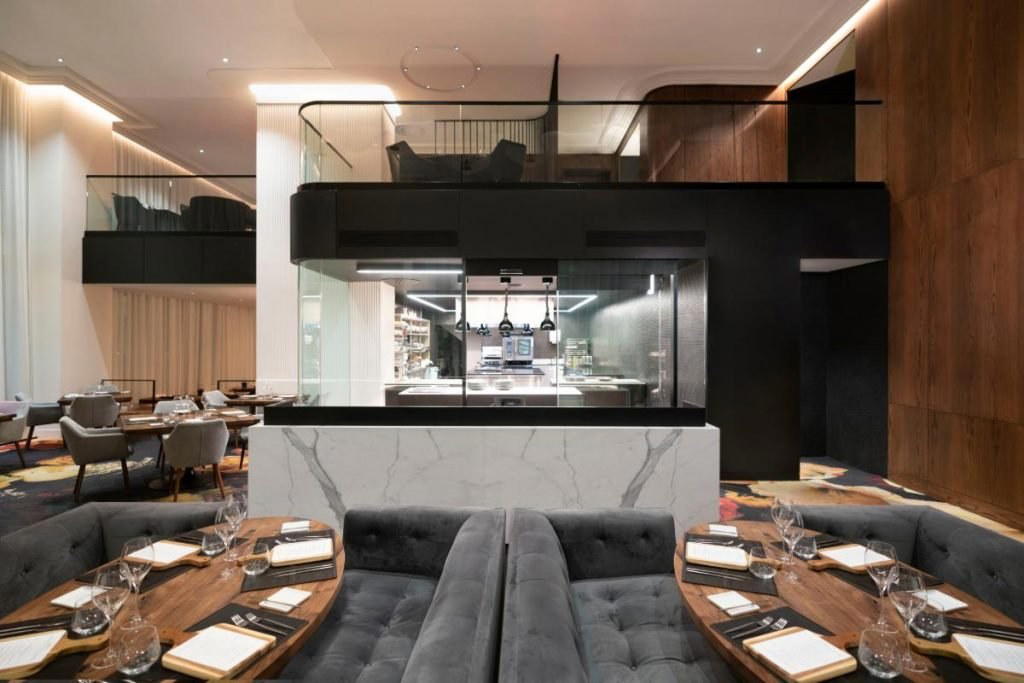
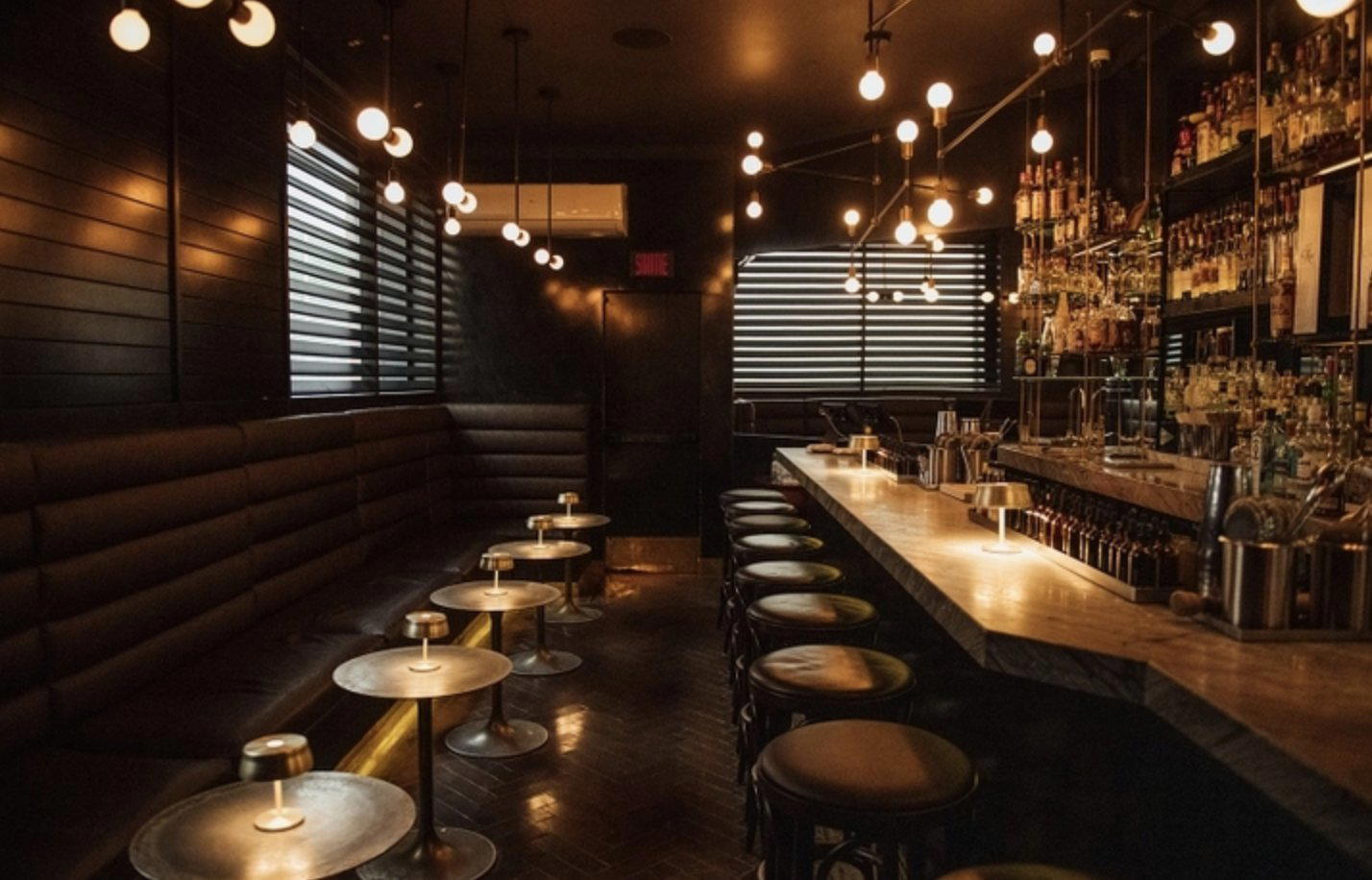
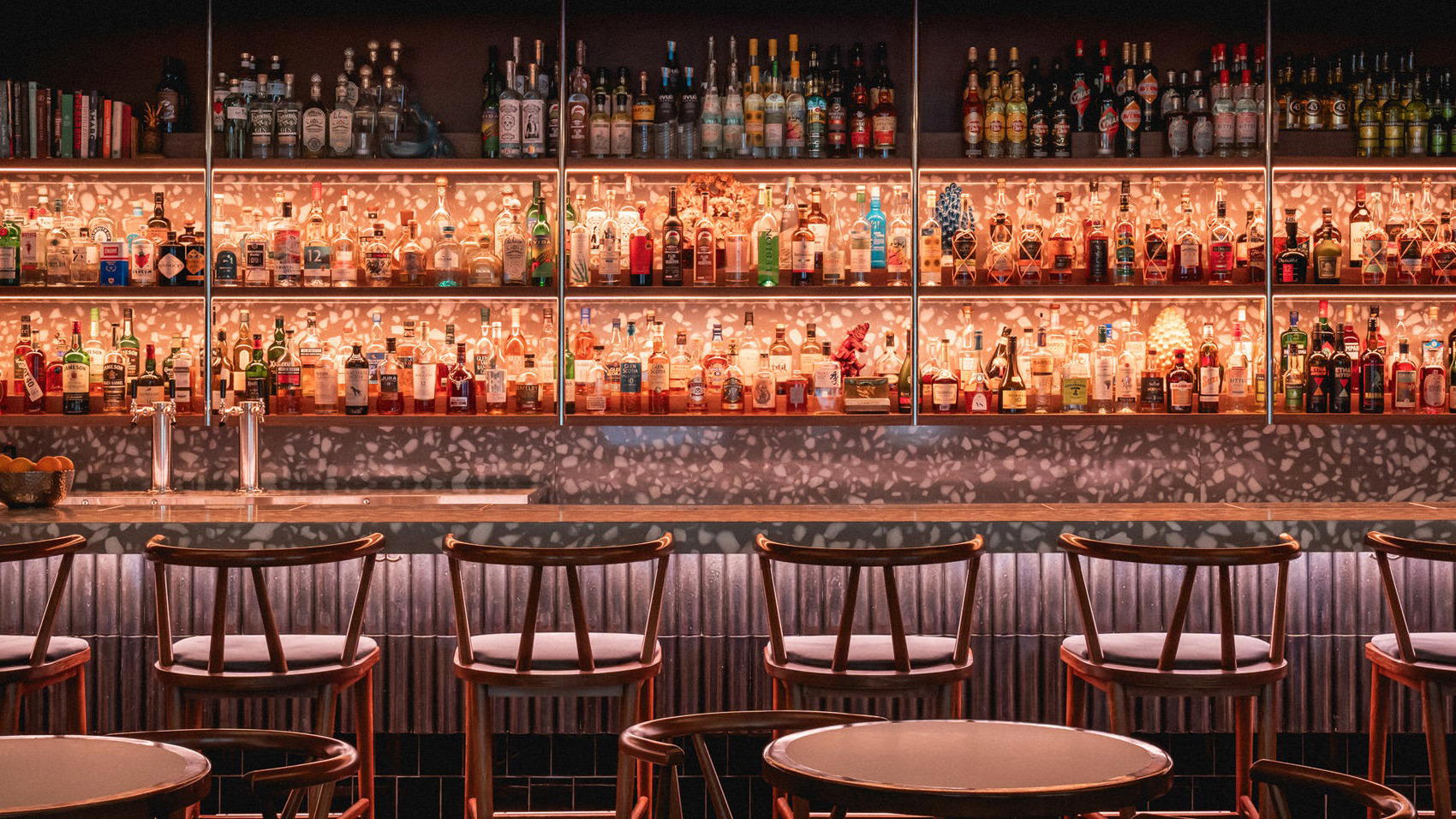
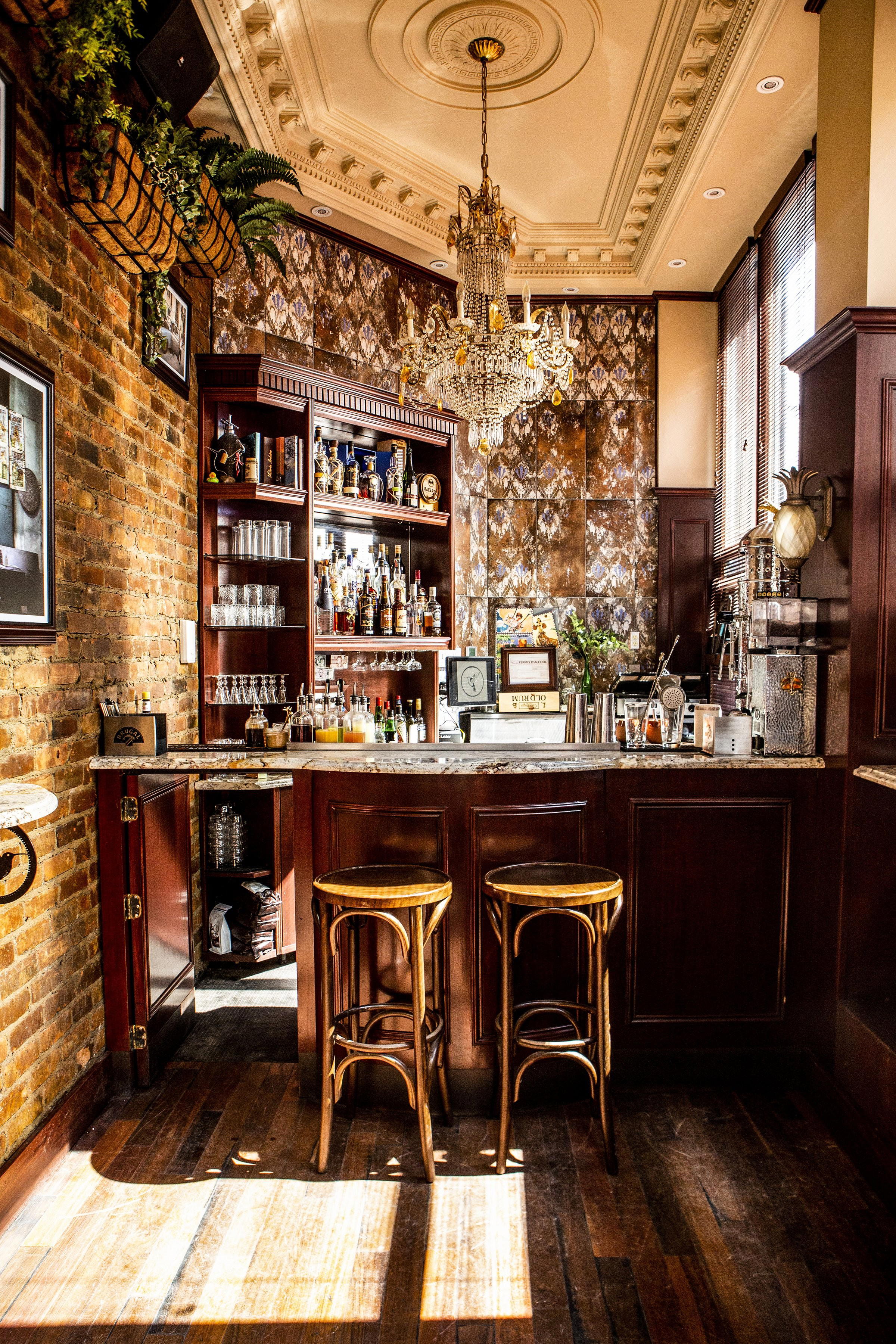
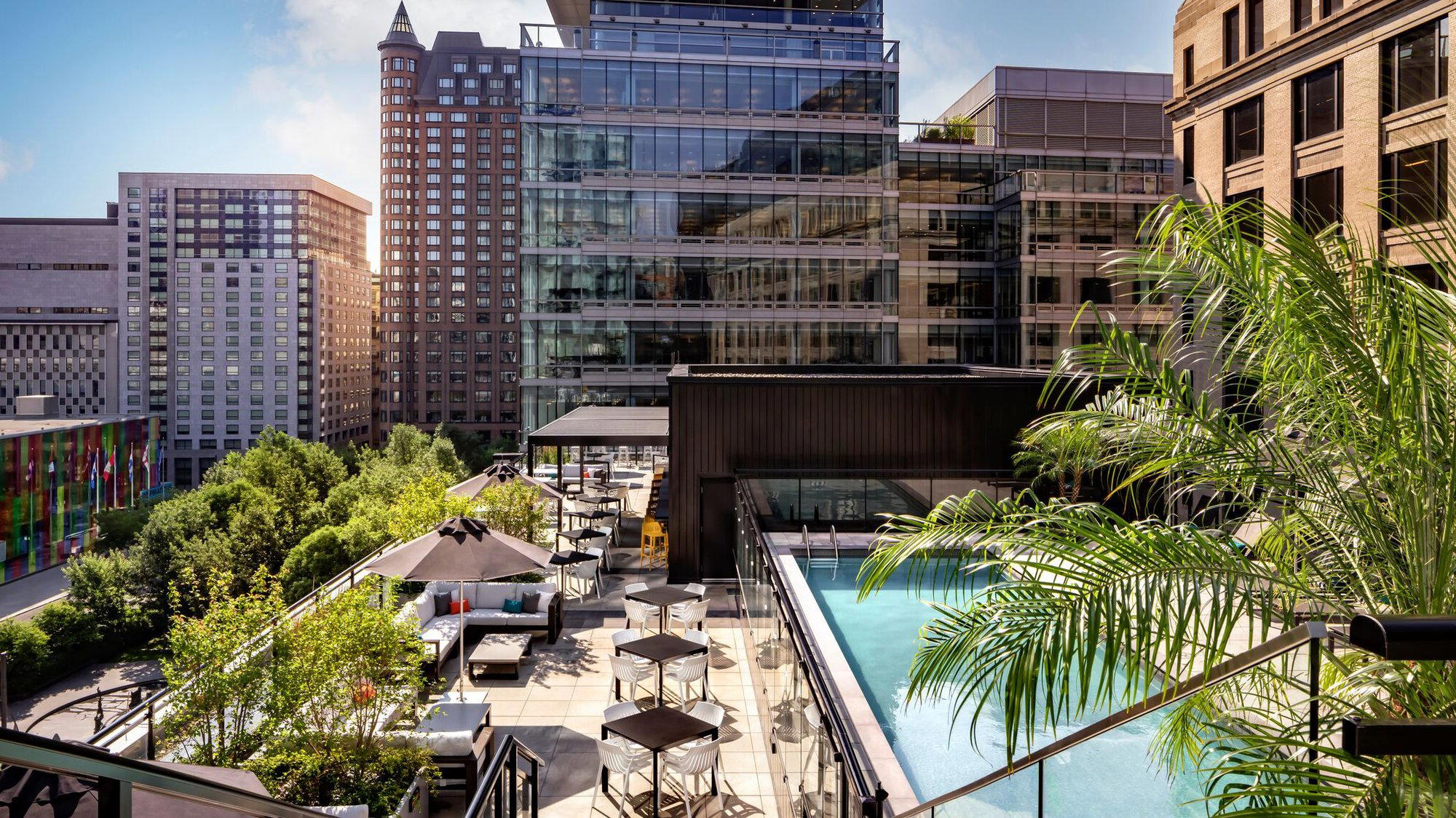
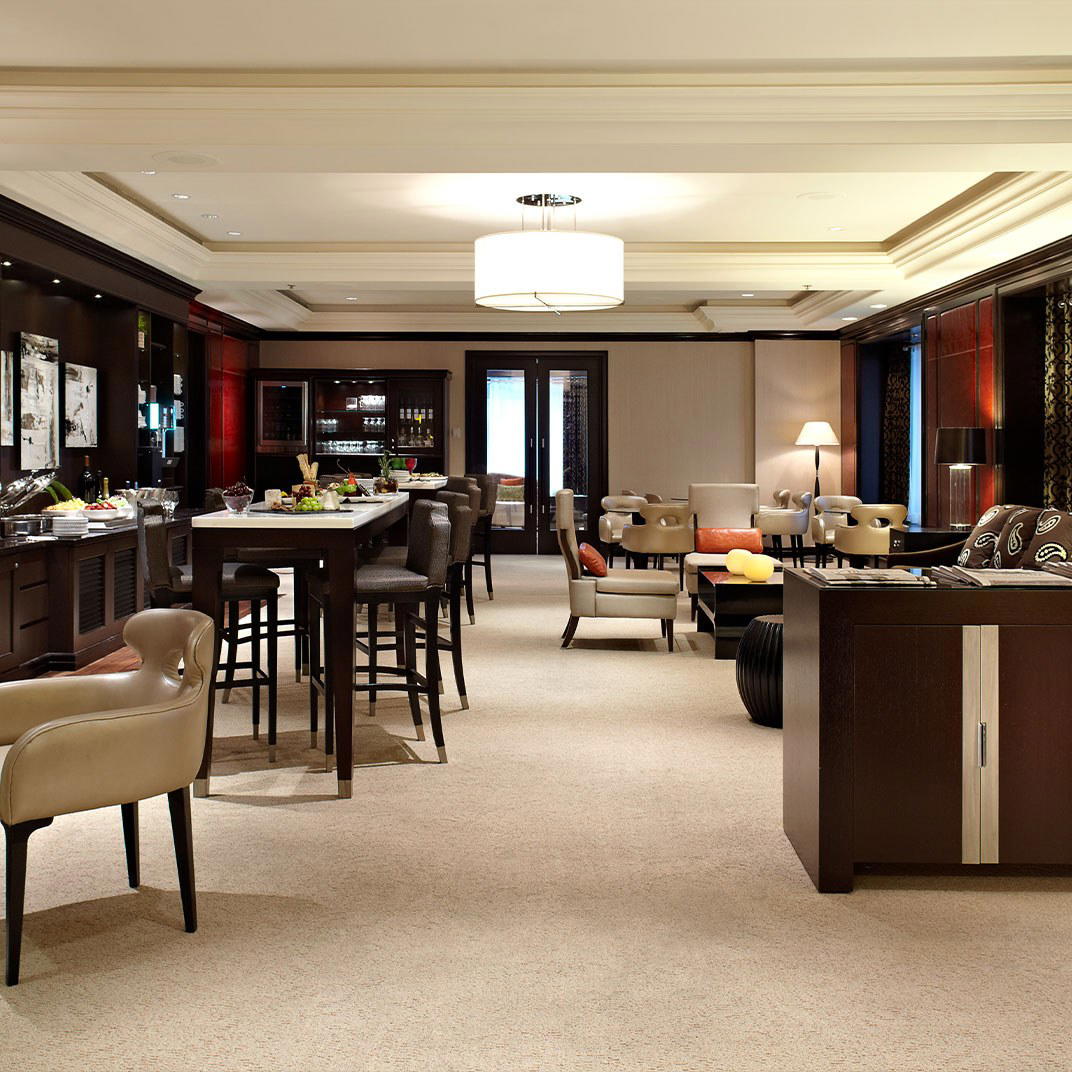
Relaxed and casual-elegant atmosphere with natural light, open space, and a majestic bar.