Kitchen Galerie occupies a considered position in Montreal's modern dining scene, operating out of Jean-Talon Est in a neighbourhood defined as much by its market culture as its restaurant ambition. The address places it at a productive distance from the downtown fine-dining corridor, drawing a clientele that tends to know what it came for. For visitors mapping Montreal's broader restaurant geography, it sits in the mid-to-upper register of the city's independently driven modern cuisine.
Pearl is the En Primeur Club membership app — saves, bookings, and concierge access live there. Same editors, same standards.
- Address
- 60 Rue Jean-Talon E, Montréal, QC H2R 1S5, Canada
- Phone
- +15143158994
- Website
- kitchengalerie.com
- Directions
- Get directions
 Saves & bookings on Pearl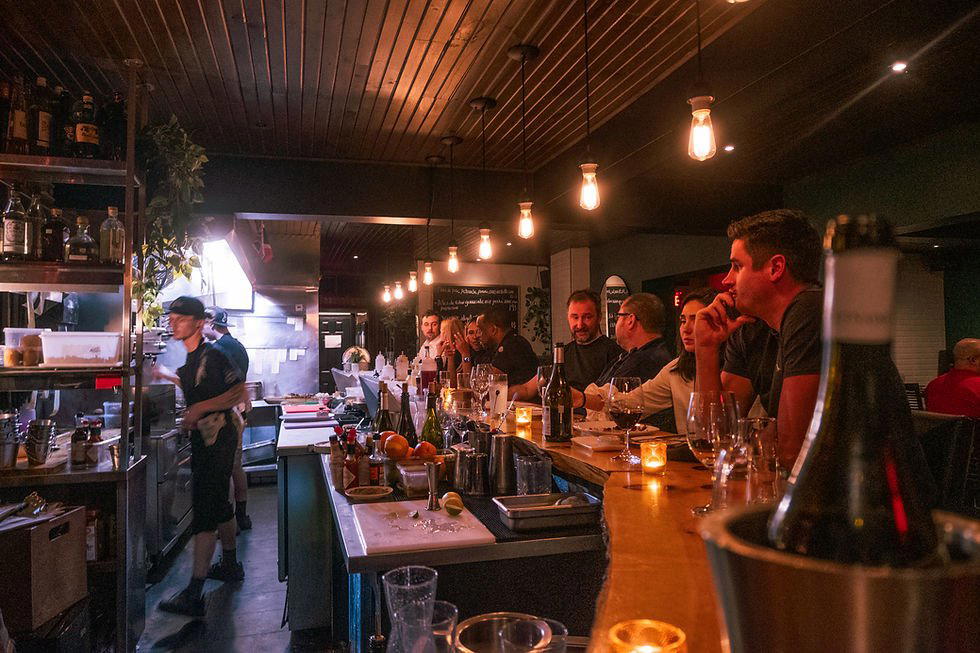
Jean-Talon and the Case for Cooking Outside the Centre
Montreal's dining energy has long concentrated around the Plateau, Old Montreal, and the downtown hotel corridor. The addresses that attract greater attention, from Jérôme Ferrer's Europea to Mastard and Sabayon, cluster in areas where restaurant density creates its own gravity. Kitchen Galerie is a Montréal restaurant serving modern French bistro cooking at about $60 per person, at 60 Rue Jean-Talon E, Montréal, QC H2R 1S5, Canada. Kitchen Galerie, at 60 Rue Jean-Talon Est, operates in a different register. The Jean-Talon corridor is not a destination dining strip in the conventional sense; it is a working neighbourhood anchored by the Marché Jean-Talon, one of the largest open-air markets in North America. That proximity to a serious food market is not incidental to what a restaurant in this location does. It defines the sourcing logic, the seasonal rhythm, and the way the kitchen relates to ingredients before they ever reach the pass.
Arriving on Rue Jean-Talon Est, the context is low-rise commercial Montreal: hardware merchants, depanneurs, narrow storefronts. Kitchen Galerie does not announce itself with the architectural ambition of a downtown tasting room. The setting is deliberate in its ordinariness, which has always been part of the point. Restaurants that rely on neighbourhood rather than spectacle tend to build a more durable clientele, and Kitchen Galerie has been doing exactly that across multiple phases of its existence.
A Restaurant That Has Reinvented Its Own Format
The evolution of the restaurant is a useful case study in how an independently operated restaurant adapts without abandoning its identity. The original concept centred on a galerie model: an open kitchen as both workspace and performance space, with the line visible to diners in a format that was still relatively uncommon in Montreal when the address first opened. That transparency between kitchen and dining room became a structural feature of the experience rather than a gimmick, signalling the kind of cooking-forward confidence that distinguishes chef-led independents from more hospitality-led operations.
Over time, the format has shifted. The kitchen-as-theatre premise has evolved toward something more focused on the plate and less on the performance of watching it assemble. This is a pattern visible across the Canadian modern cuisine tier: restaurants that opened with an emphasis on open-kitchen spectacle have, in many cases, pulled the energy back toward the food itself. AnnaLena in Vancouver and Alo in Toronto represent comparable independents in their respective cities that have navigated similar evolutions, moving from a single defining format into a more mature, cuisine-first identity.
The current direction at the restaurant reflects that maturation. The address now operates as a serious modern cuisine destination rather than a concept restaurant, with the Jean-Talon neighbourhood providing a geographic identity that distinguishes it from the denser, more competitive downtown tier.
Montreal's Modern Cuisine Middle Ground
Montreal's restaurant market segments clearly at the leading end. The $$$$ tier, occupied by addresses like Europea and Toqué, competes on a different axis than the $$$ bracket where independently driven modern cuisine operates. The restaurant sits in that middle zone, where the cooking ambition is high but the pricing signals a different relationship with its audience. This is not a restaurant that positions itself against formal tasting-menu formats; it is one that has built a following through consistent quality at a price point that allows for repeat visits.
Across Canada, the independents that sustain long-term relevance tend to do so through neighbourhood loyalty and cooking credibility rather than award cycles. Tanière³ in Quebec City and Restaurant Pearl Morissette in Lincoln illustrate the range of approaches in this category: one pushing into hyper-regional terroir territory, the other integrating winery identity with cuisine. The restaurant's model is different from both. It is an urban independent that has stayed in place and adapted, which in a restaurant city as competitive as Montreal is its own form of achievement.
Comparative context matters here. Montreal's dining scene, measured against peer Canadian cities, produces more independent modern cuisine addresses per capita than Toronto or Vancouver. The competition for the city's serious restaurant-going audience is dense. Addresses like 3 Pierres 1 Feu and Abu el Zulof represent the range of that scene, from focused neighbourhood cooking to more eclectic formats. The restaurant occupies the considered middle: ambitious without being theatrical, specific without being narrow.
The Jean-Talon Market Advantage
The market proximity that defines this address is worth examining beyond the obvious sourcing narrative. Marché Jean-Talon operates year-round, with the seasonal range shifting from summer abundance to a tighter winter selection of Quebec producers. A restaurant at the edge of that ecosystem has a direct relationship with ingredient availability that changes week by week rather than menu cycle by menu cycle. This keeps the cooking honest in a way that destinations further from their supply chain cannot always replicate.
For a diner making the trip from downtown or from outside the city, the Jean-Talon neighbourhood offers something that the tourist-facing dining corridors do not: a sense of Montreal as a functioning city rather than a curated experience. Restaurants in this area, including the restaurant, draw a mixed clientele of neighbourhood regulars, food-literate visitors, and professionals who have been tracking the address across its various iterations. That audience mix tends to produce a more relaxed room than the formal downtown tasting-menu environment, without sacrificing the cooking standards that justify the visit.
How Kitchen Galerie Fits the Broader Canadian Modern Cuisine Picture
Framing the restaurant within Canada's modern cuisine conversation requires looking at what distinguishes the Montreal independent from its counterparts elsewhere. Eigensinn Farm in Singhampton and The Pine in Creemore represent the rural-sourcing model taken to its extreme conclusion. Narval in Rimouski shows what regional specificity looks like when applied to the Gulf of St. Lawrence. The restaurant is neither a farm project nor a regional-identity statement. It is an urban restaurant that has refined its identity through years of operation, which places it closer in spirit to the sustained urban independents one finds at the upper end of city dining globally.
The reference point is not Le Bernardin in New York or Atomix in the same city, where the ambition and formality operate at a different scale. It is closer to the class of restaurant that defines a city's serious mid-to-upper dining tier: places that serious travellers seek out not for the spectacle but for the evidence, accumulated over time, that the kitchen knows what it is doing.
For comparable French-influenced addresses in the province, Aux Anciens Canadiens in Quebec City offers a useful contrast in both format and tradition. Beyond the city, Barra Fion in Burlington and Bearspaw Golf Club in Calgary illustrate how the Canadian dining scene distributes its ambition across formats and geographies that rarely overlap with Montreal's independent model.
Know Before You Go
| Address | 60 Rue Jean-Talon Est, Montréal, QC H2R 1S5 |
|---|---|
| Neighbourhood | Jean-Talon / Petite-Patrie |
| Price Range | About $60 per person |
| Reservations | Recommended |
| Ideal time to visit | Late summer and autumn, when Marché Jean-Talon is at peak seasonal range |
Price and Recognition
Comparable venues nearby, for context on price, style, and recognition.
| Venue | Cuisine | Price | Notes |
|---|---|---|---|
| Kitchen GalerieThis venue — the venue you are viewing | Parc-Jarry, Modern French Bistro | $$$ | Not listed |
| Bistro Le Valois | Prefontaine, Classic French Bistro | $$$ | Not listed |
| Monème | Not listed | $$$ | Quartier Chinois, Modern French-Quebecois Bistro |
| COMMODORE restaurant | Quartier des Spectacles, French Bistro | $$ | Not listed |
| Rosélys | Not listed | $$$ | Golden Square Mile, Modern French-English Bistro |
| Restaurant Le Saint-Jacques | Louis-Riel, French and Italian | $$ | Not listed |
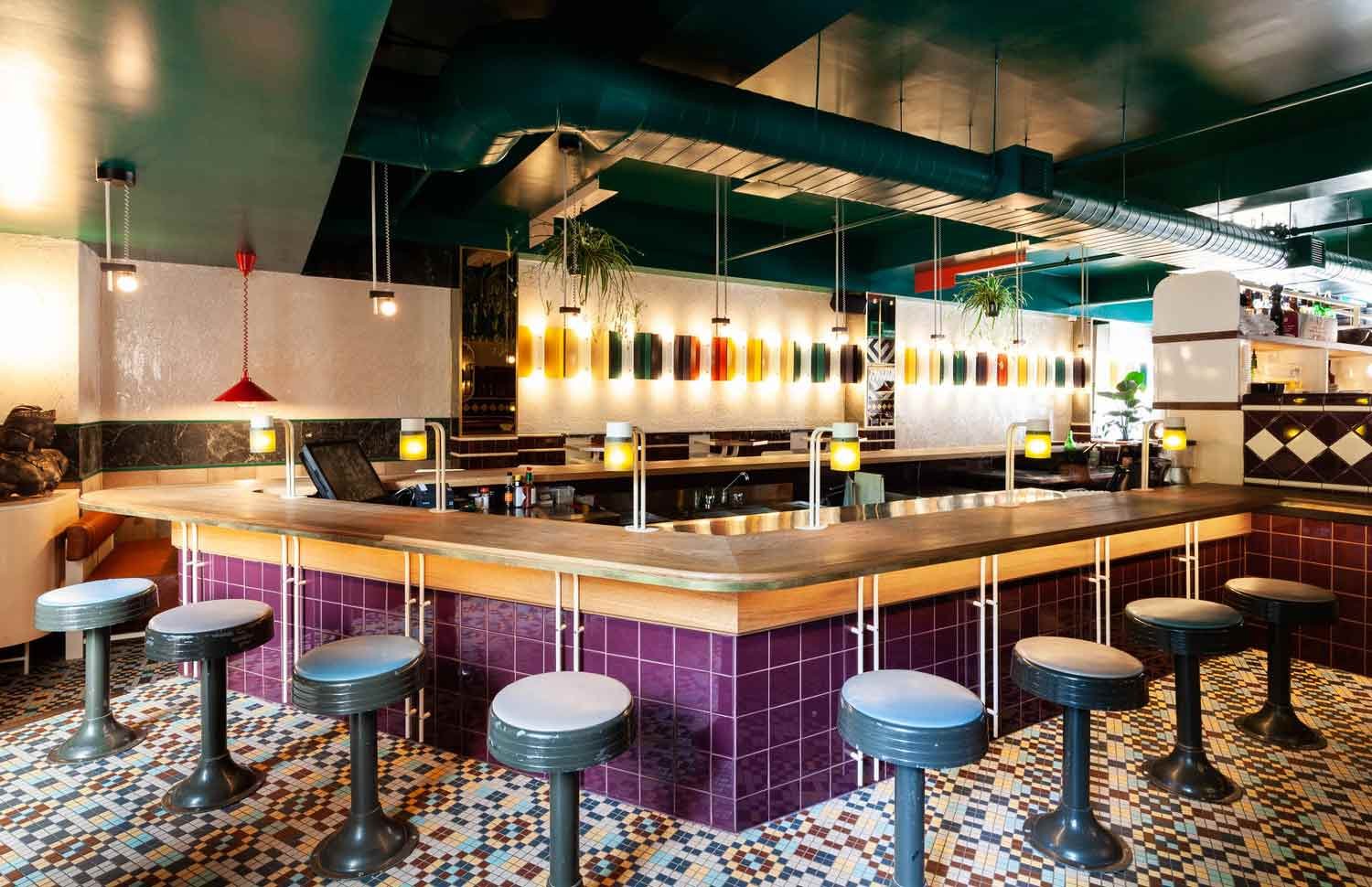
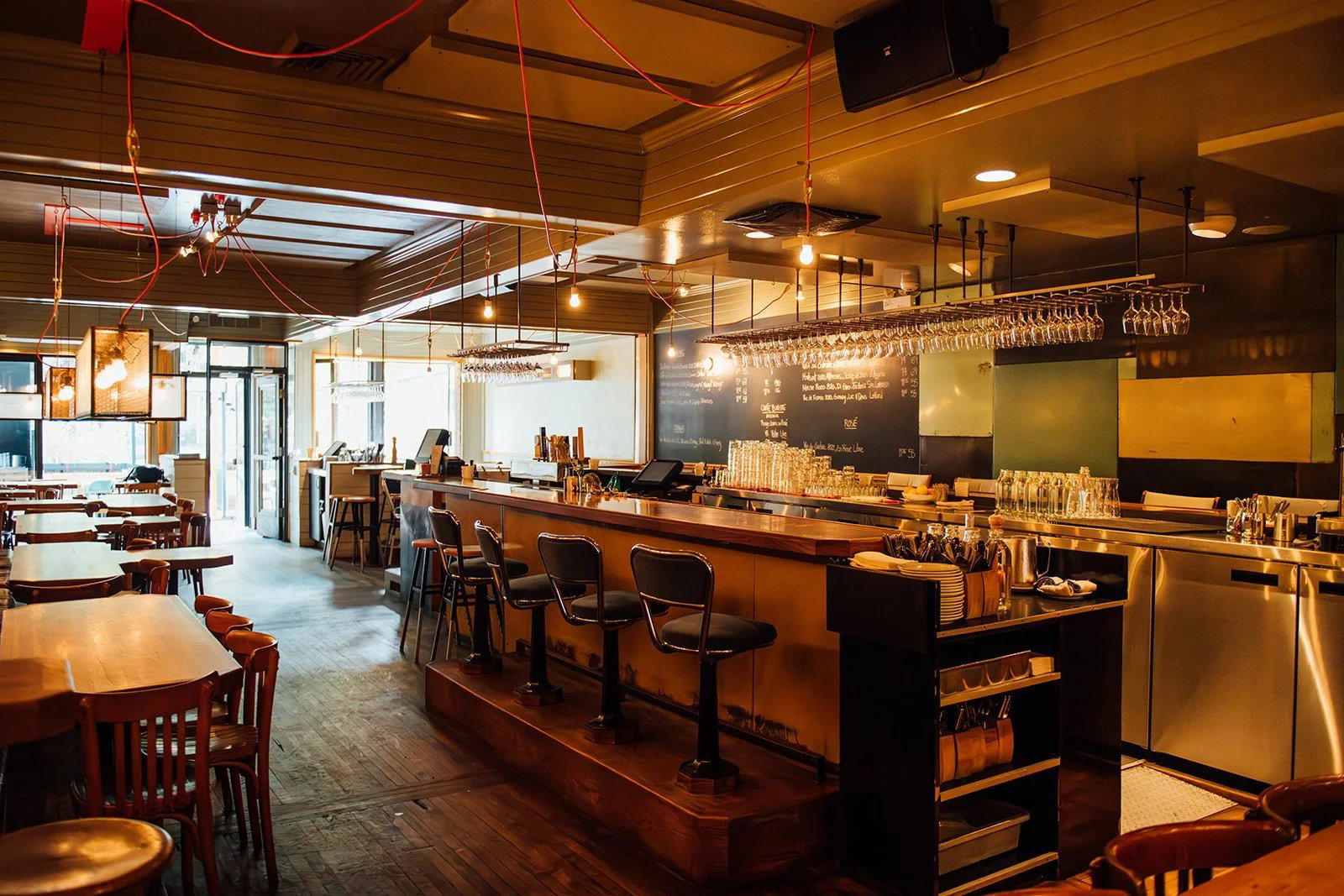
At a Glance
- Cozy
- Lively
- Intimate
- Modern
- Date Night
- Special Occasion
- Open Kitchen
- Craft Cocktails
- Local Sourcing
Current opening hours
- Monday
- Closed
- Tuesday
- Closed
- Wednesday
- Closed
- Thursday
- 5–10 PM
- Friday
- 5–10 PM
- Saturday
- 5–10 PM
- Sunday
- Closed
Hours can change for holidays and private events. Last verified .
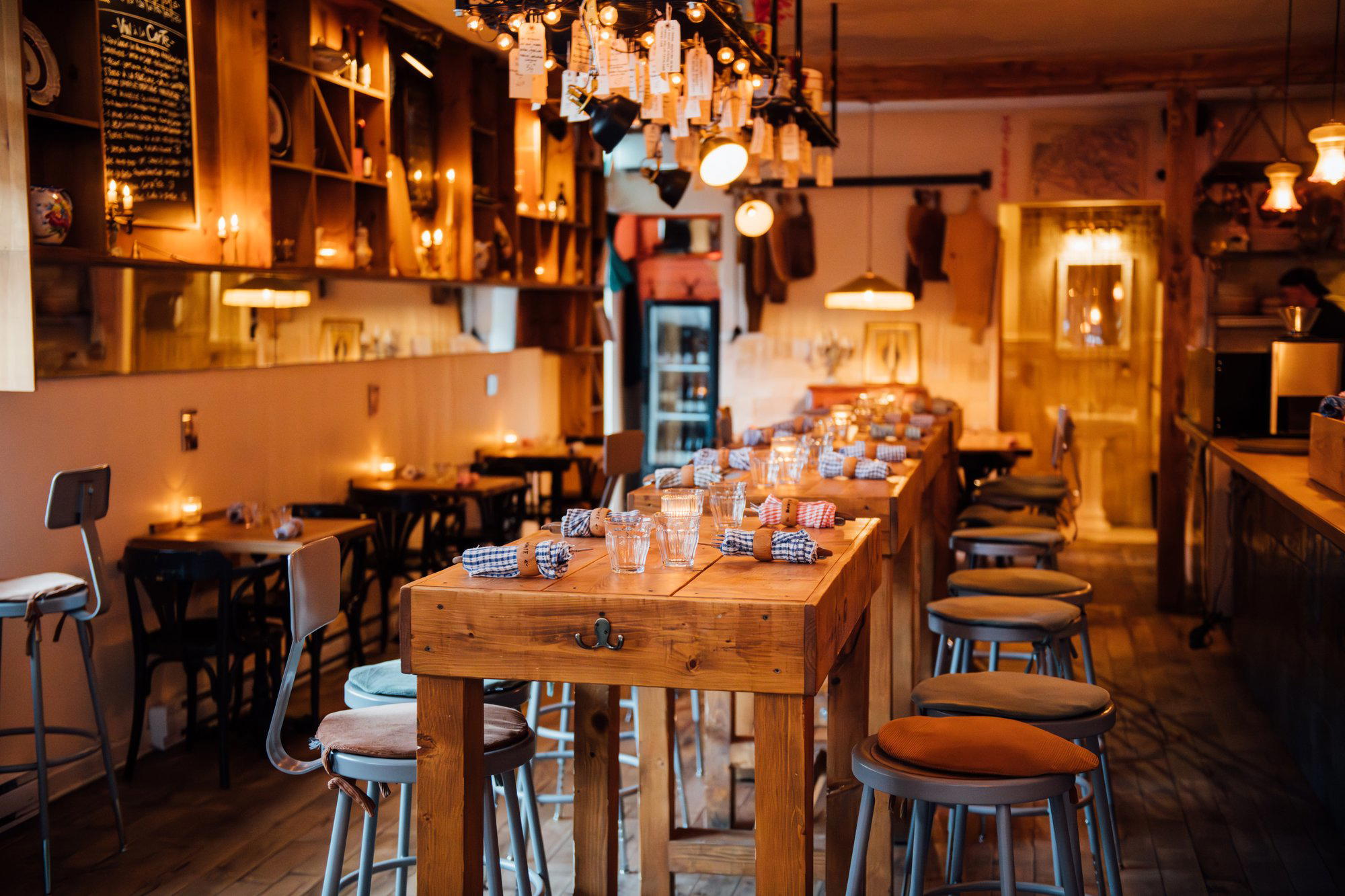
Somber yet ultra-friendly with a warm, cozy atmosphere from the open-concept kitchen and polished service.