
Wine Spectator Award of Excellence
Our verdict
Rosélys occupies a considered position within Montreal's downtown dining circuit, where hotel restaurants have steadily shed their transactional reputation in favour of genuine culinary ambition. Set at 900 René-Lévesque Blvd W, the restaurant draws both hotel guests and destination diners into a setting where the room itself does significant work. For those moving through Montreal's modern cuisine tier, Rosélys represents a credible stop alongside the city's broader fine-dining conversation.

Pearl is the En Primeur Club membership app, where members save venues, book tables and use the concierge.
The menu
What to order
- Grilled Octopus
- French Onion Soup
The Room as Opening Argument
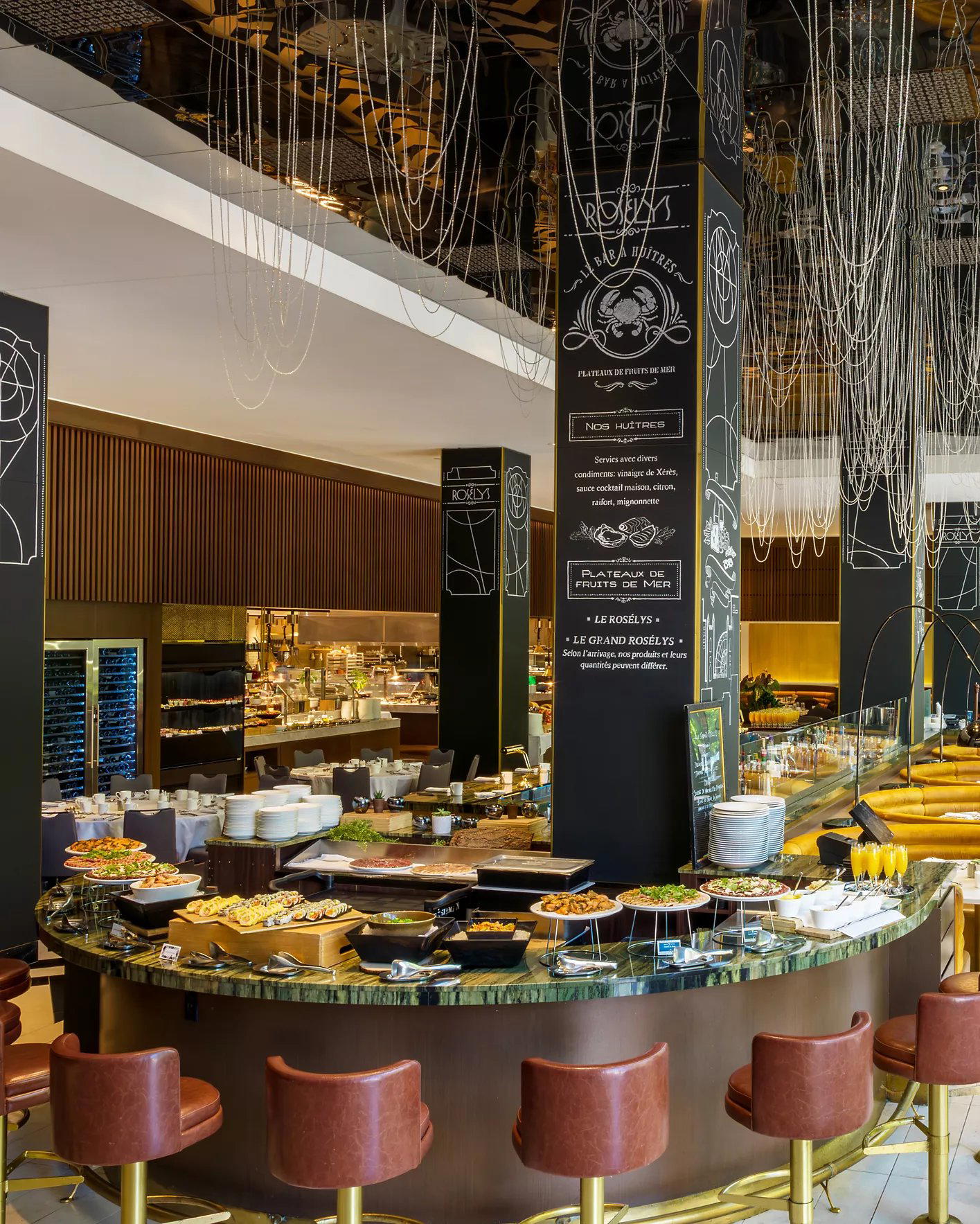
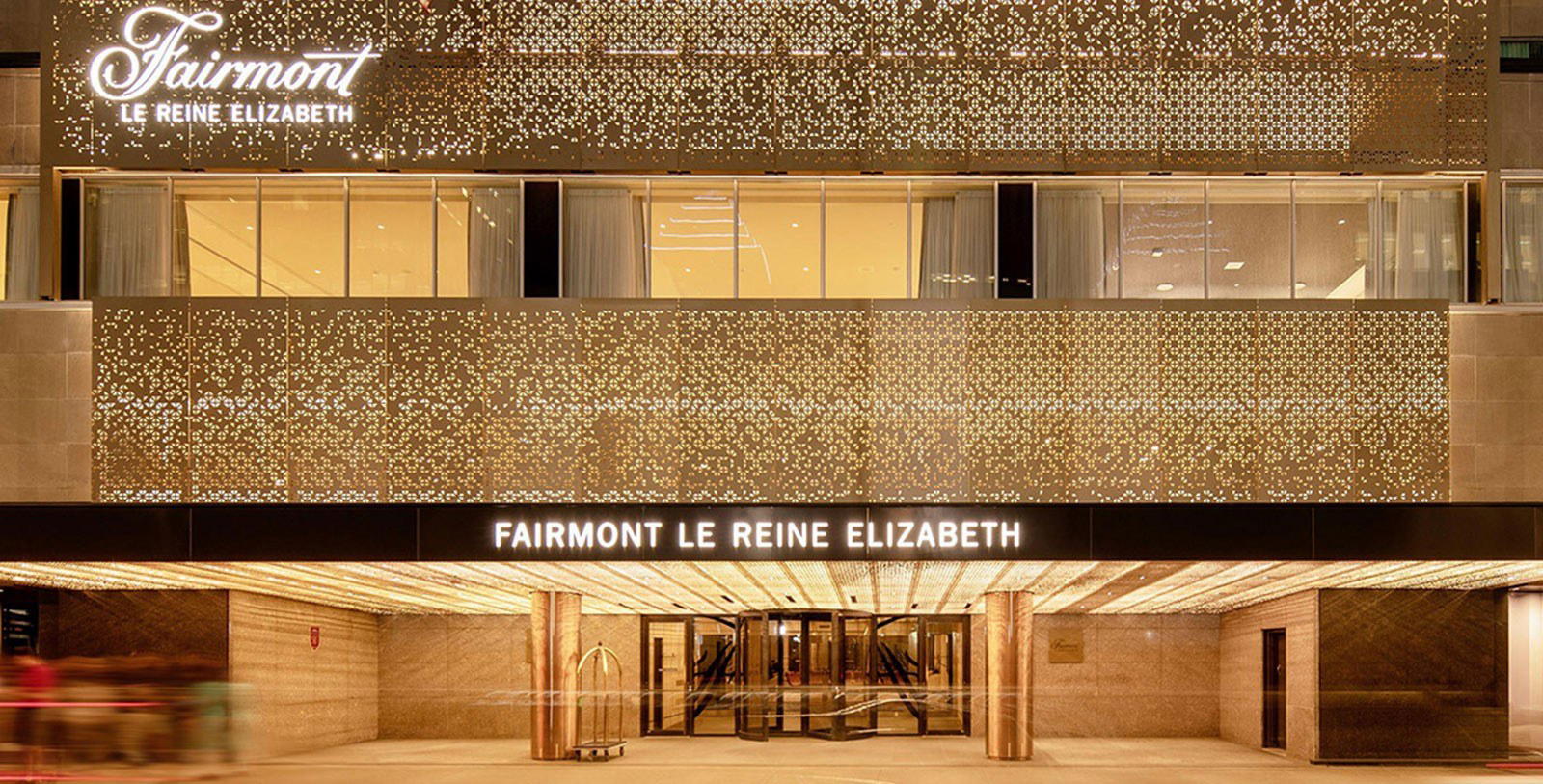
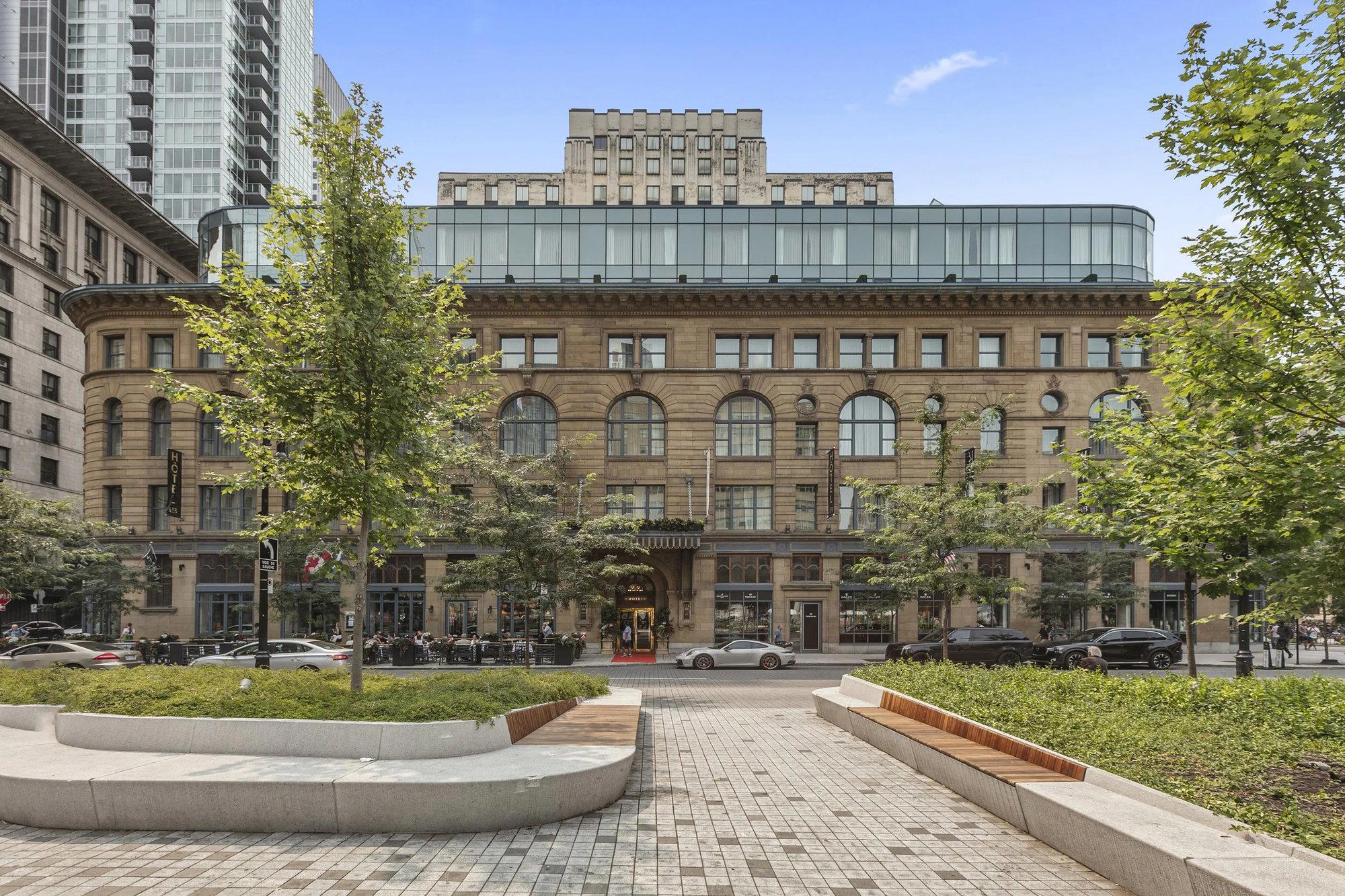
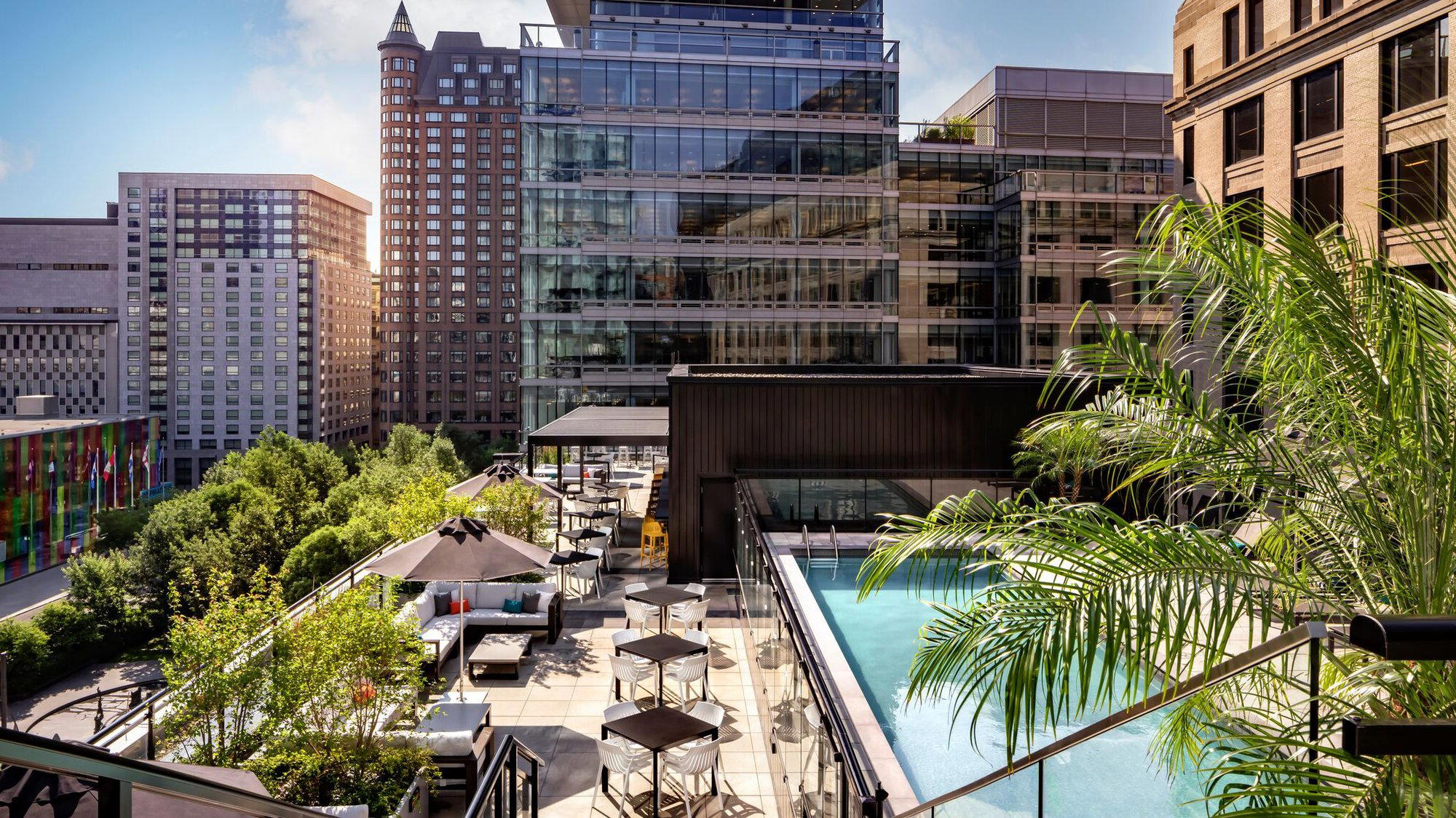
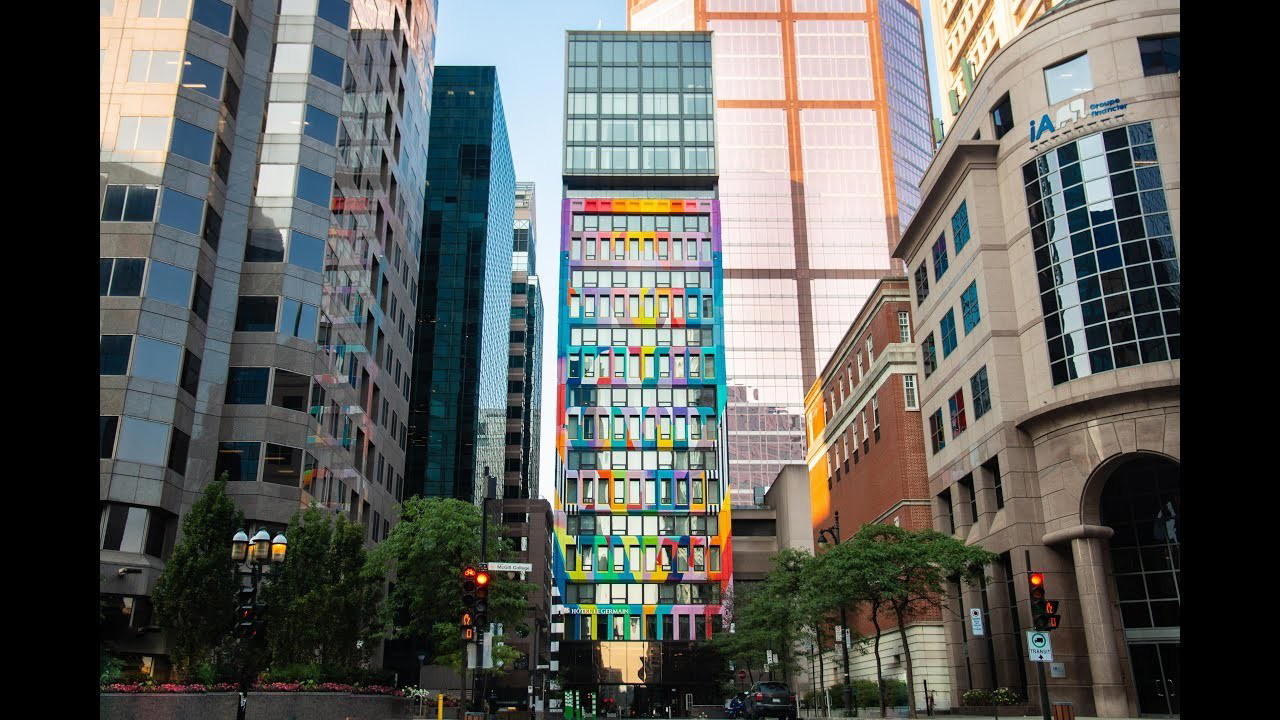
Hotel dining in Montreal has undergone a quiet but decisive repositioning over the past decade. Where the category once meant serviceable continental menus and rooms designed for efficiency over atmosphere, a newer cohort of properties has invested in spaces that can hold their own against the city's standalone restaurant circuit. Rosélys, at 900 René-Lévesque Blvd W, belongs to that repositioned tier. The address places it squarely in the downtown core, a few blocks from the cultural institutions and business corridors that define this part of the city, and the physical environment signals from the outset that the kitchen is not the only thing expected to perform.
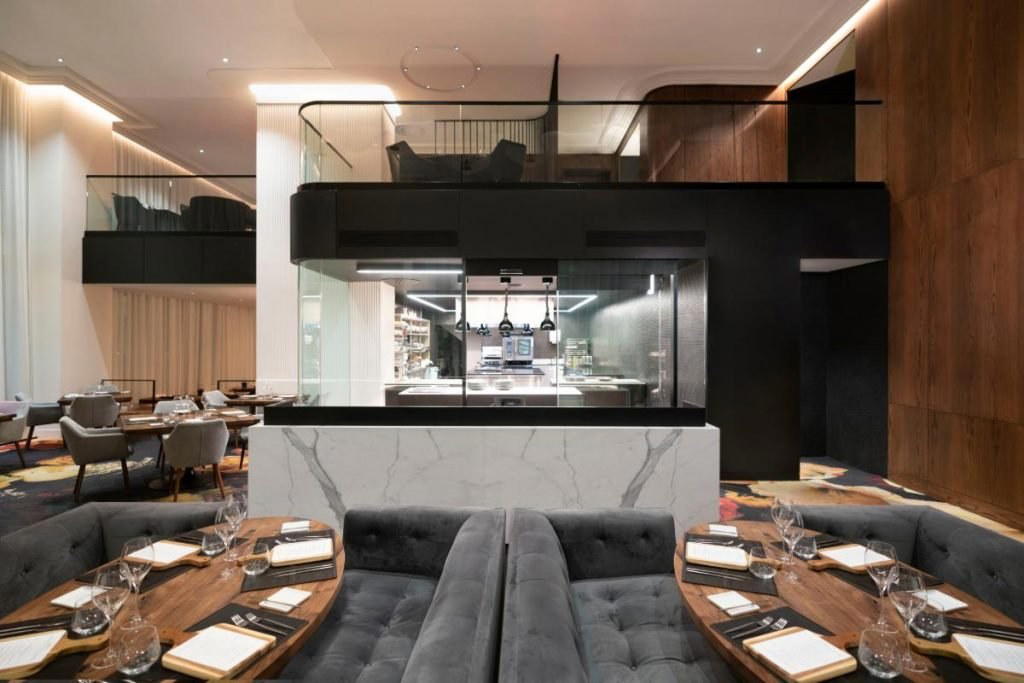
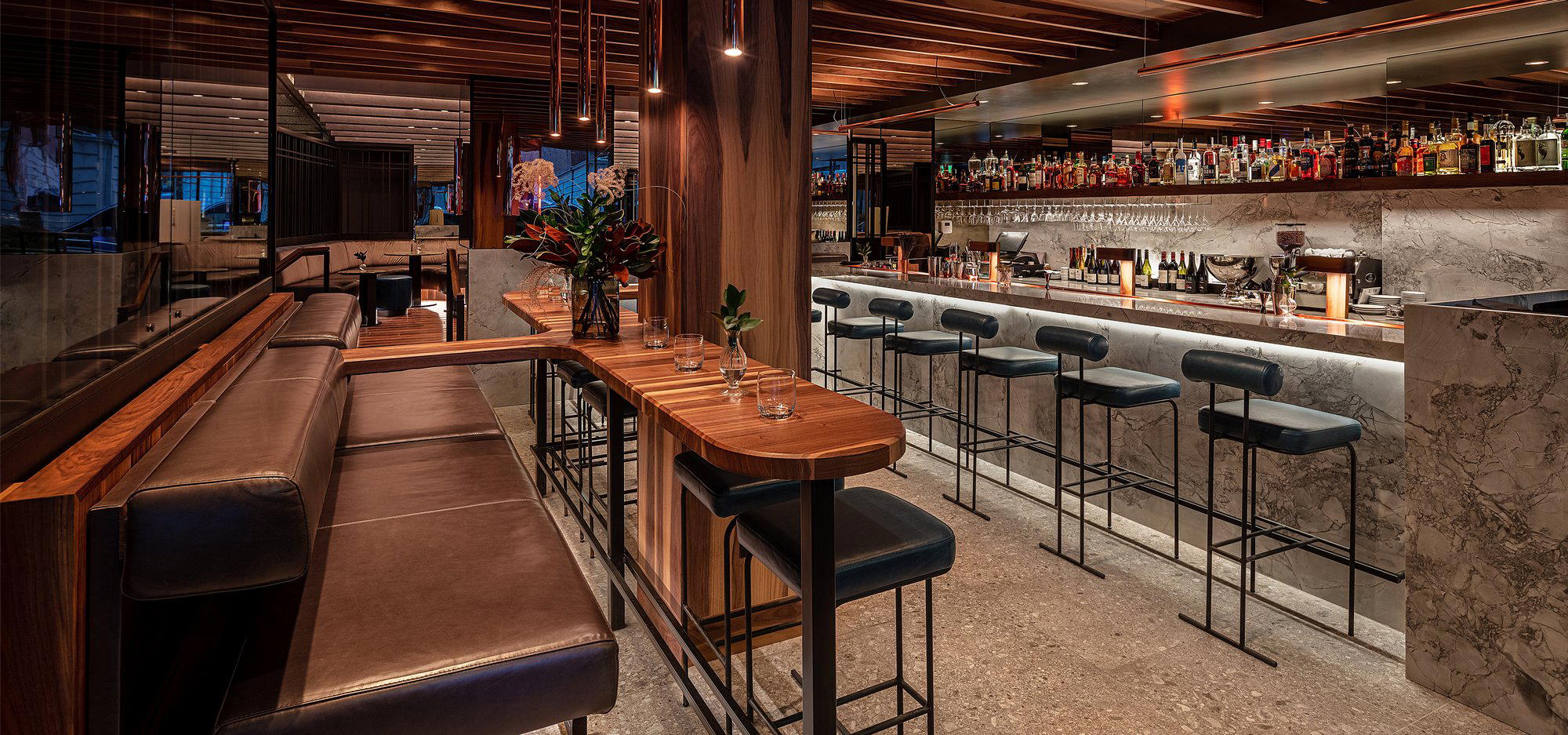
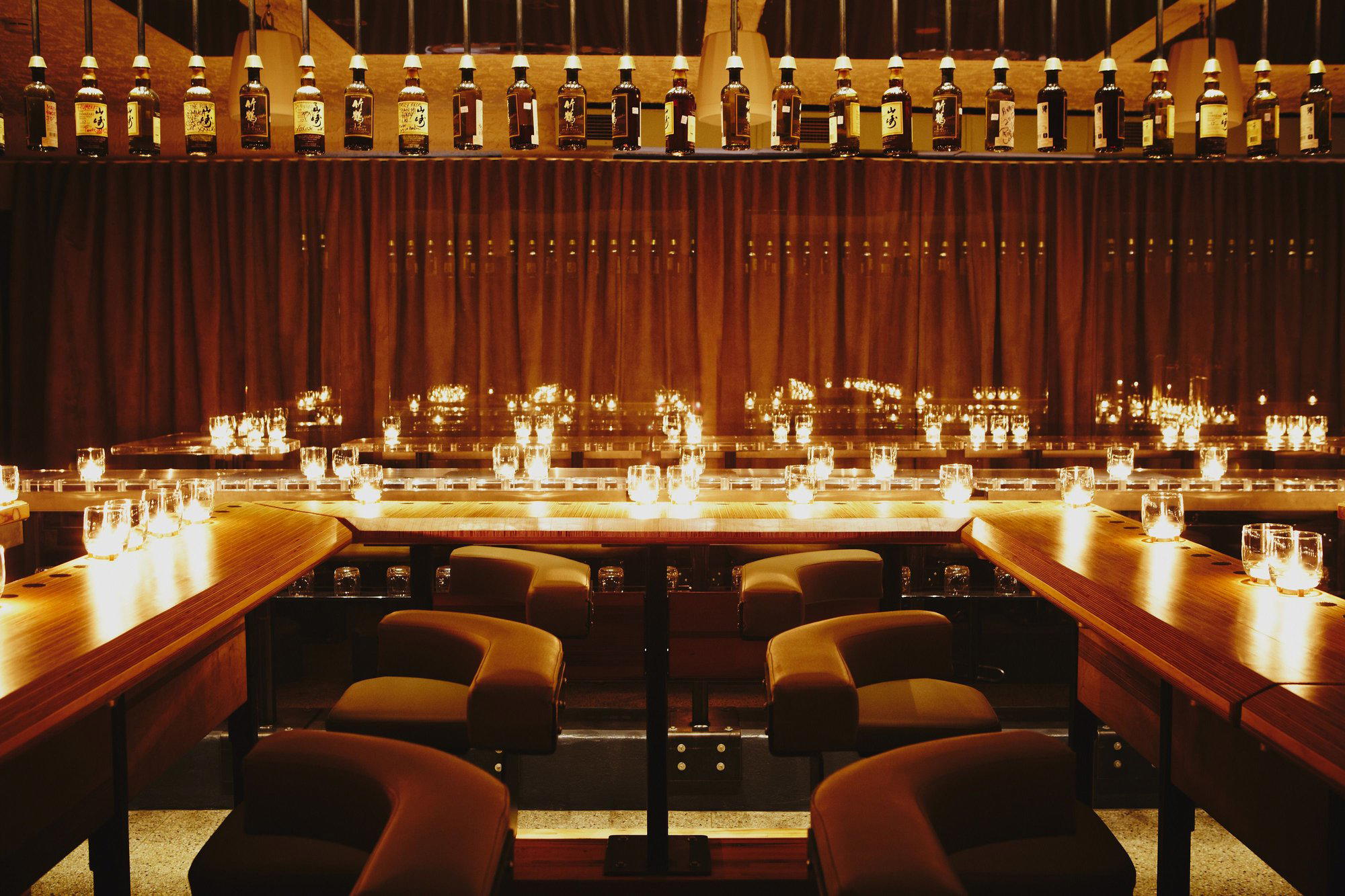
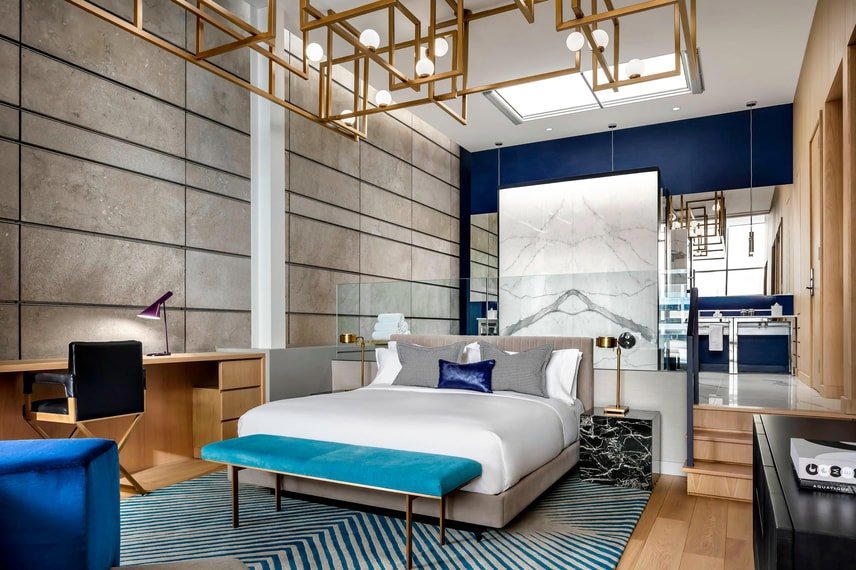
Montreal's downtown dining rooms tend toward one of two registers: the warm, pressed-tin bistro aesthetic that traces back through decades of French influence, or the clean-lined contemporary format that has become the preferred setting for ambitious modern menus. Rosélys operates in the latter mode. The spatial logic is deliberate: sight lines are managed, lighting operates in the lower registers that encourage extended meals rather than quick turns, and the material palette prioritises considered restraint over the visual noise that characterises so many hotel dining rooms designed by committee. What you notice on entering is what the room has chosen not to do, no statement chandeliers competing with the food, no background music calibrated for the lobby rather than the table.
Where Rosélys Sits in Montreal's Modern Cuisine Tier
Montreal's fine-dining circuit is geographically compact but internally stratified. At the upper end, tasting-menu formats with deep wine programs command prices comparable to Paris or New York. The middle tier, what might reasonably be called the $$$ bracket, is where the city's modern cuisine conversation gets most interesting: creative menus, serious sourcing, and rooms that reward repeat visits without requiring occasion-level commitment. Rosélys competes in this space alongside venues like Mastard and Sabayon, each working a variation on the contemporary French-inflected Quebec formula that has become the city's export identity.
The comparison to Jérôme Ferrer's Europea is instructive: Europea sits at the $$$$ tier with the kind of formal ceremony and name recognition that attracts international visitors alongside the local clientele. Rosélys operates below that register in terms of price signal, but within the same broad tradition of technically precise cooking that treats Quebec's larder as primary material. That positioning is commercially useful, it captures the business traveller who wants more than a hotel meal without the psychological commitment of a full tasting menu, but it also creates genuine editorial interest for anyone charting the city's dining geography.
Across Canada's fine-dining tier more broadly, the pattern Rosélys represents, the hotel restaurant that competes seriously with standalone venues, appears in different cities at different price points. Alo in Toronto operates in a different format entirely, but the underlying ambition to make a restaurant the reason for a visit rather than the consolation prize is the same. In Quebec City, Tanière³ pursues a more radical terroir-driven program; Rosélys works at a different frequency, one calibrated for the broader Montreal downtown audience rather than a specifically destination-seeking clientele.
Atmosphere, Sound, and the Logic of the Setting
The sensory experience of dining downtown in Montreal is partly about what the room filters out. René-Lévesque Boulevard carries significant traffic, and the contrast between the street's functional scale and the interior quiet is part of what makes the space work. The transition from lobby to dining room matters in hotel restaurants in a way it does not in standalone venues: you are asking a guest to recalibrate from transit mode to attention mode, and the material and acoustic choices in the room either support that shift or undermine it.
At Rosélys, the spatial sequencing appears designed to accomplish exactly that recalibration. The room's dimensions allow for conversation at normal register without the acoustic compression that plagues larger hotel dining spaces. This is not a trivial point: the willingness to accept a lower seat count in exchange for better acoustic management is a commercial decision that signals kitchen confidence. A room designed for noise and throughput is betting that diners will come regardless; a room designed for conversation is betting that the food and atmosphere will justify slower turns.
Compared to the bistro register that runs through venues like L'Express, where the ambient energy is itself the product, Rosélys offers a cooler, more controlled atmosphere. Neither is superior; they serve different purposes and different occasions. But for a business dinner, a longer meal with a serious wine component, or simply an evening where conversation matters as much as the plate, the controlled register wins.
The Broader Montreal Context
Montreal's food culture is genuinely plural in a way that few North American cities match. The French bistro tradition is alive and commercially dominant; the deli category has its own canonical addresses, with Schwartz's sitting at the far end of that spectrum as something closer to civic institution than restaurant. But the modern cuisine tier, the category in which Rosélys operates, is where the city has developed its most internationally legible identity over the past fifteen years.
That development has happened partly through standalone venues and partly through institutions investing in serious dining programs. 3 Pierres 1 Feu and Abu el Zulof represent different nodes in the city's broader dining ecosystem, each working a distinct register. Rosélys sits closer to the formal modern end of that spectrum, in territory that also connects Montreal to the wider Canadian fine-dining conversation being had at places like AnnaLena in Vancouver, Pearl Morissette in Lincoln, and more rurally rooted operations like Eigensinn Farm in Singhampton and The Pine in Creemore.
For a full picture of where Rosélys fits within the city's dining geography, the EP Club Montreal restaurants guide maps the competitive set across price tiers and neighbourhoods. Relevant comparisons further afield include Narval in Rimouski for Quebec's regional modern dining thread, and internationally, the French-technique anchor points of Le Bernardin in New York City and the precision tasting format of Atomix in the same city. Traditional Quebec table service, by contrast, reads differently at Aux Anciens Canadiens in Quebec City, a useful counterpoint for understanding what Rosélys is not attempting.
Know Before You Go
- Address: 900 René-Lévesque Blvd W, Montreal, Quebec H3B 4A5
- Getting there: The address is walkable from Bonaventure metro station and sits within the downtown hotel and business corridor. Street-level access from René-Lévesque Blvd.
- Booking: Contact the hotel directly for reservations. For groups or special requests, earlier outreach is advisable given downtown demand patterns.
- Occasion fit: Business dinners, hotel-stay dining, and pre-event meals for the nearby cultural venues all map well to the room's format and atmosphere.
- Dietary requirements: As with all serious modern kitchens in Montreal, dietary accommodations are leading communicated at the time of booking rather than at the table.
- Comparable alternatives: For a different price point or format in the same modern cuisine tier, Mastard and Sabayon are the closest editorial peers. Barra Fion in Burlington and Bearspaw Golf Club in Calgary represent the hotel-adjacent dining format in different regional markets.
Frequently asked questions
What do people recommend at Rosélys?
Rosélys operates within Montreal's modern cuisine tradition, which typically means a menu built around seasonal Quebec produce handled with French-influenced technique. The kitchen's position within a hotel that draws both international visitors and local business diners shapes the menu's range: expect formats that accommodate both lighter à la carte choices and more composed, multi-course progressions. For specific current dishes, the venue is the authoritative source, menus in this category rotate with the season and market.
What is the ideal way to book Rosélys?
If you are already staying at the hotel, front desk coordination often simplifies the process. Given Montreal's downtown dining demand on Thursday through Saturday evenings, advance booking of several days to a week is a practical baseline, extending to two weeks or more for weekend prime time.
What makes Rosélys worth seeking out?
The case for Rosélys rests on its position at the intersection of accessibility and ambition within Montreal's modern cuisine tier. Hotel restaurants at this address level compete directly with the city's standalone circuit, and the room's atmospheric investment, acoustic management, spatial control, considered material choices, supports longer, more engaged meals than the downtown hotel category typically delivers. For visitors whose time in the city is limited, it resolves the logistical friction of the hotel meal without the quality compromise that category once implied.
How does Rosélys handle allergies?
Montreal's serious modern kitchens universally treat dietary and allergy communication as a pre-service conversation rather than a table-side improvisation. Contact Rosélys directly at the time of booking to flag specific requirements; this gives the kitchen time to prepare alternatives that maintain the menu's coherence rather than simply removing elements. No phone number or booking portal is currently listed in EP Club's database, so reaching the hotel's main line and asking to be connected to the restaurant is the recommended approach.
Is Rosélys a good choice for a business dinner in Montreal's downtown core?
The room's acoustic and spatial format makes it one of the more practically suited venues for business dining in this part of the city. The controlled atmosphere, table spacing designed for conversation, and hotel-standard service professionalism all align with the requirements of a working dinner. Its position on René-Lévesque Blvd places it within walking distance of the major downtown office towers and conference hotels, reducing the logistics burden that can complicate end-of-day dining in a city whose restaurant geography extends well beyond the central core.
Side-by-Side Snapshot
Comparable venues nearby, for context on price, style, and recognition.
| Venue | Cuisine | Price | Awards | Notes |
|---|---|---|---|---|
| RosélysThis venue (the venue you are viewing) | Modern French-English Bistro | $50–100 | Wine Spectator Award of Excellence | Not listed |
| Chez Alexandre | Classic French Brasserie | $50–100 | Not listed | Golden Square Mile |
| Le 9e | Classic French with Quebec influences | $30–50 | Not listed | Centre-Ville |
| Brasserie Milton | Quebec-Inspired French Brasserie | $50–100 | Not listed | Quartier des Spectacles |
| La Salle à Manger | French-Inspired Bistro | Not listed | Not listed | La Fontaine Park |
| Tuck Shop | Modern French Bistro | $100–150 | Not listed | Saint-Henri |
Recognition history
Dated appearances from independent guides and award organizations, with the underlying list record or original source where available.
Wine Spectator Award of Excellence
Wine Spectator
Continue exploring
More in Montréal
Restaurants in Montréal
All restaurants in Montréal →
Bars in Montréal
All bars in Montréal →
Rosélys
The wine
Rosélys holds the Wine Spectator Award of Excellence, which Wine Spectator gives to lists of usually 90 or more selections.
- Wine Spectator
- Wine Spectator Award of Excellence
- Extensive wine list
Details
- Elegant
- Sophisticated
- Modern
- Date Night
- Business Dinner
- Brunch
- Hotel Restaurant
- Extensive Wine List
- Local Sourcing
- A La Carte
- Vegetarian Friendly
- Vegan Options
- Gluten Free Options
Current opening hours
- Monday
- 6:30 AM–10 PM
- Tuesday
- 6:30 AM–10 PM
- Wednesday
- 6:30 AM–10 PM
- Thursday
- 6:30 AM–10 PM
- Friday
- 6:30 AM–10 PM
- Saturday
- 6:30 AM–10 PM
- Sunday
- 6:30 AM–10 PM
Hours can change for holidays and private events. Hours as of .
Sophisticated Art Deco atmosphere with high ceilings, plush banquettes, and refined, confident lines.