
Canada's 100 Best Restaurants #95
Our verdict
On Rue Bélanger in the Villeray neighbourhood, Chez Jean-Paul occupies a position in Montreal's mid-tier dining conversation that sits apart from the headline-grabbing tasting-menu circuit. The address places it squarely in a residential stretch that rewards those who pay attention to neighbourhood restaurants over destination dining rooms. Consider it a reference point for understanding how Montreal eats when it isn't performing for critics.

Pearl is the En Primeur Club membership app, where members save venues, book tables and use the concierge.
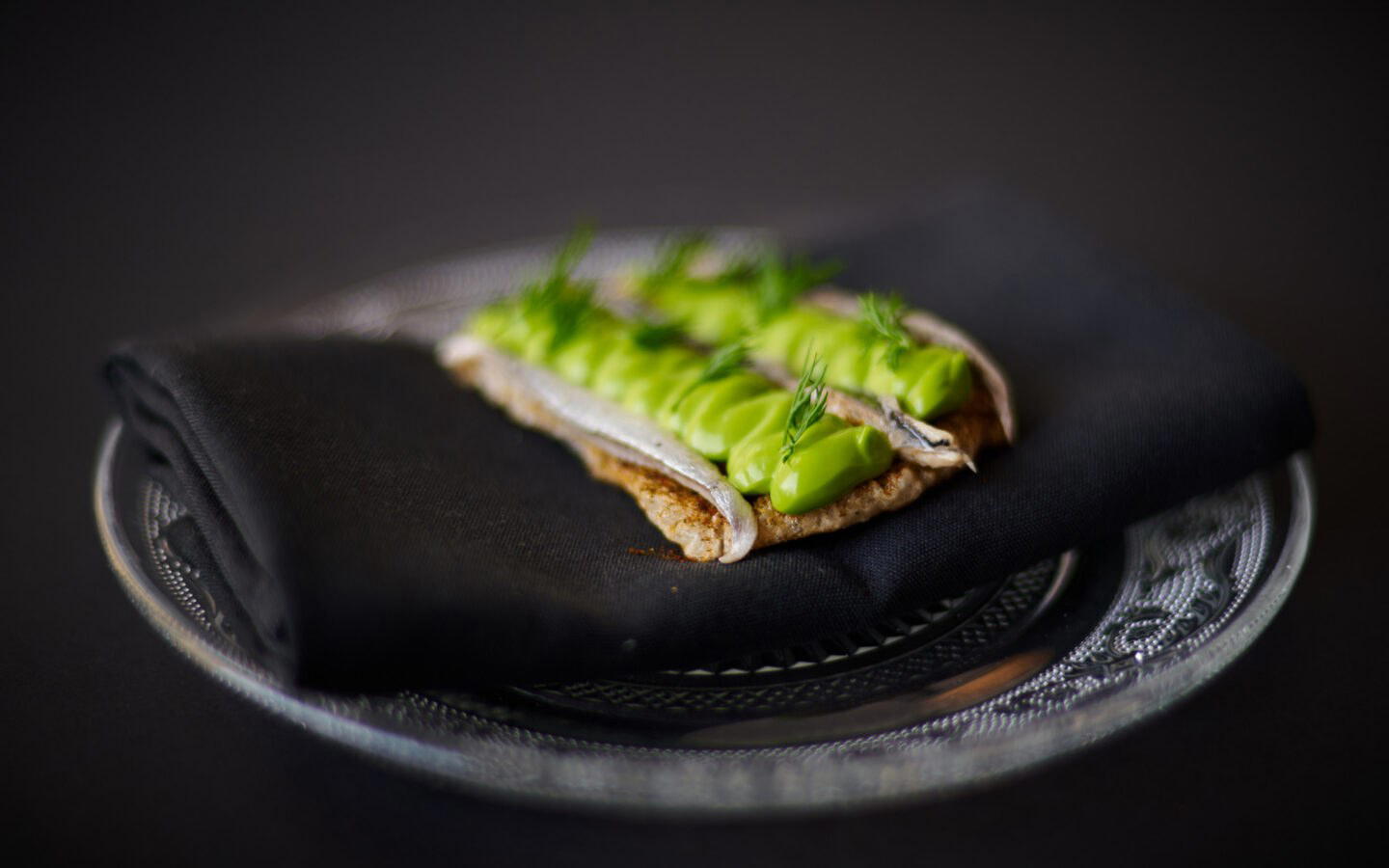
The menu
What to order
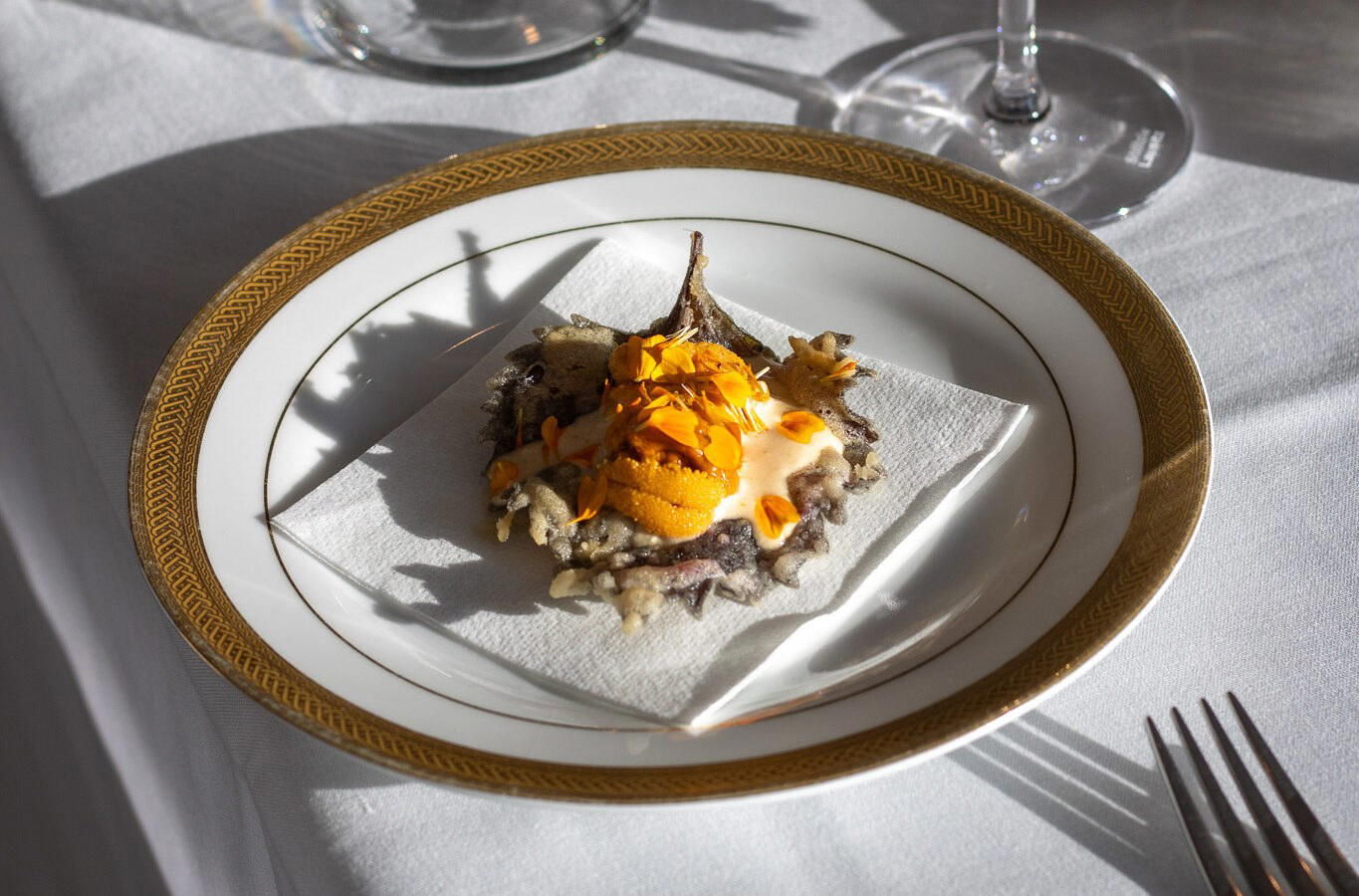
- Rimouski sea urchin with chicken butter
- Offal preparations
- Crispy char skin
Rue Bélanger and the Rooms That Define It
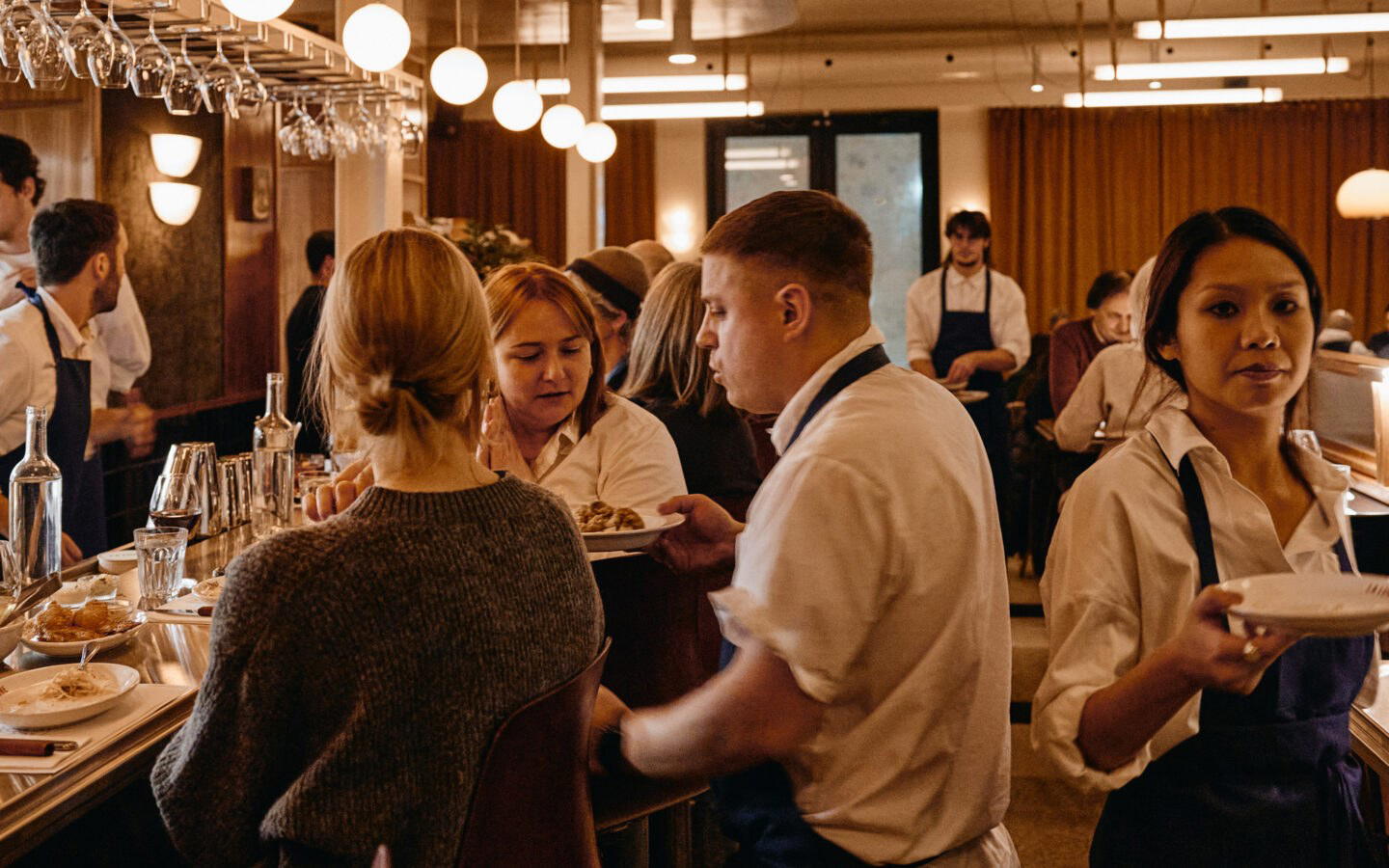
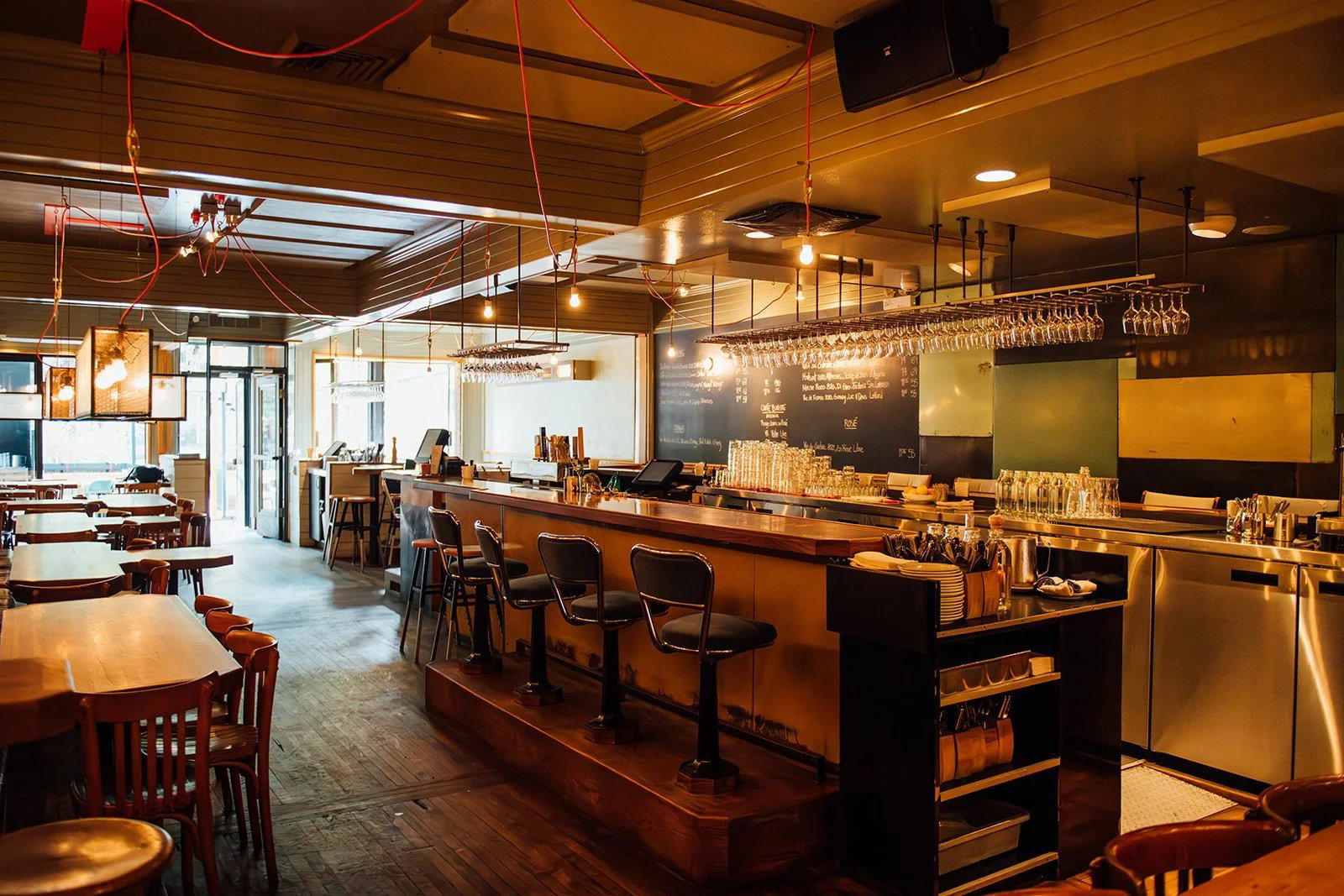
Montreal's most instructive dining experiences rarely announce themselves from the street. Along Rue Bélanger in Villeray, the built fabric is low-rise, the storefronts modest, and the restaurants that survive here do so on the strength of regulars rather than reservation platforms. Chez Jean-Paul at 1141 Rue Bélanger fits that pattern: a neighbourhood address in a part of the city where the dining room's physical character tends to do more work than any marketing apparatus. This is the kind of corridor where the light coming through a front window at 7 p.m. tells you more about a restaurant than its press coverage.
The Villeray neighbourhood sits north of the Plateau, and its dining scene operates on a different register than the photogenic terrasses of Mont-Royal or the converted-warehouse formats that dominate the Sud-Ouest. Restaurants here are proportioned for the street, not for Instagram. Seating arrangements tend toward the practical, ceilings are at human scale, and the distance between tables reflects a room designed for conversation rather than theatre. That spatial modesty is not a limitation; in Montreal's broader dining geography, it represents a distinct and coherent alternative to the experiential arms race playing out at the upper end of the market.
Where Chez Jean-Paul Sits in Montreal's Dining Structure
Montreal's restaurant market has stratified sharply over the past decade. At the leading, tasting-menu destinations like Jérôme Ferrer - Europea and the modern cuisine tier represented by Mastard and Sabayon compete on technique, sourcing provenance, and wine program depth. Below that, a large casual layer has expanded with the city's population density. The mid-range neighbourhood restaurant, the kind of place that anchors a residential block without requiring a special occasion to justify the visit, is arguably the most pressured tier in that structure.
Chez Jean-Paul operates in that contested middle ground. Its Villeray address places it alongside establishments like 3 Pierres 1 Feu and Abu el zulof in a part of the city where dining decisions are made on habit and trust as much as occasion. That positioning carries its own logic: a restaurant that earns a neighbourhood's loyalty over time is making a different argument than one optimised for tourist traffic or critic visits. For the full picture of how Montreal's dining scene is arranged across neighbourhoods and price points, the EP Club Montreal restaurants guide maps the competitive landscape in detail.
The Physical Container and What It Signals
In Montreal's neighbourhood restaurant tradition, the room is rarely incidental. French-Canadian dining culture has long placed weight on the convivial dining room, the kind of space where a long Tuesday dinner is as legitimate as a Saturday celebration. The bistro format, which L'Express on Rue Saint-Denis has exemplified for decades at the $$ tier, established a template of close-set tables, mirrored walls, and a noise level that signals life without tipping into cacophony. That template has been interpreted differently across the city's arrondissements, and Villeray's version tends toward the quieter, more residential expression of it.
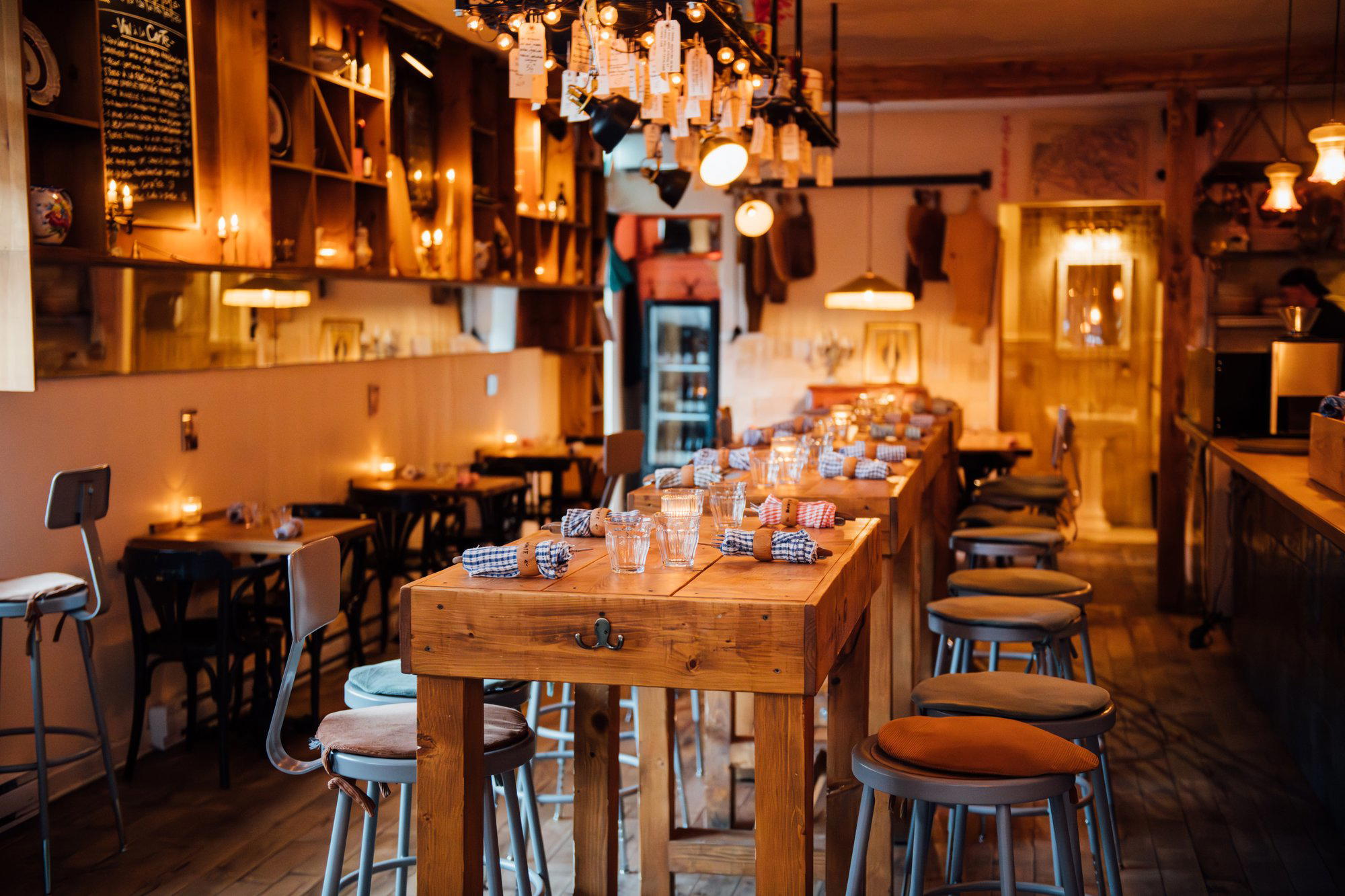
At a Rue Bélanger address, the physical container of a restaurant communicates something specific about its relationship to the neighbourhood. Rooms of this type, proportioned for perhaps thirty to fifty covers, create an intimacy that larger destination restaurants have to engineer artificially. The seating arrangements are typically defined by the architecture of the building rather than by a designer's intervention, which produces a particular quality of informality. That informality is a design outcome, not an absence of design thinking.
Across Canada, the most durable neighbourhood restaurants share certain spatial qualities: a bar or counter that functions as a community anchor, sightlines that allow the room to feel occupied without feeling crowded, and a lighting register that holds across the full arc of a dinner service. How Chez Jean-Paul configures these elements within its Rue Bélanger footprint is the kind of detail that distinguishes a room that works from one that merely functions.
Montreal in the Broader Canadian Dining Conversation
Montreal's contribution to Canadian dining is disproportionate to its size. The city produced a French-language fine dining tradition that predates the national conversation, and it continues to generate the kind of neighbourhood restaurant culture that cities like Toronto have worked deliberately to replicate. Destination-level addresses such as Alo in Toronto and Tanière³ in Quebec City compete on a national and international stage, but the backbone of Montreal's dining identity remains the neighbourhood room that operates quietly and consistently over years.
That durability is worth measuring against the national context. Properties like Eigensinn Farm in Singhampton and the Fogo Island Inn Dining Room operate as destination-first experiences built around an idea of place, and they occupy a completely different position in the dining hierarchy than a Villeray neighbourhood address. Closer in register are places like AnnaLena in Vancouver, Cafe Brio in Victoria, and Narval in Rimouski, each of which anchors a local dining conversation without necessarily entering the national awards circuit. Restaurant Pearl Morissette in Lincoln, The Pine in Creemore, and Busters Barbeque in Kenora extend that picture of Canada's regionally distributed dining culture. Internationally, the conversation about what a neighbourhood restaurant can achieve at the upper end is anchored by rooms like Le Bernardin in New York City and Lazy Bear in San Francisco, both of which have redefined what their respective formats can carry.
Chez Jean-Paul does not occupy that tier, nor does Rue Bélanger position it for that comparison. What the address does is situate it in a Montreal tradition that has sustained the city's dining identity through the cycles of trend and critical attention that periodically remake the upper end of the market.
Know Before You Go
Do I need a reservation for Chez Jean-Paul?
In Montreal's mid-range neighbourhood tier, where dining rooms typically run between thirty and sixty covers, walk-in availability on weeknights is plausible, but weekend evenings at established neighbourhood addresses tend to fill through regulars. The absence of a confirmed online booking platform suggests the reservation process may be handled by phone. Given Montreal's competitive neighbourhood dining market, calling ahead is the lower-risk approach regardless of the day.
Is Chez Jean-Paul representative of Villeray's broader dining character?
Villeray has developed a neighbourhood dining identity that sits distinctly apart from the Plateau or Mile End, with a higher proportion of family-run rooms and a lower concentration of destination-format restaurants than those arrondissements. A Rue Bélanger address like Chez Jean-Paul's reflects that character: the street is residential in scale, its restaurants are proportioned for the community rather than for visiting diners, and longevity tends to be the primary trust signal in that context. For a comparative view of how Montreal's dining is distributed across neighbourhoods, the EP Club Montreal guide provides the full picture.
Where the Accolades Land
Comparable venues nearby, for context on price, style, and recognition.
| Venue | Cuisine | Price | Awards | Notes |
|---|---|---|---|---|
| Chez Jean-PaulThis venue (the venue you are viewing) | Modern French Fine Dining | Not listed | Canada's 100 Best Restaurants #95 | Not listed |
| La Salle à Manger | French-Inspired Bistro | Not listed | Not listed | La Fontaine Park |
| Les Enfants Terribles, Outremont | French Brasserie with Modern American Fusion | Not listed | Not listed | Outremont |
| Kitchen Galerie | Modern French Bistro | $50–100 | Not listed | Parc-Jarry |
| Tuck Shop | Modern French Bistro | $100–150 | Not listed | Saint-Henri |
| Lucca | Authentic Italian | Not listed | Not listed | La Petite-Italie |
Recognition history
Dated appearances from independent guides and award organizations, with the underlying list record or original source where available.
Canada's 100 Best Restaurants #95
Canada's 100 Best
Continue exploring
More in Montréal
Restaurants in Montréal
All restaurants in Montréal →
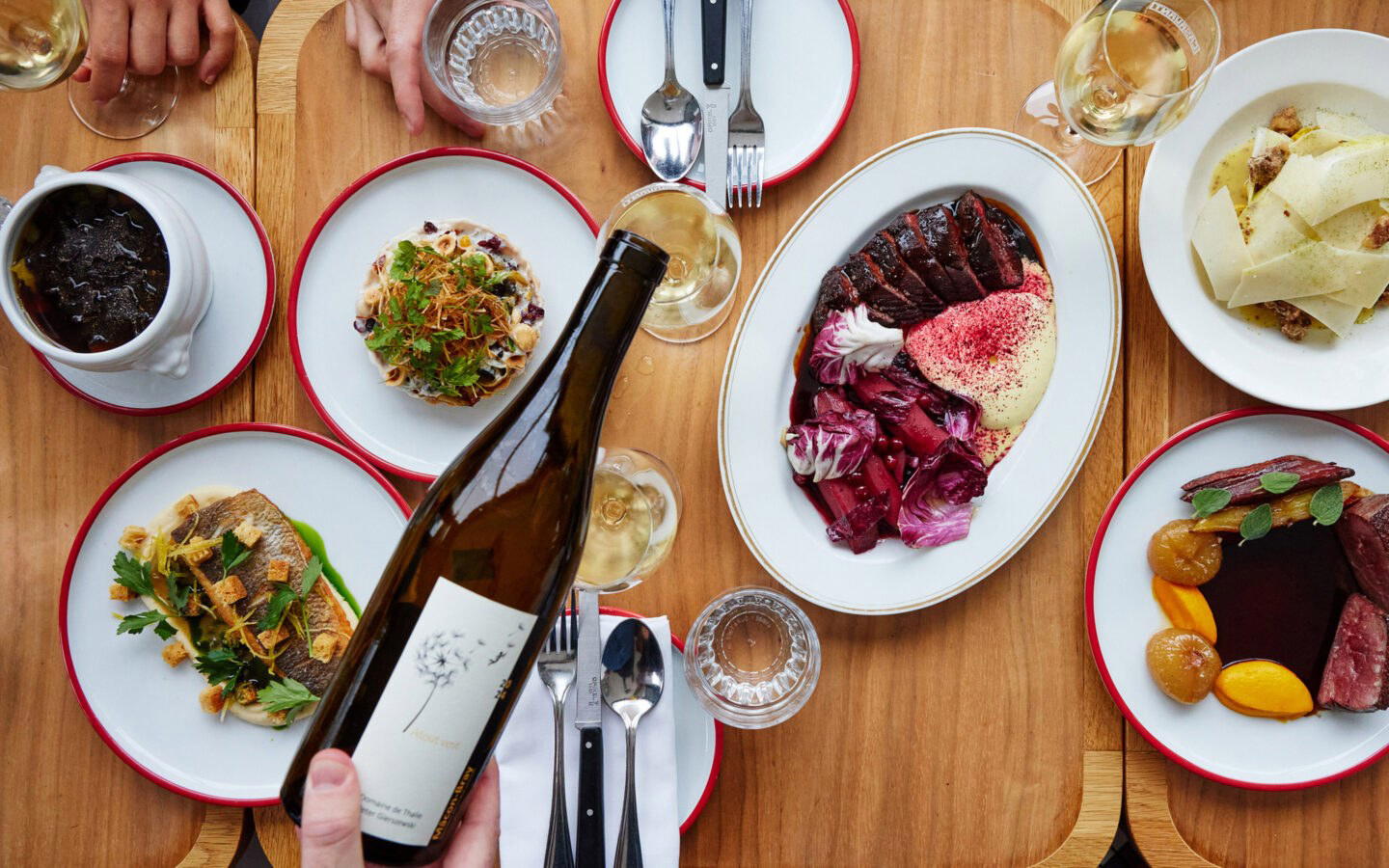
Bars in Montréal
All bars in Montréal →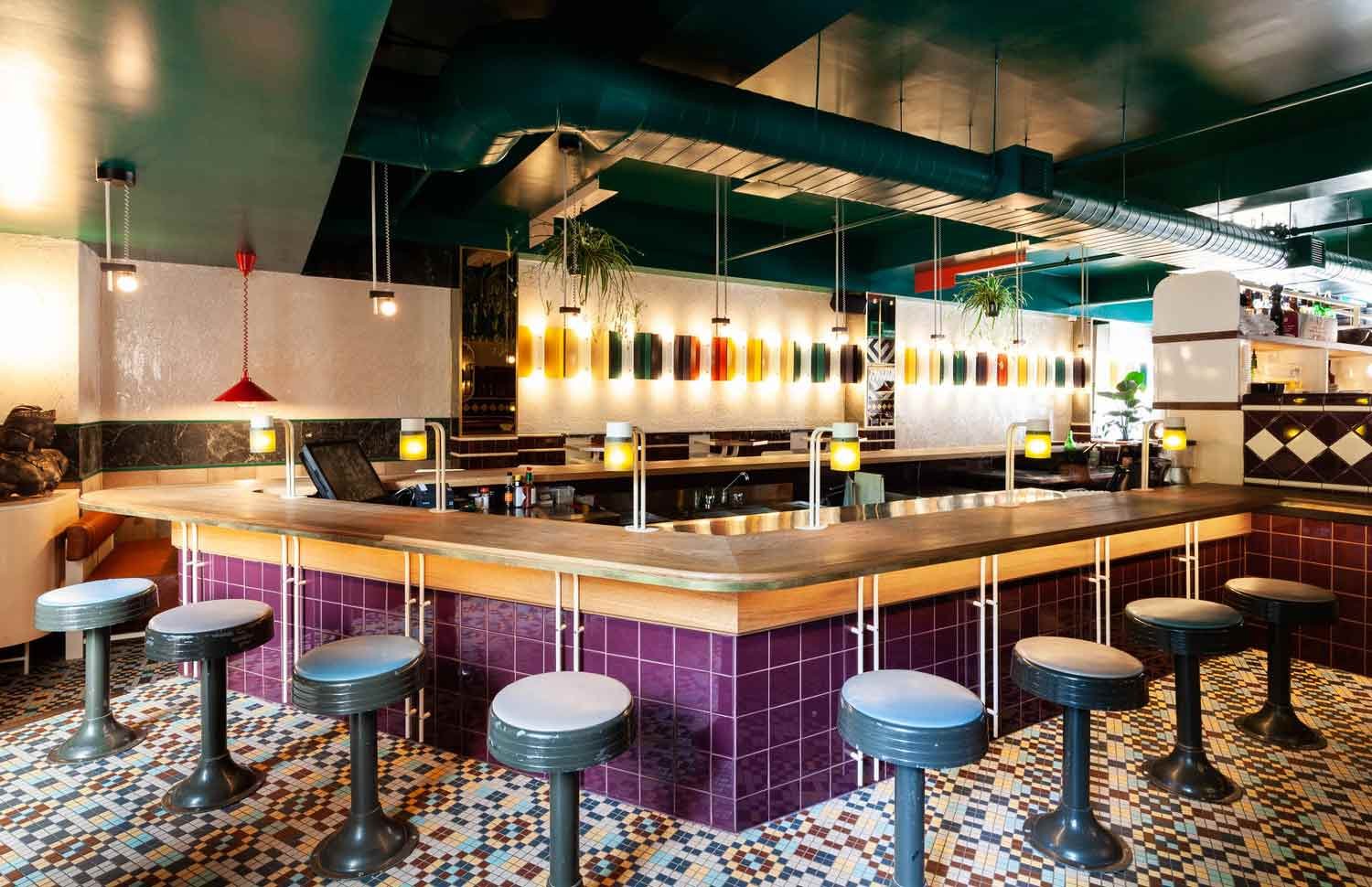
Details
- Intimate
- Sophisticated
- Elegant
- Cozy
- Date Night
- Special Occasion
- Business Dinner
- Open Kitchen
- Standalone
- Local Sourcing
- Tasting Menu
- A La Carte
- Wine
- Allergy Accommodating
Current opening hours
- Monday
- Closed
- Tuesday
- Closed
- Wednesday
- 5:30–10:30 PM
- Thursday
- 5:30–10:30 PM
- Friday
- 5:30–10:30 PM
- Saturday
- 5:30–10:30 PM
- Sunday
- Closed
Hours can change for holidays and private events. Hours as of .
Intimate 34-seat dining room with casual sophistication and refined simplicity, creating a warm and welcoming atmosphere focused on the culinary experience.