
1 Michelin Star
Our verdict
A Michelin Plate-recognised Japanese restaurant in Kyoto's Nakagyo Ward, Tsujifusa frames its kitchen around Shinto ritual and seasonal discipline. The owner-chef draws votive water daily from Ujiko Shrine, and the linen noren at the entrance signals the same ceremonial intent that runs through the meal. A qualified sommelier proprietress handles sake and wine pairings.

Pearl is the En Primeur Club membership app, where members save venues, book tables and use the concierge.
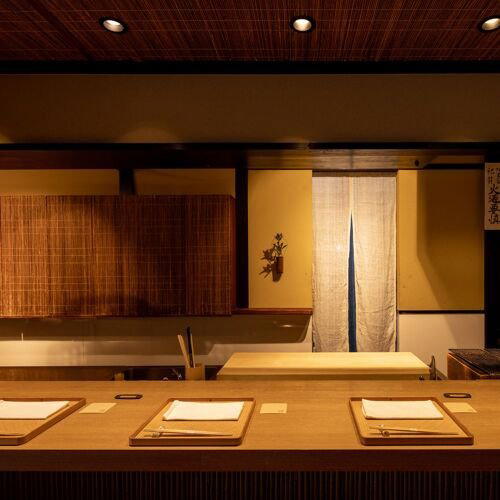
Where Ritual Begins Before the First Course
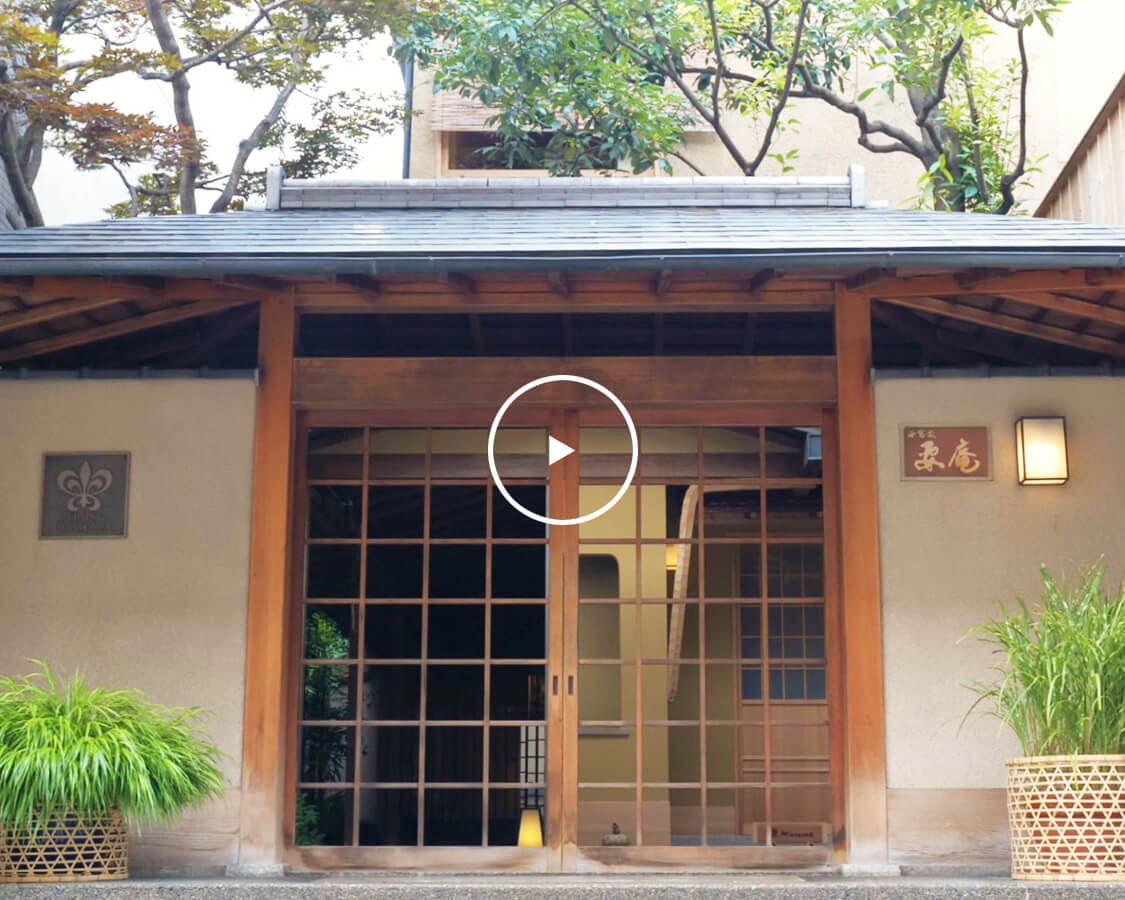
The noren hanging at Tsujifusa's entrance is woven from pure linen, not for decoration, but as a deliberate invocation of Shinto practice. In ritual contexts, linen and hemp cloth carry associations with purification and sacred offering, and the restaurant's name, fusa, references exactly that material tradition. Walking through it, you are crossing a threshold that the restaurant treats as meaningful rather than ornamental. That framing sets the register for everything that follows.
This is not an unusual posture for Kyoto dining at this tier. The city's most considered Japanese restaurants have long positioned their cooking within a continuum of ceremonial culture: the sourcing of water, the choice of vessels, the sequence and pacing of a meal all carry weight that reaches well beyond the plate. What distinguishes Tsujifusa within that tradition is the degree to which the ritual observance is embedded into daily operational practice, not merely signalled through interior design.
The Ritual Logic of the Meal
Kaiseki and its adjacent forms in Kyoto operate according to a pacing logic that differs sharply from tasting-menu formats in other cities. The meal is not a sequence of courses moving toward a climax; it is a progression calibrated to create a sustained, even state of attention. Courses arrive at intervals that allow conversation to resume and settle, and the temperature, texture, and weight of dishes shift in patterns that are as deliberate as any musical arrangement.
At Tsujifusa, that structure is reinforced by the owner-chef's practice of drawing votive water daily from Ujiko Shrine. The water enters the kitchen as a functional ingredient, but the act of drawing it is also a form of daily ritual preparation, a reset of intent before service. In the broader context of Kyoto's traditional food culture, this kind of devotional sourcing practice connects the modern restaurant to a lineage of cooking that began as sacred offering. Several of Kyoto's most formal establishments, including Kikunoi Roan and Isshisoden Nakamura, operate within this same broad tradition, though the specific ritual framework varies by house.
The proprietress holds a sommelier qualification and manages sake and wine pairings alongside the meal. In Kyoto's mid-to-upper tier, the integration of sake curation into a formal dining sequence has become increasingly sophisticated over the past decade. What was once a cursory list is now, at attentive establishments, a considered parallel narrative to the food, with regional sake styles and seasonal expressions matched to the progression of the menu rather than simply offered as an accompaniment.
Positioning in Kyoto's Japanese Dining Tier
Tsujifusa carries a Michelin Plate recognition for 2024, placing it within the Guide's broader field of acknowledged restaurants without the star designations held by some of its neighbours. In Kyoto's competitive and densely-awarded dining environment, a Plate is a meaningful threshold: it signals that Michelin's inspectors found the cooking credible and the experience coherent, without the additional pressure of expectations that come with starred status.
The ¥¥¥ price positioning is worth noting in context. Much of Kyoto's highest-profile Japanese dining operates at ¥¥¥¥, where formats like Gion Sasaki or Ifuki sit. Tsujifusa's mid-range pricing places it in a tier where the ritual and seasonal discipline of the cooking is present without the full formality of the city's most expensive kaiseki houses. This makes it a credible entry point for those approaching Kyoto's Japanese dining tradition seriously for the first time, as well as a considered choice for experienced diners who want the ceremonial register without the full weight of the most formal formats. For comparison across this tier, Kodaiji Jugyuan, Gion Matayoshi, and Kenninji Gion Maruyama each occupy adjacent positions with different emphasis.
The people eating here are, for the most part, arriving with intent.
What the Shrine Water Signals About the Kitchen
The decision to source water ritually from a Shinto shrine is not a marketing gesture at this level of Kyoto cooking. It is an operational commitment that requires daily discipline and reflects a set of beliefs about purity, preparation, and the relationship between food and sacred practice that has deep roots in Japanese culinary history. The original form of Kyoto's refined cooking traditions grew directly from temple and shrine kitchens, where food was prepared as offering before it was prepared for consumption. Restaurants like Tsujifusa that maintain explicit connections to that lineage are a smaller subset even within Kyoto's tradition-conscious dining scene.
This matters for how you approach a meal here. The pacing, the vessels, the water, the linen at the door: these are not separate design decisions but parts of a coherent framework. Arriving with some awareness of that framework, even a basic familiarity with the structure of a Japanese seasonal meal and its ritual antecedents, will change what you notice and how the meal registers.
For those building a broader picture of Japanese dining traditions across the country, Harutaka in Tokyo, HAJIME in Osaka, akordu in Nara, Goh in Fukuoka, 1000 in Yokohama, 6 in Okinawa, Myojaku in Tokyo, and Azabu Kadowaki in Tokyo each offer reference points in different cities and formats. Kyoto, though, remains the city where the ritual dimension of Japanese cooking is most legible in its original context.
Planning Your Visit
Tsujifusa is located at 155 Mukadeyacho, Nakagyo Ward, Kyoto, 604-0805. Budget: ¥¥¥, positioning it in the middle tier of Kyoto's serious Japanese dining. Recognition:Reservations: Contact details are not publicly listed; enquiry through a concierge or local hotel desk is the most reliable approach for booking. Pairings: The proprietress is a qualified sommelier and manages sake and wine pairings; engaging with her recommendations is an integral part of the meal rather than an optional add-on.
For broader context on where this restaurant sits within Kyoto's food and hospitality scene, see our full Kyoto restaurants guide, our full Kyoto hotels guide, our full Kyoto bars guide, our full Kyoto wineries guide, and our full Kyoto experiences guide.
Frequently asked questions
What's the must-try dish at Tsujifusa?
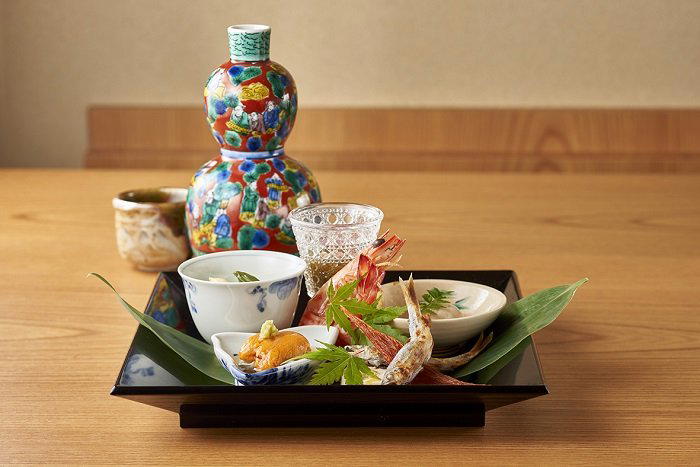
Specific menu items are not publicly listed and the kitchen works seasonally, so no fixed dish can be identified. What the restaurant's format and recognition signal, however, is that the meal as a whole is the thing to attend to: the sequence, the pairing decisions guided by the proprietress, and the ritual framing that connects the courses. Engaging with the sake or wine pairing programme is the clearest way to access what makes a meal here different from a standard Japanese dining experience at this price tier. For seasonal Japanese cooking in Kyoto at an adjacent level of formality, Kikunoi Roan offers a useful reference point on what a developed kaiseki sequence looks like at comparable or higher tier.
Price and Positioning
| Venue | Cuisine | Price | Awards | Notes |
|---|---|---|---|---|
| TsujifusaThis venue (the venue you are viewing) | Kappo | $150–200 | 1 Michelin Star | Not listed |
| Gion Sasaki | Modern Kaiseki | $300–500 | 3 Michelin Stars · La Liste Top Restaurants | Kaiseki, Japanese |
| cenci | Innovative Italian-Japanese Fusion | $100–150 | 1 Michelin Star · World's 50 Best #76 | Italian |
| Ifuki | Sumibi Kappo Kaiseki | $200–300 | 2 Michelin Stars · La Liste Top Restaurants | Kaiseki |
| Kyokaiseki Kichisen | Kyoto Kaiseki | $200–300 | 2 Michelin Stars · La Liste Top Restaurants | Japanese |
| Kyo Seika | Modern Chinese Fine Dining | $150–200 | 1 Michelin Star · Tabelog Bronze #216 | Chinese |
Recognition history
Dated appearances from independent guides and award organizations, with the underlying list record or original source where available.
Michelin 1 Star
Michelin
Full recognition history (2 entries)
Michelin Plate
Michelin
Continue exploring
More in Kyoto
Restaurants in Kyoto
All restaurants in Kyoto →
Bars in Kyoto
All bars in Kyoto →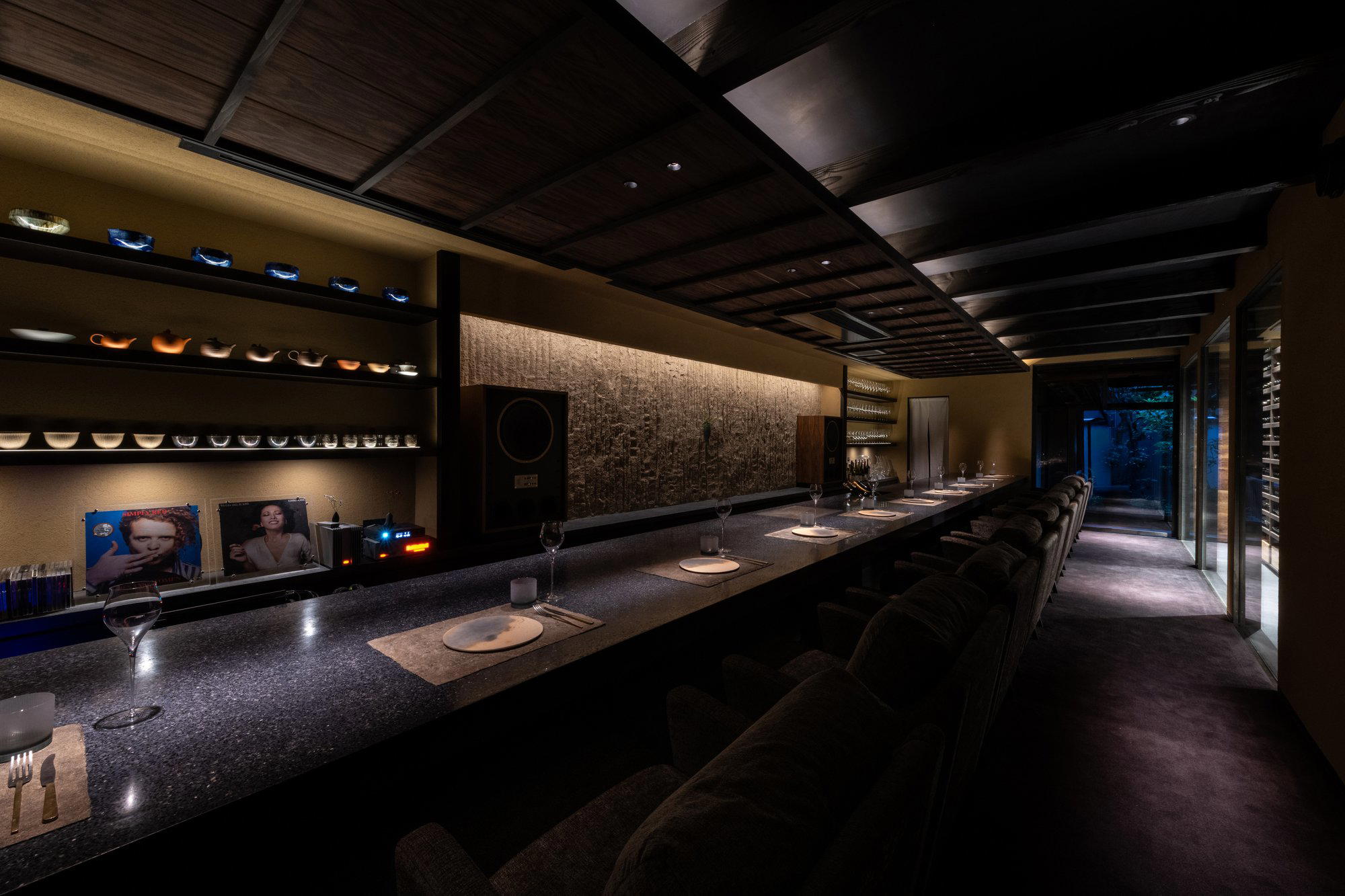
Hotels in Kyoto
All hotels in Kyoto →
Wineries in Kyoto
Browse all →
Details
- Elegant
- Intimate
- Sophisticated
- Special Occasion
- Date Night
- Chefs Counter
- Private Dining
- Sake Program
- Omakase
Current opening hours
- Monday
- 6–9:30 PM
- Tuesday
- 11:30 AM–1:30 PM, 6–9:30 PM
- Wednesday
- 11:30 AM–1:30 PM, 6–9:30 PM
- Thursday
- 11:30 AM–1:30 PM, 6–9:30 PM
- Friday
- 11:30 AM–1:30 PM, 6–9:30 PM
- Saturday
- 11:30 AM–1:30 PM, 6–9:30 PM
- Sunday
- Closed
Hours can change for holidays and private events. Hours as of .
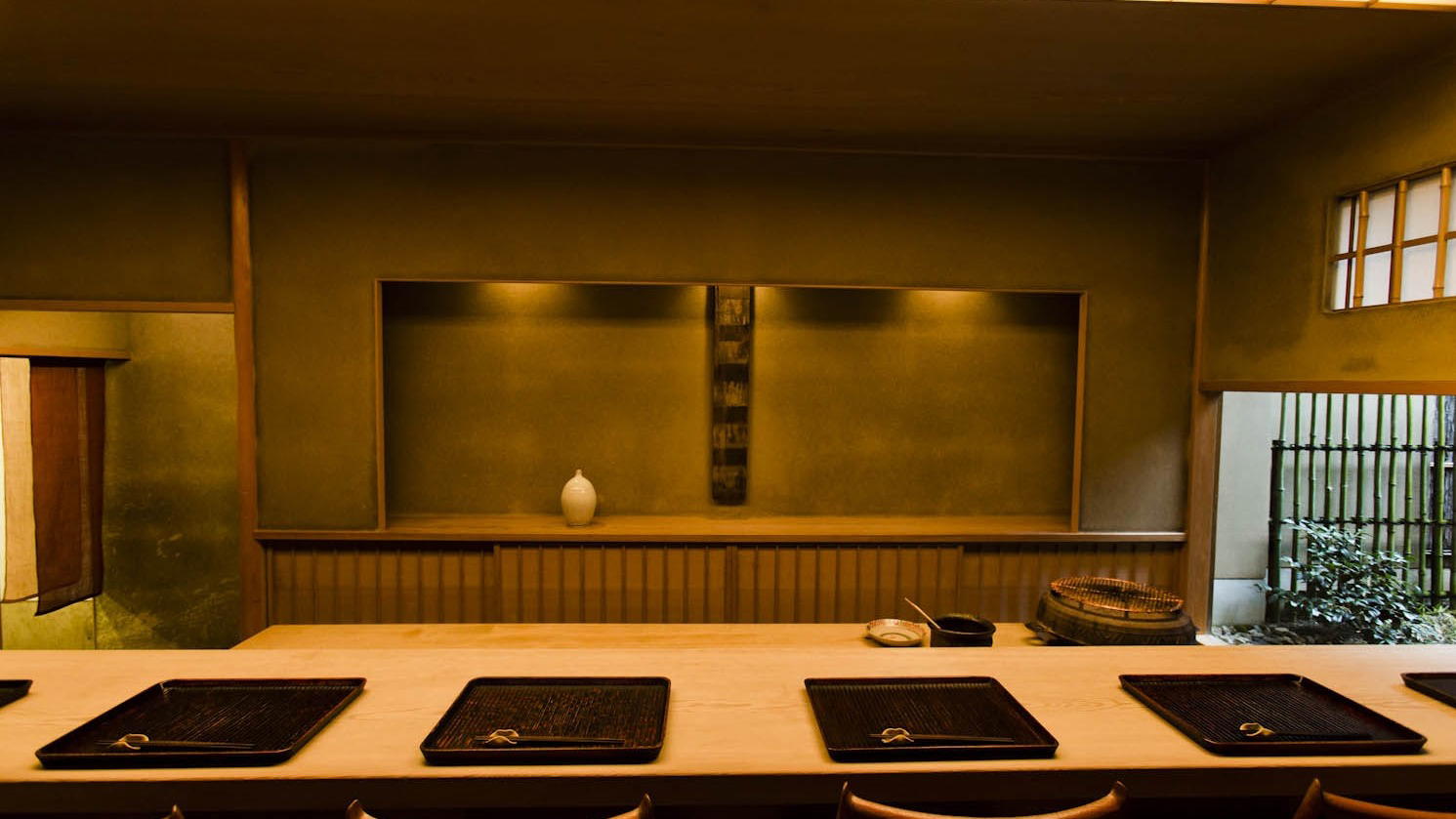
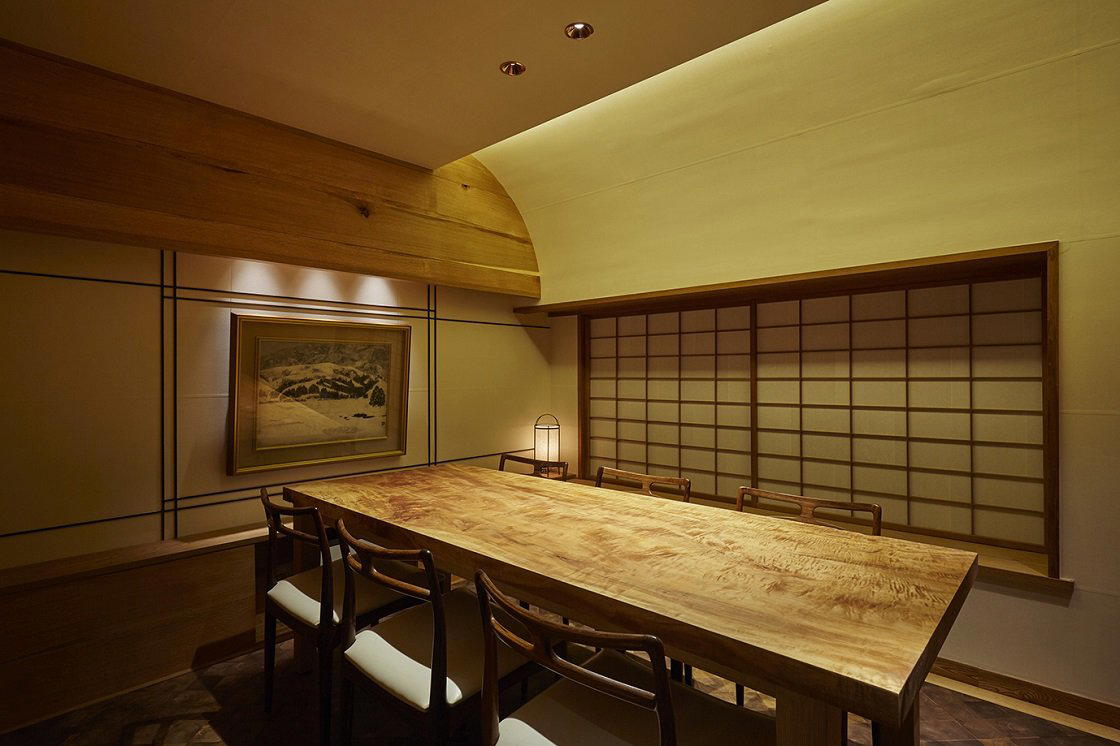
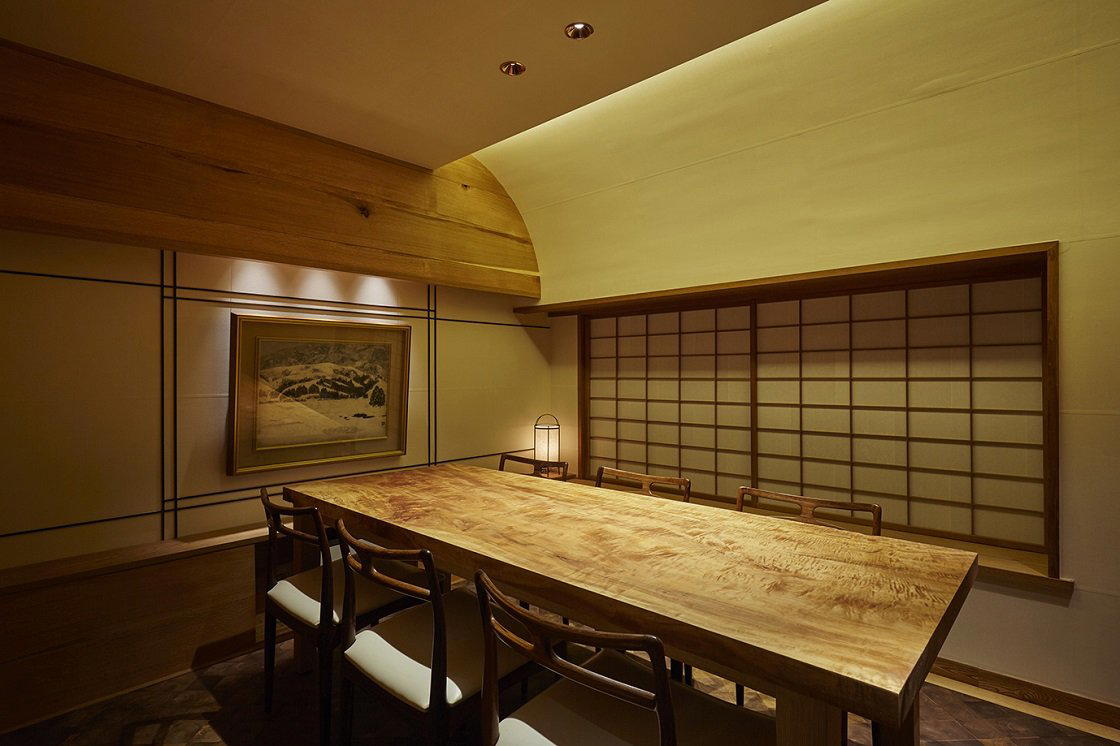
Modern Japanese ambiance blending traditional aesthetics with intimate counter and private seating for a ritualistic dining experience.