
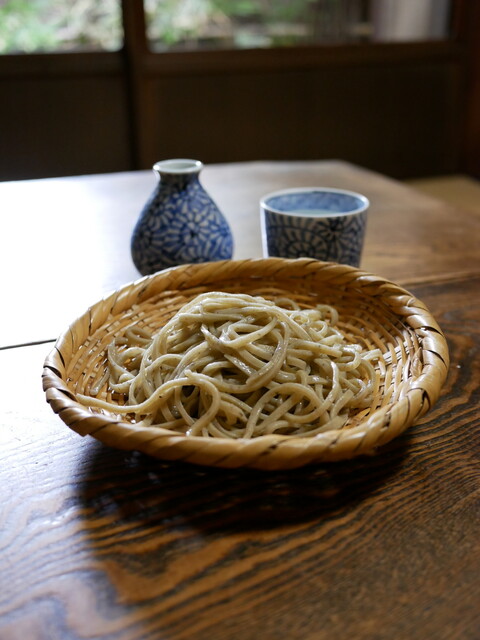
Teuchi Soba Maizuru gives Takasaki a compact, late-opening soba address with izakaya habits rather than a formal tasting-menu posture. Its Tabelog 100 Soba EAST 2025 selection, 19-seat room, counter seating and JPY 2,000–2,999 dinner range place it in a useful category: serious hand-cut buckwheat without Tokyo-style ceremony.
Pearl is the En Primeur Club membership app — saves, bookings, and concierge access live there. Same editors, same standards.
- Address
- 90-12 Torimachi, Takasaki, Gunma 370-0053, Japan
- Phone
- +81 27-327-8771
- Website
- tabelog.com
 Saves & bookings on Pearl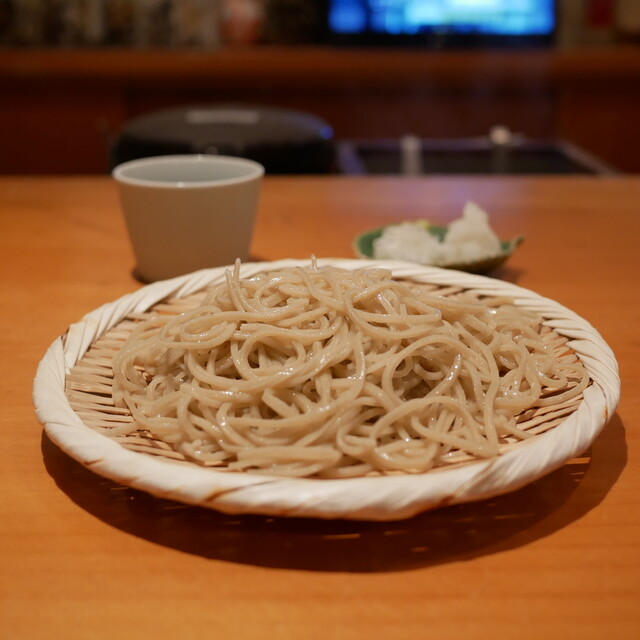
Torimachi after dark suits soba: narrow streets, short walks from the station, and rooms where the counter matters more than the façade. Teuchi Soba Maizuru feels less like a destination dining room than a disciplined local address, where buckwheat noodles and drinks share the same table.
Takasaki is better known to many travellers as a rail junction and gateway to Gunma than as a dining city, which undersells regional Japanese eating outside the capital. Value often sits in small, specialised formats: soba shops, ramen counters, yakiniku rooms, yakitori counters and izakaya hybrids that put technique into compact spaces. Teuchi Soba Maizuru fits that pattern, with soba as anchor and tavern drinking as frame.
Hand-cut soba in an izakaya register
Soba culture depends on restraint. The noodle is not a blank vehicle for sauce; it tests grain, water, cut, cooking time and temperature. In eastern Japan, where soba has long carried everyday craft rather than banquet theatre, serious shops often reveal themselves through format before flourish: modest seating, a short operating window, and a menu that needs no luxury ingredients to justify attention.
Teuchi Soba Maizuru’s recognition in Tabelog 100 Soba EAST 2025 matters because the list is category-specific, placing it among selected soba addresses in eastern Japan rather than general restaurants with broader menus. Repeat selections in 2018, 2022, 2024 and 2025 add a signal of consistency in a category where small shifts in milling, kneading and service can change the meal.
The ingredient story is embedded in the form. Buckwheat has a narrower margin for error than wheat noodles: it lacks gluten’s elasticity, so craft means handling fragility without making the noodle heavy. A hand-cut soba shop asks diners to notice proportion and texture before spectacle. The appeal is not abundance, but the discipline of making a common food behave precisely.
The izakaya classification is equally revealing. Sake, shochu and cocktails are listed, shifting the experience beyond a quick noodle stop. Soba has long had a drinking culture, especially in eastern Japan, where small plates and alcohol can precede noodles rather than sit beside them as an afterthought. For travellers, the restaurant can serve as a compact evening meal, a late stop, or a restrained drinking session built around buckwheat.
Where it sits in Takasaki's dining map
Price clarifies its role. At JPY 2,000–2,999 for dinner, the restaurant sits apart from higher-spend Takasaki restaurants such as Potoro at JPY 15,000–19,999 or Sumibi Yakiniku Ichiba Jejuya Honten at JPY 6,000–7,999. It also sits above the sub-JPY 999 ramen-counter economy represented by Jikaseimen Kuromatsu. That middle position is part of the attraction: deliberate without becoming a major reservation-led event.
The room size reinforces this. Nineteen seats, including seven at the counter, keep the experience close to the kitchen’s working rhythm. Small soba rooms are not automatically better than larger ones, but they make craft visible and limit anonymous service. Counter seats matter because noodle timing is short; soba loses its edge quickly after cooking, so scale and pace have practical consequences.
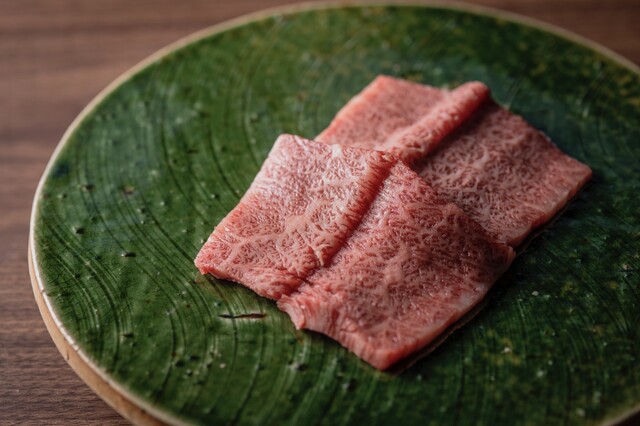
Compared with Takasaki’s broader mix, the restaurant is a specialist rather than a general crowd-pleaser. BRAZIL GRILL answers a different appetite, with grilled meat and a higher dinner range. Jikaseimen Kuromatsu is useful for the city’s noodle-counter economy. Chuka Soba Narugami Shokudo points toward the ramen side of the same noodle conversation, while Bommi Sobakiri offers another soba reference point for comparing buckwheat formats. Beef Laboratory broadens the map, showing how quickly Takasaki moves from noodle craft to meat-focused dining within a small urban radius.
That range helps planning because Takasaki rewards specificity. Treat it as a stopover and you miss the distinctions: soba for grain and cut, ramen for broth and speed, yakiniku for group dining, izakaya formats for drinking-led evenings. For a wider scan, Our full Takasaki restaurants guide is the starting point; pairing dinner with travel planning may also mean checking Our full Takasaki hotels guide, Our full Takasaki bars guide, Our full Takasaki wineries guide and Our full Takasaki experiences guide.
Who should choose this kind of soba room
This is stronger for travellers who care about category depth rather than ceremony. The 19-seat scale, no-smoking status and reservation availability make it more accessible than many tiny counters, while cash-only payment and no parking keep it firmly in the small Japanese restaurant tradition. The nearest-station location also matters: a soba-and-drinks evening works better when it does not require a car.
The late operating pattern adds another advantage. Many serious noodle shops focus on lunch, sell out early, or close before dinner develops rhythm. An evening soba-izakaya format changes that equation, letting buckwheat sit within the city’s social hours rather than only as a quick daytime meal. That makes the restaurant especially useful for visitors staying near Takasaki Station.
Readers building a broader Japan itinerary can use the same lens elsewhere: judge format before hype. A sukiyaki-focused room such as -Grilled beef Sukiyaki- KAMAKURA TANUKIAN 鎌倉 たぬき庵 in Kamakura, a seafood-and-charcoal address like. 鮪と炭火焼き うお炭 秋葉原店 in Tokyo, or a casual urban café such as.cafe in Osaka all ask different questions. The same applies beyond Japan, from.know in Kumamoto and (Shoku) Vietnam in Kawasaki to [Curry Senmon Ten] Maruyama Kyoju. in Sapporo, Jōdo Saké Bar in Los Angeles and Onigiri Time in Pasadena. The useful comparison is not glamour; it is whether a place understands its form.
On that measure, the restaurant is a precise Takasaki pick: small enough to keep noodle craft close, recognised enough to justify attention, and priced so the grain, not the bill, carries the argument.
Quick Comparison
Comparable venues by cuisine and price in the same metro.
| Venue | Cuisine | Price | Notes |
|---|---|---|---|
| Teuchi Soba MaizuruThis venue — the venue you are viewing | Handmade soba & izakaya | $$ | Not listed |
| Yakitori Ko no Ji | Traditional Yakitori | $$ | . Takasaki |
| Jikaseimen Kuromatsu | Japanese Ramen | $ | Yanagawamachi, Takasaki |
| Mikumano | Japanese Teppanyaki & Kaiseki | $$$$ | Yanagawacho |
| Takasaki Geijutsu Yasai to Italian Pizza Maro | Neapolitan-style Italian Pizzeria | $$ | Takasaki |
| Sumibi Yakiniku Ichiba Jejuya Honten | Charcoal-grilled Yakiniku & Donburi | $$$ | Takasaki |
Recognition history
Dated appearances from independent guides and award organizations, with the underlying list record or original source where available.
Tabelog 100 #56 · No. 56
Tabelog · Tabelog 100 - Soba - EAST - 2025
Continue exploring
More in Takasaki
Restaurants in Takasaki
Browse all →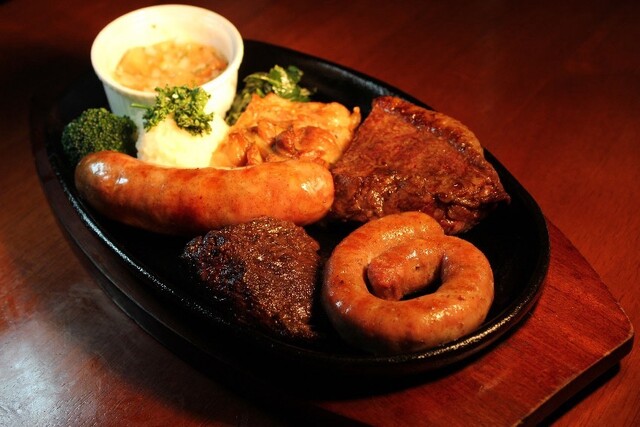
Hotels in Takasaki
Browse all →
Wineries in Takasaki
Browse all →
At a Glance
- Cozy
- Modern
- Classic
- After Work
- Casual Hangout
- Late Night
- Group Dining
- Solo
- Standalone
- Sake Program
Current opening hours
- Monday
- Closed
- Tuesday
- 6 PM–2 AM
- Wednesday
- 6 PM–2 AM
- Thursday
- 6 PM–2 AM
- Friday
- 6 PM–2 AM
- Saturday
- 6 PM–2 AM
- Sunday
- 6 PM–2 AM
Hours can change for holidays and private events. Last verified .
Small, non‑smoking 19‑seat space with counter and a few tables, described by Tabelog as a stylish yet relaxing hideout‑style house restaurant, suited to friends enjoying drinks and soba in a cozy, unhurried atmosphere.