
Tabelog 100 #92
Our verdict
Takasaki’s ramen scene rewards small-format shops where sourcing, stock discipline, and counter timing matter more than décor. Chuka Soba Narugami Shokudo sits in that serious local bracket: a counter-led ramen and donburi house selected for Tabelog Ramen EAST “Tabelog 100” in 2023, 2024, and 2025, with a low-price format that keeps the focus on the bowl rather than ceremony.

Pearl is the En Primeur Club membership app, where members save venues, book tables and use the concierge.
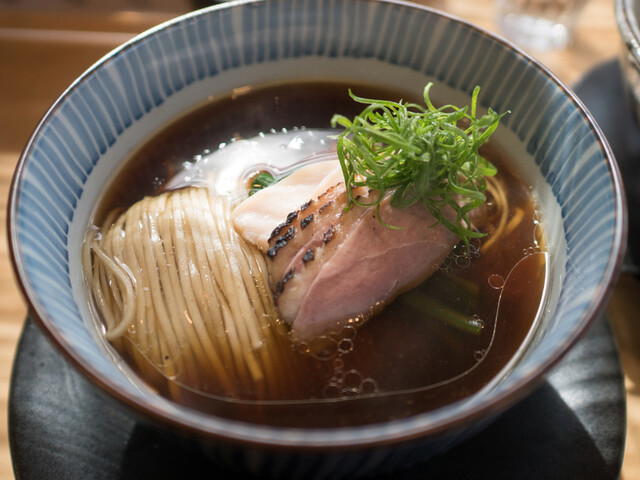
The menu
What to order
- Chuka soba
- Sea bream salt-based chuka soba
- Oyster soy sauce aedama
Approach this part of Nakaizumimachi and the rhythm is suburban rather than theatrical: low buildings, practical parking, and the quiet expectancy of a ramen shop where the counter is the room. Takasaki is not Tokyo’s ramen media machine, so a serious bowl must justify itself through broth clarity, noodle handling, and ingredient choices, not queue mythology or designer interiors. Chuka Soba Narugami Shokudo is a regional ramen address where small scale is not decoration; it is the operating logic.
Read the shop through sourcing and restraint. Contemporary chuka soba has moved beyond the heavy, opaque bowls that once defined ramen for many travelers. Across eastern Japan, the more exacting style prizes stock construction, tare balance, and noodles that carry aroma without excess. A place serving ramen and donburi can matter in Takasaki because the everyday format has absorbed specialist-dining discipline while staying within lunch-counter Japan.
Regional ramen, treated with specialist discipline
Ramen in Gunma sits at a useful remove from the capital. Tokyo has the density, but regional cities can expose the craft more clearly because room, pricing, and customer base are less padded by spectacle. The draw is not a chef’s manifesto; it is the alignment of stock, noodle, topping, and rice-bowl sidecraft in compact service. Chuka soba asks for control: when broth is too loud, the noodle disappears; when tare dominates, sourcing becomes irrelevant. The serious version depends on ingredients doing exact work in sequence.
That context makes the Tabelog Ramen EAST “Tabelog 100” selections in 2023, 2024, and 2025 meaningful. The list is useful because ramen excellence in Japan is brutally granular: shops compete by city, soup style, noodle weight, counter pace, and repeat-visit loyalty. A 2025 listing places Chuka Soba Narugami Shokudo in an eastern Japan field of destination counters and deeply local specialists, not general casual dining. The 3.80 Tabelog score adds recognition, especially in a category where regulars pick apart small execution differences.
Ingredient sourcing turns the format into more than bowl-and-go. Ramen kitchens depend on invisible decisions: bones, dried seafood, aromatics, soy seasoning, fats, flour blend, and rice quality all shape coherence. The shop’s dual category, ramen and donburi, matters because rice bowls are not an afterthought. They let the kitchen express seasoning, protein handling, and ingredient economy without making the meal a tasting-menu performance.
A ten-seat counter changes how the meal works
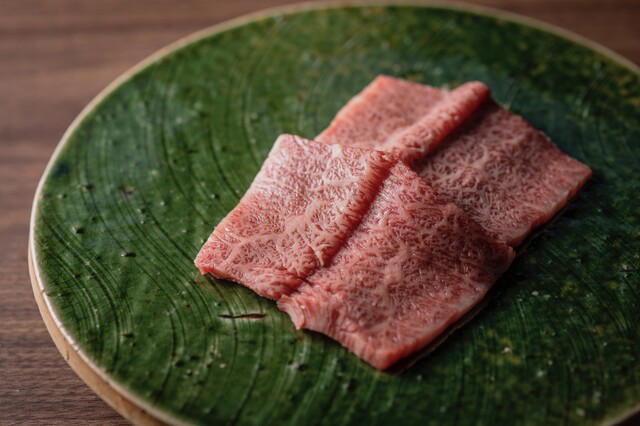
The counter-only scale gives the room its discipline. Ten seats force a different kitchen-diner relationship: bowls move quickly, turnover matters, and the experience rewards decisiveness. This is not the lingering rhythm of Beef Laboratory, where Takasaki’s dining economy moves into a higher-spend beef format. It is also distinct from the soba register of Bommi Sobakiri, where noodle craft carries different textures, temperatures, and dipping conventions. Ramen compresses the argument: one bowl, immediate judgment.
Within Takasaki, that compression is part of the appeal. The city’s dining range stretches from grilled meat to Italian-leaning casual formats and specialist noodles, but ramen is where technical seriousness and low ceremony meet cleanly. For a food-led day, Jikaseimen Kuromatsu offers another noodle reference point, while Mikumano points to a different local dining register. The comparison is not ranking; it is choosing the right appetite. Chuka soba is for precision and speed, not an extended evening.
The house-restaurant setting reinforces the regional character. Ramen’s advantage in Japan is that it can carry specialist-kitchen seriousness without asking diners to perform luxury. Counter seating, no private rooms, and a non-smoking setup keep the format direct. Children are welcome, and solo dining is natural, underscoring that despite awards attention, this remains everyday eating culture rather than a sealed-off destination ritual.
How to place it in a Takasaki food itinerary
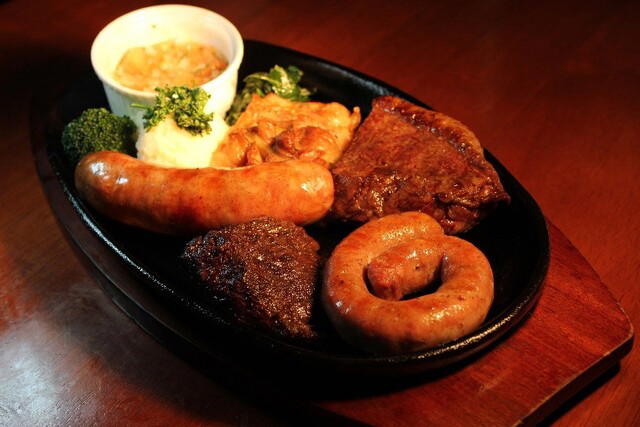
For visitors, treat this as a focused meal, not the anchor for an elaborate night out. Recognition makes it relevant beyond the neighborhood, but the experience belongs to the lunch-counter tradition: arrive with a clear plan, expect a compact room, and understand that the kitchen’s value lies in sourcing and execution, not optional extras. The low-spend format also changes the calculation. In a city where BRAZIL GRILL and higher-ticket beef rooms pull diners another way, ramen offers a sharper, faster read on local taste.
There is a broader Japan lesson here. Regional ramen shops often reveal more about a city’s food culture than formal restaurants, because they depend on repeat local approval. A counter like this must satisfy people who know what balanced chuka soba should feel like and notice when broth, noodle, and seasoning drift. Awards identify the address, but the deeper signal is that a small Takasaki shop can join eastern Japan’s serious ramen conversation while keeping the format modest.
For wider planning, use Our full Takasaki restaurants guide to map the city’s dining range, then layer in Our full Takasaki hotels guide, Our full Takasaki bars guide, Our full Takasaki wineries guide, and Our full Takasaki experiences guide for the rest of the day. Travelers comparing Japan’s casual-specialist spectrum can also look beyond Gunma to -Grilled beef Sukiyaki- KAMAKURA TANUKIAN 鎌倉 たぬき庵 in Kamakura. 鮪と炭火焼き うお炭 秋葉原店 in Tokyo.cafe in Osaka.know in Kumamoto, (Shoku) Vietnam in Kawasaki, and [Curry Senmon Ten] Maruyama Kyoju. in Sapporo. Across the Pacific, Jōdo Saké Bar in Los Angeles and Onigiri Time in Pasadena show how Japanese formats translate when the setting changes.
Frequently asked questions
Would Chuka Soba Narugami Shokudo be comfortable with kids?
Yes. The Tabelog listing says children are welcome, including preschoolers and school-age children, and the shop is marked family friendly in Takasaki. The 10-seat counter format is compact, so timing matters.
How would you describe the vibe at Chuka Soba Narugami Shokudo?
It is a small counter-only ramen shop with 10 seats and lunch service from Wednesday to Sunday, closed Monday and Tuesday. The setting is practical rather than formal, with a house-restaurant feel and the discipline that comes from a first-come, first-served format.
Is Chuka Soba Narugami Shokudo expensive?
Pricing at Chuka Soba Narugami Shokudo is listed as - JPY 999.
What days is Chuka Soba Narugami Shokudo closed?
Hours at Chuka Soba Narugami Shokudo: Mon: Closed; Tue: Closed; Wed: 11 AM–3 PM; Thu: 11 AM–3 PM; Fri: 11 AM–3 PM; Sat: 11 AM–3 PM; Sun: 11 AM–3 PM.
Comparison Snapshot
Comparable venues by cuisine and price in the same metro.
| Venue | Cuisine | Price | Awards | Notes |
|---|---|---|---|---|
| Chuka Soba Narugami ShokudoThis venue (the venue you are viewing) | Japanese Ramen | Not listed | Tabelog 100 #92 | Not listed |
| Mishoan | Traditional Japanese Wagashi (Sweets) Shop | $1–10 | Tabelog 100 #17 | Kenzakimachi |
| The Good Bear Burger | American-style Burger Shop | $20–30 | Tabelog 100 #7 | Kaizawamachi, Takasaki |
| BRAZIL GRILL | Traditional Brazilian Churrasco Grill | $30–50 | Tabelog 100 #72 | Sayamachi / central Takasaki |
| Teuchi Soba Maizuru | Handmade soba & izakaya | $30–50 | Tabelog 100 #56 | Takasaki |
| Bommi Sobakiri | Traditional Japanese soba noodle shop | Not listed | Tabelog 100 #83 | Not listed |
Recognition history
Dated appearances from independent guides and award organizations, with the underlying list record or original source where available.
Tabelog 100 #92 · No. 92
Tabelog · Tabelog 100 - Ramen - EAST - 2025
Continue exploring
More in Takasaki
Restaurants in Takasaki
All restaurants in Takasaki →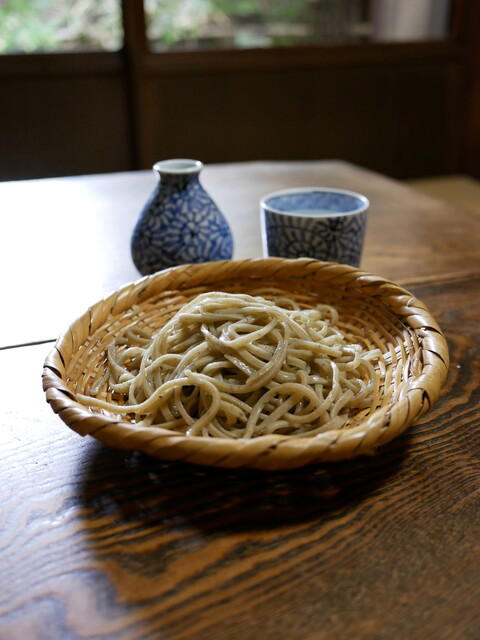
Hotels in Takasaki
Browse all →
Wineries in Takasaki
Browse all →
Details
- Cozy
- Classic
- Solo
- Family
- Casual Hangout
- Standalone
- A La Carte
- Counter Dining
Current opening hours
- Monday
- Closed
- Tuesday
- Closed
- Wednesday
- 11 AM–3 PM
- Thursday
- 11 AM–3 PM
- Friday
- 11 AM–3 PM
- Saturday
- 11 AM–3 PM
- Sunday
- 11 AM–3 PM
Hours can change for holidays and private events. Hours as of .
A small house-style ramen shop with counter seating and a focused, no-frills neighborhood atmosphere.