Mofongo 2 Restaurant
Mofongo 2 Restaurant sits on SW 8th Street in the heart of Miami's Little Havana corridor, where Caribbean and Latin American cooking traditions intersect at street level. The mofongo format — a Puerto Rican staple built on mashed fried plantains — anchors the menu, placing this spot squarely in Miami's deep tradition of island-diaspora cooking. It operates as a neighbourhood institution rather than a destination restaurant.
Pearl is the En Primeur Club membership app — saves, bookings, and concierge access live there. Same editors, same standards.
- Address
- 1672 SW 8th St, Miami, FL 33135
- Phone
- +17863594418
- Website
- opentable.com
- Directions
- Get directions
 Saves & bookings on Pearl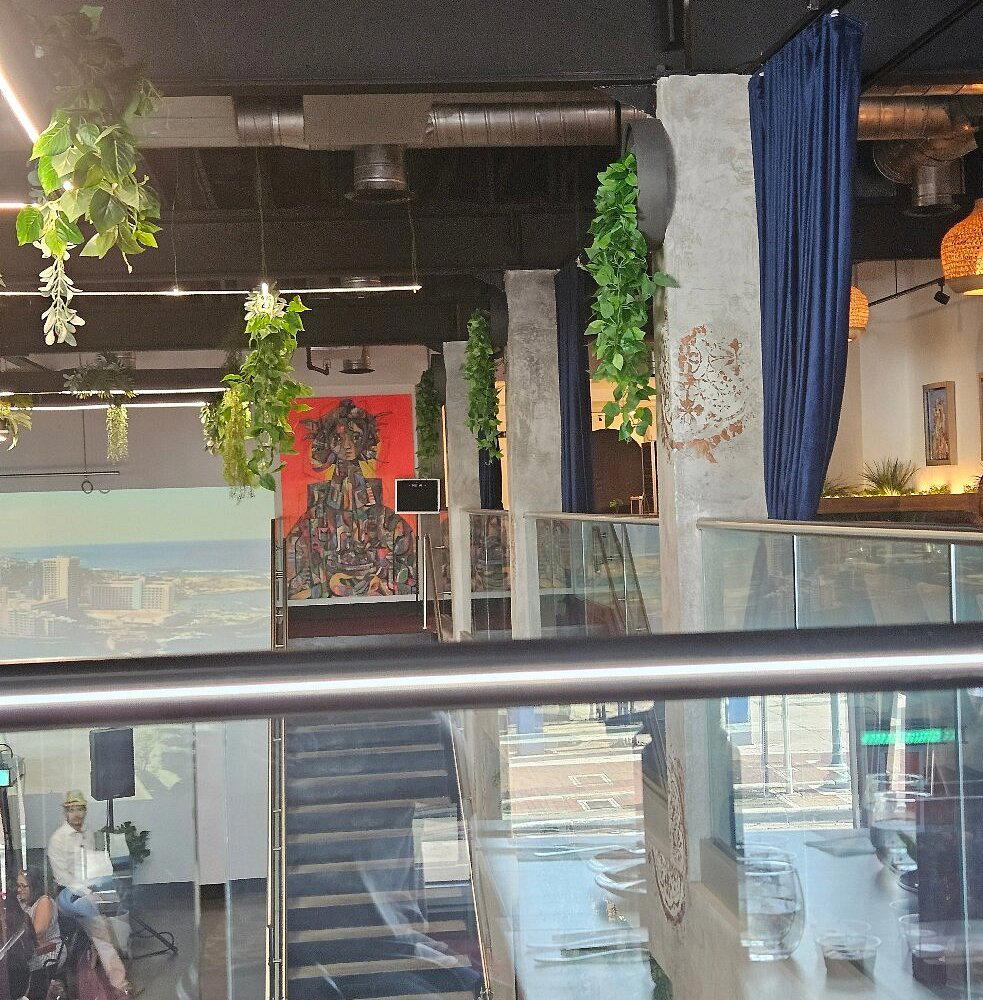
Little Havana's Plantain Counter and the Diaspora Table It Represents
SW 8th Street runs west from downtown Miami with a density of Latin American food culture that no other stretch in Florida matches. Calle Ocho, as it is known, is the commercial spine of Little Havana, and its restaurants are less about trend cycles than about continuity: the same dishes crossing decades, the same communities returning. Mofongo 2 Restaurant sits at 1672 SW 8th St inside that tradition, occupying a position on a block where the surrounding food offer reflects the full arc of Caribbean and Central American migration into South Florida.
The mofongo format itself explains something about the cooking that happens here. A dish built on twice-fried green plantains, mashed with garlic and pork fat, then shaped and filled, mofongo is Puerto Rican in origin but has become a touchstone for broader Caribbean diaspora cooking in American cities. In Miami, where Cuban, Puerto Rican, Dominican, and Colombian communities overlap geographically, a restaurant centred on that dish is making a statement about where it locates itself culturally. It is not positioning against the tasting-menu circuit that includes venues like ITAMAE or L'Atelier de Joël Robuchon Miami. It is operating in a different register entirely, one where the reference point is a grandmother's kitchen in San Juan or Santo Domingo rather than a tasting progression designed for a critic's notebook.
The Meal as It Unfolds: Plantain, Protein, Broth
The logic of eating at a mofongo-centred restaurant follows a different arc than the multi-course European model. There is no amuse-bouche, no intermezzo. The structure is simpler and more direct: the plantain base arrives as the anchor, and what surrounds or fills it determines the character of the plate. This is food designed around contrast in texture — the dense, yielding interior of the mashed plantain against the crispness of its exterior, and then the loosening effect of whatever braised protein or broth is served alongside.
In Puerto Rican tradition, the accompanying elements range from shrimp in garlic butter to slow-cooked pork, oxtail stews, or chicken in sofrito. The broth element is not incidental; it is part of the eating experience, softening the mofongo progressively as the meal continues. This means the dish changes character as you eat, which is as close to a tasting progression as Caribbean comfort cooking gets. For diners accustomed to the sequenced menus at Lazy Bear in San Francisco or Alinea in Chicago, the mofongo meal is a useful counterpoint: a progression built on peasant technique rather than culinary theatre.
Where This Fits in Miami's Eating Picture
Miami's restaurant attention tilts toward Wynwood, Brickell, and Miami Beach, where the concentration of press-covered openings and award-tracked restaurants is highest. The Michelin Guide's Florida edition has recognised venues including Ariete, Boia De, and Cote Miami across different price tiers and neighbourhood contexts. Little Havana operates mostly outside that recognition framework, which is not a criticism of the food but a structural feature of how awards systems engage with neighbourhood-level, community-anchored restaurants.
That gap matters for understanding what Mofongo 2 Restaurant is. It is not competing with Single Thread Farm in Healdsburg or The French Laundry in Napa for the same diner. It is serving a community and a cuisine that predates Miami's current dining moment and will outlast any particular wave of restaurant openings. For visitors building a broader picture of the city's food culture, the Calle Ocho corridor provides context that the Wynwood tasting menu circuit does not. See our full Miami restaurants guide for a map of how these different dining registers connect across the city.
By contrast, the higher-end American dining conversation in other cities, represented by venues like Le Bernardin in New York City, Providence in Los Angeles, Addison in San Diego, or Blue Hill at Stone Barns in Tarrytown, shares almost no vocabulary with a Caribbean plantain house in Little Havana. That is not a deficiency on either side. It reflects the actual plurality of American dining, where a narrow awards-tracked tier and a vast community-anchored tier coexist without much overlap. Venues like Atomix in New York City, which bridges Korean tradition and fine-dining structure, or 8 1/2 Otto e Mezzo Bombana in Hong Kong, operate in yet another register, where diaspora identity and destination-restaurant ambition are deliberately fused. Mofongo 2 Restaurant does not attempt that fusion. Its value is in the opposite direction: specificity without ambition for a broader audience.
The Calle Ocho Context
Little Havana's food character is shaped by decades of Cuban, Puerto Rican, and Central American settlement patterns in Miami-Dade County. The neighbourhood's restaurants tend toward long-running family operations rather than concept-driven openings. SW 8th Street has seen significant commercial change in recent years as the broader Miami property market has pushed development westward, but its food culture has remained more stable than the surrounding retail and residential mix. A mofongo restaurant on this street is part of that continuity, not an anomaly within it.
For anyone approaching Little Havana from the tasting-menu circuit, the calibration shift required is direct: the quality signal here is not kitchen technique in the European sense but rather fidelity to a dish's cultural logic. A well-made mofongo is judged by whether the plantains are fried at the right stage of ripeness, whether the garlic integration is balanced, and whether the broth or protein accompaniment has been cooked long enough to carry the necessary depth. These are not lesser standards than those applied at Emeril's in New Orleans or The Inn at Little Washington. They are different standards, applied to a different culinary tradition.
Know Before You Go
| Address | 1672 SW 8th St, Miami, FL 33135 |
|---|---|
| Neighbourhood | Little Havana, Calle Ocho corridor |
| Cuisine | Puerto Rican / Caribbean diaspora, centred on mofongo |
| Price | Not listed — neighbourhood pricing consistent with Calle Ocho casual dining |
| Booking | Contact details not currently listed; walk-in approach recommended |
| Phone | Not available in current records |
| Website | Not available in current records |
| Hours | Not listed, verify locally before visiting |
How Mofongo 2 Restaurant Miami compares with similar nearby venues.
| Venue | Cuisine | Price |
|---|---|---|
| Lung Yai Thai Tapas | Thai | $$ |
| El Rey de la Fritas | Fritas | Not listed |
At a Glance
- Lively
- Family
- Casual Hangout
- Group Dining
- Craft Cocktails
Current opening hours
- Monday
- 12–10 PM
- Tuesday
- 12–10 PM
- Wednesday
- 12–10 PM
- Thursday
- 12–10 PM
- Friday
- 12–11 PM
- Saturday
- 11 AM–11 PM
- Sunday
- 11 AM–10 PM
Hours can change for holidays and private events. Last verified .
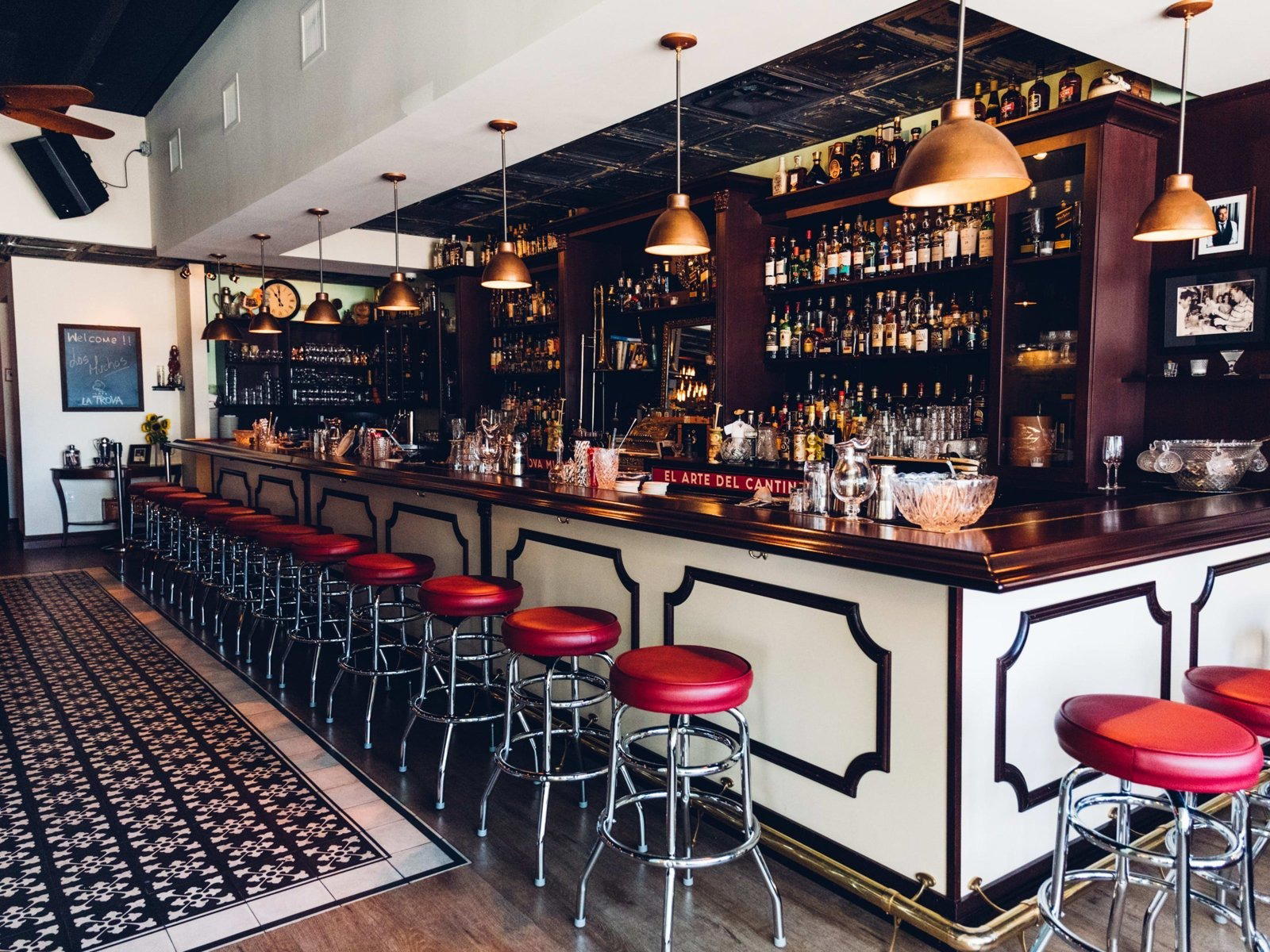
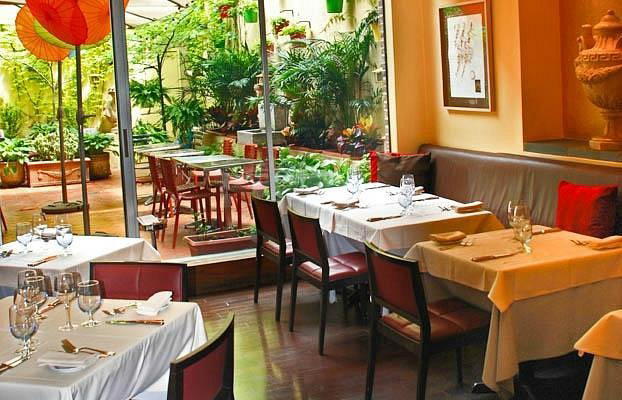
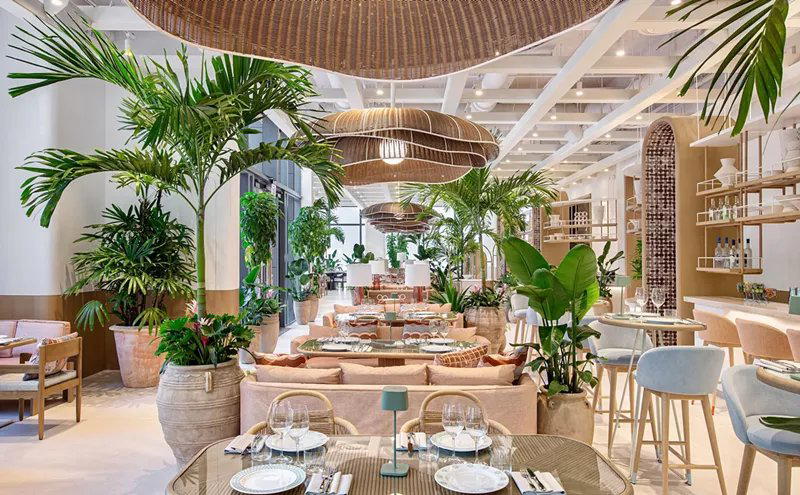
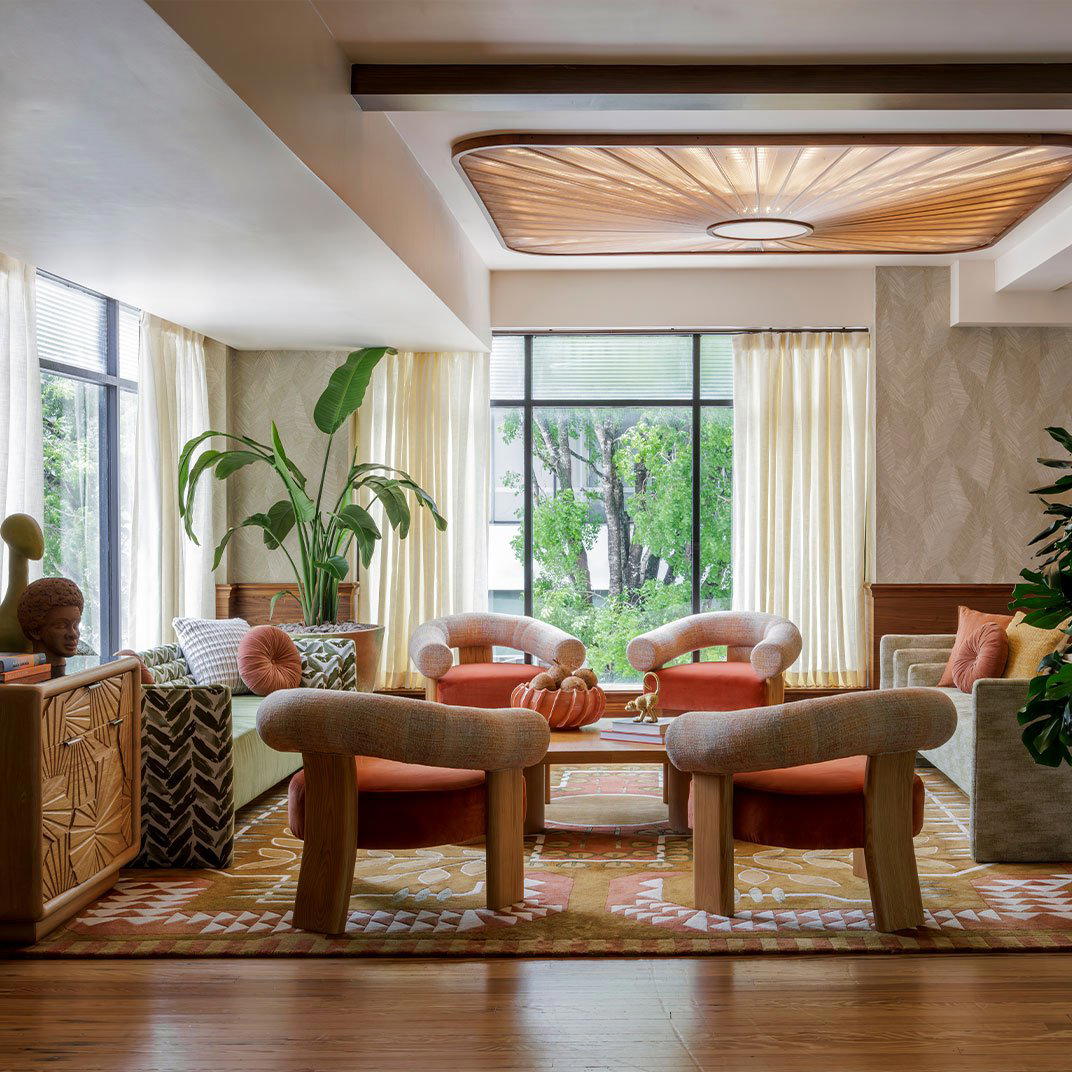
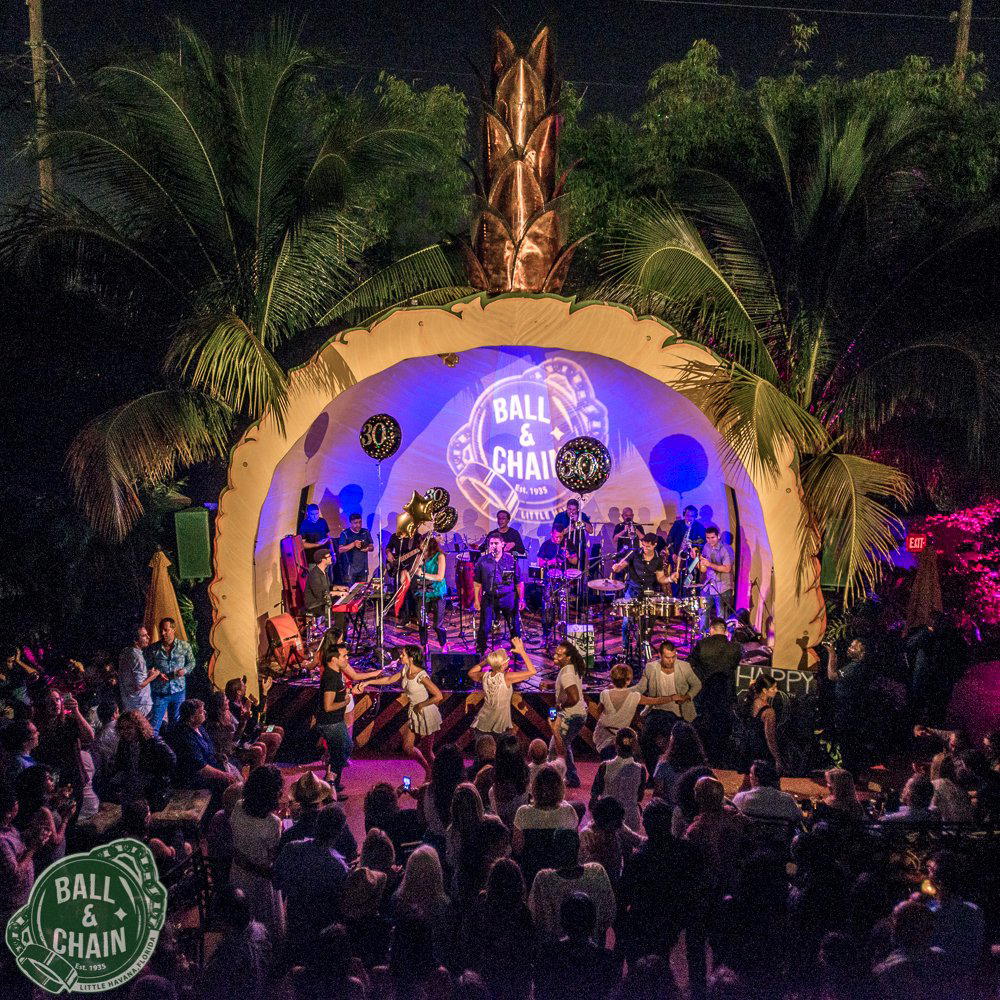
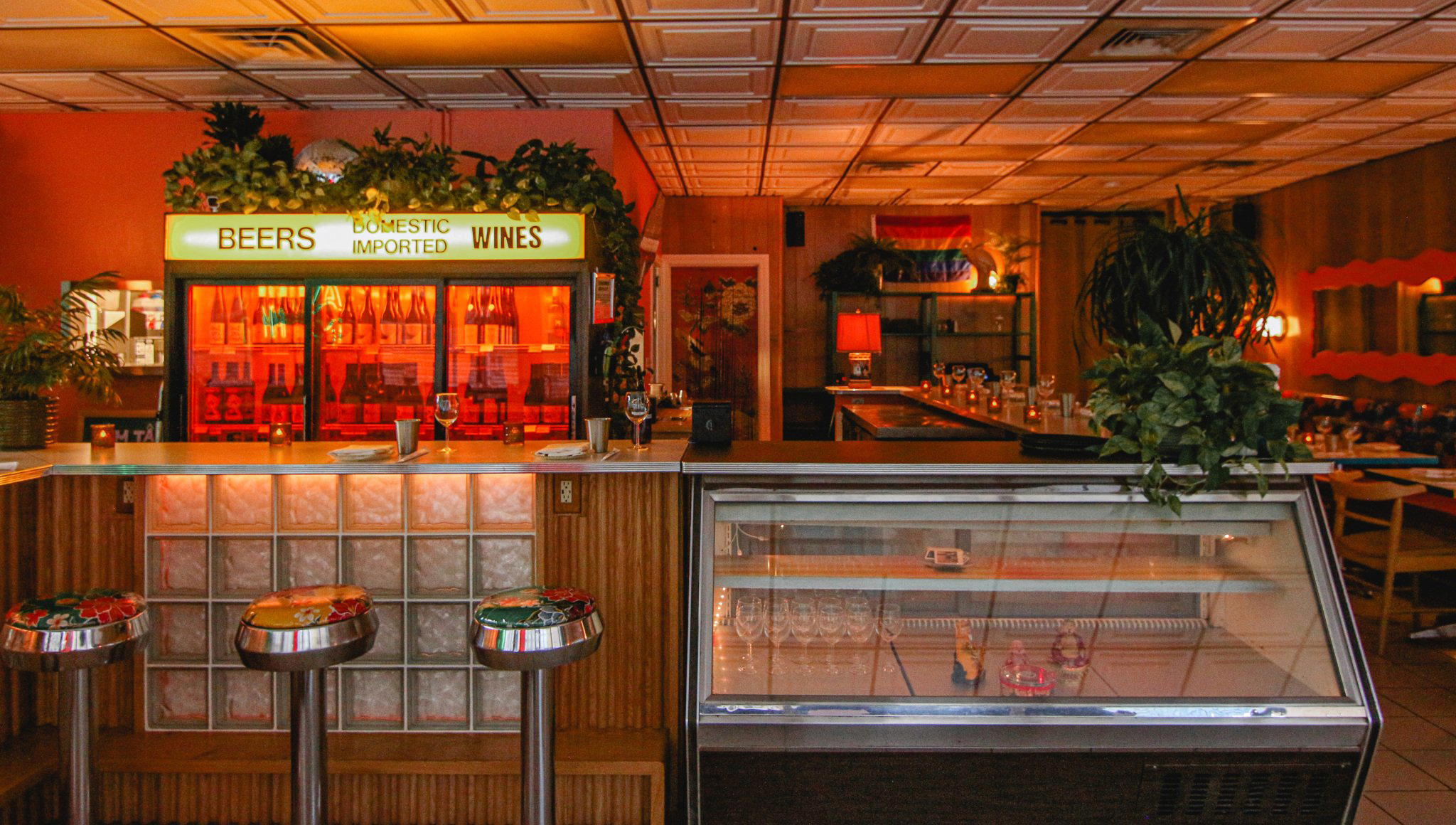
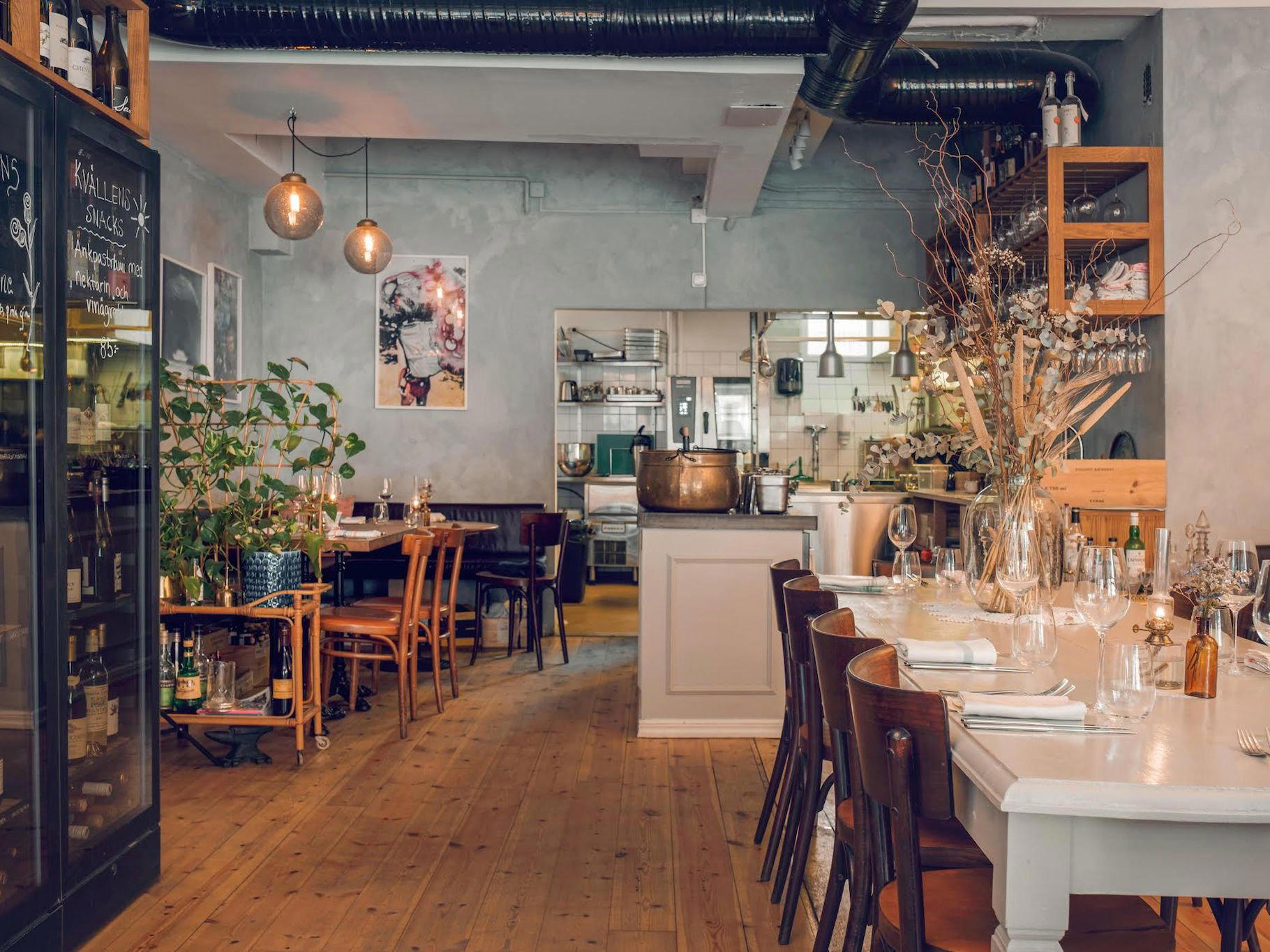
Lively and eclectic atmosphere reflecting the artistic Little Havana neighborhood with a festive, family-friendly vibe.
Know Before You Go
- Getting there
- 1672 SW 8th St, Miami, FL 33135