Salty Flame
On Brickell Avenue, Salty Flame occupies a corner of Miami's most concentrated fine-dining corridor, where the city's appetite for fire-driven cooking and collaborative kitchen culture has produced a genuinely competitive scene. The address places it among peers who take technique seriously, and the name alone signals an interest in heat, char, and the kind of cooking that rewards a room with strong front-of-house instincts.
Pearl is the En Primeur Club membership app — saves, bookings, and concierge access live there. Same editors, same standards.
- Address
- 1414 Brickell Ave, Miami, FL 33131
- Phone
- +13055638972
- Website
- saltyflamerestaurant.com
- Directions
- Get directions
 Saves & bookings on Pearl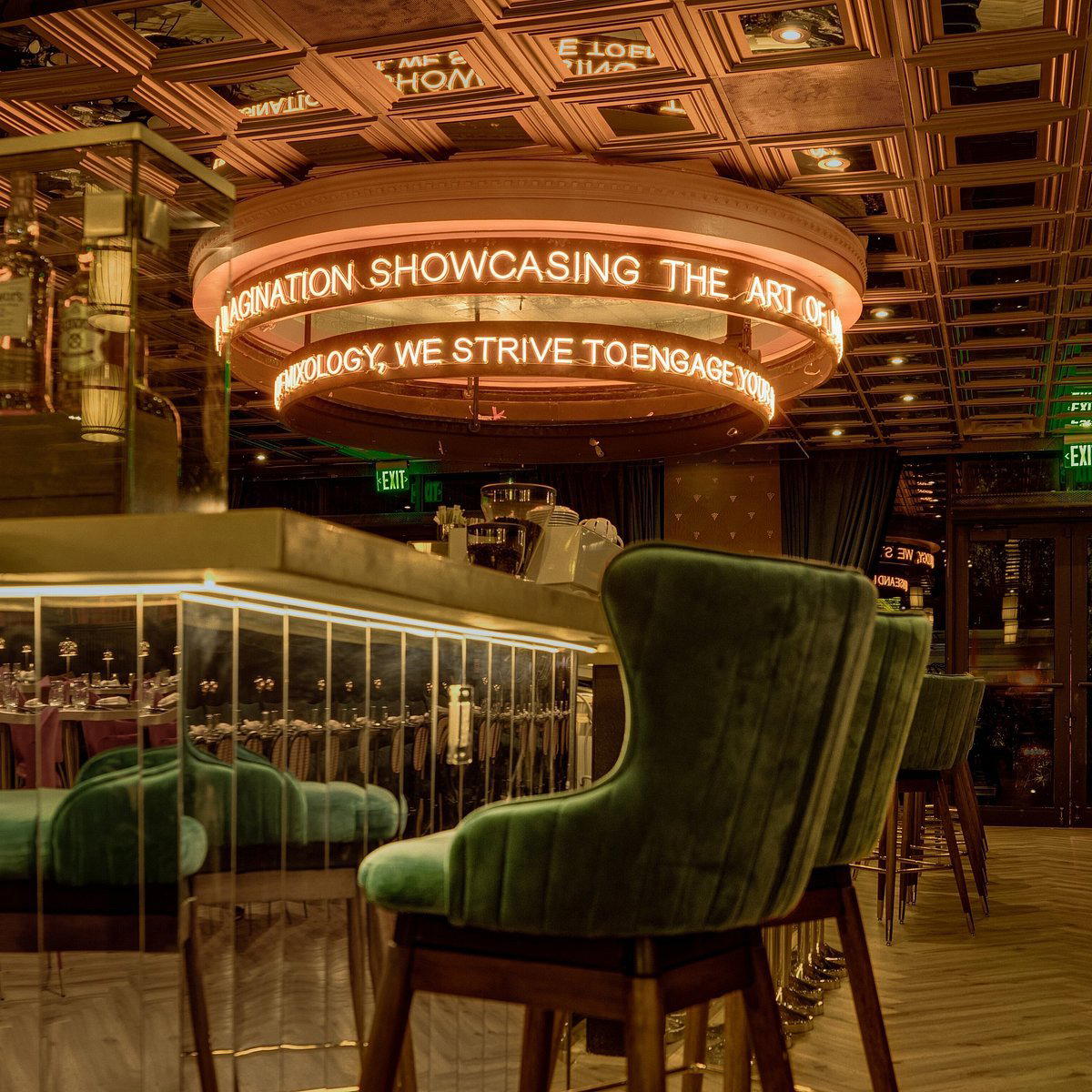
Fire, Smoke, and the Architecture of a Brickell Dinner
Brickell Avenue has undergone a quiet but decisive transformation over the past decade. What was once Miami's financial spine is now also its most densely stacked fine-dining corridor, where restaurants compete less on spectacle and more on the quality of what happens between kitchen, floor, and glass. The address at 1414 Brickell Ave places Salty Flame squarely inside that competitive band, and the name itself carries a culinary argument: fire as technique, salt as discipline, and the combination as a statement of intent in a city that has become serious about how heat is applied to ingredients.
Miami's broader dining shift is worth understanding before you arrive. The city spent much of the 2000s and early 2010s importing names, formats, and concepts from elsewhere. What has changed since is the emergence of a generation of restaurants built around a more grounded relationship with the local context, whether that means Peruvian-Japanese crossover at ITAMAE, the rigorous French classicism of L'Atelier de Joël Robuchon Miami, or the neighbourhood-first ambition of Ariete in Coconut Grove.
What Fire-Driven Cooking Means in This Room
Across American fine dining, the vocabulary of fire has expanded considerably. From the Argentine open-hearth tradition that has influenced restaurants from New York to Los Angeles, to the wood-fired precision that characterises venues like Lazy Bear in San Francisco and the farm-to-ember ethos at Blue Hill at Stone Barns in Tarrytown, fire is no longer shorthand for casual cooking. It has become a serious technical language, one that demands coordination between the person managing the flame, the sommelier choosing wines that can hold against char and smoke, and the front-of-house team that reads the pace of each table correctly.
That coordination is where Salty Flame's editorial angle becomes most interesting. The name implies a kitchen that understands the relationship between heat and seasoning as a collaborative act, not a solo performance. In the leading fire-driven rooms, the chef who reads the coals, the floor manager who controls the rhythm of service, and the sommelier who selects something with the acid and structure to cut through rendered fat and smoke are working as one system. The quality of that system is often what separates a memorable dinner from a technically competent one. At the level Brickell now demands, guests arrive with reference points: they have eaten at Le Bernardin in New York City, they have been to The French Laundry in Napa, they may have made the reservation at Alinea in Chicago. The team at Salty Flame is operating in that company, at least in terms of the expectations the address and the concept invite.
The Floor, the Sommelier, and the Rhythm of Service
In Miami's upper dining tier, front-of-house quality has become as much a differentiator as kitchen output. This is a city where restaurants like Ariete have built reputations partly on the warmth and precision of their service culture, and where internationally trained teams at places like L'Atelier de Joël Robuchon Miami set a floor that the rest of the market responds to. Fire-driven kitchens in particular demand a high-functioning floor: smoke and char move through a dining room in ways that gas kitchens do not, and the pacing of courses around live fire requires communication between kitchen and front-of-house that is tighter than in more conventional formats.
The sommelier function in these rooms is similarly pressured. Wines chosen to accompany char-heavy proteins need to work against the bitterness of carbon and the richness of rendered fat, which tends to favour higher-acid expressions, whether that means an Austrian Gruner Veltliner, a Loire Cabernet Franc, or a structured Ribera del Duero, depending on what is on the plate. The comparable challenge is visible in how American restaurants at this level handle their wine programs: Single Thread Farm in Healdsburg has built its beverage program around the same farm-to-table philosophy that governs the kitchen, while Providence in Los Angeles runs a seafood-focused list with depth that mirrors the kitchen's technical ambitions. At Salty Flame, the expectation is that the wine program reads the room the same way the kitchen reads the flame.
Where Salty Flame Sits in the Miami Scene
Miami's fine-dining map has enough distinct clusters that address matters. Wynwood carries a different dining culture from Coral Gables, and Brickell operates differently from both. The concentration of financial industry clients in Brickell means that expense-account dining is a structural part of the market, which in turn supports a style of restaurant that can maintain price points and staffing levels that might be harder to sustain elsewhere in the city. Restaurants operating at the $$$$ tier in comparable American cities, from Addison in San Diego to The Inn at Little Washington in Washington, typically rely on a mix of destination diners and local regulars who are accustomed to spending at that level. Brickell provides that mix reliably, which is part of what makes it a viable address for a concept as specific as fire-focused fine dining.
For context on Miami's broader dining scene, our full Miami restaurants guide maps the city's key dining clusters and the restaurants that define them. Among the fire-adjacent category, Los Fuegos by Francis Mallmann at the Four Seasons operates at the $$$$ level with a heavily Argentine-influenced open-fire format, and that comparison is useful for understanding where a venue like Salty Flame fits: similar heat vocabulary, but with a name that suggests salt and controlled flame as its own distinct emphasis rather than a direct import of the Mallmann tradition.
Internationally, the closest reference points for this style of technically serious fire cooking are found at places like Atomix in New York City, where the relationship between kitchen precision and front-of-house ceremony sets a standard, and at 8 1/2 Otto e Mezzo Bombana in Hong Kong, where the team dynamic between kitchen and floor is a defining part of the experience. The ambition implied by the Salty Flame address and concept points in a similar direction.
Know Before You Go
- Address: 1414 Brickell Ave, Miami, FL 33131
- Neighbourhood: Brickell, Miami
- Phone: Not publicly listed at time of publication
- Timing: Brickell dining peaks mid-week with financial industry clientele; weekends shift toward a broader Miami crowd
- Also consider: Boia De and Cote Miami for nearby alternatives at comparable price tiers; Ariete for a contrasting neighbourhood-driven format
At a Glance
- Elegant
- Sophisticated
- Trendy
- Date Night
- Business Dinner
- Special Occasion
- Open Kitchen
- Private Dining
- Craft Cocktails
Current opening hours
- Monday
- 12–10 PM
- Tuesday
- 12–10 PM
- Wednesday
- 12–10 PM
- Thursday
- 12–11 PM
- Friday
- 12 PM–12 AM
- Saturday
- 4 PM–12 AM
- Sunday
- 4–10 PM
Hours can change for holidays and private events. Last verified .
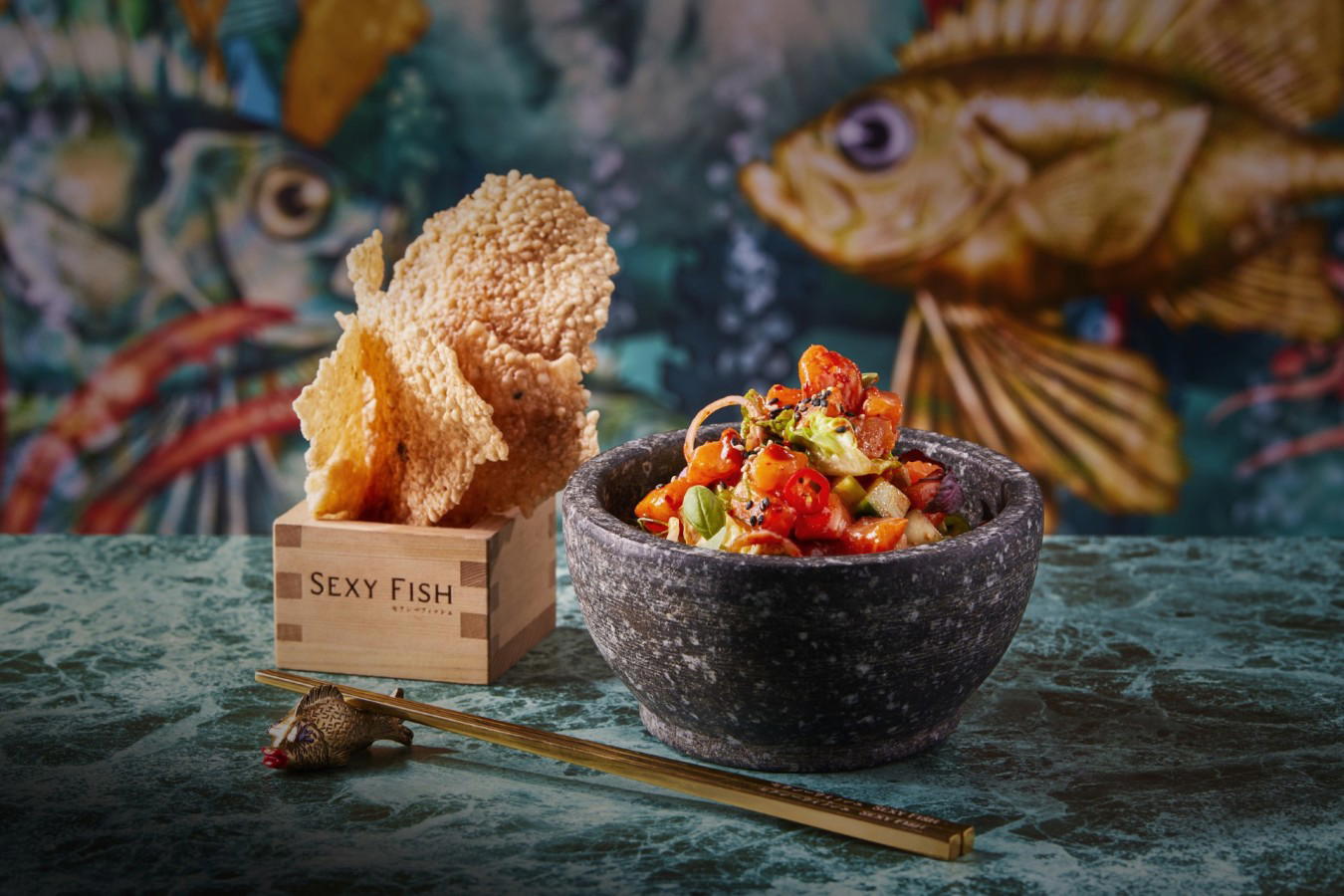
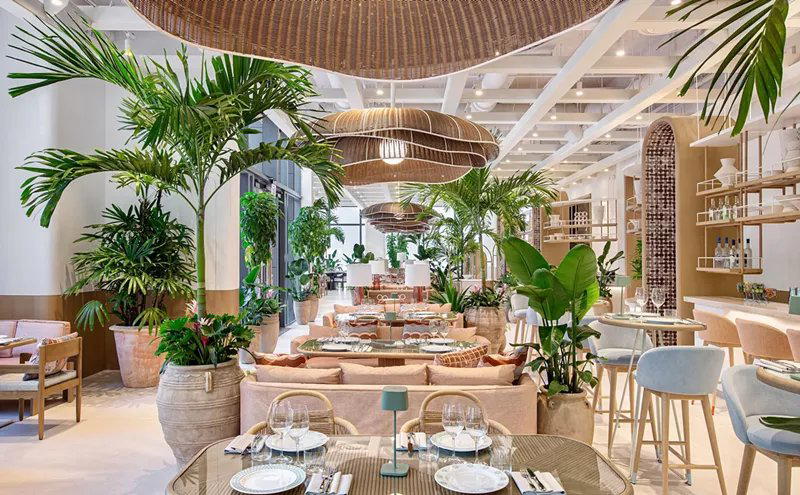
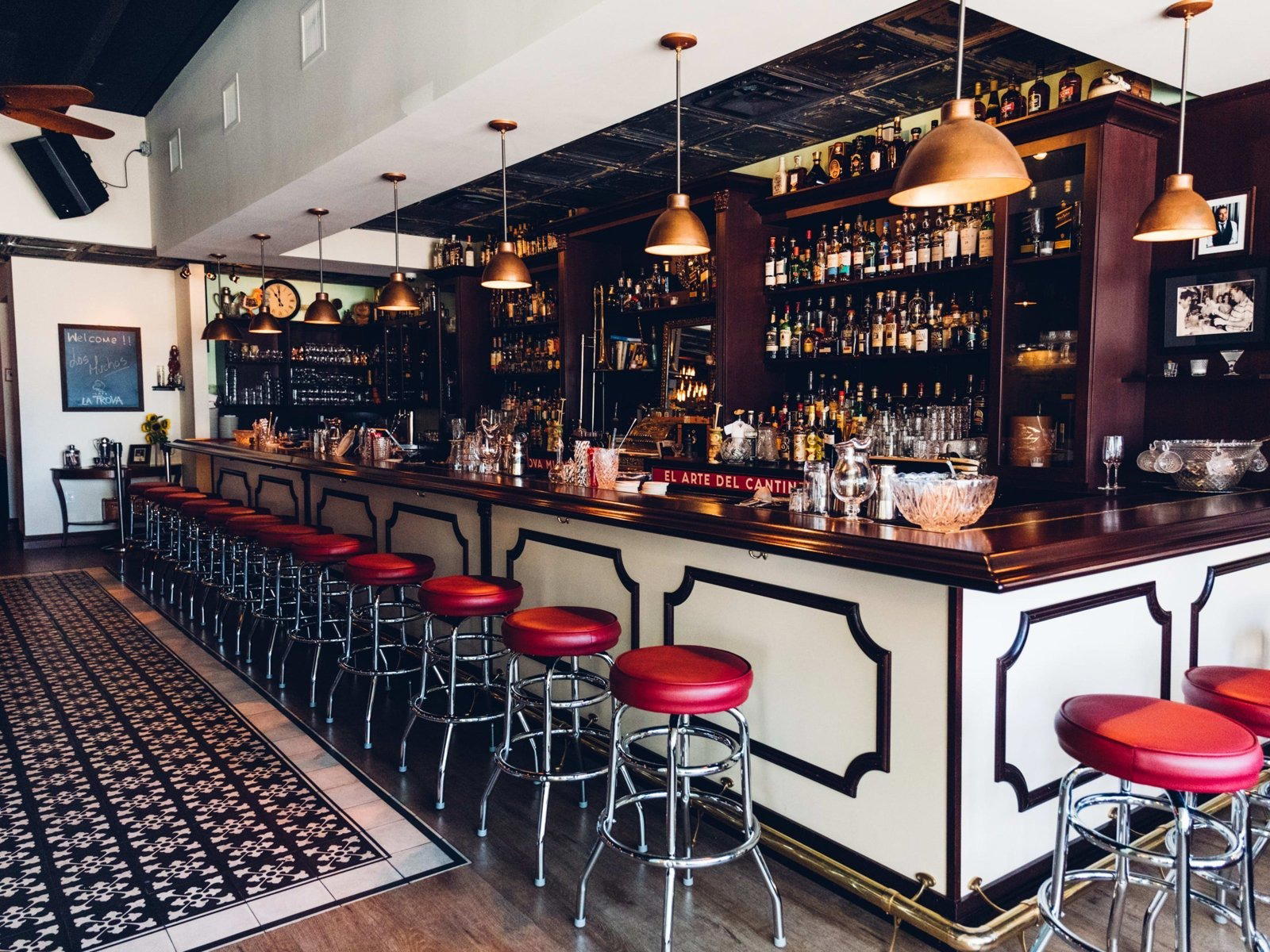
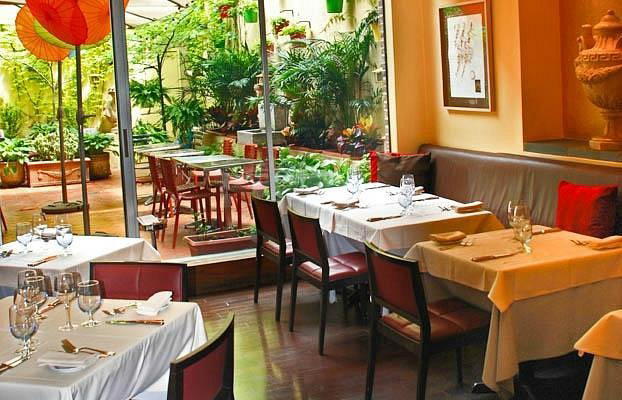
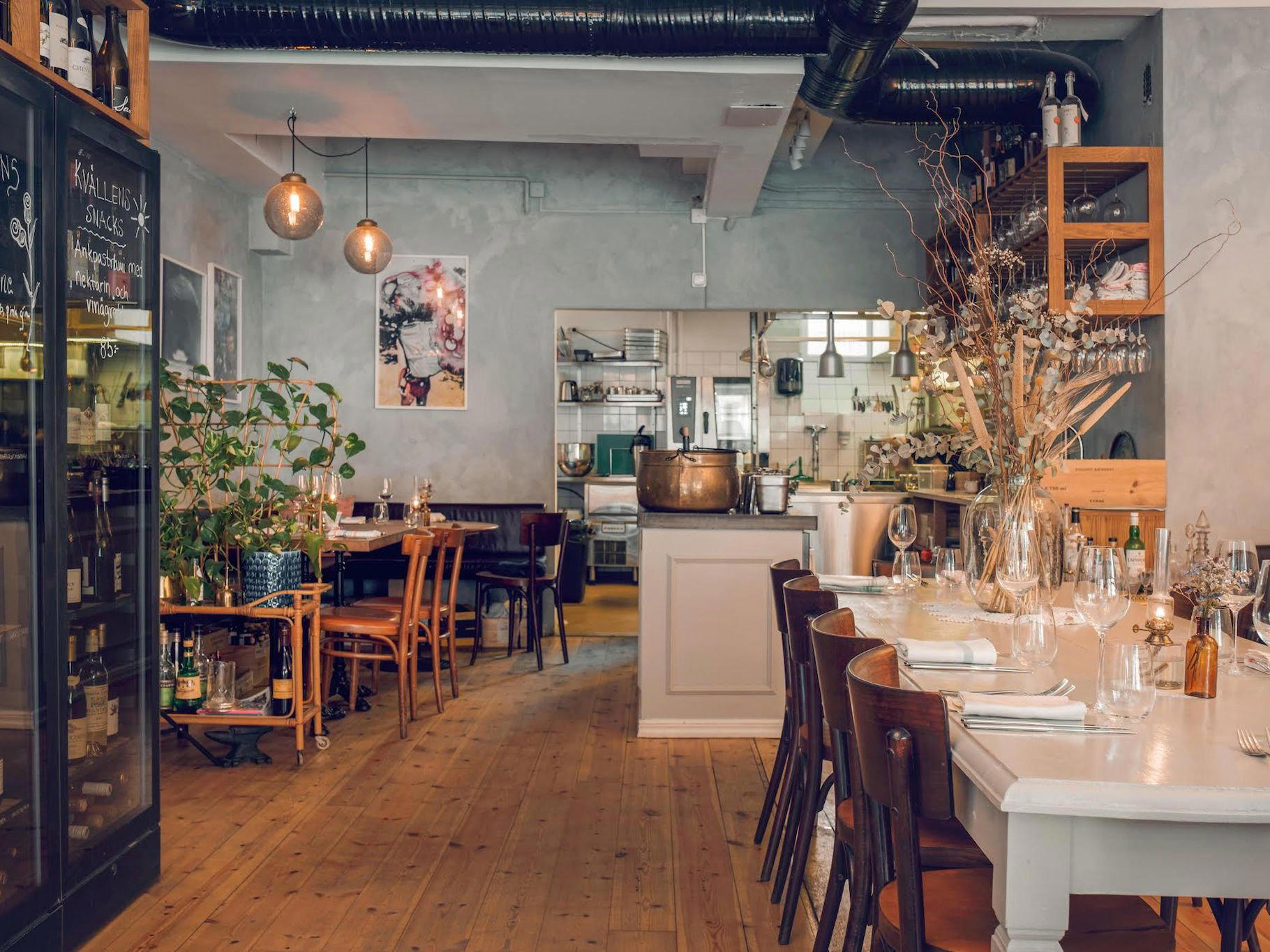
Warm, inviting atmosphere with classic elegance, smoky flames, and sophisticated luxury.
Know Before You Go
- Getting there
- 1414 Brickell Ave, Miami, FL 33131