El Cristo Restaurant
On SW 8th Street, the spine of Miami's Little Havana, El Cristo Restaurant occupies a stretch of Calle Ocho that has been feeding the Cuban diaspora for decades. The address alone carries historical weight — this is the corridor where Cuban exile culture took root in the 1960s and never fully loosened its grip. For visitors tracing Miami's foundational food traditions rather than its current tasting-menu circuit, El Cristo represents a different kind of reference point.
Pearl is the En Primeur Club membership app — saves, bookings, and concierge access live there. Same editors, same standards.
- Address
- 1543 SW 8th St, Miami, FL 33135
- Phone
- +1 305 643 9992
- Website
- elcristorestaurant.com
- Directions
- Get directions
 Saves & bookings on Pearl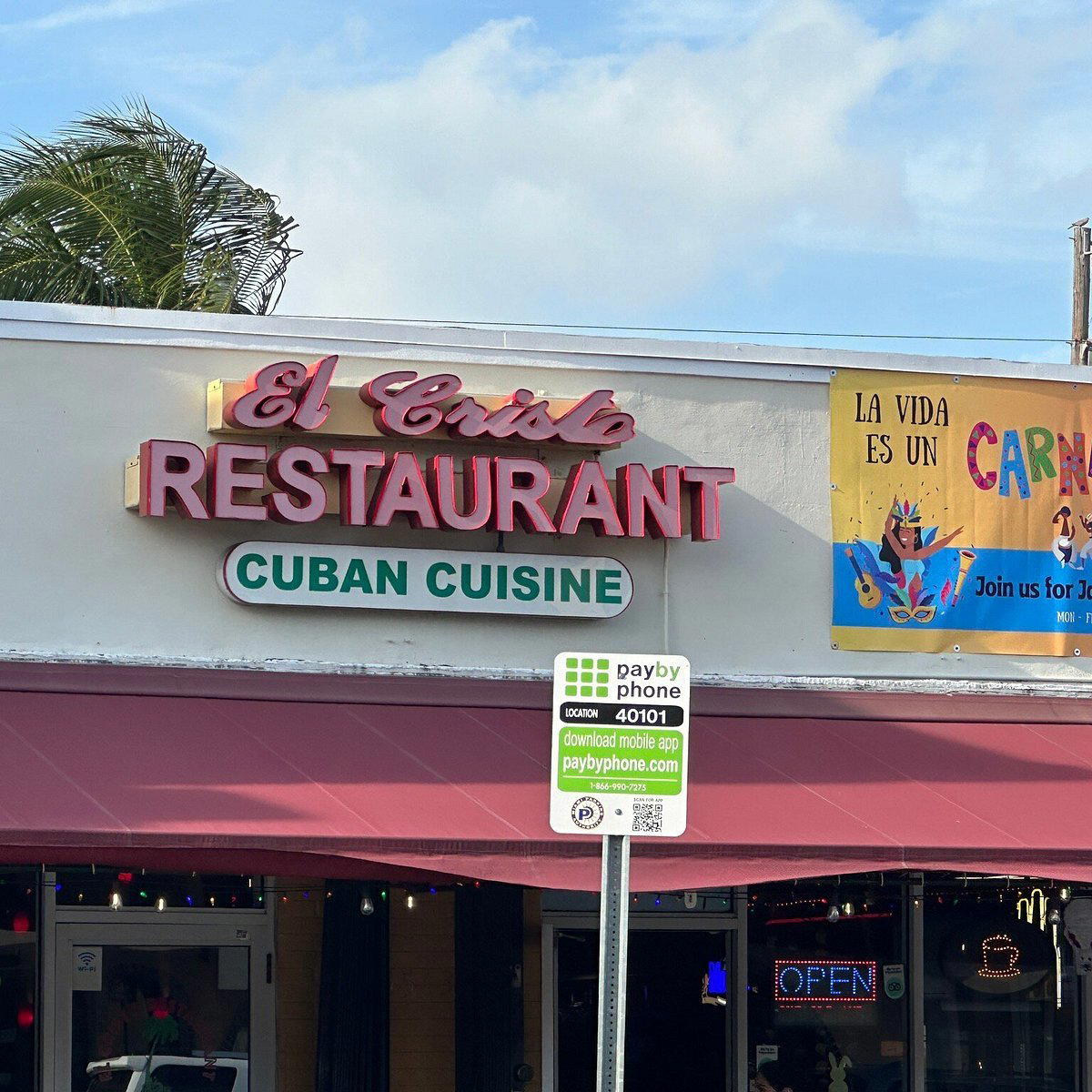
Calle Ocho and the Long Arc of Cuban Miami
SW 8th Street does not perform nostalgia — it lives inside it. The stretch of Little Havana running through the 1500s block has changed in texture over the decades: some storefronts have cycled through owners, murals have been repainted, and foot traffic patterns have shifted with each wave of Latin American immigration into the wider neighborhood. But the gravitational pull of Calle Ocho as a corridor for Cuban-American communal life has remained intact in a way that few urban cultural zones in the United States can claim. El Cristo Restaurant, at 1543 SW 8th St, sits within that continuity. Understanding the restaurant means understanding the street first.
Miami's dining conversation in the 2020s is largely dominated by the Design District, Wynwood, and Brickell — neighborhoods where concepts like ITAMAE and Cote Miami represent the city's higher-priced, award-tracked tier. Calle Ocho operates on a different frequency. The restaurants here, El Cristo among them, answer to a different set of criteria: generational loyalty, consistency across decades, and an ability to hold cultural memory in the food itself. That is not a secondary achievement, it is a harder one.
How a Neighborhood Restaurant Accumulates Weight
The evolution of a long-standing Cuban restaurant on SW 8th Street is not typically measured in menu pivots or chef changes. It is measured in the slow accumulation of regulars, in whether the kitchen maintains its standards across ownership transitions, and in whether the room still functions as a social space for the community it serves. Restaurants that survive for multiple decades in neighborhoods with genuine residential roots, as opposed to tourist-zone longevity, do so because they keep faith with that original contract.
El Cristo's address has the kind of specificity that places it squarely in the older, more established stretch of Little Havana rather than the zones that have been more aggressively developed for cultural tourism. The distinction matters. Restaurants closer to the Domino Park cluster at Maximo Gomez Park draw considerable visitor traffic; those a few blocks in either direction tend to maintain a higher proportion of neighborhood regulars. El Cristo sits in that latter category by geography if not exclusively by practice.
For context on what sustained institutional credibility looks like at the other end of the American dining spectrum, properties like The French Laundry in Napa or The Inn at Little Washington have built multi-decade reputations through different mechanisms, tasting menus, critical infrastructure, and destination-dining logic. A neighborhood Cuban institution operates through entirely different signals: the lunch crowd that arrives without a reservation, the table of three generations ordering from memory, the off-menu item that the kitchen will make if you know to ask.
Cuban Food in Miami: What the Tradition Demands
Cuban cuisine in Miami is not a monolith. The food served in Little Havana's older establishments reflects the cooking of the first and second waves of Cuban exile, which drew heavily on pre-revolutionary Havana's Spanish and African culinary inheritance: slow-braised ropa vieja, black beans cooked low for hours, lechón roasted with mojo, and rice dishes that function as the structural center of every plate rather than as an accompaniment. This is not the lighter, more modern Cuban-inflected cooking that has appeared in higher-concept Miami restaurants over the past decade.
The benchmark for this style of cooking is internal consistency, whether the black beans taste the same in year twenty as they did in year two, whether the proportion of cumin and oregano in the mojo holds, whether the bread arrives warm. These are not small details. They are the entire point. Restaurants like Ariete and Boia De represent the Miami dining scene's more contemporary evolution, ambitious, award-tracked, and operating with a different set of ambitions. El Cristo speaks to a tradition that predates that conversation and operates largely outside it.
For reference, the broader American restaurant canon at the Le Bernardin or Smyth in Chicago level is built on consistent technical execution within a defined and ambitious framework. The standard at a long-standing neighborhood Cuban restaurant is different in kind, not in seriousness. Getting the picadillo right, year after year, for a room full of people who grew up eating their grandmother's version, is a form of discipline that does not require a Michelin inspector to validate.
The Room and What It Tells You
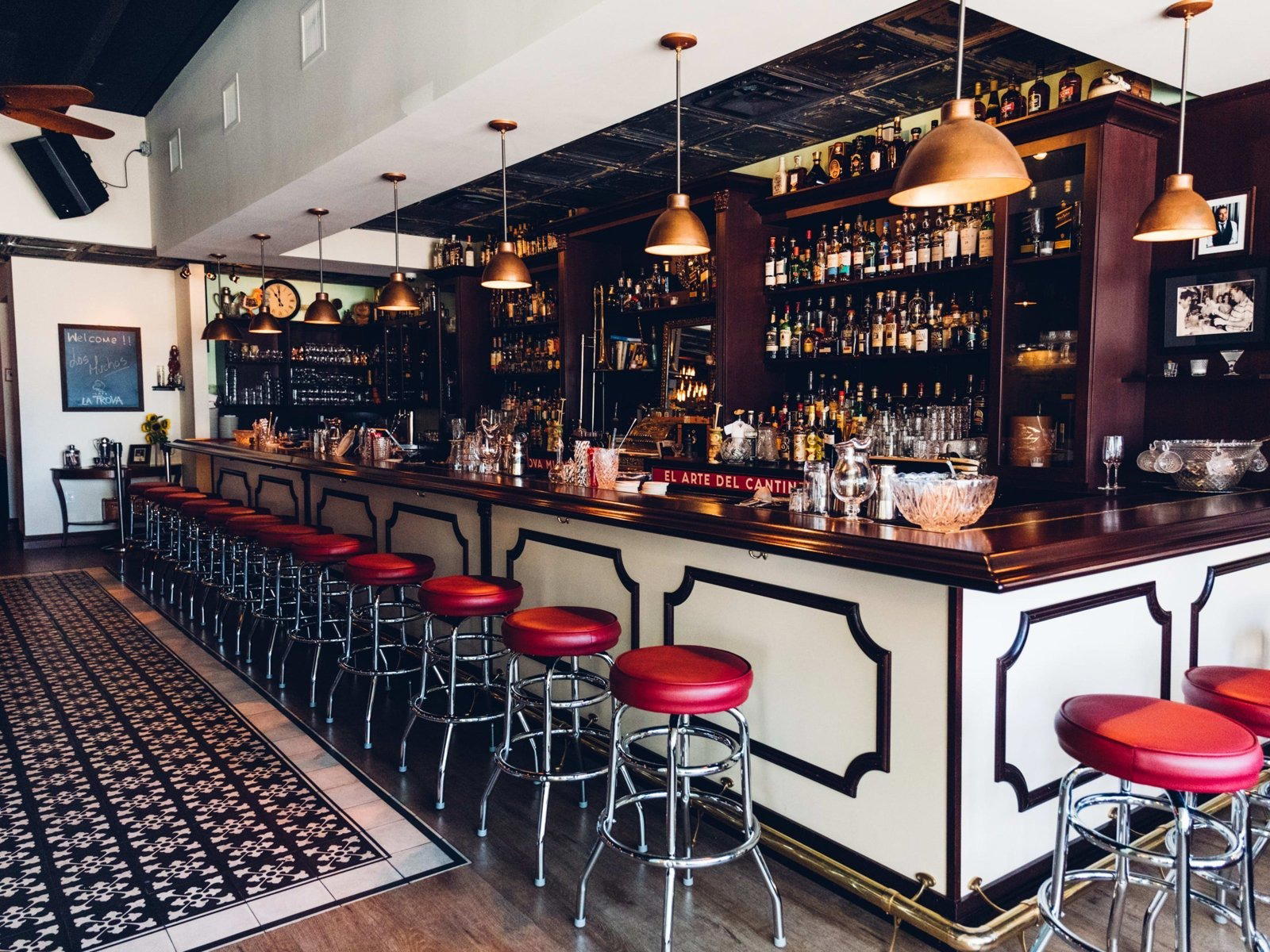
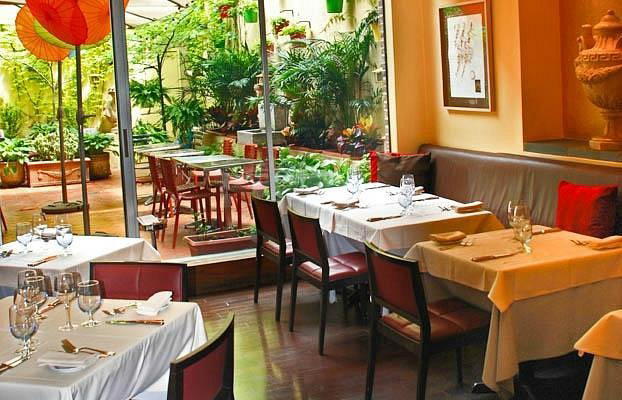
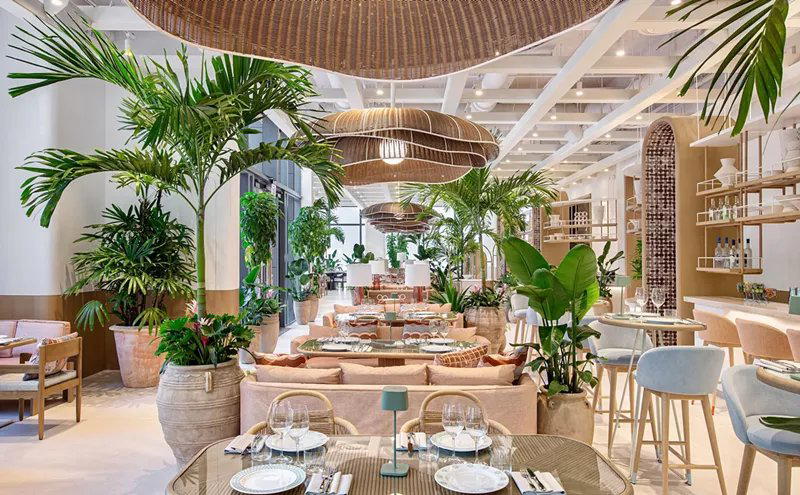
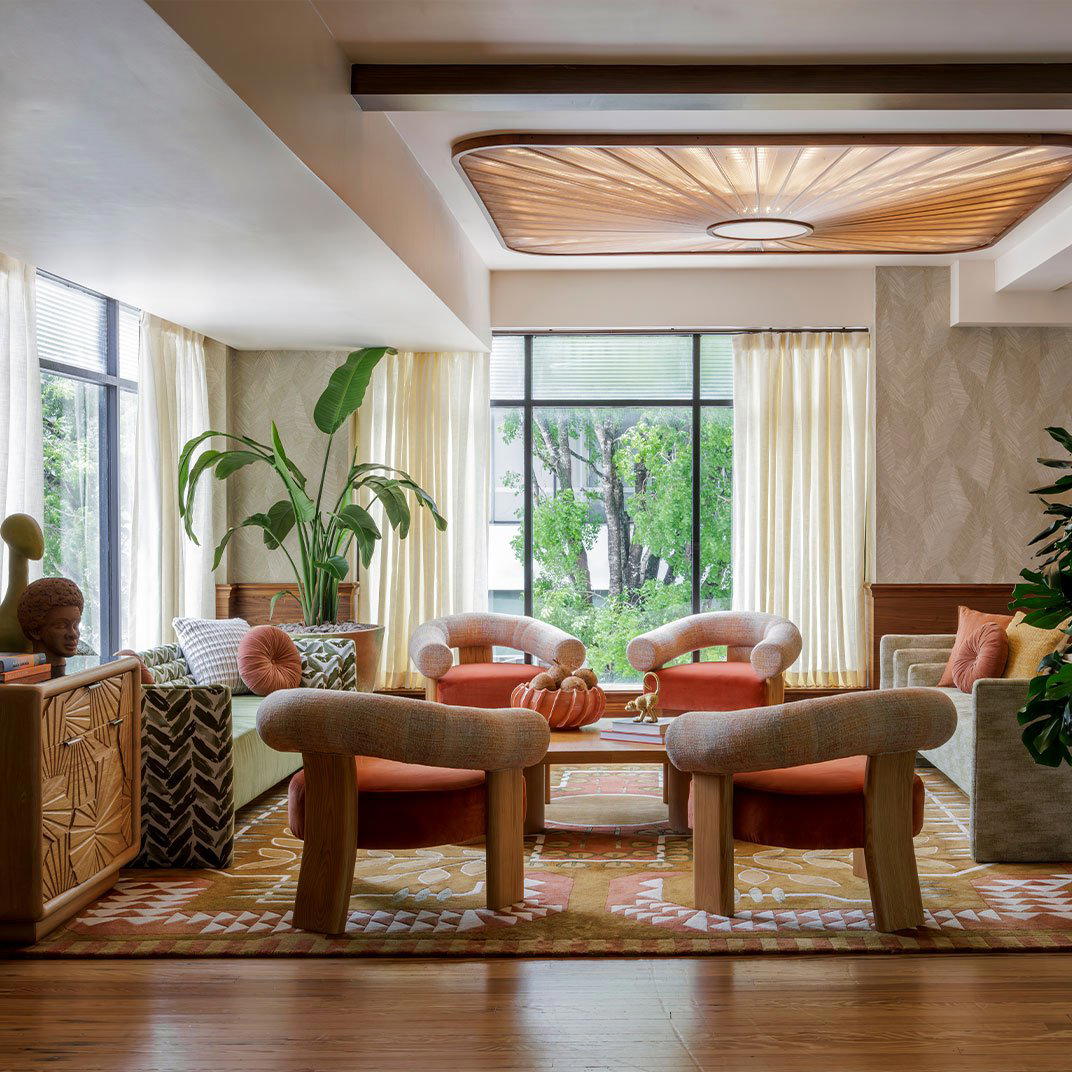
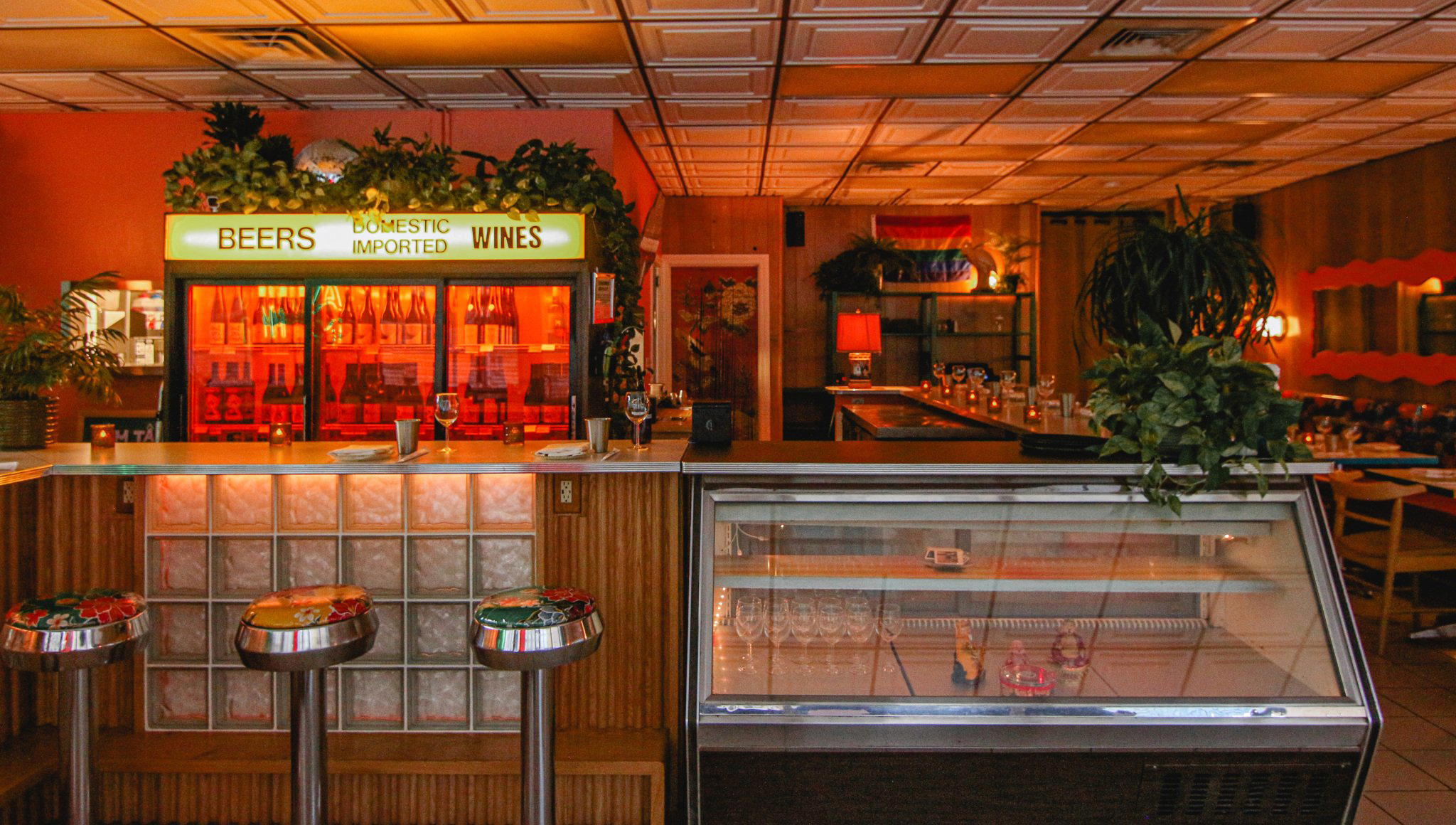
The physical environment on this block of SW 8th Street carries decades of layered use. Storefronts here are typically modest in scale, with interiors that prioritize function over designed atmosphere. The kind of self-conscious aesthetic curation visible at, say, Lazy Bear in San Francisco or Providence in Los Angeles is absent by design or by tradition. What you encounter instead is a room that has been shaped by years of use rather than by a hospitality concept. Lighting tends toward the functional; tables are typically set for efficiency; the noise level is calibrated by the crowd rather than managed by acoustic design.
That is not a criticism. It is a description of a category. The dining rooms that have held the most meaning for the longest stretches of time in American food culture, the old-school Italian-American red-sauce rooms, the Creole lunch counters in New Orleans, the Cuban cafeterias of Southwest Miami, were never designed to signal sophistication. They were designed to feed people reliably, and the meaning accumulated through repetition.
Where El Cristo Sits in the Miami Picture
Miami's dining scene has stratified sharply over the past fifteen years. Below that tier, the mid-market has been colonized by national chains and fast-casual formats that have little to do with Miami's specific food culture.
What survives in the gap, and this is true in Miami as in most American cities, is the category of restaurants that are too old and too rooted to be displaced by trend cycles. El Cristo occupies that position on Calle Ocho. It is not competing for the same diner as Blue Hill at Stone Barns or Atomix in New York City. It is competing, if competition is even the right frame, for the loyalty of people who know what Cuban food on SW 8th Street is supposed to taste like and who return to test that knowledge against memory.
For a broader map of where El Cristo fits within Miami's dining geography, the full Miami restaurants guide provides context across neighborhood, price tier, and cuisine type. The Calle Ocho cluster represents one of the city's most historically specific dining zones, distinct from the coastal, hotel-anchored, or Design District-adjacent restaurants that dominate most Miami coverage.
Planning a Visit
SW 8th Street is accessible by car with street parking available along the corridor, and the neighborhood is walkable for those staying in nearby Brickell or the Roads neighborhood. Given the limited publicly available data on current hours and reservation policy, visiting during midday on a weekday tends to align with the operational rhythms of long-standing neighborhood restaurants in this part of Miami, but confirming hours directly before arrival is worth the effort. El Cristo is not part of the city's online-booking infrastructure in the way that higher-concept restaurants are, which means phone or walk-in contact remains the more reliable approach.
A Credentials Check
| Venue | Cuisine | Price | Awards |
|---|---|---|---|
| El Cristo RestaurantThis venue — the venue you are viewing | Not listed | Not listed | This venue |
| Cote Miami | Korean Steakhouse, Korean | $$$ | Michelin 1 Star |
| Ariete | Modern American, Contemporary | $$$$ | Michelin 1 Star |
| Boia De | Italian, Contemporary | $$$ | Michelin 1 Star |
| Stubborn Seed | Progressive American, Contemporary | $$$$ | Michelin 1 Star |
| Los Fuegos by Francis Mallmann | Argentinian | $$$$ | Argentinian |

At a Glance
- Classic
- Cozy
- Lively
- Family
- Casual Hangout
- Brunch
- Street Scene
Current opening hours
- Monday
- 9 AM–11 PM
- Tuesday
- 9 AM–11 PM
- Wednesday
- 9 AM–11 PM
- Thursday
- 9 AM–11 PM
- Friday
- 9 AM–1 AM
- Saturday
- 9 AM–1 AM
- Sunday
- 9 AM–12 AM
Hours can change for holidays and private events. Last verified .
Warm and welcoming family-style atmosphere with a lively community feel.
Know Before You Go
- Getting there
- 1543 SW 8th St, Miami, FL 33135