Lo D' Alex
Lo D' Alex sits at 9610 SW 8th St in the heart of Miami's Calle Ocho corridor, a stretch where Cuban and Latin American dining traditions run deep and community-facing restaurants outlast trends by decades. Where much of Miami's restaurant conversation gravitates toward Brickell and the Design District, this part of Southwest Miami operates on a different register entirely — one defined by regulars, neighbourhood loyalty, and the kind of dining that doesn't require a publicist.
Pearl is the En Primeur Club membership app — saves, bookings, and concierge access live there. Same editors, same standards.
- Address
- 9610 SW 8th St, Miami, FL 33174
- Phone
- +13058278917
- Website
- lodalex.miami
- Directions
- Get directions
 Saves & bookings on Pearl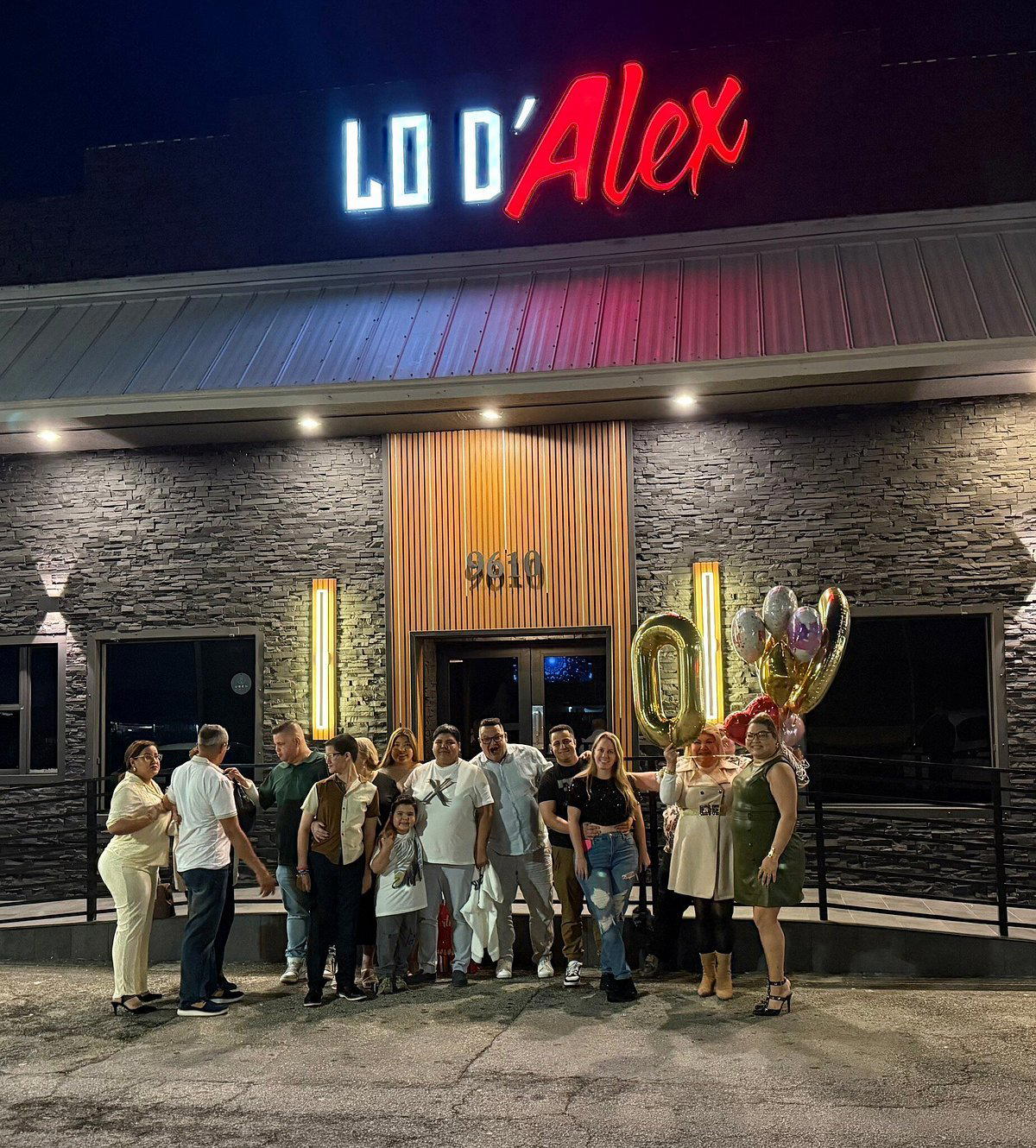
Where Calle Ocho's Dining Logic Still Holds
Southwest 8th Street in Miami is one of the few stretches in the city where the dining room comes before the concept. The corridor running through Little Havana and into the broader Westchester and Flagami neighbourhoods has always organised itself around community rather than novelty. Restaurants here earn their following through consistency and proximity, not through launch parties or social media cycles. Lo D' Alex, at 9610 SW 8th St, occupies a position in that geography: a Southwest Miami address that places it squarely outside the media-facing dining zones of Wynwood, Brickell, and the Design District, and inside a neighbourhood where the room itself tends to carry the relationship with its guests.
That geographic fact shapes almost everything about how to read a restaurant on this corridor. It is not the format-driven dining of Brickell's upper tier, where tasting menus and chef pedigree function as the primary currency. The comparison that matters on SW 8th is durability — whether a room can hold a neighbourhood's trust across years rather than seasons.
The Physical Logic of a Neighbourhood Room
The editorial angle that makes most sense for a restaurant at this address is spatial and contextual rather than gastronomic or credential-driven. In Miami's Latin dining corridors, the physical space of a restaurant often carries more meaning than its menu engineering. The design logic of Calle Ocho-area restaurants has historically been practical and warm: rooms built to seat families, to absorb noise without feeling cold, to communicate welcome through proportions and materials rather than through designed scarcity. The high ceilings of Cuban lunch counters, the tiled surfaces of Colombian fondas, the open-front formats that blur the line between street and dining room — these are not aesthetic choices so much as inherited spatial grammar.
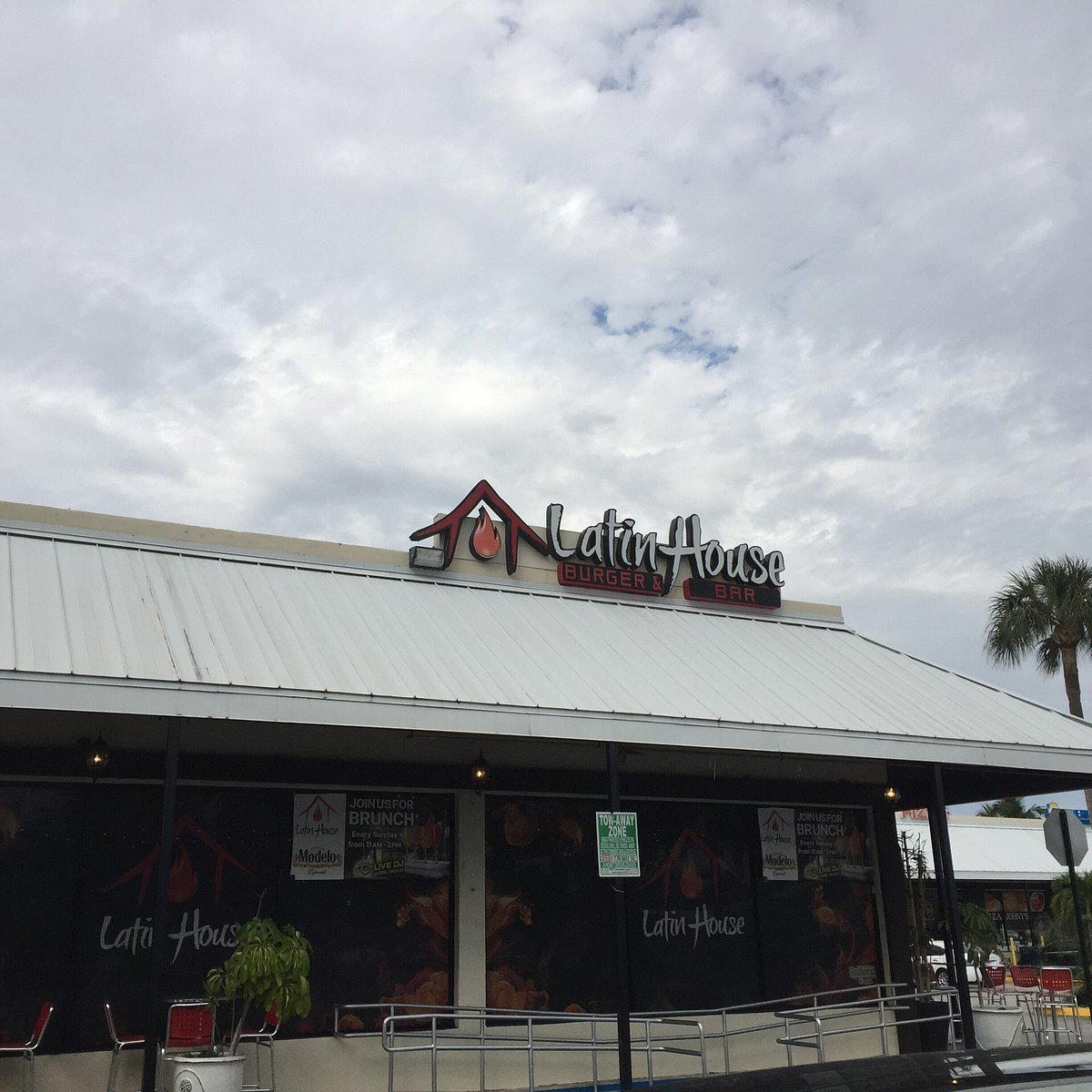
A restaurant at 9610 SW 8th St sits inside that grammar by default. The address places it in a strip of Southwest Miami where the built environment skews toward mid-century commercial construction: low-slung, wide-frontage buildings that predate the premium-retail aesthetic that has reshaped corridors like Wynwood and Midtown. Dining rooms in this zone tend to be honest about their physical conditions. Where Boia De in the Upper East Side operates through deliberate intimacy, a small room that functions as a signal of editorial seriousness, the Southwest corridor operates through openness and accessibility. The container communicates differently, and regulars read it that way.
Miami's Divided Dining Attention
Miami's restaurant conversation has a persistent structural bias toward the coasts and the tourist-facing corridors. The venues that attract the most critical attention, L'Atelier de Joël Robuchon Miami, the Brickell tasting-menu tier, the Design District's destination-format rooms, serve an audience that arrives with reviews already loaded on their phones. The SW 8th corridor serves a different audience: one that largely predates the city's current dining moment and will outlast whatever trend cycle is currently active.
That split matters for anyone trying to map Miami's full dining range. The restaurants that appear in the city's formal critical record represent a fraction of where Miami actually eats. The Latin American corridor running from Little Havana through Westchester and into Kendall constitutes one of the most substantive dining ecosystems in the Southeast United States, not because of Michelin attention or 50 Best placements, but because of the density and specificity of what is actually cooked and eaten there. Cuban, Colombian, Nicaraguan, Venezuelan, Peruvian, the breadth of that representation along a single corridor is a more accurate picture of Miami's food culture than any single tasting-menu room, however well-credentialed. For Peruvian cooking in Miami, ITAMAE represents the format-forward end of that tradition; the Southwest corridor represents its everday, community-rooted counterpart.
For context on how Miami's dining scene compares nationally, the city's most decorated rooms sit in a different tier from benchmark American fine dining institutions like Le Bernardin in New York City, Alinea in Chicago, or The French Laundry in Napa. What Miami offers as a counterweight is precisely what the SW 8th corridor delivers: depth of Latin American culinary tradition that has no peer in most American cities. Venues like Blue Hill at Stone Barns, Lazy Bear, or Addison represent the farm-to-table and progressive American strand that defines other cities' dining identities. Miami's identity is built on something older and less mediated.
Planning a Visit: What to Know
Lo D' Alex is located at 9610 SW 8th St, Miami, FL 33174. The address places it in Westchester, west of Little Havana proper, in a part of the city where parking is generally direct and the dining rhythm skews toward lunch and early dinner rather than the late-night seatings more common in South Beach or Brickell. Because no awards or formal critical recognition appears in the current record, this is a neighbourhood restaurant evaluated on its local standing rather than its external credentials. That is an honest framing, not a diminishment. For a fuller picture of where this fits in Miami's dining map, see our full Miami restaurants guide.
For those building a broader Miami itinerary that spans both the Southwest corridor and the city's more credential-driven rooms, the contrast is instructive. The distance between a family-facing Cuban room on SW 8th and the design-led precision of Atomix-tier dining is not just a matter of price, it is a matter of what dining is for. Both formats are serious. They are serious about different things. Restaurants like Providence in Los Angeles, Single Thread Farm in Healdsburg, The Inn at Little Washington, and Emeril's in New Orleans operate in a mode where the dining experience is itself the occasion. A neighbourhood room on SW 8th operates in a mode where the occasion is already assumed, it is the life happening around the table. Neither framing is more valid. Both deserve attention from anyone who claims to take food seriously. For international comparison, 8 1/2 Otto e Mezzo Bombana in Hong Kong represents the credential-maximalist end of this spectrum; the SW 8th corridor represents its opposite pole, and Miami is large enough to hold both.
At a Glance
- Lively
- Sophisticated
- Trendy
- Date Night
- Late Night
- Celebration
- Live Music
- Open Kitchen
- Craft Cocktails
Current opening hours
- Monday
- 12 PM–1 AM
- Tuesday
- 12 PM–1 AM
- Wednesday
- 12 PM–1 AM
- Thursday
- 12 PM–4 AM
- Friday
- 12 PM–4 AM
- Saturday
- 12 PM–4 AM
- Sunday
- 12 PM–1 AM
Hours can change for holidays and private events. Last verified .
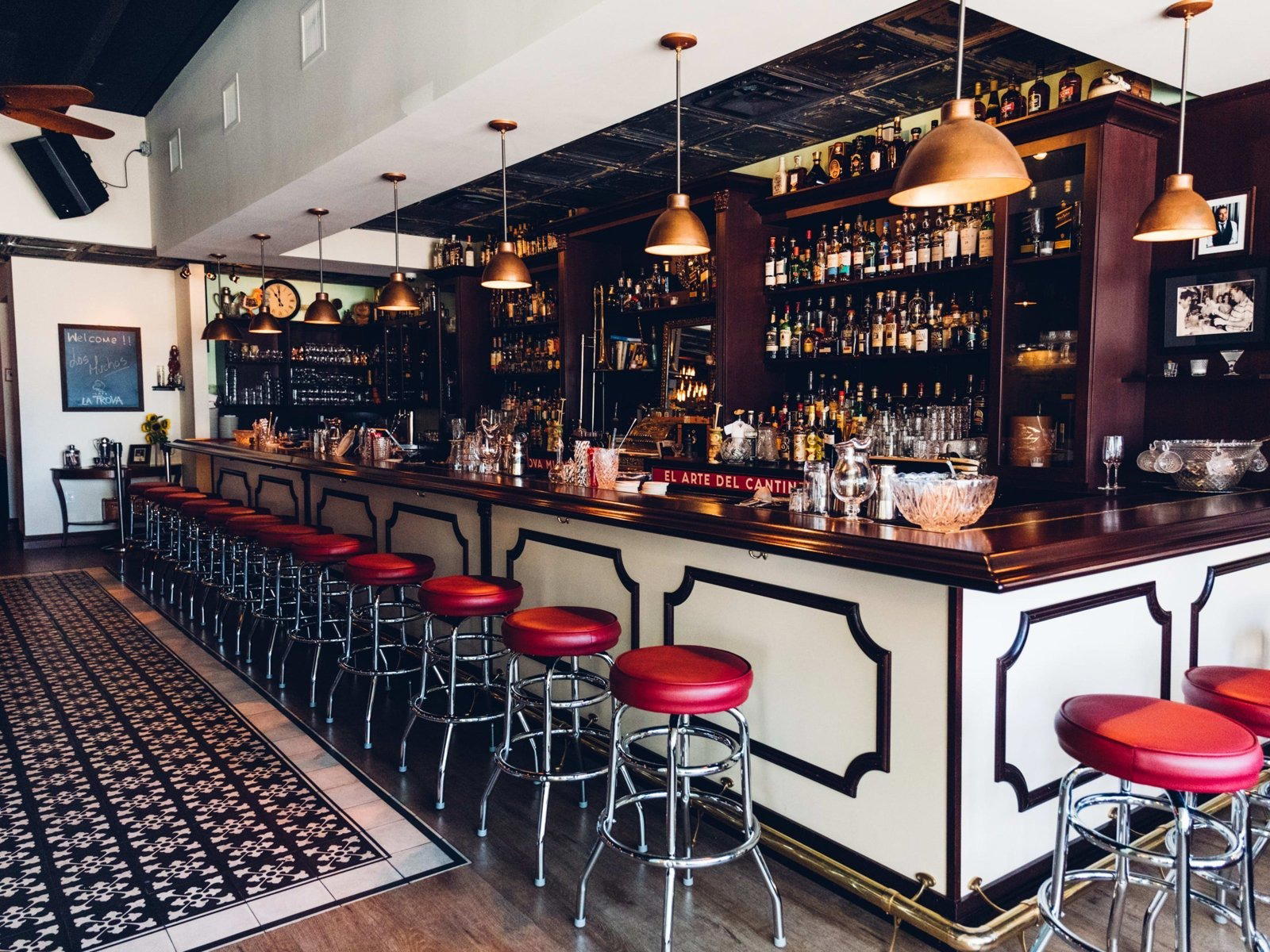
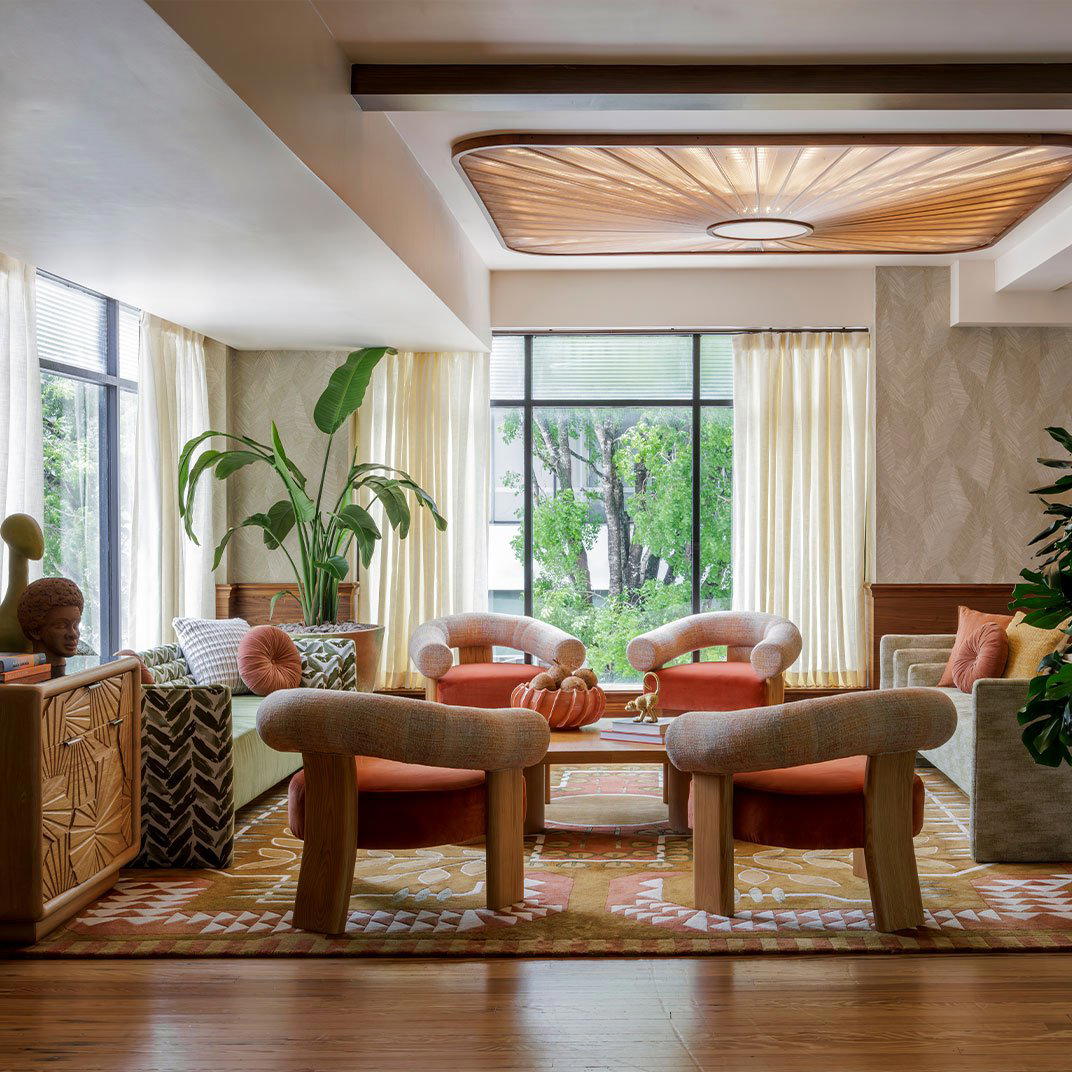
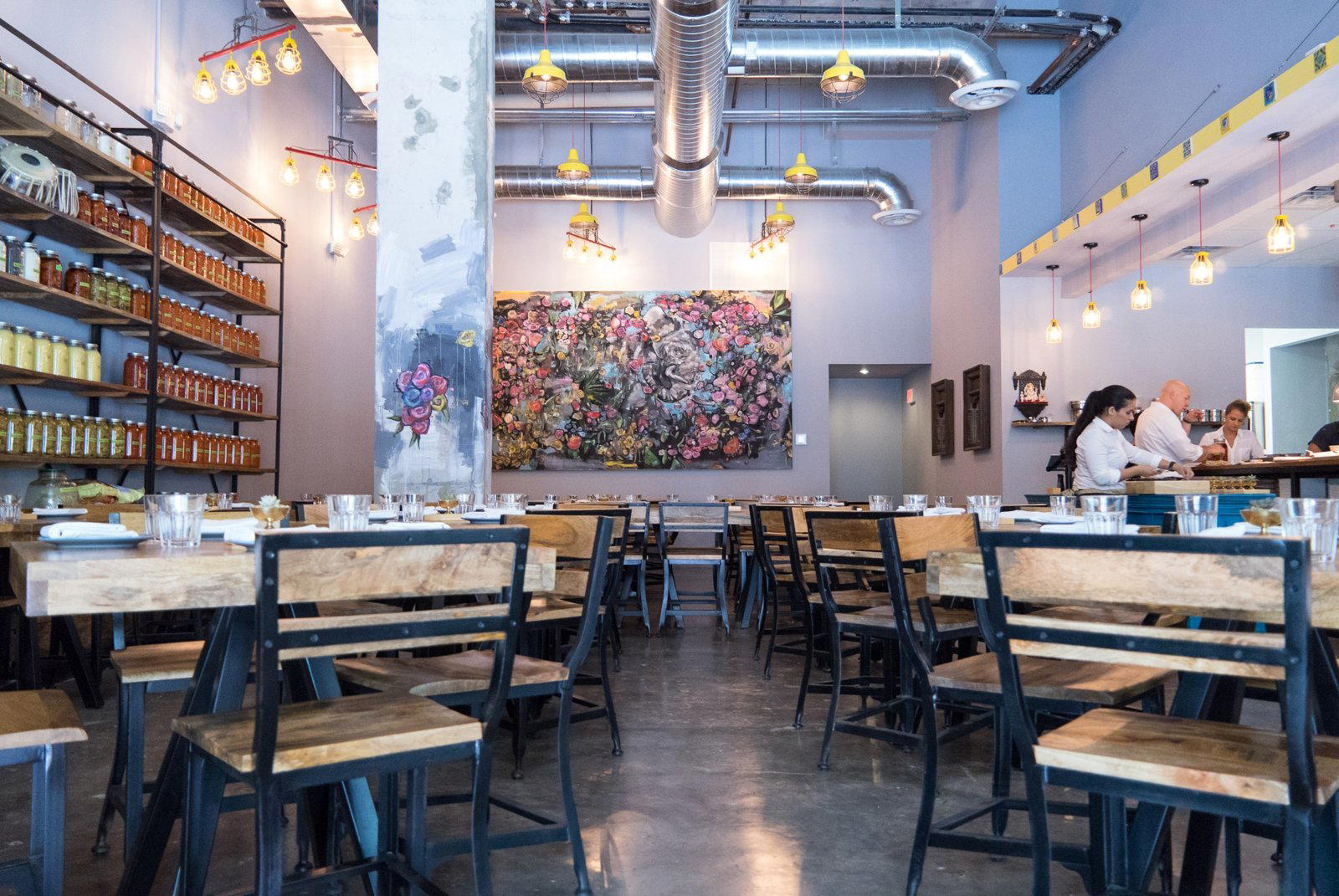
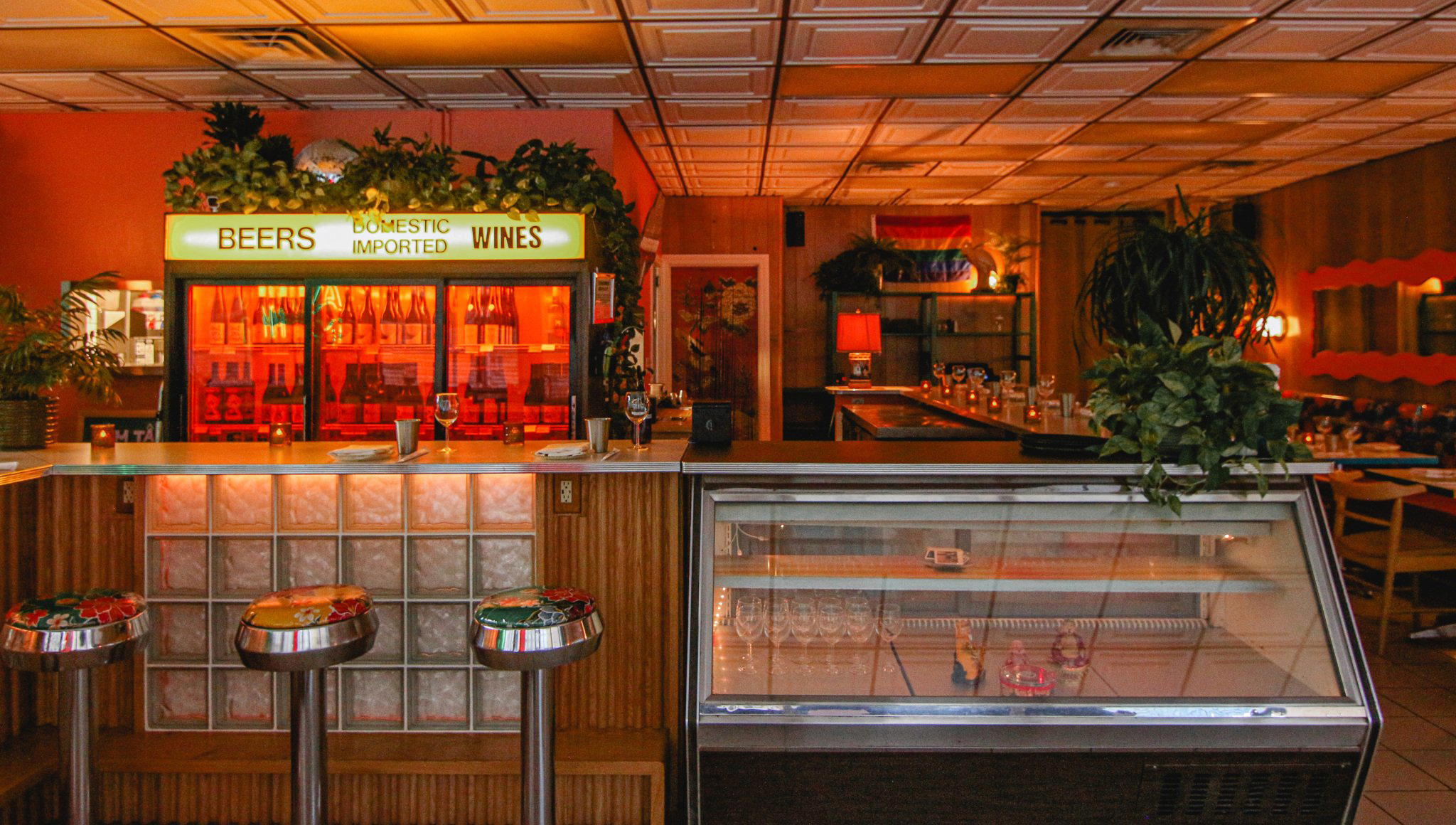
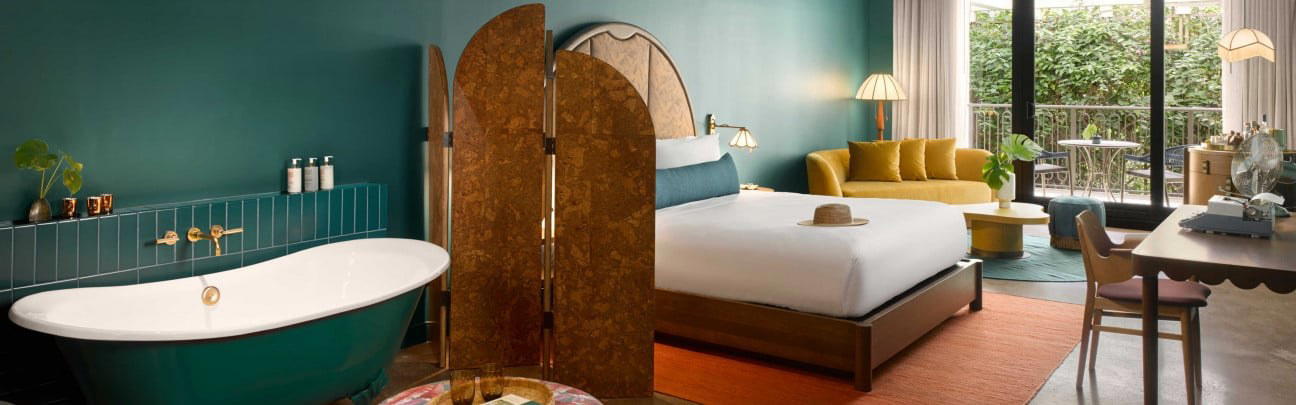
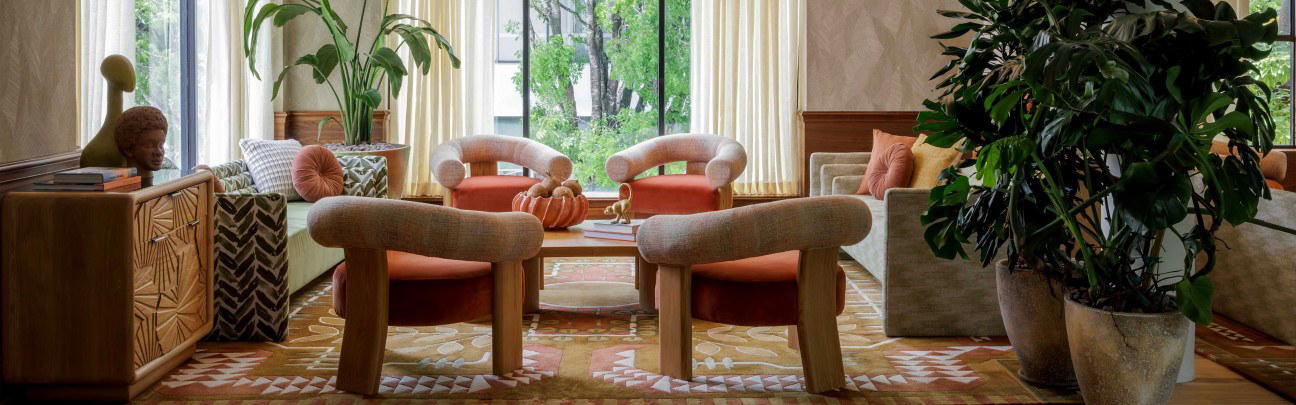
Sophisticated and inviting with red accents, wooden elements, nice lighting, and lively atmosphere enhanced by music.
Know Before You Go
- Getting there
- 9610 SW 8th St, Miami, FL 33174