On Goethestraße in Munich's Ludwigsvorstadt district, IRMI occupies a register that sits apart from the city's Michelin-heavy fine dining circuit. The address places it within easy reach of the Glockenbachviertel's more casual dining energy, while the room itself reads as something more considered. The lunch and dinner services each carry a distinct character worth understanding before you book.
Pearl is the En Primeur Club membership app — saves, bookings, and concierge access live there. Same editors, same standards.
- Address
- Goethestraße 4, 80336 München, Germany
- Phone
- +491726750982
- Website
- irmi-muenchen.de
- Directions
- Get directions
 Saves & bookings on Pearl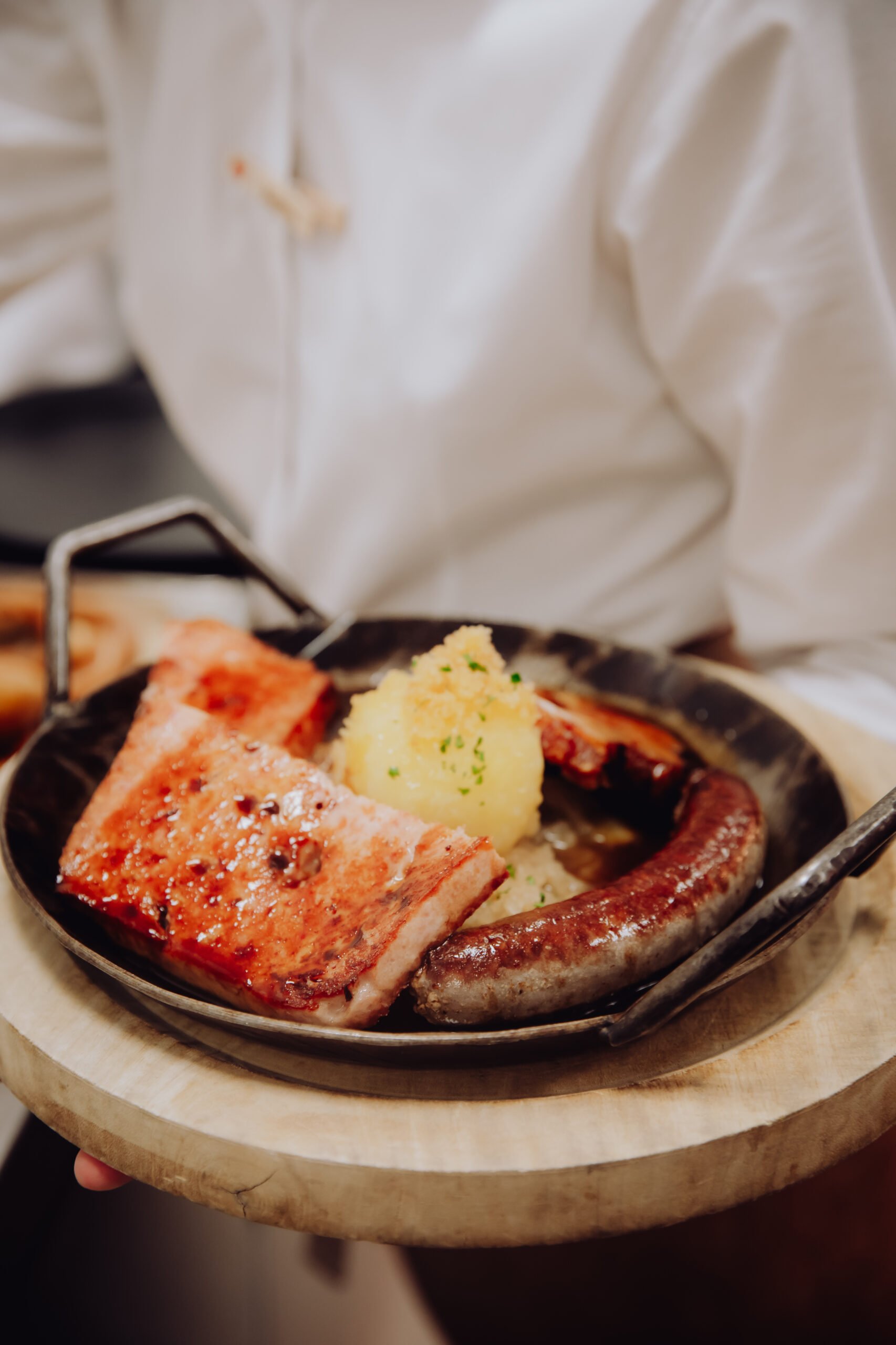
Between the Formal and the Familiar: Munich's Mid-Register Dining Scene
Munich's restaurant culture has long operated along a clear fault line. At one end sits the concentrated cluster of multi-Michelin-starred rooms, Tantris, Atelier, Alois - Dallmayr Fine Dining, JAN, and Tohru in der Schreiberei, where tasting menus run long and reservations run longer. At the other end sits the city's deeply rooted Bavarian tavern tradition, where the calendar and the beer garden set the pace. Between those poles, a quieter category of address has been establishing itself: rooms that trade on a more personal register without aspiring to ceremony. IRMI is a restaurant at Goethestraße 4 in Munich, serving a modern Munich kitchen with Bavarian traditions.
That positioning is not a compromise. In cities like Vienna, Copenhagen, and now increasingly Munich, interesting dining propositions are often the ones that resist classification, too treated as casual, too relaxed to be fine dining. The value they offer is contextual: they hold their own at lunch when the formal rooms are closed or underperforming, and in the evening they offer a different kind of permission, one where the pacing is yours rather than the kitchen's.
Goethestraße and the Neighbourhood It Serves
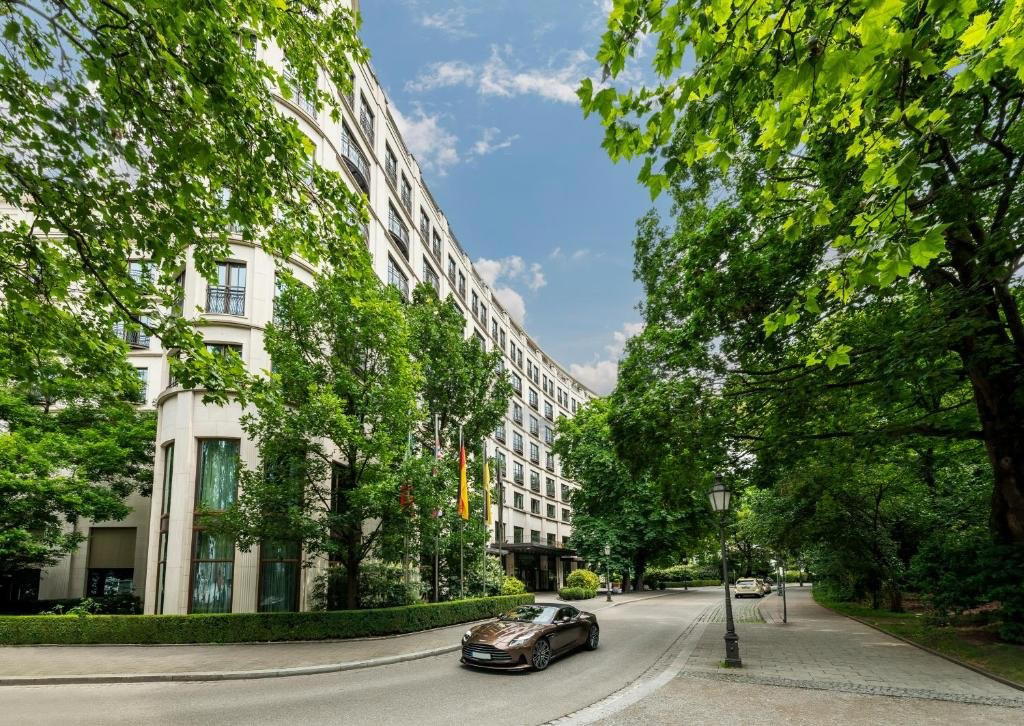
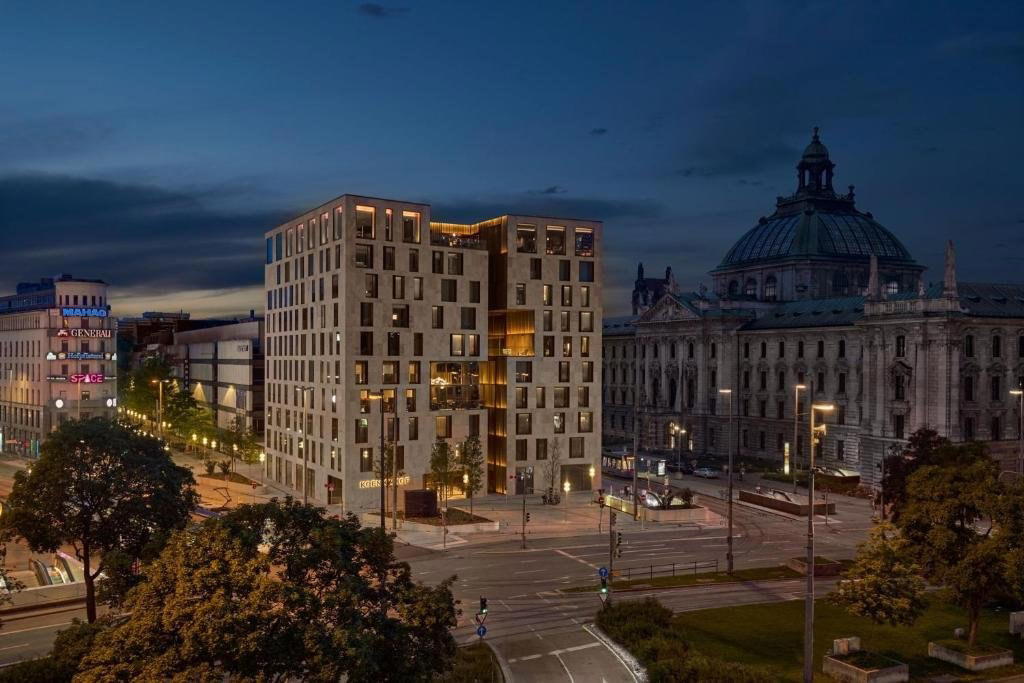
The address on Goethestraße puts IRMI in a part of Munich that has shifted steadily over the past decade. Ludwigsvorstadt borders the Glockenbachviertel to the south and sits within walking distance of the Sendlinger Tor U-Bahn stop, which makes it accessible without being tourist-facing. The stretch of Goethestraße itself draws a professional lunchtime crowd from the surrounding offices and a more mixed evening clientele from the neighbourhood proper. That dual audience shapes how rooms in this corridor tend to operate: lunch is efficient and local, dinner more open-ended.
Ludwigsvorstadt consistently delivers the kind of address that rewards familiarity over novelty, places that improve on the second or third visit once you understand what they are actually trying to do.
The Lunch and Dinner Divide
One useful lens for understanding IRMI is the gap between its daytime and evening service. Munich's upper-end rooms, and comparable addresses elsewhere in Germany, from Aqua in Wolfsburg to Schwarzwaldstube in Baiersbronn, typically operate dinner-only formats with extended multi-course structures. Lunch in those rooms, when available, is often a compressed, better-value version of the same proposition.
At a room like IRMI, the dynamic inverts slightly. Lunch is where the address earns its neighbourhood credentials: the pace is faster, the crowd is more local, and the menu likely leans toward the kind of dishes that reward a midday appetite. The evening service opens up room for the kitchen to show more of itself, longer plates, slower pacing, a wine list that gets more attention. This is the version of the room to visit when you want to understand what it is actually capable of, rather than what it does efficiently.
That lunch-versus-dinner distinction is worth mapping against the broader German dining scene. Rooms like Restaurant Haerlin in Hamburg or Schanz in Piesport have built reputations on the precision of their evening service, and their lunch offerings, where they exist, function as entry points into that world. IRMI operates at a different scale, but the principle, that the two services are genuinely different experiences, applies here too.
What the Room Communicates
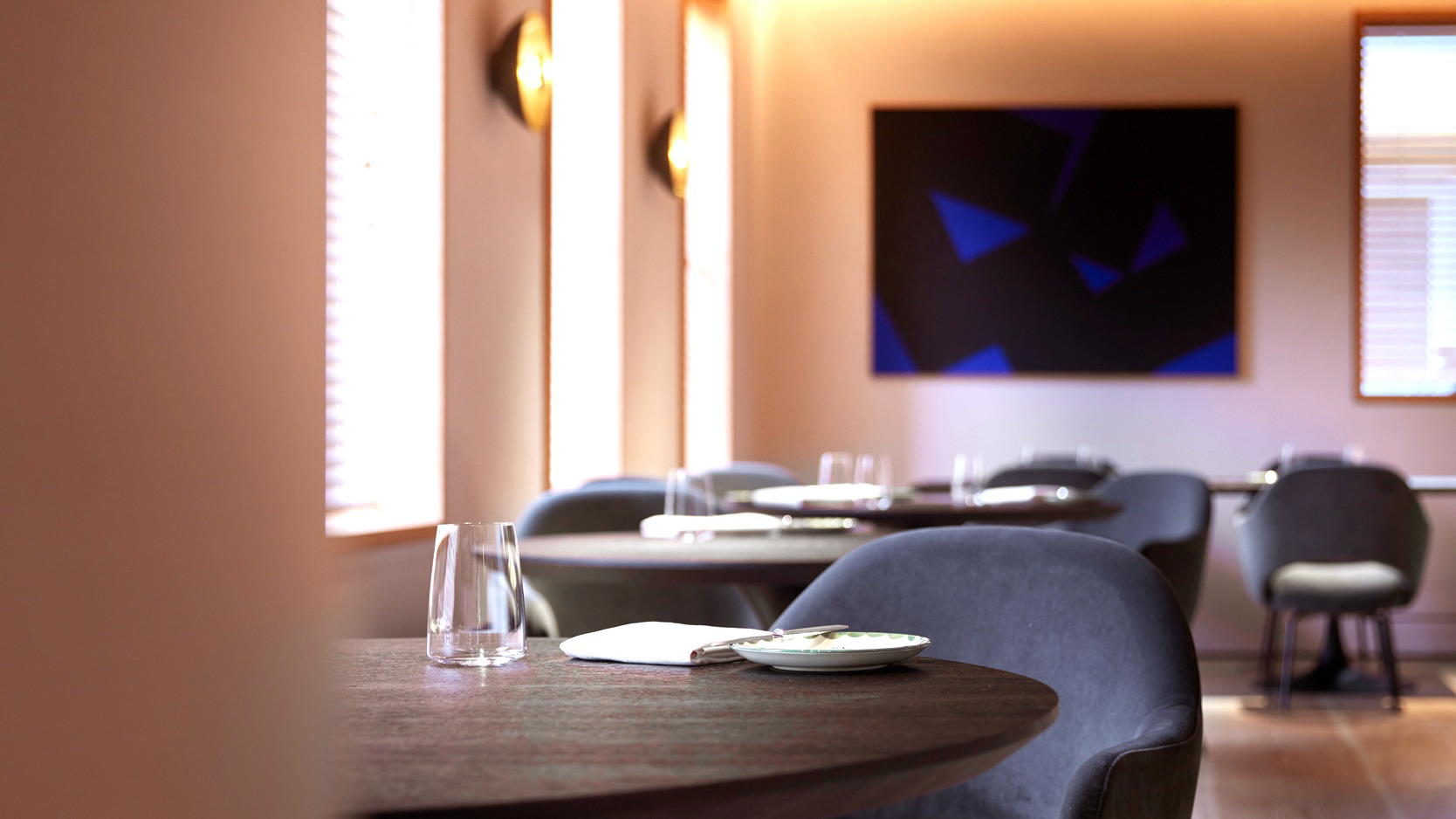
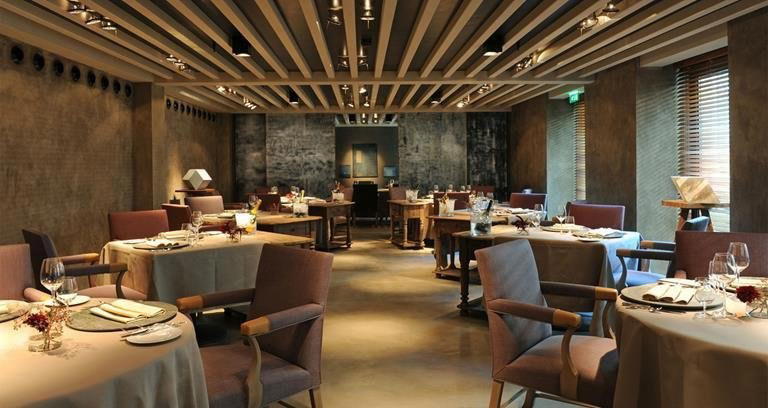
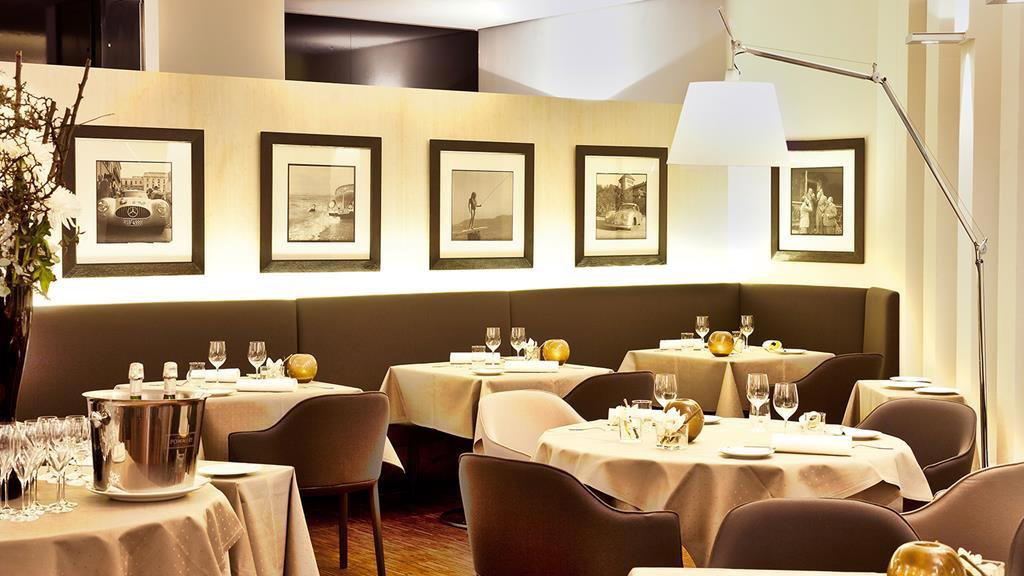
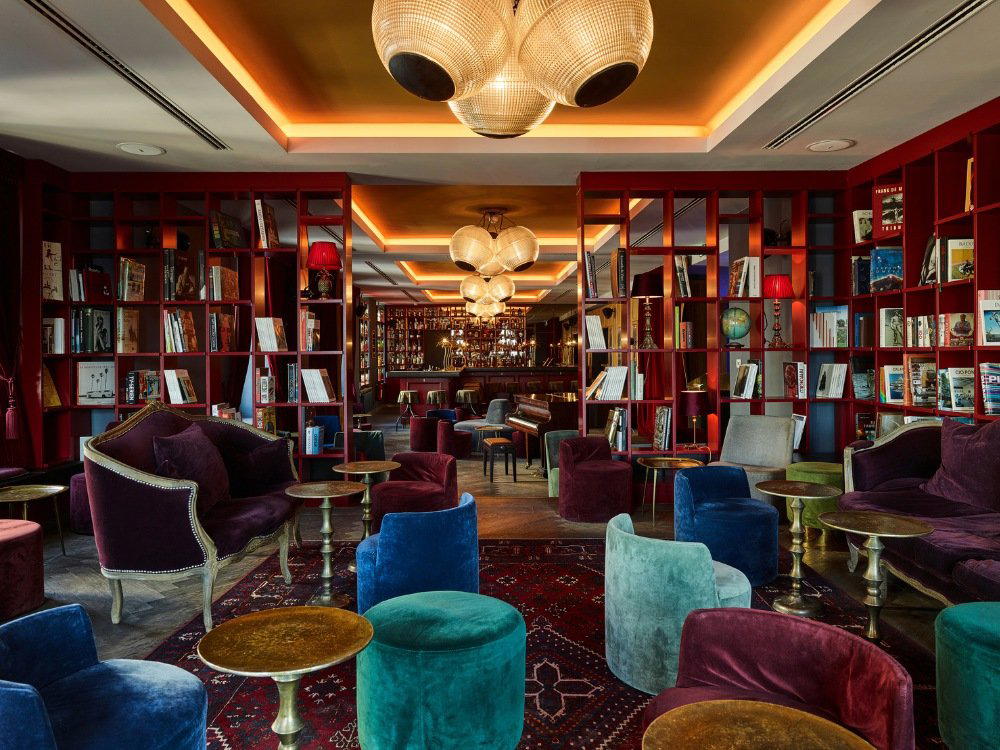
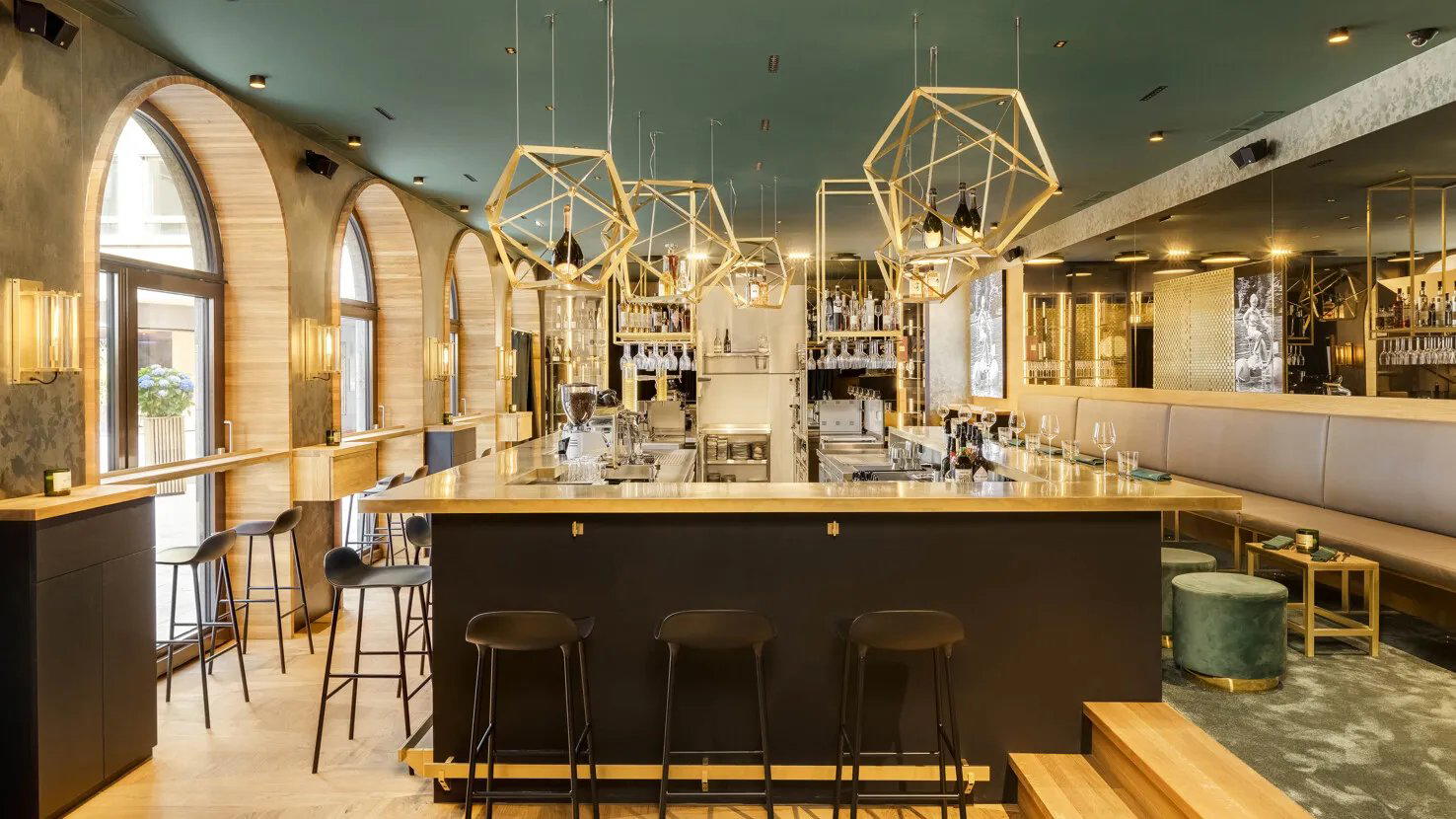
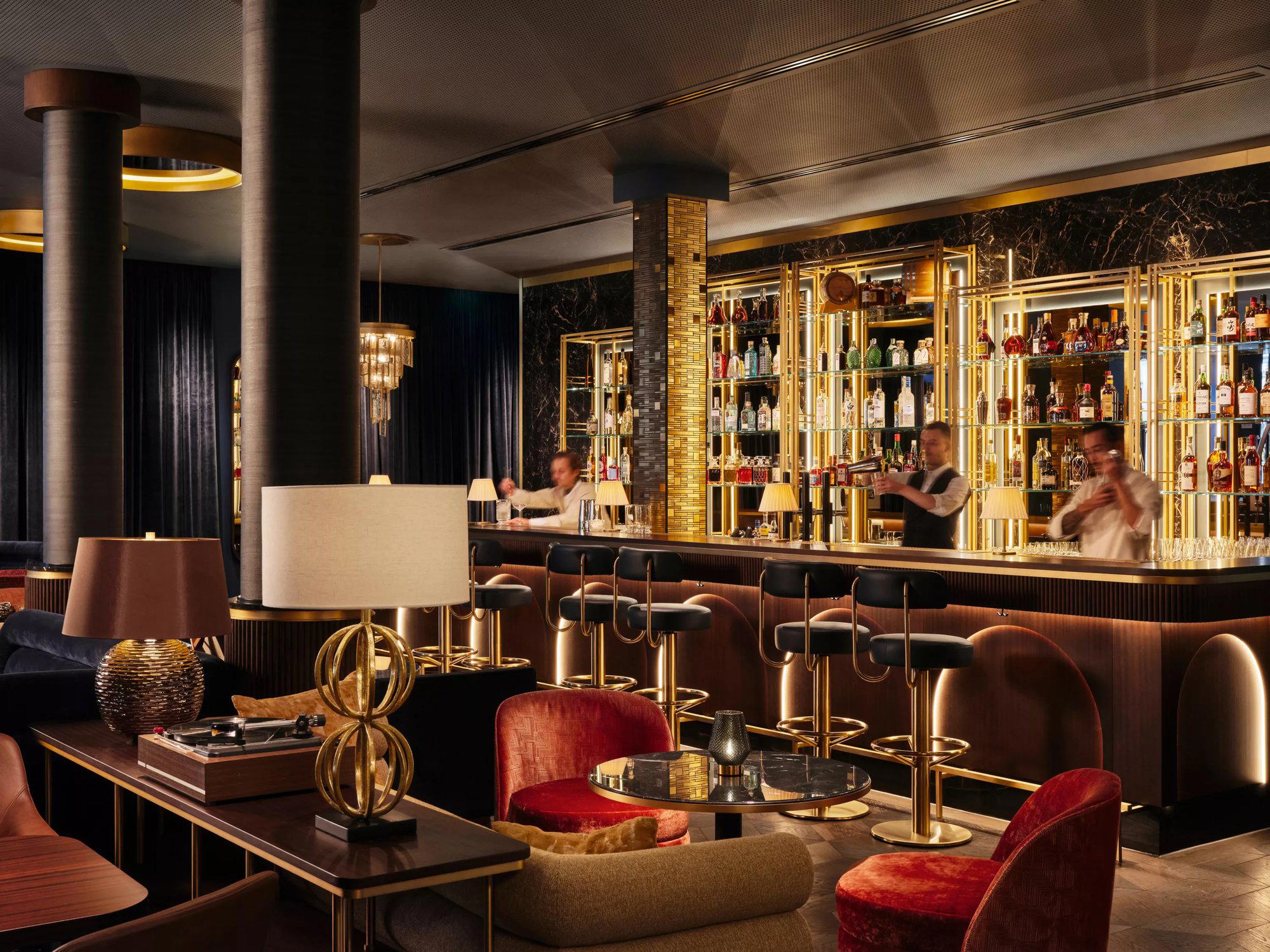
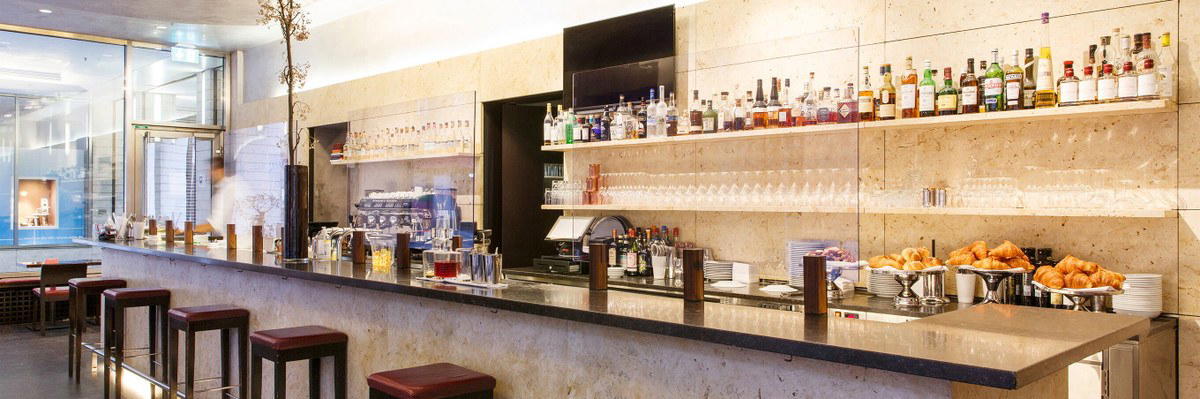
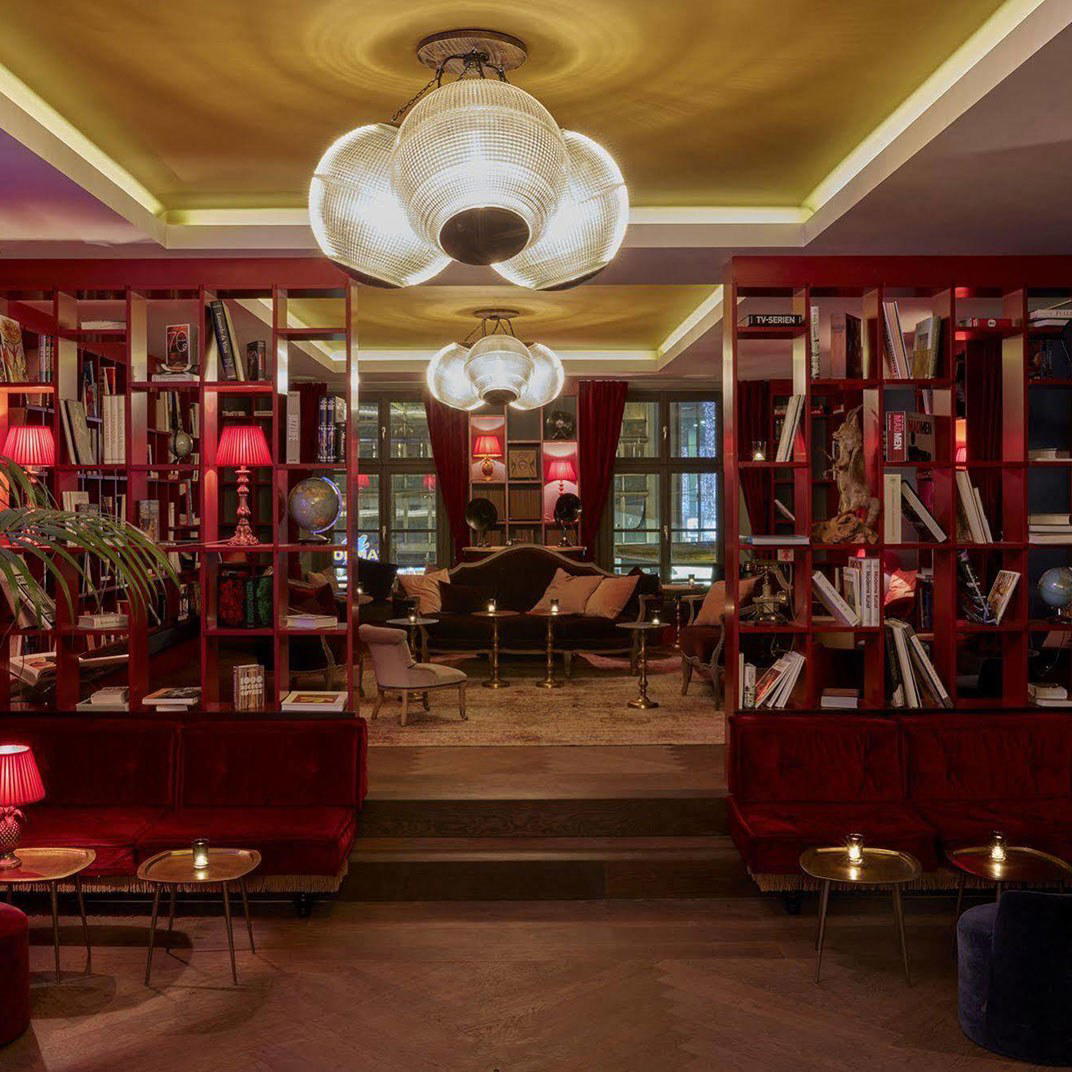
Without the theatre of a multi-course tasting format, rooms in IRMI's register live or die by the physical environment. German restaurant design in this tier has moved decisively away from the dark-wood-and-linen formality of the 1990s toward something more materially honest: concrete, natural textiles, open kitchens that allow some transparency into the cooking process. IRMI takes a more relaxed route than the hotel-restaurant model that dominates Munich's upper end.
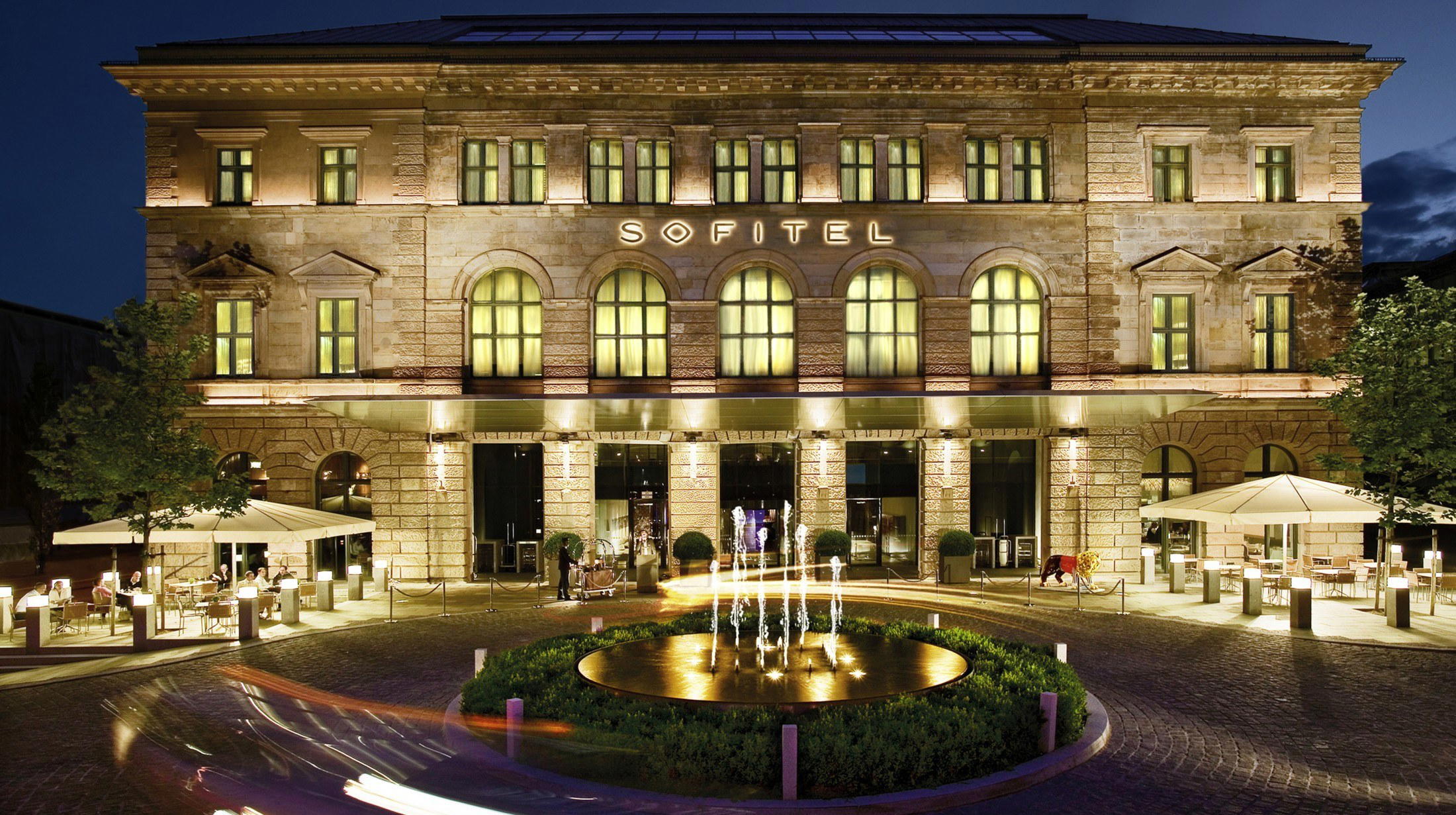
That matters because the hotel-restaurant format, think the Bayerischer Hof's fine dining operation or the rooms attached to the city's larger luxury properties, carries specific expectations about service formality and pricing that shape the entire experience. Independent addresses in the mid-register operate without that infrastructure, which cuts both ways: less ceremony, but also less of the logistical cushioning that hotel restaurants provide.
Where IRMI Sits in the German Fine Dining Map
Germany's serious dining scene is more geographically dispersed than France's or Spain's. The country's Michelin-heavy addresses are spread across cities and regions in a way that rewards the dedicated traveller: Vendôme in Bergisch Gladbach, Victor's Fine Dining by Christian Bau in Perl, Waldhotel Sonnora in Dreis, ES:SENZ in Grassau, each operates in relative isolation from the others, which gives Germany's dining culture a regional texture that Munich alone cannot represent. In that context, IRMI is specifically a Munich address: shaped by the city's particular mix of Bavarian tradition, international business culture, and the kind of neighbourhood eating that Glockenbachviertel and Ludwigsvorstadt have been developing for a generation.
For those building a broader German itinerary around serious eating, IRMI fits as a counterweight to the high-ceremony rooms rather than a stepping stone toward them. The comparison is useful: addresses like Bagatelle in Trier or CODA Dessert Dining in Berlin each occupy distinct niches in the German scene, and IRMI's niche is the Munich mid-register, where the cooking is expected to stand on its own without the scaffolding of Michelin stars or destination-restaurant mythology.
For international reference points, the shift toward serious but informal urban dining is visible in rooms like Atomix in New York City and even, at the more technically rigorous end, Le Bernardin, both of which demonstrate how the relationship between ambition and formality has been decoupling across global dining cultures for the better part of a decade.
Planning Your Visit
IRMI's location at Goethestraße 4 in Ludwigsvorstadt is accessible by U-Bahn via Sendlinger Tor (U1, U2, U3, U6), a short walk south along Lindwurmstraße. IRMI is open daily from 5 to 11:30 PM, and reservations are recommended. Reservations are recommended, especially for dinner. The dress code is casual.
Side-by-Side Snapshot
Comparable venues nearby, for context on price, style, and recognition.
| Venue | Cuisine | Price | Notes |
|---|---|---|---|
| IRMIThis venue — the venue you are viewing | Modern Munich Kitchen with Bavarian Traditions | $$ | Not listed |
| Café Münchner Freiheit | Traditional German Bakery Café | $$ | Schwabing |
| ZAR Gaststätten GmbH | Bavarian & International Gastropub | $$ | Rammersdorf |
| Augustiner-Keller | Traditional Bavarian Beer Garden | $$ | Neuhausen |
| Augustiner Stammhaus | Traditional Bavarian Beer Hall | $$ | Isarvorstadt |
| Wirtshaus Papa Benz | Modern Bavarian Gastropub | $$ | Schwabing |
At a Glance
- Cozy
- Modern
- Lively
- Rustic
- Casual Hangout
- Group Dining
- After Work
- Family
- Hotel Restaurant
- Terrace
- Open Kitchen
- Beer Program
- Craft Cocktails
- Local Sourcing
Current opening hours
- Monday
- 5–11:30 PM
- Tuesday
- 5–11:30 PM
- Wednesday
- 5–11:30 PM
- Thursday
- 5–11:30 PM
- Friday
- 5–11:30 PM
- Saturday
- 5–11:30 PM
- Sunday
- 5–11:30 PM
Hours can change for holidays and private events. Last verified .
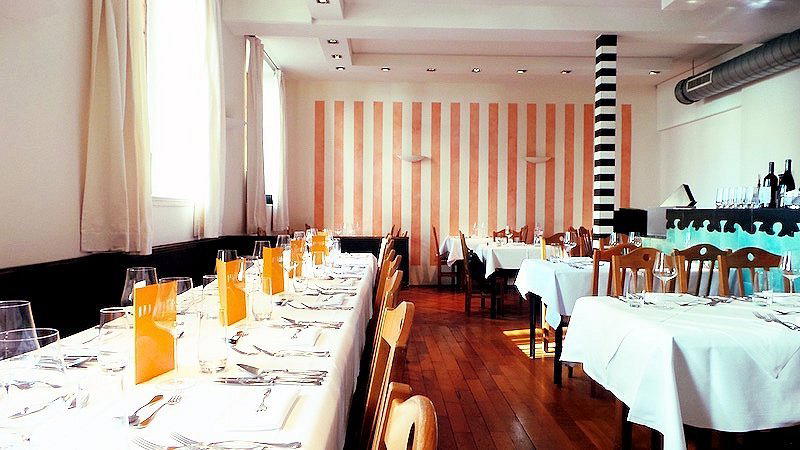
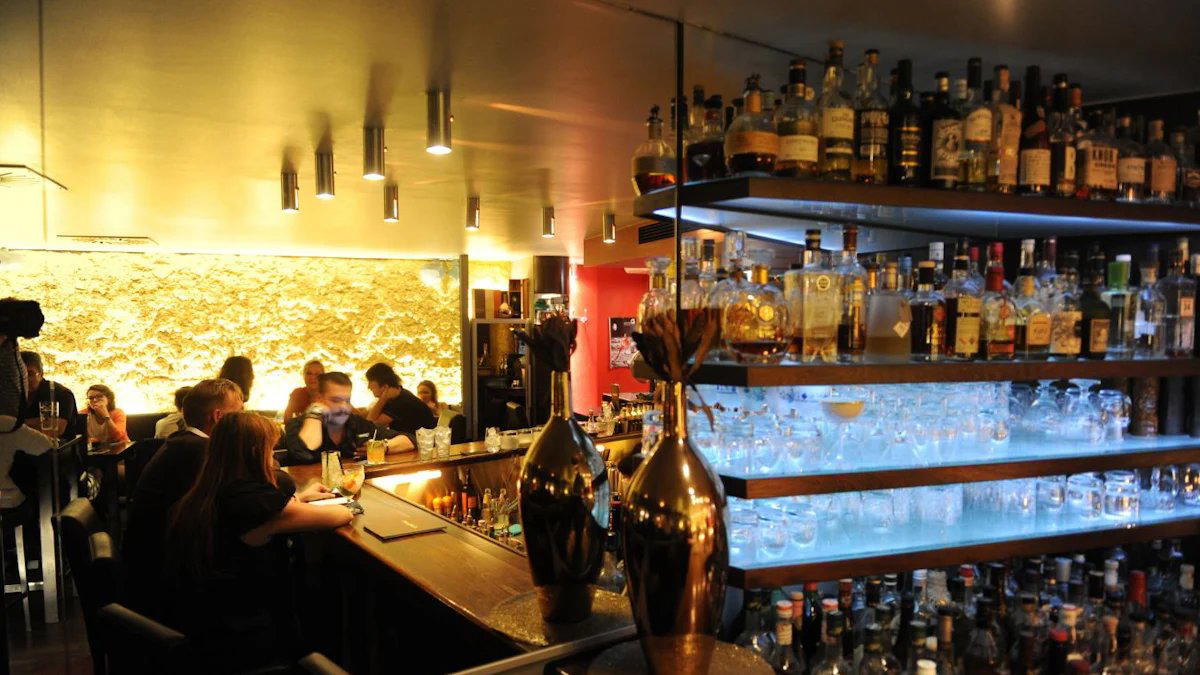
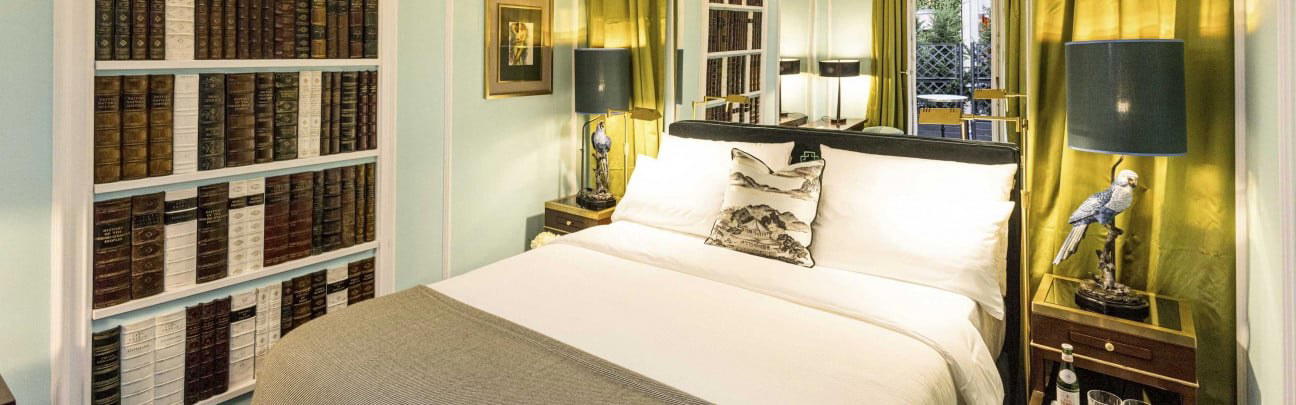
Fashionable urban design with natural materials, wooden tables, cozy niches, and large communal tables creating a welcoming, contemporary feel-good atmosphere.