Nam Giao 31 brings Vietnamese cooking to Maistraße in Munich's Ludwigsvorstadt district, operating within a city where Southeast Asian restaurants occupy a distinct and underserved niche relative to the dominant Central European fine-dining circuit. The address places it close to the Theresienwiese area, within walking distance of several of Munich's established dining corridors. Specific menu details, pricing, and booking information are best confirmed directly with the venue.
Pearl is the En Primeur Club membership app — saves, bookings, and concierge access live there. Same editors, same standards.
- Address
- Maistraße 31, 80337 München, Germany
- Phone
- +498959988033
- Website
- namgiao-31.de
- Directions
- Get directions
 Saves & bookings on Pearl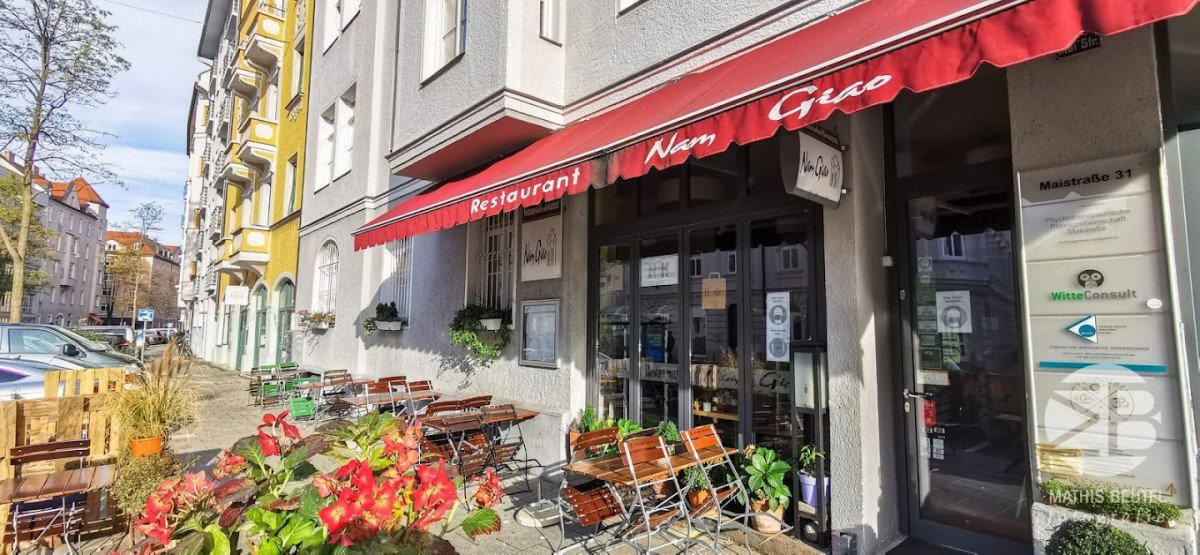
A Street, a Cuisine, a Gap in the City
Nam Giao 31 is a restaurant at Maistraße 31, 80337 München, Germany, serving authentic Vietnamese cooking in Munich's Ludwigsvorstadt. The street itself is not a restaurant row in the conventional sense, which makes the presence of a Vietnamese address at number 31 something worth examining in context. Munich's dining map has long been weighted toward Central European tradition, Bavarian taverns, the handful of destination fine-dining rooms at Tantris and Atelier, and a growing cohort of chef-driven creative kitchens including JAN and Alois - Dallmayr Fine Dining. Vietnamese cooking exists in that city as a category with real depth but relatively modest critical attention, which tells you something about where the culinary spotlight falls rather than about the quality of what is being served.
What Vietnamese Menu Architecture Actually Looks Like
Vietnamese restaurant menus in German cities tend to follow one of two structures: the broad, region-spanning document that tries to represent the entire country across dozens of dishes, or the tighter, more focused format that anchors itself to a specific regional tradition, northern pho-centred cooking, central Vietnamese complexity, or the sweeter, herb-laden compositions of the south. These two approaches signal fundamentally different things about how a kitchen operates. The broad format serves a diverse walk-in crowd and keeps procurement simple. The focused format demands more from both kitchen and supplier, and typically reflects a more specific culinary point of view.
Nam Giao is a name with clear geographic resonance: it refers to an ancient citadel in Hue, the former imperial capital of Vietnam, placing the name squarely in the tradition of central Vietnamese cooking. Whether the menu at Nam Giao 31 on Maistraße directly reflects that regional specificity in its full current form is something the venue itself should confirm, but the naming choice is not accidental. Hue cuisine is distinguished by its complexity relative to both Hanoi and Ho Chi Minh City traditions: smaller portions, more intricate preparation, a tendency toward spiced broths and fermented accompaniments that carry historical weight from the imperial court. If the kitchen follows that thread even partially, it occupies a narrower and more interesting slice of the Vietnamese category than a pan-Vietnamese menu would suggest.
This matters for how you read the menu when you arrive. Dishes rooted in Hue tradition often arrive in smaller, more composed form, the bun bo Hue broth is heavier and more aromatic than its Hanoi counterpart, banh khoai differs from the southern banh xeo in both batter and filling, and the use of mam tom (shrimp paste) as a condiment reflects a flavour intensity that can surprise diners accustomed to milder southern Vietnamese cooking. Across Germany, the restaurant formats that handle this regional specificity most credibly are generally those with tighter menus, regular rotation of dishes by season and availability, and kitchens willing to let unfamiliar ingredients drive the decision. At Tohru in der Schreiberei, the Japanese-German hybrid format similarly depends on that kind of disciplined specificity to hold together. The mechanism is the same even when the cuisines differ.
Munich's Vietnamese Tier and Where This Address Sits
Munich has a Vietnamese restaurant presence that has grown steadily since the 1980s, driven in part by the Vietnamese community that settled in Bavaria via former East German labour migration routes and later through direct immigration. That community gave the city an early and genuine Vietnamese food culture, distinct from the more tourist-facing formats that appeared in some other German cities. The neighbourhood concentration of these restaurants has shifted over decades, with some of the more established operators now scattered across the inner suburbs rather than clustered in a single district.
What distinguishes the better Vietnamese addresses in Munich from the generic ones is largely a function of sourcing and menu discipline. Lemongrass, galangal, fresh herbs in volume, and the specific fermented or dried components that give Vietnamese broths their depth are not automatic, they require supply relationships and kitchen commitment that not every operator maintains at consistent quality. The positioning of Nam Giao 31 on a relatively quiet Ludwigsvorstadt side street suggests a local neighbourhood focus rather than a destination-dining pitch, which in Vietnamese restaurant terms is often where the more honest cooking gets done. The high-traffic tourist-facing Vietnamese restaurant in a central European city and the modest neighbourhood address serving a regular local clientele are frequently two different products, and the latter tends to carry less compromise.
For comparison with Munich's fine-dining tier, the reference points are entirely different. The Michelin-starred rooms, represented in Munich by addresses like Tantris, Atelier, and Alois - Dallmayr Fine Dining, and across Germany by Aqua in Wolfsburg, Schwarzwaldstube in Baiersbronn, and Vendôme in Bergisch Gladbach, operate in a category with different price signals, format conventions, and booking complexity. The restaurant does not compete in that tier, and the comparison is less useful than understanding what the Vietnamese neighbourhood restaurant category in Munich actually delivers and where the better options sit within it.
Planning Your Visit
The restaurant is recommended for reservations and typically offers casual dining at about $20 per person.
| Venue | Category | Price Tier | Booking Lead Time |
|---|---|---|---|
| The restaurant | Vietnamese, neighbourhood | Not confirmed | Confirm directly |
| Tantris | Modern French | €€€€ | Several weeks |
| Atelier | Creative French | €€€€ | Several weeks |
| JAN | Creative | €€€€ | Several weeks |
| Tohru in der Schreiberei | Modern German-Japanese | €€€€ | Several weeks |
Cuisine and Recognition
Comparable venues nearby, for context on price, style, and recognition.
| Venue | Cuisine | Price | Notes |
|---|---|---|---|
| Nam Giao 31This venue — the venue you are viewing | Authentic Vietnamese | $$ | Not listed |
| Annam Grill | Authentic Vietnamese | $$ | Theresienwiese |
| Jack Glockenbach | Authentic Vietnamese | $$ | Isarvorstadt |
| Restaurant Tyni | Authentic Vietnamese Streetfood | $$ | Theresienwiese |
| Saigon Deli | Authentic Vietnamese Street Food | $$ | Haidhausen |
| Anh-Thu Restaurant | Authentic Vietnamese | $$ | Schwabing |
At a Glance
- Cozy
- Casual Hangout
- Standalone
Current opening hours
- Monday
- 11:30 AM–3 PM, 5:30–10:30 PM
- Tuesday
- 11:30 AM–3 PM, 5:30–10:30 PM
- Wednesday
- 11:30 AM–3 PM, 5:30–10:30 PM
- Thursday
- 11:30 AM–3 PM, 5:30–10:30 PM
- Friday
- 11:30 AM–3 PM, 5:30–10:30 PM
- Saturday
- 5:30–10:30 PM
- Sunday
- 11:30 AM–3 PM, 5:30–10:30 PM
Hours can change for holidays and private events. Last verified .
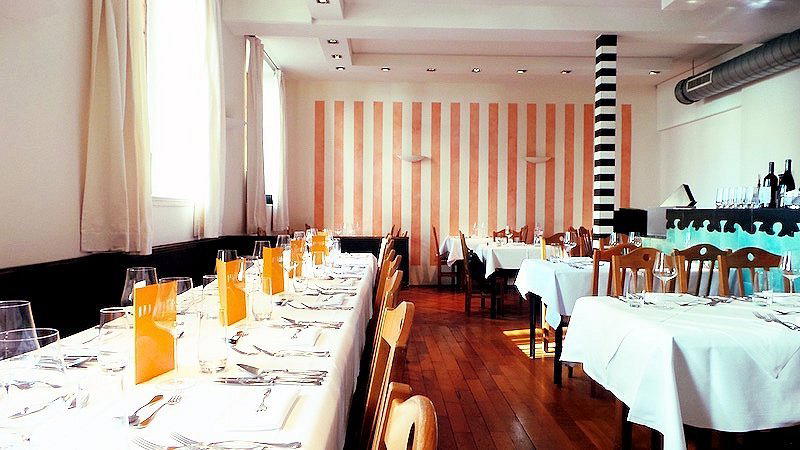
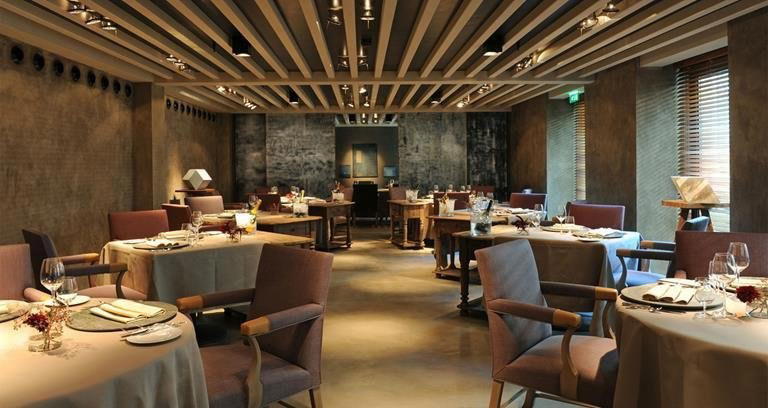
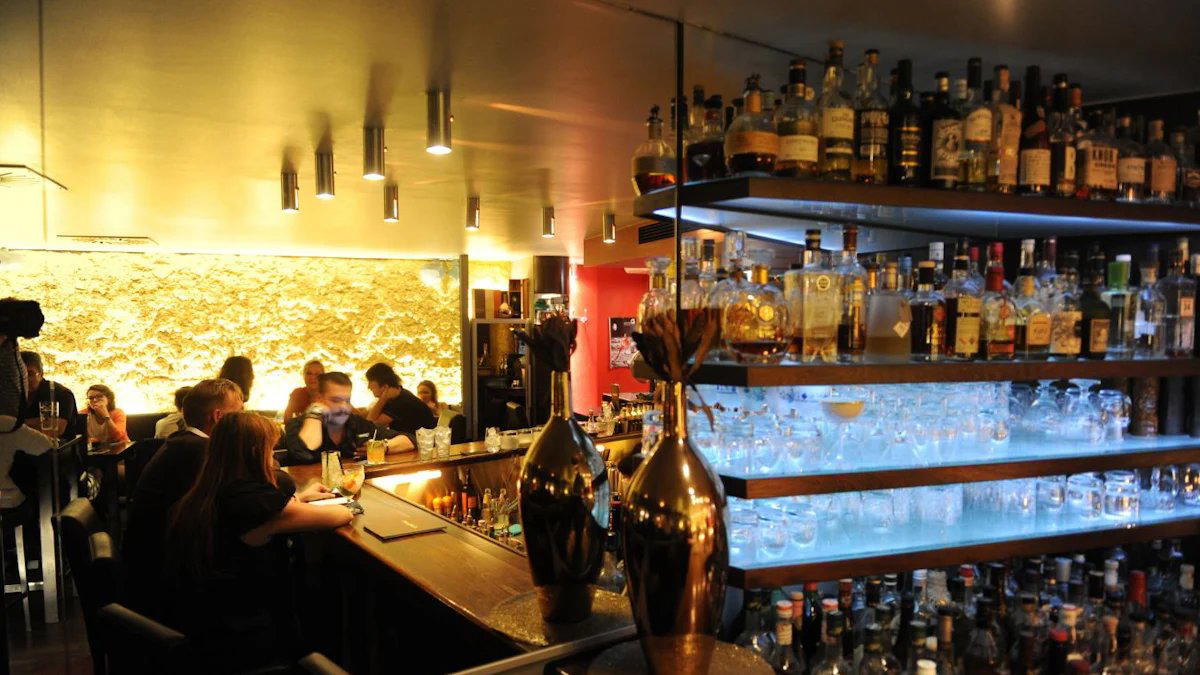
Cozy and relaxed atmosphere on a quiet street, praised for its welcoming vibe.