Mitsu-Ken
Mitsu-Ken at 2300 N King St sits squarely in Honolulu's working-class Kalihi corridor, where plate lunch counters and family-run kitchens define the neighbourhood's food identity. The operation draws a loyal local following with the kind of low-key, cash-and-carry format that characterises Oahu's most enduring neighbourhood institutions. Arrive early, because lines form before service begins.
Pearl is the En Primeur Club membership app — saves, bookings, and concierge access live there. Same editors, same standards.
- Address
- 2300 N King St, Honolulu, HI 96819
- Phone
- (808) 848-5573
- Website
- clover.com
- Directions
- Get directions
 Saves & bookings on Pearl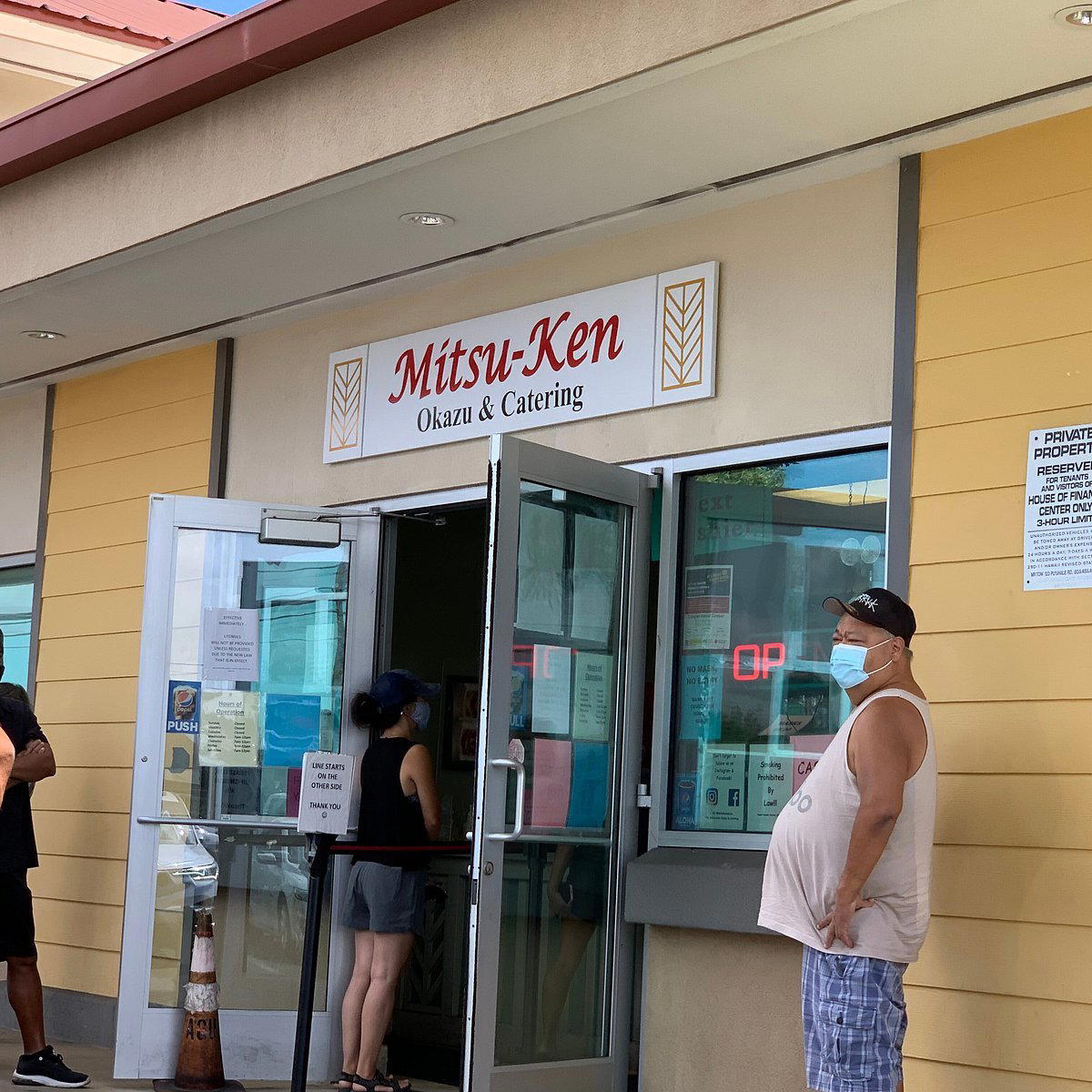
Kalihi's Counter Culture
Not every serious eating address in Honolulu announces itself with a waterfront view or a valet stand. The stretch of North King Street running through Kalihi is one of the city's most instructive food corridors — a neighbourhood where Japanese, Filipino, Korean, and Hawaiian culinary traditions converged generations ago and stayed, producing the kind of unpretentious, ingredient-focused cooking that defines Oahu's plate lunch identity. Mitsu-Ken at 2300 N King St operates within that tradition, on a block where the signage is modest, the parking is improvised, and the queue out front tells you more than any review could.
Kalihi sits several miles northwest of Waikiki, well outside the tourist circuit that concentrates visitors around Kalakaua Avenue and the convention district. The neighbourhood has historically drawn working families, tradespeople, and the kind of regular lunch crowd that measures a restaurant by consistency over years rather than novelty over seasons. In this context, longevity is the credential that counts.
The Atmosphere Before You Enter
The sensory experience at Mitsu-Ken begins outside. The smell of frying oil and garlic carries into the street, the kind of signal that functions as both advertisement and quality indicator in this part of Honolulu. Counter operations at this price and format level tend to strip the dining experience down to its essentials: the food arrives fast, the seating is functional, and the production-line rhythm behind the counter is visible and intentional. There is nothing theatrical about it, which is precisely the point. Kalihi's food culture runs on efficiency and repetition — the same items executed the same way, day after day, until the muscle memory of the kitchen becomes indistinguishable from the food's identity.
Across Honolulu's neighbourhood dining scene, the formats that endure longest tend to be the ones that resist expansion. The counter model, limited menu, high turnover, repeat local clientele, operates on a different logic than the restaurant-as-experience model that drives reservations in the Ala Moana or Kakaako districts. Venues like 53 By The Sea or Fête (New American) occupy Honolulu's more formal dining tier, where occasion dining and chef-driven menus command premium pricing. Mitsu-Ken belongs to an older, parallel tier, one that predates those venues and, for many Honolulu residents, carries more weight.
Where Mitsu-Ken Sits in the Oahu Food Map
Honolulu's restaurant scene is more stratified than most visitors realise. At the leading end, a cluster of polished destination restaurants competes for the same audience that books 3660 On the Rise or travels specifically to Hawaii for food. Below that sits a broad middle tier of casual-dining operators, hotel restaurants, and concept-driven newcomers. And then there is the neighbourhood layer, the plate lunch shops, bento counters, and family-run operations that feed the majority of Honolulu's resident population on an ordinary Tuesday. Mitsu-Ken operates in that third tier, and within it, holds a reputation that extends well beyond Kalihi.
The garlic chicken format, crisp, heavily seasoned, served with rice and macaroni salad in the plate lunch tradition, is one of the most debated categories among Oahu food obsessives. It is the kind of dish where everyone has an opinion and a preferred source. That level of local engagement places Mitsu-Ken in a small peer group of neighbourhood counters whose reputations are built and maintained entirely through word-of-mouth and repeat patronage rather than formal recognition.
For a point of comparison outside Hawaii, consider the institutional credibility of operations like Emeril's in New Orleans, where regional culinary identity is the draw, or the farm-to-table formality of Blue Hill at Stone Barns in Tarrytown. Both anchor a culinary scene through specificity. Mitsu-Ken does the same thing through an entirely different register, not refinement, but reliability. The dish is the dish, every time.
The Plate Lunch Tradition
The plate lunch is a specifically Hawaiian institution, shaped by the multi-ethnic labour history of the islands' sugar and pineapple plantation era. Japanese, Korean, Filipino, Portuguese, and Hawaiian food workers ate together, and the lunch pail became a mixing vessel. By the mid-twentieth century, the format had codified: one or two scoops of white rice, macaroni salad, and a protein. Today it functions as both comfort food and cultural statement, a form of eating that has resisted gentrification more stubbornly than almost any other American regional tradition.
The garlic chicken variant that defines Mitsu-Ken's reputation draws from Japanese-American cooking sensibilities, where the frying technique and seasoning profile reflect a specific Oahu interpretation. It sits in a different culinary register from the Japanese dining that Honolulu also supports in abundance, places like Ginza Bairin or Fujiyama Texas represent the more formal Japanese-restaurant tier, where ramen, katsu, and sushi command sit-down attention. Garlic chicken at a neighbourhood counter is something else: a product of hybridisation rather than tradition-preservation.
Visitors accustomed to destination dining at venues like The French Laundry in Napa, Alinea in Chicago, or Le Bernardin in New York City may find the Kalihi counter format jarring in its directness. There is no preamble, no menu explanation, and no mise en scène. What there is: a specific product with a specific following, in a specific neighbourhood, operating on its own terms. That is its own kind of authority.
Planning Your Visit
Know Before You Go
- Address: 2300 N King St, Honolulu, HI 96819
- Neighbourhood: Kalihi, approximately 4–5 miles northwest of Waikiki
- Format: Counter service, neighbourhood plate lunch operation
- Timing: Arrive early, lines form before service begins, and popular items sell out
- Reservations: Not applicable to this format; walk-in only
- Parking: Street-level; limited and improvised, as is typical for this corridor
- Phone / Website: Not publicly listed at time of writing, visit in person or check local directory listings for current hours
For a broader look at where Mitsu-Ken fits within Honolulu's food map, including formal dining, cocktail programs, and cultural experiences across the island, see our full Honolulu restaurants guide. Other venues worth considering for a fuller picture of the city's dining range include 855-ALOHA and Ahaaina Luau for cultural dining experiences, and Providence in Los Angeles or Addison in San Diego for context on the West Coast fine-dining tier that sits at the other end of the spectrum from Kalihi's counter operations.
Pricing, Compared
Comparable options at a glance, pulled from our tracked venues.
| Venue | Cuisine |
|---|---|
| Mitsu-KenThis venue — the venue you are viewing | Not listed |
| Fête | New American |
| Arancino at The Kahala | Italian |
| Bar Maze | Cocktail Bar-Omakase |
| Fujiyama Texas | Japanese |
| Ginza Bairin | Japanese |
At a Glance
- Casual Hangout
Current opening hours
- Monday
- Closed
- Tuesday
- Closed
- Wednesday
- 7 AM–12 PM
- Thursday
- 7 AM–12 PM
- Friday
- 7 AM–12 PM
- Saturday
- 7 AM–12 PM
- Sunday
- Closed
Hours can change for holidays and private events. Last verified .
No seating, takeout-only counter with display cases in a strip mall setting.
Know Before You Go
- Getting there
- 2300 N King St, Honolulu, HI 96819